2027 Questions to Ask About Online Exercise Science Degree Programs Before You Enroll

Co-Founder and Chief Data Scientist
Choosing an online exercise science degree is not just a question of convenience. The real decision is whether a program will prepare you for the credential, job setting, and hands-on skills you need after graduation. Program quality varies widely, especially in areas such as accreditation, internship support, science coursework, certification alignment, and total cost.
Demand is one reason many students are considering this field. According to the Bureau of Labor Statistics, employment in exercise-related occupations is projected to grow 11% through 2031, faster than average for all fields. Still, a degree alone does not guarantee a specific job, salary, certification, or license. Outcomes depend on the program you choose, your experience, your location, and whether your career path requires additional credentials.
This guide walks through the questions prospective students should ask before enrolling in an online exercise science program. It explains how to evaluate accreditation, admissions requirements, coursework, timelines, internships, licensing and certification pathways, costs, financial aid, job options, salaries, and graduate experiences so you can compare programs with less guesswork.
Key Benefits of Enrolling in Online Exercise Science Degree Programs
- Online exercise science programs offer flexibility, allowing students to access coursework anytime, supporting those balancing jobs or family commitments.
- They often reduce costs by eliminating commuting and housing expenses, making degree attainment more affordable.
- Students report improved work-life balance, with 65% citing online programs facilitate better integration of study, career, and personal life.
Is the Online Exercise Science Degree Program Accredited?
Yes, accreditation should be one of the first things you verify before applying to an online exercise science degree. Accreditation signals that a school or program has been reviewed against recognized academic standards. It can also affect credit transfer, financial aid eligibility, graduate school admission, certification pathways, and employer confidence.
Start by checking two levels of accreditation. First, confirm that the institution is regionally accredited by a recognized institutional accreditor, such as the Higher Learning Commission or Middle States Commission on Higher Education. Institutional accreditation is especially important if you plan to use federal financial aid, transfer credits later, or continue into graduate study.
Second, look for programmatic accreditation when it applies to your career goal. For exercise science and allied health-related programs, the Commission on Accreditation of Allied Health Education Programs (CAAHEP) is a key name to know. Students considering nutrition or dietetics-related pathways should also understand the role of the Accreditation Council for Education in Nutrition and Dietetics (ACEND). Not every exercise science career requires programmatic accreditation, but when certification, licensure, or graduate admission is involved, it can matter.
According to the National Commission on Recognition of Postsecondary Accreditation, graduates from accredited online programs have a 25% higher chance of obtaining professional certification within two years after completion. That statistic underscores why accreditation is not just an administrative detail; it can shape your next step after graduation.
How to verify accreditation before you enroll
- Check the school’s accreditation page: Do not rely only on marketing language. Look for the accreditor’s full name and the institution’s current status.
- Confirm directly with the accreditor: Search the accrediting agency’s official database to make sure the accreditation is active.
- Ask about program-level recognition: If your goal is certification, graduate school, or a healthcare-adjacent role, ask whether the exercise science program itself meets relevant standards.
- Review transfer and graduate school policies: If you may pursue physical therapy, occupational therapy, athletic training, nutrition, or another graduate pathway, ask whether prerequisite courses are accepted by the schools you may later apply to.
- Be cautious with unclear claims: Phrases such as “accreditation pending,” “aligned with standards,” or “recognized by employers” are not the same as confirmed accreditation.
Accreditation is also where students often uncover hidden limitations. A program may be legitimate for general fitness careers but may not satisfy requirements for a specific state license, clinical credential, or graduate program. For comparison, students exploring other regulated healthcare education routes may find it useful to review resources such as online pharmacy degree options, where accreditation and professional eligibility are also central concerns.
What Are the Admission Requirements for Online Exercise Science Programs?
Admission requirements for online exercise science programs vary by school and degree level, but most undergraduate programs look for evidence that applicants can handle college-level science, math, and health-related coursework. Before applying, compare requirements carefully so you do not waste time on programs for which you are not eligible or underprepared.
Common requirements include the following:
- High school diploma or GED: Most bachelor’s programs require proof of secondary education. Transfer students may need to provide both high school and college records, depending on how many credits they have completed.
- Academic transcripts: Schools use transcripts to evaluate overall academic performance and readiness for courses in anatomy, physiology, biology, kinesiology, and statistics. Strong grades in science and math can strengthen an application.
- Standardized test scores: Some programs may request SAT or ACT scores, although this is becoming less frequent as more schools use test-optional or holistic admissions policies.
- Personal statement or essay: A statement can help explain your interest in exercise science, your career goals, and any relevant experience in coaching, fitness, athletics, healthcare, or wellness.
- Letters of recommendation: Some programs request recommendations from teachers, coaches, supervisors, or healthcare professionals who can speak to your discipline, communication skills, and readiness for the field.
- Prerequisite or recommended coursework: Prior exposure to anatomy, biology, chemistry, health science, or statistics may be required or strongly recommended, especially for transfer or upper-division applicants.
What to ask admissions counselors
- Are there minimum GPA requirements for first-year or transfer students?
- Can transfer credits apply to science prerequisites, general education, or electives?
- Are labs delivered online, in person, through kits, or through local arrangements?
- Does admission to the university guarantee admission to the exercise science major?
- Are there separate requirements for internship eligibility later in the program?
If you are comparing several healthcare-related options, admissions selectivity and time to completion can differ significantly. For example, students seeking a faster entry route into healthcare support roles may also research 6-week medical assistant programs. Exercise science degrees generally require a broader academic commitment, so it is important to match the admission requirements with your timeline and career target.
What Classes Do You Take in an Online Exercise Science Program?
Online exercise science programs typically combine human science, movement analysis, fitness assessment, program design, nutrition, research methods, and applied field experience. The exact curriculum depends on the school, but the best programs make a clear connection between coursework and certification, graduate study, or employment in fitness, wellness, performance, or rehabilitation support.
Students comparing online fitness degrees should look beyond course titles and ask how each class is delivered, assessed, and applied in real-world settings.
Common course areas
- Anatomy and physiology: These courses explain body systems, muscles, joints, energy production, and how the body responds to exercise. They are foundational for nearly every exercise science career path.
- Kinesiology and biomechanics: Students learn how the body moves, how forces affect movement, and how to analyze exercise technique, posture, and performance.
- Exercise physiology: This area focuses on cardiovascular, muscular, respiratory, and metabolic responses to exercise, including training adaptation and fatigue.
- Nutrition: Nutrition coursework introduces energy balance, macronutrients, micronutrients, hydration, and the role of diet in health and performance.
- Fitness assessment and prescription: Students learn to evaluate fitness levels and design exercise programs based on goals, risk factors, and client needs.
- Strength and conditioning: These courses may cover resistance training, power development, periodization, sport performance, and safe progression.
- Injury prevention and rehabilitation concepts: Programs may introduce corrective exercise, recovery principles, and collaboration with licensed rehabilitation professionals.
- Sport psychology and wellness coaching: Electives may address motivation, behavior change, stress management, and client communication.
- Research methods and statistics: These courses help students read scientific literature, evaluate evidence, and apply research to practice.
How online programs handle hands-on learning
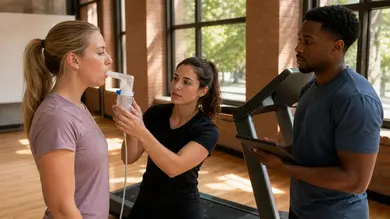
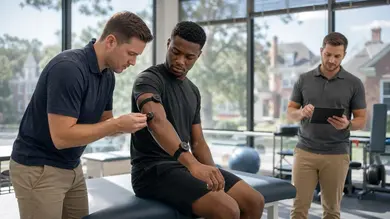
Because exercise science is an applied field, online delivery should still include practical skill development. Strong programs may use video demonstrations, virtual simulations, case studies, at-home assessment activities, live online labs, or supervised local experiences. Ask whether the program requires specific equipment, video submissions, proctored assessments, or in-person components.
One student enrolled in an online exercise science degree described the early coursework as challenging because “The anatomy modules felt overwhelming at first because you're not in a physical lab.” He said detailed video demonstrations and interactive quizzes helped make the material manageable. The flexibility to progress at his own pace was valuable, but he also found that dense theoretical units required strong self-discipline.
His main takeaway was that the program became more useful when assignments connected science to practice: “The course encouraged me to connect theory with real-world fitness practices, which deepened my learning more than I expected.”
An online bachelor’s degree in exercise science usually follows the same general timeline as an on-campus degree, but your actual completion time depends on enrollment status, transfer credits, course availability, and internship requirements. Before choosing a program, ask for a degree plan that shows the expected timeline from your starting point.
- Full-time study: Most programs require about four years to complete with a standard course load each semester. This option works best for students who can consistently manage multiple courses at once.
- Part-time study: Part-time enrollment typically extends completion to five or six years. This can be a better fit for working adults, parents, military students, or students who need a lower course load.
- Accelerated tracks: Some programs use heavier course loads, shorter terms, transfer-friendly policies, or year-round enrollment to help students finish in three years or less. These options can reduce time to graduation but require careful planning and steady availability.
- Programs with practical components: Internships, practicums, fieldwork, or clinical observation hours can affect your timeline. Placement availability, background checks, immunization requirements, site approvals, and supervision schedules may add steps before graduation.
Timeline questions to ask before enrolling
- How many credits are required for the degree?
- How many credits can I transfer into the program?
- Are major courses offered every term or only once per year?
- Can I complete required labs fully online?
- When do internship or practicum requirements begin?
- What happens if I cannot find a local placement on time?
The fastest program is not always the best program. A compressed schedule can be useful if you already have transfer credits and time to study, but it can be risky if science courses, lab assignments, or internship hours are stacked too tightly. Choose a pace that lets you complete the degree without sacrificing learning, grades, or required field experience.
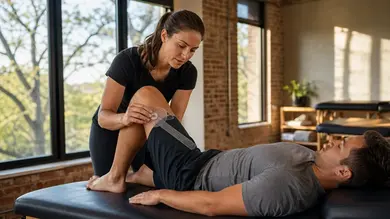
Many online exercise science programs require internships, practicums, field experiences, or supervised applied projects. These experiences help students practice assessment, coaching, exercise programming, communication, and professional documentation in real settings such as fitness centers, clinics, rehabilitation facilities, school athletic programs, corporate wellness offices, or community health organizations.
Notably, over 85% of accredited exercise science programs now mandate such experiential learning to maintain educational quality and relevance. Requirements vary, so students should confirm the number of hours, approved site types, supervisor qualifications, and placement process before enrolling.
How placements usually work
- School-arranged placements: Some programs help connect students with approved local sites. This can reduce stress, but availability may depend on location.
- Student-secured placements: Other programs require students to identify and propose their own site, then obtain school approval before starting hours.
- Hybrid support models: Many schools provide guidelines, affiliation agreements, and faculty approval while expecting students to take the lead locally.
- Virtual or project-based options: Some programs may use remote case studies or applied projects, but these may not replace supervised field experience when certification or graduate pathways require direct practice.
Why practical experience matters
Internships and practicums can make an online degree more credible because they show that the student has applied coursework outside a virtual classroom. They also help students test career interests. A student may discover that they prefer corporate wellness over personal training, strength and conditioning over rehabilitation support, or graduate study over immediate employment.
A graduate of an online exercise science program described the internship as one of the most important parts of her education. Finding a nearby practicum site while managing coursework was difficult, but she valued the program’s flexibility and coordination support. “It was daunting at first, finding a suitable practicum nearby,” she said, “but completing those hours gave me confidence and a deeper understanding of client needs that textbooks alone couldn't provide.”
That experience also helped her build professional contacts and transition into her first job. For many students, the internship is where the degree begins to feel like career preparation rather than only academic study.
You may be able to qualify for professional credentials with an online exercise science degree, but the answer depends on the specific occupation, state rules, accreditor expectations, and certification body requirements. Exercise science itself is not a single licensed profession in the way nursing or physical therapy is. Instead, graduates often pursue certifications, state-regulated roles, graduate programs, or support positions that each have their own requirements.
Typically, licensure or credentialing pathways may require an accredited degree, supervised clinical or field hours, and passing certification exams. Reputable online programs often align coursework with national certifying bodies such as the American College of Sports Medicine (ACSM) or the National Strength and Conditioning Association (NSCA). Some also provide virtual labs, simulations, and local internships to help students build applied skills.
Credentialing can differ by career path
- Fitness trainer or personal trainer: Personal training is commonly certification-based rather than state-licensed. Employers may prefer or require a nationally recognized certification.
- Strength and conditioning roles: Employers may look for specific certifications, relevant experience, and a strong background in exercise programming and biomechanics.
- Exercise physiologist: Some roles may require or prefer national certification, especially in clinical or hospital-related settings.
- Physical therapy or occupational therapy pathways: An exercise science degree may help satisfy undergraduate prerequisites, but licensed practice requires additional graduate education and state licensure.
- Physical therapy assistant roles: These typically require completion of an approved physical therapist assistant program and state licensure, not simply a general exercise science degree.
According to recent data, exercise science professionals who hold national certification enjoy nearly a 20% higher employment rate within six months of graduation compared to those without certification. That does not mean certification guarantees employment, but it does show why students should ask programs how coursework, labs, and field experience prepare them for recognized exams.
Before enrolling, request written confirmation of whether the program meets requirements for your intended credential or state-regulated role. This is especially important when comparing healthcare education options, including pathways that may appear more direct or easier to enter, such as easy nursing schools to get into. Credentialing remains one of the most important factors in whether a degree leads to the job you want.
Online exercise science program costs vary by institution, residency status, transfer credits, fees, and whether the school charges per credit or by term. The listed tuition rate is only one part of the total cost, so students should request a complete estimate before committing.
Common cost components include the following:
- Tuition: Programs may charge per credit hour or offer flat rates for full-time enrollment. Costs typically vary between $300 and $600 per credit hour depending on the institution.
- Mandatory fees: Online students may still pay registration, technology, student services, assessment, graduation, or lab-related fees. These charges can add several hundred dollars to the total cost.
- Course materials: Textbooks, online platforms, software, lab resources, and specialized fitness assessment tools may not be included in tuition. These supplementary materials can cost a few hundred to over a thousand dollars throughout the program.
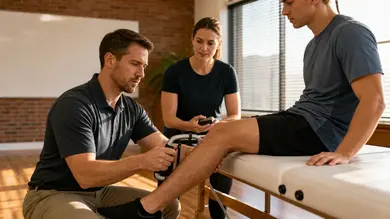
- Equipment and technology: Some courses may require a webcam, reliable internet, video recording tools, wearable devices, heart rate monitors, or basic fitness testing equipment.
- Internship-related expenses: Students may need to pay for transportation, background checks, immunizations, liability insurance, CPR certification, professional clothing, or site-specific requirements.
- Opportunity cost: Accelerated or full-time study may reduce the hours you can work, while part-time study may spread costs over a longer period.
How to judge program value
A lower tuition rate is helpful, but it should not be the only measure of value. Compare accreditation, transfer credit policies, internship support, certification preparation, faculty access, graduation requirements, and student support. A cheaper program that does not support your intended credential or career path may cost more in the long run.
Students comparing health-related degrees may also review affordability across adjacent fields, such as an online nursing degree, to understand how program length, licensure preparation, and clinical requirements affect total cost.
Online exercise science students may qualify for many of the same financial aid options as campus-based students, provided the institution and program meet eligibility requirements. Recent trends indicate that about 85% of undergraduate students in health-related fields utilize some form of financial aid, emphasizing how common funding support is.
The first step is usually completing the FAFSA if you plan to use federal aid. From there, compare grants, scholarships, loans, work-study, employer benefits, military education benefits, and payment plans. The goal is not only to find aid, but to reduce unnecessary borrowing.
- Federal grants: Need-based grants, such as the Pell Grant, do not require repayment. Eligibility depends on financial need and other federal criteria.
- Scholarships: Scholarships may be offered by colleges, professional associations, community organizations, private foundations, or employers. They can be merit-based, need-based, career-specific, or tied to leadership and service.
- Federal student loans: These loans must be repaid after graduation or when enrollment drops below required levels. They often provide more flexible repayment options than private loans.
- Work-study programs: Federally funded part-time jobs can help students earn income while enrolled. Some positions may also provide relevant experience in fitness, recreation, health promotion, or student wellness.
- Employer tuition assistance: Students already working in fitness centers, healthcare organizations, schools, or wellness programs should ask whether their employer helps pay for job-related education.
- Military and veteran benefits: Eligible service members, veterans, and dependents may be able to apply education benefits toward an accredited online program.
Financial aid questions to ask the school
- Is the online exercise science program eligible for federal financial aid?
- Are online students eligible for the same scholarships as campus students?
- Are there scholarships specifically for exercise science, kinesiology, health science, wellness, or allied health students?
- Can transfer credits reduce my total tuition?
- Will internships create additional costs that are not included in the aid estimate?
Students comparing cost-effective healthcare education routes may also research alternatives such as the cheapest online RN to BSN programs. The best financial choice depends on your current credentials, career goal, required licensure or certification, and the total amount you would need to borrow.
An online exercise science degree can prepare graduates for roles in fitness, wellness, performance, health promotion, and rehabilitation support. The Bureau of Labor Statistics projects a 13% growth in exercise-related occupations over the next decade, indicating strong demand. Still, job options depend on your degree level, certifications, internship experience, location, and whether a role requires additional licensing or graduate education.
Common career paths include the following:
- Exercise physiologist: Exercise physiologists assess fitness, monitor responses to exercise, and design programs that support health and performance. Clinical roles may require or prefer certification and experience working with special populations.
- Fitness trainer or coach: Trainers lead individual or group exercise sessions, create workout plans, track progress, and teach safe technique. Advancement may involve specialization, facility management, online coaching, or strength and conditioning.
- Rehabilitation specialist: Rehabilitation-focused roles often support licensed clinicians by helping clients or patients follow exercise plans, improve mobility, and build strength after injury. Scope of practice depends on the employer and state rules.
- Wellness coordinator: Wellness coordinators design and manage workplace, community, or campus health programs. They may organize screenings, fitness challenges, educational workshops, and behavior-change initiatives.
- Strength and conditioning assistant: Graduates interested in athletic performance may work with athletes under experienced coaches while building credentials and practical experience.
- Health promotion specialist: These professionals help communities or organizations improve physical activity, nutrition awareness, and preventive health behaviors.
How to choose a program based on your target job
If you want to work directly with clients soon after graduation, prioritize programs with strong fitness assessment, exercise prescription, internship, and certification preparation. If you plan to enter physical therapy, occupational therapy, athletic training, or another graduate program, focus on prerequisites, lab science requirements, GPA support, and advising. If your goal is management or wellness administration, look for coursework in program planning, communication, leadership, and health promotion.
Salary outcomes for online exercise science graduates vary widely because the degree can lead to several different roles. Earnings depend on job title, credentialing, experience, employer type, location, and whether the graduate continues into advanced study. When evaluating salary potential, compare realistic roles for bachelor’s-level graduates rather than assuming that all exercise science careers pay the same.
Key factors that influence earnings include the following:
- Level of education: Advanced degrees such as master's or doctoral programs usually lead to higher salaries because they can open doors to specialized, clinical, research, teaching, or leadership roles.
- Specialization: Focus areas such as sports medicine, rehabilitation, strength and conditioning, wellness leadership, or clinical exercise physiology may improve competitiveness for certain roles.
- Experience: Internships, coaching experience, healthcare exposure, client-facing work, and prior fitness roles can improve employability and may support better compensation.
- Geographic location: Salary ranges differ by region. Metropolitan areas or locations with higher living costs often offer more competitive wages than rural settings, though expenses may also be higher.
- Work setting: Hospitals, research facilities, universities, corporate wellness programs, professional sports organizations, and specialized clinics may offer different pay structures than community fitness centers or general wellness jobs.
- Certifications: Nationally recognized certifications can strengthen a graduate’s qualifications, especially for training, strength and conditioning, and clinical exercise roles.
How to evaluate salary before enrolling
Ask each program for career outcome data, not just broad job examples. Useful information includes recent graduate job titles, internship employers, certification exam preparation, graduate school placement, and career services support. Also compare job postings in your area to see which credentials employers actually request.
A degree can be a strong foundation, but salary growth often comes from stacking the right experience, credentials, specialization, and professional network after graduation.
What Graduates Say About Enrolling in an Online Exercise Science Degree
- Eliana: "Enrolling in the online exercise science degree was one of the best decisions I've made. The program's affordability, averaging around $20,000 in total, made it accessible without compromising quality. The flexibility allowed me to balance work and study, and now I'm confidently advancing my career as a certified fitness specialist."
- Johnny: "I spent a long time considering the cost versus benefits of an online exercise science degree. Given the program's moderate tuition fees and comprehensive curriculum, I opted in and found the experience intellectually rewarding. The knowledge gained has significantly shaped my approach to rehabilitation therapies in my clinical practice."
- Chad: "The decision to pursue an online exercise science degree stemmed from my need for a practical, cost-effective education-typically less expensive than traditional routes. I appreciated the interactive coursework and expert instruction, which have propelled me into leadership roles within wellness coaching. This program truly bridged the gap between theory and real-world application."
Other Things You Should Know About Exercise Science Degrees
You should confirm that the program requires a laptop or desktop with a webcam, microphone, and stable broadband internet, plus access to video-conferencing software and a learning-management system. For practical courses, ask whether you also need fitness-tracking devices or a local site for supervised skills work.
Yes, some online exercise science programs offer specialization options such as sports performance, rehabilitation, or wellness coaching. These specializations can tailor your learning toward specific career paths.
It's important to verify if the program's curriculum includes these focused areas before enrolling.
Many online exercise science programs incorporate virtual simulations, local partnerships, or require students to complete in-person lab work at approved facilities.
This hybrid approach ensures students gain essential hands-on skills despite the online format. Confirm how your chosen program facilitates these experiential learning requirements.
- Online Exercise Science Program https://stmary.edu/online-programs/exercise-science.html
- Online Bachelor's in Exercise Science https://online.maryville.edu/online-bachelors-degrees/exercise-science/
- M.S. in Exercise Science Online Degree - Aurora University https://online.aurora.edu/online-degrees/ms-masters-in-exercise-science/
- Experiential Learning in Exercise Science (BS) https://www.lindenwood.edu/science/kinesiology/exercise-science-bs/experiential-learning/
- Which States Require Licensure for Exercise Physiologists With a Master’s? https://exsci.cuchicago.edu/states-require-licensure-exercise-physiologists-masters/
- What is Exercise Science (Kinesiology)? Take our Classes! | Barton College https://www.barton.edu/what-is-excercise-science/
- Exercise Science | Carson-Newman University https://www.cn.edu/programs/exercise-science/
- Master of Science Major in Exercise Science, Sport Coaching Concentration https://online.txst.edu/degrees/healthcare/ms-exercise-science-sports-coaching/
- HHP: Exercise Science Concentration | Eastern Oregon University Online https://online.eou.edu/programs/bachelors-health-human-performance/exercise-science/
- Bachelor of Science Degree in Exercise Science in AL – Faulkner University https://www.faulkner.edu/bachelor-exercise-science/