2027 Is an Exercise Science Online Degree Worth It?

Co-Founder and Chief Data Scientist
Choosing an online exercise science degree is mostly a fit question: Can the program give you the science foundation, applied practice, internship support, and credentials you need without requiring a campus schedule? For many students, the answer can be yes—especially as online education has expanded and enrollment in online programs has increased by over 20% in recent years.
This guide explains when an online exercise science degree makes sense, what trade-offs to expect, how technology and AI-supported classrooms are used, how long programs take, what they cost, and what career outcomes may look like. It is written for working adults, transfer students, career changers, military learners, and anyone comparing online study with a traditional campus-based exercise science program.
Key Benefits of Online Exercise Science Degree
- Online exercise science programs offer flexible schedules, allowing students to balance work, family, and education without sacrificing quality or accreditation.
- Curricula focus on practical skills and certifications that align with growing fitness and rehabilitation industries, enhancing employability.
- Graduates see long-term value, with job growth in related fields projected at 10% through 2030, reflecting strong demand for exercise science expertise.
Who Should Choose an Online Exercise Science Degree Program?
An online exercise science degree is best for students who need flexibility but still want structured training in human movement, fitness, health promotion, and performance. It is not automatically easier than an on-campus program; the strongest online programs still require science coursework, regular assignments, group projects, and—in many cases—field experience or internships.
This format is usually a strong fit for the following learners:
- Working professionals: Students already employed in fitness, coaching, recreation, wellness, or healthcare support roles can build academic credentials without leaving their jobs. Online courses make it easier to study before or after work, although students should still plan for weekly deadlines and exam periods.
- Career changers: Adults moving into exercise science from another field may prefer online study because it allows them to test a new career direction while maintaining income. A degree can also help them prepare for certifications, graduate study, or entry-level roles in fitness, wellness, and rehabilitation-adjacent settings.
- Students in remote or underserved areas: Learners without a nearby college offering exercise science can access accredited online coursework from outside their local area. This can be especially useful for students who want a specific concentration that is not available at nearby campuses.
- Military personnel and frequent travelers: A fully online program can provide academic continuity for students who relocate, deploy, or travel often. Before enrolling, these students should confirm policies for time-zone differences, proctored exams, course access, and internship placement.
- Transfer students: Students with previous college credits may be able to shorten the path to graduation. Before choosing a school, they should request a formal transfer evaluation and confirm which prerequisites still need to be completed.
Students comparing programs can also review an online degree in exercise science to understand how curriculum, flexibility, and career preparation may differ across schools.
What Are the Pros and Cons of an Online Exercise Science Degree?
An online exercise science degree can be worth considering if you need schedule flexibility, want to avoid relocation, or already work in a related field. The main trade-off is that exercise science is an applied discipline, so you must pay close attention to how the program handles labs, internships, assessment, and hands-on skill development.
Pros of an Online Exercise Science Degree
- Flexibility and convenience: Many online programs use asynchronous coursework, allowing students to watch lectures, complete readings, and submit assignments around work or family responsibilities. This matters because 74% of online learners cite flexibility as a key reason for enrollment.
- Broader program choice: Online study allows students to compare schools outside their immediate region. Some universities, like the University of North Carolina at Greensboro, offer fully online tracks with no campus visits needed.
- Possible cost savings: Online students may avoid commuting, campus housing, parking, and relocation costs. Tuition still varies widely, so students should compare total program cost rather than assuming every online option is cheaper.
- Career and certification preparation: Many programs align coursework with fitness, strength and conditioning, wellness, or exercise physiology career paths. Some include preparation for credentials such as Certified Personal Trainer (CPT) or Certified Strength and Conditioning Specialist (CSCS), though students should confirm eligibility requirements directly with the certifying organization.
- Immediate workplace application: Students already working in fitness, coaching, or health promotion may be able to apply concepts from biomechanics, program design, nutrition, and assessment directly in their current roles.
Cons of an Online Exercise Science Degree
- Limited in-person practice unless the program plans for it: Exercise testing, movement assessment, coaching technique, and rehabilitation-related observation can be harder to learn entirely online. Strong programs solve this through local practicums, recorded skill demonstrations, virtual labs, or approved internship sites.
- More responsibility for time management: Online courses often require students to manage readings, discussion posts, exams, and projects without the rhythm of campus meetings. Students who struggle with self-directed learning may prefer hybrid or campus-based options.
- Networking may require extra effort: Online students can still build relationships with faculty and peers, but they may need to be more intentional about attending virtual events, asking for mentorship, joining professional associations, and using career services.
- Technology can affect performance: A weak internet connection, outdated computer, or limited access to required software can make virtual labs, video submissions, and group projects more difficult.
- Some career goals require additional education or licensure: An exercise science degree alone may not qualify graduates for every clinical, athletic training, physical therapy, occupational therapy, or licensed healthcare role. Students should check graduate school prerequisites and state requirements early.
Students who want a shorter credential before committing to a full degree may also compare short certificate programs that can complement exercise science qualifications.
How Do AI-Enhanced Virtual Classrooms Work in Online Exercise Science Programs?
AI-enhanced virtual classrooms use software tools to personalize learning, analyze performance data, support feedback, and simulate applied scenarios. In exercise science, these tools can help students practice interpreting physiological information, designing programs, and reviewing movement-related concepts before applying them in real settings.
Common AI-supported features include:
- Adaptive learning tools: These systems adjust quizzes, review materials, and learning paths based on student performance. A student who struggles with energy systems, biomechanics, or exercise prescription may receive targeted practice instead of repeating an entire module.
- AI-driven data analysis: Online programs may use tools that help students clean, visualize, and interpret physiological datasets. This can support evidence-based decision-making, especially in courses involving fitness testing, program evaluation, or research methods.
- Virtual simulation technology for exercise science students: Generative AI and simulation platforms can create realistic cases, synthetic data, and practice scenarios. Students may use these to test program design decisions or analyze results in a low-risk environment.
- Collaborative AI platforms: Intelligent discussion tools, automated reminders, and feedback systems can help students communicate with peers, track progress, and prepare questions for instructors.
AI tools can improve practice and feedback, but they do not replace qualified instruction, supervised fieldwork, or ethical judgment. Prospective students should ask whether AI tools are required, how student data is protected, and whether assignments require original analysis rather than automated responses. Students seeking flexible admissions options can compare open enrollment colleges while checking whether programs use these technologies responsibly.
Technology requirements matter more in exercise science than many students expect. In addition to ordinary online coursework, students may need to record movement demonstrations, join live labs, analyze exercise data, use cloud-based collaboration tools, and submit video or data-heavy assignments.
Before enrolling, confirm the program’s technical standards and prepare the following:
- Reliable computer or laptop: A current device is essential for accessing the learning management system, running course software, streaming lectures, and submitting assignments. Many programs expect an updated operating system, sufficient processing power, and at least 8GB of RAM.
- High-speed internet connection: Stable broadband is important for live class sessions, virtual labs, recorded demonstrations, assignment uploads, and group meetings. Students in areas with unreliable service should identify a backup location before courses begin.
- Webcam and microphone: Exercise science students may need to give presentations, demonstrate techniques, participate in assessments, or meet with instructors. Clear audio and video can affect both participation and grading.
- Fitness apps and wearable devices: Some courses may use smartwatches, heart rate monitors, step counters, or related tools to collect exercise and wellness data. Requirements vary, so students should not purchase expensive devices until the program confirms what is needed.
- Specialized software: Programs may require movement analysis tools, nutrition tracking platforms, spreadsheet software, video editing applications, or data visualization tools. Ask whether licenses are included in tuition or billed separately.
- Cloud storage and productivity suites: Tools such as Google Drive or Microsoft 365 help students collaborate, store large files, share projects, and avoid losing work.
When comparing costs, include technology fees, software subscriptions, and equipment in your budget. Students looking at graduate-level options can also review affordable online master's programs as part of a broader cost comparison.
The time required to finish an online exercise science degree depends on degree level, enrollment status, transfer credits, course availability, and whether the program uses traditional or accelerated terms. Students should look beyond the advertised completion time and confirm how often required courses are offered.
- Full-time online bachelor’s track: Most bachelor's degrees require 120-128 credit hours and generally take around four years for full-time students. Accelerated options may shorten this to three years by offering intensive coursework and year-round classes.
- Part-time enrollment: Students studying part-time usually need five to six years to complete the degree. This path is more manageable for working adults but may extend tuition planning, financial aid timelines, and graduation dates.
- Transfer student advantage: Students with an associate degree or prior college credits can often reduce completion time to two to three years. Transferring up to 90 credits may shorten the path to just one to two years, depending on course fit, residency requirements, and enrollment intensity.
- Online master’s degree duration: Online master's programs in exercise science typically require 33-36 credits and can be completed in 12 to 18 months, especially in accelerated, fully online formats. Part-time students may take longer.
Before committing, ask the admissions office for a degree plan showing required courses by term. Also ask whether internships, capstone projects, labs, or prerequisite science courses can affect the timeline.
Yes, many students work full-time while completing an online exercise science degree, but it requires realistic course planning. The question is not whether online study is flexible; it is whether the weekly workload fits your job schedule, family responsibilities, and energy level.
Key factors that determine whether full-time work is manageable include:
- Flexible scheduling: Asynchronous courses can make it easier to study around work shifts. Some schools offer accelerated sessions lasting 7-8 weeks, which can help students finish faster but often require more focused weekly effort.
- Program pacing: Traditional 16-week semesters spread assignments over a longer period. Accelerated courses compress the same expectations into a shorter window, which can be difficult during busy work seasons.
- Workload expectations: Students typically need 10-15 hours per course weekly. Taking too many courses while working full-time is one of the fastest ways to fall behind.
- Employer support: Flexible scheduling, tuition assistance, or permission to adjust hours during exams and major projects can make a major difference.
- Time management habits: Successful students usually schedule fixed study blocks, use weekly assignment checklists, start projects early, and communicate with instructors before problems become emergencies.
When I spoke with a student who worked full-time throughout her online exercise science degree, she described the experience as rewarding but demanding.
"I often juggled late-night study sessions and early mornings at work," she said. She found that breaking assignments into smaller tasks and communicating with her employer helped her stay on track.
Her main advice was practical: avoid overloading your first term. "It wasn't easy, but being able to apply what I learned immediately at work made the whole effort worthwhile."
Internships are especially important in exercise science because employers often want evidence that graduates can work with clients, teams, patients, or wellness populations—not just complete academic coursework. A strong online program should explain exactly how students find, approve, complete, and document field experiences.
Online programs commonly support internships in these ways:
- Dedicated internship coordinators: Coordinators help students identify sites that match academic requirements and career goals. They may also explain documentation, liability forms, supervisor qualifications, and approval timelines.
- Local placement options: Many online students complete internships near where they live. Potential sites may include fitness centers, strength and conditioning facilities, recreation departments, wellness programs, clinics, schools, or community health organizations.
- Virtual placement coordination: Some programs maintain employer relationships or approved site databases. Others expect students to propose a site, which the school then reviews for academic fit.
- Career services support: Students may receive help with resumes, cover letters, interview preparation, internship searches, and professional communication.
- Mentorship and networking: Online platforms can connect students with faculty, alumni, supervisors, and peers. This matters because internship supervisors may later become references or employers.
- Online tracking and documentation: Digital systems help students log hours, submit reflections, upload evaluations, and verify completion of practicum credits.
Before enrolling, ask whether internships are required, whether the school guarantees placement, who is responsible for finding the site, and what happens if no approved site is available near you.
Tuition for online exercise science programs varies by degree level, institution type, residency policy, and fees. The most useful comparison is total cost to graduate, not just the per-credit rate, because technology fees, course materials, software, and transfer-credit policies can change the final price.
- Average tuition per credit: Online exercise science courses generally cost between $329 and $575 per credit hour. For example, Concordia University Chicago charges $575 per credit for 36 credits in its master's program.
- Annual tuition ranges: Master's programs may cost from around $5,325 annually at affordable institutions like the University of the Cumberlands up to over $20,000 for a full program. Bachelor's degree totals vary widely, starting near $9,294 yearly at schools like Cameron University and reaching more than $50,000 overall.
- Public vs. private institutions: Private nonprofit schools typically have higher tuition than public universities. However, some private schools offer scholarships or flat online rates, so students should compare net price after aid.
- Out-of-state fees: Many online exercise science programs do not charge extra fees for out-of-state students. This can expand the list of affordable options for students who are not tied to a local campus.
- Additional fees: Students should budget for technology charges, textbooks, course materials, software, proctoring, and any required equipment. These costs may not appear in the advertised tuition rate.
When I asked a current online exercise science student about tuition, he said the cost felt intimidating at first but became more manageable after he compared scholarships, payment plans, and out-of-state policies.
"Researching scholarships and flexible payment plans helped me handle tuition without overwhelming debt," he said. He also noted that not having to worry about out-of-state fees widened his school choices.
His experience points to a practical rule: request a full cost breakdown before enrolling, including tuition, fees, materials, technology, and estimated time to completion.
Salary depends more on role, experience, location, certifications, and industry than on whether the degree was earned online or on campus. Employers generally focus on accreditation, relevant coursework, practical experience, professional credentials, and the candidate’s ability to do the job.
- Average entry-level salary: Graduates with a bachelor's degree in exercise science typically earn between $44,000 to $68,000 annually. Entry-level roles, such as fitness trainers and instructors, average around $46,480 per year, according to the Bureau of Labor Statistics. These roles can be a starting point for more specialized work.
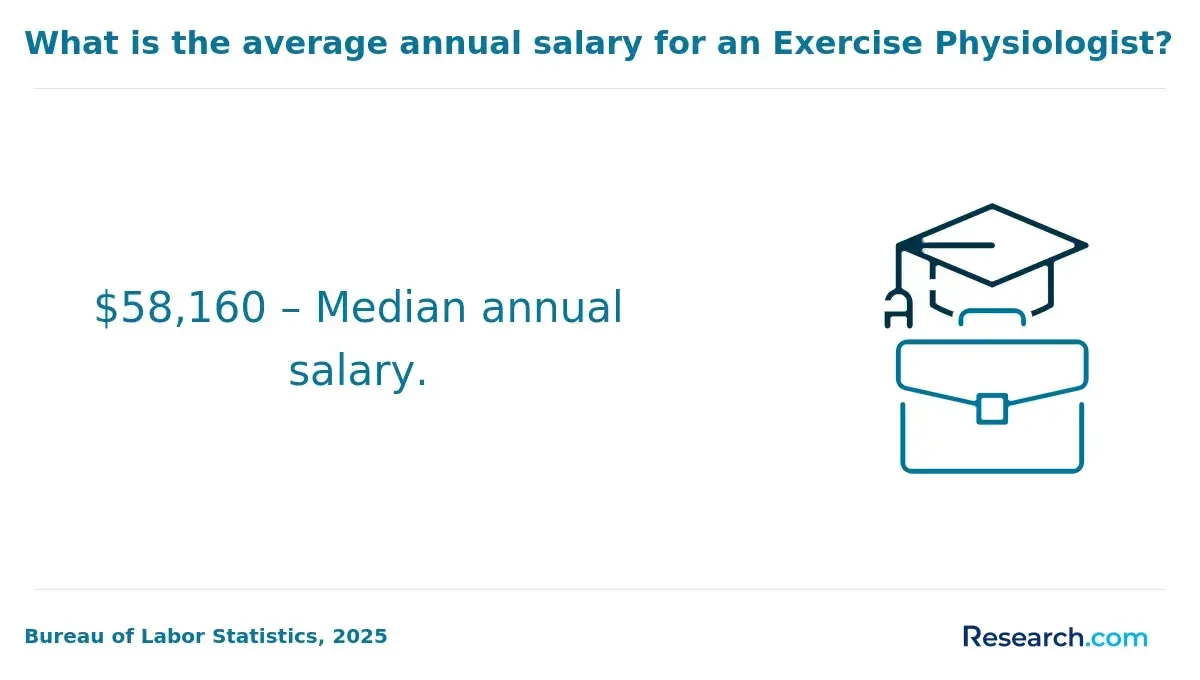
- Mid-career and specialized salaries: Graduates with online master's degrees in exercise science may see higher earning potential, with an average national salary of $54,810 and the top 25% making over $65,000 annually. Specialized roles like recreational therapists or exercise physiologists command salaries ranging from $59,620 to $65,350 per year and can exceed $80,000 in niche sectors such as corporate wellness or collegiate athletics.
- Salary by industry and region: Location and employer type matter. For example, exercise physiologists working in states with higher costs of living, such as California or Alaska, may earn over $70,000 annually. Corporate wellness, performance training, healthcare, athletics, and public health can each offer different compensation paths.
Students evaluating salary should also consider credential requirements. Certifications, internship experience, graduate school prerequisites, and specialization can all affect long-term income. To compare online institutions more broadly, students can review online college options while focusing on program quality, accreditation, and career support.
Exercise science graduates can work in several industries because the degree combines human movement, health behavior, fitness assessment, and program design. Online graduates should be prepared to show practical experience through internships, certifications, portfolios, or work history.
- Healthcare: Hospitals, rehabilitation clinics, and wellness-focused healthcare organizations may hire graduates for roles related to clinical exercise support, wellness coordination, patient education, or preventive health. Some clinical roles may require additional credentials or graduate education.
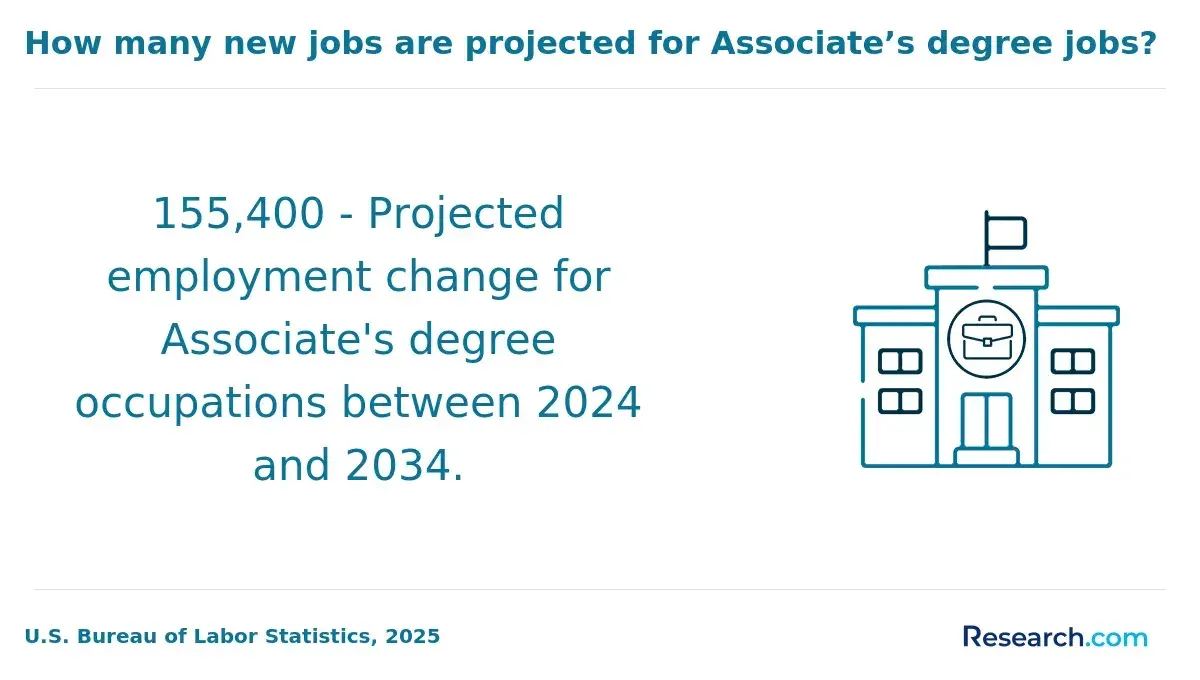
- Fitness and recreation: Health clubs, fitness centers, recreation departments, and community programs hire graduates as personal trainers, group fitness instructors, fitness managers, or program coordinators. The U.S. Bureau of Labor Statistics projects 12% job growth for fitness trainers between 2024 and 2034.
- Corporate wellness: Employers that operate wellness initiatives may hire exercise science graduates to help design fitness challenges, health education programs, ergonomic initiatives, and employee well-being services.
- Education and athletics: Schools, colleges, universities, and athletic organizations may hire graduates for coaching, strength and conditioning, recreation, or instructional support roles. Some positions may require teaching credentials, graduate degrees, or sport-specific certifications.
- Research and public health: Research centers, nonprofits, and public health agencies may employ graduates—particularly those with advanced degrees—to help evaluate programs, collect data, support health initiatives, or contribute to policy-related work.
Students comparing hands-on career pathways can also review trade school career options to understand how degree-based and skills-based training routes differ.
What Graduates of Online Exercise Science Programs Say About Their Degree
- : "Pursuing an online exercise science degree allowed me to learn at my own pace while managing a full-time job, which was invaluable. The curriculum was thorough and relevant, and the cost was significantly lower than traditional programs, making it a smart investment in my future career in fitness coaching. I highly recommend it to anyone looking to advance without sacrificing flexibility. — Rocky"
- : "The online exercise science program truly expanded my understanding of human movement and health, which has been instrumental in my role as a rehabilitation specialist. Balancing studies with family life was challenging but rewarding, and the affordable tuition helped me avoid overwhelming debt. Reflecting on the experience, it was a practical and impactful choice. — Douglas"
- : "Completing my exercise science degree online was a strategic decision that enhanced my professional credentials efficiently. The course design was rigorous yet adaptable, enabling me to deepen my knowledge without interrupting my career progression. Considering the average cost of attendance, the value I gained definitely outweighed the expense. — Ezra"
Other Things You Should Know About Exercise Science Degrees
Look for regional institutional accreditation and, where available, programmatic review by the Commission on Accreditation of Allied Health Education Programs, or CAAHEP. A school’s accreditation should also be recognized by the U.S. Department of Education and the Council for Higher Education Accreditation.
Yes, graduates of an online Exercise Science degree in 2027 can pursue national certifications such as Certified Strength and Conditioning Specialist (CSCS) or American College of Sports Medicine (ACSM) certifications. Accreditation of the program and meeting specific course requirements are essential for eligibility.
- Exercise Science Degree Programs & Career Guide 2025 https://www.nutritioned.org/exercise-science-degree/
- How Can AI Be Used in Fitness? https://www.ereps.eu/news/how-can-ai-be-used-fitness
- Most Popular Online Exercise Science Degrees https://www.onlineu.com/most-popular/exercise-science
- HHP: Exercise Science Concentration | Eastern Oregon University Online https://online.eou.edu/programs/bachelors-health-human-performance/exercise-science/
- Online Bachelor’s in Exercise Science | ACU https://acu.edu/academics/online/undergraduate/bachelor-of-science-in-exercise-science/
- Exercise Science Jobs & Careers: What Can You Do? https://online.aurora.edu/career-outcomes/exercise-science-career-guide/
- Online Exercise Science Program https://stmary.edu/online-programs/exercise-science.html
- Balancing Work and Study | Tips for Online Kinesiology Students https://exsci.cuchicago.edu/balancing-work-and-study-online-kinesiology-students/
- Online Bachelor's in Exercise Science https://online.maryville.edu/online-bachelors-degrees/exercise-science/
- Empowering the Sports Scientist with Artificial Intelligence in Training, Performance, and Health Management https://pmc.ncbi.nlm.nih.gov/articles/PMC11723022/