2027 ABA Approval vs. Institutional Accreditation in Paralegal Education: What Each Tells You

Co-Founder and Chief Data Scientist
A paralegal program may advertise American Bar Association (ABA) approval, institutional accreditation, both, or neither. Those labels describe different reviews, so treating them as interchangeable can lead to a costly enrollment mistake. If you are comparing certificates, degrees, or online programs, this guide explains what each status verifies - and what it does not. You will learn when ABA approval is worth prioritizing, why the institution's accreditation still matters, and which additional questions to settle before paying a deposit.
Key Things You Should Know
- ABA approval evaluates an eligible paralegal education program; institutional accreditation evaluates an institution. Neither status substitutes for the other.
- ABA approval is not universally required to become a paralegal. Accreditation alone does not establish that a particular program is ABA-approved, eligible for federal aid, or accepted by a certification body.
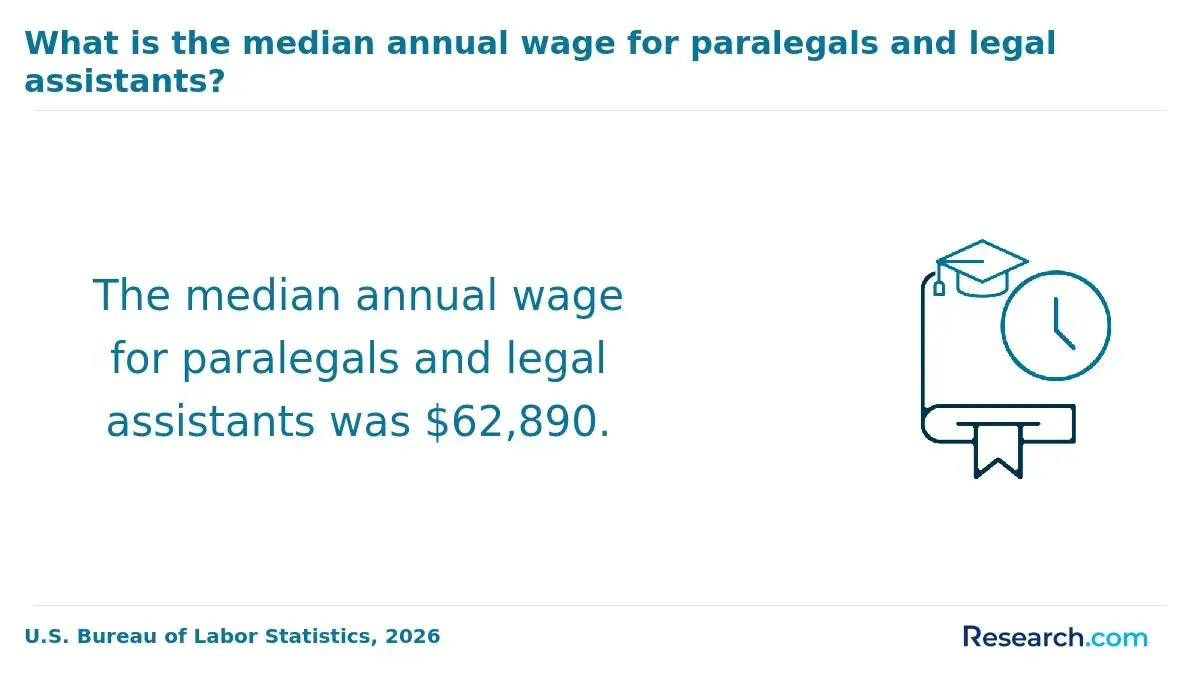
- The U.S. Bureau of Labor Statistics reports $62,890 in May 2025 median annual pay for paralegals and legal assistants, with 0% projected growth, 2025-2035. Those occupation-wide figures are not outcomes promised by either educational status.
What is the difference between ABA approval and institutional accreditation for paralegal programs?
ABA approval is a voluntary review of an eligible paralegal education program against the ABA's program guidelines. Institutional accreditation is a separate review of a college or other educational institution by an accrediting agency. The first tells you about a specific program's review status; the second tells you about the institution's recognized quality-assurance status. Neither means the ABA has accredited the college.
The distinction matters because a claim about one cannot establish the other. Use this comparison to identify which question each status answers.
| Question | ABA program approval | Institutional accreditation |
| What is reviewed? | The named paralegal education program | The institution as a whole |
| What can it signal? | That the program met applicable ABA guidelines when approved | That the institution met its accreditor's standards |
| What does it not establish? | Accreditation of the institution, individual certification, or federal aid eligibility | ABA approval or endorsement of every individual program |
Check the exact program name and its current ABA directory listing, then identify the institution's accreditor and confirm its current status. A school's general statement that it is "accredited" is not enough to identify who accredited it or whether the status is current.
Does a paralegal program need ABA approval or institutional accreditation?
There is no universal U.S. rule requiring a paralegal to graduate from an ABA-approved program. Hiring standards and any applicable state rules can differ. An accredited institution can offer a useful paralegal program without ABA approval, but institutional accreditation does not replace a requirement that specifically calls for an ABA-approved program.
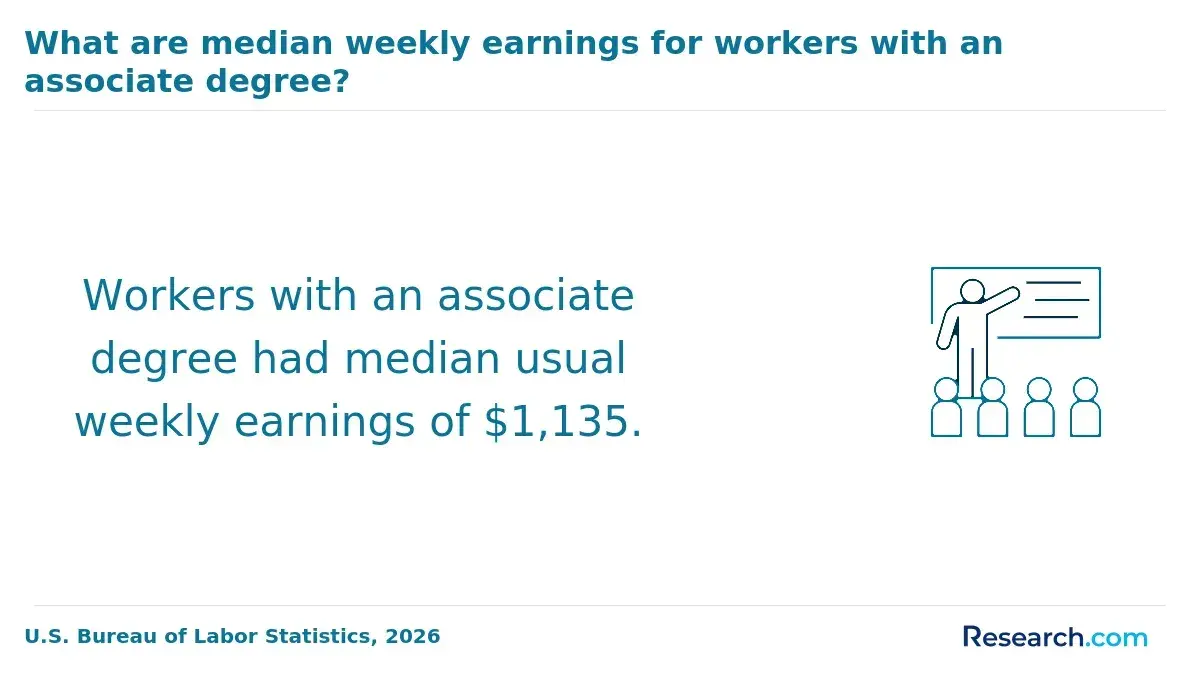
For most applicants, verified institutional accreditation is a foundational screening question: it can affect credit recognition and access to certain forms of aid, though neither outcome is automatic. Give ABA approval additional weight if a target employer or credential pathway explicitly values it, or if its program-level review matters to your decision. If you want college credit that may support later study, compare associate-level legal studies education alongside paralegal-specific options. The receiving college - not the originating program's accreditation label - decides whether credits transfer.
How does accreditation affect paralegal certification and employment opportunities?
A paralegal certificate is an educational award. Professional certification is a separate credential granted under a certifying organization's or state system's rules. The ABA approves qualifying programs; it does not certify individual paralegals. For example, NALA's Certified Paralegal credential and the National Federation of Paralegal Associations' credentials have their own eligibility rules. Check the current rules for the specific credential before assuming that a degree, certificate, ABA approval, or accreditation satisfies them.
Employers may prefer particular degrees, practical experience, ABA-approved coursework, or professional certification, but a preference in a job posting is not necessarily a legal requirement. Where state-specific registration or certification rules apply, check the responsible state authority. Treat a school's job-placement claims separately from its approval and accreditation status: neither review guarantees employment, and neither authorizes a paralegal to practice law independently.
What types of paralegal education programs can students choose?
Common routes include associate and bachelor's degrees with paralegal coursework, post-baccalaureate paralegal certificates, and other certificate programs with varying admission requirements. Degrees generally include broader general education or disciplinary study; a certificate may concentrate more tightly on legal-support skills. The credential name alone does not reveal whether coursework is credit-bearing, ABA-approved, transferable, or suitable for a particular certification pathway.
If you already hold a degree, compare the certificate's prerequisites and required legal coursework with the cost and time of another degree. If you are considering graduate study instead, understanding different legal studies master's pathways can clarify a different goal: programs such as a Master of Legal Studies primarily build legal knowledge for nonlawyers. They are not substitutes for a Juris Doctor (JD) when the goal is to qualify to practice law.
Are online paralegal programs held to the same standards as campus programs?
Delivery format does not change the basic distinction: an online program's ABA approval must be verified for the specific program, and its institution's accreditation must be verified separately. Do not assume that an online course is included in an approved program merely because the college also offers approved campus coursework. Ask the program which formats and locations its current approval covers.
"Online" also does not necessarily mean self-paced. Scheduled classes, proctored exams, campus visits, and fieldwork can affect whether a program fits around employment. When exploring accelerated online paralegal education, check the actual course sequence and weekly commitments; a shorter calendar may leave less room to work or arrange practical experience.
What courses should an accredited paralegal program include?
Institutional accreditation alone does not prescribe one identical paralegal curriculum. To judge preparation for legal-support work, look for legal research and writing, civil procedure and litigation support, ethics, and opportunities to apply those skills to realistic assignments. Coursework in contracts, business law, real estate, or other practice areas can be valuable when it matches your intended work; an internship or practicum is helpful only if its responsibilities and scheduling are workable for you.
Review the current catalog rather than relying on a list of software logos. A course might mention e-discovery or legal research tools without providing student access or hands-on work. Ask what students actually produce, how their work is assessed, and whether instruction addresses attorney supervision, confidentiality, and the limits on a paralegal's role.
What are the admission requirements for paralegal programs?
Requirements depend on the credential and school. An entry-level degree may use general college admission standards, while a post-baccalaureate certificate may require a completed bachelor's degree. Other certificates may require prior college coursework or specific general education classes. Confirm whether each published condition is a requirement, a recommendation, or a prerequisite that adds time and cost.
Admissions requirements can also matter if you are comparing paralegal study with a broader legal studies degree. For that separate route, choosing legal studies programs by their essay requirements may help narrow applications, but an easier application does not establish that the resulting credential fits a paralegal career goal.
How long do paralegal programs take and how much do they cost?
Length and price depend on credential level, required credits, prior education, course availability, and attendance pace. A focused certificate may take less time than a degree, but prerequisites or an infrequently offered required course can change the finish date. Compare each school's published total expected cost, not just its advertised tuition: mandatory fees, books, technology, research-platform access, travel, and internship expenses may matter.
If ABA approval is a priority, our list of affordable ABA-approved paralegal programs can help you build a shortlist; confirm each program's current approval and price with the school before applying. A lower sticker price may buy noncredit training rather than transferable college coursework. Federal aid is not automatic for a certificate, even at an accredited school: verify the institution's participation and the specific program's eligibility with its financial aid office. Compare aid offers and likely borrowing before deciding that the faster or cheaper-looking option is less costly overall.
What careers and salaries can paralegal graduates expect?
Paralegals and legal assistants typically support lawyers through research, document organization, drafting, and case preparation; their tasks and titles vary by workplace. A graduate might seek work with a law firm, corporate legal department, government office, or another legal-services employer. Coursework can support entry into those roles, but experience, location, employer requirements, and demonstrated skills also shape hiring.
How can students evaluate a reputable paralegal program?
Start with the outcome you need: an entry-level qualification, college credit, a route toward a particular professional credential, or a schedule compatible with work. Then verify the claims most likely to change your decision. This sequence helps separate independently checkable status from marketing language.
- Find the exact paralegal program in the ABA's current directory if the school claims ABA approval; do not substitute a similarly named program or the school's law-school status.
- Confirm the institution's current accreditor and status through the accreditor or a U.S. Department of Education recognition resource.
- Ask for the current catalog, credit status, complete cost, course schedule, and written internship rules, including who arranges any placement.
- Check the relevant employer, certification body, receiving college, or state authority for any requirement you are relying on.
Be cautious if a school calls its graduates "ABA-certified," cannot identify the approved program, promises that credits will transfer everywhere, or implies that accreditation guarantees aid or a job. Choose an ABA-approved option when that specific distinction serves your goal and its costs and logistics work; choose a non-ABA-approved option only after verifying that its accreditation, curriculum, and recognition meet the requirements that matter to you.
Other Things You Should Know About Law & Paralegal
Do not assume they will. A law school sets its own admission and credit policies, and paralegal coursework is not a substitute for a JD. Ask the law school about its rules before paying for courses you hope to apply later.
Ask the school for written confirmation of the change, its effective date, and how it affects your cohort. If approval is important to a planned credential or employer, ask that organization how it treats your completion date and program status.
Possibly, but only if the program's published rules allow it and the work meets its supervision and learning requirements. Get approval before assuming your job will count.
Not necessarily. Identify who awards the credential and credit, if any, and ask the college whether the outside course is part of its accredited educational offerings. An advertisement using a college's name does not resolve that question.
References
- DAPIP | Homepage - Office of Postsecondary Education (OPE) https://ope.ed.gov/dapip/
- Accreditation in the U.S. | ed.gov http://www.ed.gov/laws-and-policy/higher-education-laws-and-policy/college-accreditation/accreditation-in-the-us
- Educational Program Standards | North Carolina State Bar https://www.ncbar.gov/paralegal-certification/educational-program-standards/
- School-Determined Requirements - FSA Partner Connect https://fsapartners.ed.gov/knowledge-center/fsa-handbook/2026-2027/vol1/ch1-school-determined-requirements
- Eligibility Requirements | Federal Student Aid https://studentaid.gov/understand-aid/eligibility/requirements
- An Overview of Accreditation of Higher Education in the United States | Congress.gov | Library of Congress https://www.congress.gov/crs-product/R43826
- ABA: What It Does and Why It Matters to Your Career | Graduate America https://ga.edu/legal/organization/aba-what-it-does-and-why-it-matters-to-your-career
- Do You Need ABA Approval for a Paralegal Program? | Bryan University Online© https://bryanuniversity.edu/faq/aba-approval-accreditation-paralegal-programs/
- ABA Approved Paralegal Education Program Resources | americanbar.org https://www.americanbar.org/groups/paralegals/approval-resources/