2027 Comparing Paralegal Certificate Application Cycles: Cohort Entry vs. Course-by-Course Enrollment

Co-Founder and Chief Data Scientist
A paralegal certificate may fit your career plans, but its application cycle can determine when you start, how you schedule classes, and how quickly you finish. This guide is for prospective students comparing a fixed-start cohort with course-by-course enrollment. It explains what each format changes - and what it does not - so you can check admissions rules, total costs, course availability, and program recognition before committing.
Key Things You Should Know
- Choose a cohort if you can meet a fixed application deadline and want a planned course sequence; choose course-by-course enrollment if you need more control over when to take available classes.
- Course-by-course does not necessarily mean open admission or self-paced study. Confirm certificate admission, course prerequisites, and how often required classes run.
- Neither enrollment cycle guarantees a hiring advantage. The Bureau of Labor Statistics projects about 40,800 paralegal and legal assistant openings per year despite 0% projected employment growth, 2025-2035.
How do cohort and course-by-course paralegal certificate enrollment cycles differ?
A cohort is a group that begins a planned program sequence together, usually after a set application deadline. Course-by-course enrollment lets students register for individual classes as they become available, although the school may still require admission to the certificate program.
Neither label, by itself, tells you whether classes meet online, on campus, or at scheduled times. The distinction matters most when you might miss a start date or need to pause your studies.
This comparison shows which scheduling risks to investigate before applying.
| Decision factor | Cohort entry | Course-by-course enrollment |
| Starting | Enter at a designated program start. | May start with an available eligible course, subject to school rules. |
| Course sequence | Often planned for the entering group. | May depend on prerequisites and future course offerings. |
| Pausing | A missed course may require waiting for another cohort. | May be easier to pause, but delayed courses can still extend completion. |
| Main question | When is the next application deadline and start? | When will every required course next be offered? |
A program can also combine the models - for example, accepting applications regularly while offering required classes in a fixed order. Ask for the current schedule covering the entire certificate, not just the next class.
Which paralegal certificate format offers greater scheduling flexibility?
Course-by-course enrollment usually offers more control over your pace, provided required classes are offered often enough. A cohort usually offers more predictable sequencing but less room to stop and restart. If a required course runs infrequently, the supposedly flexible option could take longer than the cohort.
Check the weekly schedule as well as the application cycle. Online classes may have live meetings, fixed assignment deadlines, proctored exams, or a required internship. If you need remote study, compare online study leading to a paralegal certificate by those commitments rather than assuming "online" means self-paced.
For a realistic completion plan, ask whether you can take required courses concurrently, whether seats are reserved for certificate students, and what happens if you miss one term. Those answers are especially important if your work hours change.
What are the admission requirements for each paralegal certificate format?
Enrollment format does not determine admission requirements. Depending on the program, applicants may need a high school credential, prior college coursework, an associate degree, or a bachelor's degree. A school may also distinguish between admission to the institution, admission to the certificate, and permission to take an individual course.
Cohorts commonly have a program application deadline; course-by-course options may have separate registration deadlines for each term. Before paying an application fee, confirm the credential required for entry, any prerequisite courses, and whether taking a class before formal admission guarantees that it will count toward the certificate. It may not.
If you already hold a bachelor's degree and are considering broader legal knowledge rather than paralegal training, graduate admissions are a separate comparison. For example, online legal studies degrees with no admissions essay required may simplify one application step, but a non-JD legal studies degree is not a substitute for attorney qualification or necessarily for practice-focused paralegal coursework.
How do cohort and rolling enrollment programs compare in length and cost?
A cohort's published schedule can make its expected completion date easier to estimate. A rolling or course-by-course option may let you finish sooner if courses are available and your workload permits - or take longer if prerequisites, limited offerings, or a break interrupt progress. Compare each school's complete course sequence, not an advertised "as little as" timeline.
Neither enrollment model is inherently cheaper. Request the total for required tuition and fees, books, technology or legal-research access, and any required travel or internship expenses. Per-course pricing can make payments easier to spread out, but postponing classes may expose you to later price changes. Ask whether a quoted price covers the full certificate or only one term.
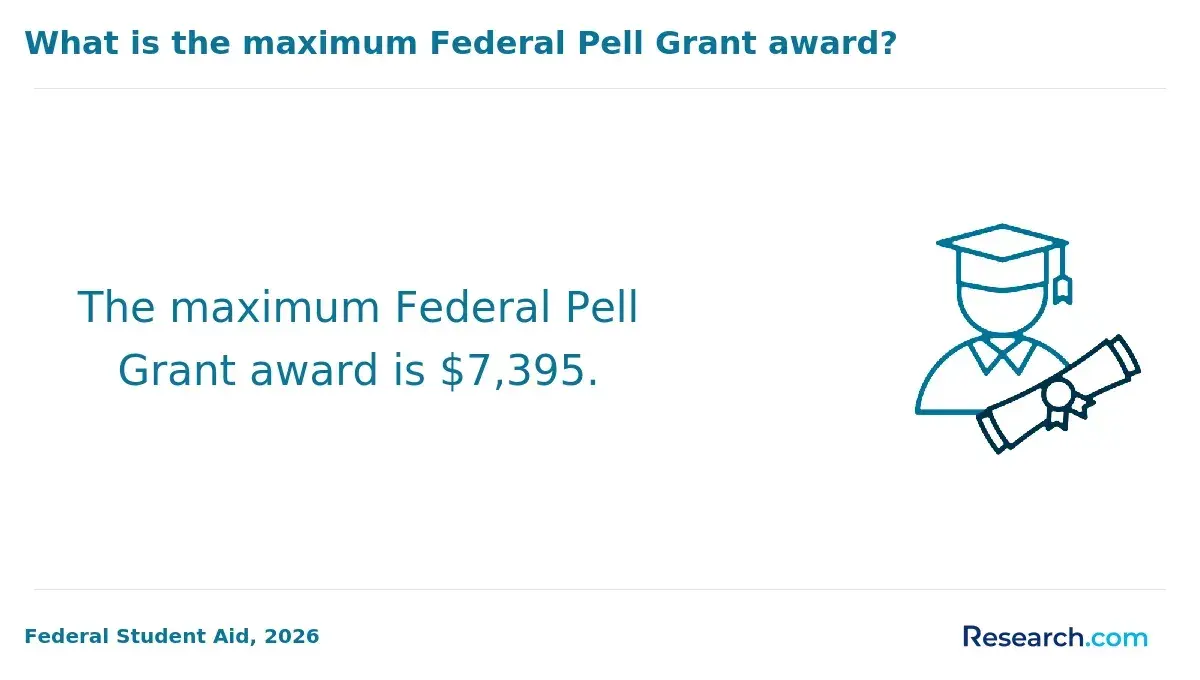
Do not assume a certificate qualifies for federal student aid: eligibility depends on the institution, the specific program, and applicable aid rules. Have the school confirm eligibility in writing before building a financing plan.
If your goal is broader legal knowledge for an existing professional role, you can compare the full certificate cost with cost-conscious legal studies graduate programs - while recognizing that these credentials teach at different levels and serve different purposes.
What coursework do paralegal certificate programs typically include?
Paralegal certificates commonly cover legal research and writing, civil litigation, ethics, and the organization of legal documents. Programs may add contracts, business law, real estate, family law, or other practice-area courses.
The useful comparison is not the number of course titles but whether assignments develop skills you expect to use under attorney supervision: finding authority, preparing drafts, managing information, and meeting deadlines.
Ask to see current course descriptions and required assignments. An introductory mention of e-discovery or legal research software is different from hands-on work with a tool; neither automatically establishes professional proficiency. Also check whether an internship is required and who must arrange the placement.
If you need general education alongside legal coursework, online legal studies associate degree programs may be worth comparing. An associate degree and a certificate have different credit requirements, and any later transfer of coursework is decided by the receiving institution.
How do online and campus-based paralegal certificate options compare?
Delivery mode is a separate choice from enrollment cycle: either a cohort or a course-by-course program may operate online, on campus, or in a hybrid format. Online study can eliminate routine commuting, but live sessions and fixed deadlines may still limit flexibility.
Campus classes require travel yet may provide a scheduled setting for practicing research and document work. Compare actual attendance requirements, exam arrangements, access to research resources, and support for securing any required internship.
For an online program, confirm whether it accepts students where you live and whether any campus visits are mandatory. If you are weighing a graduate legal studies degree as an alternative, online legal studies master's programs by duration offer a different kind of timeline comparison; a master's degree is not simply a longer paralegal certificate.
Does ABA approval or accreditation differ by enrollment format?
No. A cohort is not more likely to be recognized merely because it has fixed entry, and course-by-course enrollment does not itself prevent recognition. The American Bar Association approves qualifying paralegal education programs; institutional accreditation is a separate status concerning the school or other accredited entity. Neither status should be inferred from the enrollment format.
If ABA approval matters to you or a prospective employer, check the ABA's current paralegal program directory for the specific program and confirm with the school which credential and delivery options its approval covers. Separately verify the institution's accreditation. Avoid descriptions such as "ABA-certified graduate": the ABA does not certify individual paralegals.
Do paralegal certificate graduates need licensing or professional certification?
Completing an educational certificate does not automatically grant professional certification. National professional credentials are awarded by their respective organizations under separate eligibility and examination rules.
State rules concerning paralegal titles, registration, or permitted services can also vary, so check the rules where you intend to work rather than assuming one nationwide requirement.
For many supervised paralegal roles, employers evaluate education, experience, and practical skills; an optional professional credential may matter more to some employers than others.
Paralegals do not become attorneys through a certificate and must not independently perform work that constitutes the unauthorized practice of law. If certification is a goal, check the credentialing organization's current eligibility rules before choosing a program.
What career outcomes can paralegal certificate graduates expect?
A certificate can help you demonstrate legal research, writing, and document-management training when applying for supervised legal-support work. Graduates may seek paralegal or legal assistant roles in law firms, corporate legal departments, government offices, or other organizations.
A course-by-course certificate does not carry an inherent hiring advantage over a cohort certificate, or vice versa. Experience and the relevance of your training matter.
Someone moving from an administrative role may bring scheduling and records-management skills but still need to learn legal terminology, research methods, confidentiality practices, and attorney-supervised workflows. Compare programs' practical assignments and any published career-support services; do not treat an advertised placement claim as a job guarantee.
How do paralegal salaries and job prospects vary by education pathway?
The Bureau of Labor Statistics reports median annual pay of $62,890 in May 2025 for paralegals and legal assistants, with 0% projected job growth, 2025-2035. It nevertheless projects about 40,800 openings per year, largely reflecting workers leaving the occupation. These occupation-wide figures do not isolate certificate graduates or predict an individual's starting pay.
There is no reliable basis for claiming that cohort entry alone commands a salary premium over course-by-course enrollment.
For a better estimate of your prospects, review local job postings for education and experience expectations, then compare those expectations with each program's curriculum and your existing qualifications. Favor the route that lets you gain relevant skills at a manageable total cost and within a schedule you can actually complete.
Other Things You Should Know About Law & Paralegal
Only if the school awarding the certificate accepts them under its transfer or substitution rules. Get approval for specific courses in writing before enrolling elsewhere.
Some programs may grant a waiver or offer another way to demonstrate proficiency, but many require every listed course. Ask whether a waiver reduces credits or cost and whether it affects the credential awarded.
The completion credential generally records coursework already finished; check your school's policy for any unusual conditions. Separate professional certifications may have renewal or continuing-education requirements set by the credentialing organization.
That depends on your employer's policy, which may restrict eligible schools, grades, reimbursement amounts, or the time you must remain employed. Obtain approval before registering, especially if you plan to pay one course at a time.
References
- Financial Value Transparency and Gainful Employment | Federal Register https://www.federalregister.gov/documents/2023/10/10/2023-20385/financial-value-transparency-and-gainful-employment
- Semester Course Load and Student Performance - PMC - NIH https://pmc.ncbi.nlm.nih.gov/articles/PMC7568764/
- Types of Financial Aid: Grants, Work-Study, and Loans | studentaid.gov https://studentaid.gov/understand-aid/types
- Measuring Student Success In IPEDS: Graduation Rates (GR), Graduation Rates 200% (GR200), And Outcome Measures (OM) https://nces.ed.gov/ipeds/use-the-data/measuring-student-success-in-ipeds
- Standard Due Dates | Grants & Funding https://grants.nih.gov/grants-process/submit/submission-policies/standard-due-dates
- Cost of Attendance (Budget) | 2025-2026 Federal Student Aid Handbook https://fsapartners.ed.gov/knowledge-center/fsa-handbook/2025-2026/vol3/ch2-cost-attendance-budget
- Course Fundamentals - Office of the University Registrar https://registrar.washington.edu/register/course-fundamentals/
- What is Cohort vs. Self-Paced Learning? - Wharton | Wharton Executive Education https://executiveeducation.wharton.upenn.edu/thought-leadership/wharton-online-insights/cohort-vs-self-paced-learning/
- Online Paralegal Certification Training | cochise.edu https://www.cochise.edu/academics/cll/certified-paralegal.html
- Financial Aid Policies | cpp.edu https://www.cpp.edu/financial-aid/resources/financial-aid-policies.shtml