2027 Legal Studies Master's Programs for Health Insurance Compliance Staff

Co-Founder and Chief Data Scientist
Health insurance compliance staff work across claims, privacy, coverage rules, audits, and regulator inquiries. A legal studies master's degree may deepen that work - but it also requires time and money that a targeted course or professional credential might not.
This guide is for payer employees and career changers deciding whether graduate legal study is worth pursuing. It explains what to look for in a program, how to compare it with shorter options, and which questions to settle before enrolling.
Key Things You Should Know
- A Master of Legal Studies (MLS) or similar non-JD degree can strengthen regulatory analysis, but it is not generally required for health insurance compliance work and does not qualify graduates to practice law.
- Prioritize coursework tied to your duties: health plan regulation, privacy, coverage and appeals, government programs, and practical compliance writing - not a concentration name alone.
- The Bureau of Labor Statistics reports $80,730 in May 2025 as the median annual pay for compliance officers, with 4% projected growth, 2025-2035; those figures cover many industries, not health insurance alone.
What is a legal studies master's program for health insurance compliance staff?
A Master of Legal Studies (MLS), Master of Studies in Law (MSL), or similarly named degree teaches nonlawyers to understand and apply legal concepts in professional settings. For health insurance staff, its value lies in analyzing coverage requirements, documenting compliance decisions, managing audits, and knowing when an issue needs counsel's interpretation. It is not a Juris Doctor (JD) and does not, by itself, authorize a graduate to practice law.
These degrees are usually broader than job training. A payer employee focused on one regulation may get a more direct benefit from employer training or a graduate course; someone moving toward enterprise-wide compliance leadership may value the wider legal framework. If the intended job is paralegal work rather than compliance management, shorter online bachelor's programs in paralegal studies address a different educational route and should be evaluated against paralegal hiring expectations.
What degree and accreditation requirements apply to health insurance compliance programs?
There is no universal requirement to hold an MLS or MSL to work in health insurance compliance. Employers set qualifications by role; experience in claims, operations, privacy, auditing, or regulatory affairs may matter more than a particular degree title. A master's program ordinarily requires a completed bachelor's degree for admission, but applicants should confirm each school's published policy.
Check that the university holds recognized institutional accreditation and that the credential is a graduate degree rather than a noncredit course or certificate. Confirm the institution's status with its accreditor or the U.S. Department of Education, especially if you may seek employer reimbursement or federal aid.
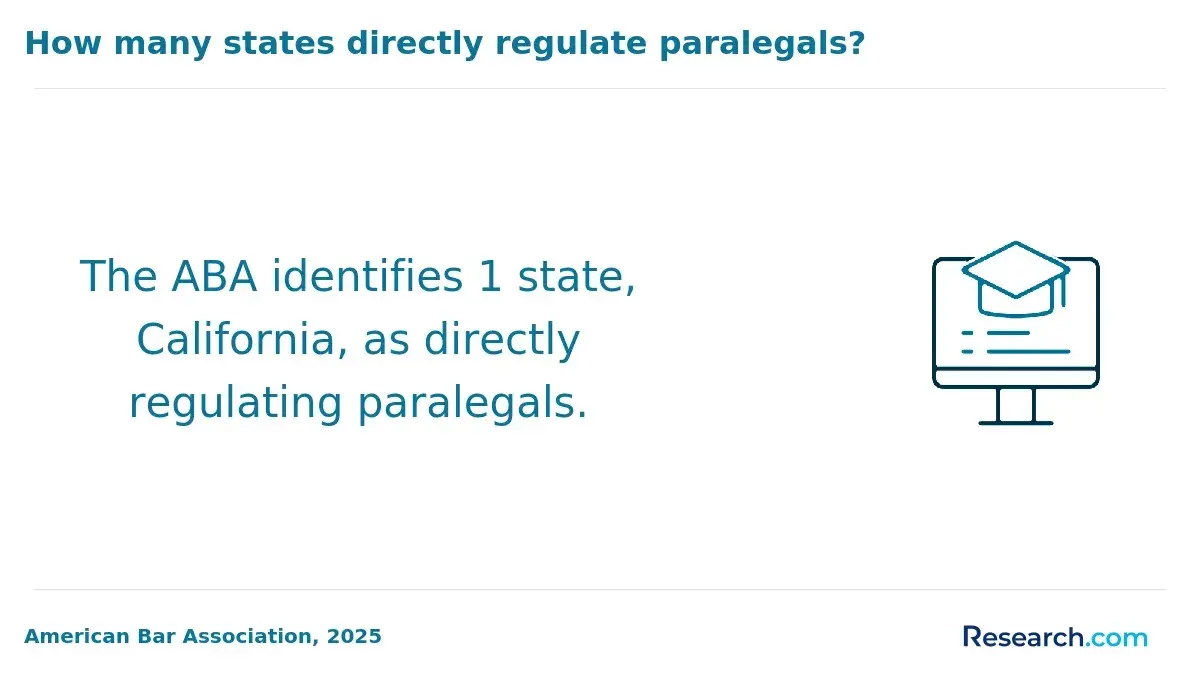
The American Bar Association's approval of qualifying paralegal education programs is a separate matter; it is not an accreditation requirement for an MLS or MSL. Readers considering paralegal employment instead can examine ABA-approved online paralegal study options, while verifying each program's current approval and format.
What do you study in a health insurance compliance master's program?
Look beyond a "health law" label. The strongest match depends on whether your work concerns commercial coverage, employer plans, Medicare, Medicaid, privacy, or several of these. The table connects useful subjects to tasks an insurance compliance employee might actually perform; course titles and depth vary by school.
| Subject to look for | Relevant compliance work |
| Legal research and regulatory interpretation | Tracing a rule to its source, documenting its scope, and identifying questions for counsel |
| Health privacy and security | Reviewing information-handling procedures and coordinating incident response |
| Coverage, claims, and appeals | Assessing whether procedures reflect applicable coverage and notice requirements |
| Medicare, Medicaid, or employer-plan law | Working with rules relevant to the plan types your organization administers |
| Compliance operations and investigations | Designing controls, recording findings, and preparing corrective-action documentation |
Ask for the current course schedule, not just the catalog: an elective is useful only if it is offered when you can take it. A formal concentration has defined requirements; a few available electives do not necessarily amount to one. Practical writing assignments using realistic regulatory problems may be more valuable for this role than course descriptions alone suggest.
Are online or campus-based compliance master's programs better for working professionals?
Neither format is inherently better. The deciding issue is whether required activities fit your work hours and provide enough interaction and feedback for difficult legal material. "Online" does not mean asynchronous or self-paced. This comparison highlights commitments to verify before choosing a format.
| Format | Potential advantage | Commitment to check |
| Online | Less routine travel; potentially easier to remain employed | Live class times, proctored exams, campus visits, and fixed course sequencing |
| Campus-based | In-person discussion and access to local professional contacts | Commute, class hours, and time away from work |
| Hybrid | A combination of remote coursework and in-person activities | Required visit frequency and whether travel costs are additional |
Request a sample term schedule and ask whether a capstone or experiential course can use a problem from your current workplace. If so, confirm how the school handles employer permission and confidential information.
What are the admission requirements for health insurance compliance master's programs?
Requirements vary, but applicants should expect to document an undergraduate degree and submit transcripts. A school may also request a résumé, recommendations, or a statement of purpose. A law degree is generally not the starting credential for a non-JD legal studies master's; relevant professional experience can help demonstrate fit but is not automatically a substitute for stated academic prerequisites.
Read the specific graduate program's admissions page before relying on a general legal studies admissions guide. For example, information about legal studies admissions without a personal statement may concern degrees with different requirements; it does not establish an exemption for an MLS applicant. Ask admissions whether prerequisites, test policies, and work-experience expectations apply to your intended start term.
How long do health insurance compliance master's programs take and cost?
Completion time depends on required credits, course availability, and whether you study full-time or part-time. Compare schools using a written term-by-term plan for your intended pace; a short advertised timeline may assume a course load you cannot manage while working.
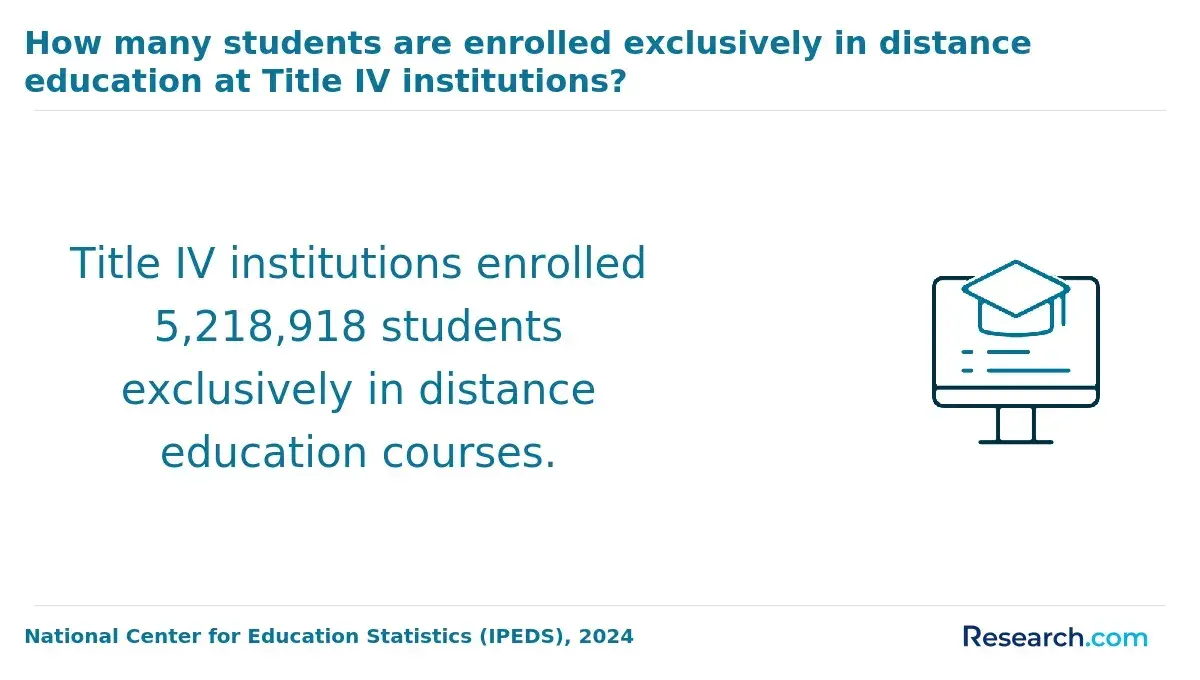
For cost, request a current estimate covering tuition, mandatory fees, books or research materials, technology, and any required travel. Compare total expected out-of-pocket cost after confirmed employer assistance, not advertised tuition alone. Federal aid depends on the institution, program, and student's eligibility; check the school's financial aid office and current Federal Student Aid rules before budgeting around a loan. Payment arrangements also differ: online paralegal programs with monthly tuition payment plans are not evidence that a graduate legal studies program offers the same terms.
If you mainly need one new skill, include the cost of a relevant course, graduate certificate, or employer training in your comparison. Those options may be less disruptive, although their credits may not later apply to a master's degree; the receiving school decides whether prior coursework transfers.
What careers can a health insurance compliance master's degree lead to?
Potential paths include compliance analyst, privacy specialist, regulatory affairs specialist, internal auditor, compliance manager, and health plan policy or appeals roles. Duties vary substantially: an analyst may test controls and document findings, while a manager may oversee investigations, training, and responses to regulators. An MLS can support advancement when a position calls for deeper legal analysis, but it does not replace operational experience or guarantee a promotion.
For someone already employed by a payer, a practical route is to seek projects involving audits, policy revisions, privacy reviews, or regulatory change management before committing to graduate school. Career changers should identify which existing skills transfer and where they still need plan-specific knowledge. Review actual job postings for your target role and location; distinguish stated minimum qualifications from preferred degrees and credentials.
How much do health insurance compliance professionals earn?
The Bureau of Labor Statistics reports median annual pay of $80,730 in May 2025 for compliance officers. It projects 4% growth, 2025-2035, with about 32,700 openings per year. This is a useful occupational benchmark, but the category spans industries and experience levels: it is neither a health-insurance-specific salary nor an expected salary for MLS graduates.
To assess the degree's financial value, compare pay ranges in current postings for roles you could realistically pursue with and without it. Account for employer reimbursement and time spent studying, and avoid assuming that a broad occupational median represents the return on a particular program.
What certifications can health insurance compliance graduates pursue?
Professional certification is distinct from a university certificate or degree. The Compliance Certification Board offers the Certified in Healthcare Compliance (CHC) credential and privacy-focused credentials that may suit some health compliance roles. Eligibility, examination rules, and renewal requirements belong to the credentialing body and should be checked there before enrolling in education solely to qualify. Employers and roles differ in whether they request a certification.
If your goal is legal support work rather than health plan compliance, best online paralegal certificate programs address a different route. Completing a paralegal certificate program does not automatically confer professional certification, and neither that certificate nor an MLS qualifies someone to act as an attorney.
How do you choose a reputable health insurance compliance master's program?
Start with the position you want, then test each program against it. A useful comparison weighs institutional accreditation, required health-law coursework, practical assignments, schedule, total cost, and whether the degree adds something employer training cannot. Ask the program for documentation rather than relying on a concentration label or a general promise of flexibility.
Before applying, resolve these questions in order so that an appealing program does not leave a costly gap:
- Identify the plan types, regulations, and responsibilities in your target job; compare them with required courses, not electives alone.
- Verify accreditation and obtain the current catalog, course rotation, live-meeting rules, and any campus or experiential requirements.
- Request a complete cost estimate and written guidance on employer reimbursement, aid eligibility, and any proposed transfer credit.
- Compare the master's with a targeted course, graduate certificate, certification, or supervised work project; choose the degree only if its added breadth serves your career goal.
Other Things You Should Know About Law & Paralegal
Do not assume so. Obtain your employer's permission and follow its privacy and security rules; ask the school whether a de-identified or simulated case can satisfy the assignment.
No. Academic coursework does not automatically satisfy an employer's required training or its procedures for a particular job.
Unlikely. State insurance requirements vary. Look for training in how to research and track applicable state rules, then use your organization's legal and compliance processes for specific decisions.
Possibly, but the settings involve different operations and risks. Compare job requirements and build experience with the regulations and workflows used by the employer you hope to join.
References
- Summary of the HIPAA Privacy Rule | hhs.gov https://www.hhs.gov/hipaa/for-professionals/privacy/laws-regulations/index.html
- ERISA | dol.gov https://www.dol.gov/general/topic/health-plans/erisa
- Cost of Attendance (Budget) | 2025-2026 Federal Student Aid Handbook https://fsapartners.ed.gov/knowledge-center/fsa-handbook/2025-2026/vol3/ch2-cost-attendance-budget
- Employer-offered educational assistance programs can help pay for college | Internal Revenue Service https://www.irs.gov/newsroom/employer-offered-educational-assistance-programs-can-help-pay-for-college
- Law Schools Directory | ca.gov https://www.calbar.ca.gov/admissions/law-schools/law-schools-directory
- Types of Financial Aid: Grants, Work-Study, and Loans | studentaid.gov https://studentaid.gov/understand-aid/types
- Get Certified in Health Care Compliance: Key Steps & Tips | Pitt Law MSL Online Program https://online.law.pitt.edu/blog/how-to-get-certified-in-health-care-compliance
- Graduate Certificate in Healthcare Compliance | Kent State Online https://onlinedegrees.kent.edu/college-of-public-health/masters-public-health/healthcare-compliance-certification
- What Can You Do with a Master of Legal Studies (MLS) Degree? | Drexel University Kline School of Law https://drexel.edu/law/news/legal-studies-blog/what-can-you-do-with-a-master-of-legal-studies-degree/
- How to Choose the Right MLS Program in Healthcare Compliance | wsulaw.edu https://www.wsulaw.edu/news/how-to-choose-the-right-master-of-legal-studies-program-for-healthcare-compliance/