2027 Legal Studies Master's Programs With an Applied Workplace Capstone

Co-Founder and Chief Data Scientist
A workplace capstone can make a legal studies master's degree more useful - but only if the program lets you tackle a real problem relevant to your career. For professionals considering a Master of Legal Studies (MLS), Master of Studies in Law (MSL), or similar non-JD degree, the key distinction is between a project connected to an organization's work and a classroom exercise merely called "applied."
This guide explains how to check that distinction, compare program demands and costs, and decide whether the degree is worth pursuing instead of a shorter credential.
Key Things You Should Know
- Verify that the capstone permits an approved project with an employer or other organization; an "applied" course may instead use a hypothetical case.
- Compare the project approval process, faculty and workplace supervision, confidentiality rules, and total cost before enrolling - not just the capstone's title.
- An MLS or MSL does not qualify graduates to practice law. For context, compliance officers had median annual pay of $80,730 in May 2025 and 4% projected growth, 2025-2035; those figures do not measure a degree's payoff.
What are master's programs in legal studies with workplace capstones?
These are graduate legal-knowledge programs for people who generally do not intend to become attorneys. A workplace capstone is a culminating, faculty-assessed project that applies coursework to an approved organizational problem - for example, reviewing a policy-development process or designing a compliance training plan. A school may call its degree an MLS, MSL, Master of Jurisprudence, or another name; the credential title alone does not establish how its capstone works.
The deciding question is whether students can work with a real organization, obtain appropriate feedback, and produce a useful deliverable. Some programs allow a project at a current employer; others require an external sponsor, offer only faculty-supplied scenarios, or provide a choice between a capstone and a research paper. Check the current catalog and capstone handbook rather than relying on a program overview.
If your goal is entry-level legal support rather than graduate-level work with regulations or policy, compare online associate degrees in legal studies before taking on a master's degree.
Which accreditation should legal studies master's programs have?
Start with the institution's accreditation by an accreditor recognized by the U.S. Department of Education. Verify the institution's current status and confirm that the degree appears in its current academic catalog. Institutional accreditation matters for the legitimacy of the academic credential and may affect aid eligibility and whether another school considers its credits; it does not guarantee that credits will transfer.
Do not confuse this with American Bar Association (ABA) approval of certain paralegal education programs. ABA approval is not institutional accreditation, and a non-JD legal studies master's program does not need ABA paralegal-program approval to be a credible option. If a school advertises a separate paralegal program as ABA-approved, check that particular program's current status rather than extending the claim to its master's degree.
Do legal studies master's degrees qualify graduates to practice law?
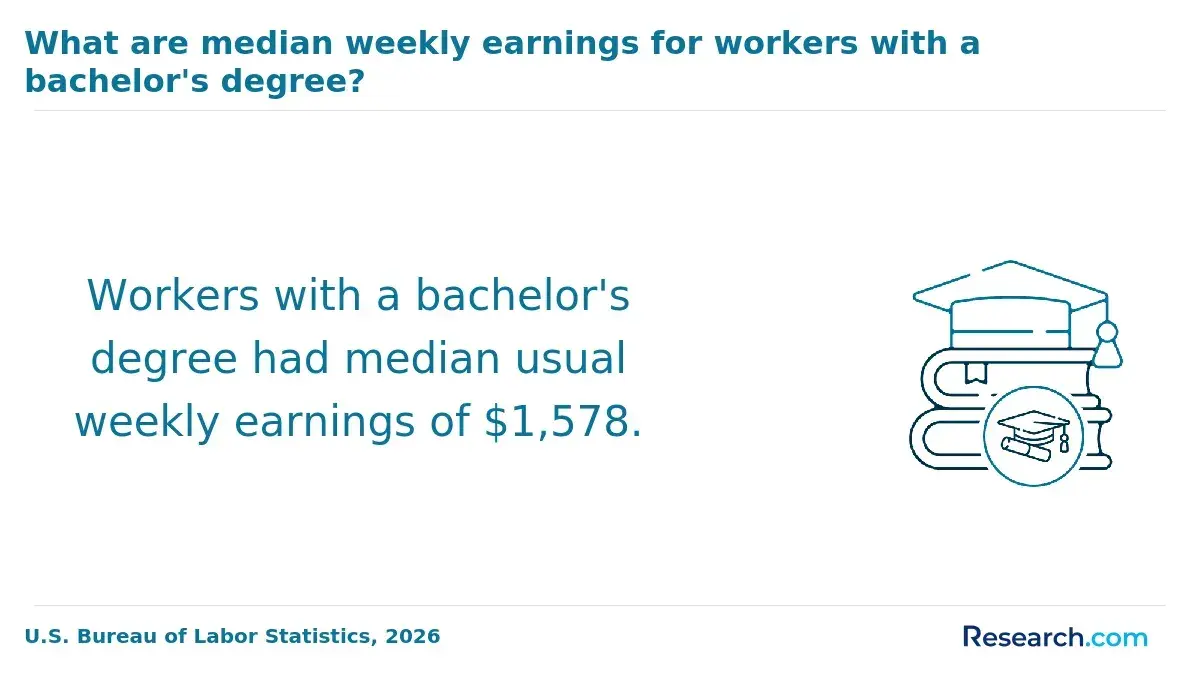
An MLS, MSL, or similar non-JD legal studies degree does not, by itself, qualify a graduate for a law license or authorize them to represent clients, give legal advice, or perform work reserved for attorneys. Attorney admission requirements are set by the relevant jurisdiction and generally involve an attorney-qualifying education pathway and other licensing requirements.
These degrees are better evaluated as a way to use legal knowledge within an existing professional role. A compliance employee, for instance, might learn to interpret regulatory obligations and communicate them to colleagues while referring legal judgments to counsel. If your objective is to practice law, investigate the attorney-licensing pathway in the jurisdiction where you intend to work before choosing a non-JD degree.
What do applied workplace capstones involve in legal studies programs?
A strong workplace capstone starts with an approved question, identifies the legal or regulatory issues, and ends with a documented recommendation or work product. Possible deliverables include a policy analysis, a process map for handling compliance concerns, or a training proposal. The student typically must explain the research and reasoning behind the deliverable; producing something useful for an employer is not necessarily enough to satisfy academic requirements.
Capstone labels can conceal different levels of workplace involvement. This comparison helps you identify the experience a program actually offers.
| Project model | Connection to a workplace | Key limitation to check |
| Current-employer project | Addresses an approved issue at the student's workplace | Employer permission and access to suitable information |
| External-sponsored project | Uses a problem proposed by another organization | Who finds the sponsor and whether placement is guaranteed |
| Faculty-supplied simulation | Applies legal concepts to a realistic scenario | May not provide actual stakeholder interaction |
| Independent research project | May address an industry problem without an organizational partner | May not meet a student's goal of workplace experience |
Before committing, request the capstone syllabus or handbook. Confirm who approves the topic, whether a workplace supervisor is required, what happens if the project changes, and how the school handles confidential information. A realistic deliverable must still respect employer policies, privacy obligations, and the limits on nonlawyers' legal work.
What courses do legal studies master's programs typically include?
Curricula commonly introduce the U.S. legal system, legal research and writing, contracts, administrative law, and professional or organizational ethics. Electives may address employment, health, privacy, or other regulatory subjects. Course names vary, so compare assignments as well as catalogs: a student planning a compliance capstone needs opportunities to analyze rules, assess organizational processes, and explain recommendations to nonlawyers.
Check whether the courses needed for your project are available before the capstone begins. An appealing elective is less useful if it is offered too late, and several relevant courses do not necessarily constitute a formal concentration. Ask whether the capstone requires a proposal course or prerequisite and whether students can draw on work from earlier classes.
If your intended work is paralegal support rather than graduate-level organizational analysis, online paralegal certificate pathways may offer a more focused alternative. A school-awarded certificate is not the same as professional certification granted by a credentialing organization.
What are the admission requirements for a legal studies master's degree?
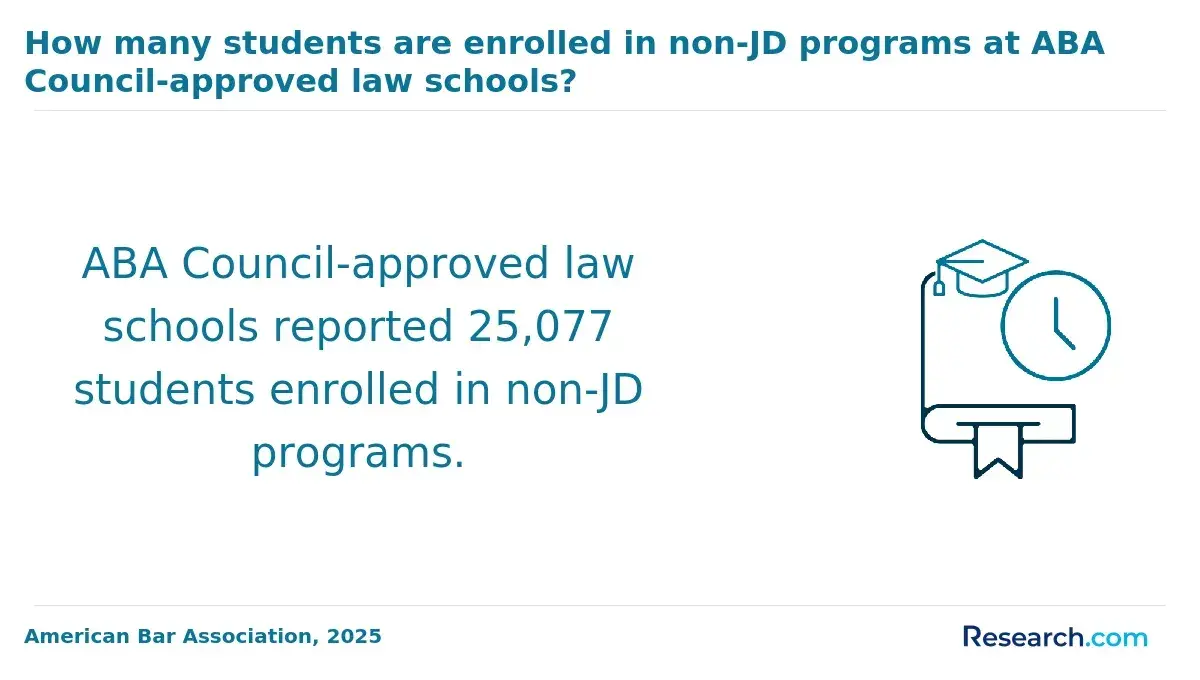
Applicants generally need a bachelor's degree, but each school sets its own rules for transcripts, recommendations, a résumé, a statement of purpose, and any minimum academic standard. Prior legal coursework is not necessarily required. For a workplace-capstone program, admissions eligibility and project eligibility are separate questions: a school might admit you without an employer yet require an approved organizational partner later.
If you have professional experience but no completed bachelor's degree, check undergraduate routes first. Paralegal bachelor's degree transfer options may be relevant if you already hold college credit, although the receiving institution decides which credits apply.
Ask admissions staff whether a prospective capstone sponsor must be identified before enrollment. Get the answer in writing, particularly if changing jobs, being self-employed, or working with sensitive records could affect your proposed project.
How do online and campus-based legal studies programs compare?
Online delivery can reduce commuting, but it does not mean asynchronous classes or a self-paced capstone. A program may require live sessions, scheduled team meetings, on-campus visits, or meetings with a project sponsor. Campus-based study may make in-person collaboration easier, but its timetable and travel demands can be harder to fit around work.
For either format, request a sample course schedule and the capstone calendar. Check when proposals are due, whether faculty meetings occur during business hours, and whether an employer-based project can be completed remotely. If finishing sooner is a priority, review short-duration graduate legal studies programs, then verify that their course sequence still leaves enough time to secure approval and complete a substantive project.
How long do legal studies master's programs take and cost?
Completion time depends on required credits, course sequencing, enrollment pace, and when the capstone is offered. A student who finishes coursework quickly may still have to wait for a capstone term or an approved sponsor. Ask each school for a term-by-term plan based on the number of courses you can realistically take while working.
For cost, compare the full bill rather than advertised tuition alone: mandatory fees, books, technology, any required travel, and expenses associated with a workplace project can change the comparison. Schools may quote per-credit tuition or a program-wide figure, so put estimates on the same basis and ask which charges can change. Lower-cost options for a master's in legal studies are worth reviewing, but a lower sticker price does not resolve differences in project support or scheduling.
Ask the financial aid office about eligibility for the specific degree and your enrollment level; do not assume every course load qualifies for the same aid. Also check employer tuition assistance, if available, against any service commitment. The opportunity cost includes evenings and weekends spent on a capstone that a shorter course or employer training might replace for your particular goal.
What careers and salaries can legal studies master's graduates pursue?
A workplace capstone may help a professional demonstrate skills relevant to compliance, policy, contracts operations, or regulated-industry work. It is evidence of a project completed, not a hiring credential on its own. Employers may weigh prior industry experience and the quality of the work more heavily than the degree title.
The following U.S. Bureau of Labor Statistics figures provide occupation-wide context, not salary projections for legal studies graduates or capstone completers.
| Occupation | Median annual pay | Projected job growth | Relevance to a workplace capstone |
| Compliance officers | $80,730 in May 2025 | 4%, 2025-2035 | A project may show regulatory analysis and process-improvement skills. |
| Paralegals and legal assistants | $62,890 in May 2025 | 0%, 2025-2035 | Legal research skills may transfer, but employers may seek specific paralegal preparation. |
The median reflects workers across each occupation, including people without this degree. The BLS projects about 32,700 compliance-officer openings per year and about 40,800 paralegal and legal-assistant openings per year over 2025-2035; openings include replacement needs and do not indicate that employers require an MLS. For a career change, compare job postings in your target industry with the program's actual coursework and capstone deliverables before assuming the degree will close an experience gap.
How can you evaluate a reputable legal studies master's program?
Begin with your intended deliverable: a policy recommendation, compliance workflow, or another work product you could reasonably complete and discuss with a prospective employer. Then compare programs against the same evidence, including the current catalog, capstone rules, schedule, and itemized costs. A program is a stronger fit when its coursework supports that deliverable and its project rules accommodate your employment situation.
Use these questions when speaking with program staff; their answers can expose costly differences hidden by the shared term "capstone."
- Can students use a real project at their current workplace, and what approvals are needed?
- Who finds an external sponsor if an employer project is unavailable?
- What faculty and workplace supervision is required, and how is the final work assessed?
- How are confidential materials handled, and can students create a shareable, redacted portfolio version?
- When is the capstone offered, and what would the complete schedule and estimated cost be for my enrollment pace?
Treat vague assurances about placement, promotion, or "hands-on" work as reasons to ask for written policies and sample project expectations. If the school cannot establish that its capstone offers the workplace involvement you need, compare a different program - or a smaller educational commitment - before enrolling.
Other Things You Should Know About Law & Paralegal
That depends on the program. Ask whether group work is permitted and how faculty assess each student's individual contribution.
Ownership may depend on employer agreements and school policies. Resolve that question before using workplace information or promising an organization a finished product.
Only if the school permits it and you have the necessary rights and permissions. Removing names may not be enough to protect confidential or identifying information.
Not automatically. Continuing legal education credit is governed by the applicable approving authority; confirm eligibility with that authority rather than assuming graduate coursework qualifies.
References
- Paying For College | The Ohio Department of Higher Education https://highered.ohio.gov/wps/portal/gov/odhe/students/pay-for-college
- How To Get Certified | North Carolina State Bar https://www.ncbar.gov/paralegal-certification/how-to-get-certified/
- Types of Financial Aid: Grants, Work-Study, and Loans | studentaid.gov https://studentaid.gov/understand-aid/types
- Client Capstone Program | McCourt School of Public Policy https://mccourt.georgetown.edu/careers-with-impact/for-employers/client-capstone-program/
- Graduate Degrees | University of Florida Catalog https://gradcatalog.ufl.edu/graduate/degrees/
- Master of Legal Studies & Graduate Certificates | Winston College of Law https://winston.utk.edu/admissions/degree-programs/master-of-legal-studies/
- Capstone Client FAQ | Robert F. Wagner Graduate School of Public Service https://wagner.nyu.edu/portal/employers/capstone/faq
- What Is a Capstone Project? - Boston University Questrom https://www.bu.edu/questrom/blog/what-is-a-capstone-project/
- What is a Master of Studies in Law (MSL)? | George Washington University School of Law https://msl-law.gwu.edu/articles/what-is-a-master-of-studies-in-law/