
2027 MLS Programs for Telehealth Operations and Compliance Professionals

Co-Founder and Chief Data Scientist
Telehealth operations teams must make workable decisions about patient privacy, cross-state care, vendors, and reimbursement - often without being lawyers. A Master of Legal Studies (MLS) can help professionals understand the rules behind those decisions, but it is a substantial investment and is not required for most compliance roles. This guide explains what to look for in a program, where an MLS may add value, and when targeted training or a professional credential may be the better next step.
Key Things You Should Know
- Choose an MLS for its healthcare law, privacy, reimbursement, and state-regulation coursework - not because its title mentions telehealth. A telehealth-specific concentration is not necessary if the relevant courses are available and fit your schedule.
- An MLS builds legal knowledge but does not qualify you to practice law or replace clinical licensure, employer training, or compliance experience.
- The Bureau of Labor Statistics reports $80,730 in May 2025 median pay for compliance officers and 4% projected growth, 2025-2035. Those figures describe a broad occupation, not an MLS salary premium or telehealth-specific forecast.
What is an MLS degree for telehealth operations and compliance professionals?
An MLS is a graduate degree designed primarily for people who need to understand and work with law without becoming attorneys. In telehealth, that might mean translating legal requirements into scheduling workflows, privacy procedures, vendor reviews, escalation rules, or staff training. Schools may call a similar non-JD degree a Master of Studies in Law (MSL) or Master of Jurisprudence; the curriculum matters more than the initials.
There is no need to find a degree labeled "telehealth MLS." A general MLS with a formal healthcare concentration, suitable electives, or an embedded certificate can be relevant, but those are different offerings. Confirm what appears on the transcript, which courses run regularly, and whether the program includes applied work. An MLS does not confer a law license or authorize independent legal advice.
The alternatives differ in scope and commitment. This comparison can help you avoid paying for a graduate degree when a narrower route would meet your goal.
| Route | Best fit | Main limitation |
| MLS or related non-JD master's | Professionals who need broad legal literacy across privacy, regulation, contracts, and organizational risk | Greater time and cost; no authority to practice law |
| Graduate certificate or employer training | Professionals with a defined knowledge gap, such as healthcare privacy or reimbursement | Less breadth; credit toward a later degree is not automatic |
| Professional certification | Experienced practitioners seeking an assessed compliance credential | Eligibility and maintenance rules vary; preparation may not teach legal fundamentals |
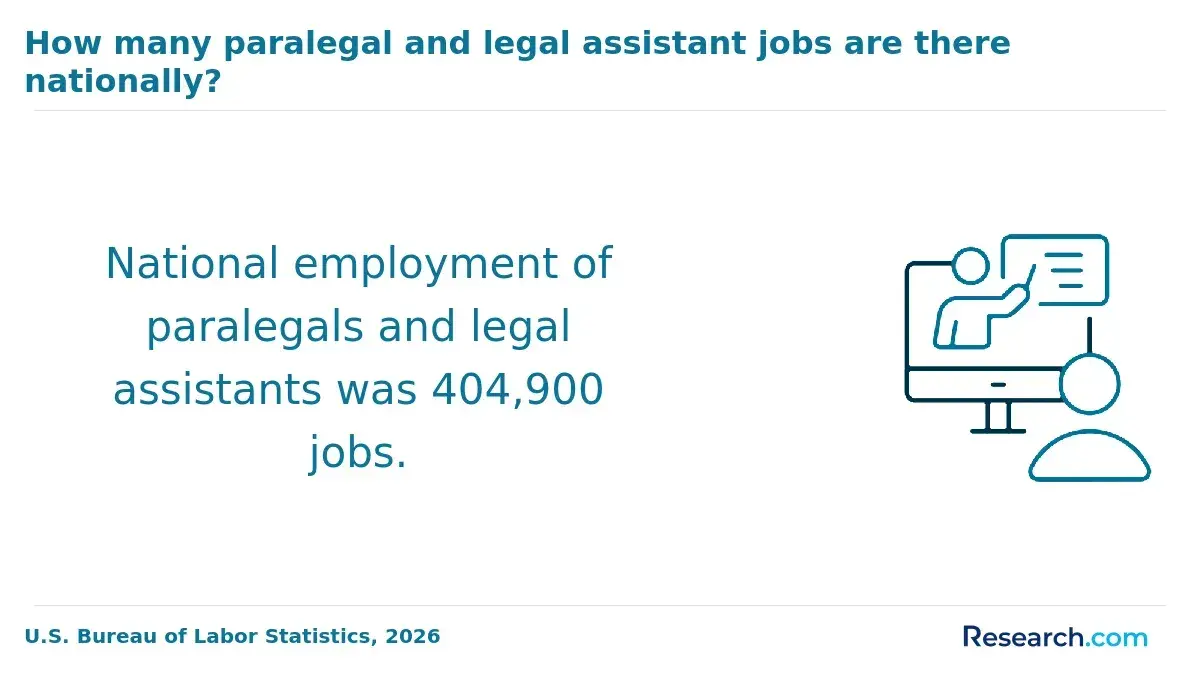
If your goal is legal-support work rather than managing healthcare operations, associate degrees focused on paralegal studies address a different set of tasks and may be a more direct starting point.
What careers can an MLS in healthcare compliance prepare you for?
Telehealth-related roles include compliance analyst, privacy specialist, virtual-care operations manager, healthcare contracts administrator, and regulatory affairs specialist. Work may involve monitoring policy changes, reviewing workflows, coordinating incident response, documenting controls, and referring legal questions to counsel. Job titles and hiring requirements differ by employer; an MLS can strengthen relevant knowledge but is rarely the sole qualification.
A clinician moving into operations brings care-delivery context but may need training in contracts and reimbursement. An operations manager may already know implementation and need stronger privacy and regulatory analysis. Someone entering healthcare from another industry may benefit more immediately from healthcare experience and focused training than from a master's degree alone.
For professionals whose work sits closer to workforce policy than patient care, our guide to HR law concentrations in legal studies degrees covers a more relevant curricular route. An MLS can support advancement, but compare actual job postings with your experience before treating it as a promotion requirement.
What do telehealth compliance professionals need to know about HIPAA and healthcare law?
HIPAA - the Health Insurance Portability and Accountability Act - sets federal privacy and security requirements for covered entities and their business associates. It does not automatically apply to every health-related app. Telehealth teams need to identify who holds patient information, what agreements and safeguards apply, how access is controlled, and how incidents are reported. Specialized rules may also affect certain substance-use-disorder records.
HIPAA is only one part of the job. A patient's location can affect which state's professional licensure rules apply to a visit. State law, payer terms, and the type of service can affect consent, prescribing, documentation, and payment. Federal requirements and payer policies also change. A useful MLS teaches students to identify the governing authority and recognize when a clinician, privacy officer, reimbursement specialist, or licensed attorney must make the decision.
Be wary of a curriculum that treats "HIPAA compliance" as a complete telehealth education. Privacy knowledge alone does not resolve cross-state care, billing, or vendor-contract questions.
What courses are included in telehealth operations and compliance MLS programs?
Course titles differ, so compare syllabi and learning outcomes rather than concentration names. The strongest fit connects legal concepts to decisions a telehealth team actually makes.
| Course area | Operational relevance |
| Healthcare regulation and professional responsibility | Recognizing licensure, scope-of-practice, and organizational oversight issues |
| Health information privacy and security | Evaluating data access, disclosures, vendor relationships, and incident procedures |
| Healthcare reimbursement | Understanding how documentation and payer rules affect virtual-service workflows |
| Contracts and administrative law | Working with vendor terms and interpreting agency rules under counsel's guidance |
| Risk management or applied capstone | Testing whether legal analysis can inform a usable policy or process |
Ask whether these are required courses, electives offered regularly, or merely subjects mentioned in a program description. A business-law elective may help with vendor contracts, but it cannot substitute for healthcare regulation. Professionals with a narrower contracting goal can also compare shorter online master's degrees in business law before choosing a broader healthcare-focused path.
Are online MLS programs suitable for telehealth compliance professionals?
Yes, an online MLS can suit a working professional if its schedule and assignments support applied learning. "Online" does not necessarily mean self-paced: courses may have live meetings, fixed deadlines, group projects, exams at set times, or campus visits. Ask for a sample term schedule and check whether required healthcare courses are available online when you need them.
Remote students should also ask how they will work through realistic policy, privacy, or reimbursement problems and receive feedback. A program that offers discussion of regulations but little practice applying them may be less useful for an operations role. If it advertises a practicum, confirm who arranges a placement and whether work at your current employer can qualify; do not assume either is permitted.
How do you choose an accredited MLS program for telehealth compliance?
Start by checking the institution's accreditation through its recognized accreditor or the U.S. Department of Education's institutional records. Then evaluate the degree itself: institutional accreditation does not establish that a particular MLS has strong telehealth coursework. American Bar Association approval of qualifying paralegal education programs is a separate concept, not an MLS accreditation standard.
Use a short verification sequence before applying. It separates published facts from assumptions that could make a degree a poor fit.
- Confirm the exact credential, concentration status, required courses, and how often healthcare electives run.
- Request the current course sequence and identify live sessions, campus visits, and applied-work requirements.
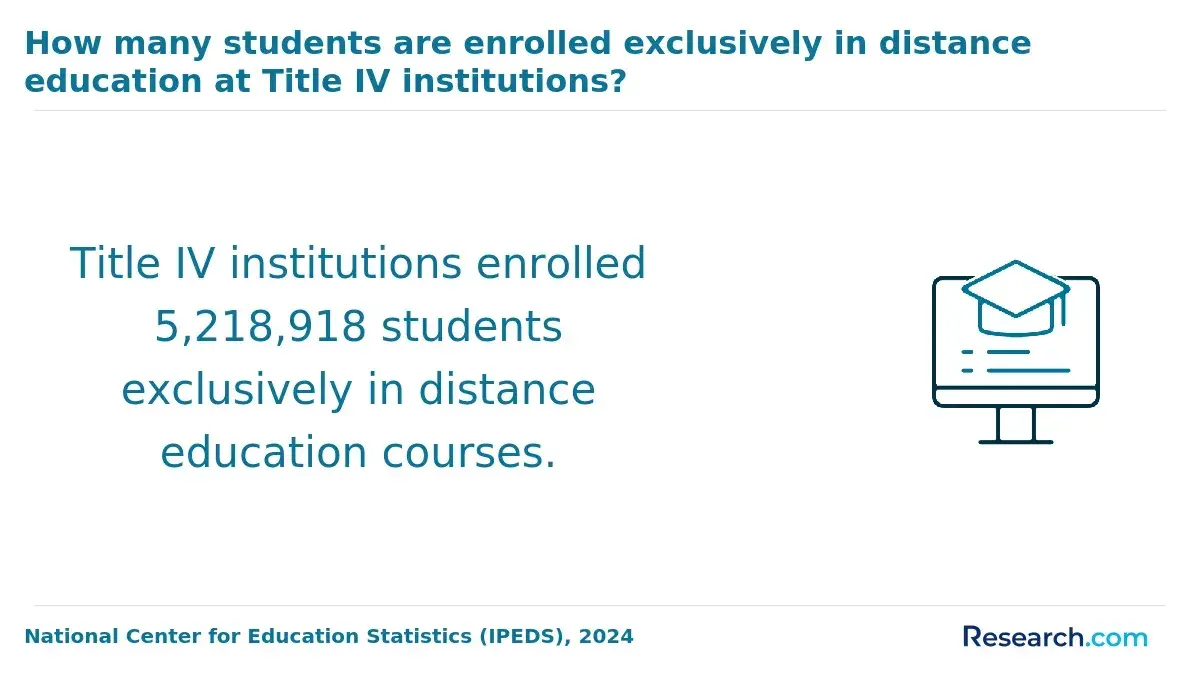
- Get a written breakdown of tuition and mandatory fees, plus a program-specific explanation of aid eligibility.
- Compare the curriculum with job postings you would realistically pursue and ask who teaches the healthcare-law courses.
A major red flag is a program that suggests its degree provides attorney status, professional certification, or automatic qualification for a regulated healthcare role.
What are the admission requirements for telehealth-focused MLS programs?
MLS programs generally target applicants who already hold a bachelor's degree, but each school sets its own admission rules. Check the current requirements for transcripts, academic standing, a résumé, a statement of purpose, recommendations, and any writing or prerequisite work. Healthcare employment may strengthen an application without being mandatory; do not confuse a preferred background with an eligibility rule.
If you have an associate degree but not a bachelor's, examine legal studies bachelor's completion after associate-level study before planning for graduate admission. The receiving institution decides which prior credits apply. Applicants with a bachelor's in another field should instead check whether the MLS welcomes their background and offers introductory legal-research instruction.
How long do MLS programs take and how much do they cost?
Completion time depends on required credits, course availability, and whether you study full time or part time. An accelerated schedule may shorten enrollment but leave less room for a demanding operations job. Ask whether a missed required course delays graduation and whether the school limits how long you can take to finish.
Compare total expected cost, not advertised per-credit tuition alone. Request a current estimate that includes mandatory fees, books or research-platform charges, technology needs, and any travel. Multiply the published per-credit rate by required credits only if the school confirms both figures apply to your enrollment; treat the result as a tuition estimate, not a final bill. Federal aid depends on the institution, program, and student's eligibility, so verify it with the financial aid office rather than assuming every graduate certificate or course qualifies.
Use online legal studies master's value and cost comparisons as a starting framework, then obtain current, program-specific figures. The opportunity cost also matters: time spent studying may compete with work experience, employer-funded training, or a narrower credential that addresses your immediate skills gap.
Do telehealth compliance professionals need licenses or certifications?
There is no single license required nationwide simply to work as a telehealth compliance professional. Requirements depend on what the person actually does. An MLS does not replace a clinician's state license, and compliance staff must not treat legal training as permission to practice law. Employers may prefer credentials, relevant experience, or both without making them legal requirements.
For compliance-focused certification, the Health Care Compliance Association's Certified in Healthcare Compliance (CHC) credential is one option to investigate. Check the certifying body's current eligibility, examination, and maintenance rules before paying for preparation; an MLS does not automatically award certification or establish eligibility. If you are new to the field, supervised compliance work and employer training may be the more useful first step.
What salary and job outlook can telehealth compliance professionals expect?
The closest broad federal benchmark is compliance officers: the Bureau of Labor Statistics reports median annual pay of $80,730 in May 2025, 4% projected growth, 2025-2035, and about 32,700 openings per year. This occupation includes many industries. Its median is not a telehealth-specific wage, an entry-level offer, or evidence that an MLS increases pay.
For a realistic return-on-investment decision, compare local job postings by title, required experience, preferred education, and salary range. An experienced healthcare operator seeking broader oversight may gain more from an MLS than a newcomer who still needs direct compliance experience. Favor the degree when its courses close specific gaps in roles you can plausibly pursue; favor targeted training when employers primarily ask for experience or a narrower skill.
Other Things You Should Know About Law & Paralegal
Possibly. Ask the school whether employer-based projects are allowed, who must approve them, and how patient information or confidential business records must be protected.
Employer assistance varies. Check reimbursement limits, grade requirements, eligible schools, and any agreement to remain employed after payment before relying on the benefit.
Do not assume so. A law school decides whether it accepts prior graduate work, and an MLS is not a substitute for a Juris Doctor degree.
Follow updates from the regulators and payers relevant to your organization, document policy reviews, and use counsel or specialist training when a rule change affects care delivery.
References
- Cost of Attendance (Budget) | 2025-2026 Federal Student Aid Handbook https://fsapartners.ed.gov/knowledge-center/fsa-handbook/2025-2026/vol3/ch2-cost-attendance-budget
- Privacy laws and policy guidance | hhs.gov https://telehealth.hhs.gov/providers/best-practice-guides/privacy-and-security-telehealth/privacy-laws-and-policy-guidance
- Health Law | William & Mary Law School https://online.law.wm.edu/master-of-legal-studies/concentrations/health-law
- Strategic guide to tuition reimbursement - Purdue Business https://business.purdue.edu/graduate-programs/blog/posts/find-and-navigate-tuition-assistance.php
- Online MS in Health Law and Healthcare Compliance | Albany Law School https://www.albanylaw.edu/graduate/online-ms-health-law-and-healthcare-compliance
- Online Master's in Health Care Compliance, MLS | ASU Online https://asuonline.asu.edu/online-degree-programs/graduate/masters-in-healthcare-compliance/
- Online Master's Degree in Legal Studies (MLS) - Catalogue https://catalogue.shu.edu/graduate/seton-hall-university-school-law/masters-degree-in-legal-studies-health-and-hospital/
- Essential Elements of an Effective Compliance Program | southalabama.edu https://www.southalabama.edu/departments/compliance/elements.html
- Healthcare Compliance | Seattle U School of Law https://onlinelaw.seattleu.edu/healthcare-compliance/
- Center for Law, Health & Society - Georgia State College of Law https://law.gsu.edu/faculty-centers/center-for-law-health-society/


