2027 Neurogenic Communication Disorders: Top Online Master’s Options

Co-Founder and Chief Data Scientist

Reviewed by Rhea Paul, PhD
SLP Education & Research Expert
Choosing an online master’s in speech-language pathology is a high-stakes decision if you want to work with adults affected by stroke, traumatic brain injury, Parkinson’s disease, Alzheimer’s disease, or other neurological conditions. Neurogenic communication disorders can change how a person speaks, understands language, remembers information, solves problems, and participates in daily life. For many patients, skilled speech-language pathology treatment is central to recovery, safety, independence, and quality of life.
This guide explains how neurogenic communication disorders fit into graduate SLP training, what online master’s programs usually include, how clinical placements work, and what to compare before enrolling. It is designed for prospective students who want flexibility without sacrificing the clinical preparation needed for medical, rehabilitation, long-term care, home health, or telepractice roles.
Key things you should know about specializing in neurogenic communication disorders
- An SLP master's degree specializing in neurogenic communication disorders provides advanced knowledge and skills to assess and treat complex communication disorders caused by neurological conditions such as stroke, brain injury, and Parkinson’s disease.
- A master’s degree is required for licensure and ASHA certification (CCC-SLP), demonstrating professional competence and specialization.
- Graduates can contribute to ongoing research in neurogenic communication rehabilitation and assume leadership or academic roles within the field.
What are neurogenic communication disorders?
Neurogenic communication disorders are speech, language, voice, swallowing, or cognitive-communication difficulties caused by damage to the nervous system. They may follow a sudden event, such as a stroke or traumatic brain injury, or develop gradually through a degenerative disease such as Parkinson’s or Alzheimer’s.
These disorders are different from developmental communication disorders because they are acquired after neurological injury or disease. Treatment often requires knowledge of neuroanatomy, medical conditions, rehabilitation principles, family counseling, and interdisciplinary care.
- Aphasia: A language disorder that can affect speaking, understanding, reading, and writing. It is commonly associated with stroke, though other neurological conditions can also cause it.
- Dysarthria: A motor speech disorder caused by weakness, reduced coordination, or impaired control of the muscles used for speech.
- Apraxia of Speech: A motor planning disorder in which the person knows what they want to say but has difficulty organizing and sequencing the movements needed for speech.
- Cognitive-Communication Disorders: Communication problems linked to attention, memory, reasoning, executive function, problem-solving, or social communication after brain injury or neurological disease.
Speech-language pathologists assess the type and severity of the disorder, identify functional communication goals, deliver evidence-based therapy, educate families and caregivers, and collaborate with physicians, nurses, occupational therapists, physical therapists, neuropsychologists, dietitians, and social workers. In many medical settings, SLPs also evaluate and treat swallowing disorders, which often occur alongside neurological communication impairments.
Why pursue an online master’s in speech-language pathology for neurogenic communication disorders?
A master’s degree in speech-language pathology is the standard graduate pathway for students preparing to become speech-language pathologists. For students interested in neurogenic communication disorders, the right program should provide more than general SLP coursework: it should offer strong adult neurogenic content, supervised clinical experience, and preparation for medical and rehabilitation practice.
Online SLP online masters programs can be a practical option for students who cannot relocate or attend classes on campus full time. In many programs, didactic coursework is completed online while clinical hours are completed through approved sites in or near the student’s community. This model can work well for career changers, working adults, parents, and students who live far from campus-based graduate programs.
The main trade-off is that online does not mean less demanding. Students still need to complete graduate-level academic work, supervised clinical practicum experiences, and program requirements tied to certification and licensure preparation. Before applying, prospective students should confirm how the program supports clinical placement, whether it has experience placing students in medical or adult rehabilitation sites, and how it prepares graduates for certification, licensure, and the Praxis exam.
Accredited speech language pathology master's programs are especially important because accreditation affects eligibility for professional certification, state licensure, and employer acceptance. Students interested in neurogenic disorders should look for programs with faculty expertise in adult language disorders, motor speech disorders, cognitive-communication rehabilitation, dysphagia, and medical SLP practice.
How many credit hours are required to specialize in neurogenic disorders?
The number of credit hours specifically devoted to neurogenic communication disorders varies by online Master of Science in Speech-Language Pathology program. A common range for focused neurogenic coursework is 6 to 12 credit hours, although the total exposure may be higher when related medical SLP courses are included.
Students often encounter neurogenic content across several courses rather than in one single “specialization” block. Typical examples include Aphasia and Related Neurogenic Language Disorders, often 2-3 credits; Motor Speech Disorders, often 2-3 credits; and Traumatic Brain Injury/Cognitive Linguistic Disorders, often 2-4 credits.
Adult Dysphagia/Swallowing Disorders, often 3-4 credits, is also commonly grouped with medical and neurogenic preparation because many adults with neurological conditions experience swallowing impairment in addition to communication challenges. For students aiming for hospital, rehabilitation, skilled nursing, or home health roles, swallowing coursework and related clinical training can be just as important as speech and language coursework.
When comparing programs, do not look only at the number of credits. Review course descriptions, faculty backgrounds, clinical site options, simulation or lab requirements, and whether students can complete adult neurogenic placements. A program with fewer listed neurogenic credits may still offer strong preparation if it integrates neurogenic cases throughout assessment, treatment, dysphagia, evidence-based practice, and practicum experiences.
Graduate study in neurogenic communication disorders should build both scientific understanding and clinical decision-making. Students need to understand how neurological damage affects communication and swallowing, but they also need to translate that knowledge into assessment choices, treatment planning, documentation, patient education, and collaboration with healthcare teams.
Common graduate courses include:
- Neurological Bases of Communication and Swallowing
- Adult Language Disorders (Aphasia)
- Motor Speech Disorders (Dysarthria and Apraxia)
- Cognitive-Communication Disorders and Rehabilitation
- Evidence-Based Practice and Research Methods
Students in speech language pathology master's programs also need foundational knowledge in neuroanatomy, neurophysiology, speech and language assessment, intervention design, counseling, ethics, and cultural responsiveness. Strong programs teach students to connect test results with real-life communication needs rather than treating scores as the final answer.
Core competencies to look for
- Differential diagnosis: Distinguishing aphasia, dysarthria, apraxia of speech, cognitive-communication disorder, voice impairment, and swallowing concerns when symptoms overlap.
- Functional assessment: Evaluating how neurological changes affect everyday communication, work participation, relationships, safety, and independence.
- Treatment planning: Creating individualized goals based on diagnosis, prognosis, patient priorities, caregiver needs, and evidence-based practice.
- Interdisciplinary care: Communicating clearly with medical and rehabilitation teams and understanding each discipline’s role in patient recovery.
- Documentation: Writing defensible clinical notes, progress updates, and recommendations that support continuity of care.
- Family and caregiver education: Teaching communication strategies, environmental supports, and realistic expectations for recovery or disease progression.
For students who want to work in adult medical settings, neurogenic coursework should not feel isolated from clinical practice. The strongest preparation comes when courses use case studies, treatment planning exercises, clinical simulations, and supervised placements that reflect real adult neurogenic caseloads.
Several universities offer online master’s programs in speech-language pathology that can support students interested in neurogenic communication disorders. Because “top” depends on a student’s goals, location, budget, clinical placement needs, and licensure plans, applicants should compare programs carefully rather than choosing based on name recognition alone.
- University of Northern Colorado – Offers a flexible, CAA-accredited online M.S. program emphasizing adult neurogenic rehabilitation.
- Emerson College (Speech@Emerson) – Provides extensive coursework in neurological communication disorders with strong clinical partnerships.
- Baylor University (Speech@Baylor) – Features comprehensive neurogenic-focused courses and supervised clinical placements.
- New York University (NYU Steinhardt) – Delivers a robust online M.S. in SLP with evidence-based instruction and research opportunities.
- East Carolina University – Offers an online program with clinical practicums emphasizing adult communication and swallowing rehabilitation.
Students comparing these and other programs should verify accreditation, state authorization, clinical placement support, total cost, course sequencing, residency or campus visit requirements, and whether the curriculum aligns with their preferred career setting. If speed is a priority, some accelerated speech pathology programs may help motivated students finish sooner, but a shorter timeline can also mean a heavier workload and less flexibility.
Questions to ask before applying
- Does the program help secure adult medical, rehabilitation, or skilled nursing placements?
- Are neurogenic disorders taught by faculty with clinical or research expertise in adult communication disorders?
- How are online students supervised during practicum?
- Are there required campus visits, immersions, or synchronous class sessions?
- Does the program publish student outcomes such as completion rates, Praxis performance, and employment data?
Admission requirements vary by institution, but most online SLP master’s programs evaluate both academic readiness and fit for clinical training. Programs may be competitive because speech-language pathology requires graduate preparation, supervised clinical experience, and eventual eligibility for certification and licensure.
Common requirements include:
- A bachelor’s degree in communication sciences and disorders (CSD) or a related field
- Prerequisite coursework in linguistics, anatomy, and audiology
- Letters of recommendation and a statement of purpose
- Clinical observation hours, typically 25 minimum
Applicants without a CSD background may need to complete prerequisite or leveling coursework before beginning the full graduate sequence. This can affect both cost and time to completion, so career changers should ask whether prerequisites are built into the program, offered separately, or required before admission.
Most programs usually take 2–3 years to complete. Accelerated tracks may shorten this timeline, while part-time formats may extend it for students who are balancing employment, caregiving, or other responsibilities. Students interested in neurogenic communication disorders should also consider whether the program’s timeline allows enough room for adult medical or rehabilitation placements, since these experiences can be important for post-graduate career goals.
How to strengthen an application
- Show a clear understanding of the SLP profession, not just an interest in communication.
- Use the statement of purpose to explain why neurogenic communication disorders or adult rehabilitation appeal to you.
- Choose recommenders who can speak to academic ability, professionalism, empathy, and readiness for clinical training.
- Document observation or volunteer experiences carefully and follow each program’s instructions.
- Confirm prerequisite deadlines early, especially if you are applying from a non-CSD major.
Clinical training is where students learn to apply neurogenic coursework to real patients and families. For online SLP students, practicum planning is especially important because the program may rely on approved local placements rather than a campus clinic alone. Students should ask early how sites are identified, who contacts potential supervisors, and what happens if a preferred medical placement is unavailable.
Medical and rehab settings
Students often complete placements in hospitals, rehabilitation centers, or long-term care facilities where they work under a licensed SLP with patients who have stroke, traumatic brain injury (TBI), or neurodegenerative conditions. For example, courses at the University of Pittsburgh include out-placement practicum in hospitals and rehab centers for adult neurogenic disorders.
Adult neurogenic language courses paired with practicum
Programs may pair coursework such as “Assessment & Treatment of Adult Neurogenic Language & Cognitive-Communication Disorders” with supervised clinical practicum hours. This allows students to move from textbook knowledge to clinical reasoning, including selecting assessments, writing goals, planning therapy, measuring progress, and counseling patients and caregivers.
Telepractice and remote client work
With the growth of online and hybrid programs, some students may participate in telehealth placements where they support adults with aphasia, dysarthria, or cognitive–communication disorders through video sessions. Telepractice can build skills in coaching, caregiver involvement, technology-supported communication, and remote documentation. However, it should not be viewed as a full substitute for hands-on medical or rehabilitation experience when a student’s goal is adult neurogenic practice.
Mixed-site clinical rotations
Students often rotate through multiple settings that include adult neurogenic care along with pediatric, school-based, outpatient, or community placements. This broader training helps future SLPs meet general competency requirements while also identifying the population and setting that best fit their strengths.
Specialized clinics or university clinics
University-based speech clinics may serve adult clients with neurogenic disorders and may expose students to instrumentation, swallowing labs, video stroboscopy, and complex medical SLP practices. These settings can be valuable because supervision is structured for student learning, feedback is frequent, and cases may connect directly to academic coursework.
Together, these practicum opportunities help SLP students build competency in diagnosing and treating neurological communication disorders. Students who want adult-neurogenic caseloads should prioritize programs that can document a history of relevant placements and supervision rather than relying only on course titles.
SLPs with strong preparation in neurogenic communication disorders can work across healthcare and community settings. Their caseloads may include adults recovering from stroke, people living with progressive neurological disease, patients with traumatic brain injury, and individuals who need support for speech, language, cognition, communication access, or swallowing.
Common employment settings include:
- Hospitals and inpatient rehabilitation centers
- Outpatient clinics and private practices
- Skilled nursing and long-term care facilities
- Home health care and telepractice settings
Career fit depends on more than setting. Hospitals and inpatient rehabilitation centers may offer fast-paced interdisciplinary care and medically complex cases. Skilled nursing and long-term care facilities may involve ongoing treatment, swallowing management, caregiver education, and quality-of-life goals. Home health requires independence, travel, and strong patient education skills. Telepractice can offer flexibility, but students should confirm licensure, supervision, and employer requirements for remote care.
According to national data, demand for SLPs is projected to grow faster than average over the next decade due to an aging population and increased awareness of neurological conditions. Neurogenic expertise may be especially useful in adult medical and rehabilitation environments where communication and swallowing needs often overlap.
Understanding where SLPs make the most money can help graduates compare high-paying states, healthcare settings, and roles that value medical and neurogenic experience. Salary should not be the only factor, however. Supervision quality, caseload expectations, productivity standards, benefits, licensure support, and opportunities for mentorship can strongly affect job satisfaction and long-term growth.
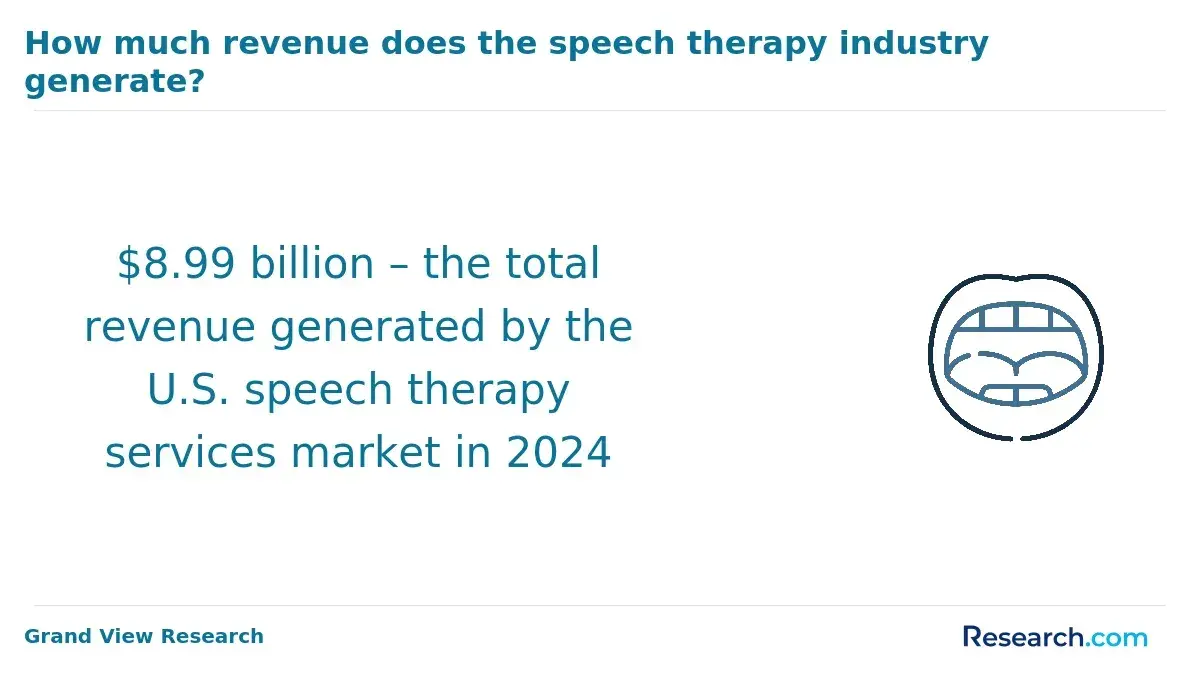
The average salary for speech-language pathologists varies by country, region, experience level, employer, and practice setting. In the United States, the typical range tends to be around $80,000 to $100,000 per year, with the median often reported near $95,000 to $100,000 depending on source and year.
In higher-cost living areas or specialized clinical roles, salaries can exceed $110,000 or more. Entry-level positions in some markets may start closer to the mid-$70,000s. These figures should be treated as general benchmarks, not guaranteed offers, because local labor demand, reimbursement environment, union status, employer type, productivity expectations, and benefits can all affect compensation.
SLPs interested in neurogenic communication disorders may find opportunities in hospitals, rehabilitation centers, skilled nursing facilities, outpatient clinics, home health, private practice, and telepractice. Earning potential may improve with experience, specialization, advanced clinical skills, supervision responsibilities, leadership roles, or movement into higher-paying regions or settings.
When evaluating salary, compare the full compensation package rather than base pay alone. Consider health insurance, retirement contributions, paid time off, continuing education support, licensure reimbursement, caseload size, documentation time, productivity requirements, and access to mentorship. A higher salary may not be the better choice if the workload is unsustainable or supervision is weak for a new clinician.
What are some tips for choosing the right online master’s in speech pathology program?
The right online master’s in speech pathology should match your licensure goals, learning style, budget, clinical interests, and preferred timeline. For students focused on neurogenic communication disorders, the most important question is not simply whether a program is online, but whether it can prepare you for competent, ethical practice with adult neurological populations.
- Accreditation: Ensure the program is accredited by the Council on Academic Accreditation in Audiology and Speech-Language Pathology (CAA). Accreditation is a key factor for certification, licensure preparation, and employer recognition.
- Faculty Expertise: Look for instructors with clinical and research backgrounds in neurogenic disorders, aphasia, motor speech disorders, cognitive-communication rehabilitation, dysphagia, and adult medical SLP practice.
- Clinical Support: Evaluate how the school arranges practicum placements and supervision. Ask whether students are responsible for finding sites, how far they may need to travel, and whether adult medical or rehabilitation placements are realistic in your area.
- Flexibility and Affordability: Compare tuition rates, fees, technology requirements, travel costs for any residencies, and course delivery formats. A flexible program should still provide enough structure to keep students on track.
- Student Outcomes: Review graduation rates, Praxis exam pass rates, and job placement data. Strong outcomes can signal effective academic support, clinical preparation, and student services.
Common mistakes to avoid
- Assuming every online program can place students in adult neurogenic settings.
- Choosing the fastest option without considering workload, practicum timing, and personal responsibilities.
- Overlooking state authorization and licensure requirements for the state where you plan to practice.
- Comparing tuition only, without including fees, travel, lost work time, and prerequisite costs.
- Ignoring clinical placement policies until after enrollment.
Before committing, request detailed information from each program, speak with admissions and clinical placement staff, and, when possible, connect with current students or recent graduates. A strong program should be transparent about expectations, costs, clinical requirements, and outcomes so you can make a decision based on evidence rather than marketing claims.
Other Things You Should Know About SLP Programs for Specializing in Neurogenic Communication Disorders
In 2027, online master's programs in Neurogenic Communication Disorders remain highly competitive, with a limited number of spots and high demand. Applicants are typically evaluated on academic performance, relevant experience, and effective personal statements, making it essential to present a strong application to stand out.
Most online Neurogenic Communication Disorders master’s programs do not require the GRE in 2027. Applicants usually need a bachelor’s degree, official transcripts, prerequisite speech-language pathology coursework, and sometimes a minimum 3.0 GPA. A few programs may still request TOEFL or IELTS scores for international students.
- U.S. Bureau of Labor Statistics - Speech-Language Pathologists https://www.bls.gov/ooh/healthcare/speech-language-pathologists.htm
- ASHA EdFind - Accredited Speech-Language Pathology Programs https://find.asha.org/ed/
- ETS Praxis - Speech-Language Pathology (5331) https://praxis.ets.org/test/speech-language-pathology-5331.html
- University of North Carolina at Greensboro - Speech-Language Pathology, M.A. (Online) https://csd.uncg.edu/graduate/masters-of-arts-online/
- Pepperdine University - Master of Science in Speech-Language Pathology https://healthscience.pepperdine.edu/online-masters-in-speech-language-pathology/
- Idaho State University - Master of Science in Speech-Language Pathology (Online/Distance Education) https://www.isu.edu/slp/programs-offered/slp-graduate-program/
- Abilene Christian University - Master of Science in Speech-Language Pathology (Online) https://acu.edu/academics/graduate/master-of-science-in-speech-language-pathology/
- University of Scranton - Master of Science (M.S.) in Speech-Language Pathology https://www.scranton.edu/academics/pcps/health-and-human-performance/programs/speech-language-pathology/index.shtml