2027 Nonprofit Management Salary Trends Report: Are Wages Keeping Up With Tuition and Inflation?

Co-Founder and Chief Data Scientist
Imagine a prospective nonprofit management student evaluating whether the financial return justifies the high cost of earning this degree. Tuition rates have climbed steadily, while inflation pressures continue to erode purchasing power across sectors.
Recent graduates face the challenge of comparing salary outcomes against these rising expenses to determine if the degree offers a sustainable path forward. This scenario highlights the need for a nuanced assessment rather than relying on salary figures alone.
Salary growth, tuition costs, and inflation often move at different rates, complicating straightforward comparisons of earning potential. Understanding how these factors interact over time is critical when measuring the true value of a nonprofit management degree. This article examines salary trends, tuition changes, inflation impacts, return on investment, affordability, and key influences shaping the long-term financial benefits of pursuing nonprofit management.
Key Things to Know About Nonprofit Management Salary Trends
- Graduate wages in nonprofit management have grown 3% annually since 2022, lagging behind 6% average inflation, indicating shrinking real income and heightened debt servicing risks for recent graduates.
- Rising tuition costs outpace median starting salaries by 15%, emphasizing the critical need for prospective students to assess program ROI over immediate salary gains.
- Long-term earning potential correlates strongly with leadership roles in larger organizations, but access remains limited without strategic network-building during studies, affecting career trajectory and compensation growth.
- What Is the Current Salary Outlook for Nonprofit Management Graduates? Salary Outlook
- Are Nonprofit Management Salaries Keeping Up With Inflation? Inflation Impact
- How Do Tuition Costs Compare With Nonprofit Management Salary Growth? Tuition vs Salary
- Does a Nonprofit Management Degree Deliver a Positive Return on Investment? Degree ROI
- Which Industries Offer the Highest Salaries for Nonprofit Management Graduates? Which Industries Offer the Highest Salaries for Nonprofit Management Graduates?
- Which States and Cities Offer the Highest Pay for Nonprofit Management Professionals? Which States and Cities Offer the Highest Pay for Nonprofit Management Professionals?
- How Do Nonprofit Management Salaries Grow Throughout a Career? Career Growth
- How Do Nonprofit Management Salaries Compare With Similar Degrees? Salary Comparison
- How Is Employer Demand Affecting Nonprofit Management Salary Trends? Employer Demand
- How Can Students Maximize Their Lifetime Earnings With a Nonprofit Management Degree? Maximizing Earnings
What Is the Current Salary Outlook for Nonprofit Management Graduates?
Recent data from the U.S. Bureau of Labor Statistics indicates that professionals with a nonprofit management background, including social and community service managers, earn a median annual wage around $74,000. However, this figure masks considerable variation influenced by geographic location, specialization, and employer size.
For instance, two graduates with the same degree might experience vastly different salary trajectories: one working in a large metropolitan nonprofit with advanced skills in data analysis and grant writing could command a salary well above the median, while another in a rural area with limited specialization might start closer to the lower end of the $55,000 to $65,000 range reported by the National Association of Colleges and Employers.
This highlights how regional economic conditions and skill diversification critically impact earnings within nonprofit sectors.
The current salary outlook for nonprofit management graduates should be contextualized beyond entry-level pay, considering the long-term progression in this field. Employers increasingly value candidates with expertise that bridges traditional management and financial oversight, which can lead to accelerated salary growth over time.
Job demand in the nonprofit sector remains steady, supported by expanding social programs and philanthropic efforts, offering prospects for advancement.
Prospective students weighing the cost of education against earnings might explore a one-year master's degree option to reduce tuition exposure while gaining competitive skills. While starting salaries may seem modest relative to rising tuition and inflation, strategic career moves and geographic flexibility are key to maximizing the financial returns of a nonprofit management degree.
Are Nonprofit Management Salaries Keeping Up With Inflation?
Nominal wage increases in nonprofit management-related occupations have averaged around 3% to 4% annually over recent years, yet this growth has lagged behind inflation rates close to 5%, according to data from the U.S. Bureau of Labor Statistics.
This divergence means that even as salaries rise, the real earning power of graduates with a nonprofit management degree often diminishes, as paychecks fail to fully cover the rising costs of living. For instance, a recent nonprofit manager in a metropolitan area might receive a 3.5% raise, but faces rent, utilities, and grocery price surges exceeding that gain, effectively reducing disposable income despite an apparent salary increase.
Nonprofit management salary growth compared to inflation varies significantly based on experience and region, with entry- and mid-level professionals frequently encountering stagnant or shrinking real wages. This trend is compounded by rising costs of graduate education, which inflate faster than wages by nearly 6%, forcing graduates to navigate a challenging economic tradeoff between educational debt and immediate financial stability.
Prospective students would benefit from programs offering clear advancement pathways, or even considering alternative credentials such as an lMFT program online, if their priority is short-term return on investment in a rising inflation environment.
Several factors influence whether nonprofit management wages keep pace with inflation, including geographic cost-of-living differences, sector funding fluctuations, and organizational size.
Experienced professionals with over a decade in the field tend to see wage growth that more closely aligns with or modestly surpasses inflation, largely through promotions or leadership roles. Nonetheless, the initial wage gap highlights the importance for applicants and early-career workers to assess how tuition inflation and local economic conditions will influence their real earnings and long-term financial sustainability.
How Do Tuition Costs Compare With Nonprofit Management Salary Growth?
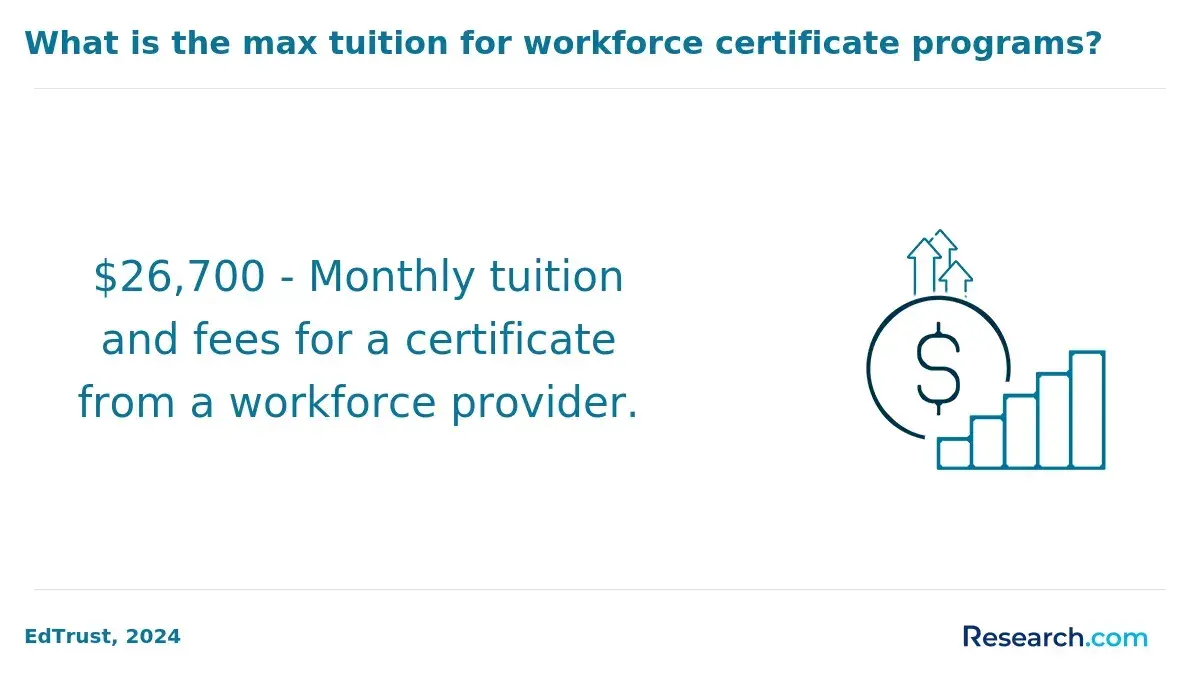
Evaluating tuition costs alongside salary growth offers a clearer picture of the financial realities nonprofit management graduates face than considering either factor separately. Data from the National Center for Education Statistics and the Nonprofit HR Association in 2024 show that average graduate tuition for nonprofit management has risen about 25% since 2018, often reaching above $30,000 annually at private institutions.
Meanwhile, entry-level salaries typically range between $45,000 and $55,000, with mid-career wages growing to around $70,000-$85,000. Importantly, inflation-adjusted salary increases have averaged only 2% per year recently, falling short of tuition's growth, which suggests that students should anticipate a slower return on investment than they might expect when focusing solely on starting salaries or program costs.
Consider two students facing the decision to enroll: one relies heavily on loans and plans to pay off debt quickly, while the other benefits from employer tuition assistance and part-time work. The first student may feel the financial burden intensely, as rising tuition and limited salary growth slow the timeline for recuperating education expenses.
By contrast, the second student's alternative funding reduces upfront costs, making the relatively modest salary progression more manageable. Factors such as geographic location, sector demand, and individual career pathways also profoundly affect how the tuition-to-salary ratio plays out, underscoring that economic outcomes vary significantly across the nonprofit management field and economic environments.
One nonprofit management graduate recalls hesitating before enrolling when tuition jumped unexpectedly just before the semester began, forcing a quick reassessment of financing options. They ultimately decided to accept a part-time internship with a nonprofit that offered tuition reimbursement, easing immediate costs despite knowing their mid-career salary wouldn't skyrocket.
This decision balanced urgency with caution, reflecting the common tension between passion for social impact and pragmatic financial planning in a landscape where education expenses outpace salary increases.
Does a Nonprofit Management Degree Deliver a Positive Return on Investment?
Return on investment (ROI) in higher education means weighing the financial and professional gains against the total cost of earning a degree, including tuition and lost income during study. For nonprofit management degrees, this calculation extends beyond initial salaries, since entry-level pay typically ranges from $50,000 to $60,000, according to recent findings from the Georgetown University Center on Education and the Workforce.
Consider a scenario where a student invests $40,000 in tuition and related expenses; the moderate starting salary requires several years of steady income growth just to offset this upfront cost, especially given annual tuition inflation averaging 4% and ongoing economic inflation diminishing purchasing power.
The longer-term value of a nonprofit management degree often hinges on advancing to senior roles or specialized positions that offer higher compensation, which requires both experience and networking-a key intangible benefit highlighted by the National Association of College and University Business Officers.
These qualitative gains, such as leadership skills and job satisfaction, play a crucial role in whether the degree delivers a net positive ROI for an individual. Ultimately, the financial return varies widely, shaped by factors including labor market conditions, personal career progression, and regional salary differences, meaning that ROI is rarely a fixed outcome but a context-dependent judgment.
Which Industries Offer the Highest Salaries for Nonprofit Management Graduates?
Salary potential for nonprofit management graduates varies considerably by industry, influenced by the size and funding sources of organizations, the complexity of program oversight, and the need for specialized expertise. Data from the U.S. Bureau of Labor Statistics and leading industry analyses reveal that sectors blending nonprofit competencies with robust operational scales offer the highest financial rewards.
Understanding top nonprofit management salaries by industry helps graduates target opportunities aligning with both their professional skills and financial goals. Below are key industries known for offering strong earning prospects for these graduates.
- Healthcare Sector: This industry ranks among the highest paying due to its scale, regulatory demands, and critical social impact roles. Hospitals, medical research institutions, and health-related nonprofits require nonprofit management professionals skilled in compliance, program administration, and interdisciplinary coordination.
- Higher Education: Colleges and universities increasingly depend on nonprofit management experts to oversee fundraising, alumni relations, and student services. The sector's stable endowments and funding structures support competitive salaries, especially for roles that combine strategic planning with stakeholder engagement.
- Financial Services Nonprofits: Foundations and grantmaking organizations offer attractive pay because they manage significant endowments and require deep expertise in financial oversight, strategic resource allocation, and compliance. Professionals here often blend nonprofit leadership with fiscal acumen.
- International Development: Organizations in this space typically offer higher wages for graduates managing donor-funded projects involving complex logistics and regulatory environments. Specialized skills in global operations and cross-cultural program management enhance earning potential.
- Social Services and Advocacy: Although generally less remunerative due to tighter budgets, these fields provide meaningful work and incremental salary growth tied to specific grants or local government support. Leadership roles can attract reasonable salaries where nonprofits scale effectively.
- Arts and Culture Organizations: Salaries may be lower overall but can rise substantially in major metropolitan areas or established institutions with large donor networks. Management roles that combine fundraising with creative program development are especially valued.
- Large-Scale Nonprofit Operations: Major organizations with complex operational demands-such as national nonprofits-offer roles that command premium compensation. Skills in managing multi-million-dollar budgets and navigating diverse stakeholder interests are critical here.
As a practical example, a graduate focusing on healthcare nonprofit management may command a significantly higher starting salary within a large hospital system than in a local advocacy group, reflecting differences in organizational complexity and funding.
For those evaluating educational investments, especially amid rising tuition and economic pressures, aligning with higher-paying industries can offset costs and support long-term financial stability. Students interested in accelerating their credentials might explore the fastest online construction management degree, which illustrates the broader value of targeted educational paths in related management fields.
Which States and Cities Offer the Highest Pay for Nonprofit Management Professionals?
Geographic location significantly influences salary outcomes for nonprofit management professionals, as supported by 2024 data from the U.S. Bureau of Labor Statistics and related research. High salaries tend to cluster in states and metro areas with dense nonprofit sectors and substantial philanthropic activity, but the cost of living and regional economic conditions can offset apparent earnings.
Prospective students must weigh these factors carefully, considering real expenses like housing and education debt alongside salary figures. Below is an overview of key states and metropolitan cities known for top pay in nonprofit management roles, reflecting both opportunity and tradeoffs.
- California: California, especially in metropolitan hubs like San Francisco and Los Angeles, offers some of the highest salaries for nonprofit managers, often exceeding $110,000 annually for experienced leaders. The state's robust philanthropic infrastructure and numerous large nonprofits contribute to demand, but prospective professionals should account for California's high living costs and housing prices, which can significantly impact take-home income.
- New York: New York State, with New York City at the forefront, consistently ranks among the top payers in nonprofit management. Salaries typically range from $95,000 to $105,000, supported by a vast ecosystem of nonprofit organizations and foundations. However, NYC's steep living expenses and expensive education must be factored into any cost-benefit analysis for new graduates.
- Massachusetts: Boston and surrounding areas offer high wages due to a concentrated nonprofit sector and numerous higher education institutions driving philanthropic funding. Nonprofit managers can expect salaries near or above $100,000, but inflated housing costs and overall living expenses require careful budgeting.
- Illinois: Chicago anchors Illinois's nonprofit management market, with salaries generally between $70,000 and $85,000. While pay levels are lower than coastal states, the substantially reduced cost of living can provide a more stable financial footing for emerging professionals managing student debt.
- Minnesota: Minnesota's nonprofit sector, centered around Minneapolis-St. Paul, offers competitive wages slightly below $85,000 but sleeves in a moderate cost of living. This balance benefits early-career nonprofit managers seeking sustainable income without the burden of high housing and tuition inflation.
How Do Nonprofit Management Salaries Grow Throughout a Career?
Salaries in nonprofit management typically start modestly, with entry-level roles such as program coordinators earning median incomes between $45,000 and $60,000 annually. Within the first decade, salary growth is generally moderate, increasing by 20% to 40%, influenced heavily by organizational scale, geography, and individual performance.
By mid-career, those moving into director or senior management positions can expect salaries ranging from $75,000 to $100,000, according to the 2024 data from the U.S. Bureau of Labor Statistics. However, wage increases often lag behind inflation and tuition-related debt, which complicates the financial outlook for graduates despite nominal salary advancement.
Consider two graduates with identical nonprofit management degrees: one pursues continuous skill development and targets larger urban nonprofits, while the other remains in smaller organizations without additional credentials. The former is likely to access broader leadership roles and salaries exceeding $120,000 at senior levels, whereas the latter may face a slower trajectory capped below mid-career ranges.
Factors such as advanced degrees, networking, geographic mobility, and specialization heavily influence long-term earnings more than tenure alone. Additionally, persistent disparities linked to gender and race reported by the Foundation Center further affect overall career income progression.
One nonprofit management graduate recalled debating whether to invest time and money in an advanced certificate amid rising tuition costs. Early in their career, they hesitated because their initial salary barely grew beyond entry-level wages, which felt discouraging given student loan pressures.
Ultimately, choosing targeted leadership training and relocating to a large metropolitan nonprofit led to a promotion within five years and a salary increase that outpaced their initial expectations. This experience underscored how strategic professional development and organizational choice dramatically shape nonprofit salary growth beyond baseline degree attainment.
How Do Nonprofit Management Salaries Compare With Similar Degrees?
Salaries for nonprofit management graduates generally trail those of peers with related degrees, reflecting sector differences and organizational priorities. Data from the U.S. Bureau of Labor Statistics finds the median annual wage for nonprofit management professionals near $65,000, compared with approximately $75,000 for business administration and $70,000 for public administration.
These disparities reflect the often mission-driven focus of nonprofits, which frequently operate under tighter budget constraints than private or public sectors. Prospective students should also weigh qualitative factors such as job satisfaction and social impact alongside financial outcomes. The following outline highlights key distinctions among these closely aligned degree paths.
- Business Administration: Graduates typically earn higher starting salaries, around 15% more than nonprofit management counterparts, due to private sector roles emphasizing profit maximization and revenue growth. Careers often include corporate management and consulting, where market-driven compensation is standard.
- Public Administration: Median salaries are moderately higher than nonprofit management, supported by government and public agencies with more stable funding sources. These roles emphasize policy implementation and public service, accounting for salary differences tied to budget allocations and union agreements.
- Nonprofit Management: While initial earnings tend to lag, professionals may close the gap through leadership roles or specializing in fundraising and grant management, which commands premium skills. Commitment to social missions drives many to accept lower pay in exchange for organizational impact and personal fulfillment.
- Career Value Considerations: Rising tuition and inflation affect graduates' return on investment, making it essential to analyze long-term earning potential versus initial salary gaps. Exploring options like how much does a master's in counseling cost can inform financial planning.
How Is Employer Demand Affecting Nonprofit Management Salary Trends?
Employer demand significantly influences nonprofit management salary trends by driving competition among organizations for qualified candidates. When demand rises due to expanding strategies in areas like fundraising, digital engagement, or program evaluation, nonprofits often face pressure to offer higher wages to attract and retain talent.
For example, a mid-sized nonprofit growing its environmental initiatives might increase salaries for managers skilled in grant writing and data analysis to stay competitive. This demand-driven competition tends to accelerate hiring activity and compel organizations to adjust compensation plans, although these moves are often constrained by budget limits and funding volatility.
Major factors shaping employer demand include shifts in social priorities, economic conditions, and the availability of candidates with specialized expertise. The U.S. Bureau of Labor Statistics and the 2024 Nonprofit Workforce Report indicate that although employer demand impacts wage growth positively, salary increases for nonprofit management professionals have generally lagged behind inflation and tuition hikes.
This divergence highlights how strong employer demand can support faster wage growth but does not guarantee it, as experience level, economic pressures, and organizational budgets play critical roles. Prospective students should weigh these dynamics carefully, especially when researching education options such as online colleges with frequent start dates, to optimize their long-term career returns.
Understanding employer demand impact on nonprofit management salaries requires recognizing this multifaceted interplay between hiring intensity, budgetary realities, and skill specialization. Higher demand may open job opportunities and prompt wage increases, but these effects vary widely by career stage and organizational type. Strategic skills development remains essential to maximizing earning potential in this evolving field.
How Can Students Maximize Their Lifetime Earnings With a Nonprofit Management Degree?
Maximizing lifetime earnings with a nonprofit management degree requires more than completing coursework; it demands strategic positioning in high-demand sectors and continual skill enhancement. Data from the U.S. Bureau of Labor Statistics in 2024 show that professionals in healthcare nonprofits, educational institutions, and large philanthropic organizations command higher salaries due to their complex operations and funding scales.
A practical example is a graduate who pairs nonprofit management expertise with certifications in grant writing and data analytics, boosting their competitive edge for senior roles. Below are essential strategies for increasing long-term earning potential.
- Target High-Demand Sectors: Specialize in healthcare, education, or major foundations, where budgets and operational complexity create more lucrative management opportunities and steady funding streams.
- Gain Executive Experience: Pursue leadership roles early even in smaller organizations to build a record of strategic impact. As shown in the National Council of Nonprofits 2024 report, executive-level managers receive significantly higher compensation.
- Obtain Relevant Certifications: Secure credentials in grant writing, financial management, or data analytics to differentiate yourself and improve salary growth trajectories.
- Pursue Advanced Education: An MBA focused on nonprofit leadership can open doors to senior management and board-level roles, directly enhancing earning potential.
- Develop Cross-Sector Skills: Acquire expertise in policy advocacy or program evaluation to access well-paying government-affiliated nonprofits, which often offer superior benefits.
- Network Strategically: Engage in professional nonprofit associations to build relationships that lead to higher-level opportunities and salary negotiations.
- Relocate to Metropolitan Areas: Jobs in urban centers with rich nonprofit ecosystems typically provide better compensation packages than rural or less active markets.
References
- Calculating Nonprofit ROI https://www.cfoselections.com/perspective/calculating-nonprofit-roi
- The 2026 NONPROFIT SALARIES and STAFFING TRENDS Report https://info.careersinnonprofits.com/2026-nonprofit-salaries-and-staffing-trends-report-cnp
- Non-Profit Careers 101 https://cdo.pomona.edu/resources/non-profit-careers-101/
- Fair Compensation Matters in the Nonprofit Sector https://www.nonprofitsnapshot.org/blog/146-fair-compensation-matters-in-the-nonprofit-sector
- Is College Worth it? | Return on Investment Analysis of College Degree https://educationdata.org/college-degree-roi
- The 2026 Nonprofit Workforce Outlook: What Employers and Employees ... https://bc.healthyagingcore.ca/files/preview/38935
- 501 Compensation Tracker — 501 Commons https://www.501commons.org/resources/501-compensation-tracker
- Nonprofit ROI: How “Measuring the Good” Can Help Nonprofits Justify Investments https://blueavocado.org/finance/nonprofit-roi/
- Nonprofit Executive Director Salary: 2026 Data by Size & Location https://cnpc.coach/nonprofit-executive-director-salary/
- Cost-saving trends every nonprofit should prioritize in 2026 | Our Insights | Plante Moran https://www.plantemoran.com/explore-our-thinking/insight/2026/04/cost-saving-trends-every-nonprofit-should-prioritize-in-2026
Other Things You Should Know About Nonprofit Management
In many nonprofit management positions, workload has increased due to tighter budgets and expanded organizational missions, but salary growth has not matched this rise. This imbalance often leads to employee burnout and turnover, diminishing long-term career sustainability.
Prospective students should carefully evaluate potential roles with heavy workload demands against the probability of limited financial reward, prioritizing employers with transparent compensation growth plans and supportive work environments over titles alone.
Nonprofit organizations often depend on unpredictable funding streams such as grants and donations, which can cause salary fluctuations or freezes. This instability complicates personal financial planning and can delay raises or promotions unrelated to individual performance. Choosing employers with diversified and stable funding sources or larger organizational budgets may offer more consistent compensation, even if initial salaries are modest.
While broad nonprofit management degrees provide foundational skills, specialized certifications tied to fundraising, grant writing, or financial management often lead to faster salary increases and expanded job opportunities. Candidates should weigh the upfront cost and time of additional certifications against the potential for targeted wage growth, especially in competitive job markets where specialized expertise is valued more highly than generalist credentials.
Nominal salaries may appear attractive in high-cost areas, but inflated living expenses can erode real income, affecting quality of life and savings potential. Candidates should assess salary offers in the context of local costs, favoring locations where nonprofit management wages provide sufficient disposable income or improved work-life balance over prestige of metropolitan employers. This practical approach helps avoid financial strain despite seemingly higher paychecks.