2027 Nonprofit Management ROI by Institution Type: Public vs Private vs Nonprofit Online Programs

Co-Founder and Chief Data Scientist
A prospective student evaluating online nonprofit management programs might encounter options with comparable curricula but starkly different tuition fees and graduation benchmarks. For instance, a 2024 study by the National Center for Education Statistics highlights that private nonprofit online programs often report graduation rates nearly 20% higher than public counterparts, yet their average student debt can also be substantially greater.
This disparity emphasizes that higher completion rates do not always translate into better financial outcomes, especially when institutional support and career services vary widely. Such dynamics complicate decisions where loan burden and timely completion critically affect long-term career trajectories.
This article analyzes ROI by institution type, public, private, and nonprofit online programs, to guide informed choices grounded in outcomes, debt, and value.
Key Things to Know About Nonprofit Management ROI by Institution Type
- Public institutions typically offer lower tuition and flexible pacing, reducing upfront costs; however, limited learner support can delay graduation and extend debt exposure, influencing ROI negatively especially for working adults balancing time.
- Private online nonprofit programs often boast stronger employer networks and accreditation, which enhances post-completion career advancement but comes with higher tuition, requiring careful weighing of long-term credential value versus immediate financial burden.
- A 2024 study shows nonprofit online graduates average 15% higher completion rates than public peers, indicating institutional support's critical role; this timing advantage accelerates workforce reentry, thereby impacting lifetime earnings trajectory positively.
- Key Things to Know About Nonprofit Management ROI by Institution Type Key Things to Know About Nonprofit Management ROI by Institution Type
- What Does ROI Mean for a Nonprofit Management Program and How Is It Measured? Understanding Nonprofit Management Program ROI
- How Do Public, Private, and Nonprofit Online Nonprofit Management Programs Differ in Overall Value? Value by Institution Type
- How Do Tuition Costs Affect the ROI of a Nonprofit Management Program Across Institution Types? Tuition Costs and ROI
- How Do Graduation Rates Influence Nonprofit Management Program ROI? Graduation Rates Impact ROI
- What Role Do Career Outcomes Play in the ROI of a Nonprofit Management Degree? Career Outcomes and ROI
- How Does Student Debt Impact the Long-Term ROI of a Nonprofit Management Program? Debt vs. Long-Term ROI
- How Do Flexibility and Adult Learner Support Affect Nonprofit Management Program Value? Flexibility and Program Value
- How Do Accreditation and Institutional Reputation Influence Nonprofit Management ROI? Accreditation and Reputation
- How Does Time-to-Degree Affect the ROI of Public, Private, and Nonprofit Nonprofit Management Programs? Time-to-Degree
- How Can You Choose the Best Nonprofit Management Program Based on Your ROI Goals? Choosing Programs by ROI
What Does ROI Mean for a Nonprofit Management Program and How Is It Measured?
Return on investment for a nonprofit management program extends beyond simple cost versus salary metrics to encompass a complex balance of factors such as total educational costs, student debt, time-to-degree, and graduation rates. A student facing the choice between a lower-cost public online program with faster completion and a more expensive private institution with stronger reputational cachet must weigh these variables in context.
For instance, a slightly longer program duration at a private nonprofit school may increase upfront costs and opportunity costs but could translate to better networking opportunities and specialized skill development that enhance career trajectories over time. Evaluating ROI in this way requires nuanced consideration of how each program aligns with one's capacity to absorb debt and time investment without compromising financial or personal stability.
Measuring educational value in nonprofit management degrees means looking beyond tuition alone to incorporate how institutional reputation and program quality affect career outcomes within the nonprofit sector. Although public programs often offer lower tuition rates due to state subsidies and report higher completion rates as noted by the National Center for Education Statistics, private and nonprofit online institutions may deliver distinct benefits that influence longer-term employability and leadership opportunities.
Because nonprofit roles typically prioritize mission alignment over immediate salary growth, traditional income-based ROI calculations can be misleading. Instead, prospective students should consider how well programs prepare graduates with leadership, fundraising, and strategic skills relevant to nonprofit employers, while also accounting for individual goals and circumstances, as a lower sticker price does not always guarantee the strongest long-term value or professional fit.
For those comparing degree choices, understanding what degree makes the most money across fields can offer useful context, even as nonprofit management performance metrics tend to emphasize mission-driven outcomes more heavily than salary alone.
How Do Public, Private, and Nonprofit Online Nonprofit Management Programs Differ in Overall Value?
Public, private, and nonprofit online nonprofit management programs differ substantially in how they balance cost, completion rates, and career impact. Public institutions offer lower tuition that helps minimize debt but often have larger classes and fewer personalized services, which can depress graduation rates and delay entry into the workforce—a factor that ultimately affects return on investment.
Private programs frequently leverage stronger reputations and selective admissions, which employers sometimes interpret as markers of rigor, potentially enhancing salary prospects; however, these advantages come with higher upfront costs that may not suit all financial situations. Nonprofit programs typically emphasize flexibility and student support, including career counseling and internships, striking a middle ground that appeals to working adults seeking practical skills while managing affordability and scheduling constraints.
According to data from the National Center for Education Statistics in 2024, public online programs often report comparatively lower graduation rates, reflecting the challenges of open enrollment models paired with cost savings. This creates a tradeoff for students who must weigh immediate affordability against potential delays in completing their degree.
Meanwhile, private and nonprofit programs' targeted retention efforts lead to more consistent graduation outcomes, supporting timely credentialing and entry into leadership roles. For those balancing work, family, and education, nonprofit institutions may provide an optimal mix of support and flexibility, reducing the risk of lost income during study periods while maintaining a focus on career-relevant experiences.
One student wrestled with these tradeoffs when choosing between a public, private, and nonprofit online nonprofit management program. Concerned about carrying heavy debt, they initially gravitated toward the affordable public option but hesitated due to its less personal support and slower graduation rates.
The private program's prestige appealed but felt financially risky without guaranteed return on investment. Ultimately, they selected a nonprofit program offering tailored career services and flexible scheduling, finding it best balanced cost, practical learning, and timely completion aligned with their long-term goals and financial realities.
How Do Tuition Costs Affect the ROI of a Nonprofit Management Program Across Institution Types?
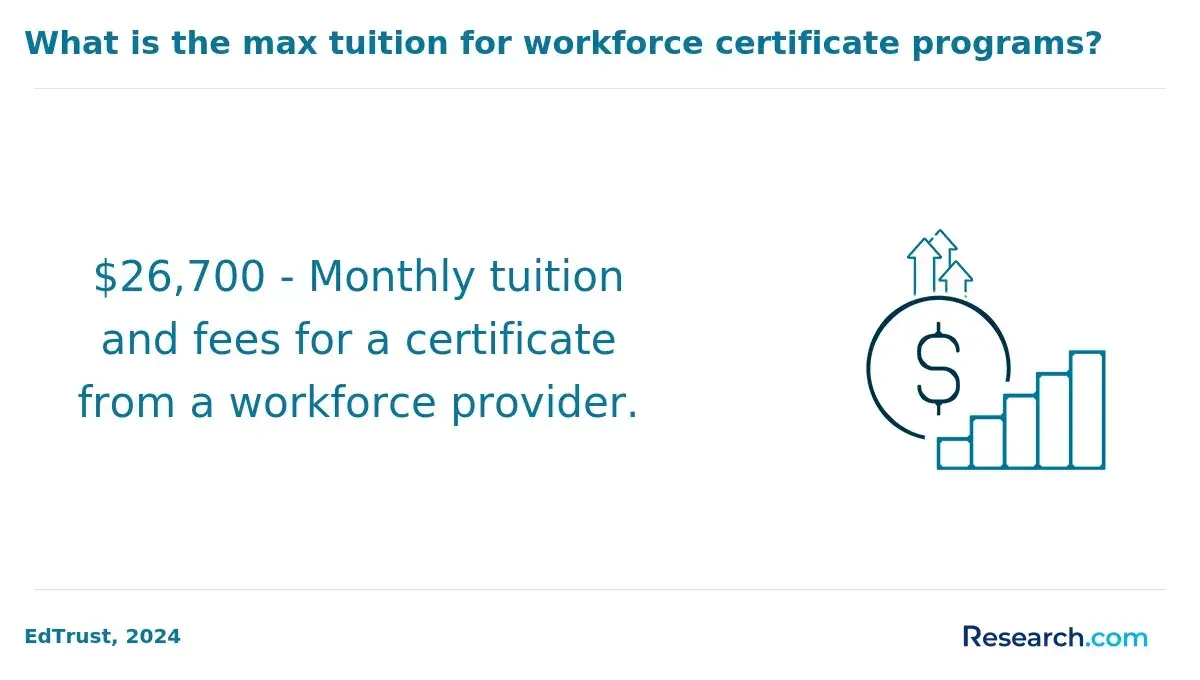
Tuition cost disparities between public, private, and nonprofit online nonprofit management programs significantly shape their return on investment, but lower sticker prices do not guarantee better outcomes. Public institutions frequently charge 40% to 60% less according to 2024 data from the National Center for Education Statistics, making them attractive for reducing upfront debt and financial risk.
However, this cost advantage must be weighed against program quality, graduation rates, and career support systems—factors integral to timely completion and successful employment, which some public programs sustain at about a 70% graduation rate.
Conversely, private nonprofit programs often command higher tuition, sometimes exceeding $30,000 for an online master's degree, reflecting greater investment in personalized student services and specialized networking that can boost placement in niche nonprofit roles.
Yet, these benefits do not always convert into proportionally higher salaries, requiring prospective students to critically assess whether the premium matches their career goals and financial situations. Financial aid availability and borrowing behavior further complicate the equation, as net costs may narrow these gaps but also influence long-term debt burden and post-graduate stability.
Flexibility in program pacing is another crucial factor impacting ROI for working adults juggling employment and study, with many programs offering accelerated or part-time tracks that facilitate earlier workforce reentry. This dynamic interplay of tuition, support, completion timelines, and labor market outcomes underscores that evaluating nonprofit management programs demands nuanced consideration beyond visible costs, emphasizing alignment with individual circumstances and realistic career trajectories.
How Do Graduation Rates Influence Nonprofit Management Program ROI?
Graduation rates provide insight into a program's operational efficiency and time-to-degree, both key factors in evaluating the return on investment for nonprofit management programs. Public online programs often report graduation rates around 50-55%, reflecting diverse student populations that include part-time and transfer students balancing work, which can extend completion time without eroding long-term financial benefits.
In contrast, private and nonprofit institutions may report wider ranges, typically 40-60%, influenced by variations in student support and program flexibility. These differences impact not only tuition costs and debt accumulation but also the speed at which graduates can reenter the workforce or advance professionally, crucial considerations for cost-conscious learners focused on financial outcomes.
When assessing how graduation rates impact nonprofit management program ROI, it is essential to recognize that completion percentages serve as one measure of institutional accountability and academic support effectiveness, yet do not fully capture program value. Programs with lower graduation rates may offer flexible pacing and practical skills tailored to adult learners, who prioritize relevance and career progression over accelerated timelines.
Additionally, many employers increasingly emphasize demonstrated competencies and experience alongside formal credentials. Prospective students comparing offerings across public, private, and nonprofit sectors should weigh graduation outcomes alongside educational quality, debt burden, and postgraduation results to make informed decisions. For those seeking cost-effective pathways, resources highlighting the cheapest executive MBA online provide a useful comparative perspective.
What Role Do Career Outcomes Play in the ROI of a Nonprofit Management Degree?
Differences in career outcomes significantly shape the return on investment for nonprofit management degrees, particularly when comparing public, private, and nonprofit online programs. Graduates from public institutions show about a 7% higher employment rate within a year, according to 2024 data from the National Center for Education Statistics, indicating stronger immediate job placement.
This advantage often stems from established employer relationships and regional influence, which also enhance networking possibilities. Conversely, some private and nonprofit online programs may offer greater curricular flexibility but can lack the same level of recognition or direct industry connections, affecting long-term career mobility and salary gains despite lower tuition or shorter completion times.
Alignment of program content with practical skills, such as grant writing, fundraising, and leadership, remains crucial for employers evaluating applicants, sometimes outweighing the prestige of the institution itself. While online delivery benefits working professionals by improving degree completion rates, limited face-to-face interaction can restrict access to critical informal networks that influence promotions or role transitions in the nonprofit sector.
These factors complicate cost-benefit analyses, as reduced debt and flexible schedules might be offset by slower career progression when industry ties and practical skill emphasis are weaker.
One graduate of a nonprofit management online program described weighing the degree's ROI not just in salary terms but through tangible internal promotions prompted by new competencies acquired. Initially uncertain if the credential would lead beyond a resume boost, the graduate found that employers valued demonstrated skills more than the degree's institution, which supported gradual responsibility increases within their organization.
However, they noted the absence of robust alumni networking compared to traditional schools, which made some professional opportunities harder to access despite improved job performance.
How Does Student Debt Impact the Long-Term ROI of a Nonprofit Management Program?
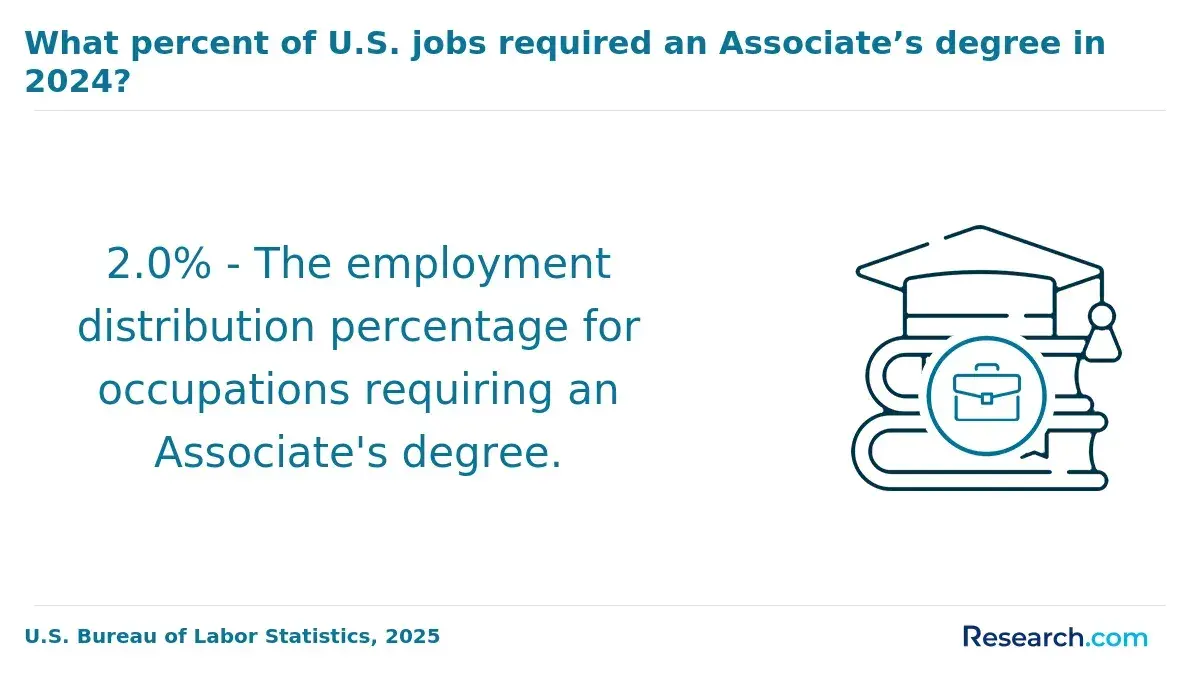
Student debt levels critically shape the long-term financial outcomes of nonprofit management programs, with considerable variation depending on institutional type and borrowing strategies. Graduates from private nonprofit institutions often carry nearly 40% higher median debt than those from public programs, which can delay financial milestones like homeownership or retirement savings due to increased repayment obligations.
For cost-conscious adult learners weighing the impact of debt, this elevated borrowing must be balanced against potential career benefits, such as stronger alumni networks or employer recognition, which sometimes justify the higher expense but are not guaranteed across all private programs.
Online nonprofit management pathways introduce further complexity, as many students pursuing flexible schedules face costs per credit that rival or exceed traditional public options, while also encountering inconsistent graduation rates and employer acceptance that may extend repayment periods. Practical evaluation of long-term ROI requires examining not just debt size but also graduation likelihood, career outcomes, and program quality relative to debt burden.
Prospective students should factor in these tradeoffs: recognizing that lower debt load generally supports better long-term ROI but that program responsiveness to career demands, flexibility, and how debt accrues during completion also matter for informed decision-making about student debt impact on nonprofit management program ROI.
Understanding the long-term financial effects of student loans for nonprofit management graduates demands recognizing that salary gains in nonprofit sectors often remain moderate, emphasizing the need for careful debt-to-completion assessment.
For learners balancing work and study, programs such as a 1 year master's in psychology online illustrate the value of accelerated, efficient paths that minimize debt accumulation and time to credentialing, a strategy worth considering across nonprofit management options to enhance ROI and manage debt prudently.
How Do Flexibility and Adult Learner Support Affect Nonprofit Management Program Value?
Program flexibility and tailored support critically shape the return on investment for nonprofit management degrees, especially for adult learners balancing work and personal commitments. Public online programs often offer affordability and part-time or extended enrollment options, but may fall short on personalized academic advising and career services, potentially delaying graduation or weakening workforce connections.
By contrast, private programs typically provide stronger faculty access and career networking, yet their higher tuition can increase debt burdens, complicating long-term value. This tradeoff means students must assess whether enhanced support justifies the cost when projecting time-to-degree and post-graduation earnings.
Nonprofit online institutions frequently combine flexible scheduling with specialized services, such as military-friendly policies, transfer credit assistance, and persistence-focused counseling, that directly impact student retention and completion. Evidence from recent adult learner studies suggests that programs designed around these specific needs can improve both graduation rates and employment outcomes, raising the overall ROI.
However, choosing asynchronous formats to maximize scheduling freedom may reduce peer interaction and networking opportunities that influence career advancement, while synchronous models can restrict flexibility but foster engagement. Adult learners need to weigh how support structures and course modalities align with their unique work-life circumstances to optimize educational investment without incurring unnecessary opportunity or financial costs.
How Do Accreditation and Institutional Reputation Influence Nonprofit Management ROI?
Accreditation and institutional reputation critically shape the ROI of nonprofit management programs by influencing employer trust, credit transferability, and graduate school acceptance. For example, graduates from regionally accredited public universities often encounter smoother hiring processes due to employer familiarity and recognized quality standards.
However, some private and nonprofit institutions, although less widely known, may hold specialized accreditations that signal focused expertise, benefiting students targeting niche nonprofit sectors. The 2024 survey by the National Association of Colleges and Employers found that 78% of employers consider accreditation and institutional reputation pivotal when assessing online degree candidates, reflecting ongoing employer expectations.
The tradeoffs between prestige and cost significantly affect long-term outcomes. Highly reputed schools may command premium tuition, increasing debt and extending ROI timelines, while less established institutions might offer lower costs but pose challenges in initial salary negotiation or job placement.
Beyond name recognition, practical indicators such as graduation rates, student support services, and strong employer partnerships often prove decisive for career advancement. Prospective students must therefore weigh how accreditation status and institutional credibility intersect with affordability, potential earnings, and program quality when comparing public, private, and nonprofit online offerings.
How Does Time-to-Degree Affect the ROI of Public, Private, and Nonprofit Nonprofit Management Programs?
The time-to-degree plays a critical role in shaping the ROI of nonprofit management programs, especially when comparing public, private, and nonprofit online institutions. For working professionals weighing their options, longer completion times at public institutions, often from part-time enrollment and more flexible pacing, reduce immediate financial strain but delay full salary benefits and prolong tuition payments.
In contrast, accelerated private and nonprofit online programs, which can finish within 18 to 24 months, offer faster workforce re-entry but bring higher intensity that may compromise retention and increase dropout risks. The practical challenge lies in balancing these tradeoffs, especially as shorter timelines might lead to a less comprehensive learning experience and fewer networking opportunities essential for nonprofit leadership roles.
Key factors such as transfer credit acceptance and enrollment intensity directly impact the time-to-degree, altering both debt accumulation and career progression. Public programs often allow more transfer credits and flexible pacing, supporting persistence but extending graduation timelines, which affects how soon students can capitalize on their investment. Private and nonprofit online programs focus on accelerated pathways that may yield earlier returns but report lower completion rates.
The U.S. Department of Education 2024 data shows a 65% completion rate versus 75% in longer programs. For cost-conscious adult learners or those seeking a data scientist degree, understanding how time-to-degree impacts nonprofit management program ROI is vital for informed decision-making that prioritizes both educational quality and long-term employability.
How Can You Choose the Best Nonprofit Management Program Based on Your ROI Goals?
The highest ROI in nonprofit management programs is ultimately determined by a student's individual priorities rather than institution type alone. While public universities generally offer lower tuition and tend to produce graduates with about 33% less debt according to the National Center for Education Statistics, private and nonprofit online programs may provide more generous financial aid, specialized support, and flexibility essential for working adults.
For those balancing family or job demands, a program's completion rates and time-to-degree can outweigh sticker price differences, as prolonged enrollment increases overall cost and opportunity loss.
Career outcomes and institutional reputation also create meaningful distinctions. Private schools often leverage stronger alumni networks and career services that enhance employability, yet public institutions maintain valuable employer connections that support practical job placement in the nonprofit sector.
Evaluating the best online nonprofit management programs for career outcomes requires assessing how well a program's curriculum, accreditation, and learner support align with a student's employment status and long-term goals, especially when transfer credits or part-time study options affect time and cost.
Ultimately, prospective students should consider a full spectrum of financial and educational factors relative to their circumstances, including whether a targeted investment in short certificate programs that pay well online could complement or substitute formal degrees. Such strategic planning ensures a more tailored and evidence-based pathway toward career advancement while managing debt burdens realistically.
References
- Nonprofit Management 101: Basics, Skills, and Career Path https://boardable.com/resources/nonprofit-management-101/
- Calculating Nonprofit ROI https://www.cfoselections.com/perspective/calculating-nonprofit-roi
- Adult Postsecondary Learners: Reviewing the Data and Evidence https://www.jff.org/idea/adult-learners/
- The Long-Term Effects of Student Loans | ACE Blog https://ace.edu/blog/the-long-term-effects-of-student-loans/
- Understanding the Needs of Adult Learners & the Application of Adult Learning Theory to Instructional Design https://www.nonprofitlearninglab.org/post/understanding-the-needs-of-adult-learners
- Accreditation https://www.nonprofitsfirst.org/accreditation/
- Measuring Nonprofit ROI: A Guide to Social Return on Investment Calculations https://www.fireflygiving.com/blog/measuring-nonprofit-roi-a-guide-to-social-return-on-investment-calculations/
Other Things You Should Know About Nonprofit Management ROI by Institution Type
Program specialization varies significantly across institution types and can impact both learning outcomes and employability. Private institutions may offer more niche concentrations or experiential learning tied to high-level industry networks, which can enhance job placement but often at a higher tuition cost. Public programs often emphasize broad foundational skills with access to regional networks, appealing for those targeting local or government-affiliated nonprofits. Nonprofit online programs sometimes focus on mission-driven contexts that align well with some employers but may lack the breadth or prestige valued in larger or corporate philanthropy roles. Weighing specialization against career goals is crucial since it affects employer recognition and long-term advancement potential.
Not necessarily. While private programs sometimes carry more brand recognition, employer reputation differs widely by region and sub-sector in nonprofit fields. For many working professionals, the practical applicability of coursework, flexible scheduling, and existing local employer ties available through public or nonprofit online programs offer superior real-world ROI. Employers often prioritize demonstrated skills and relevant experience over institutional prestige, making program fit and networking opportunities more critical than strict public-versus-private distinctions. Adult learners with constraints on time and finances might gain greater ROI focusing on accessibility and applied curriculum rather than institutional type alone.
Public nonprofit management programs often enroll more diverse and multidisciplinary cohorts, which can enhance peer learning about varied sector challenges, beneficial for those seeking broadly applicable nonprofit leadership skills. Private programs frequently enroll students with more homogeneous career backgrounds, sometimes leading to intensive, niche-focused interaction that advances specialized career paths. Nonprofit online cohorts may blend both but can struggle with same-sector networking depth. Prospective students should consider how cohort composition aligns with their learning style and professional network goals, as richer peer interaction often translates to deeper industry connections and stronger ROI.
Flexibility does not guarantee better ROI on its own and must be evaluated against program rigor and outcome. Nonprofit online programs typically offer greater scheduling latitude, which suits working adults balancing jobs and studies, potentially accelerating time to credential without interrupting income flow. However, some highly flexible programs sacrifice live interaction or internship opportunities that are vital for career development and employer engagement, especially in public and private sector contexts where experiential learning is valued. Carefully assessing how flexibility integrates with curriculum quality and employer expectations will better predict actual ROI rather than choosing online delivery as a default benefit.