2027 Most Affordable Online Colleges Programs Ranking in St. Paul, MN

Co-Founder and Chief Data Scientist
Choosing the right college program is an important step toward a brighter future, especially when budget matters. This article presents the 2027 Most Affordable Online Colleges Programs Ranking in St. Paul, MN, developed by the Research.com team of data scientists. It's designed to guide you through options that offer quality education without overwhelming costs.
Whether you're starting fresh or continuing your education, this ranking helps you focus on programs worth considering. Earning a degree opens doors to new opportunities and personal growth. Let us help you find the best fit for your goals and budget.
Key benefits of getting online degrees in St. Paul
- Graduates in St. Paul with an associate degree earn about $40,000 annually, while those with a bachelor's degree earn around $60,000, showing clear salary growth with higher degree levels.
- An online graduate from the University of St. Thomas often enters healthcare administration, a growing field offering rewarding career opportunities and strong community impact.
- Online degrees from St. Paul institutions like Hamline University provide flexible schedules, allowing students to balance work and life while gaining the same respected credentials as traditional degrees.
- 2027 Most Affordable Online Colleges Programs Ranking in St. Paul, MN
- What can I expect from online degrees in St. Paul?
- How much can I make with online degrees in St. Paul?
What can I expect from online degrees in St. Paul?
Students pursuing an online degree in St. Paul can expect a blend of flexibility and quality that suits busy lives. Graduates from institutions like the University of St. Thomas often share how asynchronous courses allowed them to juggle work and family commitments effortlessly while still engaging deeply with their studies. Visualize attending a live discussion through a video call after a full workday or completing a nursing assignment late at night thanks to recorded lectures.
Many online programs incorporate multimedia tools-interactive quizzes, video tutorials, and discussion boards-that foster active learning and connection with peers despite physical distance. Metropolitan State University, for instance, enhances its online education with strong academic support delivered remotely, such as virtual tutoring and real-time advising, helping students feel continuously supported.
Affordability is another reassuring aspect, with options like Century College offering competitive tuition rates that reduce financial stress. Imagine confidently advancing your career with a degree recognized by employers, accredited by the Higher Learning Commission, without uprooting your life or breaking your budget. This evolving model embraces technology and accessibility, making higher education in St. Paul increasingly achievable and rewarding.
How much can I make with online degrees in St. Paul?
Graduates from online degree programs in St. Paul typically see starting salaries ranging from $35,000 for associate degrees to $65,000-$75,000 for bachelor's degrees, with fields like healthcare, IT, and business leading the way. For example, alumni of popular institutions such as the University of St. Thomas or Metropolitan State University often share stories of quickly moving into roles paying around $55,000 to $60,000 right after graduation. These figures reflect the local economy's demand and St. Paul's cost of living.
As online learners gain experience, salaries tend to grow substantially. Mid-career professionals with online degrees in computer science or business report earnings surpassing $90,000. Moreover, those pursuing advanced online qualifications in nursing or data analytics can expect six-figure salaries, which aligns with growing regional needs in specialized professions.
The flexibility of studying online while working locally allows graduates to adapt to emerging industries and tap into thriving job markets. This evolving landscape promises further salary growth and exciting career possibilities for future students embracing online education in St. Paul.
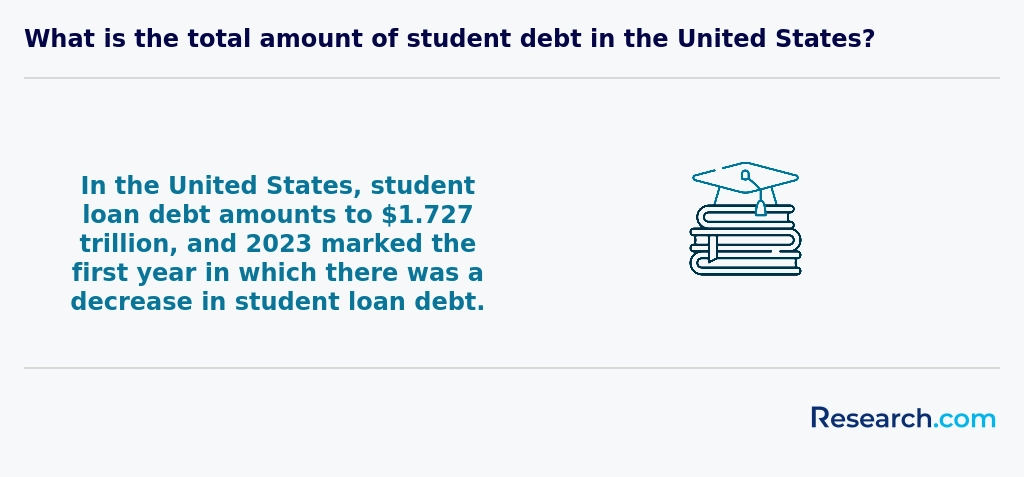
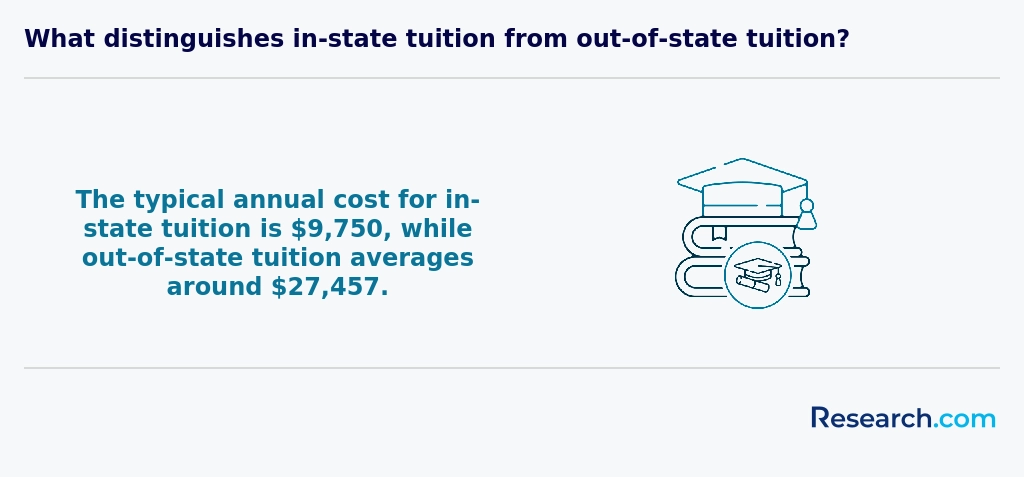
- Online undergraduate tuition in St. Paul typically ranges from $8,000 to $15,000 per year, often lower than traditional on-campus costs.
- Accredited institutions in St. Paul offer online degrees that ensure credits transfer and are recognized by employers and graduate programs.
- Graduates with a bachelor's degree in the area have a median starting salary of about $60,000, which can grow to $75,000 or more over time.
- There is steady job demand in St. Paul, especially in healthcare, technology, business, education, and social services sectors.
- Many online programs offer asynchronous classes for flexibility, and some local employers provide tuition assistance or reimbursement options.
Completing an online degree in St. Paul is increasingly shaped by flexibility and personalized pacing, with many students at Century College and Saint Paul College sharing stories of balancing family, jobs, and studies seamlessly. While traditional full-time bachelor's programs typically take about four years, some graduates enthusiastically describe how accelerated options allowed them to finish in as little as two and a half years by taking advantage of continuous enrollment and condensed terms.
Part-time learners often experience a longer journey, sometimes stretching to five or six years, but appreciate the freedom to adapt course loads around life's demands without losing momentum. Many find that credit transfers and prior experience recognition at these colleges make their paths shorter and more efficient, sparking a sense of accomplishment and motivation.
Associate degrees, especially those pursued full-time online, are often wrapped up in about 18 months to two years, which graduates frequently highlight as a confident step toward speedy career advancement within the local St. Paul community.
In St. Paul, the difference between online and on-campus degrees is becoming more about personal fit and lifestyle than educational quality. Graduates from institutions like the University of St. Thomas often share that the online format gave them the freedom to juggle work and family while progressing steadily through courses at their own pace. One recalls studying late nights after putting kids to bed, appreciating the ability to access lectures anytime.
Conversely, those who chose on-campus programs at colleges such as Hamline University highlight the vibrant campus life-the energizing buzz from libraries, labs, and club events-that made their academic journey feel more connected and immersive. They valued face-to-face interactions with professors, which sparked deeper discussions and immediate feedback.
Looking ahead, St. Paul's higher education landscape is evolving to blend these benefits, with more hybrid options promising flexibility without losing community feel. The growing online portfolio combined with the city's strong support systems suggests future students will enjoy unprecedented choice tailored to their unique rhythms and ambitions.
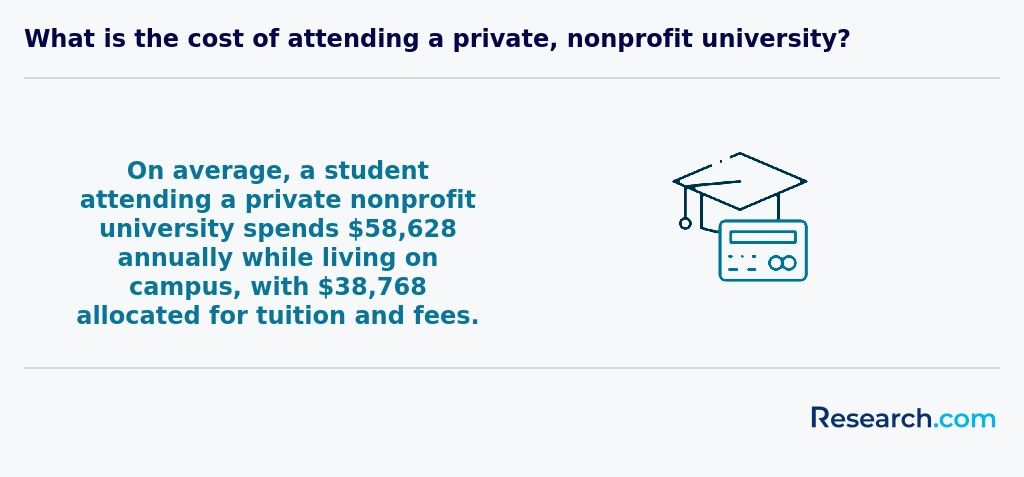
The average cost of an online degree in St. Paul generally centers around $26,250, reflecting a balance between affordability and quality education offered by local institutions. Graduates from well-known universities in the area often share how this investment felt worthwhile, given the flexibility of online courses combined with access to resources typically reserved for on-campus students. This cost, while slightly higher than some national averages, is offset by the strong support networks and comprehensive programs available right here in St. Paul.
For many students seeking affordable online college tuition St Paul Minnesota provides options through both public and private institutions. Public universities tend to offer competitively priced tuition, which appeals to those who prioritize manageable costs without sacrificing academic rigor. Graduates often express satisfaction with how their online degrees have opened doors to career advancement while allowing them to balance work, family, and study.
Looking ahead, emerging trends suggest the introduction of more digital resources and streamlined course materials, which could reduce expenses associated with technology and textbooks. Some prospective students also explore alternative pathways, like 6 month online certificate programs for high paying jobs, to complement their degrees or accelerate career progress. Such trends underscore a growing adaptability in how learners in St. Paul approach higher education costs and outcomes.
Students pursuing online degrees in St. Paul often find a range of financial aid options, which can transform the challenge of tuition costs into an achievable goal. Many graduates from institutions like the University of St. Thomas or Hamline University recall how applying for FAFSA opened doors to Pell Grants, offering up to $7,395 annually-a lifeline that requires no repayment and alleviates debt worries.
Federal loans and work-study programs also ease financial pressure, with flexible repayment terms that feel manageable for busy online learners balancing jobs and family. State grants from Minnesota add another supportive layer, sometimes covering significant portions of tuition, especially for those who qualify based on need or residency in St. Paul, often helping students stay motivated and focused on their studies.
Moreover, local scholarships from community foundations or professional groups often encourage adult learners, creating a sense of belonging and pride. For instance, graduates have shared how personalized aid from their university's financial offices made continuing education feel possible and rewarding, reinforcing hope and ambition in their academic journeys.
Enrolling in an online degree program in St. Paul increasingly demands a blend of traditional prerequisites and evolving expectations. Graduates from well-known colleges in the city often recall submitting official transcripts and holding a high school diploma or GED before diving into their studies. For those pursuing graduate programs, a bachelor's degree is typically essential, mirroring broader educational standards but adapted for remote learning.
Many students appreciate how several institutions in St. Paul are adopting test-optional policies, which has sparked optimism among adult learners balancing work and family commitments. The shift lowers barriers and fosters more inclusive online classrooms.
English proficiency tests like TOEFL remain a standard for non-native speakers, ensuring clear communication during virtual discussions. Beyond paperwork, tech readiness plays a starring role-graduates frequently emphasize that reliable internet and a solid laptop transformed their online experience from challenging to empowering.
Finally, personalized elements such as letters of recommendation and interviews help colleges gauge motivation, a practice that some online learners describe as uniquely supportive amidst a digital environment.
Online degree courses in St. Paul MN typically include a blend of foundational general education classes like English composition, mathematics, and social sciences that equip students with critical skills for any career. Graduates from Metropolitan State University describe the flexibility of balancing these with core courses tailored to their major, such as finance and marketing in business or programming and network security in information technology. This combination reflects the typical online college classes in St. Paul, designed to adapt to diverse professional goals while ensuring academic rigor.
Students from the University of St. Thomas appreciate the inclusion of elective courses and capstone projects that emphasize real-world problem solving and innovation. Many find interactive elements like virtual labs and discussion forums enhance the learning experience, making online study feel connected and dynamic. As remote education evolves, these programs may increasingly incorporate emerging technologies such as AI-driven tutoring or immersive simulations, further personalizing education.
For those wondering what's the easiest online degree to get, St. Paul's online offerings provide varied pathways that suit different learning styles, all grounded in practical knowledge and career readiness.
Choosing the best online degree program in St. Paul means looking ahead to how education and work will evolve locally. Graduates from the University of Minnesota Twin Cities often share how the programs' flexible asynchronous formats helped them balance family and work, allowing them to graduate on their own terms. Meanwhile, students at Hamline University appreciate the variety of programs aligned with St. Paul's growing sectors like healthcare and technology, which reflect emerging job trends predicted by the Minnesota Department of Employment and Economic Development.
Cost remains a top concern, and many turn to affordable online degree programs in St. Paul MN to access quality education without burdening finances. Metropolitan State University, for example, offers competitive tuition rates combined with strong student support services, providing a confidence boost for learners navigating new tech tools and virtual libraries.
Future-focused students often consider how their chosen field connects to real-world outcomes, sometimes referencing resources like the college majors that make the most money as part of their decision-making process. This helps ensure the degree leads to sustainable, rewarding careers right here in the Twin Cities area.
Graduates with an online degree in St. Paul are increasingly finding diverse career paths fueled by the city's dynamic economy. For example, those earning health-related degrees from local institutions have stepped confidently into expanding roles within major regional health systems, reflecting the city's strong demand in this sector. These graduates often report satisfaction as they contribute meaningfully to community health organizations.
Technology fields also beckon many online degree holders, with opportunities in cybersecurity, data analytics, and computer science growing rapidly. Graduates from popular St. Paul colleges share how their remote-ready skills align perfectly with employers seeking digital fluency, unlocking prospects in vibrant tech hubs. This trend highlights the bright future for those pursuing online degree career opportunities in St. Paul MN.
Degrees in business and finance continue to open doors across the city's stable corporate environment, where recent graduates enjoy flexible roles that often lead to management or financial analysis positions. Meanwhile, education and social services programs prepare many for impactful roles in local schools and government agencies, with part-time and hybrid schedules tailored to complement online learning. Prospective students can explore options through the best non profit accredited online universities offering affordable online college job prospects in St. Paul.
The job market for online general degree graduates in St. Paul is evolving with promising prospects across several industries. Graduates from well-known local institutions often share positive stories about landing roles in healthcare administration or IT after completing their programs, thanks to the city's expanding demand in these fields. The flexibility and self-motivation gained from online study align well with employer expectations in St. Paul's diverse economy, making these graduates appealing candidates.
Students pursuing degrees from popular universities in the region frequently highlight how hands-on internships and networking helped bridge their online education with real-world experience. As the St. Paul online college graduate employment outlook continues to strengthen, many find themselves well-positioned in technology firms or public education roles, sectors forecasting sustained growth.
Those exploring options often look for universities that accept nationally accredited degrees to ensure their qualifications are respected locally. Overall, transferable skills combined with a strategic approach to career building make the future bright for online degree holders in St. Paul.
2027 Most Affordable Online Colleges Programs Ranking in St. Paul, MN
Investing in your education is a significant decision that can profoundly impact your future, and the Research.com team recognizes the importance of making well-informed choices. To support prospective students in St. Paul, MN, we have carefully developed the "2027 Most Affordable Online Colleges Programs Ranking." Our dedication to quality, credibility, and accuracy is demonstrated through thorough research and data analysis used to compile this ranking.
We utilized the following reputable data sources to ensure a comprehensive evaluation of affordable online college programs:
By consulting this ranking, readers will receive valuable insights into affordable online education options in St. Paul, enabling them to make informed decisions tailored to their needs. For a detailed understanding of how our rankings are developed, please visit our Research.com methodology page.
# 1 position
Bethel University, Minnesota
Nursing RN to BS

# 3 position
Concordia University, St. Paul
Master of Educational Technology and Artificial Intelligence
# 4 position
Concordia University, St. Paul
Master of Special Education with Emotional/Behavioral Disorders (EBD) Endorsement
# 7 position
Bethel University, Minnesota
Master of Education K-12
# 11 position
Bethel University, Minnesota
Bachelor of Business Management
# 12 position
Bethel University, Minnesota
Bachelor of Psychology
# 13 position
Bethel University, Minnesota
Bachelor of Human Services
# 16 position
Bethel University, Minnesota
Master of Special Education
# 17 position
Bethel University, Minnesota
Bachelor of Special Education
# 18 position
Bethel University, Minnesota
Master of Business Administration
Frequently Asked Questions
Students in St. Paul can maximize their online learning experience by taking advantage of local resources and structured study habits. According to the Minnesota Office of Higher Education, digital literacy skills significantly improve student success rates, so investing in technology training available through St. Paul Public Library or local community centers is beneficial.
Setting consistent study schedules and minimizing distractions are key for retaining information in remote settings. Moreover, active participation in online discussions and utilizing virtual office hours with instructors enhance understanding and engagement.
Networking with peers through local online student groups also helps build support systems, which research shows boosts perseverance and graduation rates.
After completing an online degree in St. Paul, preparing for the local job market requires targeted strategies. Start by researching industry trends in the region-healthcare, education, and technology sectors are prominent employers in the Minneapolis-St. Paul metropolitan area, according to the Minnesota Department of Employment and Economic Development.
Networking plays a crucial role; consider joining local professional groups such as the St. Paul Chamber of Commerce or attending virtual job fairs offered by Minnesota's CareerForce. Tailor your resume to highlight skills gained from your online program, emphasizing practical experience and certifications.
Utilize local resources like CareerForce centers for job counseling and workshops to improve interview skills and job search tactics. Staying informed about in-demand skills and certifications can increase employability in St. Paul's competitive markets.
Employers in St. Paul increasingly value a combination of technical and soft skills in graduates. According to the Minnesota Department of Employment and Economic Development, strong communication, problem-solving, and teamwork abilities rank highest. These are essential across various sectors, including healthcare, technology, and finance, which are prominent in the local economy.
Technical proficiency, such as data analysis and digital literacy, is also critical due to the rise of technology-driven jobs. St. Paul employers particularly seek adaptability and critical thinking, reflecting the need for graduates to manage changing workplace demands effectively.
Overall, a balance of interpersonal and technical skills improves job prospects in St. Paul's competitive market.
Finding internships in St. Paul while pursuing an online degree involves leveraging local resources and networks. Start by exploring the St. Paul Chamber of Commerce, which connects students with businesses offering internships. Many colleges partner with local employers to provide virtual or in-person internships tailored to online learners.
Online platforms like Handshake and the Minnesota Internship Center list hundreds of opportunities in St. Paul, especially in sectors like healthcare, education, and technology. According to the Minnesota Department of Employment and Economic Development, internships in St. Paul have increased by 15% over the past three years.
Networking through professional groups or LinkedIn can also open doors. Contact your college's career services to access St. Paul-specific internship postings and support.
In St. Paul, earning an online degree significantly impacts career mobility and advancement. According to the Minnesota Department of Employment and Economic Development, workers with a bachelor's degree earn nearly 60% more than those with only a high school diploma. This wage premium often translates into better job opportunities and promotions.
Employers in St. Paul increasingly recognize accredited online degrees, especially from regionally accredited institutions, as equivalent to traditional degrees. Online education enables flexibility, allowing working adults to upskill without leaving their jobs. This flexibility supports career growth in sectors like healthcare, education, and technology, which are prominent in the St. Paul area.
Additionally, the metropolitan area's strong economy rewards advanced degrees with higher employment rates. The U.S. Bureau of Labor Statistics reports that individuals with at least a bachelor's degree have lower unemployment rates in the Minneapolis-St. Paul region compared to those without one.
When choosing between a thesis and a non-thesis online degree program in St. Paul, consider your career goals. Thesis programs focus on research and are ideal for students aiming for academic or research roles. Non-thesis programs usually emphasize practical skills and coursework, fitting professionals seeking advancement without extensive research.
In Minnesota, about 35% of graduate students opt for thesis programs, highlighting their value in specialized fields (Minnesota Office of Higher Education, 2023). Thesis options often require a faculty mentor and more time commitment. Non-thesis paths can be completed faster, benefiting working adults.
Review program requirements and discuss options with academic advisors in St. Paul institutions to match choice with your professional objectives.
Students based in St. Paul seeking to study abroad have several pathways through US higher education institutions offering international programs. Many universities in Minnesota, including those near St. Paul, provide exchange programs, faculty-led trips, and virtual study abroad options designed to suit online learners. According to NAFSA: Association of International Educators, about 10% of US students participate in some form of study abroad, with flexible online degrees increasingly incorporating global learning components.
For fully online students, some colleges partner with international universities for dual degrees or short-term study abroad experiences. Additionally, St. Paul residents attending state schools like the University of Minnesota can access federal financial aid for approved study abroad programs.
Overall, while online degree students have fewer in-person abroad experiences, many schools now integrate digital international collaborations and research opportunities to enrich global perspectives.
St. Paul offers various part-time job opportunities that can effectively complement online degree education, especially for students seeking to balance work and study. Many students find roles in retail, customer service, or administrative support, which provide flexible hours and experience in communication and organization.
Beyond general roles, students pursuing degrees in healthcare, education, or social sciences can access part-time positions in hospitals, schools, or nonprofits. For example, the Minnesota Department of Employment and Economic Development reported steady growth in healthcare support jobs in St. Paul, increasing by 5% from 2020 to 2023.
Internships and on-campus jobs at institutions like the University of St. Thomas also offer valuable experience relevant to diverse academic fields.
Online students in St. Paul have access to various networking opportunities despite the remote nature of their programs. Many local universities and colleges, like the University of St. Thomas and Hamline University, offer virtual career fairs and alumni networking events accessible to online learners.
St. Paul also hosts numerous professional organizations and meetups that welcome students from remote programs. Groups related to technology, business, and education provide spaces for students to connect with industry professionals and peers.
Additionally, local chambers of commerce and nonprofit organizations frequently hold workshops and seminars that online students can attend, either virtually or in person, enhancing their professional network within the city.
Alumni networks offer significant advantages to online degree students in St. Paul by creating valuable connections. These networks provide access to local professionals and mentors who understand the city's job market. According to Minnesota Private College Council, strong alumni ties increase employment opportunities for graduates by up to 30% in the region.
Participation in alumni events, both virtual and in-person, helps students build relationships that can lead to internships, job referrals, and guidance through career transitions. St. Paul's growing industries, such as healthcare and technology, often favor candidates with local network endorsements.
Overall, alumni networks act as a bridge between academic learning and practical work environments, benefiting online students in St. Paul.
Customizing an online degree program in St. Paul allows students to align their education with specific career goals. Many local institutions offer flexible curricula, enabling learners to select electives and specializations that match industries prominent in Minnesota, such as healthcare, technology, and education.
Students can also benefit from internship and practicum opportunities arranged through partnerships with St. Paul businesses. This practical experience complements academic learning and enhances employability.
Advisors typically assist in crafting personalized study plans, ensuring courses meet both professional certification requirements and individual career objectives. According to the Minnesota Office of Higher Education, over 60% of St. Paul's online students value such tailored programs for advancing their careers.
Online students in St. Paul often face challenges related to balancing coursework with work and family commitments. According to the Minnesota Office of Higher Education, more than 60% of online learners in the state juggle school and employment, which can lead to time management difficulties. Limited access to high-speed internet in some neighborhoods remains a barrier, despite local efforts to improve broadband connectivity. Additionally, students may experience a lack of face-to-face interaction, which can impact motivation and engagement. Technical issues and navigating different learning management systems also create hurdles for many online learners in the region.
Writing a winning application for a college or university program in St. Paul requires clear organization and attention to detail. Focus on crafting a strong personal statement that highlights your goals, experience, and why you chose an online degree program. Admissions officers in Minnesota value authenticity and clarity.
Submit all required materials on time, including transcripts and letters of recommendation. For St. Paul applicants, make sure to research specific program requirements on university websites like Hamline University or Metropolitan State University.
According to the Minnesota Office of Higher Education, nearly 40% of applicants in the region succeed by demonstrating how their background fits the program's demands.
Students pursuing online degrees in St. Paul can gain practical experience through internships, community projects, and local employer partnerships. Many universities and colleges in the area collaborate with local businesses to offer remote or hybrid internships that complement online coursework. According to the St. Paul Chamber of Commerce, sectors like healthcare, education, and technology frequently provide internship opportunities suited for students balancing online classes.
Additionally, students can engage with community organizations to develop skills in real-world settings. Online programs often encourage participation in virtual labs and simulations, enhancing hands-on learning.
Utilizing resources such as St. Paul's workforce development centers can also help students access practical training and networking events.
Choosing the right concentration in an online degree program in St. Paul starts with assessing your career goals and interests. Most programs offer specializations aligned with local industry demands, such as healthcare, business, or information technology.
Research from the Minnesota Department of Employment and Economic Development highlights strong growth sectors in St. Paul, including healthcare support and technology services. Aligning your concentration with these fields can improve job prospects after graduation.
Consider also the curriculum differences between concentrations, as some emphasize practical skills while others focus on theory. Contacting academic advisors from St. Paul institutions can clarify these distinctions.
Lastly, review any required internships or practicum options, which can significantly enhance your hands-on experience in the St. Paul job market.
- 2027 Most Affordable Online Colleges Programs Ranking in Minneapolis, MN
- 2027 Most Affordable Online Colleges Programs Ranking in Winona, MN
- 2027 Most Affordable Online Colleges Programs Ranking in Duluth, MN
- 2027 Most Affordable Online Colleges Programs Ranking in Cedar Falls, IA
- 2027 Most Affordable Online Colleges Programs Ranking in Brookings, SD
- 2027 Most Affordable Online Colleges Programs Ranking in Sioux Falls, SD
- 2027 Most Affordable Online Colleges Programs Ranking in Madison, SD
- 2027 Most Affordable Online Colleges Programs Ranking in Fargo, ND
- 2027 Most Affordable Online Colleges Programs Ranking in Madison, WI
- 2027 Most Affordable Online Colleges Programs Ranking in Davenport, IA
- Students: This is How You Should Prepare for the Job Market https://www.agencycentral.co.uk/articles/students-this-is-how-you-should-prepare-for-the-job-market/
- Frequently Asked Questions - St. Paul University Manila https://spumanila.edu.ph/frequently-asked-questions/
- Financial Aid - Saint Paul University https://ustpaul.ca/en/financial-aid/
- Intern Jobs in Saint Paul Minnesota | Springboard for the Arts https://jobs.springboardforthearts.org/q-intern-l-saint-paul,-minnesota-jobs.html
- Work Shadowing Programme - St. Paul's School https://www.stpauls.br/academic/university-guidance-careers/work-shadowing-programme
- Careers and Networking https://www.stpaulsschool.org.uk/our-community/get-involved/careers-and-networking/
- St Paul's School 16+ Interview Questions and Answers - BlackStone Tutors https://www.blackstonetutors.com/st-pauls-school-16-interview-questions-and-answers/
- Saint Paul College’s Credentials Boost Workforce Readiness https://ciainsights.com/saint-paul-colleges-credentials-boost-workforce-readiness/
- Networking in Saint Paul, Minnesota | Meetup https://www.meetup.com/find/us--mn--saint-paul/networking/
- 4 Factors in Choosing Between Online and Traditional Degrees | ProFellow https://www.profellow.com/tips/4-factors-in-choosing-between-online-and-traditional-degrees/