Most Affordable Associate Degree Programs - Leading Certification Courses in Atlanta for 2026

Co-Founder and Chief Data Scientist
Choosing the right associate degree program in Atlanta can feel overwhelming. That’s why this article is here to help you navigate your options with confidence.
The Research.com team of data scientists created an associate degree programs ranking to highlight the most affordable and valuable choices for 2026. This guide makes it easier for you to find trade school programs that fit both your budget and career goals.
Investing in an associate degree opens doors to new opportunities and skills. Reading this article could be the first step toward a brighter future you’ll feel proud of.
Key benefits of associate degrees in Atlanta
- Attractive salaries: Associate degree graduates in Atlanta can earn strong wages, such as $74,160 for health information technologists, $75,000 for engineering technicians, and $73,510 for executive administrative assistants, showing great return on investment.
- Diverse career paths: Many favorite fields for graduates include healthcare, engineering technologies, and administrative support, offering many exciting options to match your interests and skills.
- Flexible online options: Earning your associate degree online in Atlanta allows you to balance work and study, giving you the freedom to learn at your own pace without sacrificing quality education.
- Most Affordable Associate Degree Programs - Leading Certification Courses in Atlanta for 2026
- What can I expect from associate degree programs in Atlanta?
- Where can I work after finishing associate degree programs in Atlanta?
What can I expect from associate degree programs in Atlanta?
When considering the average cost of an associate degree program in Atlanta, many students find that attending public community colleges like Atlanta Metropolitan State College or Georgia Piedmont Technical College offers a budget-friendly path. Tuition for in-state residents is generally lower, making these programs affordable for most. Graduates often mention feeling relieved by the manageable expenses compared to four-year universities, especially when balancing work or family commitments.
These schools frequently provide online or hybrid classes, allowing students to save on commuting and childcare, contributing to overall affordability. Graduates recall stretching their budgets and appreciating how the cost savings enabled them to focus more on studies rather than financial stress.
Additionally, some students benefit from transferring previously earned credits, effectively reducing the time and money spent. The flexibility and cost structure make these associate degrees compelling for many working adults and recent high school graduates alike.
Where can I work after finishing associate degree programs in Atlanta?
After finishing an associate degree program in Atlanta, you can step confidently into roles across many thriving industries. Graduates from well-known local schools often share how their credentials opened doors in business services-think bookkeeping, office management, or paralegal positions-right in the heart of Atlanta's bustling corporate districts.
Healthcare careers in the city are especially promising. Many alumni find rewarding jobs as dental hygienists, medical assistants, or licensed practical nurses at nearby hospitals and clinics. One graduate described feeling proud working as a surgical technologist just months after completing their associate program at an Atlanta technical college.
If you're drawn to hands-on work, industries like construction and transportation welcome associate degree holders. Electricians, HVAC technicians, or truck drivers trained through Atlanta's technical institutions frequently enjoy steady pay and community respect.
Tech-focused graduates also find increasing opportunities, particularly where AI skills are valued. Many attest to the excitement of entering Atlanta's growing digital economy, knowing their training gave them a clear edge.
After finishing an associate degree program in Atlanta, you can expect to earn about $34,900 per year on average, which translates to around $16.78 an hour. Graduates from programs at schools like Wiregrass Georgia Technical College have seen early-career salaries reach as high as $69,235, especially in fields like healthcare and technology that are thriving in the city.
For example, graduates with accounting associate degrees at Atlanta earn roughly $49,138 annually, with many landing jobs that start near $40,000 and grow to nearly $60,000 as they gain experience. Other graduates working as program associates in nonprofit or public service sectors make around $45,966 a year, showing that an associate degree can open different doors tailored to your interests.
Many of your peers land support or clerical roles paying between $22.79 and $38.84 an hour, which is about $47,400 to $80,800 yearly.
This range reflects the city's mix of growing industries that value practical, hands-on skills you get from these local programs.
- Jamal: Earning my Associate Degree in HVAC Technology from an Atlanta trade school was a game-changer. The hands-on training prepared me to troubleshoot real systems confidently. Within months of graduating, I secured a technician role at a leading local company. The practical skills and connections made were invaluable.
- Aaliyah: My experience studying Early Childhood Education at an Atlanta community college was deeply rewarding. The smaller class sizes and passionate instructors helped me thrive academically and personally. Graduating gave me the confidence to land a teaching assistant job, where I'm making a real difference in young lives.
- Marcus: Choosing an Associate Degree in Information Technology in Atlanta was the best decision I made. The intensive, career-focused curriculum boosted both my tech knowledge and my network. Graduating empowered me to launch my career as a support specialist in the city's booming IT sector. It truly opened doors I hadn't imagined.
- Admission usually requires a high school diploma or GED, with most schools not requiring SAT or ACT scores.
- Associate degree programs need at least 60 course credits, including about 42 in core subjects and a minimum GPA of 2.0.
- Tuition for public colleges in Atlanta ranges from $3,000 to $4,000 per academic year for in-state students, with private colleges typically costing more.
- Programs often take two years full-time to complete, with part-time and online options available.
- Entry-level salaries for graduates range from $35,000 to $50,000 annually, with experienced workers earning $55,000 or more in high-demand fields.
If you're considering an associate degree program in Atlanta, expect to spend about two years studying full-time. Most students at local schools, like Georgia State University, complete around 60 to 70 credit hours over this period, attending fall, spring, and sometimes summer sessions. Graduates often share how this timeline felt just right to balance coursework with other parts of their lives.
Many full-time students find themselves finishing within 24 months, smoothly moving through their classes and staying on track. However, if you need to take fewer courses each semester due to work or family commitments, your timeline might stretch longer-just like some part-time students have experienced.
Trade schools and technical colleges here also follow this two-year plan for applied science degrees. Some students appreciate the flexibility of hybrid or online classes, which help manage busy schedules, though the total credit hours remain the same.
Graduates often find that transfer credits or summer courses help them finish early, making the journey feel more manageable and rewarding.
Choosing between online and on-campus associate degree programs in Atlanta often comes down to how you want to balance your life and learning. For example, a graduate from a popular Atlanta college shared how the flexibility of online courses let them juggle a full-time job and family responsibilities while progressing steadily toward their degree. They appreciated accessing lectures anytime from home without worrying about commuting.
On the other hand, another graduate from a well-known Atlanta community college recalls the energy of attending classes on campus. They valued face-to-face interactions with professors and hands-on labs that helped deepen their understanding. The chance to meet peers in study groups and participate in campus events made their college years feel vibrant and connected.
Both experiences are valid. Online programs offer convenience and often lower costs, while on-campus programs provide structure and personal engagement. Atlanta schools maintain high standards across formats, so your choice depends on your learning style and lifestyle.
The average associate degree cost in Atlanta varies significantly depending on the type of institution and residency status. Many graduates from nonprofit colleges in Atlanta recall paying around $10,825 per year in tuition, making these schools an appealing option for students seeking quality education without breaking the bank. Public institutions like Georgia State University offer even more affordable pathways; for Georgia residents, the total cost-including fees, books, and supplies-is about $5,830 for the full academic year. This affordability resonates with local students who find the combination of quality and value hard to beat.
Conversely, out-of-state students face higher expenses, paying roughly $15,010 annually, which can feel challenging but still offers access to reputable programs. For those considering private nonprofit colleges, the costs can be substantially higher. For example, Brenau University charges $706 per credit hour, leading to nearly $21,180 yearly for a full course load. Graduates from these institutions often mention the investment reflects the quality of personalized instruction and networking opportunities, which can justify the expense for many.
When comparing the Atlanta associate degree tuition and fees, public colleges generally provide the most economical option, especially for residents. This creates a realistic and encouraging scenario for local students wanting to advance their careers affordably. If you're exploring alternatives, consider checking the fastest associate degree programs online to see how flexible options might align with your goals and budget.

If you're pursuing an associate degree in Atlanta, there are solid financial aid options to ease your journey. Many students find relief through the Federal Pell Grant, which helps those with financial need cover costs at schools like Georgia State University. One graduate shared how this grant made it possible to focus on studies instead of stressing about tuition bills.
For Georgia residents, state aid supplements federal help, rewarding academic progress and residency. This creates a supportive environment for local learners balancing work and school. At institutions across Atlanta, institutional scholarships also shine. Merit-based awards and tuition waivers, sometimes covering up to 50% of semester costs, empower students from different backgrounds to stay enrolled and succeed.
The Achieve Atlanta Scholarship stands out as a local, need-based program specifically for Atlanta Public Schools graduates. It provides $1,500 annually, renewable, which alumni often describe as a crucial stepping stone that reduced their need for loans.
Plus, there's aid for undocumented students through special local resources, offering hope and guidance where federal aid can't reach. Workshops and counseling at Atlanta colleges further help students navigate these opportunities with confidence.
To enroll in an associate degree program in Atlanta, you'll first need a high school diploma or an equivalent like a GED. Many students from schools like Georgia State University's Perimeter College confirmed that meeting this basic requirement makes the application process straightforward and rewarding. You'll also need to have a minimum high school GPA, often around 2.0, ensuring you're prepared to handle college coursework.
Most programs expect you to submit an official application along with transcripts from all previous schools. Here's what graduates typically had to provide:
- Completed applications and non-refundable fees
- Official transcripts showing academic history
- Proof of residency or being at least 18 years old
- Completion of prerequisite courses like Biology or Math with a grade of C or better
For competitive paths such as nursing at Atlanta Technical College, students recounted needing stronger grades (B or above) in key courses and meeting entrance exam score thresholds, sometimes requiring immunizations and background checks for clinical work. These steps might feel demanding but prepare you well for success.
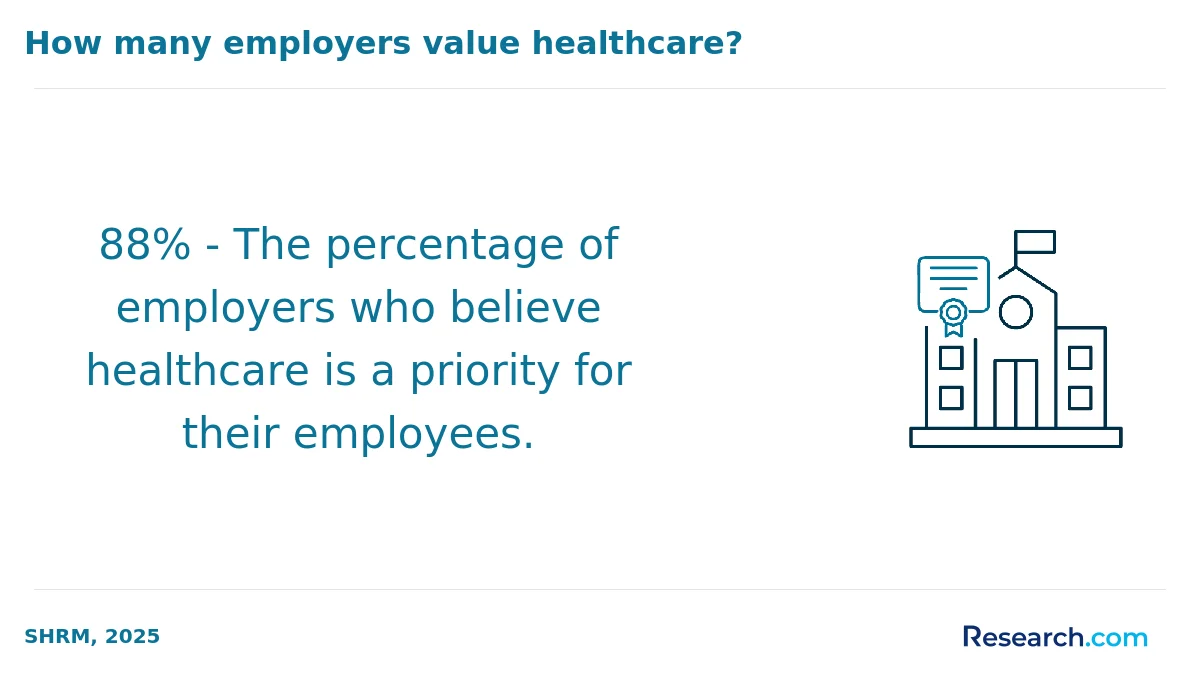
In Atlanta, associate degree course requirements in Atlanta typically include a well-balanced mix of general education courses and specialized classes tied directly to your chosen field. For example, graduates from Atlanta Technical College recall how foundational subjects like language arts, social and behavioral sciences, natural sciences, mathematics, and humanities formed the core essence of their studies. These general education courses for Atlanta associate programs build critical thinking and communication skills that students frequently cite as key to their confidence entering the workforce or transferring to four-year universities.
Beyond the core, students dive into major-specific courses that bring hands-on experience and technical know-how. Popular programs offer classes in accounting, automotive technology, healthcare, and computer information systems, with curriculum designed to prepare you for real-world challenges. Graduates often highlight practical courses like Payroll Accounting or Anatomy and Physiology and appreciate the blend of theory with internships to gain industry insight.
Keep in mind the overall program will generally amount to at least 60 credits, with around 42 credits dedicated to the core curriculum, per Georgia's education standards. For anyone eager to enhance skills alongside their studies, exploring online certifications that pay well can be a smart complement to associate degree coursework.
Choosing the best associate degree programs in Atlanta starts with looking at institutional accreditation and program offerings. Graduates from schools like Atlanta Technical College often share how accreditation gave them confidence that their credits would transfer smoothly to bachelor's programs. When you imagine yourself balancing work and study, consider delivery format options-many students appreciate the flexibility of online or hybrid courses offered by Georgia Piedmont Technical College, which helps them maintain a healthy work-life balance while progressing academically.
When exploring how to compare Atlanta associate degree costs, don't just look at tuition but also financial aid and support services. Graduates often mention how career counseling and internships provided by schools like Chattahoochee Technical College gave them a real advantage in landing jobs. Your choice should also factor in graduation rates as a sign of program effectiveness. For a smoother future pathway, review transfer credit policies to see if your credits can shorten the time to earning a bachelor's degree.
Many Atlanta students find inspiration by examining local success stories and using resources available online. For example, exploring options through a fastest masters degree guide can give insight into future opportunities beyond your associate degree.
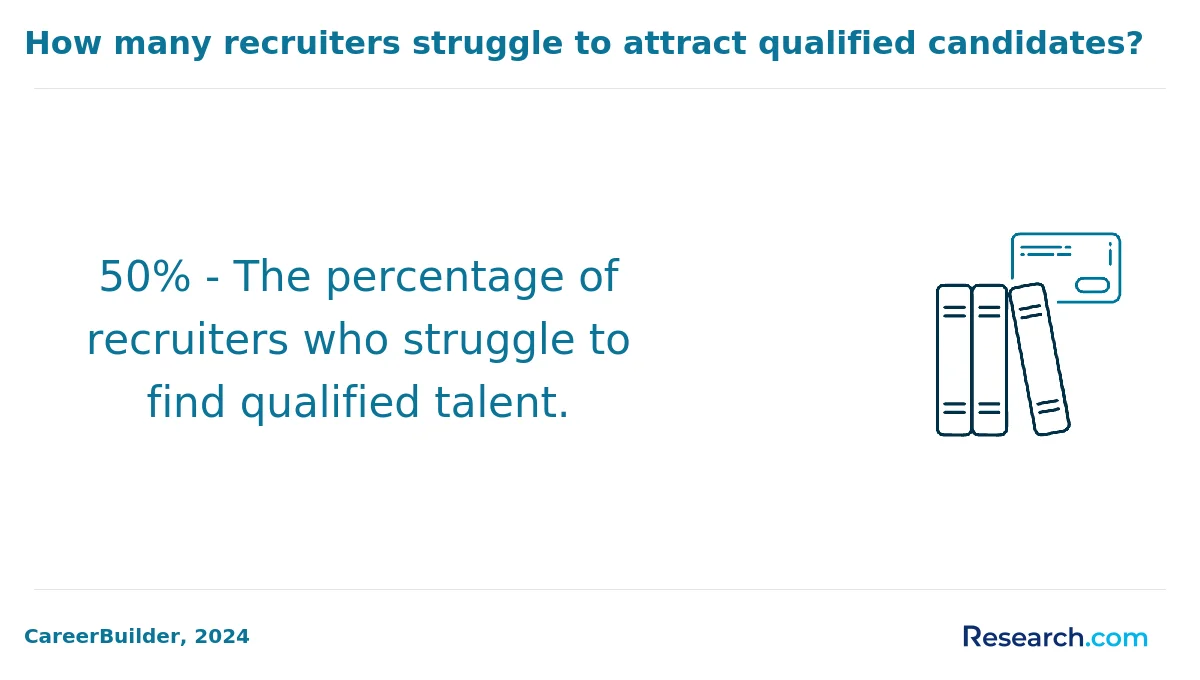
In Atlanta, associate degree graduates have access to a vibrant array of career paths that reflect the city's diverse economy. Many who studied at popular local schools find rewarding work in healthcare fields like EMT-paramedics, physical therapist assistants, and dental assistants. One graduate shared how an Associate of Science in EMT-Paramedic prepared them for fast-paced emergency roles, highlighting the strong demand for allied health professionals in the area.
Business and administration roles are another hotspot for associate degree jobs in Atlanta. Graduates often land positions as administrative assistants or office managers within bustling government offices or thriving private companies. The competitive market means opportunities abound for those with these practical skills.
Those focused on career opportunities for associate degree graduates Atlanta can also consider paralegal studies, breaking into legal firms or corporate agencies where they provide crucial support. Creative fields are accessible too-with associate programs leading to roles in media, journalism, graphic design, and communications.
Students aiming for continued education appreciate that degrees from Atlanta schools often serve as stepping stones toward bachelor's programs. Exploring top accredited online schools with no application charge can also expand their options easily and affordably.
The Atlanta job market for associate degree holders is robust and diverse, welcoming graduates from local institutions with open arms. Many graduates from popular associate degree schools in Atlanta share stories of quickly finding roles as administrative assistants or healthcare specialists, benefitting from a vibrant economy that actively seeks skilled workers. The average entry-level salary is around $43,319 per year, reflecting a competitive wage that matches the city's cost of living and growth potential.
Atlanta's industries actively recruit associate degree holders, especially in healthcare, IT, and business support. Graduates often step into jobs that offer room for advancement, such as:
- Patient records specialists in hospitals and clinics
- Technical support staff for local companies
- Administrative and customer service roles with growth potential
For those considering educational options, many find value in online universities with national accreditation to further enhance skills while working. This practical approach attracts students aiming to improve their prospects within the associate degree job opportunities in Atlanta.
Most Affordable Associate Degree Programs - Leading Certification Courses in Atlanta for 2026
# 1 position
Atlanta Technical College - Industrial Mechanics and Maintenance Technology/Technician.
associateAtlanta Technical College offers a Hybrid program in Industrial Mechanics and Maintenance Technology/Technician that prepares students to repair and maintain industrial machinery such as cranes, pumps, engines, and conveyor systems. The program is accredited by the Southern Association of Colleges and Schools Commission on Colleges. Annual in-state tuition is $3,164, and median earnings one year after completion are $37,018.35.
# 2 position
Atlanta Technical College - Computer and Information Systems Security/Auditing/Information Assurance.
associateAtlanta Technical College offers a program in Computer and Information Systems Security/Auditing/Information Assurance that prepares students to evaluate security needs, implement safeguards, and manage security systems. The curriculum covers computer architecture, programming, networking, cryptography, auditing, risk assessment, and legal aspects. The annual in-state tuition is $3,164. The program is accredited by the Southern Association of Colleges and Schools Commission on Colleges.
# 3 position
Atlanta Technical College - Legal Assistant/Paralegal.
associateThe Legal Assistant/Paralegal program at Atlanta Technical College offers a hybrid learning format with some distance education options. It prepares students to perform research, drafting, investigatory, record-keeping, and administrative tasks under attorney supervision. Instruction includes legal research, document drafting, pleading, courthouse procedures, and legal specializations. The program is accredited by the Southern Association of Colleges and Schools Commission on Colleges. Annual in-state tuition is $3,164.
# 4 position
Atlanta Technical College - Criminal Justice/Safety Studies.
associateAtlanta Technical College offers a fully online Criminal Justice/Safety Studies program focusing on the criminal justice system, its components, and legal and public policy contexts. The curriculum covers criminal law and policy, police and correctional systems, administration of justice, judiciary, and public attitudes on criminal justice issues. The program’s annual in-state tuition is $3,164. It is accredited by the Southern Association of Colleges and Schools Commission on Colleges.
# 5 position
Atlanta Technical College - Physical Therapy Assistant.
associateAtlanta Technical College offers a Physical Therapy Assistant program with a hybrid format that includes some distance education. The program prepares students to assist physical therapists by implementing treatment plans, training patients, conducting interventions, and documenting progress. Coursework covers anatomy, physiology, biomechanics, neuroscience, and professional ethics. Annual in-state tuition is $3,164. Graduates earn a median salary of $34,109 one year after completion. The program is accredited by the Southern Association of Colleges and Schools Commission on Colleges.
# 6 position
Atlanta Technical College - Accounting Technology/Technician and Bookkeeping.
associateAtlanta Technical College offers a program in Accounting Technology/Technician and Bookkeeping designed to prepare students for technical support roles in accounting and financial management. The curriculum covers posting transactions, record-keeping systems, accounting software, and general accounting principles. The annual in-state tuition is $3,164. This program is accredited by the Southern Association of Colleges and Schools Commission on Colleges.
# 7 position
Atlanta Technical College - Marketing/Marketing Management, General.
associateAtlanta Technical College offers a Marketing/Marketing Management, General program that prepares students to manage consumer audiences and product movement from producers to consumers. The curriculum covers buyer behavior, marketing research principles, demand analysis, pricing theory, strategic planning, advertising methods, sales management, and consumer relations. The program’s annual in-state tuition is $3,164 and it is accredited by the Southern Association of Colleges and Schools Commission on Colleges.
# 8 position
Atlanta Technical College - Business Administration and Management, General.
associateAtlanta Technical College offers a program in Business Administration and Management, General, designed to prepare students to plan, organize, direct, and control business functions. The curriculum covers management theory, human resources, accounting, purchasing, logistics, marketing, and business decision-making. Annual in-state tuition is $3,164. Graduates have median earnings of $22,038.80 one year after completion. The program is accredited by the Southern Association of Colleges and Schools Commission on Colleges.
# 9 position
Herzing University-Atlanta - Computer Systems Networking and Telecommunications.
associateHerzing University-Atlanta offers a program in Computer Systems Networking and Telecommunications, focusing on the design, implementation, and management of linked computer systems and software. The curriculum includes operating systems, network theory, security, and troubleshooting. The program prepares students for roles as network specialists and managers. Annual in-state tuition is $13,420. Graduates earn a median salary of $43,901 one year after completion. The program is accredited by the Higher Learning Commission.
# 10 position
Herzing University-Atlanta - Legal Assistant/Paralegal.
associateThe Legal Assistant/Paralegal program at Herzing University-Atlanta prepares students to perform legal research, drafting, investigatory, and administrative tasks under attorney supervision. Instruction covers legal research, document drafting, pleading, courthouse procedures, and legal specializations. The program is accredited by the Higher Learning Commission. Annual in-state tuition is $13,420, and median earnings one year after completion reach $39,952.
Frequently Asked Questions about associate degree programs
Preparing for the job market after earning an associate degree in Atlanta involves several key steps. Graduates should begin by building a strong resume that highlights relevant skills and practical experience gained during their studies. According to Georgia Department of Labor data from 2023, sectors such as healthcare, information technology, and business services show the highest employment growth for associate degree holders in Atlanta.
Networking is essential. Attending local job fairs and joining professional organizations in Atlanta can connect graduates with potential employers. Additionally, many community colleges offer career services, including interview preparation and job placement support.
Continuing education, such as certifications related to one's field, can also increase employability in competitive markets.
Employers in Atlanta highly value both technical and soft skills in associate degree graduates. According to a 2023 report by the Georgia Department of Economic Development, technical skills such as proficiency in Microsoft Office, basic coding, and healthcare-related abilities are among the most sought-after. For business and IT roles, skills like data analysis and customer service rank high.
Soft skills are equally critical. A survey by the Atlanta Chamber of Commerce noted that 78% of local employers prioritize communication, teamwork, and problem-solving abilities.
These combined skills help graduates adapt quickly and contribute effectively in the Atlanta job market.
Finding internships in Atlanta that align with your associate degree program involves several strategic steps. Start by exploring resources offered by local community colleges, such as Georgia State University Perimeter College or Atlanta Technical College, which often have partnerships with regional employers. According to Atlanta's Workforce Development Board, sectors like healthcare, information technology, and business services dominate the internship market, providing numerous relevant opportunities.
Online job platforms, including Handshake and Indeed, frequently list internship openings specifically in Atlanta. Additionally, contacting the Atlanta Chamber of Commerce can yield valuable connections, as they promote internship programs within local companies. Networking through professional events in Atlanta also increases your chances of securing a relevant internship.
In Atlanta, earning an associate degree can significantly enhance career mobility and advancement opportunities. According to the National Center for Education Statistics, individuals with an associate degree typically earn 20% more than those with only a high school diploma nationwide. Locally, Atlanta's growing industries such as healthcare, information technology, and advanced manufacturing increasingly require postsecondary credentials for entry-level and mid-level positions.
The Georgia Department of Labor reports that many employers in Atlanta prefer candidates with associate degrees for roles offering upward mobility. This credential often serves as a stepping stone for further education, including bachelor's degrees, which improves long-term career prospects.
Furthermore, associate degrees frequently provide specialized skills tailored to local job markets, improving employability in competitive sectors. Students completing these programs in Atlanta are more likely to access professional development, wage increases, and leadership roles compared to those without postsecondary credentials.
In Atlanta, part-time job opportunities that align well with associate degree programs often fall within healthcare, information technology, and administrative support sectors. According to the Bureau of Labor Statistics, healthcare support roles, such as medical assistants or pharmacy technicians, offer flexible schedules and practical experience for students pursuing related associate degrees.
IT-related part-time jobs, including help desk support or junior network technician positions, provide hands-on skills valuable for computer science or information systems students. Retail and customer service jobs, common in Atlanta's growing commerce sector, can also enhance communication and management abilities.
Overall, Atlanta's diverse economy supports a range of part-time employment that complements academic learning and builds professional expertise.
To find the most affordable degree program near me, particularly near Atlanta, GA, start by researching local colleges and universities to compare tuition rates and available financial aid options. Research.com can be a helpful resource to explore detailed information about different programs and their costs. Additionally, consider online programs offered by institutions near Atlanta, GA, as they sometimes offer reduced rates for distance learning students.
- How Long Does It Take To Earn An Associate Degree | DeVry University https://www.devry.edu/online-programs/associate-degrees/how-long-does-it-take-to-earn-an-associate-degree.html
- Online vs Traditional Degrees: Similarities and Differences https://www.aiu.edu/blog/online-vs-traditional-degrees/
- Academic Path | Emory University | Atlanta GA https://oxford.emory.edu/springadmit/academics.html
- Petersonsdata https://petersonsdata.com/
- Online Associate Degree Programs | SNHU https://www.snhu.edu/online-degrees/associate
- Online Associate Degree Programs https://www.ashworthcollege.edu/associate-degrees/
- Associate Degree Benefits | Complete College Georgia https://completegeorgia.org/associate-degree-benefits
- Top Career Skills for Two-Year College Grads in 2025 https://www.hanoverresearch.com/reports-and-briefs/higher-education/top-career-skills-for-two-year-college-grads-in-2025/
- Research - Our Methodology https://research.com/our-methodology
- Virtual University of Pakistan https://www.vu.edu.pk/AboutUs/ProgramsOffered