
Best Associate Degree Programs - Leading Certification Courses in St. Louis Park for 2026

Co-Founder and Chief Data Scientist
Choosing the right associate degree program can shape your future career and open new opportunities in St. Louis Park. This article presents a helpful ranking of the best associate degree programs, carefully created by the Research.com team of data scientists.
By exploring this ranking, you’ll discover which trade school programs offer quality education and valuable skills. Whether you’re starting fresh or seeking a change, an associate degree can boost your confidence and career prospects.
Take this step toward a brighter future with clear, trustworthy information designed to support your goals.
Key benefits of associate degrees in St. Louis Park
- Expected salary: Associate degree graduates in St. Louis Park can earn from $30,360 annually for general roles to higher salaries like $48,477 for development associates and $49,964 for retail sales associates, offering solid financial opportunities.
- Popular career paths: Graduates often find success in fields like communications, retail management, sales, and technical roles, providing a variety of fulfilling job options to match different skills and interests.
- Online degrees: Earning an online associate degree offers flexibility and convenience, allowing students to balance work or family while gaining valuable qualifications from respected local schools.
- Best Associate Degree Programs - Leading Certification Courses in St. Louis Park for 2026
- What can I expect from associate degree programs in St. Louis Park?
- Where can I work after finishing associate degree programs in St. Louis Park?
What can I expect from associate degree programs in St. Louis Park?
The average cost of an associate degree program in St. Louis Park is notably affordable compared to four-year universities. Most community colleges in the area, such as Inver Hills Community College and Century College, charge tuition and fees that make higher education accessible for both recent high school graduates and working adults seeking to advance their careers. Graduates often recall paying a fraction of what a bachelor's degree would cost, highlighting the value for money they received.
Students attending Herzing University's St. Louis Park campus experience tuition that remains manageable while benefiting from hands-on training in healthcare fields. This balance of quality and cost enables learners to focus on gaining practical skills without the heavy financial stress associated with many traditional universities.
Many associate degree programs also offer part-time and online course options, allowing students to work and study simultaneously. This flexibility helps reduce indirect costs like lost wages and commuting expenses, making achieving a degree a realistic goal for diverse student needs.
Where can I work after finishing associate degree programs in St. Louis Park?
Graduates of associate degree programs in St. Louis Park find a wide range of job options that match their skills and interests. Many quickly land entry-level roles at well-known retailers like The Home Depot, where they work as Lot Associates, earning around $16.50 per hour while developing valuable customer service experience. Others join stores such as TJ Maxx or Ulta Beauty in positions like Backroom Associate, focusing on inventory and stocking with pay between $16.00 and $21.50 per hour.
Those from healthcare programs often secure medical receptionist jobs in local clinics, with starting wages from $19.18 to $26.12 per hour, alongside benefits like health insurance and tuition reimbursement. Tech-focused graduates have ventured into junior web development or IT support at companies like Aston Technologies, benefiting from starting salaries of $25 to $33 per hour.
Graduates appreciate the practical training they receive at St. Louis Park schools, which positions them well for roles in warehousing, healthcare, retail, and technology-fields where dozens have already built fulfilling careers close to home.
Graduates who complete associate degree programs in St. Louis Park can expect to earn about $44,452 annually, or roughly $21.37 per hour. This is nearly 10% higher than the Minnesota average for similar jobs, reflecting strong local demand. For example, recent graduates from well-known local schools report stepping into roles such as development associates, earning around $48,477 per year. One graduate shared how this salary helped cover living expenses while gaining valuable experience early in their career.
Retail sales associate positions are also common for associate degree holders here, with starting salaries near $49,964. Entry-level workers in this field appreciate that salaries can increase based on experience, with some top earners making as much as $132,500 annually when taking on leadership roles. Graduates from popular St. Louis Park programs often find these roles provide a strong foundation and financial stability right out of school.
Other job options include brand ambassador, retail assistant manager, sales specialist, and customer service representative roles, which typically offer salaries from about $39,800 up to $47,800. These positions give recent graduates flexibility and an ability to grow within local businesses. Many emphasize feeling encouraged by competitive wages and accessible employment opportunities immediately after graduation.
- Maya: Earning my Associate Degree in Culinary Arts from a St. Louis Park trade school transformed my passion into a thriving career. The hands-on training made me confident, and now I'm a sous-chef at a local restaurant, loving every moment of creating flavors that bring joy to our community.
- Jason: The practical skills I gained from my Associate Degree in Automotive Technology here in St. Louis Park opened the door to steady work as a certified mechanic. The supportive instructors and real-world workshops made learning rewarding and directly connected me with local garages eager to hire.
- Emily: Pursuing an Associate Degree in Graphic Design in St. Louis Park was more than education; it was an empowering journey. The small classes and trade school environment nurtured my creativity, and now I freelance for several local businesses, proud to build a career that blends art and opportunity.
- There are 9 community colleges near St. Louis Park offering accredited two-year associate degrees.
- In 2022, about 7,005 associate degrees were awarded with 35,862 undergraduate students enrolled in these programs.
- Tuition for in-state students typically ranges from $5,000 to $6,000 per year at community colleges in the area.
- Entry-level salaries for associate degree holders in the region usually fall between $38,000 and $55,000 annually, depending on the field.
- Many colleges offer flexible scheduling, part-time study, and online classes to support working adults and non-traditional students.
An associate degree program in St. Louis Park typically takes two years of full-time study to complete, as confirmed by many graduates from local schools like St. Louis Community College. These students usually take 12 to 15 credit hours each semester, steadily moving through about 60 to 65 credit hours required for graduation. This consistent pace keeps their education on track without overwhelming their schedules.
For those balancing work or family, part-time enrollment is common, extending completion to three years or more. Graduates who chose this route often express satisfaction in managing their responsibilities while progressing, even if it takes longer. Applied Science degrees at St. Louis Community College, for example, require 15 credit hours of general education and still aim for a two-year full-time timeline, giving students a clear target.
Many students appreciate flexible online options and accelerated courses, which can shorten the usual time by fitting study into five to eight-week sessions. Past students who entered with prior college credits or military training found they could finish sooner, turning their experience into real progress and motivation.
The main difference between online and on-campus associate degree programs in St. Louis Park centers on how students access their courses and engage with their education. Online students, like many at Franklin University, enjoy the freedom to study from home, fitting classes around jobs and family life. They submit assignments digitally and participate in discussions without the commute, making it easier to balance priorities. Graduates often mention how this flexibility helped them stay motivated even with a busy schedule.
On the other hand, on-campus students at places like Century College and Normandale Community College experience face-to-face classes where they interact directly with instructors and peers. This format suits learners who thrive on immediate feedback and hands-on training, especially in fields such as healthcare. Graduates highlight the value of labs and campus resources, which prepared them well for practical careers.
For many in the St. Louis Park area, choosing between these comes down to whether they want the adaptability of remote learning or the immersive experience of being on campus.
The average associate degree cost in St. Louis Park depends largely on residency and the institution you choose. For instance, at St. Louis Community College - Forest Park, a popular choice among locals, in-state students pay about $5,130 per year, while out-of-state students pay closer to $6,990 annually for tuition and mandatory fees. Graduates often recall budgeting carefully not only for tuition but also for an additional $1,000 per year in books and supplies. Living at home can significantly reduce expenses, but if you live independently, room and board add up to roughly $8,956 annually.
Many students appreciate knowing that about 76% receive financial aid, which can bring their net costs down. In fact, some graduates from lower-income households report paying around $5,718 per year out-of-pocket, a relief that makes pursuing an associate degree in the area feel more achievable. Practical planning means considering that most associate degree programs require 60-64 credits, and with in-district tuition at $122 per credit hour, your total tuition might range from $7,320 to $10,944 over the program's duration.
Students pursuing part-time or online options benefit from flexible pricing, especially in community colleges serving St. Louis Park. The availability of payment plans and financial aid calculators at these schools helps future students manage their budgets effectively. For those comparing options or looking for accelerated pathways, resources like best accelerated associate degrees can provide helpful insights tailored to different needs.
When considering your education budget, keep in mind that additional fees for specialized courses may apply, but overall, understanding the St. Louis Park community college tuition and fees equips you to make informed decisions without surprises.
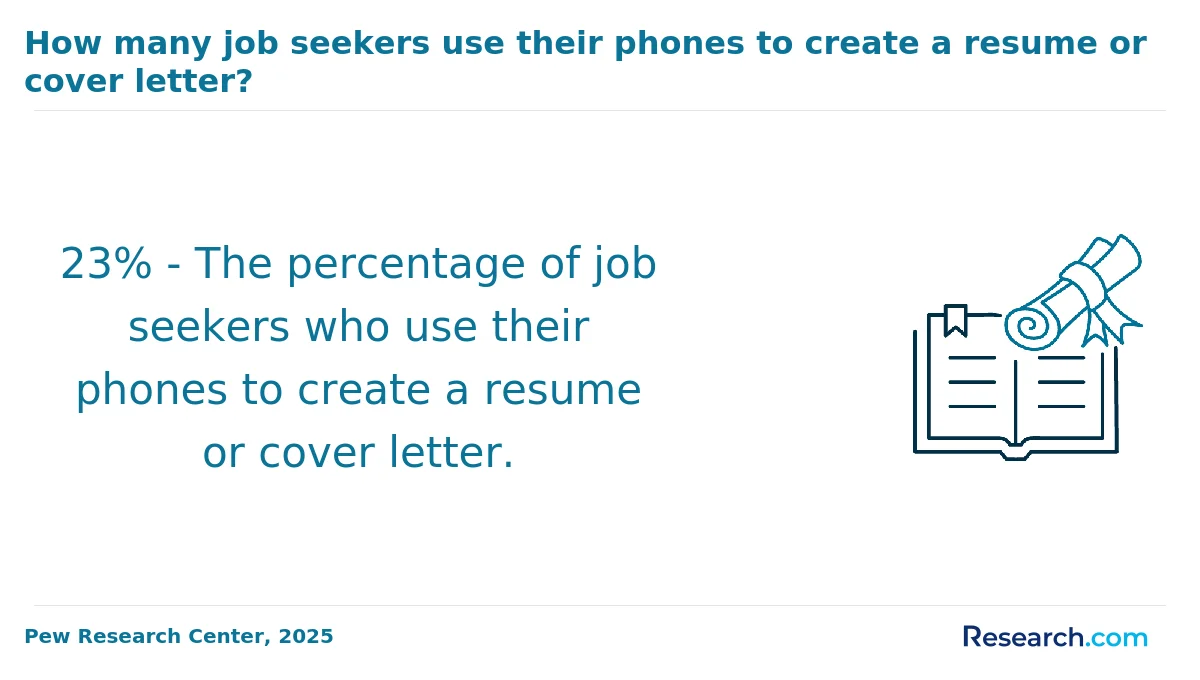
Students pursuing associate degrees in St. Louis Park benefit from several practical financial aid options. Completing the FAFSA early is essential, as it unlocks access to the Pell Grant and other federal grants that don't need repayment. Many graduates from St. Louis Community College recall how the Pell Grant significantly eased their tuition burden, making college feel achievable without overwhelming debt.
State support adds extra relief. The Minnesota North Star Promise Scholarship, for example, covers tuition and fees for eligible residents with family incomes under $80,000, an opportunity widely celebrated by local students who might otherwise struggle with college costs. Additionally, the Missouri A+ Schools Program helps qualified high school grads attending St. Louis Community College by providing vital scholarship grants, helping students focus on studies instead of finances.
Scholarships based on academics or community involvement are common, as shown by several graduates who landed awards from both state and college programs. For those balancing work and study, work-study jobs provide hands-on experience and income, while federal loans remain a flexible option when aid falls short.
To enroll in an associate degree program in St. Louis Park, students must first provide proof of high school completion or equivalent. Many graduates from local colleges recall submitting either an official high school transcript or GED certification as their initial step. This ensures you meet both Minnesota state and institutional standards.
Prospective students must also complete a formal application accompanied by official transcripts from previous schools. For those who have already earned 15 or more transferable college credits elsewhere, schools here often waive the high school transcript requirement, easing the process.
Placement testing is a key prerequisite. Popular local schools require assessments like Accuplacer or ACT to determine readiness in math, reading, and writing. Many students appreciate this step as it helps identify if extra support courses are needed before starting college-level classes.
Dual enrollment students, balancing high school and college coursework, typically need a minimum 2.0 GPA and parental plus school authorization through a dual enrollment application.
Additional program-specific requirements-such as background checks or immunizations-may apply, especially for technical or health-focused programs. Graduates often highlight how understanding these prerequisites early streamlined their enrollment.
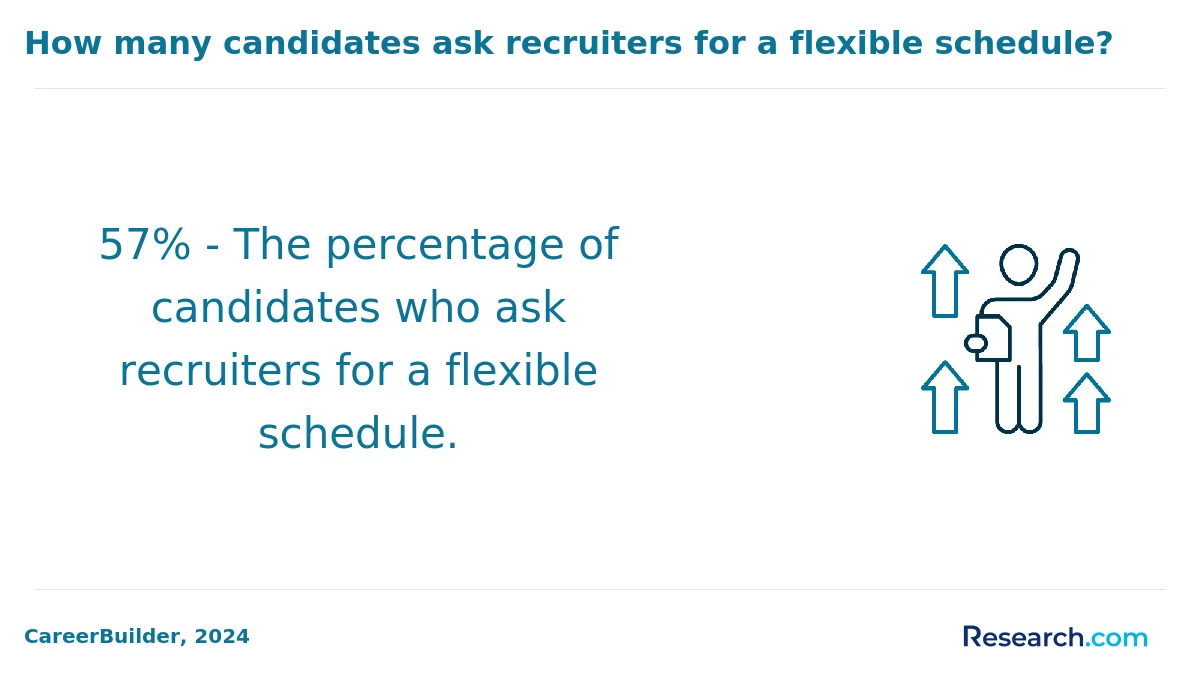
Associate degree course requirements in St. Louis Park typically include a balanced mix of general education, program-specific, and elective classes designed to build both foundational knowledge and practical skills. Graduates from local programs often recall starting with general education courses for St. Louis Park associate degrees like College Algebra, English Composition, and Psychology, which prepare them for either workforce demands or smooth transfer to four-year colleges.
These general education courses create a shared academic base regardless of major, helping students feel confident when moving into specialized study. Students in healthcare programs at Herzing University, for example, dive into Anatomy & Physiology and Medical Terminology early on, setting a strong clinical foundation. Meanwhile, those in business or IT degrees might engage with Principles of Management or Networking Fundamentals.
Electives give students the freedom to explore or deepen interests, making the experience more personalized and engaging. Those aiming for flexibility also consider options at nearby schools.
For those balancing studies with life, it's worth exploring some of the top online colleges with open admissions policies which complement traditional coursework with flexible scheduling.
Start by pinpointing your goals. Graduates from popular associate degree schools in St. Louis Park often appreciate programs like Associate of Arts (AA) or Associate of Science (AS) if they plan to transfer to a four-year university later-these paths ensure credits move smoothly within Minnesota's system. If you want to jump straight into the workforce, consider an Associate of Applied Science (AAS), which focuses on practical, career-ready skills. This clear goal-setting helps you identify the best associate degree programs in St. Louis Park for your needs.
Accreditation is vital. Students frequently share how attending accredited community colleges gave them confidence their degree would be recognized, especially when they wanted to explore affordable associate degrees St. Louis Park offers. Many local schools provide support services like career counseling and internships, which helped recent grads secure jobs quickly after graduation.
Also, check program delivery options. Flexible schedules matter-graduates balancing work and family commitments value hybrid or fully online courses. If you're eager to finish faster, explore opportunities like an accelerated associates program offered nearby, a practical choice for those ready to advance swiftly.
Lastly, don't overlook tuition and financial aid. Public colleges around St. Louis Park generally offer lower rates for residents, and many students found scholarships or aid to lighten costs. Comparing these details makes finding the right program both smart and affordable.

Associate degree graduates in St. Louis Park find diverse career opportunities that match real workforce demands. Healthcare is a standout sector, with roles like dental hygienist, nursing assistant, and respiratory therapist regularly available. Graduates from programs at local schools such as Herzing University often transition quickly into these high demand associate degree jobs in St. Louis Park, finding rewarding work in hospitals and clinics nearby.
Technology careers are also accessible. With associate degrees in software development or network security engineering from area colleges, graduates secure positions in IT help desks, programming, or cybersecurity. Business graduates similarly benefit from St. Louis Park's proximity to Minneapolis, landing jobs as administrative assistants or accounting technicians in both corporate and nonprofit sectors.
Other practical paths include public safety roles like police officer or legal assistant, along with skilled trades such as HVAC or welding. Many local graduates achieve satisfaction entering these fields, supported by strong training programs close to home.
For students seeking flexible financing options while exploring these career paths, consider researching online schools with financial aid.
The associate degree job opportunities in St. Louis Park reflect a strong and steady market with an average annual salary of $44,452, about 10% higher than the Minnesota average. Graduates from well-known local schools often find themselves quickly employed in roles such as registered nurses, home health aides, and heavy truck drivers-positions with some of the highest job openings through 2032 in the region. A graduate who completed an associate degree in nursing at a popular St. Louis Park technical college recently shared their experience of securing a healthcare position within months, benefiting from the city's robust healthcare sector growth.
St. Louis Park employment trends for associate degree graduates show rising demand for skills like communication, customer service, and software proficiency (SQL, Python). As employers remain cautious with a slight uptick in unemployment, candidates with practical expertise reported through workforce reports gain an edge. Success stories highlight the importance of these skills in securing project manager and technical roles.
Many graduates appreciate campus training combined with local employer networking, making the city an attractive choice for those focused on practical education. For students seeking career direction, exploring the top career path for introverts can also be valuable in aligning strengths with market demand.
Best Associate Degree Programs - Leading Certification Courses in St. Louis Park for 2026
# 1 position
Herzing University-Minneapolis - Dental Assisting/Assistant.
associateHerzing University-Minneapolis offers a Dental Assisting/Assistant program with a hybrid format including some distance education. The program trains students in patient care, dental radiography, office administrative tasks, and chairside assisting under professional supervision. Instruction covers medical record-keeping, equipment maintenance, sterilization, and patient intake. Annual in-state tuition is $13,420. Graduates report median earnings of $41,499 one year after completing the program. The program is accredited by the Higher Learning Commission.
# 2 position
Herzing University-Minneapolis - Computer Systems Networking and Telecommunications.
associateThe Computer Systems Networking and Telecommunications program at Herzing University-Minneapolis prepares students to design, implement, and manage linked computer systems and software for maximum efficiency. The curriculum includes operating systems, networking theory, network management, security, and troubleshooting. The annual in-state tuition is $13,420. Graduates have median earnings of $43,901 one year after completing the program. The program is accredited by the Higher Learning Commission.
# 3 position
Herzing University-Minneapolis - Legal Assistant/Paralegal.
associateThe Legal Assistant/Paralegal program at Herzing University-Minneapolis prepares students for roles involving legal research, drafting, investigatory, and administrative tasks under attorney supervision. The curriculum covers legal research, document drafting, courthouse procedures, and legal specializations. Accredited by the Higher Learning Commission, the program charges an annual in-state tuition of $13,420. Graduates report median earnings of $39,952 one year after completing the program.
# 4 position
Herzing University-Minneapolis - Criminal Justice/Safety Studies.
associateHerzing University-Minneapolis offers a Criminal Justice/Safety Studies program focusing on the criminal justice system, its components, and legal and public policy contexts. The curriculum includes criminal law, police and correctional systems, justice administration, and public attitudes on criminal justice. The program has an annual in-state tuition of $13,420 and is accredited by the Higher Learning Commission. Median earnings for graduates one year after completion are $37,934.
# 5 position
Herzing University-Minneapolis - Physical Therapy Assistant.
associateHerzing University-Minneapolis offers a Hybrid Physical Therapy Assistant program designed to train students to implement treatment care plans under supervision. The curriculum covers anatomy, physiology, biomechanics, clinical documentation, and professional ethics. The program’s annual in-state tuition is $13,420. Graduates earn a median income of $34,039 one year after completion. It is accredited by the Higher Learning Commission and includes both hands-on and distance education components.
# 6 position
Herzing University-Minneapolis - Accounting.
associateHerzing University-Minneapolis offers an Accounting program designed to prepare students for the accounting profession and related business roles. The curriculum covers accounting principles, financial and managerial accounting, tax and cost accounting, auditing, budget control, and legal aspects. The program also includes training in business information systems, professional ethics, and accounting research methods. Annual in-state tuition is $13,420, and the program is accredited by the Higher Learning Commission.
# 7 position
Herzing University-Minneapolis - Medical Office Management/Administration.
associateThe Medical Office Management/Administration program at Herzing University-Minneapolis prepares students to manage business functions in medical or clinical offices. Coursework includes business office operations, financial record-keeping, personnel supervision, health care policy administration, scheduling, public relations, and legal regulations. The program’s annual in-state tuition is $13,420. Graduates have median earnings of $30,821 one year after completion. The program is accredited by the Higher Learning Commission.
# 8 position
Herzing University-Minneapolis - Medical Insurance Coding Specialist/Coder.
associateHerzing University-Minneapolis offers a Medical Insurance Coding Specialist/Coder program costing $13,420 annually for in-state students. The curriculum trains students in medical data entry, classification, coding, and insurance documentation, including medical terminology, anatomy, and Medicare regulations. Graduates earn a median salary of $30,821 one year after completion. The program is accredited by the Higher Learning Commission.
# 9 position
Herzing University-Minneapolis - Business Administration and Management, General.
associateHerzing University-Minneapolis offers a Business Administration and Management, General program designed to prepare students to plan, organize, direct, and control organizational functions. The curriculum covers management theory, human resources, accounting, logistics, marketing, and business decision-making. The program is accredited by the Higher Learning Commission. Annual in-state tuition is $13,420. Median earnings for graduates one year after completion are $30,536.
Frequently Asked Questions about associate degree programs
Preparing for the job market after completing an associate degree in St. Louis Park involves targeted steps. Graduates should leverage local resources such as the Minnesota Department of Employment and Economic Development, which reports that technical and healthcare-related associate degrees have higher employment rates in the region. Developing a strong resume and practicing interview skills tailored to regional employers improves success rates.
Networking through local job fairs and community college career services is crucial. These often connect students with St. Louis Park businesses actively hiring associate degree holders in fields like business, IT, and health sciences. Additionally, obtaining relevant certifications alongside the degree can enhance job prospects significantly.
Employers in St. Louis Park highly value associate degree graduates who demonstrate strong technical skills related to their fields. For example, proficiency in data analysis, computer literacy, and healthcare knowledge is frequently requested in local job listings, reflecting the region's diverse economy.
In addition to hard skills, soft skills are critical. According to the Minnesota Department of Employment and Economic Development, communication, teamwork, and problem-solving are among the top qualities sought by employers across industries serving St. Louis Park.
Moreover, adaptability and a willingness to learn new technologies rank highly, as many local employers rely on up-to-date skills to remain competitive. Graduates who combine practical expertise with these essential soft skills tend to have better employment outcomes.
Finding internships in St. Louis Park that align with your associate degree program involves several practical steps. Begin by utilizing local college career centers, which often partner with area businesses to offer internship listings tailored to students. For example, Minneapolis Community and Technical College, near St. Louis Park, regularly updates internship opportunities with employers in health care, business, and technology fields.
Online resources like MinnesotaWorks.net provide centralized listings of internships across the state, including St. Louis Park. According to the Minnesota Department of Employment and Economic Development, internships in the Twin Cities metro area have grown by 8% in recent years, increasing opportunities for associate degree students.
Networking is also critical; attending local job fairs, industry meetups, and connecting with professional organizations can open doors to internships not publicly listed. Leveraging LinkedIn to connect with companies located in St. Louis Park and nearby is another effective strategy to discover relevant opportunities.
An associate degree in St. Louis Park often serves as a practical stepping stone for career mobility and advancement. Many local employers, especially in healthcare, technology, and manufacturing sectors, recognize this credential as evidence of relevant skills and foundational knowledge. According to the Minnesota Department of Employment and Economic Development, individuals with associate degrees in the region experience a 15% higher employment rate compared to those with only a high school diploma.
The degree can also improve access to higher-paying positions, with median wages approximately 20% greater for associate degree holders locally. Additionally, such degrees can shorten the pathway to bachelor's programs, supporting long-term career growth and earning potential.
Part-time job opportunities in St. Louis Park can effectively complement associate degree education by providing practical experience and income support. Popular roles for students include retail positions, food service, and administrative assistants, which are prevalent in the city's commercial and healthcare sectors. According to data from the Minnesota Department of Employment and Economic Development, healthcare support jobs in the region are expected to grow by 12% over the next decade, benefiting students pursuing health-related associate degrees.
Additionally, internships or part-time roles in local businesses such as finance or IT firms offer valuable hands-on skills aligned with business and technology programs. These opportunities enhance resumes and offer networking advantages, crucial for career advancement.
There are several degree programs available near St. Louis Park, MN, ranging from associate to doctoral levels, offered by a variety of colleges and universities. If you are looking for programs "near me," you can consider institutions with strong academic reputations in a variety of disciplines. For more detailed information on top-tier programs in the area, resources such as Research.com can be quite helpful in your search.
- Best Trade School & Training Programs - Leading Certification Courses in Kyle for 2026
- Best Trade School & Training Programs - Leading Certification Courses in Emporia for 2026
- Best Trade School & Training Programs - Leading Certification Courses in Angola for 2026
- Best Trade School & Training Programs - Leading Certification Courses in Adrian for 2026
- Best Trade School & Training Programs - Leading Certification Courses in Springfield for 2026
- Best Trade School & Training Programs - Leading Certification Courses in Florence for 2026
- Best Trade School & Training Programs - Leading Certification Courses in Akron for 2026
- Best Trade School & Training Programs - Leading Certification Courses in Little Rock for 2026
- Best Trade School & Training Programs - Leading Certification Courses in Hamburg for 2026
- Majors and Programs < Saint Louis University Academic Catalog https://catalog.slu.edu/programs/
- Nces https://nces.ed.gov/
- College Resources & Planning Tools - St. Louis Park High School https://hs.slpschools.org/students/career-college-center/college-resources
- STLCC Program Information Policies < St. Louis Community College https://catalog.stlcc.edu/general-information/policies/program-information/
- Associate Degree Programs | Academics | Miami Dade College https://www.mdc.edu/academics/programs/associate.aspx
- Anthem College shuts its doors in Minnesota https://www.startribune.com/anthem-college-shuts-its-doors-in-minnesota/268661782
- Associate in Arts Degree | Washington University Bulletin https://bulletin.wustl.edu/undergrad/caps/programs/aa-degree/
- Online Associate Degree Programs | SNHU https://www.snhu.edu/online-degrees/associate
- Online Associate’s Degree Programs (AS and AAS) - Purdue Global https://www.purdueglobal.edu/degree-programs/associates-degrees/
- Online Degree vs. Traditional | University of Arkansas Grantham https://www.uagrantham.edu/blog/pros-cons-online-degree-vs-traditional-university/


