
2027 Most Valuable Psychology Degree Programs Ranking in Alamosa

Co-Founder and Chief Data Scientist
Choosing the right psychology degree program in Alamosa can shape your future in meaningful ways. The 2027 Most Valuable Psychology Degree Programs Ranking in Alamosa was developed by the Research.com team of data scientists to guide you in finding programs that truly stand out.
This article offers clear insights to help you make confident decisions about your education. Embracing a psychology degree opens doors to understanding behavior, helping others, and building a fulfilling career. Discover which programs combine value and quality to inspire your next steps.
Key benefits of getting psychology degree in Alamosa
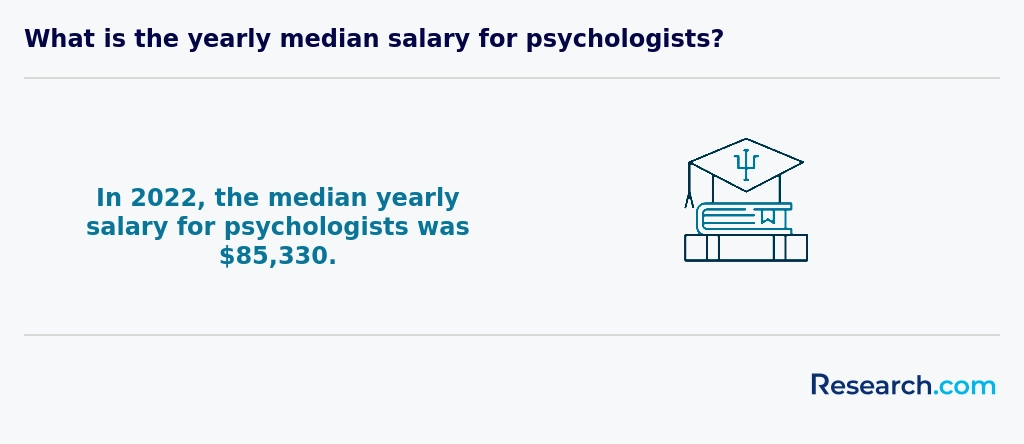
- Salary for psychology degree graduates: Many psychology-related jobs in Alamosa offer competitive pay, such as Human Resources Specialists earning about $76,060 annually and Marketing Research Analysts making approximately $83,190 per year.
- Career paths: Graduates from local colleges often find diverse opportunities in areas like clinical research, marketing, and human resources, enabling a rewarding and flexible career journey.
- Online degree benefits: Completing a psychology degree online in Alamosa provides great flexibility, allowing students to balance work and study while gaining credentials that open doors to exciting careers.
- 2027 Most Valuable Psychology Degree Programs Ranking in Alamosa
- What can I expect from psychology degree in Alamosa?
- Where can I work with psychology degree in Alamosa?
What can I expect from psychology degree in Alamosa?
The average cost of earning a psychology degree in Alamosa is often more approachable than many expect, especially when considering Adams State University as the key option. Graduates report that in-state tuition and fees for a bachelor's program typically range from moderate to low compared with national averages, making the pursuit financially feasible without overwhelming debt. This affordability allows students to focus deeply on understanding human behavior rather than stressing about balancing coursework and mounting expenses.
Many students appreciate how smaller class sizes at Adams State enable personalized interactions with professors-something that transforms the learning experience into a truly meaningful journey. One graduate recalls the impact of supervised practicum settings within local community agencies, which brought textbook theories to life and fostered a genuine passion for counseling careers. The realistic hands-on training compensates richly for any financial investment, inspiring confidence and emotional fulfillment.
For those weighing the cost versus the value, Alamosa's educational environment frequently proves that accessible psychology programs can offer both quality education and a supportive, intimate learning atmosphere without the premium price tag found elsewhere.
Where can I work with psychology degree in Alamosa?
Graduates with a psychology degree in Alamosa often discover career paths that defy simple expectations. Rather than a narrow route, many find themselves embraced by the region's diverse healthcare landscape, from San Luis Valley Health to local mental wellness centers. Alumni from the University of Colorado Colorado Springs campus describe stepping into roles like mental health counselors or behavioral specialists, where their work directly impacts community well-being. One graduate shared how collaborating with school districts to support students' emotional growth revealed a meaningful application of psychology that textbooks seldom capture.
Others pursue research positions on campus, drawn by the chance to influence evolving psychological science while preparing for advanced degrees. Many are surprised by the breadth of opportunities beyond traditional therapy-engaging in community programs tackling substance abuse or social service initiatives targeting behavioral change. These roles, found in Alamosa's close-knit environment, cultivate a sense of purpose and belonging that turns academic knowledge into heartfelt service.
Alamosa's psychology graduates often experience an uplifting sense of contribution as they navigate licensure processes, unlock new certifications, and embed themselves in workplaces that value both expertise and empathy.
Graduates from psychology programs at institutions like Adams State University in Alamosa often enter the workforce with varying earnings that reflect their education and chosen roles. For instance, psychology degree holders stepping into positions similar to clinical research associates can expect a mean annual wage of about $62,370, aligning with local job market realities.
Those who pursue careers akin to marketing research analysts, utilizing their skills in data interpretation and consumer behavior, may see higher earnings near $83,190 annually. This opportunity appeals to graduates looking beyond traditional counseling roles, expanding the scope of their psychology expertise.
Entry-level graduates working in human resources-related functions, comparable to human resources specialists, might earn a mean yearly wage of $76,060. These roles commonly attract psychology majors interested in organizational behavior and workforce dynamics.
Despite Alamosa's smaller economy slightly tempering salaries compared to larger cities, many graduates find their psychology education opens doors to meaningful work and steady income. Hearing from local alumni who blend empathy with analytical skills encourages current students to envision diverse career paths with positive financial outcomes in their community.
- Tuition at Adams State University is about $7,000 per year for in-state students and around $18,000 for out-of-state students.
- The psychology program offers Bachelor of Arts and Bachelor of Science degrees with specializations in clinical, developmental, and counseling psychology.
- Entry-level psychology jobs in Alamosa pay between $35,000 and $45,000 annually, with higher salaries available for experienced professionals.
- Median salaries for psychology professionals in the area range from $60,000 to $70,000, especially for licensed psychologists and counselors in private or healthcare settings.
- Adams State's program is regionally accredited and meets requirements for graduate study and state licensure needed for clinical careers.
Completing a psychology degree in Alamosa often takes about four years for a full-time bachelor's student, reflecting the experience of many who've walked the halls of local institutions like Adams State University. Graduates recall balancing intense courses on cognitive processes and developmental psychology with lively campus research projects, making each year rich and rewarding rather than just a race to finish. This typical timeline doesn't just measure hours spent in lectures-it captures growth, connection, and discovery.
Some students find that pursuing an associate degree from community colleges nearby lets them jumpstart their careers or transfer credits seamlessly, often finishing in about two years. Others, drawn by passion, extend their journey to master's or doctoral levels, which can add anywhere from two to seven years but open doors to specialized fields like clinical or organizational psychology.
Yet, the real story lies in flexibility: part-time study options provide the freedom to juggle family, jobs, and personal growth, making completion times less rigid but more individually meaningful in Alamosa's community-focused academic landscape.
To practice as a licensed psychologist in Colorado, graduates must complete specific education, experience and examination steps to ensure patient safety and professional standards.
- Education: Earn a doctoral degree (Ph.D. or Psy.D.) from an APA-accredited program.
- Supervised Experience: Complete at least 2,000 hours of supervised clinical practicum and 1,500 hours of postdoctoral supervised practice.
- Examinations: Pass the national Examination for Professional Practice in Psychology (EPPP) and the Colorado Jurisprudence Exam.
- Application: Submit official transcripts, supervisor verification forms and exam scores to the Colorado Division of Professions and Occupational Affairs.
- Renewal & CE: Renew your license biennially and complete required continuing education credits to maintain good standing.
For flexible master’s pathways that align with these requirements, consider the best online masters in psychology.
Choosing between online and on-campus psychology degrees in Alamosa isn't just about convenience; it shapes how you experience your education. Graduates from Southern Colorado State College often recall the vibrant energy of face-to-face classes, where hands-on practica and group discussions sparked real insights into human behavior. This immersive setting, alive with immediate feedback, nurtures deep connections and hones observational skills essential in psychology.
In contrast, alumni who pursued online options value the flexibility that accommodates work and family life. They describe moments studying late at night or during a lunch break, carving personalized learning paths despite living far from campus. Yet, the challenge of securing local internships underscores a need for proactive effort-something that on-campus peers encounter less frequently.
Both paths demand dedication but differ in rhythm and community. While on-campus feels like a shared journey marked by visible support, online study offers autonomy coupled with occasional solitude. Reflecting on these trade-offs prompts a richer understanding of how education in Alamosa's psychology landscape truly unfolds beyond traditional assumptions.
For students interested in exploring more options for their psychology education, considering schools in nearby cities can be beneficial. This approach allows them to access a broader range of programs, specializations, and resources that might not be available locally. For instance, looking into valuable psychology schools in Colorado can provide insights into top-ranked institutions, their curriculum, and the benefits they offer, such as hands-on learning experiences, research opportunities, and networking events. By expanding their search radius, students can find programs that better align with their academic and professional goals, leading to a more fulfilling educational experience and enhanced career prospects in the field of psychology.
The average cost of a psychology degree in Alamosa often surprises many prospective students. While the median total cost settles around $41,649, the reality for in-state students is significantly different, with median costs closer to $9,824. This discrepancy highlights how location and residency status drastically shape the financial journey of earning a psychology degree in Alamosa. Graduates from Adams State University frequently share reflections on how grappling with these costs early on forced them to adopt smart budgeting strategies while embracing their academic passion.
For those who've pursued psychology degrees here, the blend of tuition, fees, and living expenses paints a clearer picture than a simple number. The psychology degree tuition and fees Alamosa sets allow many to witness firsthand how investing in education aligns with future career satisfaction and personal growth. Students often remark on the balance they found between affordability and quality, which is essential when envisioning the years spent in classrooms and internships.
Exploring financial aid options can transform your educational path. Some students have successfully lowered their debt by combining scholarships and grants with work-study programs. Additionally, it's wise to investigate options like the cheapest accredited MSW programs online to supplement or compare costs if you find local expenses too steep. Ultimately, understanding the average cost of psychology degree in Alamosa equips you to embrace not just the price tag but the rewarding journey of academic achievement and personal fulfillment.

When evaluating psychology programs, it’s essential to factor in local living expenses to understand your true investment. In Alamosa, the average one-bedroom apartment rents for around $850–$1,000 per month, while a two-bedroom unit can range from $1,100 to $1,300. Utility costs (electricity, heating, water, and internet) typically add $150–$200 monthly. Groceries for a single student average about $250 per month, and public transportation passes cost roughly $30 monthly, making it feasible to live on a part-time budget if you plan carefully. On-campus housing at Adams State University offers meal plans starting at $2,500 per semester, which can simplify budgeting compared to off-campus options. Many students choose shared housing to lower rent and utilities, joining local Facebook groups or the university’s housing portal to find compatible roommates. For those seeking more affordable tuition-housing packages, you can also explore the Inexpensive Psychology Degree Programs Ranking in Baton Rouge, LA to weigh program costs against living expenses in a different region. Finally, don’t overlook incidental expenses such as textbooks (approximately $500 per year), health insurance ($1,200–$1,500 annually), and personal costs for entertainment or leisure ($100–$150 monthly). By creating a comprehensive budget-factoring rent, utilities, food, transportation, and miscellaneous fees-you can select a psychology program in Alamosa that aligns with both your academic goals and financial reality.
Many psychology students at Adams State University in Alamosa initially worry about tuition costs but soon discover a range of financial aid options that transform their academic journey. Federal Pell Grants, which can cover up to $7,395 annually without repayment, often provide the first crucial support. These grants, combined with low-interest federal student loans, create a financial safety net that graduates frequently recall as lifesaving during challenging semesters.
State aid through the Colorado Student Grant adds another layer of support, awarding up to $1,200 annually based on income and academic progress. Psychology students who actively engage with their financial aid advisors find these grants bridge gaps that might otherwise deter them from continuing their studies.
Local scholarships and work-study programs enrich the aid landscape further, offering both financial relief and hands-on experience. Numerous Alamosa scholars describe work-study roles as more than just a paycheck-they're stepping stones to professional growth. Understanding and leveraging these aid options makes the pursuit of a psychology degree at Adams State not just possible, but empowering.
In addition to strong academic programs, many prospective psychology students want to know what daily life and support systems are like on campus. In Alamosa, CO, institutions offer a vibrant community that goes beyond traditional classroom learning, helping students build essential life skills and professional networks. Campuses frequently host student clubs, mentoring programs, and peer support groups that foster a welcoming atmosphere. Many schools also provide robust wellness resources, including mental health counseling and career advising services, ensuring that students receive the help they need both academically and personally. These support systems are complemented by modern learning environments equipped with the latest technology and networking opportunities, which help bridge classroom theories with real-world applications. For those interested in exploring flexible learning options, our latest research on bcba online masters programs highlights programs that combine academic rigor with dynamic student support, ensuring a well-rounded educational experience.
Enrolling in a psychology degree program in Alamosa demands more than a mere high school diploma; it requires a blend of academic readiness and real-world engagement. Graduates from popular Alamosa institutions often reflect on how their solid GPA-typically around 2.5 to 3.0-and completion of core subjects like biology and statistics laid the groundwork for their success. Yet, it's not just grades that shape the journey. One graduate recalls how volunteering at a local counseling center transformed abstract theories into lived experience, boosting both confidence and application strength.
Interestingly, many colleges here have embraced test-optional policies, diminishing the traditional weight of SAT or ACT scores, allowing students to highlight passion and readiness through personal statements and recommendation letters focused on psychology-related work. This shift invites you to consider: what truly demonstrates preparedness? Could your community involvement and strategic coursework paint a fuller, more compelling picture?
In Alamosa's psychology programs, the unspoken prerequisite might be commitment-evident in both academic choices and meaningful outside-the-classroom experiences that ignite curiosity and empathy.
Students seeking to accelerate their trajectory toward clinical licensure in Alamosa, CO, may consider integrated graduate options that bundle master’s and doctoral studies into a single, streamlined curriculum. Combined programs reduce overall time and tuition compared to pursuing degrees separately, often spanning five to seven years rather than eight or more. These pathways typically begin with foundational coursework in research methods, abnormal psychology, and developmental science, seamlessly transitioning into advanced clinical practica, supervised internships, and dissertation research. Key advantages include:
- Cohesive Curriculum: A structured sequence eliminates redundant credits and ensures continuity between master’s-level theory and PsyD-level practice.
- Cost Efficiency: By compressing total credit hours, students often save thousands on per-credit tuition and fees.
- Early Clinical Exposure: Integrated practica start sooner, allowing candidates to accrue supervised hours required for licensure more quickly.
- Consistent Mentorship: Working with the same faculty cohort fosters deeper professional relationships and guidance throughout the degree. Admission criteria usually combine master’s and doctoral requirements-strong GRE scores (if required), letters of recommendation, a personal statement, and relevant field experience. Prospective applicants should evaluate program accreditation, faculty expertise, clinical placement partnerships, and licensure pass rates. For a comprehensive list of top integrated offerings, explore our guide on combined master’s and psyd programs, which highlights curricula, outcomes, and application deadlines to help Alamosa students make informed choices.
Psychology degrees in Alamosa go beyond textbook learning, immersing students in courses that awaken curiosity about the mind and behavior. At popular institutions like Adams State University, graduates often recall rigorous core classes such as cognitive psychology and developmental psychology that challenge them to see the world through scientific and humanistic lenses simultaneously.
Core courses touch on social psychology and abnormal psychology, presenting scenarios that provoke questions about why people act unpredictably or how groups influence individuals. Imagine sitting in a lecture debating the emotional conflicts behind real-life case studies-this sparks excitement and empathy among students.
Students also dive into research methods and statistics, critical for understanding what lies behind the numbers in psychological studies. One graduate shared how mastering these skills at an Alamosa college transformed anxiety about data into empowerment, unlocking doors to advanced research opportunities.
Electives like biopsychology and psychological assessment bridge theory with practice, allowing students to imagine themselves as future clinicians interpreting mental health patterns firsthand. Many embrace counseling classes eager to connect with others on a healing journey, inspired by the supportive learning community exclusive to Alamosa's psychology programs.

Psychology degree specializations in Alamosa are far more diverse than the typical lists suggest, inviting students to deeply engage with roles that truly resonate with their passions. Graduates from popular universities in this region often highlight clinical psychology, which goes beyond mere diagnosis to encompass empathetic patient care during supervised internships. Another staple is developmental psychology, where students witness firsthand how understanding childhood growth can transform educational and caregiving approaches, empowering them to make a meaningful difference locally.
Those pursuing Alamosa psychology program concentration options frequently find health psychology especially inspiring, as it connects mind and body within community health settings, reflecting a growing demand in regional healthcare. Industrial-organizational psychology appeals to students eager to influence real workplaces; graduates often speak of the satisfaction gained by enhancing productivity and employee well-being in local businesses. For students drawn to research, social and cognitive psychology offer avenues to explore group dynamics and mental processes, skills valued especially at Alamosa's research-focused institutions. If you're debating your pathway, consider this which is better MSW or psychology degree.
Choosing the best psychology degree in Alamosa means looking beyond surface-level factors like cost or convenience. Graduates from Adams State University often reflect on how program flexibility-such as evening classes or hybrid courses-played a pivotal role in managing work, studies, and personal life. This balance fosters genuine engagement rather than just rushing through credits. Affordable psychology degrees in Alamosa aren't just about tuition; accounting for living expenses and the quality of hands-on internships can reshape your understanding of "value."
Consider also how a degree's accreditation affects your future. Regional accreditation ensures your hard-earned credits transfer smoothly, while programs linked to local clinics provide meaningful research opportunities, sparking a passion for applied psychology. Many alumni say this real-world exposure transformed theoretical concepts into relatable, uplifting experiences. For those scrutinizing course content, reviewing psychology degree courses at various local schools clarifies whether topics align with your career aspirations or personal interests.
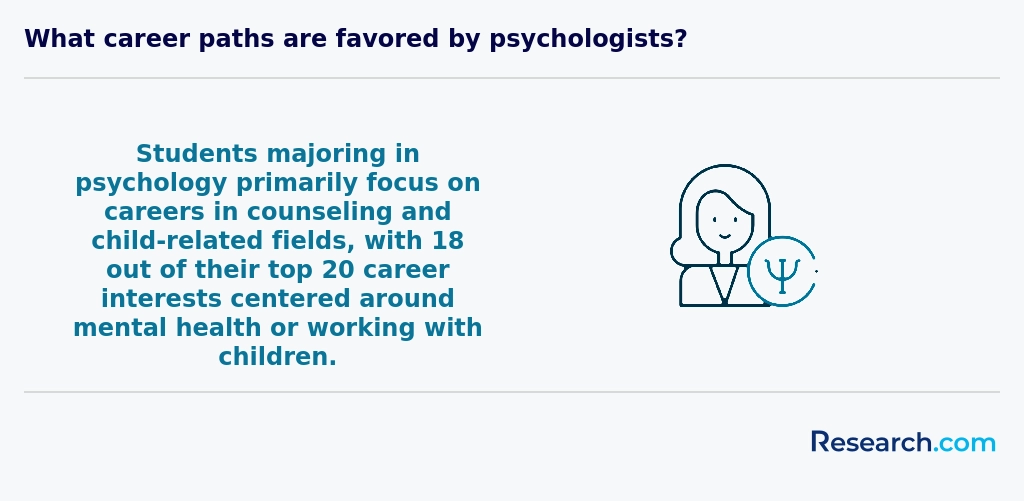
Graduates with a psychology degree in Alamosa often find themselves exploring diverse pathways beyond typical expectations. Clinical or counseling psychology offers rewarding roles where individuals make tangible differences by supporting mental health in communities around Adams State University or Fort Lewis College. Many graduates reflect on moments when they witnessed clients regain confidence, a powerful reminder of the degree's impact. This aligns with a broader demand for mental health professionals who hold advanced degrees and licensure.
Meanwhile, others pivot toward industrial-organizational psychology, helping local businesses and government offices enhance workforce wellbeing and productivity-positions rooted in real-world challenges familiar to Alamosa's evolving economy. These psychology career opportunities in Alamosa evoke a sense of purpose through navigating complex workplace dynamics that foster growth.
For those passionate about inquiry and education, teaching or research roles at Colorado's universities encourage fresh perspectives and innovation, blending theory with practice. Some graduates extend their qualifications to work as school psychologists or behavioral health technicians, contributing decisively within education and healthcare. Students often find that pursuing mental health careers with a master's in psychology further expands these fulfilling options.

Graduates pursuing psychology degree employment opportunities in Alamosa often discover a landscape shaped by close-knit community values and real-world impact. Many found roles in regional hospitals or local schools, applying their skills to improve mental health access and educational support. One graduate described the rewarding challenge of working within tight budgets while building meaningful connections that larger cities rarely offer. This intimate environment fosters a sense of purpose but requires flexibility amid fewer openings compared to urban areas.
Alamosa's unique dynamic means psychology careers often intersect with community services, such as family support programs and public health initiatives, creating fulfilling pathways for those passionate about making a difference locally. Students attending nearby institutions witness firsthand the growing demand for mental wellness advocates and counselors, encouraging them to pursue advanced credentials to enhance job stability and salary potential.
Cost remains a crucial factor; prospective students frequently explore options among valuable psychology schools in Colorado to balance quality with affordability. Understanding Alamosa psychology career outlook 2027 requires embracing both the challenges and opportunities that define this rural job market.
2027 Most Valuable Psychology Degree Programs Ranking in Alamosa
Investing in your education is a significant decision that can impact your professional and personal future, and the Research.com team is committed to supporting informed choices. To assist prospective students in Alamosa, we have carefully developed the "2027 Most Valuable Psychology Degree Programs Ranking in Alamosa." Our dedication to quality, credibility, and accuracy is evident through the thorough research and analysis behind this ranking.
We utilized the following reputable data sources to ensure a comprehensive evaluation of psychology degree programs:
By reviewing this ranking, readers will gain valuable insights into the most valuable psychology degree programs in Alamosa, helping them navigate their educational options confidently. For more information on how this ranking was created, please visit our Research.com methodology page.

Frequently Asked Questions About psychology
Psychology degree students in Alamosa can maximize their learning by engaging deeply with both theoretical and practical aspects of the field. Local institutions often provide opportunities for hands-on experience through internships and research projects, which help apply classroom knowledge to real-world settings. Students should seek out faculty with active research interests to gain insights into current psychological studies.
Networking with local mental health professionals and attending community workshops can broaden understanding of psychology's role in regional health systems. According to the National Center for Education Statistics, experiential learning improves retention and job readiness for psychology graduates across the U.S.
Utilizing campus resources like tutoring centers and study groups further enhances academic success in rigorous psychology coursework.
Emerging niches within the psychology field in the United States reflect growing societal needs and technological advances. One notable area is neuropsychology, focusing on brain-behavior relationships, which benefits from enhanced imaging technologies. Another expanding niche is health psychology, addressing how mental states impact physical health. With Alamosa's community health initiatives, these fields see increasing local interest.
Technology has also opened new pathways like cyberpsychology, exploring online behavior and cyberbullying, relevant for today's digital environment. Additionally, forensic psychology is gaining importance for its role in the legal system.
According to the American Psychological Association, these specialized fields offer promising career growth and diverse opportunities for psychology graduates in regions including Colorado's San Luis Valley.
Graduates with a psychology degree in Alamosa can enhance job prospects by gaining practical experience through internships or volunteering at local clinics and mental health centers. According to the Bureau of Labor Statistics, psychology-related jobs in Colorado are expected to grow by 8% by 2032, signaling steady demand locally.
Networking with professionals through Alamosa's community organizations or university career services is crucial to accessing job openings. Additional certifications in specialized areas, such as counseling or behavioral analysis, can also improve employability.
Strong communication and research skills, often developed during study, remain important for roles in social services, education, or human resources within the region.
Employers in Alamosa seeking psychology degree graduates prioritize strong communication skills. Graduates must clearly explain complex concepts and listen effectively to clients.
Critical thinking and problem-solving abilities are essential, enabling graduates to analyze behavior and devise practical interventions. According to the U.S. Bureau of Labor Statistics, these skills contribute significantly to success in psychology roles.
Data analysis proficiency is increasingly valued, as psychology jobs often require interpreting research and statistics. Familiarity with software used in psychological studies is a bonus.
Additionally, ethical awareness and cultural competence are vital, especially in diverse communities like Alamosa, ensuring respectful and appropriate client care.
Finding internships related to psychology in Alamosa involves several practical steps. Start by exploring local institutions such as Adams State University, which offers psychology programs and often connects students with internship opportunities. Contact their career services for guidance on placements.
Community mental health centers, schools, and healthcare facilities in Alamosa are common internship employers for psychology students. Researching organizations like the San Luis Valley Behavioral Health Group can provide leads on available positions.
Additionally, use online platforms that list internships in Colorado, such as Handshake or the American Psychological Association's internship directory, filtering by location to focus on Alamosa.
Networking with faculty, attending local psychology events, and joining student organizations can also enhance internship prospects.
In Alamosa, obtaining a psychology degree can significantly enhance career mobility and opportunities for advancement due to growing demand in mental health and social services fields. According to the U.S. Bureau of Labor Statistics, employment of psychologists is projected to grow 8% nationally through 2031, reflecting increased need for mental health support. Locally, Alamosa's healthcare sector has expanded, creating more positions for psychology graduates in counseling, rehabilitation, and community programs.
Graduates with a bachelor's degree often start in entry-level roles, while those with master's or doctoral degrees have greater access to licensed practitioner positions and leadership roles. This degree provides foundational skills applicable in education, business, and social services, improving flexibility in job transitions and promotions.
Studying for a psychology degree in Alamosa offers unique preparation for interdisciplinary roles by emphasizing collaboration across multiple fields such as health, education, and social services. Local institutions often integrate coursework that connects psychology with community health, reflecting Alamosa's growing focus on public health and rural mental wellness.
The curriculum typically includes research methods, cognitive science, and behavioral studies, which are foundational for combining psychological insights with other disciplines. According to the Colorado Department of Higher Education, many programs encourage internships and partnerships with local clinics and social agencies, providing real-world interdisciplinary experience.
This hands-on approach enhances skills relevant to roles in counseling, healthcare administration, and social work, demonstrating psychology's relevance beyond traditional clinical settings in Alamosa and similar rural regions.
Choosing between a thesis and a non-thesis psychology degree program in Alamosa depends largely on your career goals and learning preferences. Thesis programs typically require original research and a formal paper, preparing students for careers in research or further academic study, such as a PhD. Non-thesis options emphasize coursework and practical skills over research, which is often better suited for those aiming to enter clinical or counseling professions directly.
In Alamosa, schools like Adams State University offer both options, allowing flexibility. According to the National Center for Education Statistics, about 40% of psychology graduates nationwide choose thesis tracks when targeting academic or research roles. Consider how comfortable you feel with independent research and your post-graduation plans when deciding.
Students based in Alamosa interested in studying psychology abroad have several options through US higher education pathways. While Alamosa itself does not host extensive international programs, students can access study-abroad opportunities via universities in Colorado and nationwide. Many US institutions offer semester-long exchanges or summer programs in countries like the United Kingdom, Australia, and Canada, which are popular destinations for psychology studies.
Financial aid and scholarships specific to psychology majors may be available to help fund these experiences. According to the Institute of International Education, around 17% of US psychology students participated in exchange programs in 2022, offering valuable global perspectives.
For Alamosa residents, coordination with institutions such as Adams State University can facilitate access to these programs, enriching their academic and cultural understanding of psychology practices worldwide.
Part-time job opportunities in Alamosa that complement a psychology degree are diverse and can enhance practical learning. Positions such as behavioral health technicians or mental health aides in local clinics offer hands-on experience with patients. These roles often require some training but provide valuable exposure to clinical settings. Additionally, Alamosa's educational institutions may have openings for research assistants, supporting psychology faculty in data collection and analysis.
Working in community outreach programs focused on mental health awareness is another option, helping students develop communication and organizational skills. According to the Colorado Department of Labor, health support roles in Alamosa have grown by 5% over the past three years, reflecting increased demand for mental health services.
Psychology students in Alamosa benefit from multiple networking opportunities that help them connect with professionals and peers. Colorado State University-Pueblo, located within driving distance, hosts psychology-related events and workshops, which Alamosa students often attend. Locally, the Alamosa County Public Health Department occasionally collaborates with educational institutions, providing internships and community-based projects for psychology students.
The San Luis Valley also features regional psychology organizations and mental health boards where students can engage in volunteer roles. These opportunities enhance practical experience and professional networking. Additionally, virtual networking has grown, with platforms like the American Psychological Association offering student memberships and online events accessible from Alamosa.
Alumni networks play a significant role in supporting psychology degree students in Alamosa by connecting them with graduates who have experience in the field. These networks facilitate mentorship opportunities, allowing current students to receive guidance on career paths, internships, and graduate school applications. According to the National Association of Colleges and Employers, about 85% of jobs are filled through networking, which highlights the practical value of strong alumni ties.
In Alamosa, local universities often host alumni events where students can build professional relationships. Such connections can lead to internships within regional mental health facilities or research projects, enhancing practical experience.
Customizing a psychology degree program in Alamosa involves selecting courses and experiences that align with your career goals. Many institutions offer elective classes in specialized areas such as clinical, counseling, or industrial-organizational psychology. This allows students to focus on specific career paths, whether in therapy, research, or workplace consulting.
Internships and practical experiences in Alamosa or nearby regions provide hands-on skills vital to your career. Local healthcare facilities and community organizations often collaborate with schools to offer placements. According to the U.S. Bureau of Labor Statistics, psychology jobs are projected to grow 8% from 2021 to 2031, highlighting the importance of relevant experience.
Advising services help tailor your coursework and extracurricular activities. Researching program options and speaking with faculty in Alamosa can further refine your specialized training. Customization ensures your degree fits both academic interests and job market demands.
Psychology students in Alamosa commonly face several challenges during their studies. One major difficulty is balancing coursework with limited local internship opportunities, as Alamosa's smaller population means fewer nearby clinical or research settings. According to Colorado Department of Higher Education data, students often need to commute or relocate for hands-on experience, which can increase costs and stress.
Another challenge involves adapting to the rigorous scientific and statistical methods required by psychology programs. Many students find courses like research methods and statistics demanding, affecting retention rates nationwide, including at Alamosa institutions.
Financial constraints also impact students here, as psychology degrees often require graduate study for licensure, causing longer timeframes and additional expenses.
With a psychology degree in Alamosa, you can pursue several professional certifications to enhance your career. Common certifications include Licensed Professional Counselor (LPC), Certified Alcohol and Drug Counselor (CADC), and Board Certified Behavior Analyst (BCBA). Each requires specific graduate-level education, supervised experience, and passing an exam.
The LPC certification, popular in Colorado, allows you to practice counseling independently. The BCBA certification focuses on applied behavior analysis and is ideal for those working with developmental disabilities.
According to the Colorado Department of Regulatory Agencies, licensure requirements emphasize supervised hours and continuing education, ensuring qualified professionals serve the community. Pursuing these certifications can increase job opportunities and earning potential in Alamosa's growing mental health field.
When applying for a psychology program in Alamosa, it is essential to present a clear and focused application that highlights your academic strengths and passion for the field. Emphasize relevant coursework, volunteer experience, or internships related to psychology. Many programs in Colorado, including those near Alamosa, value applicants with strong communication and critical thinking skills demonstrated in their personal statements.
Admissions committees also look closely at standardized test scores and GPA; in 2023, competitive programs typically required a minimum GPA of 3.0 for psychology majors. Be sure to secure strong letters of recommendation from professors or professionals familiar with your abilities in psychology or related disciplines.
Including any research experience can significantly strengthen your application, as psychology programs often emphasize evidence-based practice and research methods. Finally, tailor your application to highlight why studying psychology in Alamosa fits your academic and career goals, referencing local opportunities and community involvement where possible.
Psychology careers in the United States, including Alamosa, are influenced by global trends emphasizing mental health awareness and research. According to the U.S. Bureau of Labor Statistics (2023), employment in psychological occupations is projected to grow 8% from 2021 to 2031, reflecting increasing demand worldwide. Globally, psychology professionals often collaborate in areas like clinical practice, counseling, and research, adapting diverse cultural approaches.
In Alamosa, psychology students typically prepare for licensure through accredited programs aligned with national standards, ensuring they meet global competency benchmarks. This local preparation supports potential careers in both domestic and international contexts.
International organizations like the APA encourage ethics and evidence-based practices that shape how psychology careers develop globally, including in the U.S. educational system.
Gaining practical experience while studying for a psychology degree in Alamosa is essential for skill development and career readiness. Many local institutions, such as Adams State University, offer internship opportunities in clinical, counseling, or community psychology settings. These internships provide hands-on experience working with diverse populations, enhancing students' applied knowledge.
Additionally, students can participate in research projects under faculty supervision, which often focus on regional psychological issues. According to the National Center for Education Statistics, such experiential learning improves employment prospects by up to 20%.
Volunteering at local mental health clinics or nonprofit organizations is another valuable way to gain relevant experience in Alamosa's supportive community environment.
Choosing the right concentration within a psychology degree program in Alamosa involves understanding both your interests and local career opportunities. Popular concentrations include clinical, counseling, developmental, and industrial-organizational psychology. According to the U.S. Bureau of Labor Statistics, clinical and counseling psychology roles are among the fastest growing, with a 14% projected job growth nationally through 2031.
Alamosa's job market, influenced by regional healthcare and education sectors, favors specializations like clinical psychology and school psychology. Exploring faculty expertise and available internships at local institutions, such as Adams State University, can help align your choice with practical experience.
Additionally, consider how each concentration fits your long-term goals, whether in research, therapy, or human resources. Local licensing requirements often vary for certain careers, so reviewing Colorado's state regulations is advisable early in your decision process.
- 2027 Most Valuable Psychology Degree Programs Ranking in Denver
- 2027 Most Valuable Psychology Degree Programs Ranking in Boulder
- 2027 Most Valuable Psychology Degree Programs Ranking in Phoenix
- 2027 Most Valuable Psychology Degree Programs Ranking in Lincoln
- 2027 Most Valuable Psychology Degree Programs Ranking in Tulsa
- 2027 Most Valuable Psychology Degree Programs Ranking in Riverside
- 2027 Most Valuable Psychology Degree Programs Ranking in Springfield
- 2027 Most Valuable Psychology Degree Programs Ranking in San Diego
- 2027 Most Valuable Psychology Degree Programs Ranking in La Jolla
- 2027 Most Valuable Psychology Degree Programs Ranking in Irvine
See What Experts Have To Say About Studying Psychology
Read our interview with Psychology experts

Catherine Caldwell-Harris, Ph.D.
Psychology Expert
Associate Professor of Psychology
Boston University

Joann Farrell Quinn, Ph.D., MBA
Psychology Expert
Director at the College of Medicine Department of Medical Education
Morsani College of Medicine

Robin M. Kowalski. Ph.D.
Psychology Expert
Professor of Psychology
Clemson University

- What Certifications Can I Get With A Bachelor's In Psychology? https://www.psychology.org/resources/certification-skills-for-psychology-major-resumes/
- Adams State University - College Search https://www.methodlearning.com/colleges/adams-state-university-alamosa-co-126182
- A Guide to Psychology Internships | Psychology Degree Guide https://psychologydegreeguide.org/resources/internships/
- Psychology - SWPS University https://english.swps.pl/academics/warsaw/ba-programs/psychology
- Have You Found a Niche? https://www.apaservices.org/practice/business/marketing/building/niche
- Study Psychology Abroad | Go Overseas https://www.gooverseas.com/study-abroad/psychology
- Financial Aid for Psychology Students https://www.onlinepsychologydegrees.com/financial-aid/
- Adams State University in Alamosa, Colorado https://www.adams.edu/
- Society for the Teaching of Psychology https://teachpsych.org/page-1784686/8675326
- Psychology https://trinidadstate.edu/psychology/index.html


