
2027 Best Psychology Degree Programs Ranking in Puerto Rico

Co-Founder and Chief Data Scientist
Choosing the right psychology degree program in Puerto Rico is a big step toward a fulfilling career. This article introduces the 2027 Best Psychology Degree Programs Ranking in Puerto Rico, thoughtfully developed by the Research.com team of data scientists.
Our goal is to help you navigate options with confidence and find programs that align with your goals. Getting a psychology degree opens doors to meaningful work, personal growth, and the chance to make a positive impact in your community.
Take your time exploring this guide-it's designed with your success in mind.
Key benefits of getting psychology degree in Puerto Rico
- Psychology degree graduates in Puerto Rico can earn competitive salaries, such as a Human Resources Specialist making around $76,060 annually or a Marketing Research Analyst earning about $83,190 per year.
- A psychology graduate from the University of Puerto Rico has a variety of career paths, including roles in research, counseling, and clinical positions that offer meaningful work and personal growth.
- Completing a psychology degree online from a local university offers flexibility, allowing students to balance their studies with work or family, making education more accessible and convenient.
- 2027 Best Psychology Degree Programs Ranking in Puerto Rico
- What can I expect from psychology degree in Puerto Rico?
- Where can I work with psychology degree in Puerto Rico?
What can I expect from psychology degree in Puerto Rico?
Graduates from well-known institutions like the University of Puerto Rico often remark on how affordable their psychology degrees were compared with mainland U.S. options. Tuition costs at Puerto Rican universities generally fall below many stateside counterparts, making advanced education more accessible without compromising quality. This financial advantage allows students to focus more on their studies and practical training rather than accumulating excessive debt. For example, a psychology student might balance a part-time job while engaging in research projects directly related to local cultural and mental health issues, adding real value to their education.
Federal financial aid such as Pell Grants and student loans are widely available, easing the path toward degree completion. Many students feel relieved and supported knowing these resources exist, especially when pursuing higher degrees like a master's or doctorate in clinical psychology.
Considering tuition rates alongside subsidies, the overall cost reflects both the rigorous curriculum and the opportunity to develop bilingual skills critical for Puerto Rico's unique setting.
Where can I work with psychology degree in Puerto Rico?
Graduates with a psychology degree from well-known institutions like the University of Puerto Rico or Interamerican University often find themselves welcomed in diverse professional environments. Many begin their careers in clinical settings such as hospitals or community health centers, where they provide mental health assessments and therapy-a rewarding path that many describe as deeply fulfilling, especially when helping clients navigate personal challenges.
Others discover meaningful roles in education, working as school psychologists or university counselors. Imagine supporting children at public schools under the guidance of the Puerto Rico Department of Education, where addressing behavioral and emotional needs directly impacts students' futures.
Beyond healthcare and education, graduates often contribute to social service agencies, advocating for vulnerable populations like elderly individuals or survivors of domestic abuse. This hands-on work brings a strong sense of purpose and connection to the community.
Some graduates take pride in advancing to licensed clinical or forensic psychologists, opening private practices or joining corporations as industrial-organizational psychologists, applying their expertise to improve workplace well-being-a growing field that sparks enthusiasm among those eager to innovate locally.
Graduates from institutions like the University of Puerto Rico often find that their psychology degree opens doors to meaningful roles such as human resources specialists or marketing research analysts. For example, those entering human resources can expect to earn around $76,060 annually according to U.S. Bureau of Labor Statistics data, which is a rewarding outcome reflecting their skill in understanding human behavior within organizations.
Others, inspired by their academic experience and internships, choose paths like clinical research associates or survey researchers. These roles typically offer mean annual wages near $62,370, combining a satisfying blend of science and direct impact. Such salaries in Puerto Rico, while generally lower than mainland figures, still represent valuable opportunities, especially considering the local cost of living.
Graduates sharing their journeys often highlight the satisfaction of applying their knowledge in private sectors or academia, where growth potential exists. The experience gained at universities in Puerto Rico prepares them well for these varied careers, enriching their professional and personal lives with stability and purpose.
- Psychology programs in Puerto Rico are accredited and offer bachelor's, master's, and doctoral degrees following APA standards.
- Undergraduate tuition costs range from $3,500 to $6,000 per year at public universities and $7,000 to $12,000 at private institutions.
- Starting salaries for psychology graduates average between $25,000 and $30,000 annually, mainly in social services and education roles.
- Experienced psychologists with advanced degrees earn around $50,000 to $70,000 per year in Puerto Rico.
- Demand is growing in health services, educational psychology, and counseling, but clinical and research roles remain competitive.
Completing a psychology degree in Puerto Rico typically mirrors the experience of students on the mainland, with a bachelor's degree taking around four years at institutions like the University of Puerto Rico. Graduates often recall balancing a mix of core psychology courses and general education requirements, feeling a steady sense of progress as they move through each semester. For many, the journey feels manageable and rewarding, especially with the supportive campus communities common across Puerto Rican universities.
Those pursuing a master's degree find that adding roughly two years beyond the bachelor's is common, blending rigorous coursework with hands-on practicum experiences. Graduates share that this phase deepens their appreciation for clinical skills, sometimes extending their timeline when involved in internships or thesis work.
Doctoral students, typically spending five to seven years, describe their path as challenging but enriching, benefiting from accredited programs that emphasize research and clinical training. Across all levels, the flexibility to study part-time or transfer credits can influence the total duration, yet students frequently express pride in overcoming these hurdles within Puerto Rico's unique educational landscape.
Graduates from the University of Puerto Rico often recall the energizing buzz of attending campus classes in person, where spontaneous discussions with professors and peers sparked deeper understanding. On-campus psychology programs provide this direct engagement which many find invaluable for developing critical thinking and building professional networks.
Conversely, alumni who pursued online psychology degrees at institutions offering remote programs emphasize the freedom to study around work or family commitments. Many appreciated being able to log in from home in San Juan or smaller towns, discovering that flexibility nurtured their motivation and focus in a unique way. However, they also highlighted the extra effort needed to secure local practicum placements, which sometimes required creative planning.
Both paths share core curriculum elements like developmental psychology and research methods, yet the medium shapes daily experiences-whether it's the vibrant campus atmosphere or the mindful independence online learning fosters. Psychology students in Puerto Rico wisely weigh these differences, aligning their choice with personal rhythms and future goals.
Students pursuing a psychology degree in Puerto Rico often find the average cost to be surprisingly accessible compared to mainland options. Graduates from institutions like the University of Puerto Rico recall paying an overall median in-state total cost around $5,986, which encompasses tuition along with essential fees and supplies. This more affordable price point reflects the island's commitment to public education, allowing learners to focus more on their studies and less on financial strain.
Those attending private universities, such as the Ana G. Méndez University System, may experience higher expenses, with total costs nearing $18,459. Despite the difference, many psychology graduates emphasize that the program quality and community support justify the investment. Students often balance tuition with living expenses, loans, and scholarships, shaping unique experiences that build resilience and confidence in their career paths.
Understanding the psychology degree tuition and fees Puerto Rico offers can clarify expectations and encourage thoughtful budgeting. Many graduates have found value in exploring financial aid opportunities specific to the island, which ease the burden and provide stability during their educational journey. Deciding to study psychology in Puerto Rico means engaging with a vibrant academic culture that combines affordability and quality.
For those who are weighing options related to other fields, reviewing the broader list of college majors available in Puerto Rico can provide perspective on how psychology compares in cost and value.

Accreditation ensures your degree is recognized by employers and licensure boards in Puerto Rico. Before selecting a program, verify:
- Regional accreditation (e.g., Middle States Commission on Higher Education)
- APA accreditation for doctoral programs in clinical psychology
- Approval from the Puerto Rico Board of Psychology for licensure eligibility
- Completion of required supervised clinical hours (typically 1,500–2,000 hours)
- Passing the Examination for Professional Practice in Psychology (EPPP)
For flexible study options, consider psychology degree online programs that meet these standards.
Psychology students in Puerto Rico find meaningful support through a mix of federal and local financial aid tailored to their unique education paths. For example, graduates from the University of Puerto Rico reflect on how Pell Grants, with awards up to $7,395, eased the burden of tuition and living costs, allowing them to focus more on their studies and less on financial stress.
Direct Loans with competitive interest rates around 5.5% for undergraduates also play a key role, offering manageable repayment plans compared to private lending, which many psychology students at institutions like Ana G. Méndez University have praised.
Beyond federal aid, institutional scholarships and grants specifically designed for psychology majors help make education even more accessible. Local work-study programs further support students by providing opportunities to earn income through campus jobs, blending learning with practical experience.
These layered resources demonstrate how students can pragmatically navigate financial challenges, ensuring their pursuit of psychology remains both affordable and fulfilling in Puerto Rico's vibrant academic landscape.
To enroll in a psychology degree program in Puerto Rico, students must first have completed a high school diploma or its equivalent, such as a GED. Graduates from universities like the University of Puerto Rico often reflect on how submitting official transcripts and standardized test scores, like the SAT or ACT, was an essential part of their application process. Some have noted that test-optional policies can ease entry, but it's important to check each institution's rules.
Many programs also expect proficiency in both Spanish and English, reflecting the bilingual nature of coursework. This requirement helps students feel confident communicating complex psychological concepts in both languages, a skill many alumni describe as invaluable.
For those pursuing graduate studies in psychology, holding a bachelor's degree in psychology or a related field is non-negotiable. Foundational courses in statistics and research methods, along with GRE scores in some cases, prepare students for the academic challenges ahead. Internships or hands-on research experiences, common among successful applicants, provide practical skills that build excitement and deepen commitment to the field.

In psychology degree programs across Puerto Rico, such as those at the University of Puerto Rico, students immerse themselves in foundational courses that shape their understanding of the human mind and behavior. Graduates often speak warmly of starting with Introduction to Psychology, which offers a clear lens into core concepts and the field's rich history. These early classes set the stage for tackling more analytical subjects like Research Methods and Statistics, where students engage deeply with data and experimental design-skills crucial for any evidence-based psychologist.
Many recall how courses such as Biopsychology and Cognitive Psychology brought theory to life by explaining behaviors through brain function and mental processes, often discussed in lively class debates or hands-on labs. The community-focused spirit of Puerto Rico is reflected in courses like Developmental and Social Psychology, which help students appreciate how culture and environment shape individual and group experiences.
As they advance, students also explore specialized fields like Abnormal Psychology and Clinical Psychology, often enriched by practicum experiences at local clinics or hospitals. These real-world opportunities, especially at renowned public institutions, foster a sense of purpose and readiness to serve Puerto Rico's unique mental health needs.
Psychology degree specializations in Puerto Rico offer a meaningful spectrum that aligns deeply with the island's cultural and healthcare landscape. Graduates from renowned institutions like the University of Puerto Rico often recall how clinical psychology stood out as a vital path, emphasizing mental health diagnosis and treatment that meets both local and U.S. licensing standards. Many find this focus rewarding, as it directly impacts communities managing emotional and behavioral health.
In addition to clinical work, Puerto Rico psychology program concentration options include counseling psychology, where students learn to support individuals through stressful life changes-a skill especially needed in the island's dynamic social environment. Experimental and cognitive psychology also attract those drawn to research, fostering a passion for understanding brain function through scientific inquiry, often in collaboration with local research centers.
Health psychology is another specialization gaining prominence, reflecting a growing awareness of how mental and physical health intertwine in Puerto Rico's healthcare system. Students pursuing educational psychology appreciate how their training helps improve learning environments, a rewarding venture shared by graduates from leading colleges. For those seeking flexible paths, some consider the easiest degree to get online, blending convenience with opportunity in psychology studies.
Choosing among the best psychology degree programs Puerto Rico offers means balancing accreditation, cost, and program quality. Graduates from the University of Puerto Rico often share how the school's recognized accreditation and affordable tuition helped them gain confidence and remain focused on their goals without financial stress. Many emphasize the value of diverse coursework combined with faculty who practice clinically or engage in research, offering real-world insights that enrich learning.
Affordability is a key factor for students exploring affordable psychology colleges in Puerto Rico. Public universities typically keep costs below $5,000 yearly, making it possible to focus on studies rather than loans. Students appreciate programs that prepare them effectively for licensure exams overseen by the Puerto Rico Board of Psychologists, which is essential for professional practice here.
Remember to consider program flexibility and campus resources as well. Graduates report feeling supported by small class sizes and access to internships within urban centers. If you're pressed for time, exploring a fastest online masters option can also be a strategic choice to progress quickly and confidently.
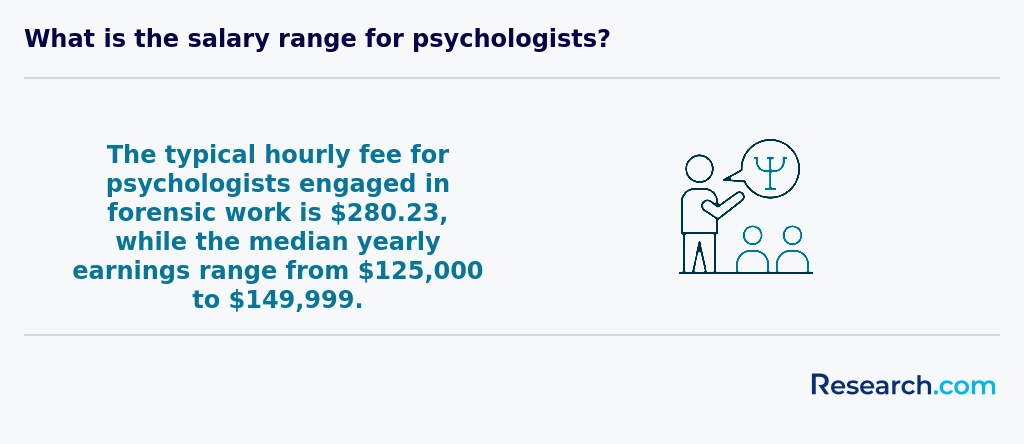
Graduates from universities like the University of Puerto Rico often find that psychology career opportunities in Puerto Rico extend deeply into clinical psychology, where many begin their journey helping individuals in hospitals or private practices. These roles demand dedication and advanced licensure but offer fulfilling work addressing critical mental health needs shaped by the island's unique challenges. Others, inspired by their experiences in education-focused programs, pursue paths as school psychologists or counselors, bringing vital support to local schools and communities.
Many graduates also explore human resources or social services, applying what they learned at institutions like Universidad del Turabo to create programs that genuinely improve people's lives. Industrial-organizational psychology draws increasing interest, promising roles that boost workplace wellbeing in both private companies and government agencies. For those passionate about study and discovery, research and academia remain appealing, though often requiring higher degrees.
Reflecting on their journey, graduates appreciate Puerto Rico's affordable education and the diverse job prospects for psychology graduates Puerto Rico offers, enabling them to contribute meaningfully while enjoying supportive local communities. Students contemplating their future might also explore quick degrees that make good money to complement their psychology training.
The psychology job outlook in Puerto Rico presents a unique landscape influenced by the island's economic conditions and growing awareness of mental health. Graduates from institutions like the University of Puerto Rico often find roles in community mental health centers or educational settings where they make tangible impacts on families and schools. Many express satisfaction in serving local populations despite salaries generally being lower than the US mainland, commonly ranging from $30,000 to $50,000 annually.
Employment opportunities for psychology graduates Puerto Rico reflect steady demand in government agencies and private clinics. Licensure processes closely mirror those in the mainland, offering graduates flexibility to pursue clinical or counseling careers. Graduates often emphasize the rewarding nature of working directly with clients in public health or participating in research initiatives at local universities, where they witness meaningful change on the island. For students weighing options, choosing an affordable online bachelor's degree program based in Puerto Rico can ease financial pressures while positioning them well within this growing job market.
2027 Best Psychology Degree Programs Ranking in Puerto Rico
Investing in your education is a significant decision that can profoundly impact your future, and the Research.com team is committed to helping you make well-informed choices. To support prospective students in Puerto Rico, we have carefully developed the "2027 Best Psychology Degree Programs Ranking in Puerto Rico." Our dedication to quality, credibility, and accuracy is demonstrated through rigorous research and analysis.
We utilized the following reputable data sources to ensure a comprehensive evaluation of psychology degree programs:
By examining this ranking, readers will obtain valuable insights into the best psychology degree programs available in Puerto Rico, enabling them to make confident and informed educational decisions. For more information on how this ranking was created, please visit our Research.com methodology page.
# 1 position
Pontifical Catholic University of Puerto Rico-Ponce
Bachelor of Arts in Psychology
# 2 position
Pontifical Catholic University of Puerto Rico-Ponce
Doctor of Philosophy in Clinical Psychology
# 3 position
Pontifical Catholic University of Puerto Rico-Ponce
Master of Arts in Psychology


# 19 position
Inter American University of Puerto Rico-San German
Master of Arts in Counseling Psychology

Frequently Asked Questions About psychology
Psychology degree students in Puerto Rico can maximize their learning experience by engaging actively in both academic and practical opportunities. Taking advantage of internships and supervised clinical placements offered through accredited universities helps develop essential skills. According to the American Psychological Association, practical experience is key for licensure in Puerto Rico.
Additionally, participation in research projects sharpens critical thinking and deepens understanding of psychological theories. Students should also consider joining local psychology associations such as the Puerto Rico Psychological Association to network and access professional resources. Universities like the University of Puerto Rico offer robust programs that emphasize community involvement, which strengthens cultural competence relevant to Puerto Rican populations.
Lastly, maintaining strong relationships with faculty and seeking mentorship can guide students through academic challenges and career planning.
Emerging niches within the psychology field reflect ongoing societal changes and technological advancements. In Puerto Rico, areas like neuropsychology and clinical health psychology are growing due to rising concerns about brain health and chronic illness management.
Behavioral health technology, including telepsychology, has significantly expanded, especially after the COVID-19 pandemic. This shift allows broader access to mental health services across the island's urban and rural areas, addressing the shortage of providers reported by the Puerto Rico Health Department.
Additionally, forensic psychology is gaining traction, influenced by increased demand for mental health experts in legal settings. Industrial-organizational psychology is also developing, as local businesses seek to improve employee well-being and productivity.
According to the American Psychological Association, these emerging fields offer diverse career paths for students pursuing psychology degrees in Puerto Rico.
Preparing for the job market after earning a psychology degree in Puerto Rico involves understanding local and national employment trends. Graduates should consider gaining licensure through the Puerto Rico Psychology Examining Board, which is required for clinical practice. Internships and supervised experiences enhance practical skills and improve job prospects.
The U.S. Bureau of Labor Statistics projects employment for psychologists to grow about 6% from 2021 to 2031, with demand also present in Puerto Rico's healthcare and educational sectors. Networking with local psychology associations like the Colegio de Psicólogos de Puerto Rico can provide career resources and professional contacts.
Complementary skills such as data analysis, counseling techniques, and bilingual communication increase competitiveness in the job market. Additionally, considering advanced degrees or certifications aligns with the increasing specialization within psychology professions nationally and locally.
Employers seeking psychology degree graduates in Puerto Rico prioritize a combination of interpersonal and analytical skills. Strong communication is essential, enabling graduates to effectively collaborate with diverse populations and multidisciplinary teams. Critical thinking and problem-solving abilities are highly valued, especially for interpreting research data and applying psychological theories to real-world situations.
Graduates are also expected to demonstrate cultural competence, reflecting Puerto Rico's unique bilingual and multicultural environment. According to the American Psychological Association, skills in ethical decision-making and adherence to professional standards remain fundamental. Additionally, proficiency in research methods and data analysis software is frequently requested by employers in academic and clinical settings.
Finding internships in Puerto Rico relevant to a psychology degree involves a strategic approach combining university resources, professional networks, and local organizations. Many psychology programs in Puerto Rican universities, such as the University of Puerto Rico, offer career services that connect students with internships in clinical, educational, and research settings.
Students should also explore opportunities in mental health clinics, hospitals, and community agencies, as these are common sites for practical training. According to the Puerto Rico Board of Examiners of Psychologists, internships play a crucial role in meeting licensure requirements and gaining supervised experience.
Professional associations like the Puerto Rico Psychological Association provide listings and networking events that can aid in locating internship placements. Additionally, online platforms and university job boards frequently post opportunities specific to psychology internships within the territory.
Obtaining a psychology degree in Puerto Rico can significantly enhance career mobility and advancement within the island's growing mental health sector. According to the Puerto Rico Department of Labor, demand for licensed psychologists and mental health counselors is expected to grow by approximately 12% through 2030, faster than many other professions. This growth creates opportunities for graduates to enter roles in healthcare, education, and social services.
Higher education credentials, especially at the graduate level, are often required for licensure and specialized positions. Additionally, holding a degree accredited by the American Psychological Association (APA) can improve competitiveness for federal and local jobs.
Professionals with psychology degrees benefit from networking in Puerto Rico's close-knit academic and clinical communities, which supports career progression. Salary prospects also improve with advanced degrees, with reported median wages for psychologists on the island around $75,000 annually, per U.S. Bureau of Labor Statistics data adjusted for regional cost of living.
Studying for a psychology degree in Puerto Rico provides a strong foundation for interdisciplinary roles, blending knowledge from social sciences, health, and education. Many universities integrate coursework in counseling, social work, and neuroscience, reflecting the island's diverse health and social challenges. This approach equips students to work collaboratively with professionals in healthcare, education, and community development.
Puerto Rico's psychology programs often emphasize bilingual skills, which is vital for interdisciplinary communication in a predominantly Spanish-speaking environment. Research from the Puerto Rico Psychology Association highlights that over 65% of graduates engage in roles involving multiple disciplines, enhancing workforce adaptability.
Additionally, accredited programs align with US standards, ensuring graduates are prepared for various professional settings nationwide.
Choosing between a thesis and a non-thesis psychology degree program in Puerto Rico depends on your academic and career goals. A thesis program involves conducting original research, which is ideal for students planning to pursue doctoral studies or research-intensive careers. Non-thesis programs emphasize coursework and practical skills, suitable for those aiming for immediate employment in clinical, counseling, or applied psychology roles.
In Puerto Rico, universities like the University of Puerto Rico offer both formats, aligning with U.S. accreditation standards. According to the Council of Graduate Schools, about 60% of psychology master's students nationwide choose non-thesis options to enter the workforce faster. However, thesis students often have higher acceptance rates into PhD programs.
Consider your time availability, interest in research, and long-term plans when selecting the path that fits best.
Students in Puerto Rico wishing to study psychology abroad have multiple options within the United States higher education system. Many Puerto Rican students choose universities with strong psychology programs on the U.S. mainland, benefiting from easier credit transfer due to Puerto Rico's affiliation as a U.S. territory.
Institutions such as the University of Florida, University of California, and New York University are popular for their accredited psychology degrees. These universities offer bachelor's, master's, and doctoral programs catering to various psychology specializations.
According to the American Psychological Association (APA), students from Puerto Rico often seek programs with bilingual coursework or research opportunities in multicultural settings. This helps prepare graduates for diverse clinical or academic roles.
Financial aid options such as FAFSA are accessible to Puerto Rican students enrolling in U.S. mainland schools, supporting affordability for study abroad experiences.
Part-time job opportunities in Puerto Rico that complement psychology degree education often include roles in mental health support, research assistance, and social services. Many students find positions as behavioral health technicians or psychiatric aides in local clinics and hospitals, gaining hands-on experience while studying.
Research assistant positions at universities or government institutions allow students to engage in data collection and analysis, which is crucial for a research-oriented psychology career. Given Puerto Rico's focus on community mental health, working with nonprofit organizations offers exposure to program development and client interaction.
According to the Puerto Rico Department of Labor, healthcare support roles related to psychology are projected to grow 12% through 2030, reflecting rising demand. These jobs offer practical skills valuable for graduate studies or certification requirements.
Psychology students in Puerto Rico have access to various networking opportunities essential for academic and professional growth. Universities such as the University of Puerto Rico system frequently host conferences, workshops, and seminars connecting students with faculty and practicing psychologists. These events promote collaboration and mentorship within the local psychological community.
The Puerto Rico Psychological Association (Colegio de Psicólogos de Puerto Rico) offers student memberships, providing access to professional events and a platform to connect with licensed psychologists. This association plays a vital role in fostering a supportive network for emerging professionals.
Additionally, internships and research programs linked to local hospitals and mental health centers encourage practical experience while expanding professional contacts.
Alumni networks offer significant advantages to psychology degree students in Puerto Rico by providing valuable professional connections and career support. These networks connect current students with graduates working in diverse psychology fields across the island and the mainland United States. Research from the Puerto Rico Psychological Association highlights that over 60% of psychology graduates found employment through alumni referrals.
Additionally, alumni groups often organize mentorship programs, workshops, and job fairs specifically tailored to the psychology discipline. They help students navigate licensing requirements unique to Puerto Rico, including the role of the Puerto Rico Board of Psychologists.
Being part of such a network also facilitates access to research collaborations and internships at local mental health institutions, which strengthens practical experience and enhances employability.
In Puerto Rico, students pursuing psychology degrees can tailor their programs by selecting electives and specializations aligned with their career goals. Many universities offer concentrations such as clinical psychology, counseling, educational psychology, and industrial-organizational psychology. This flexibility allows students to focus on areas relevant to local employment opportunities.
Internships and research projects are also essential customization options, helping students gain practical experience in settings like hospitals, schools, or community agencies. According to the Puerto Rico Council of Education, incorporating such experiences improves graduate employability in the island's mental health sector.
Choosing courses that meet licensure requirements in Puerto Rico is critical for those aiming to become licensed psychologists, ensuring seamless career progression.
Psychology students in Puerto Rico face several challenges unique to their educational and cultural environment. One significant issue is limited access to advanced research opportunities compared to mainland U.S. institutions, which can hinder practical experience and career preparation.
Language barriers also play a role; most programs use Spanish as the primary medium, while many psychology resources and professional exams, like the EPPP, are in English. This bilingual demand requires students to be proficient in both languages.
Additionally, financial constraints affect many students, as the average tuition and fees in the region can be high relative to local income levels, and access to scholarships remains limited (source: National Center for Education Statistics, 2023).
Internship placements in specialized fields such as clinical or forensic psychology often have long waitlists, delaying timely graduation and licensure.
With a psychology degree in Puerto Rico, several professional certifications are available to enhance your career prospects. Graduates can pursue licensure as a Licensed Psychologist through the Puerto Rico Board of Psychology, which requires passing the Examination for Professional Practice in Psychology (EPPP). This credential allows for clinical practice and therapy.
Other certifications include becoming a Certified School Psychologist, which focuses on educational settings, or a Behavior Analyst Certification for those interested in applied behavior analysis. National organizations like the Behavior Analyst Certification Board (BACB) govern this certification.
These credentials align with U.S. standards and increase employment opportunities across healthcare, education, and counseling sectors in Puerto Rico.
Applying to a psychology program in Puerto Rico requires careful preparation to stand out in a competitive field. Begin by highlighting your academic records, focusing on relevant coursework such as biology, statistics, and social sciences. Many programs value a minimum GPA of 3.0 or higher, aligning with general US higher education standards.
Include clear, concise personal statements explaining your motivation for studying psychology and specific interests within the field. Mention any volunteer or research experience, especially those related to community mental health, widely valued in Puerto Rican contexts according to data from the Puerto Rico Psychological Association.
Strong letters of recommendation from faculty familiar with your skills and character are essential. Additionally, prepare thoroughly for any required standardized tests like the GRE, as some universities still use scores in admissions decisions. Familiarity with bilingual or multicultural aspects of psychology can also strengthen your application given Puerto Rico's unique demographic.
Psychology careers hold strong global importance, reflecting diverse opportunities in mental health, research, education, and industry. In the U.S., including Puerto Rico, the Bureau of Labor Statistics forecasts a 8% growth in psychologist jobs from 2022 to 2032, faster than average for all occupations.
Puerto Rico's unique cultural and linguistic context offers psychology students a chance to address bilingual and bicultural mental health needs, a growing focus in global psychology.
Moreover, psychology degrees are versatile worldwide, allowing graduates to work in clinical, counseling, school, or industrial-organizational settings, often requiring licensure and advanced degrees.
Globally, there is increasing emphasis on evidence-based practice and cultural competence, skills highly valued in Puerto Rico's educational programs as well.
Gaining practical experience while studying psychology in Puerto Rico is essential for building professional skills. Many universities, including the University of Puerto Rico, require students to complete internships or practicums as part of their curriculum. These hands-on opportunities often take place in hospitals, community centers, or schools.
Students can also seek volunteer roles at mental health clinics or nonprofit organizations specializing in psychology services. The Puerto Rico Department of Health supports programs that offer placements, giving students exposure to real-world cases.
Networking with faculty and attending local psychology conferences can open doors to research assistant positions, enhancing both experience and academic credentials.
Choosing the right concentration within a psychology degree in Puerto Rico depends on your career goals and interests. Psychology offers diverse fields such as clinical, counseling, industrial-organizational, and educational psychology. Consider which setting you want to work in, such as hospitals, schools, or businesses.
Research local demand by consulting sources like the U.S. Bureau of Labor Statistics, which highlights clinical and counseling psychologists as some of the fastest-growing roles. Additionally, look for programs accredited by the American Psychological Association (APA) to ensure quality training.
Speaking with faculty and professionals in Puerto Rico can provide insight into which concentrations offer strong employment opportunities on the island.
See What Experts Have To Say About Studying Psychology
Read our interview with Psychology experts

Joann Farrell Quinn, Ph.D., MBA
Psychology Expert
Director at the College of Medicine Department of Medical Education
Morsani College of Medicine

Robin M. Kowalski. Ph.D.
Psychology Expert
Professor of Psychology
Clemson University

Catherine Caldwell-Harris, Ph.D.
Psychology Expert
Associate Professor of Psychology
Boston University

- 2025 Rankings of the Best Psychology Degree Programs in Puerto Rico https://psychologyonlinedegrees.org/programs/puerto-rico/
- Ontario Psychological Association - Networking and Community Resources https://www.psych.on.ca/become-a-member-(1)/member-services/networking-and-community-resources
- Grants for Students (2026) | Education & Support in Puerto Rico (USA) - GrantWatch https://puertorico.grantwatch.com/cat/43/students-grants.html
- Psychology - SWPS University https://english.swps.pl/academics/warsaw/ba-programs/psychology
- Best Types Of Online Psychology Degrees 2025 https://www.psychology.org/degrees/
- Academics https://www.albizu.edu/academics/
- Mental Health Challenges Faced by Psychology Students | The Healthcare Guys https://healthcareguys.com/2023/11/23/mental-health-challenges-faced-by-psychology-students/
- CLINICAL PSYCHOLOGY (THESIS / NON-THESIS) - Lisansüstü Eğitim Enstitüsü https://lee.nisantasi.edu.tr/en/clinical-psychology-thesis-non-thesis/
- Graduate Academic Offerings – University of Puerto Rico https://www.uprrp.edu/english/admissions/graduate-academic-offerings/
- Master of Science in School Psychology https://phsu.edu/academics/programs/master-of-science-in-school-psychology.php


