2027 Most Valuable Nursing Degree Programs Ranking in the USA

Co-Founder and Chief Data Scientist
Choosing the right nursing degree program is an important step toward a rewarding healthcare career. This article presents the 2027 Most Valuable Nursing Degree Programs Ranking in the USA, developed by the Research.com team of data scientists.
With clear, data-driven insights, this ranking helps you identify nursing programs that offer strong value and excellent opportunities.
Exploring these options can boost your confidence in making informed decisions and set you on a path to a meaningful profession where you can make a real difference.
Key benefits of getting nursing degree in America
- Graduates with a nursing degree in America can expect competitive salaries, such as $94,480 annually for Registered Nurses and Clinical Nurse Educators, with Operating Room Nurses earning up to $128,490 per year, reflecting rewarding financial stability.
- Career paths are diverse, including roles as Public Health Nurses or Emergency Room Nurses, allowing graduates from universities like the University of Michigan to find a fulfilling job that matches their passion and skills.
- Obtaining a nursing degree online, like through Johns Hopkins University, offers flexibility and convenience, enabling students to balance work and study while gaining the same respected qualifications as traditional programs.
- 2027 Most Valuable Nursing Degree Programs Ranking in the USA
- What can I expect from nursing degree in America?
- Where can I work with nursing degree in America?
What can I expect from nursing degree in America?
If you're thinking about the cost of nursing degrees in America, it really varies depending on the program you choose. For example, ADN programs at community colleges usually run a lot cheaper-think a couple thousand dollars a year-making it easier for students on a budget to get started. Many grads from these programs share how they balanced part-time jobs while earning their ADN without drowning in debt.
On the flip side, BSN programs at universities like the University of Phoenix or the University of Washington can cost significantly more, sometimes tens of thousands of dollars over four years. But many grads say it's totally worth it because the BSN opens doors to higher-paying roles and leadership positions in hospitals they dreamed of working in.
Plus, online or accelerated BSN options let busy students or those switching careers finish faster without sacrificing quality-something graduates often highlight as a game-changer when juggling life and school. So while the sticker price varies, these programs usually offer great value considering the promising job market and solid salaries after graduation.
Where can I work with nursing degree in America?
If you've got a nursing degree from an American school like the University of Pennsylvania or the University of Washington, you'll find plenty of places to jump right into caring for patients. Many grads land jobs in busy hospitals where they work in emergency rooms, surgery, or maternity wards-fast-paced spots where teamwork and quick thinking really matter. It's pretty exciting and rewarding to be part of a tight-knit care team saving lives daily.
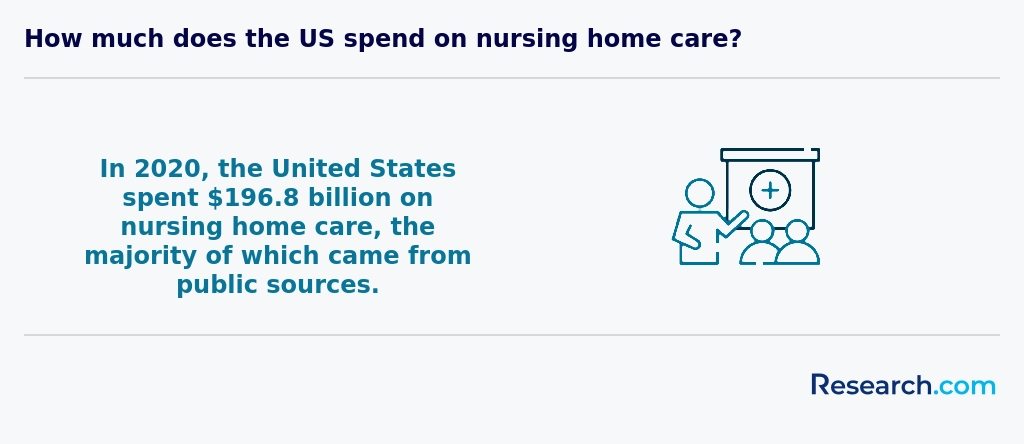
Others find their groove in nursing homes or long-term care centers, which have really been growing as more older adults need skilled care. Imagine helping elderly patients stay comfortable and healthy-that sense of making a difference keeps many nurses motivated.
Some graduates choose community health roles through public health clinics or vaccination drives, offering education and support to underserved neighborhoods. It's fulfilling work that goes beyond bedside care.
And don't forget outpatient clinics or physician offices, especially if you've earned a Bachelor of Science in Nursing. These spots are great for nurses wanting to step into leadership or care coordination, shaping how healthcare gets delivered.
If you're thinking about what you can earn with a nursing degree in America, you're in a great spot. Many nursing grads from schools like the University of Michigan or University of North Carolina often start with roles like Registered Nurse, earning around $94,480 a year on average. That's a solid paycheck right out of the gate!
Some grads find themselves stepping into specialty roles, like Emergency Room Nurses or Clinical Nurse Educators, and their salaries hover around the same $94,480 mark annually. It's comforting to know these roles offer stable, rewarding pay after you finish your studies.
Now, if you're eyeing even higher earnings, Operating Room Nurses stand out, with mean annual wages around $128,490. Picture this: a recent nursing graduate landing a position in a top hospital in California and enjoying both a challenging role and a very respectable salary. It shows how your career path can grow with your experience.
Overall, nursing degrees in America open doors not just to meaningful work, but also to a dependable income that many graduates happily share makes their college efforts worth it.
- Nursing degrees include ADN (about 2 years), BSN (around 4 years), MSN, and DNP with varying time commitments.
- ADN programs at public community colleges cost between $6,000 and $15,000; BSN degrees at public universities range from $40,000 to $80,000, while private BSN tuition can exceed $100,000.
- Registered nurse employment is projected to grow 9% from 2022 to 2032, driven by an aging population and increased healthcare demand.
- Starting salaries for new nurses with ADN or BSN average around $65,000 annually, with experienced and advanced degree nurses earning $90,000 to $120,000 or more.
- Passing the NCLEX-RN exam is required for nursing licensure, and many employers prefer BSN over ADN degrees.
If you're wondering how long it takes to finish a nursing degree in America, it really depends on the path you choose. Most grads from community colleges say the Associate Degree in Nursing (ADN) takes about two to three years. It's a quicker route, getting you ready to pass the NCLEX-RN exam and start working fast. But many nurses aiming for bigger roles head for a Bachelor of Science in Nursing (BSN), which is usually a four-year gig at universities like the University of Michigan or University of North Carolina.
Some graduates mention how tough but rewarding those extra BSN years feel, especially with all the leadership and research skills packed into the program. If you already have a bachelor's in another field, accelerated BSN programs at places like NYU or Duke can get you through in just 12 to 18 months.
And for those dreaming big-think nurse practitioner or educator-an MSN after your BSN adds about two more years. It's a grind, but many say it's totally worth the career boost in the end.
To make informed decisions about their nursing education, prospective students should also consider the financial aspect, exploring options that offer the best value for their investment. For those seeking affordable pathways, researching institutions that provide quality education at a lower cost is crucial. Many students find that pursuing their nursing degree at one of the most affordable nursing colleges can significantly reduce their financial burden without compromising on the quality of education. This approach not only helps in managing tuition fees but also opens up opportunities for scholarships, grants, and other forms of financial aid that can further alleviate the costs associated with nursing education. By choosing an affordable nursing program, students can focus more on their studies and less on the financial implications, ultimately leading to a more fulfilling educational experience.
If you're wondering how online nursing degrees stack up against the traditional on-campus route in the U.S., it really comes down to the vibe and flexibility. On-campus programs at universities like the University of Pennsylvania or the University of Michigan give you that full college experience-think hands-on labs, face-to-face chats with professors, and easy access to campus resources. Graduates often say this helped them build solid connections and feel confident during clinicals because someone was right there to guide them.
Online nursing programs, offered by schools like Ohio State or University of Florida, are a different game. They're a lifesaver if you're juggling work or family since much of the coursework is remote and fits around your schedule. Still, you'll need to complete in-person clinical hours locally, which can require some extra planning but ensures you get real-world experience.
Both paths lead you toward a BSN and require those crucial clinical hours to make you job-ready. It all depends on whether you want that traditional campus buzz or the freedom to study from anywhere while managing your life.
A standout nursing school application balances strong academics, meaningful clinical exposure, and a compelling personal narrative. First, maintain a GPA of 3.0 or higher in prerequisite courses-biology, chemistry, anatomy-and aim for a TEAS score in the 75th percentile or above. Admissions committees also value sustained healthcare experience, so seek volunteer roles or paid work as a Certified Nursing Assistant (CNA) or in a community health clinic. Next, your personal statement should illustrate your passion for patient care and critical thinking. Highlight specific experiences-perhaps a clinical rotation where you managed a challenging case or a volunteer project that taught you empathy under pressure. Structure your essay around an “A.E.D.A.” framework (Anecdote, Experience, Development, Aspiration) to ensure it reads both authentically and coherently. Letters of recommendation carry significant weight. Request references from instructors or supervisors who can attest to your clinical aptitude and professionalism. Provide them with your resume and a summary of your application goals to help them write detailed, personalized endorsements. Finally, prepare for the admissions interview by practicing common questions: “Why nursing?” “Describe a time you resolved a conflict in a team.” Use the STAR method (Situation, Task, Action, Result) to frame your responses clearly. Research each program’s clinical affiliations and mission statement to demonstrate genuine interest. For cost-conscious applicants exploring online options, consider the Affordable Online Bachelor's in Nursing Degree Programs Ranking in Missouri to align your financial planning with a quality education.
When you're thinking about the average cost of a nursing degree in the USA, it's good to know that on average, total tuition and fees hover around $41,240. This figure combines what most students end up paying whether they're in-state or out-of-state, though in-state students can expect a more budget-friendly total closer to $16,320. Many graduates from popular nursing colleges like those in large public university systems share stories about how keeping their residency status helped ease the financial load substantially.
Picture someone pursuing their BSN at a well-known public university-they might pay around $10,000 a year if they live in-state, but nearly double that if not. That's why it's important to research options carefully. Some students have found excellent value by starting at community colleges or state schools before transferring. These paths are often highlighted among the most affordable nursing colleges lists, which makes a big difference when weighing costs and benefits.
It's not just tuition, though. Graduates often mention expenses like textbooks, uniforms, and clinical fees adding up, so budgeting for these extras is key. Still, many feel the investment pays off quickly, considering nursing's strong job market and solid salaries. The total cost of nursing programs in 2027 and beyond will likely see some changes, but the career rewards keep plenty of students motivated.
Continued professional development is essential for nurses aiming to maintain licensure, expand their skill set, and pursue leadership roles. Many states require a specific number of Continuing Nursing Education (CNE) credits every renewal cycle, which often include courses on evidence-based practice, patient safety, and emerging healthcare technologies. Specialty certifications-from Critical Care Registered Nurse (CCRN) to Certified Nurse Midwife (CNM)-not only demonstrate expertise but can also lead to higher salaries and greater job satisfaction. Bridge programs offer a streamlined pathway for ADN-prepared nurses to advance directly into graduate-level practice. These accelerated curricula recognize prior learning and clinical experience, allowing candidates to reduce redundant coursework and complete an MSN or NP track more efficiently. For example, nurses interested in transitioning from an associate degree to a nurse practitioner role can explore top-rated rn adn to np programs that balance rigor with flexibility, often featuring online didactics combined with local clinical placements. By investing in these advanced bridge pathways, nurses not only bolster their clinical decision-making and leadership abilities but also align themselves with the growing demand for highly skilled practitioners. Graduates typically report improved patient outcomes, increased autonomy in practice, and a clear return on investment through elevated earning potential and expanded career opportunities.
When you're diving into a nursing degree in America, financial aid can feel like a total lifesaver. Many grads from schools like the University of Pennsylvania or the University of Washington have leaned heavily on federal aid-especially via FAFSA-to cover costs. Think Pell Grants, which can give you up to $7,395 a year and don't have to be paid back. That really takes a huge weight off your shoulders, especially if you're juggling work and classes.
Loans are another common route, but students often prefer Direct Subsidized Loans since they don't pile on interest while you're still studying. Plus, if you end up working in underserved communities after graduation, programs like the National Health Service Corps can repay some of your loans, making it easier to manage debt.
A lot of nursing students also find scholarships through groups like the American Association of Colleges of Nursing or local foundations. And some hospital employers, especially in big cities with busy healthcare systems, offer tuition help to keep nurses on board. It's all about mixing and matching these options to fit your life and goals.
Advancing from an RN to a BSN is both a strategic career move and a financial investment. For many working nurses, the ideal solution balances quality education with cost efficiency. One standout option is the cheapest rn to bsn program online, designed to deliver a rigorous curriculum at a fraction of traditional tuition rates. These programs typically allow generous credit transfers for prior coursework and clinical practice, enabling students to complete the degree in as few as 12–18 months. Beyond low sticker prices, affordability factors include flat-rate tuition, service-area discounts, and built-in scholarships. Accredited online RN to BSN pathways often leverage asynchronous coursework and virtual simulation labs, reducing travel and childcare expenses. Nurses can also tap into employer tuition-reimbursement plans or state-supported grants without delaying graduation. As a result, total out-of-pocket costs can be 30–50% lower than comparable on-campus programs. When evaluating ROI, consider average salary bump-BSN-prepared nurses earn around 10–15% more than their ADN counterparts-and enhanced leadership opportunities. Graduates report accelerated promotions into roles like case manager or nurse educator within 6–12 months of BSN completion. By strategically selecting an accredited, cost-effective program and maximizing financial aid, RNs can secure both a competitive advantage and a sustainable path to long-term career growth.
If you're thinking about jumping into a nursing degree in America, you've got some key prerequisites to check off your list first. Most programs, whether it's an ADN or a BSN, want you to have finished high school or have an equivalent like a GED. It's something graduates from big-name schools like the University of Michigan or Johns Hopkins often mention as the foundation that set them up for success.
Beyond that, many nursing programs ask you to complete some important college courses before you dive in. Think of classes like human anatomy and physiology, microbiology, chemistry, and even English composition. These helped countless students at places like the University of Pennsylvania feel confident when clinicals started.
It's also common to face a background check and health screenings-for example, making sure you're up to date on immunizations like the flu shot or hepatitis B. And if you're eyeing a BSN, don't forget the GPA game: aiming for around 3.0 or higher will definitely boost your chances at competitive universities. Many nursing grads say nailing these steps makes the journey feel way more manageable and exciting.
Choosing an accredited nursing program guarantees you meet industry benchmarks and are eligible for licensure, certifications, and federal aid. Key quality indicators include:
- Commission on Collegiate Nursing Education (CCNE) or Accreditation Commission for Education in Nursing (ACEN) recognition
- State board approval ensuring curriculum aligns with licensure requirements
- Transferability of credits and employer preference for graduates of accredited schools
- Access to federal grants and loans, and eligibility for certification exams
For advanced practice nurses, selecting a recognized doctoral pathway is crucial-consider reputable options like cheapest dnp programs.
If you're thinking about studying nursing in America, expect to dive into courses that really set you up for real-world healthcare work. Whether you're at a school like the University of Pennsylvania or the University of Michigan, you'll hit the basics hard: human anatomy and physiology are everywhere-they help you truly understand how the body ticks. You'll also tackle microbiology, which is super important for knowing how germs work and how to keep patients safe.
Many nursing students find classes like chemistry and nutrition surprisingly interesting because they explain why certain foods or medications affect patients the way they do. Plus, psychology is part of the mix, helping you connect with patients beyond just physical care-like understanding mental health challenges.
Hands-on clinical rotations are where the real magic happens-grad students often say these experiences, whether at big hospitals or community clinics, are what really build their confidence. Then there's specialized stuff like pharmacology, pediatrics, maternity care, and nursing ethics. These courses make sure you're ready for all kinds of situations, from managing meds to supporting new moms.
Nursing degree specializations in the USA cover a bunch of exciting areas that let you shape your career based on what really interests you. For example, many grads from popular nursing colleges find themselves diving into roles like Registered Nurse (RN) generalists, where they get a solid clinical base that prepares them for more focused paths. Then there's the Family Nurse Practitioner track, where MSN or DNP students train to offer primary care to all ages-especially rewarding if you love working in rural or underserved communities.
Other popular specialties include Critical Care Nursing, Pediatric Nursing, and Gerontological Nursing, which deal with challenging real-life situations like intense ICU care, caring for kids, or supporting elderly patients' unique needs. Psychiatric-Mental Health Nursing and Obstetric and Gynecological Nursing are also hot picks, offering chances to work closely with patients on mental wellness or women's health. Graduates often share how these focused paths make their work feel meaningful and impactful.
Many students also look for affordable programs and often choose schools known for the cheapest rn to bsn program online, helping them get a great start without breaking the bank.
Picking the best nursing degree in America really comes down to what fits your lifestyle and goals. Lots of students at popular schools like community colleges choose the ADN route because it's quicker and more affordable-think around $3,500 a year for in-state tuition. This lets them jump into the workforce fast, but others aiming for leadership or broader opportunities often go for a BSN from big universities, which might cost upwards of $20,000 but opens doors to roles in research or public health. Graduates often mention how exciting it feels to have flexibility, like part-time or online classes, especially when balancing work or family.
Don't forget to check if the program is accredited by groups like CCNE or ACEN; that's crucial for passing licensing exams and landing a solid job. Some grads say programs with high NCLEX pass rates and good clinical experience made a huge difference. If you want to expand your reach later on, consider options like the rn adn to np pathways.
Finding affordable nursing schools in America that also offer strong community ties can really boost your career chances. Real stories from grads highlight how a program's reputation can help with job placements and even make the whole nursing journey feel more doable and rewarding.
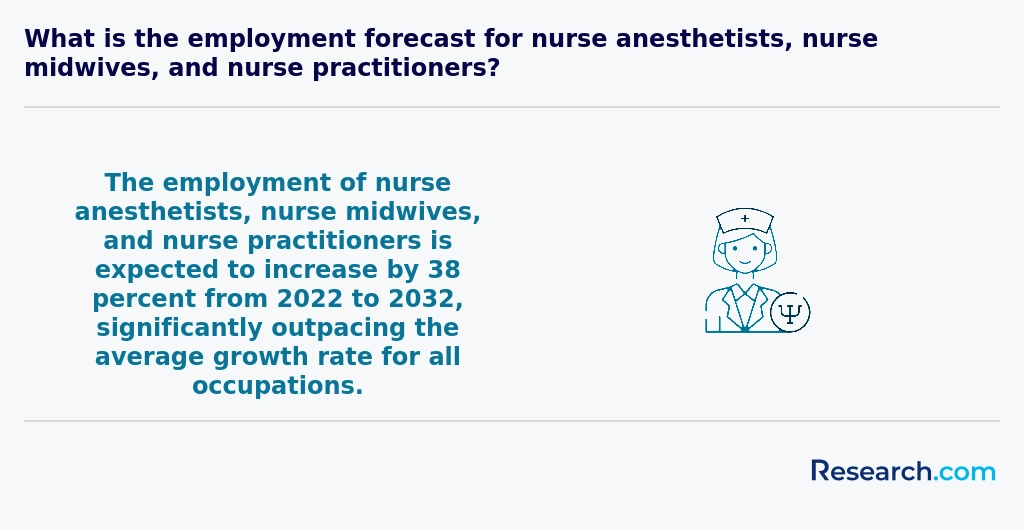
If you're considering a nursing degree in America, there are tons of career paths waiting for you. Many grads start as registered nurses (RNs) working hands-on in hospitals or clinics, gaining real-world experience that shapes their future. Some even choose bigger cities or states with top nursing schools, which often opens doors to specialized roles like nurse practitioners, who actually diagnose and treat patients. Others dive deep into more focused areas like pediatrics or emergency care, where their skills make a tangible difference every day.
Graduates from popular colleges across the country often share how going beyond a Bachelor of Science in Nursing (BSN) to get a Master's or Doctorate can be a game-changer, leading to advanced roles like nurse anesthetists or nurse midwives. These positions not only pay well but also offer a fulfilling way to grow your career. Exploring nursing career opportunities in the USA is exciting because you can tailor your path depending on your interests and passions.
For anyone curious about cost-effective options, many students turn to programs highlighted in the Affordable Online Bachelor's in Nursing Degree Programs Ranking in Missouri, balancing quality education with manageable tuition fees.
Graduates from popular nursing programs at universities across the U.S. often find the nursing degree job outlook USA pretty encouraging. Many share stories of landing strong positions in hospitals or outpatient care centers shortly after finishing their studies. For example, those who earned their degree at big-name schools report that their BSN really opened doors, especially with hospitals seeking skilled nurses to handle growing patient loads driven by an aging population.
It's not just about becoming a registered nurse; there's a variety of nursing career opportunities in America, from nurse practitioners to specialized clinical roles that pay even better. Many grads talk about how their programs prepared them well for the realities of home health care or long-term care facilities - places that are always in need of qualified staff.
Costs can seem high, but many students consider it a smart investment. Some even explore pathways like the top 6 month associate online degree to kickstart their career fast. The overall job market for nursing grads across the U.S. remains strong, with solid wages and steady demand making it a popular and rewarding choice.
2027 Most Valuable Nursing Degree Programs Ranking in the USA
Investing in your education is a significant decision that can shape your future, and the Research.com team understands the importance of making informed choices. To assist prospective nursing students, we have meticulously crafted the "2027 Most Valuable Nursing Degree Programs Ranking in the USA." Our commitment to quality, credibility, and accuracy is reflected in the extensive research and analysis conducted to compile this ranking.
We utilized the following reputable data sources to ensure a comprehensive evaluation of nursing programs:
By exploring this ranking, readers will gain valuable insights into the most valuable nursing degree programs in the USA, empowering them to make well-informed decisions about their educational journey. For more details on how this ranking was created, please visit our Research.com methodology page.
# 1 position
United States University
Master of Science in Nursing


# 3 position
University of Phoenix-Arizona
Doctor of Nursing Practice

# 4 position
Western Governors University
Master of Science in Nursing

# 5 position
University of Phoenix-Arizona
Master of Science in Nursing

# 7 position
Thomas Edison State University
Master of Science in Nursing

# 8 position
University of Arkansas Grantham
Master of Science in Nursing


# 13 position
Western Governors University
Bachelor of Science in Nursing
# 14 position
Aspen University
Bachelor of Science in Nursing

# 15 position
University of Phoenix-Arizona
Bachelor of Science in Nursing
# 16 position
Aspen University
Master of Science in Nursing
# 17 position
Walden University
PhD in Nursing

# 18 position
Capella University
Doctor of Nursing Practice

# 19 position
Universidad Ana G. Mendez-Gurabo Campus
Master of Science in Nursing

# 20 position
Thomas Edison State University
Bachelor of Science in Nursing
Frequently Asked Questions About nursing
To maximize their learning experience, nursing students in America should combine strong academic study with practical clinical training. According to the American Association of Colleges of Nursing (AACN), hands-on experience through clinical rotations is essential for developing critical skills and confidence in patient care. Students are encouraged to engage actively with instructors and participate in simulation labs, which replicate real-life medical scenarios.
Utilizing resources such as tutoring services and study groups can enhance understanding of complex subjects like pharmacology and anatomy. Furthermore, staying current on healthcare trends and evidence-based practice, through journals like the Journal of Nursing Education, supports professional growth. Time management and self-care are also vital for balancing rigorous coursework and clinical hours effectively.
Emerging niches within the nursing field in America reflect shifts in healthcare needs and technology. One rapidly growing area is nurse informatics, where nurses integrate clinical care with data management to improve patient outcomes. According to the US Bureau of Labor Statistics (BLS), jobs in this specialty are expected to grow 13% from 2022 to 2032.
Another expanding field is geriatric nursing, driven by the aging Baby Boomer population needing specialized care. The BLS highlights a surge in demand for nurses skilled in managing chronic conditions prevalent among older adults.
Additionally, psychiatric-mental health nursing is gaining attention due to increasing awareness of mental health issues in the US. The American Psychiatric Nurses Association reports a critical shortage of qualified professionals in this niche.
After completing a nursing degree in America, preparing for the job market involves several strategic steps. First, obtaining licensure by passing the NCLEX-RN exam is essential, as it is mandatory for all registered nurses nationwide.
Graduates should build clinical experience through internships, externships, or volunteer work. According to the U.S. Bureau of Labor Statistics (2023), healthcare employers highly value practical experience in specialized settings such as hospitals or long-term care facilities.
Networking is also critical. Joining professional organizations like the American Nurses Association can provide valuable contacts and job leads. Additionally, tailoring resumes to highlight certifications, skills, and relevant clinical experience increases employability.
Employers in America prioritize several key skills when hiring nursing degree graduates. Clinical competence is fundamental; nurses must have strong patient care abilities and familiarity with medical technologies. According to the American Association of Colleges of Nursing (AACN), 90% of employers expect proficiency in electronic health records (EHR).
Communication skills are highly valued, as nurses coordinate with doctors, patients, and families daily. Problem-solving and critical thinking are also essential to manage complex situations quickly and effectively.
Leadership and teamwork capabilities are increasingly important, especially in fast-paced healthcare environments. The U.S. Bureau of Labor Statistics highlights that nurses who demonstrate adaptability and cultural competence have better employment prospects.
Finding nursing internships in America often begins through your nursing school's program. Many accredited nursing programs are required by the American Association of Colleges of Nursing (AACN) to provide clinical experiences, including internships or practicums, to ensure hands-on training.
Students can also search for internships via hospital websites, healthcare systems, or organizations like the American Nurses Association (ANA). In 2023, over 60% of nursing students reported securing internships through their academic institutions, highlighting the importance of school resources.
State nursing boards and local health departments sometimes offer internship listings. Additionally, online platforms such as Indeed and LinkedIn are useful for finding nursing internships, although candidates should verify the legitimacy of these opportunities carefully.
Networking with nursing professionals and attending healthcare career fairs can further improve chances of obtaining an internship relevant to nursing education and licensure preparation.
A nursing degree in America significantly enhances career mobility and advancement opportunities within the healthcare sector. According to the U.S. Bureau of Labor Statistics, registered nurses (RNs) with a bachelor's degree (BSN) have better prospects for leadership roles and specialized positions than those with an associate degree. Employers increasingly prefer BSN-prepared nurses due to a growing emphasis on evidence-based practice and patient outcomes.
Advanced degrees, such as a Master of Science in Nursing (MSN) or Doctor of Nursing Practice (DNP), open doors to roles in management, education, and advanced clinical practice.
Statistics from the American Association of Colleges of Nursing highlight that nurses with higher degrees have higher earning potentials and lower unemployment rates.
Studying for a nursing degree in America equips students with essential skills for interdisciplinary healthcare roles by integrating clinical knowledge with teamwork and communication training. Nursing programs emphasize collaboration with professionals such as physicians, pharmacists, and social workers, reflecting the complex nature of modern patient care.
According to the American Association of Colleges of Nursing (AACN), over 60% of nursing graduates engage in cross-disciplinary teams during clinical rotations, preparing them to coordinate care effectively. Coursework often includes case studies and simulations that mirror real healthcare settings, enhancing critical thinking across disciplines.
This approach ensures graduates are ready to contribute beyond traditional nursing duties, addressing holistic patient needs within diverse healthcare environments.
Choosing between a thesis and a non-thesis nursing degree program in America depends on your career goals and learning preferences. Thesis programs emphasize research skills and require you to write a detailed paper, which suits those interested in advanced clinical roles or doctoral studies. According to the American Association of Colleges of Nursing (AACN), about 30% of master's nursing programs offer a thesis option. Non-thesis programs focus more on practical skills and coursework, ideal for nurses seeking immediate clinical advancement or administrative positions.
Consider time commitment: thesis programs often take longer to complete. Also, think about funding, as some scholarships favor research-oriented paths. Understanding your long-term goals will guide your choice.
American students interested in studying nursing abroad have several pathways to consider. Many U.S. universities offer exchange programs or partnerships with foreign institutions, allowing students to earn clinical experience overseas while completing their degrees. For example, programs in Canada, the United Kingdom, and Australia are popular due to comparable nursing standards and language compatibility.
Additionally, some students pursue full nursing degrees at accredited foreign universities recognized by U.S. regulatory bodies. According to the National Council of State Boards of Nursing (NCSBN), graduates from internationally accredited programs must pass the NCLEX-RN exam to practice in the U.S.
Financial aid and scholarships specifically for study abroad in nursing can sometimes be accessed through organizations like the American Association of Colleges of Nursing (AACN). These options make international study more accessible for American students.
Part-time job opportunities can effectively complement nursing degree education in America by providing practical experience and income. Common roles include medical assistant positions, which allow students to perform basic clinical duties under supervision while enhancing patient care skills. According to the U.S. Bureau of Labor Statistics (BLS), medical assistant jobs are expected to grow 16% from 2021 to 2031, reflecting strong demand.
Other roles such as certified nursing assistant (CNA) positions offer hands-on experience with patient care, crucial for nursing students. These roles typically require short-term certification and provide exposure to healthcare environments.
Additionally, research assistant roles in nursing or medical studies help students gain valuable insight into evidence-based practice, crucial for advanced nursing education.
Many universities and hospitals also offer part-time administrative jobs in healthcare settings, which build organizational and communication skills useful for nursing careers.
Networking opportunities for nursing students in America are abundant and diverse. Many universities have nursing student organizations that connect peers and professionals through events and conferences. According to the American Association of Colleges of Nursing (AACN), participation in these groups improves job prospects by linking students with established nurses and recruiters.
Clinical placements and internships also serve as vital networking platforms, exposing students to healthcare teams in hospitals and clinics. Additionally, national organizations like the National Student Nurses' Association offer leadership development and networking events across states.
Attending local and national nursing conferences allows students to meet experts and learn about emerging trends in healthcare.
Alumni networks play a crucial role for nursing degree students in America by providing extensive professional connections. These networks connect current students with graduates working in diverse healthcare settings, which can be essential for internships and job placements. According to the American Association of Colleges of Nursing (AACN), 70% of nursing graduates find their first job through networking, often facilitated by alumni groups.
Additionally, alumni offer mentorship and career advice, helping students navigate licensing exams and advanced certifications like the NCLEX-RN. Universities often host alumni events, creating opportunities for students to learn about evolving healthcare trends and job market demands.
In the United States, nursing degree programs offer flexibility to align your studies with career ambitions. Many schools allow students to choose clinical specialties such as pediatrics, geriatrics, or emergency care through elective courses. This customization helps build expertise in a specific field.
Additionally, various programs offer options like accelerated BSN tracks for career changers and RN-to-BSN pathways for licensed nurses seeking advancement. According to the American Association of Colleges of Nursing, over 1,000 institutions provide such tailored programs in 2024.
Some universities also incorporate certifications and internships that prepare students for roles like nurse practitioner or nurse educator, which enhances employability and salary potential.
Nursing students in America often face significant challenges throughout their education. One major difficulty is managing the demanding coursework alongside clinical rotations. According to the American Association of Colleges of Nursing, students frequently report high levels of stress due to the intensive nature of nursing programs.
Another challenge is the financial burden. The cost of nursing education can be substantial, with average undergraduate tuition costs exceeding $8,000 per year at public institutions, not including fees and supplies.
Additionally, students must navigate rigorous licensure exams, such as the NCLEX-RN, which has a national average pass rate of about 88%.
These pressures require strong time management and resilience for success.
With a nursing degree in America, several professional certifications are available to advance your career. The most common certification is the Registered Nurse (RN) license, required to practice nursing nationwide. Beyond RN licensure, nurses can pursue specialty certifications such as the Critical Care Registered Nurse (CCRN) or the Certified Pediatric Nurse (CPN).
The American Nurses Credentialing Center (ANCC) and other bodies offer certifications that validate expertise in areas like gerontology, oncology, and emergency nursing. According to the National Council of State Boards of Nursing (NCSBN), over 4 million RNs hold active licenses as of 2023.
Additional certifications can increase job prospects and salary potential, making them valuable investments for nursing professionals.
To write a winning application for a nursing program in America, start by carefully reviewing each school's requirements. Many programs require a combination of prerequisites such as biology and chemistry courses completed with a minimum GPA, often around 3.0 or higher according to the American Association of Colleges of Nursing (AACN). Include a well-crafted personal statement that highlights your motivation, relevant experiences, and commitment to patient care. Strong letters of recommendation from healthcare professionals or educators can significantly strengthen your application. Additionally, performing well on standardized tests like the TEAS (Test of Essential Academic Skills) is important for competitive programs.
Globally, nursing is recognized as a vital and respected career, with strong demand across many countries. In the United States, the nursing profession is expected to grow by 9% from 2020 to 2030, according to the U.S. Bureau of Labor Statistics. This growth reflects the worldwide need for skilled nurses to address aging populations and expanding healthcare systems.
American nursing degrees are often highly regarded internationally, contributing to the mobility of U.S.-trained nurses. Many countries look to U.S. education standards, such as Bachelor of Science in Nursing (BSN) programs, as models of quality. This global perspective emphasizes advanced education and evidence-based practice, key elements of U.S. nursing curricula.
In addition, international collaboration on nursing research and public health initiatives highlights the profession's global importance. For prospective students in America, understanding these perspectives underscores the value of earning a nursing degree domestically while preparing for worldwide opportunities.
Gaining practical experience is a crucial part of studying for a nursing degree in America. Most accredited nursing programs require clinical hours, meaning students work directly with patients under supervision in hospitals or healthcare facilities. According to the American Association of Colleges of Nursing (AACN), Bachelor of Science in Nursing (BSN) programs typically include between 500 and 700 clinical hours.
Students often participate in simulation labs to practice skills in a controlled environment before entering real clinical settings. Additionally, some schools offer externships or internships that allow learners to gain experience while still enrolled.
Volunteering at clinics or healthcare centers also helps build practical skills and professional networks important for future employment.
Choosing the right concentration within a nursing degree program in America depends on your career goals and interests. Common concentrations include family nurse practitioner, pediatric nursing, gerontology, and psychiatric nursing. According to the American Association of Colleges of Nursing (AACN), some specialties offer higher job growth, like nurse practitioners, which are projected to grow 45% from 2021 to 2031 per the U.S. Bureau of Labor Statistics.
Consider which patient population you want to serve and your preferred work environment, such as hospitals, clinics, or community settings. Reviewing job market trends and certification requirements can help narrow your focus. Many programs allow you to switch concentrations if your interests change during study.
See What Experts Have To Say About Studying Nursing
Read our interview with Nursing experts

Lisa Grubb
Nursing Expert
Assistant Professor
Johns Hopkins School of Nursing

- How Do Nurses Navigate Career Advancement? | NursingEducation https://nursingeducation.org/insights/career-advancement/
- How Long Is Nursing School in The USA? https://www.shiftmed.com/professionals/blog/how-long-is-nursing-school-in-the-usa/
- Recruitment procedure - University Admission Office https://admission.mug.edu.pl/29318.html
- Thesis vs non- thesis : what is the difference? https://studyfans.com/en/blogs/816
- Nursing Internships Abroad: Build Your Career https://www.real-step.com/en/articles/nursing-internships-abroad/
- Your Path to Becoming a Nurse. https://www.allnursingschools.com/how-to-become-a-nurse/
- Nurse Salary https://nursinglicensemap.com/resources/nurse-salary/
- Nursing - Admission SUM Medicine https://admission.sum.edu.pl/nursing/
- Nursing Education Pathways https://www.aacnnursing.org/students/nursing-education-pathways
- School of Nursing Alumni Resources https://nursing.utmb.edu/About/Alumni