
2027 Best Online Nursing Degree Programs Ranking in Pennsylvania

Co-Founder and Chief Data Scientist
Choosing the right nursing degree program is an important step for aspiring nurses in Pennsylvania. Our article presents the 2027 Best Online Nursing Degree Programs Ranking in Pennsylvania, created by the Research.com team of data scientists to guide you toward the best options.
Whether you're starting your nursing journey or advancing your career, this ranking helps you make an informed decision. Discover programs that fit your goals and lifestyle, and take a confident step toward a rewarding profession in healthcare.
Key benefits of getting online nursing degree in Pennsylvania
- Registered Nurses and specialized roles like Operating Room Nurses in Pennsylvania earn competitive wages, with salaries averaging $94,480 to $128,490 annually, ensuring financial stability after graduation.
- Graduates from Pennsylvania universities can pursue diverse careers, including Public Health Nurse, Clinical Nurse Educator, or Emergency Room Nurse, offering rewarding opportunities to impact community health.
- Online nursing degrees provide flexible schedules and accessibility, allowing students from Pennsylvania to balance work and study effectively, just like many successful online graduates from local universities.
- 2027 Best Online Nursing Degree Programs Ranking in Pennsylvania
- What can I expect from online nursing degree in Pennsylvania?
- Where can I work with online nursing degree in Pennsylvania?
What can I expect from online nursing degree in Pennsylvania?
The average cost of an online nursing degree in Pennsylvania varies significantly, often falling between $15,000 and $40,000 depending on the institution and degree level. Graduates from well-known institutions like Penn State World Campus or Drexel University commonly reflect on their investment as worthwhile, appreciating how competitive in-state tuition rates and financial aid options helped ease their financial burden.
Many students report that the balance of online coursework with local clinical placements contributed to a flexible yet rigorous learning experience. For example, a working adult pursuing a BSN at a public university might find in-state tuition reduces costs considerably compared to private options. Scholarships and grants specifically aimed at nurses also played a pivotal role for several alumni in managing expenses.
As Pennsylvania's nursing workforce grows, future programs may introduce more robust support for affordability, such as income-share agreements or expanded state-sponsored aid, further enhancing access. Students envision a future where high-quality, accredited online nursing education is increasingly affordable and accessible without compromising on essential clinical training hours.
Where can I work with online nursing degree in Pennsylvania?
Graduates with online nursing degrees from institutions like Penn State or Drexel University often find themselves welcomed by major healthcare employers such as UPMC or Penn Medicine. Many recall starting their careers in bustling hospital wings, thriving under the mentorship of experienced nurses while managing critical care or pediatric cases. The convenience of an online degree combined with Pennsylvania's active RN licensing opens doors to diverse settings beyond hospitals, including long-term care facilities and outpatient clinics that serve both urban and rural communities.
Some graduates share how their roles evolved as they moved into home healthcare, visiting patients in their own environments-an expanding field fueled by the growing preference for personalized treatment. Others have embraced positions in nursing homes or rehabilitation centers, experiences that deepen empathy and professional growth. Thanks to Pennsylvania's healthcare demand and evolving job market, students finishing online nursing programs feel optimistic about flexible career paths that balance meaningful patient care with personal fulfillment.
Graduates with an online nursing degree in Pennsylvania can anticipate strong earning potential, reflecting the state's robust healthcare sector. Registered Nurses (RNs) typically earn a mean annual wage of about $94,480. For example, many who completed their studies at well-known Pennsylvania institutions find rewarding positions in hospitals or outpatient clinics where this competitive salary applies.
Specialized nursing roles offer even greater financial rewards. Operating Room Nurses stand out with mean annual wages around $128,490, highlighting how advanced skills and certifications can substantially boost income. Graduates from popular Pennsylvania nursing programs often share stories of progressing into these specialized roles within a few years, increasing their salaries and job satisfaction.
Moreover, clinical nurse educators and public health nurses in Pennsylvania earn comparable mean wages of $94,480, reflecting the state's commitment to diverse nursing career paths. As the demand for healthcare evolves, online degree holders are uniquely positioned to adapt, combining flexibility in education with promising future salary growth.
- Online nursing degrees in Pennsylvania offer flexible options with programs at the associate, bachelor's, and master's levels.
- Tuition costs vary: BSN programs range from $20,000 to $45,000, while ADN programs average between $10,000 and $20,000.
- Early-career registered nurses earn about $65,000 annually, with experienced nurses holding an MSN earning between $90,000 and $110,000.
- Nurse employment in Pennsylvania is projected to grow by nearly 12% through 2030, driven by an aging population and healthcare expansion.
- Licensure requires passing the NCLEX-RN exam and obtaining approval from the Pennsylvania State Board of Nursing after graduation.
Completing an online nursing degree in Pennsylvania typically ranges from two to four years, but the future may bring even more flexibility and speed. Graduates from well-known institutions like the University of Pennsylvania and Penn State report that Associate Degree in Nursing (ADN) programs usually take two to three years, making them an accessible starting point for many. Meanwhile, Bachelor of Science in Nursing (BSN) students at schools such as Drexel University often finish in about four years, though RN-to-BSN bridge options frequently reduce this to just over a year, providing quicker paths for working nurses eager to advance.
Looking ahead, some nursing students envision accelerated programs using adaptive online technologies that could further shorten these timelines without sacrificing quality. At Thomas Jefferson University, for example, future students might benefit from enhanced virtual simulation labs that substitute some clinical hours, allowing part-time learners to progress steadily despite busy work schedules.
Master's level nursing degrees typically require two to three years full-time, yet part-time online options extend up to four years, accommodating diverse lifestyles. Many Pennsylvania graduates highlight the satisfaction of balancing studies with family and work, grateful for the online formats that make this possible while preparing them thoroughly for the evolving healthcare landscape.
Preparing for Pennsylvania licensure and excelling on the NCLEX-RN is the pivotal final step in your online nursing journey. Upon graduation, you must meet the Pennsylvania State Board of Nursing requirements-submitting transcripts, completing a criminal background check, and registering for the NCLEX-RN exam. Accredited programs typically offer dedicated NCLEX review courses, practice question banks, and virtual tutoring to reinforce key topics such as pharmacology, medical-surgical nursing, and patient safety. In 2023, online BSN graduates from Pennsylvania reported an average first-time NCLEX-RN pass rate of 88%, underscoring the effectiveness of structured licensure support. To maximize your success:
- Begin exam preparation early by integrating NCLEX-style questions into weekly study routines.
- Leverage program-provided resources-virtual simulation labs, flashcard apps, and peer study groups-to build confidence.
- Consult with academic advisors about specialized review workshops or third-party prep providers. Financial and geographic considerations often shape your choice of program. If you’re comparing costs and outcomes across regions, explore our Affordable Nursing Degree Programs Ranking in the West for additional insights into cost-effective pathways to NCLEX success. By proactively engaging with licensure requirements and utilizing robust exam preparation tools, you’ll be well-positioned to achieve NCLEX-RN certification and begin your career as a Registered Nurse in Pennsylvania.
Students pursuing nursing degrees at institutions like the University of Pennsylvania or Pennsylvania State University often describe online programs as a way to balance life's demands while advancing their careers. Imagine completing coursework late at night after a full workday-this flexibility is a major draw for working adults or parents. Yet, no matter the format, Pennsylvania mandates in-person clinical hours, so online learners still gain hands-on experience in local hospitals or clinics, which brings a sense of real-world accomplishment and confidence.
On-campus students at schools such as Drexel University appreciate the immediacy of face-to-face interactions with professors and peers, often recalling how collaborative lab sessions helped solidify complex concepts. They enjoy the energy of campus life and access to on-site resources like simulation labs. However, many graduates say they found commuting and rigid schedules challenging.
Looking ahead, hybrid models might blend these strengths, allowing students more freedom while ensuring clinical proficiency. Both paths in Pennsylvania offer strong pathways to licensure and professional growth, shaped by each student's unique lifestyle and ambitions.
When considering an online nursing degree in Pennsylvania, affordability is a crucial factor. Prospective students should explore options that offer a balance between quality education and financial feasibility. For those interested in cost-effective alternatives, researching affordable nursing schools in Pennsylvania can provide valuable insights. This involves looking into tuition costs, financial aid options, and potential return on investment in terms of career opportunities and salary potential. By understanding the financial aspects of online nursing programs, students can make informed decisions that align with their budget and career goals, ultimately enhancing their overall educational experience and future prospects in the nursing field.
The average cost of an online nursing degree in Pennsylvania typically centers around $22,000 for in-state students, with the median total cost nearing $34,200 overall. Graduates from well-known institutions, like Pennsylvania State University's World Campus, often share that while tuition per credit can seem steep, such as approximately $543 per credit, the investment translates into quality education and valued credentials. Meanwhile, students opting for community colleges or public universities find the Pennsylvania online nursing degree tuition fees more manageable, often enabling them to complete their degrees without overwhelming debt.
Many nursing students describe the experience as empowering because the mix of affordability and flexibility allows them to balance work, family, and studies. For instance, RN-to-BSN pathways offered online at several Pennsylvania colleges provide an accessible route with reduced per-credit costs, supporting those already working in healthcare to advance their careers. These real-life choices reflect a growing trend toward balancing cost-efficiency with ambitious educational goals, reshaping the way nursing degrees are pursued.
Financial aid remains an essential factor in this dynamic, as federal grants, scholarships, and employer tuition assistance commonly lower net expenses, providing relief and hope to future nurses. Prospective students can explore options through affordable nursing schools in Pennsylvania, which emphasize transparent costs and scholarship opportunities, making the dream of a nursing career more attainable than ever.

Aspiring nurses must satisfy Pennsylvania State Board of Nursing licensure requirements and pass the NCLEX-RN exam to practice. Most online programs integrate NCLEX prep into their curricula by offering: • State Board Eligibility: Ensure your chosen program is approved by the Pennsylvania State Board of Nursing and accredited by CCNE or ACEN. Graduates are then eligible to apply for RN licensure. • Clinical Hour Verification: Online programs partner with local healthcare facilities to document the required 500–700 clinical hours. Virtual simulation platforms supplement hands-on learning for scenarios not available on site. • NCLEX-RN Review Courses: Quality programs include comprehensive review modules, practice question banks, and live or recorded Q&A sessions with faculty. Tracking tools help monitor strengths and target areas for improvement. • Pass Rate Transparency: Look for published first-time NCLEX pass rates (ideally above 85%) when comparing schools. High pass rates indicate robust academic support and exam readiness. • Study Strategies and Resources: Successful students recommend forming virtual study groups, scheduling dedicated daily review times, and using reputable third-party resources. Many also benefit from state-specific NCLEX workshops and flashcard apps. For those aiming to advance beyond RN licensure, accelerated pathways exist. Explore our guide to accelerated nurse practitioner programs for non nurses to fast-track your transition into advanced practice roles.
Online nursing students in Pennsylvania frequently benefit from a variety of financial aid options that make their education more attainable. Many graduates from popular institutions like the University of Pennsylvania or Temple University describe how federal aid such as Pell Grants-offered after completing FAFSA-provided crucial, non-repayable support that eased their financial stress during studies.
State-specific grants from programs administered by the Pennsylvania Higher Education Assistance Agency (PHEAA) also play an important role. For example, nursing students committed to serving underserved communities often find these scholarships rewarding, both financially and personally, as one graduate from Villanova University shares how such aid allowed them to focus fully on their studies without the distraction of debt worries.
Institutional scholarships, especially those recognizing merit and professional experience, frequently lighten the load for students at schools like Drexel University. Graduates mention feeling motivated and valued when receiving these awards, fueling their drive to excel.
Employer tuition reimbursement is another key resource for working nurses pursuing online degrees, where healthcare employers in Pennsylvania invest in their staff's growth. Loan forgiveness programs like the Nurse Corps Loan Repayment often inspire hope, transforming daunting debt into a manageable step toward fulfilling meaningful careers.
Understanding licensure success helps you choose a program that delivers real results. In Pennsylvania, nursing graduates aim for high NCLEX-RN and NCLEX-PN first-time pass rates to secure their careers.
- Pennsylvania Board of Nursing 2023 average NCLEX-RN pass rate: 88%
- Leading online BSN programs in PA: 92%–96% first-time pass rates
- ADN-to-BSN pathways: typically 89%–93% first-time pass rates
- MSN-prepared APRNs (NCLEX-APRN): up to 98% pass rates
When evaluating programs:
- Review published outcomes on school websites or state reports
- Confirm program approval by the Pennsylvania Board of Nursing
- Look for regular updates on clinical competency and simulation results
For nurses ready to advance after a BSN, consider affordable np programs to balance quality outcomes with budget-friendly options.
To enroll in an online nursing degree in Pennsylvania, students often start by securing a high school diploma or GED, a straightforward yet crucial step many graduates recall as a moment of pride and momentum. At universities like Temple or Penn State, prospective nursing students then tackle prerequisite courses in anatomy, microbiology, chemistry, nutrition, and psychology. Alumni from these programs share how mastering these subjects not only built their confidence but also deepened their enthusiasm for nursing.
Many found completing these prerequisites with a grade of C or better challenging but rewarding, especially when transfer credits or online classes offered flexibility to balance work and study. Those aiming for advanced degrees like a BSN or MSN emphasize the importance of holding an active nursing license in Pennsylvania, a requirement that helps bridge practical experience with academic growth.
Background checks and immunization proof add layers of readiness, reflecting real clinical settings graduates describe as energizing and motivating. Access to nearby Philadelphia and Pittsburgh health facilities makes completing clinical hours smoother for online students, fueling their excitement as they apply theory to real-world care.
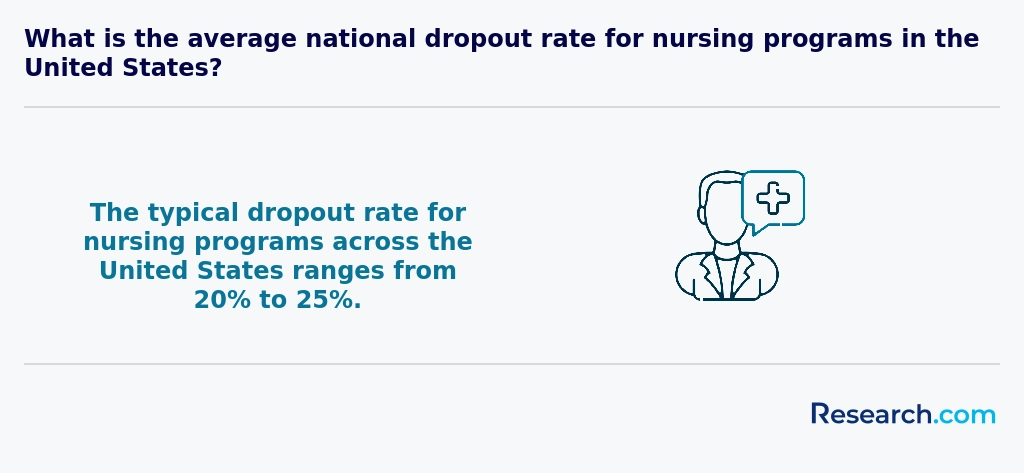
Ensuring your online nursing program in Pennsylvania is accredited is the first step toward earning the credentials you need to sit for the NCLEX-RN exam and secure licensure. Reputable accrediting bodies such as the Commission on Collegiate Nursing Education (CCNE) and the Accreditation Commission for Education in Nursing (ACEN) validate that programs meet national quality standards in curriculum, faculty qualifications, and student support services. Before enrolling, confirm that your institution holds regional accreditation and that its nursing track is CCNE- or ACEN-approved to guarantee eligibility for Pennsylvania State Board of Nursing licensure. Pennsylvania requires graduates of nursing programs to pass the NCLEX-RN within a specified timeframe after graduation. Programs typically report NCLEX-RN pass rates on their websites or through state education dashboards-aim for schools with first-time pass rates at or above the national average (around 88–90%). High pass rates signal robust academic preparation and effective exam review resources. In addition to accreditation, consider articulation agreements and bridge pathways for advanced practice. For instance, if you plan to pursue an accelerated BSN without on-site clinicals, compare online RN-to-BSN options. Our guide to rn to bsn no clinical hours outlines programs that align with Pennsylvania’s licensure requirements and streamline your journey from RN to BSN. Finally, stay informed of continuing education mandates and license renewal cycles enforced by the Pennsylvania State Board of Nursing. Accredited programs often provide guidance on required contact hours, ethics credits, and specialty certifications, ensuring you maintain your license and advance your career seamlessly.
Online nursing degree programs in Pennsylvania typically include courses that blend foundational sciences with advanced practical skills, preparing students for real-world challenges. Graduates from well-known institutions such as Penn State and the University of Pennsylvania often speak about how courses like Human Anatomy and Physiology or Pharmacology equipped them to understand patient care on a deeper level. These classes become vivid when, for example, learners participate in virtual labs simulating body systems or medication effects.
Specialized courses in Medical-Surgical Nursing and Pediatric Care allow students to envision treating patients across various stages of life, while Mental Health Nursing teaches empathy and communication vital for psychiatric settings. A graduate from a Philadelphia-based program shared how the Nursing Leadership classes inspired confidence to take charge during clinical rotations at local hospitals.
Emerging trends in Pennsylvania's online programs include integrating evidence-based practice with healthcare ethics, empowering students to advocate effectively within policy frameworks. Clinical practicums arranged at nearby health centers close the loop, letting students experience care delivery firsthand, which many find both rewarding and assuring as they prepare for licensure exams.
Online nursing degree specializations Pennsylvania programs often include tracks like Registered Nurse (RN) to Bachelor of Science in Nursing (BSN), which is favored by many graduates from well-known universities across the state. These students frequently share how advancing their education has opened doors to greater leadership roles and better pay, highlighting the rewarding path of the rn to bsn no clinical hours option that fits busy schedules perfectly.
Nursing career options Pennsylvania online programs also extend to Nursing Administration and Leadership, where graduates describe feeling empowered to impact healthcare systems in both urban Philadelphia and rural communities. The challenge of managing teams and influencing care policy speaks to nurses eager for professional growth and a broader influence on patient outcomes.
Emerging specializations like Family Nurse Practitioner (FNP), Psychiatric-Mental Health Nursing, and Geriatric Nursing reflect the evolving healthcare landscape, helping nurses specialize in vital areas that respond to Pennsylvania's diverse population needs. Graduates from regional colleges often emphasize the fulfillment of serving families, elders, and mental health patients, showing how deeply these programs resonate on a personal and community level.
Choosing the best online nursing degree in Pennsylvania means focusing on programs approved by the Pennsylvania State Board of Nursing, ensuring eligibility for licensure and the NCLEX-RN exam. Graduates from popular universities in the state often express satisfaction with programs that balance rigorous academics and real-world clinical experiences tailored to Pennsylvania's healthcare environment. Many find that programs accredited by the Commission on Collegiate Nursing Education or the Accreditation Commission for Education in Nursing provide confidence in quality education and recognition nationwide.
Considering affordability is key. Students sharing their journeys commonly highlight how affordable nursing degrees Pennsylvania online, especially from public universities, helped them avoid crushing debt while accessing strong support systems. Flexibility also shapes success stories - asynchronous courses allow working nurses to progress without sacrificing family time, though local clinical placements remain essential, fostering valuable in-person learning.
Future-focused students might explore specialized paths inspired by graduates who advanced quickly through accelerated nurse practitioner programs for non nurses, blending innovation with traditional nursing roles. These examples reveal how to navigate diverse options while focusing on programs that offer strong NCLEX pass rates and practical state-specific training.
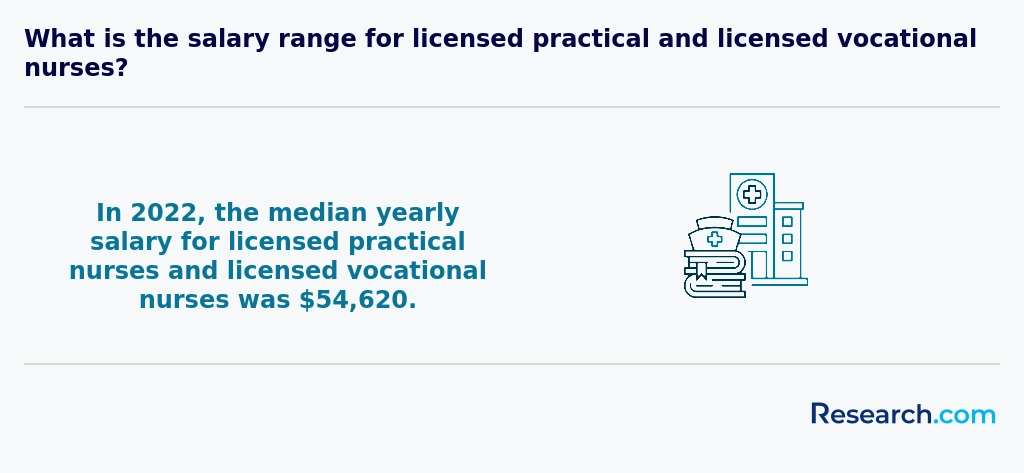
Graduates from online nursing degree programs in Pennsylvania discover a variety of career paths that reflect the evolving healthcare landscape. Many find fulfillment working as Registered Nurses (RNs) in hospitals or community health organizations across the state, benefiting from Pennsylvania's strong job prospects and median salary. Others pursue specialization in roles such as Nurse Practitioners or Clinical Nurse Specialists, leveraging advanced training to provide specialty care that significantly impacts patient outcomes.
Some graduates from popular nursing programs at Pennsylvania colleges express excitement about becoming Nurse Educators, where they shape the future of nursing by teaching in local colleges or clinical settings. Leadership roles like nurse managers and healthcare administrators also appeal to those eager to influence healthcare systems, often combining clinical experience with management skills.
As online nursing career options Pennsylvania continue to expand, professionals appreciate how flexible education supports these ambitions. The path to success is made more accessible by resources like the Affordable Nursing Degree Programs Ranking in the West, helping students find cost-effective ways to achieve their goals in a thriving job market.
The job market for online nursing degree graduates in Pennsylvania is highly promising, fueled by a persistent demand for skilled healthcare professionals across the state. Graduates from well-regarded programs at public universities and community colleges often find themselves quickly recruited by hospitals and outpatient centers eager to fill nursing roles. Many share stories of seamless transitions from virtual classrooms to hands-on clinical positions, highlighting the strong job outlook for nursing graduates Pennsylvania offers.
With Pennsylvania's aging population driving healthcare needs, nursing shortages create abundant job opportunities, particularly for those completing state-approved online nursing degrees. New graduates often feel confident stepping into roles as registered nurses or nurse practitioners, securing competitive salaries around $75,000 annually or higher for advanced practice nurses. This encouraging environment motivates students to pursue nursing through flexible online programs while envisioning rewarding careers.
As these graduates settle into their roles, they find that the blend of education and real-world demand means ongoing professional growth, especially when supported by state licensure and preparation for the NCLEX-RN exam. For those exploring pathways, considering the best careers introverts can also lead to recognition of nursing's unique fit for many personality types.
2027 Best Online Nursing Degree Programs Ranking in Pennsylvania
Investing in your education is a significant decision that can shape your future, and the Research.com team understands the importance of making informed choices. To assist prospective nurses in Pennsylvania, we have meticulously crafted the "2027 Best Online Nursing Degree Programs Ranking in Pennsylvania." Our commitment to quality, credibility, and accuracy is reflected in the extensive research and analysis conducted to compile this ranking.
We utilized the following reputable data sources to ensure a comprehensive evaluation of nursing programs:
By exploring this ranking, readers will gain valuable insights into the best online nursing degree programs available in Pennsylvania, helping them make confident and well-informed decisions about their educational journeys. For more details on our methodology, please visit our Research.com methodology page.


# 6 position
Penn State University Park
Master of Nursing


# 14 position
Penn State University Park
Nursing, RN to BSN

# 19 position
Penn State University Park
Doctor of Nursing Practice - Leadership

Frequently Asked Questions About nursing
Online nursing degree students in Pennsylvania can maximize their learning by actively engaging with their coursework and using available digital resources. Participating regularly in virtual discussions helps deepen understanding and build professional connections. Pennsylvania boasts over 80 accredited nursing programs, many offering clinical placements nearby to meet state licensure requirements. Seeking local clinical experiences is essential, as hands-on practice complements online theory. Utilizing academic support services, such as tutoring or writing centers, improves outcomes. According to the Pennsylvania State Nurses Association, students who balance theoretical study with practical application tend to perform better on the NCLEX-RN exam. Time management and self-discipline also play key roles in success.
The nursing field in Pennsylvania is witnessing growth in several emerging niches driven by evolving healthcare needs. One such area is gerontological nursing, responding to Pennsylvania's aging population; nearly 19% of residents are age 65 or older, according to the U.S. Census Bureau (2020). This increases demand for nurses specialized in elderly care and chronic disease management.
Another expanding niche is telehealth nursing. The pandemic accelerated adoption of remote patient monitoring and virtual consultations, making telehealth proficiency increasingly valuable for Pennsylvania nurses. Additionally, nurse informaticists who combine clinical expertise with data management skills are gaining importance as hospitals modernize electronic health records (EHRs).
Behavioral health nursing is also on the rise, reflecting the state's increased focus on mental health services. These specialties offer promising career opportunities for those pursuing online nursing degrees in Pennsylvania.
After earning an online nursing degree in Pennsylvania, preparing for the job market involves several key steps. First, graduates should obtain licensure by passing the NCLEX-RN exam, essential for registered nurses nationwide. In Pennsylvania, the State Board of Nursing manages this process. Next, building clinical experience through internships or volunteer work enhances employability.
The Pennsylvania Department of Labor reports a projected 15% growth in registered nursing jobs through 2030, indicating strong demand. Graduates should also craft a clear resume highlighting both online education and practical skills.
Networking with local healthcare providers and joining nursing associations like the Pennsylvania State Nurses Association can open professional opportunities. Continuing education and certifications specific to areas such as gerontology or critical care increase competitiveness in this expanding market.
Employers in Pennsylvania prioritize strong clinical skills and the ability to deliver patient-centered care in nursing graduates. According to the Pennsylvania State Nurses Association, proficiency in patient assessment, critical thinking, and medication management are essential. Effective communication skills, both with patients and healthcare teams, are also in high demand. Additionally, familiarity with electronic health records (EHR) systems is increasingly important as hospitals adopt digital tools. Knowledge of state-specific healthcare regulations and compliance improves a nurse's readiness for Pennsylvania's healthcare environment. Emotional resilience and adaptability are valued to handle the demanding, fast-paced nature of nursing roles in diverse clinical settings.
Finding nursing internships in Pennsylvania involves a few key steps, especially for online nursing students. Start by consulting your school's career services or clinical placement office, as many online programs have partnerships with local hospitals and clinics. The Pennsylvania State Board of Nursing requires clinical experience as part of licensure, making internships essential.
Look for opportunities within major healthcare systems like Penn Medicine or UPMC, which often offer structured nursing internships. You can also explore listings on the Pennsylvania Center for Nursing Careers website for local clinical positions.
Networking through professional bodies such as the Pennsylvania State Nurses Association can open doors to internship options.
Obtaining an online nursing degree in Pennsylvania can significantly enhance career mobility and advancement opportunities. The state's healthcare sector is expanding, driven by an aging population and increased demand for skilled nurses. According to the Pennsylvania Department of Labor & Industry, registered nursing is among the top-growing occupations, with a projected 6% job growth through 2030.
Online nursing programs accredited by organizations such as CCNE ensure graduates meet Pennsylvania's licensure requirements, facilitating seamless entry into diverse clinical and administrative roles. Advanced degrees further allow nurses to qualify for leadership, specialized practice, and teaching positions.
As many hospitals and healthcare providers in Pennsylvania value flexible, accredited online education, nurses with such qualifications often experience faster promotions and higher salary potential.
Studying for a nursing degree in Pennsylvania equips students with the skills needed for interdisciplinary roles in healthcare. Pennsylvania's nursing programs emphasize collaboration between nurses, doctors, social workers, and other health professionals to provide patient-centered care. The Pennsylvania State Board of Nursing requires curricula to include communication, leadership, and ethical decision-making, which are essential in team-based healthcare settings.
According to the Pennsylvania Action Coalition, about 60% of nursing graduates work in settings that demand cross-professional coordination, such as hospitals and community clinics. Programs often integrate case studies and simulation exercises focusing on teamwork and complex patient needs.
These experiences foster competencies critical for navigating diverse healthcare teams and improving outcomes.
Choosing between a thesis and a non-thesis nursing degree program in Pennsylvania depends on your career goals and learning preferences. Thesis programs focus on research and academic writing, ideal for students interested in advancing to doctoral studies or research roles. Non-thesis options emphasize practical experience and coursework, appealing to professionals who want to enhance clinical skills and enter leadership or management positions more quickly.
According to the Pennsylvania State Board of Nursing, there are over 60 accredited online nursing programs offering both formats. Completion rates vary, with thesis tracks generally requiring more time due to research demands. Consider how you plan to use your degree and the time you can commit before deciding.
Students based in Pennsylvania interested in studying nursing abroad while pursuing an online degree have limited direct options due to the nature of nursing licensure and educational accreditation. Nursing programs must meet strict state and national standards, which often means Pennsylvania students enroll in online programs accredited by bodies recognized by the Pennsylvania State Board of Nursing and the Commission on Collegiate Nursing Education (CCNE) or Accreditation Commission for Education in Nursing (ACEN).
For those looking to gain international experience, some online programs offer clinical placements or study abroad opportunities in partner countries. However, students must ensure any foreign clinical hours comply with Pennsylvania's licensing requirements.
According to the Pennsylvania State Board of Nursing, graduates must pass the NCLEX-RN exam and meet state-specific criteria, making international degrees less common for licensure in Pennsylvania unless properly accredited. The Bureau of Labor Statistics projects a 9% growth for registered nurses in Pennsylvania through 2032, highlighting strong local demand.
Part-time job opportunities in Pennsylvania can effectively complement nursing degree education by offering practical experience and financial support. Many students work as certified nursing assistants (CNAs) or patient care technicians while enrolled in online nursing programs. These roles provide hands-on exposure to clinical settings, enhancing understanding of patient care standards.
Hospitals and long-term care facilities in Pennsylvania frequently hire part-time nursing assistants, with the Bureau of Labor Statistics reporting an average hourly wage of $14.50 in 2023. Additionally, medical receptionist positions in outpatient clinics help develop administrative skills relevant to nursing practice.
Volunteering in community health organizations also benefits students by broadening public health knowledge and networking opportunities within Pennsylvania's healthcare system.
Online nursing students in Pennsylvania have access to a variety of networking opportunities despite the digital format of their programs. Many universities partner with local hospitals and health systems, encouraging students to participate in virtual and in-person clinical rotations that foster professional connections.
The Pennsylvania State Nurses Association (PSNA) offers online events, webinars, and forums that allow students to engage with practicing nurses and healthcare leaders statewide. Joining such professional organizations is a strong way to build contacts and stay informed about job openings.
Additionally, some schools host virtual career fairs and alumni networking sessions to connect students with employers in Pennsylvania's healthcare industry. According to the Bureau of Labor Statistics, Registered Nursing jobs in Pennsylvania were projected to grow 7% from 2022 to 2032, increasing the importance of effective networking.
Alumni networks play a crucial role for online nursing degree students in Pennsylvania by offering valuable professional connections. These networks connect current students with experienced graduates working across the state's healthcare system, enabling mentorship and guidance.
Through alumni groups, students gain access to job postings and clinical placement opportunities that might not be widely advertised. According to the Pennsylvania State Nurses Association, networking increases employment chances by up to 30% after graduation.
Moreover, alumni can share insights about evolving nursing standards and continuing education options within Pennsylvania, helping students stay informed.
This support strengthens career development and enhances student confidence as they enter the competitive nursing field.
Many online nursing degree programs in Pennsylvania offer flexible curricula that help students tailor their education to specific career goals. You can often choose from various specialties, including family nurse practitioner, psychiatric nursing, or healthcare leadership. Pennsylvania's nursing boards emphasize state-approved clinical experiences, allowing students to complete hands-on practice in healthcare settings near their homes.
Additionally, Pennsylvania institutions frequently provide elective courses and certificate options that align with in-demand roles. According to the Pennsylvania State Board of Nursing, demand for nurse practitioners is projected to grow substantially through 2030, making specialization a strategic choice. Customizing your program enhances both your expertise and employability within the state's healthcare market.
Online nursing students in Pennsylvania face several distinct challenges. A primary concern is the requirement for hands-on clinical experience, which must be completed in person despite the coursework being online. This can create scheduling difficulties, especially for students balancing work and family obligations. According to the Pennsylvania State Nurses Association, securing clinical placements has become increasingly competitive, impacting timely program completion.
Additionally, students may encounter technological barriers, including unreliable internet access in rural areas of the state. Studies by the Pennsylvania Department of Education show that about 13% of households in rural regions lack broadband connectivity, complicating participation in online lectures and communication.
Lastly, navigating state-specific nursing licensure requirements adds complexity. Pennsylvania mandates that online program clinical hours comply with state regulations, requiring students to stay well-informed and often seek guidance. These factors combined can create a challenging environment for online nursing students aspiring to enter Pennsylvania's healthcare workforce.
An online nursing degree from Pennsylvania can open doors to various professional certifications that enhance your career opportunities. After completing your degree, you may pursue certifications such as the Certified Registered Nurse Anesthetist (CRNA), Certified Nurse Midwife (CNM), or Certified Nurse Practitioner (CNP), each requiring additional clinical experience and passing national exams.
Many Pennsylvania nurses also seek certifications in specialty areas like oncology, pediatrics, or gerontology through organizations like the American Nurses Credentialing Center (ANCC). According to the Pennsylvania State Board of Nursing, maintaining licensure requires continuing education, often linked to certification renewal.
Obtaining these certifications demonstrates expertise and can improve salary prospects and job security in Pennsylvania's competitive healthcare market.
To write a winning application for an online nursing program in Pennsylvania, start with a clear, well-structured personal statement. Emphasize your motivation for nursing, relevant experience, and commitment to healthcare. Programs typically require a minimum GPA of 3.0, so highlight your academic strengths clearly.
Include strong letters of recommendation from professors or healthcare professionals who can attest to your skills and character. Pennsylvania's nursing workforce demand is high, as reported by the Pennsylvania Center for Workforce Information & Analysis, so also demonstrate how you plan to meet regional healthcare needs.
Many programs require prerequisite courses; ensure all transcripts reflect these accurately. Lastly, prepare for any required entrance exams, like the TEAS, by practicing rigorously to meet or exceed program benchmarks.
Nursing is recognized worldwide as a vital and growing profession. In the United States, including Pennsylvania, the demand for skilled nurses continues to rise due to an aging population and expanded healthcare needs. Globally, nursing careers offer opportunities to work in diverse settings, from hospitals to community health programs.
Many countries share similar education standards, emphasizing bachelor's degrees and specialized training. Pennsylvania reports that registered nurses earn a median annual wage of about $75,000, reflecting both opportunity and responsibility.
Online nursing degrees in Pennsylvania align with these global trends by providing accessible education that meets national accreditation standards. This flexibility supports students balancing work and study, helping to address local and international nursing shortages effectively.
Gaining practical experience is essential when pursuing an online nursing degree in Pennsylvania. Most accredited programs include clinical rotations at approved healthcare facilities close to the student's location. These hands-on experiences are supervised and help develop real-world nursing skills.
Students typically complete hundreds of clinical hours as part of their curriculum, ensuring compliance with Pennsylvania State Board of Nursing requirements. According to the Pennsylvania State Board of Nursing, clinical practice is mandatory for licensing and must be completed under approved preceptors.
Some programs partner with local hospitals, clinics, and long-term care facilities to provide diverse settings for students. Additionally, simulation labs and virtual clinical practices are used to supplement real-world experience.
Choosing the right concentration in an online nursing degree program in Pennsylvania depends on your career goals and the local healthcare needs. Pennsylvania's demand for specialized nurses-such as family nurse practitioners and psychiatric-mental health nurses-is high, according to the Pennsylvania Department of Labor & Industry. Identifying your interests in patient care settings or specialties can guide you toward concentrations like pediatrics, geriatrics, or acute care.
Research program accreditation and clinical placement opportunities, ensuring they align with Pennsylvania's licensing requirements. Additionally, consider how each concentration impacts potential salary and job growth in the state, reported to be strong for advanced practice roles by the Bureau of Labor Statistics.
- 2027 Best Online Nursing Degree Programs Ranking in New Jersey
- 2027 Best Online Nursing Degree Programs Ranking in New York
- 2027 Best Online Nursing Degree Programs Ranking in Ohio
- 2027 Best Online Nursing Degree Programs Ranking in Virginia
- 2027 Best Online Nursing Degree Programs Ranking in Massachusetts
- 2027 Best Online Nursing Degree Programs Ranking in Kentucky
- 2027 Best Online Nursing Degree Programs Ranking in North Carolina
- 2027 Best Online Nursing Degree Programs Ranking in Tennessee
- 2027 Best Online Nursing Degree Programs Ranking in South Carolina
- 2027 Best Online Nursing Degree Programs Ranking in Indiana
See What Experts Have To Say About Studying Nursing
Read our interview with Nursing experts


- Online Nursing Schools in PA: Learning About Top Programs https://www.edumed.org/online-schools/nursing-rn-programs/pennsylvania/
- Guide to Making a Career Change to Nursing https://teach.com/online-ed/healthcare-degrees/online-msn-programs/career-change-to-nursing/
- 8 Nursing Programs to Boost Your Career https://www.pointloma.edu/resources/nursing/8-nursing-programs-boost-your-career
- Top Skills Employers Want in Practical Nursing Graduates https://vervecollege.edu/what-employers-look-for-in-practical-nursing-graduates/
- Financial Aid and Scholarships for Nursing Students - PITC https://pitc.edu/financial-aid-and-scholarships-for-nursing-students/
- Know more about thesis vs non- thesis: what is the difference? https://studyfans.com/en/blogs/816
- What Nursing Concentration Is Right for Me? | Maryville Nursing https://nursing.maryville.edu/blog/what-nursing-concentration-is-right-for-me
- Career Advancement Pathways for Nurses : Expert RN shares 10+ Professional growth opportunities - MuminMed https://blog.muminmed.com/career-advancement-pathways-for-nurses/
- Your Questions About Online Nursing School, Answered https://www.allnursingschools.com/how-to-get-into-nursing-school/online-programs/
- Scholarship Program - Nursing Foundation of Pennsylvania https://thenfp.org/scholarship-program/


