
2027 Best Nursing Degree Programs Ranking in Chestnut Hill

Co-Founder and Chief Data Scientist
If you're considering a nursing career in Chestnut Hill, this article is here to guide you. It features the 2027 Best Nursing Degree Programs Ranking in Chestnut Hill, carefully created by the Research.com team of data scientists to help you make an informed choice.
Finding the right nursing degree program can open doors to a rewarding and impactful profession. This ranking highlights programs that stand out for quality and value, making your decision easier and more confident.
Explore your options with us and take a positive step toward a fulfilling future in nursing.
Key benefits of getting nursing degree in Chestnut Hill
- Salary for nursing degree graduates: Graduates can expect strong earning potential, with roles like Registered Nurse, Clinical Nurse Educator, Public Health Nurse, and Emergency Room Nurse offering mean annual wages around $94,480 and hourly wages near $45.42, while Operating Room Nurses earn notably higher at about $128,490 annually.
- Career paths: A nursing graduate from Chestnut Hill College has diverse opportunities in hospitals, community health, and education, allowing for meaningful work that matches personal passions and growth ambitions.
- Online degree benefits: Earning a nursing degree online from a school like Chestnut Hill College offers flexible schedules and the comfort of learning from home, making it easier to balance studies with life commitments while still preparing for rewarding healthcare careers.
- 2027 Best Nursing Degree Programs Ranking in Chestnut Hill
- What can I expect from nursing degree in Chestnut Hill?
- Where can I work with nursing degree in Chestnut Hill?
What can I expect from nursing degree in Chestnut Hill?
Students pursuing a nursing degree in Chestnut Hill typically encounter tuition costs ranging from $30,000 to $50,000 per year, depending on the institution and program level. For example, those enrolled in Bachelor of Science in Nursing (BSN) programs at local universities often find that the investment reflects high-quality education with extensive clinical experiences. Graduates from these programs frequently express how the cost feels worthwhile, especially when they consider the hands-on training received in nearby hospitals and innovative simulation labs.
Many students appreciate that flexible scheduling options, including part-time and evening classes, help balance work and family commitments without sacrificing educational quality-an important factor when managing expenses. Additionally, some nursing programs offer financial aid or scholarships that can lessen the financial burden, making this career path more accessible.
While the numbers may seem daunting, graduates commonly remark on the sense of achievement and strong job prospects that follow, especially given the growing demand for nurses in the Greater Boston healthcare landscape. The rewarding blend of rigorous academics and real-world preparation makes the cost a valuable chapter in their professional journey.
Where can I work with nursing degree in Chestnut Hill?
Graduates from nursing programs at colleges in Chestnut Hill find themselves stepping into a vibrant healthcare landscape filled with rewarding career options. Thanks to the area's close connection to Boston's world-class medical centers, nurses from local universities often begin their careers at places like Massachusetts General Hospital or Boston Children's Hospital, gaining invaluable hands-on experience.
Many graduates I've mentored cherish the balance they find working in outpatient clinics or physician offices nearby, where they build close patient relationships and enjoy more predictable hours than hospital shifts. This path suits those who value steady routines while still making a meaningful impact on chronic care management.
Other alumni thrive in long-term care and assisted living facilities, supporting the growing elderly community in Chestnut Hill. These roles often bring a deep sense of fulfillment through personal connections with patients facing rehabilitation or chronic health challenges.
For nurses passionate about community well-being, positions in local public health departments offer chances to lead health outreach and education initiatives, leveraging nursing skills beyond direct clinical care. Postgraduate students specializing as Nurse Practitioners or Clinical Nurse Specialists find strong demand here, as advanced practice roles help improve patient outcomes and reduce costs in a healthcare system eager for expertise.
Graduates from nursing programs in Chestnut Hill, such as those at nearby universities, often start their careers with strong earning potential. Registered Nurses, including Clinical Nurse Educators and Public Health Nurses, typically earn around $94,480 annually, reflecting the solid demand in this Boston metropolitan area. Many graduates find this salary rewarding, especially as they gain hands-on experience through clinical rotations at respected local hospitals and outpatient centers.
For those eager to specialize, operating room nursing offers an exciting path with significantly higher pay-averaging $128,490 per year. Graduates who pursue advanced certifications or nursing roles in surgery often share stories of satisfaction both in professional growth and financial stability.
The journey for nursing students here isn't just about starting salaries. Many alumni from Chestnut Hill colleges mention how their careers flourish over time, advancing into leadership, education, or specialty nursing roles. This progression is backed by the region's healthcare growth and competitive wages, encouraging students to envision a bright, secure future.
- Nursing programs in Chestnut Hill cost between $45,000 and $60,000 for a Bachelor of Science in Nursing (BSN), varying by institution type.
- Entry-level registered nurses (RNs) in Chestnut Hill earn about $70,000 annually on average.
- Experienced nurses in the area can make around $90,000 or more per year depending on specialization.
- The Boston metropolitan area expects registered nursing employment to grow by approximately 15% over the next decade.
- Students have access to clinical training at top hospitals, which supports licensure and readiness for employment.
Completing a nursing degree in Chestnut Hill varies depending on your chosen path, but the journey is both achievable and rewarding. For many, an Associate Degree in Nursing (ADN) from local community colleges takes about two to three years. Graduates often share how this timeline allowed them to start working as registered nurses quickly while balancing family or part-time jobs.
At universities popular in Chestnut Hill, a traditional Bachelor of Science in Nursing (BSN) typically requires four years of full-time study. Graduates express pride in this route, knowing they gained extensive skills in leadership and public health, making them highly competitive for advanced roles.
For those changing careers, accelerated BSN programs offered nearby finish in 12 to 18 months. Graduates remember the intensity but also the excitement of completing their degree swiftly and stepping confidently into nursing.
Lastly, a one-year Licensed Practical Nurse (LPN) certificate offers a quicker start, perfect for those eager to enter healthcare immediately, though it limits long-term advancement. Each path in Chestnut Hill provides practical options tailored to your pace and goals.
Registered Nurses in Chestnut Hill seeking rapid advancement can leverage accelerated Family Nurse Practitioner (FNP) tracks that build on existing clinical expertise. These programs typically span 9–18 months and focus on advanced health assessment, pharmacology, and primary care management. Key benefits:
- Faster time to practice: Complete core NP coursework and clinical practicum in under two years, reducing time away from the workforce.
- Competitive advantage: Graduates enter high‐demand advanced practice roles with expanded autonomy in diagnosing and treating patients.
- Cost efficiency: Shorter program lengths often translate to lower total tuition and living expenses. Admission requirements usually include an active RN license, a BSN degree, and a minimum GPA (commonly 3.0 or higher). Many programs also require health clearance, background checks, and professional references. Clinical placements are arranged in partnership with local healthcare facilities, ensuring hands‐on experience in primary care settings. For RNs exploring the fastest pathways to FNP certification, our curated list of the industry’s top 12 month fnp programs offers detailed comparisons of curriculum, accreditation, and post‐graduation outcomes. Selecting an accredited accelerated FNP program can significantly boost your earning potential-Family Nurse Practitioners in Massachusetts earn an average of $118,000 annually-while positioning you at the forefront of patient‐centered care.
Choosing between online and on-campus nursing degrees in Chestnut Hill comes down to your lifestyle and learning preferences. On-campus programs, like those at Boston College, immerse you in hands-on clinical practice and face-to-face interactions with professors and peers. Graduates often share how stepping into local hospitals for clinical rotations in Massachusetts gave them confidence and real-world skills that textbooks alone can't provide.
Online programs offer remarkable flexibility, ideal if you're balancing work or family commitments. Many students find the ability to attend virtual classes on their own time incredibly freeing. Yet, even online learners arrange clinical hours nearby, ensuring they get essential in-person experience to meet licensure standards.
Both paths prepare you thoroughly, but the classroom dynamics differ: in person, you soak in energy and immediate feedback; online, you develop self-discipline and tech savvy. Reflect on your daily rhythm and personal strengths, just like successful Chestnut Hill nursing students do, to pick the route that truly excites and empowers you.
Nursing students in Chestnut Hill, MA benefit from established clinical partnerships with top‐ranked hospitals and healthcare systems, ensuring hands‐on training in diverse medical settings. Local affiliates include Beth Israel Deaconess Medical Center, Boston Medical Center, and the Dana‐Farber Cancer Institute, where students engage in emergency care, oncology rotations, and pediatric units. These collaborations provide direct patient interactions under the supervision of experienced preceptors, accelerating skill development and professional confidence. State‐of‐the‐art simulation centers at Chestnut Hill institutions further enhance clinical readiness. High-fidelity mannequins, virtual reality scenarios, and interprofessional workshops allow students to practice critical procedures-such as code blue management and advanced cardiac life support-in a controlled environment. Regular debriefing sessions foster reflective learning, while partnerships with community clinics introduce students to public health outreach, chronic disease management, and preventive care strategies. For those pursuing advanced practice or doctoral-level training, Chestnut Hill colleges support seamless transitions into graduate programs. Prospective nurse practitioners and researchers can explore specialized residencies in critical care or informatics, often with funding opportunities tied to partner hospitals. To compare pathways and tuition options for doctoral programs, consider our Most Affordable Online Doctorate in Nursing Degree Programs Ranking in the West, which highlights cost-effective routes to achieving the highest level of nursing education.
The average nursing degree cost Chestnut Hill students face is around $70,702 for in-state tuition, while out-of-state learners typically encounter higher fees nearing $87,610 total. These figures represent the real investment needed to pursue a rewarding nursing career in local institutions. Graduates from popular colleges here often recall balancing tuition with additional necessities like textbooks and clinical gear, which add to expenses but are essential steps toward becoming qualified nurses.
For many, the emotional journey of managing costs becomes part of their story-countless nursing students in Chestnut Hill find that financial aid opportunities and scholarships ease the strain. Chestnut Hill College, a notable private institution, exemplifies this with tuition rates reflecting these median costs. Graduates often emphasize the value of carefully exploring all aid options available, which can transform a daunting price into an achievable goal.
When planning your path, consider that the cost of nursing programs in Chestnut Hill is competitive nationally but requires diligent research. Materials, exam fees, and licensing are costs to anticipate alongside tuition. To gain a clearer picture of available programs and their offerings, review resources such as the nursing schools dallas course catalog, which helps prospective students compare choices effectively.
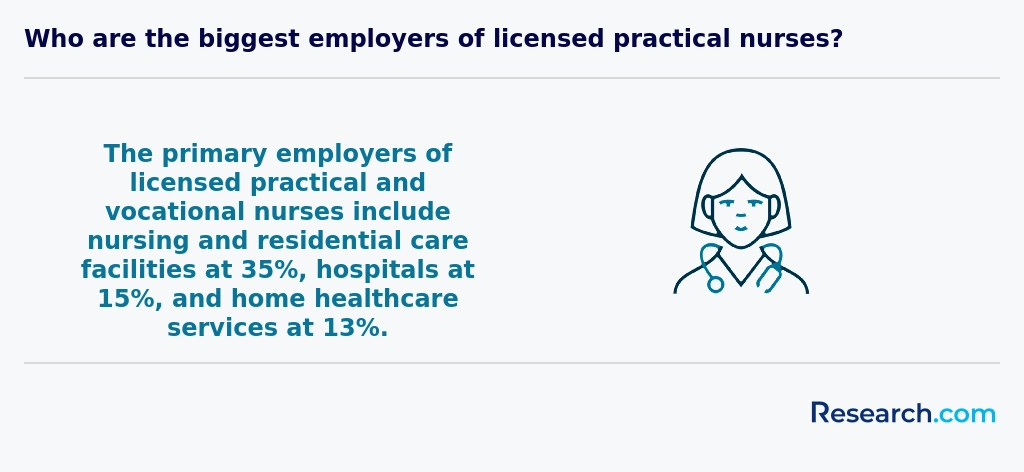
A hallmark of top nursing programs in Chestnut Hill, MA is their robust clinical training model, powered by long-standing partnerships with leading healthcare facilities. Students benefit from hands-on experiences at institutions such as Boston Medical Center and Newton-Wellesley Hospital, where they complete required clinical rotations under the supervision of seasoned nurse educators. These partnerships ensure exposure to a wide range of specialties-from emergency medicine to geriatric care-allowing students to build confidence in real-world settings. On campus, state-of-the-art simulation labs replicate high-pressure scenarios, enabling learners to practice critical interventions before entering patient care environments. Faculty-led debriefings after each simulation foster reflective learning, helping students refine technical skills and enhance communication. Clinical placements are carefully coordinated to align with each student’s career goals; for example, those interested in pediatric or obstetric nursing can request rotations in specialized units to deepen their expertise. For students pursuing advanced practice roles, many programs offer seamless pathways into aaffordable online msn program-integrating MSN coursework with local clinical requirements. This flexibility allows working professionals to continue gaining clinical hours in their community while completing graduate-level theory online. Together, these clinical partnerships and flexible pathways ensure that Chestnut Hill nursing graduates are both practice-ready and well positioned for advanced certifications.
Students pursuing a nursing degree in Chestnut Hill are fortunate to access a mix of financial aid designed to lighten the often daunting tuition expenses. Graduates from local institutions like Chestnut Hill College share that federal aid, especially Pell Grants, played a crucial role by covering significant parts of their tuition without burdening them with debt. The Federal Direct Loan program also offered manageable borrowing options, making cost challenges less intimidating.
Massachusetts residents benefit from the Susan B. Anthony Scholarship Program, an invaluable state resource that helped many nursing students in Chestnut Hill cover thousands of dollars annually. This kind of support often eases the financial pressure felt when attending private schools with higher tuition, such as those in the Chestnut Hill area.
Local scholarships and merit-based grants stand out as bright spots for hardworking students demonstrating academic excellence or community involvement. For example, nursing students at Chestnut Hill College often mention how grants tied to GPA and healthcare service experiences made their educational journey more attainable and motivating.
Many students also find part-time work through work-study programs on campus or nearby hospitals, providing steady income and hands-on experience. Finally, federal programs, including those from HRSA, reward commitment to nursing careers in underserved areas by offering scholarships and loan forgiveness-an exciting opportunity for Chestnut Hill students eager to make a meaningful impact while easing their financial load.
- Boston College – Bachelor of Science in Nursing (BSN), CCNE-accredited program with a 95% NCLEX-RN pass rate and comprehensive clinical rotations
- Massachusetts College of Pharmacy and Health Sciences (MCPHS) – Accelerated BSN track featuring state-of-the-art simulation labs and hospital partnerships
- Chestnut Hill College – ADN to BSN pathway offering personalized mentorship, small cohorts, and merit-based scholarships
- Pine Manor College – Associate Degree in Nursing (ADN) with a high student-to-faculty ratio and a strong job placement record
- MCPHS Online – Master of Science in Nursing (MSN) program designed for working professionals, including specialized nurse practitioner tracks
Students pursuing advanced practice roles can compare options in our guide to np programs in texas.
To step into a nursing degree program in Chestnut Hill, you'll first need a high school diploma or GED-this foundational step is non-negotiable. Graduates from local colleges often remind newcomers how crucial their biology and chemistry classes were, especially those at institutions like Boston College. These courses prepare you to grasp complex health concepts, much like those you'll encounter in nursing.
Most programs here require passing the TEAS exam, a key hurdle that tests your skills in reading, math, and science. Many successful students share how dedicating time to this test made all the difference in their acceptance into top BSN programs in Chestnut Hill.
Beyond academics, personal statements and letters of recommendation help you reveal your passion. Healthcare volunteering or even shadowing nurses at local hospitals is a powerful way to show commitment, a step many graduates found eye-opening and rewarding.
Remember, Chestnut Hill nursing programs also follow Massachusetts Board of Registration in Nursing rules, meaning things like background checks and immunizations are part of your preparation journey. Embracing these prerequisites fully equips you to join a thriving community of future nurses.

When considering nursing programs, one crucial aspect that prospective students often overlook is the cost of their education and how to finance it. Understanding the financial implications of pursuing a nursing degree is essential for making informed decisions. Students in Chestnut Hill, MA, can expect to pay varying tuition fees depending on the type of nursing program they choose, with Associate Degree in Nursing (ADN) programs generally being more affordable than Bachelor of Science in Nursing (BSN) or Master of Science in Nursing (MSN) programs. To alleviate some of the financial burden, students can explore scholarship opportunities, federal loans, and work-study programs. For those looking for more affordable options, researching affordable nursing schools in Massachusetts can provide valuable insights into cost-effective nursing education. By carefully planning their finances and considering all available options, prospective nursing students can set themselves up for success without shouldering an unmanageable debt burden.
In Chestnut Hill, nursing degree programs offer a rich blend of courses designed to build your confidence and expertise step by step. Graduates from local universities often recall how foundational classes like human anatomy, physiology, microbiology, and chemistry laid the groundwork for understanding the human body deeply, preparing them for everything nursing demands.
Core nursing courses will guide you through practical and essential skills, including introductions to nursing theory, medication administration, and health assessments. Imagine yourself mastering medical-surgical nursing, or learning to care for newborns and pediatric patients with the same dedication as professionals trained at reputed Chestnut Hill colleges. These courses truly bring real-life healthcare challenges into your classroom.
Many students appreciate how courses in mental health nursing and leadership prepare them not just to care but to inspire and manage teams in bustling hospital settings. Plus, specialized subjects like community health nursing and nursing ethics broaden your perspective, reflecting the evolving demands of healthcare here in Massachusetts.
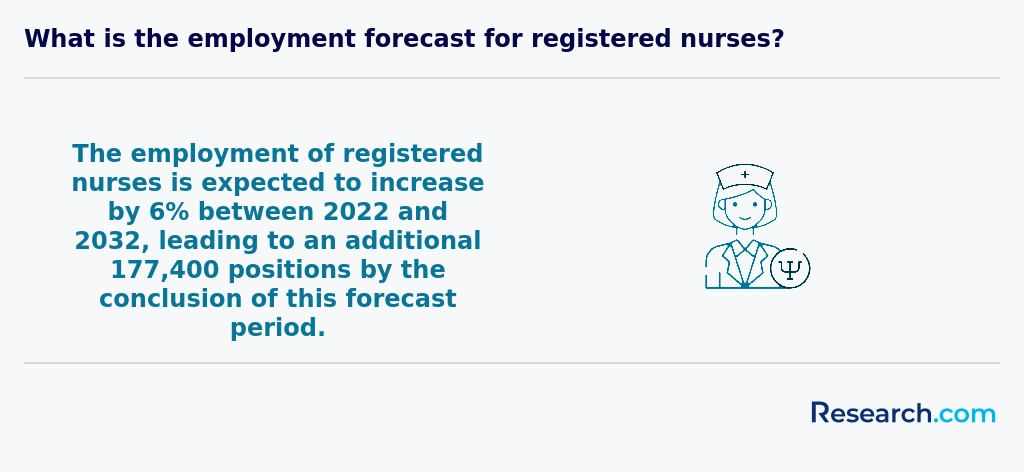
When exploring nursing degree specializations in Chestnut Hill, you'll find options that reflect the diverse needs of the healthcare industry. Graduates from well-known local institutions eagerly share how the Registered Nurse (RN) to Bachelor of Science in Nursing (BSN) pathway empowered them to take on leadership roles and conduct impactful research. This option strengthens skills that go beyond bedside care and opens doors to advanced practice.
Many students also pursue the Family Nurse Practitioner (FNP) specialization, which prepares them to provide vital primary care to families, from infants to seniors-a perfect fit for Chestnut Hill's community-focused environment. Those drawn to pediatric care value programs emphasizing growth and childhood development, while others find deep fulfillment studying Geriatric Nursing, responding to the specific needs of an aging population right here in Massachusetts.
You'll also discover specializations like Psychiatric-Mental Health Nursing and Critical Care Nursing, reflecting growing demand in mental health and intensive hospital care. In these programs, graduates often share meaningful patient stories that highlight their rewarding journeys in Chestnut Hill's rigorous training and compassionate culture. Choosing your path wisely can inspire a fulfilling career and help you avoid the disadvantages of nursing careers.
Chestnut Hill nursing program specialization options truly prepare you to meet real-world challenges with confidence and heart.
When choosing the best nursing degree programs in Chestnut Hill, start by ensuring the program is accredited by reputable bodies like CCNE or ACEN. Graduates from local colleges often share how this accreditation made a real difference in their licensure success and job placements. Consider the degree type carefully-whether it's an ADN, BSN, or an accelerated program. Many students aiming for more advanced roles find that the BSN opens doors with better salary potential and career growth. Cost is another major factor; evaluating tuition in Chestnut Hill's private and public schools alongside financial aid options can relieve stress while planning your future.
Hands-on clinical training is a cornerstone of nursing education here. Programs affiliated with Boston College's Connell School of Nursing, for instance, offer rich clinical experiences that build confidence and skills in real hospital settings. Graduates speak warmly of how these placements prepared them for the challenges of nursing. Also, check the program's graduation and NCLEX-RN pass rates - high rates show strong support and training. For those seeking to understand career pathways better, exploring career growth in healthcare can provide valuable insight.
Affordable nursing schools Chestnut Hill MA options exist, but always prioritize quality and outcomes to ensure your investment leads to a fulfilling nursing career.
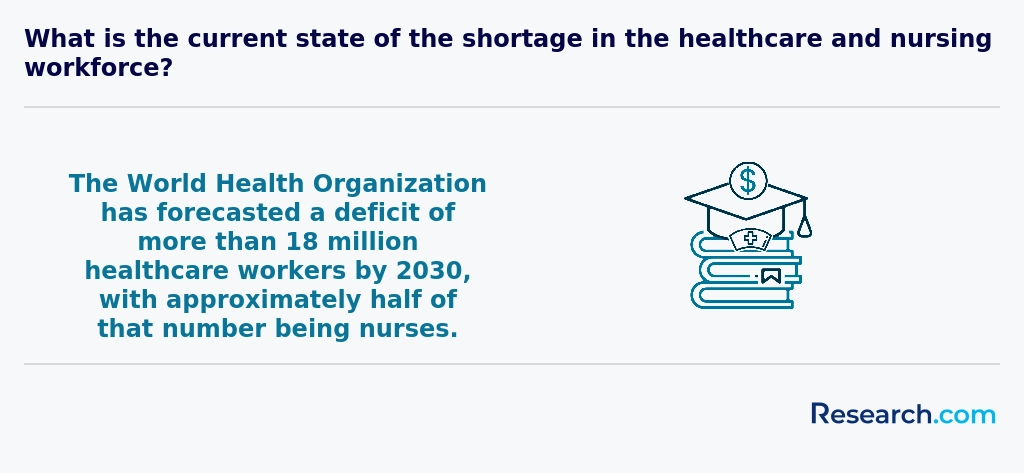
Graduates with a nursing degree in Chestnut Hill enjoy a diverse range of nursing career opportunities in Chestnut Hill, thanks to the area's vibrant healthcare network and proximity to Boston's renowned medical institutions. Many graduates from local programs at colleges like Boston College find themselves confidently stepping into roles such as Registered Nurses (RNs), Licensed Practical Nurses (LPNs), or even specialized nurses focusing on pediatric or oncology care. These hands-on experiences during internships at nearby hospitals often turn into rewarding full-time positions.
Job prospects for nursing graduates Chestnut Hill are further enhanced by advanced roles like Nurse Practitioners or Clinical Nurse Specialists, especially for those pursuing graduate degrees. Nurses who choose to educate others or work in public health contribute meaningfully to community wellbeing. For aspiring students, exploring options for further education is easier with Boston's concentration of graduate programs in nurse anesthesia or midwifery. Those mindful of expenses can review details about nursing programs cost Georgia, which may offer competitive alternatives for online learning.

The nursing degree job opportunities in Chestnut Hill are promising, thanks to the area's strong healthcare presence and steady industry growth. Graduates from well-known local colleges often find themselves in demand at Boston Medical Center or Brigham and Women's Hospital, where skilled nurses are sought to support expanding medical services. Many alumni share stories of landing positions quickly in hospitals, outpatient clinics, or community health organizations, reflecting the region's need for compassionate, capable professionals.
Healthcare employment prospects Chestnut Hill nursing graduates enjoy are boosted by the area's aging population and the increasing complexity of care. This creates openings not just in traditional nursing roles but also in specialized fields like nurse practitioners and clinical nurse specialists. For those interested in advancing, pursuing certifications or exploring Advanced practice nursing Georgia can open additional career paths beyond the Boston area.
2027 Best Nursing Degree Programs Ranking in Chestnut Hill
Investing in your education is a significant decision that can shape your future, and the Research.com team understands the importance of making informed choices. To assist prospective students in Chestnut Hill, we have meticulously crafted the "2027 Best Nursing Degree Programs Ranking in Chestnut Hill." Our commitment to quality, credibility, and accuracy is reflected in the extensive research and analysis conducted to compile this ranking.
We utilized the following reputable data sources to ensure a comprehensive evaluation of nursing programs:
By exploring this ranking, readers will gain valuable insights into the best nursing degree programs available in Chestnut Hill, helping them make informed decisions about their educational paths. For more details on our methodology, please visit our Research.com methodology page.

Frequently Asked Questions About nursing
Nursing degree students in Chestnut Hill can enhance their learning by engaging actively in clinical experiences offered through local hospitals and community health centers. Hands-on practice is critical for skill development and confidence in patient care. According to the Massachusetts Board of Registration in Nursing, clinical hours are a required part of licensure, making these experiences essential.
Students should also take advantage of Chestnut Hill's proximity to several nursing schools and professional organizations for networking and mentoring opportunities. Collaboration with peers and professionals fosters deeper understanding and career growth.
Utilizing campus resources such as tutoring centers and simulation labs can further reinforce theoretical knowledge with practical scenarios, improving both competence and critical thinking skills.
The nursing field is rapidly evolving, with several emerging niches gaining prominence. In Chestnut Hill and across the U.S., areas like geriatric nursing are expanding due to the aging population, requiring specialized care for older adults. Another growing niche is telehealth nursing, which uses technology to provide remote patient care, a trend accelerated by recent healthcare shifts.
Additionally, nurse informatics is becoming vital, combining nursing with information technology to improve healthcare systems. Psychiatric-mental health nursing also sees increased demand, reflecting broader awareness of mental health needs. Prospective students should consider these niches for future opportunities. According to the U.S. Bureau of Labor Statistics, employment in specialized nursing roles is projected to grow by 12% between 2022 and 2032, highlighting expanding career paths.
After completing a nursing degree in Chestnut Hill, preparing for the job market involves several key steps. First, obtaining licensure through the NCLEX-RN exam is essential for registered nurses. This credential is mandatory to practice in Massachusetts and nationwide.
Chestnut Hill's proximity to major hospitals and healthcare centers, such as Boston Children's Hospital, offers networking opportunities. Graduates should consider internships or residencies to gain practical experience.
The Massachusetts Department of Labor notes that registered nurses in the area have a median annual wage of approximately $87,000 as of 2023, reflecting strong local demand.
Enhancing skills through certifications like ACLS or PALS can improve employability. Additionally, joining professional groups such as the Massachusetts Nurses Association offers access to job openings and continuing education.
Employers in Chestnut Hill seek nursing graduates with strong clinical skills combined with effective communication. According to data from the Massachusetts Board of Registration in Nursing, hands-on patient care ability remains crucial for local healthcare facilities. Graduates must also demonstrate critical thinking to respond to complex medical situations promptly.
Interpersonal skills are equally important. Nurses often coordinate with doctors, patients, and families, so empathy and teamwork are vital. Additionally, knowledge of electronic health records (EHR) systems is increasingly demanded due to modern hospital technology.
Leadership qualities can enhance job prospects, especially as Chestnut Hill is home to several healthcare institutions valuing nurses who can manage care teams or projects.
Finding nursing internships in Chestnut Hill involves exploring opportunities at nearby hospitals, clinics, and community health centers. Many nursing programs in the Boston area, including those near Chestnut Hill, have partnerships with healthcare facilities such as St. Elizabeth's Medical Center and Newton-Wellesley Hospital. These institutions often offer clinical placements for students, which count as internships.
Students should also utilize resources at their nursing schools, as academic advisors commonly maintain updated lists of local internships. Additionally, online platforms like the American Association of Colleges of Nursing (AACN) provide valuable information about clinical experiences and internships available in Massachusetts.
Networking through professional nursing organizations and attending local career fairs can increase internship prospects. According to the Massachusetts Department of Higher Education, clinical internship placements are essential for nursing licensure and are integrated into most degree programs in the region.
A nursing degree in Chestnut Hill significantly enhances career mobility and advancement opportunities. Graduates with an Associate or Bachelor of Science in Nursing (BSN) often qualify for a wider range of roles in hospitals, outpatient care centers, and specialty clinics. According to the Massachusetts Department of Higher Education, Chestnut Hill's healthcare employers increasingly prefer BSN-prepared nurses, reflecting national trends linking higher education to better patient outcomes.
Locally, earning an advanced degree such as a Master of Science in Nursing (MSN) or specialized certifications can lead to leadership positions or clinical specialties. The Boston-Cambridge-Newton metro area shows growth in advanced nursing roles by 15% from 2019 to 2024, per the U.S. Bureau of Labor Statistics. This demonstrates how formal education directly supports career advancement within the Chestnut Hill healthcare market.
Studying for a nursing degree in Chestnut Hill equips students with essential skills for interdisciplinary healthcare roles by emphasizing teamwork and communication. Local programs integrate clinical experiences in diverse settings, fostering collaboration with physicians, therapists, and social workers. This approach reflects the growing need for nurses to coordinate care effectively across professions.
According to the Massachusetts Department of Higher Education, nursing graduates in Chestnut Hill demonstrate strong competencies in interdisciplinary practice, meeting regional healthcare demands. Coursework often includes case studies and practicum opportunities where students work alongside various healthcare professionals, enhancing problem-solving and decision-making skills.
This preparation aligns with modern healthcare trends focused on patient-centered care models where teamwork is critical.
Choosing between a thesis and a non-thesis nursing degree program in Chestnut Hill depends on your career goals and learning preferences. A thesis program typically requires original research, appealing to those interested in academic or research positions. Non-thesis options focus more on practical skills and clinical experience, suitable for students aiming for advanced nursing roles or leadership.
In Chestnut Hill, many nursing schools offer both tracks, allowing flexibility. According to the Massachusetts Board of Registration in Nursing, employment for advanced practice nurses is expected to grow by 16% through 2030, encouraging hands-on skills gained in non-thesis routes.
Consider program length, faculty expertise, and resources. Thesis tracks may take longer to complete but can open doors to doctoral studies. Non-thesis programs often have accelerated paths, ideal for busy professionals.
Students based in Chestnut Hill who wish to study nursing abroad can explore several pathways through US higher education programs offering international partnerships or exchange opportunities. While Chestnut Hill itself hosts institutions like Boston College known for nursing, students often seek global experience at affiliated universities overseas.
Many nursing programs linked to Chestnut Hill emphasize clinical rotations or study abroad in countries with established healthcare systems such as the UK, Ireland, or Canada. These experiences enhance cultural competence and clinical skills, important for nursing careers.
According to the Institute of International Education, approximately 2% of US nursing students participate in study-abroad programs each year, highlighting growing interest. Chestnut Hill students benefit from academic advising to identify suitable international nursing placements aligned with US licensure requirements.
Students pursuing nursing degrees in Chestnut Hill can benefit from various part-time job opportunities that align with their education. Local hospitals, such as St. Elizabeth's Medical Center, often hire nursing assistants and patient care technicians, providing practical experience in clinical settings. According to the Massachusetts Executive Office of Labor and Workforce Development, healthcare support roles in the area have grown by 8% over the past five years, reflecting strong demand.
Additionally, positions like medical scribing or pharmacy technician roles allow students to develop their understanding of healthcare documentation and medication management. Volunteering in community health centers nearby also offers valuable exposure to patient interaction and healthcare delivery.
Nursing students in Chestnut Hill benefit from numerous networking opportunities that can enhance their professional growth. Local institutions such as Chestnut Hill College organize events, workshops, and clinical partnerships with nearby healthcare facilities, providing students direct exposure to experienced nursing professionals. Additionally, students have access to the Pennsylvania State Nurses Association, which hosts regional meetings and conferences where future nurses can connect with peers and industry leaders.
Many programs encourage participation in simulation labs and interdisciplinary team projects, fostering collaboration skills essential in nursing careers. In 2023, over 70% of Chestnut Hill nursing students reported gaining valuable contacts through these avenues (Chestnut Hill College Annual Report).
Alumni networks offer vital support to nursing degree students in Chestnut Hill by connecting them with experienced professionals. These networks provide mentorship opportunities, helping students navigate clinical placements and career decisions. According to the National Student Nurses' Association, strong alumni relations improve job placement rates by as much as 15%.
In Chestnut Hill, local nursing alumni often collaborate with healthcare institutions, giving students access to exclusive internships and job openings. Networking events and workshops hosted by alumni help students build professional contacts early in their careers.
Such connections also foster a sense of community, encouraging knowledge sharing and lifelong learning among Chestnut Hill nursing graduates.
Customizing a nursing degree program in Chestnut Hill allows students to align their education with specific career goals. Many local institutions offer flexible degree paths, including associates, bachelors, and advanced practice options. Students can often select specializations such as pediatrics, geriatrics, or community health to gain targeted expertise.
Elective courses and clinical placements play a crucial role in tailoring the program. Chestnut Hill's hospitals and healthcare centers provide diverse clinical experiences, helping students to build practical skills in their chosen fields. Additionally, some programs incorporate online or hybrid formats, supporting working professionals.
According to the Massachusetts Board of Registration in Nursing, specialized certifications increase job prospects and salary potential within the state.
Nursing students in Chestnut Hill face several common challenges rooted in the demanding nature of nursing education across the US. Intensive coursework and clinical rotations require strong time management skills, as students must balance classes, hands-on practice, and often part-time jobs. According to the National League for Nursing, about 40% of nursing students nationwide report high levels of stress, which is reflected locally in Chestnut Hill programs.
Access to clinical placements can also be competitive given the limited local hospital affiliations. Additionally, mastering complex medical terminology and technology used in modern healthcare settings adds further difficulty. Financial strain is another concern, with tuition and living costs rising in the area.
With a nursing degree, graduates in Chestnut Hill can pursue various professional certifications to enhance their careers and meet specific healthcare demands. Common certifications include the Certified Registered Nurse Anesthetist (CRNA), Certified Nurse Practitioner (CNP), and Certified Nurse Midwife (CNM). These advanced credentials require additional education and clinical experience beyond the initial degree.
Other popular certifications are Certified Pediatric Nurse (CPN) and Medical-Surgical Nursing Certification (CMSRN), which focus on specialized patient care. The American Nurses Credentialing Center (ANCC) reports that nationally, these certifications often lead to higher salaries and better job opportunities.
Locally, Chestnut Hill is served by several healthcare employers seeking certified nursing professionals, reflecting a growing demand in the region. Prospective students should review certification requirements through accredited organizations to align with their career goals.
Writing a winning application for a nursing program in Chestnut Hill involves careful preparation and attention to detail. Begin with a clear personal statement that highlights your passion for nursing and any relevant experiences, such as volunteer work or healthcare jobs. Many Chestnut Hill schools value strong academic performance; aim for a GPA above 3.0, as competitive programs often require this minimum.
Include letters of recommendation from professionals who can attest to your character and work ethic. Additionally, prepare for any entrance exams like the TEAS, which assess reading, math, and science skills crucial for nursing success.
Chestnut Hill nursing programs typically emphasize community engagement and cultural awareness, so showcasing these qualities in your application can be advantageous. Consult school-specific admission requirements to tailor your materials effectively.
The nursing profession in the United States is viewed globally as essential and highly respected. Nurses trained in US programs, including those in Chestnut Hill, often meet rigorous educational standards that align with international benchmarks set by the World Health Organization. This alignment facilitates global mobility and employment opportunities for American-trained nurses.
According to the U.S. Bureau of Labor Statistics, the demand for registered nurses is expected to grow by 9% from 2022 to 2032, reflecting a worldwide shortage of healthcare workers. Chestnut Hill benefits from this trend, with local hospitals and clinics seeking well-prepared nursing graduates.
Global employers often recognize degrees from accredited US institutions, enhancing career flexibility for graduates. This recognition supports nurses who wish to work abroad or participate in international health programs while maintaining strong roots in Chestnut Hill's healthcare community.
Gaining practical experience while pursuing a nursing degree in Chestnut Hill is essential to building clinical skills and confidence. Most nursing programs in the area, including at institutions like Chestnut Hill College, integrate hands-on clinical rotations in local hospitals and healthcare facilities.
Students typically complete supervised clinical hours in settings such as nursing homes, outpatient clinics, and acute care centers. These placements allow students to apply classroom knowledge in real-world environments. According to the Pennsylvania State Board of Nursing, clinical experience requirements for licensure usually range from 500 to 1,000 hours.
Additionally, students can seek volunteer roles or internships in nearby medical centers to further enhance practical skills. Local partnerships between schools and healthcare providers facilitate diverse experiences, preparing students well for licensure and employment.
Choosing the right concentration within a nursing degree program in Chestnut Hill involves evaluating your career goals, interests, and local healthcare needs. Popular areas include pediatrics, geriatrics, and mental health nursing, reflecting growing demand in Massachusetts healthcare facilities. The Massachusetts Department of Public Health reports increasing employment opportunities in elder care due to the aging population.
Consider your strengths and the patient populations you want to serve. Clinical experience during your program can also guide your decision. Research local hospitals and clinics in Chestnut Hill to see which specialties they prioritize, as this may influence available internships and job prospects after graduation.
Additionally, review accreditation status and faculty expertise of programs offering various concentrations, ensuring high-quality education aligned with national standards from organizations like the American Nurses Credentialing Center (ANCC).
- 2027 Best Nursing Degree Programs Ranking in Boston
- 2027 Best Nursing Degree Programs Ranking in Bronx
- 2027 Best Nursing Degree Programs Ranking in New York
- 2027 Best Nursing Degree Programs Ranking in Brooklyn
- 2027 Best Nursing Degree Programs Ranking in Rochester
- 2027 Best Nursing Degree Programs Ranking in Baltimore
- 2027 Best Nursing Degree Programs Ranking in Washington
- 2027 Best Nursing Degree Programs Ranking in Virginia Beach
- 2027 Best Nursing Degree Programs Ranking in Pittsburgh
- 2027 Best Nursing Degree Programs Ranking in Harrisonburg
See What Experts Have To Say About Studying Nursing
Read our interview with Nursing experts


- How Many Prerequisites Are Needed for Nursing? [2026] https://www.straighterline.com/blog/nursing-how-many-prerequisites-for-nursing
- Your Questions About Online Nursing School, Answered https://www.allnursingschools.com/how-to-get-into-nursing-school/online-programs/
- What Are the Best Jobs to Work While in Nursing School? https://www.dewv.edu/what-are-the-best-jobs-to-work-while-in-nursing-school/
- Scholarships & Financial Aid https://www.aacnnursing.org/students/scholarships-financial-aid
- Client Challenge https://www.slideshare.net/slideshow/nursing-perspectivepdf/257210042
- Chestnut Hill College Tuition and Financial Aid https://www.prepscholar.com/sat/s/colleges/Chestnut-Hill-College-tuition-financial-aid
- Nursing Jobs at Dana-Farber Cancer Institute https://careers.dana-farber.org/jobs/nursing/us-ma-chestnut-hill/
- Exploring Diverse Nursing Career Horizons - N2S Healthcare Blog https://n2shealthcare.com/blog/exploring-diverse-nursing-career-horizons-n2s-healthcare-blog
- School of Nursing Alumni Resources https://nursing.utmb.edu/About/Alumni
- | NRR | Dove Medical Press https://www.dovepress.com/internship-challenges-encountered-by-nursing-students-a-qualitative-st-peer-reviewed-fulltext-article-NRR


