
2027 Most Popular MBA Degree Programs Ranking in Providence

Co-Founder and Chief Data Scientist
Are you considering advancing your career with an MBA in Providence? Choosing the right program can feel overwhelming, but this article is here to help.
We present the 2027 Most Popular MBA Degree Programs Ranking in Providence, developed by the Research.com team of data scientists. This ranking aims to guide you through the best options based on solid data, helping you make a confident decision.
Reading this will open doors to opportunities and provide valuable insight into programs that match your goals. An MBA can transform your future-let's explore the best paths together.
Key benefits of getting MBA degree in Providence
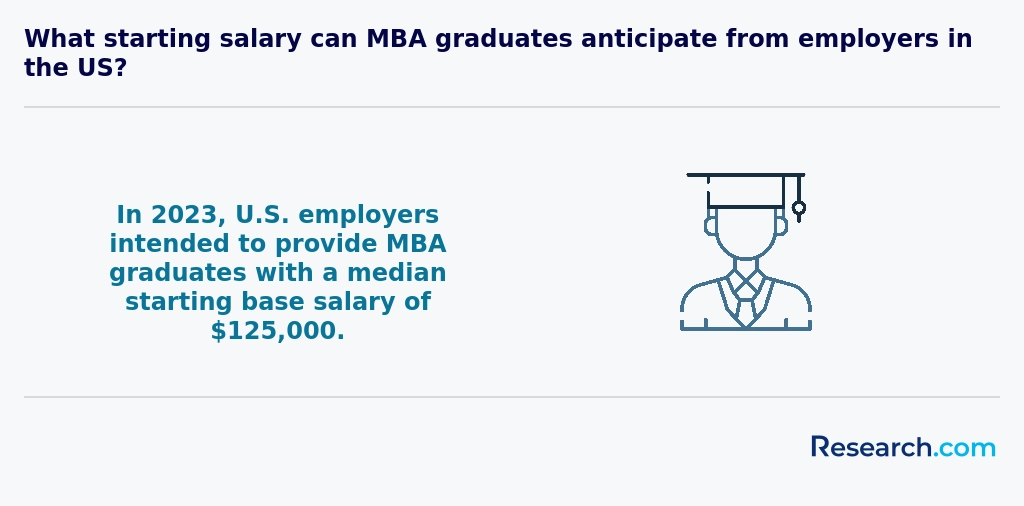
- Although specific salary data for MBA graduates in Providence is not available, MBA holders in the US typically enjoy competitive salaries, often exceeding $90,000 annually, reflecting strong earning potential.
- Graduates from popular Providence universities, like Brown University, often pursue careers in finance, consulting, and management, offering diverse and rewarding opportunities.
- Obtaining an MBA degree online offers flexibility and convenience, allowing students from Providence to balance work and study while gaining valuable skills at their own pace.
- Key benefits of getting MBA degree in Providence
- What can I expect from MBA degree in Providence?
- Where can I work with MBA degree in Providence?
- How much can I make with MBA degree in Providence?
- 2027 Most Popular MBA Degree Programs Ranking in Providence
- Key Findings
- How long does it take to complete MBA degree in Providence?
- Assessing the Return on Investment for MBA Programs in Providence, RI
- What's the difference between online and on-campus MBA degree?
- What is the average cost of MBA degree in Providence?
- Why Pursue an MBA Degree in Providence, RI?
- What financial aid is available to MBA degree students in Providence?
- Admissions and Application Strategies for MBA Programs
- What are the prerequisites for enrolling in MBA degree program in Providence?
- Return on Investment (ROI) of MBA Programs in Providence, RI
- What courses are typically in MBA degree programs in Providence?
- What types of specializations are available in MBA degree programs in Providence?
- How do you choose the best MBA degree in Providence?
- What career paths are available for MBA degree students in Providence?
- What is the job market for MBA degree in Providence?
- Top Trending MBA Rankings
What can I expect from MBA degree in Providence?
The average cost of earning an MBA degree in Providence is approximately $27,000 per year in tuition, based on Bryant University's 2024 rates for graduate students. This figure reflects in-state tuition, which many local students benefit from, making the programs more affordable compared to national averages. Graduates often note that the investment balances well with the personalized attention and strong return on investment cited by sources like the U.S. News & World Report.
Many MBA students in Providence appreciate the ability to choose between full-time and part-time tracks, allowing them to continue working while managing costs. For instance, a graduate from Bryant University mentioned that the flexibility in scheduling was crucial for maintaining income, reducing the financial strain typically associated with graduate studies.
Scholarships and assistantships also help mitigate costs, enhancing access for qualified candidates. Given Providence's robust professional network and growing industries such as finance and healthcare, many find the tuition expense reasonable when considering the career advancements and opportunities available after graduation.
Where can I work with MBA degree in Providence?
MBA graduates in Providence access diverse employment opportunities across key local industries. Healthcare is a prominent sector, with institutions like Lifespan Health System and Care New England frequently recruiting MBAs for roles in hospital administration and healthcare consulting. Graduates focusing on healthcare management report a strong alignment between their skills and employer needs.
Finance and insurance companies in Providence, including national banks and investment firms, offer career paths such as financial analyst and risk manager. According to the U.S. Bureau of Labor Statistics, financial managers here earn median salaries above the national average, highlighting the competitiveness and demand for these roles.
Graduates from Brown University and Providence College find rewarding positions in education administration-such as business officers and development directors-where they apply strategic planning learned during their MBA programs. Manufacturing companies emphasize supply chain and operations management, attracting MBAs who thrive on analytical challenges.
Professional services, including consulting and tech startups, also draw Providence MBA alumni eager to lead projects in business development and product management. These roles often resonate with graduates' ambitions to innovate and steer company growth locally.
How much can I make with MBA degree in Providence?
Graduates holding an MBA degree in Providence typically earn between $85,000 and $110,000 annually, reflecting competitive salaries in local industries such as finance, healthcare management, and professional services. Many MBA alumni from well-regarded institutions like Providence College and Brown University report starting salaries around $70,000 to $80,000, which grow substantially with experience and leadership roles.
For instance, professionals entering management consulting or financial management positions in Providence often see salaries exceeding $100,000, with seasoned experts earning $120,000 or more. These figures align closely with national trends, where the median salary for MBA holders hovers around $105,000.
Beyond base pay, graduates frequently benefit from performance bonuses and profit-sharing plans, particularly within Providence's financial firms and insurance companies, enhancing total compensation. This robust earning potential underscores the value of pursuing an MBA in Providence, where the blend of strong academic programs and a vibrant job market creates promising career and financial outcomes for recent graduates.
2027 Most Popular MBA Degree Programs Ranking in Providence
How do we rank schools?
Investing in your education is a significant decision that can profoundly impact your career and personal growth. The Research.com team recognizes the importance of making well-informed choices, which is why we have rigorously developed the "2027 Most Popular MBA Degree Programs Ranking in Providence." Our dedication to quality, credibility, and accuracy is demonstrated through careful research and thorough analysis.
We utilized the following reputable data sources to ensure a comprehensive and trustworthy ranking:
By consulting this ranking, readers will obtain valuable insights into the most sought-after MBA programs in Providence, empowering them to choose programs aligned with their goals. For a detailed explanation of our approach, please visit our Research.com methodology page.


# 4 position
Johnson & Wales University-Online
Master of Business Administration

Key Findings
- The cost of an MBA program in Providence typically ranges from $40,000 to $60,000, including tuition but excluding additional expenses.
- Entry-level MBA salaries start around $70,000 annually, increasing to over $110,000 within five to ten years.
- Key industries for MBA graduates in Providence include healthcare, finance, education, and manufacturing.
- Multiple MBA formats are available, including full-time, part-time, and online, offering flexibility for different schedules.
- Admission usually requires a bachelor's degree, competitive GMAT or GRE scores, and relevant work experience.
How long does it take to complete MBA degree in Providence?
Completing an MBA degree in Providence typically requires two years for full-time students, aligning with national averages reported by the Graduate Management Admission Council. Graduates from Providence College and Bryant University often share that this timeframe offers an ideal balance, enabling them to engage deeply with core courses and electives while building valuable internship experiences. This pace suits those fully dedicating their time to study.
For working professionals, part-time MBA programs in Providence extend the timeline to about three to four years. This flexibility helps students juggle career demands while advancing their education, a common scenario among local business professionals. These options reflect a more manageable approach to sustaining income while progressing academically.
Accelerated programs provide a faster route, generally completed within 12 to 18 months. Bryant University's Executive MBA exemplifies this path, designed for experienced professionals eager to advance quickly without compromising educational quality. Graduates often express satisfaction with the program's intensity and direct applicability to their careers.
Assessing the Return on Investment for MBA Programs in Providence, RI
Evaluating the true ROI of an MBA goes beyond tuition figures-it’s about career outcomes, salary increases, and long-term network value. In Providence, where program costs range widely, prospective students should weigh both direct expenses and opportunity costs against expected benefits. Start by benchmarking average starting salaries in your target industry; graduates in finance report median annual earnings near $95,000, while those in consulting often exceed $100,000 within two years. Factor in program length-full-time MBAs typically yield faster salary growth, whereas part-time options let you earn while you learn, reducing lost income. Next, analyze career services and employer partnerships. Schools with robust on-campus recruiting events and alumni mentorship programs often boast higher placement rates. For example, internships facilitated by local nonprofits or tech startups can translate into full-time offers, accelerating your payback period. Don’t overlook hidden perks like access to executive coaching, which can boost leadership skills and translate to earlier promotions. Financial aid and scholarships play a crucial role in ROI calculations. If program costs strain your budget, consider exploring Inexpensive MBA Degree Programs that still deliver strong outcomes. Combining merit-based awards with employer tuition assistance can slash net expenses by 30–50%. Finally, project your breakeven point: divide your total investment (tuition plus living expenses minus aid) by your expected annual salary increase. Programs with a breakeven under three years typically offer the strongest ROI. By systematically assessing these factors, you’ll choose an MBA in Providence that not only enhances your skills but also maximizes long-term financial and professional gains.
What's the difference between online and on-campus MBA degree?
In Providence, the primary difference between online and on-campus MBA programs lies in their delivery format and student experience. On-campus MBAs, offered by institutions like Brown University and Providence College, emphasize in-person interaction, fostering networking and collaboration through face-to-face lectures and access to campus resources such as libraries and career centers. Graduates often recall the energizing classroom discussions and strong professional connections formed during these sessions.
Online MBA programs, such as those from Johnson & Wales University, provide flexibility by allowing students to complete coursework asynchronously. This format suits working professionals balancing jobs and family, who appreciate studying on their own schedule without commuting. While online students value this convenience, they also acknowledge the discipline required to stay on track without direct supervision.
Financially, online MBAs in Providence are often more affordable due to lower fees and eliminated commuting costs. With the average U.S. MBA cost ranging between $60,000 and $120,000, local on-campus programs tend toward the higher end, influenced by private university tuition. Accreditation from AACSB or ACBSP assures equal credibility regardless of format, ensuring graduates remain competitive in the Providence job market.
What is the average cost of MBA degree in Providence?
The average MBA degree cost Providence students face reflects a median total cost of around $55,819. In-state students enjoy a slightly lower median cost near $52,984, while out-of-state students typically pay at the median of $55,819. These figures represent the overall expense to complete the program, including tuition and associated academic fees, specific to the local educational environment.
Graduates from Brown University, the prominent institution in Providence offering MBA degrees, often share positive perspectives on how the investment aligns with the quality and opportunities available. Their experience highlights the university's strong reputation and rich resources, which justify the higher tuition compared to national averages. Many find that the local cost corresponds with the value gained through networking and career advancement in a private university setting.
Affordability is a key consideration, especially since Providence-based MBA tuition positions itself above many regional peers. Students often seek scholarships, assistantships, or employer tuition assistance programs to mitigate these expenses. For a potential student, reviewing the most popular mba degree options in Rhode Island helps identify programs balancing cost and outcomes effectively. Factoring living costs consistent with a mid-sized U.S. city also provides a clearer picture of the true financial commitment involved in pursuing an MBA here.
Why Pursue an MBA Degree in Providence, RI?
Pursuing an MBA degree in Providence, RI, is a significant investment in one's career and future. The city offers a unique blend of academic excellence, cultural richness, and economic vibrancy, making it an attractive destination for students seeking a high-quality MBA education. By choosing to study in Providence, students can leverage the city's strong connections to the business world, access to esteemed faculty, and a diverse community of peers. For those interested in exploring the most popular options, checking out the most popular mba degree programs can provide valuable insights into the best educational pathways. This environment not only fosters academic success but also equips students with the practical skills, network, and adaptability necessary to thrive in today's competitive job market.
What financial aid is available to MBA degree students in Providence?
MBA students in Providence benefit from diverse financial aid options tailored to the local business education landscape. Federal loans through FAFSA, such as Stafford and Grad PLUS loans, are common and accessible, offering fixed interest rates that ease funding concerns for many graduates from institutions like Bryant University and Johnson & Wales University.
Scholarships and grants are competitive but attainable, awarded for academic excellence, leadership, and professional experience. Providence-based universities often offer merit-based scholarships, with some programs encouraging diversity or supporting professionals returning to school. Graduates frequently report these funds as vital in reducing their financial burden while pursuing their MBA.
Employer tuition reimbursement programs are particularly impactful in Providence's professional community. Many graduates credit employers' partial assistance policies for enabling them to balance work and study efficiently, often contingent on maintaining GPA requirements and post-graduation work commitments.
Assistantships and fellowships also provide substantial relief, combining tuition remission with stipends for teaching or research roles within universities. While private loans are an option, Providence students often find them less favorable due to higher and variable interest rates.
Admissions and Application Strategies for MBA Programs
Navigating the admissions process can be as challenging as it is critical for securing your spot in a top MBA program. Prospective students benefit from a clear roadmap when preparing their applications, including understanding deadlines, gathering strong letters of recommendation, and crafting compelling personal statements that highlight both academic achievements and real-world experiences. A well-structured application not only reflects your dedication but also demonstrates the foundational skills you’ve acquired along your professional journey. Detailed planning is essential, so consider reviewing tips on essay writing, interview preparation, and leveraging your network to boost your candidacy. Additionally, if budget is a concern, research affordable options such as what are the most affordable mba online programs under 10000 per year to ensure you invest wisely in your education. This strategic approach can significantly enhance your acceptance chances and set the stage for a successful MBA experience.
What are the prerequisites for enrolling in MBA degree program in Providence?
To enroll in an MBA program in Providence, candidates must first hold a bachelor's degree from an accredited institution. Local programs, such as those at prominent Providence colleges, accept applicants from diverse academic backgrounds, which helps students feel confident in their varied undergraduate experiences.
Standardized test scores like the GRE or GMAT are commonly required, though some programs offer waivers. Graduates often recall how a strong GMAT score boosted their acceptance chances, especially in competitive cohorts.
Professional work experience is crucial; typically, two to three years of full-time employment is expected. Many students have shared how their real-world insights during classes enriched discussions and accelerated their growth, particularly in programs offering part-time and executive MBA formats tailored for working professionals.
Letters of recommendation from employers or academic mentors demonstrate leadership potential and work ethic. Alongside these, a personal statement allows applicants to express their unique motivations for studying in Providence, connecting their goals to the city's vibrant business ecosystem.
Financially, candidates must prepare for tuition ranging from $30,000 to $50,000 annually, underscoring the importance of thorough planning before applying.

Return on Investment (ROI) of MBA Programs in Providence, RI
Evaluating the return on investment for an MBA in Providence involves comparing program costs against expected salary gains and career advancement. On average, total tuition and fees for a two-year on-campus MBA in Providence range from $50,000 to $80,000, while graduates report starting salaries between $75,000 and $120,000. This implies a payback period of approximately 2 to 3 years for full-time students. Part-time and online candidates may extend their break-even horizon but benefit from continued income during studies. Key factors influencing ROI: • Direct Costs vs. Earnings Uplift: With local median base salaries rising by 20-30% post-MBA, even higher-end programs can recoup tuition within 36 months. • Opportunity Costs: Full-time students forgo income during study; weighing part-time or Inexpensive MBA Degree Programs may shorten payback. • Intangible Benefits: Leadership training, alumni networks, and mentorship often accelerate promotions, boosting long-term earnings beyond initial salary jumps. • Specialization Premiums: Graduates specializing in Finance or Healthcare Management often command the highest salary increases, while Entrepreneurship tracks deliver value through business ventures. • Career Services Impact: Schools with robust career support and strong corporate partnerships typically see graduates secure roles with signing bonuses, further enhancing ROI. By factoring in tuition, living expenses, forgone wages, and projected earnings growth, prospective students can make data-driven decisions. An MBA from Providence institutions often yields a 15%–25% annualized return when combining salary growth and career acceleration, underscoring the value of strategic program selection.
What courses are typically in MBA degree programs in Providence?
MBA programs in Providence, such as those offered by Bryant University, include core courses designed to build fundamental business expertise. Graduates often highlight classes like Financial and Managerial Accounting, which equip them to analyze company financials critical for sound decision-making. Marketing Management courses stand out as well, teaching strategies to capture customer interest in competitive markets.
Operations Management and Organizational Behavior classes prepare students to lead teams and optimize processes effectively, reflecting real workplace challenges faced in Providence's diverse industries. Managerial Economics and Business Strategy round out the curriculum, enabling students to craft competitive, data-driven business plans.
Many Providence MBA graduates appreciate the opportunity to tailor their studies with electives in sectors aligned with the local economy, such as healthcare administration, leveraging the region's strong medical industry. These practical and specialized courses, combined with experiential projects and internships, allow students to gain confidence and relevant skills, ultimately supporting their leadership ambitions in the vibrant Providence business community.
What types of specializations are available in MBA degree programs in Providence?
In Providence, MBA degrees typically feature specializations aligned with both local economic demands and national trends. Common areas include finance, reflecting the city's expanding financial sector, healthcare management, leveraging the presence of major hospitals, marketing geared toward digital and brand strategies, entrepreneurship driven by Providence's vibrant startup ecosystem, and supply chain management, which supports local manufacturing and distribution businesses. Graduates from Bryant University and Johnson & Wales University often describe their programs as directly relevant to Providence's job market, enhancing their confidence in career advancement.
Students selecting from these mba specializations in Providence benefit from curriculum tailoring that enables them to develop practical, in-demand skills. Many share positive feedback about how flexible program formats, including part-time and hybrid courses, fit their busy work schedules. Such adaptability is crucial for those balancing professional experience with studies, especially in fields like healthcare management and entrepreneurship, where real-world application is essential.
Tuition varies but generally ranges between $30,000 and $70,000, competitive nationally, with scholarship opportunities for local enrollees. For those budgeting carefully, exploring what are the most affordable mba online programs under 10000 per year can provide valuable options.
How do you choose the best MBA degree in Providence?
Choosing the best MBA programs in Providence requires focusing on accreditation and program specifics. Graduates from Brown University appreciate its AACSB-accredited full-time MBA, emphasizing leadership and innovation, ensuring a prestigious, quality education backed by the New England Commission of Higher Education (NECHE). Alternatively, those attending Johnson & Wales University benefit from flexible part-time formats that accommodate working professionals. Practical factors such as curriculum offerings and experiential learning are vital-many students pursue concentrations in finance, marketing, or entrepreneurship, aligning with local industries to boost career outcomes.
Cost considerations matter significantly. Providence residents often consider affordable MBA degrees Providence RI options, like Johnson & Wales, where tuition is closer to $30,000 annually, compared to Brown's tuition exceeding $60,000. Graduates highlight how cost influences their ability to balance studies with personal commitments. Additional expenses including fees and living costs in Providence should also be budgeted. For those prioritizing value, exploring Inexpensive MBA Degree Programs nationwide provides further insight into cost-effective choices.
Finally, evaluate post-graduation employment rates and alumni network strength, especially local connections in Providence's business community. Graduates from both universities share stories of networking events and internships leading directly to job placements, a decisive factor for many embarking on their MBA journey here.

What career paths are available for MBA degree students in Providence?
MBA graduates in Providence have access to diverse career paths aligned with the city's mixed economy. Business management jobs in Providence span roles such as financial analysts or managers in regional banks, operations managers in manufacturing companies like Hasbro, and marketing managers supporting the rise of local startups. Graduates from institutions such as Providence College and Bryant University frequently report gaining roles that leverage skills in strategic thinking and leadership.
Healthcare administration also presents strong opportunities, given Providence's prominence in healthcare employment with institutions like Rhode Island Hospital. Management consultant roles are another common path, where graduates contribute to continuous business innovation. These roles reflect the growing demand for advanced business skills highlighted by steady management occupation growth in the state according to BLS data.
Students pursuing an MBA in the city often note that the practical experience gained complements theoretical knowledge, preparing them for real-world challenges. For those exploring efficient career advancements, exploring 6 month certificate courses that lead to high paying careers nearby can be a valuable supplement to traditional MBA programs, enhancing job market readiness.
What is the job market for MBA degree in Providence?
The job market for MBA graduates in Providence benefits from a well-rounded economy that includes healthcare, finance, education, and manufacturing sectors. Local employers, such as Lifespan and Care New England, frequently seek MBA holders for leadership roles in healthcare administration and financial management. This demand reflects a positive outlook for MBA job opportunities in Providence, supported by an anticipated 6% growth in management occupations between 2022 and 2032.
Graduates from prominent institutions in Providence often find themselves well-positioned for these roles due to strong university-industry connections. They report satisfaction with how their programs prepared them for roles in investment analysis, operational leadership, and corporate strategy. The presence of thriving startups and nonprofit organizations also adds to career options, making this city appealing for those pursuing an MBA.
Salary prospects align with national ranges but are moderated by Providence's cost of living, with annual earnings typically between $85,000 and $120,000. The total cost of MBA programs in this area varies from $30,000 to $70,000, representing a strategic investment in future earning potential.
Prospective students should also explore networking opportunities and consider programs recognized for producing graduates who excel in local markets. Those looking for an easiest master degree to get with strong career support will find Providence offers valuable options within this competitive marketplace.
Frequently Asked Questions About MBA
Students pursuing an MBA degree in Providence can maximize their learning by actively engaging with local business communities. Providence hosts several networking events and industry meetups that provide valuable opportunities for practical insights and professional connections. According to the Providence Chamber of Commerce, over 70% of MBA students in the area find internships through local partnerships, which enrich classroom knowledge with real-world experience.
Additionally, taking advantage of Providence's close-knit academic environment is crucial. Schools like Brown University and Johnson & Wales offer collaborative projects and case studies tailored to regional business challenges.
Utilizing campus resources, such as career services and mentorship programs, further supports skill development and job placement.
The MBA field is evolving to include several emerging niches that attract prospective students in Providence and across the United States. Areas like healthcare management are gaining importance due to the significant presence of hospitals and medical institutions in Providence. According to data from the Graduate Management Admission Council (GMAC), healthcare-focused MBAs grew by over 20% nationally in recent years.
Another rising niche is sustainability and green business, reflecting growing corporate responsibility trends. MBAs specializing in data analytics and artificial intelligence also see increased demand, as businesses seek graduates skilled in tech-driven decision-making.
These specializations provide students with practical skills tailored to fast-growing industries relevant to the Providence job market.
After earning an MBA degree in Providence, preparing for the job market involves strategic steps tailored to the region's economic landscape. Providence offers a growing business environment with strengths in healthcare, finance, and manufacturing sectors, making it essential for graduates to align their skills accordingly.
Networking plays a crucial role; local organizations like the Providence Chamber of Commerce and events hosted by universities such as Providence College provide valuable connections. According to the Rhode Island Department of Labor and Training, the unemployment rate for MBA graduates here is lower than the national average, reflecting strong demand for advanced business skills.
Additionally, developing proficiency in relevant software, financial modeling, and data analytics enhances employability. Utilizing career services at Providence-based institutions can help with resume building, interview preparation, and internship opportunities in nearby companies.
Employers in Providence value MBA graduates who possess strong leadership and strategic thinking skills. These abilities enable graduates to effectively manage teams and make data-driven decisions in competitive industries.
Communication remains a top priority, with employers seeking candidates who can clearly articulate ideas and collaborate across departments. According to a 2023 survey by the Rhode Island Business Council, 72% of local employers rated communication competence as essential for MBA hires.
Financial acumen is also critical, especially in Providence's growing finance and healthcare sectors. MBA graduates are expected to demonstrate expertise in budgeting, financial modeling, and risk management.
Lastly, adaptability and technological proficiency, including familiarity with data analytics tools, are increasingly important to meet evolving business challenges.
Finding internships in Providence relevant to an MBA degree involves several practical steps. Begin by exploring local business hubs and industries prominent in the city, such as finance, healthcare, and education, where MBA skills are in demand. Networking plays a crucial role; attending events hosted by Providence's universities and business associations can help connect with potential employers. According to the Rhode Island Department of Labor, internships in business-related fields in Providence have grown by 8% in recent years, reflecting opportunities for MBA students. Additionally, students should utilize university career services and online portals like Handshake, commonly used by Rhode Island schools. Researching Providence-based companies that partner with MBA programs can also reveal exclusive internship options.
In Providence, obtaining an MBA degree significantly enhances career mobility and advancement opportunities. According to the Graduate Management Admission Council (GMAC), MBA graduates report a 50% average salary increase compared to their pre-MBA earnings. Local employers in finance, healthcare, and technology sectors value the strategic and leadership skills developed in MBA programs. Providence's growing business environment offers MBA holders expanded access to managerial roles, with many graduates advancing to director-level positions within five years post-graduation.
Networking through Providence-based MBA programs often leads to job opportunities unavailable to non-degree holders. The region's universities, like Brown University, provide strong alumni connections that bolster career progression.
Studying for an MBA degree in Providence equips students with versatile skills essential for interdisciplinary roles. Programs emphasize collaboration across fields such as finance, marketing, technology, and healthcare, reflecting the city's diverse business environment. Through case studies and project work, students engage with real-world challenges requiring knowledge beyond traditional business disciplines.
Rhode Island institutions often incorporate practical experiences like internships and partnerships with local industries, enhancing cross-sector understanding. According to the Graduate Management Admission Council, 72% of MBA graduates in Providence report improved ability to work across multiple functions. This multidisciplinary approach prepares graduates for leadership roles demanding strategic thinking and adaptability.
Moreover, curricula typically include courses in data analytics, ethics, and organizational behavior, broadening perspectives to address complex problems effectively.
Choosing between a thesis and a non-thesis MBA program in Providence depends largely on your career goals and learning preferences. Thesis-based programs typically emphasize research skills and are suitable if you plan to pursue a Ph.D. or work in research-intensive roles. They require completing a substantial academic paper, fostering deeper analytical abilities.
Non-thesis programs focus more on practical skills and internships, appealing to students targeting immediate management or corporate roles. In Providence, most MBA programs-including those at Bryant University-offer non-thesis options designed to enhance applied knowledge efficiently.
According to U.S. News & World Report (2023), non-thesis MBAs dominate regional enrollments, reflecting local industry demands for practical expertise. Consider your desired career path and the level of academic research you wish to engage in before deciding.
Students based in Providence interested in studying for an MBA abroad have several pathways available through U.S. universities offering international exchange programs. Many MBA programs in Providence, including those at Bryant University and Johnson & Wales University, provide study-abroad options in partnership with institutions worldwide. According to the U.S. Department of Education, about 25% of MBA candidates pursue at least one semester abroad, gaining global experience valuable for international business careers.
Typically, these programs allow students to maintain their academic progress while studying in countries like the United Kingdom, France, or China. Such opportunities are often supported by financial aid and scholarships. Additionally, Providence students can explore online MBA programs offered by accredited international institutions, combining global curriculum with local convenience.
Part-time job opportunities in Providence can significantly enhance the MBA educational experience by providing practical business skills alongside academic learning. Roles in local financial firms, such as bookkeeping or financial analysis positions, offer hands-on experience relevant to core MBA subjects like accounting and finance. Additionally, Providence's growing healthcare and biotechnology sectors employ business interns for project management and market research tasks, which complement MBA coursework in operations and strategy.
Small businesses and startups in the city often seek part-time assistants in marketing and business development, allowing MBA students to apply classroom concepts in real-world scenarios. According to the Rhode Island Department of Labor, about 12% of Providence's workforce is engaged in professional services, highlighting abundant opportunities for MBA students to engage with diverse industries.
Providence offers MBA students numerous networking opportunities through its close-knit business community and academic institutions. Brown University's School of Professional Studies, for example, hosts regular events and guest lectures featuring local industry leaders. These settings help students connect with professionals across finance, healthcare, and technology sectors.
Several Providence-based organizations, like the Rhode Island Small Business Development Center, provide workshops and networking sessions specifically for graduate students. According to the Rhode Island Commerce Corporation, Providence's business network grew by 7% in 2023, improving internship and mentorship options for MBA candidates.
Additionally, MBA students often leverage alumni networks from universities like Johnson & Wales University, gaining access to nationwide business contacts. These structured and informal opportunities support career development within and beyond Rhode Island.
Alumni networks play a significant role in enhancing the experience of MBA students in Providence. These networks provide valuable connections that can lead to mentorship opportunities, internships, and job placements within the local business community. Providence's tight-knit professional environment means alumni often support recent graduates by sharing industry insights and career advice.
According to the Graduate Management Admission Council, students with strong alumni ties are 20% more likely to secure employment within six months of graduation. In Providence, many MBA programs emphasize alumni engagement through events and online platforms, which foster ongoing relationships and professional growth. This support system is vital for career advancement in competitive markets.
Students pursuing an MBA in Providence have several opportunities to tailor their programs to align with specific career goals. Many local institutions offer elective courses and concentration areas such as finance, healthcare management, or entrepreneurship, allowing customization beyond the core curriculum. According to the Rhode Island Board of Education, about 60% of MBA programs in the state provide flexible part-time or online options, supporting working professionals seeking balance.
Advisors often help students select relevant internships and capstone projects tied to Providence's prominent industries, such as healthcare, insurance, and education. This experiential learning fosters practical skills directly applicable to career advancement.
MBA students in Providence commonly face challenges balancing rigorous coursework with personal and professional responsibilities. Many programs require 20-25 hours per week, which can strain those working full-time. According to a 2023 survey by the Graduate Management Admission Council (GMAC), time management remains a top hurdle nationwide, especially in urban areas like Providence.
Financial concerns also weigh heavily. Tuition for local MBAs averages around $40,000 per year, often requiring loans or employer sponsorship. Navigating these options can be complex for students.
Additionally, adapting to hybrid or fully online formats demands strong self-discipline and technological competence, which some students find difficult.
An MBA degree in Providence opens doors to a variety of professional certifications that can boost your career. Common certifications pursued by MBA holders include the Certified Management Accountant (CMA), which focuses on financial management and accounting, and the Project Management Professional (PMP), valuable for those leading projects across industries.
Another respected certification is the Certified Financial Planner (CFP), ideal for MBA graduates interested in financial advising. Additionally, the Chartered Financial Analyst (CFA) designation is popular among those focusing on investment management.
These certifications are highly regarded and can enhance salary potential and job opportunities. According to the Graduate Management Admission Council (GMAC), 75% of MBA employers value professional certifications alongside degrees.
To write a winning application for an MBA program in Providence, start by clearly articulating your career goals and how the MBA aligns with them. Admissions committees value applicants who demonstrate a focused vision. Highlight your professional achievements with specific examples that show leadership and problem-solving skills.
Providence-based programs often require GRE or GMAT scores, so prepare thoroughly to meet competitive benchmarks. According to U.S. News data, the average GMAT score for Rhode Island MBA applicants is typically around 600-650.
Strong letters of recommendation from supervisors or professors familiar with your work add credibility. Lastly, personalize your essay to reflect knowledge of Providence's business environment, showing commitment to the local economy.
The global perspective on an MBA career emphasizes flexibility, leadership, and international business skills. In Providence, MBA graduates often find opportunities shaped by connections to global markets, especially in finance, healthcare, and technology sectors. According to the Graduate Management Admission Council, nearly 63% of MBA graduates in the U.S. report salary increases within three years, reflecting strong career growth.
In Providence, institutions like Brown University and Providence College offer MBA programs with global business components, preparing students for multinational environments. Employers increasingly value candidates who understand cross-cultural communication and global economic trends, which are essential skills taught in MBA curricula nationwide.
Data from the U.S. Bureau of Labor Statistics also show that MBA careers in management and consulting are projected to grow by 8% from 2021 to 2031, indicating steady demand for these professionals nationally and in regions like Providence.
Gaining practical experience while studying for an MBA degree in Providence is essential for career development. Many local institutions encourage internships with nearby businesses and nonprofits, allowing students to apply classroom theories in real-world settings. For example, Johnson & Wales University offers internship programs that connect students with Providence's financial and healthcare sectors.
Additionally, students can participate in consulting projects arranged through their schools. These projects provide hands-on work with local companies, enhancing problem-solving skills. Networking events hosted in Providence also offer opportunities to meet industry professionals, fostering connections that can lead to practical experiences and job placements.
Choosing the right concentration within an MBA program in Providence involves aligning your career goals with the specialization options offered by local institutions. Popular concentrations include Finance, Healthcare Management, and Technology Management, reflecting Rhode Island's growing sectors, as reported by the Rhode Island Department of Labor and Training in 2023.
Consider the regional job market: Providence's healthcare and financial services sectors employ a significant portion of MBA graduates, so selecting a concentration in these areas may increase job prospects. Additionally, review curriculum flexibility and faculty expertise at schools like Bryant University and Rhode Island College.
Networking opportunities and internship availability within Providence's business community should also influence your choice.
Related MBA Rankings for Nearby Cities
- 2027 Most Popular MBA Degree Programs Ranking in Cambridge
- 2027 Most Popular MBA Degree Programs Ranking in New Haven
- 2027 Most Popular MBA Degree Programs Ranking in Bronx
- 2027 Most Popular MBA Degree Programs Ranking in New York
- 2027 Most Popular MBA Degree Programs Ranking in Baltimore
- 2027 Most Popular MBA Degree Programs Ranking in Rochester
- 2027 Most Popular MBA Degree Programs Ranking in Washington
- 2027 Most Popular MBA Degree Programs Ranking in Charlotte
- 2027 Most Popular MBA Degree Programs Ranking in Fort Wayne
- 2027 Most Popular MBA Degree Programs Ranking in Cincinnati
Top Trending MBA Rankings
References
- Tips for Writing an MBA Program Essay - GMAT Ninja https://www.gmatninja.com/articles/mba-admissions/essays-and-applications/minimizing-mba-application-essay-agony/
- The Growing Demand for Niche Jobs and MBA Specializations https://www.clearadmit.com/2025/05/the-growing-demand-for-niche-jobs-and-mba-specializations/
- How to Choose an MBA Program That Fits Your Career Goals https://www.mobileviewer.io/blog/how-to-choose-an-mba-program-that-fits-your-career-goals
- How an MBA contributes to career advancement https://online.wlv.ac.uk/blog/how-an-mba-contributes-to-career-advancement/
- 6 Tips to Make the Most of Your MBA Experience https://mbaschooled.com/2020/01/14/6-tips-to-make-the-most-of-your-mba-experience/
- How To Write An MBA Admissions Essay That Stands Out? https://www.personalmbacoach.com/mba-essay-guiding-principles/
- Ranking najlepszych programów MBA w Polsce 2025 – Perspektywy MBA https://mba.perspektywy.pl/english
- Lessons learned: one year into pursuing an MBA while balancing full-time work - Franz Vitulli https://franzvitulli.com/mba-work/
- MBA Networking Tips-Building Connections Pre-MBA https://menlocoaching.com/mba-applications-and-admissions-guide/networking/
- What Can You Do with an MBA in Today’s Market? | Elmhurst University Elmhurst University Blog https://www.elmhurst.edu/blog/what-can-you-do-with-an-mba-in-todays-market/


