
2027 Most Popular MBA Degree Programs Ranking in Cambridge

Co-Founder and Chief Data Scientist
Considering an MBA degree in Cambridge? This article presents the 2027 Most Popular MBA Degree Programs Ranking in Cambridge, developed by the Research.com team of data scientists. It is designed to guide you through the top MBA options available locally.
Understanding which programs align with your goals can make a significant difference in your career journey. Earning an MBA offers valuable skills and opens doors to new opportunities.
Explore the ranking to make an informed, confident decision about your future education and success.
Key benefits of getting MBA degree in Cambridge
- MBA graduates in Cambridge often pursue dynamic careers in management and finance, where the average annual salary in the US ranges from $90,000 to $150,000, reflecting strong earning potential.
- A typical MBA graduate from Cambridge University might explore diverse roles such as consulting, entrepreneurship, or corporate leadership, showcasing broad career opportunities.
- Completing an MBA online, like through a Cambridge-based program, offers flexibility that fits busy schedules and allows for balancing work and study, making it an empowering choice for many students.
- 2027 Most Popular MBA Degree Programs Ranking in Cambridge
- What can I expect from MBA degree in Cambridge?
- Where can I work with MBA degree in Cambridge?
What can I expect from MBA degree in Cambridge?
For U.S. students diving into the MBA journey at Cambridge, the average cost hovers around £60,000 for the one-year full-time program at the University of Cambridge Judge Business School. Graduates often recall balancing this investment with the vibrant academic and entrepreneurial atmosphere unique to Cambridge. One might imagine collaborating late into the evening at St John's or Trinity College, sharing ideas sparked by interactions with startups just a stone's throw from the university.
Many find the cost daunting at first but soon appreciate how the intensive curriculum, coupled with invaluable networking, transforms this expense into career-launching momentum. Graduates often describe the sense of exhilaration when, months after completing the program, they land roles in cutting-edge sectors like tech and biotech, feeling the payoff both professionally and personally.
Scholarships and financial aid exist but are limited, nudging prospective students to prepare thoughtful financing plans. Yet, for those who embrace Cambridge's challenge, the program's value often exceeds the initial price tag, fueling dreams with real-world impact and vibrant global connections.
Where can I work with MBA degree in Cambridge?
With an MBA from a Cambridge school like Harvard Business School or MIT Sloan, the career possibilities feel both thrilling and abundant. Imagine joining a tech giant such as Google or Microsoft just a short distance from campus, steering projects in product management or business development. Graduates often share how exhilarating it is to dive into the innovation hubs of Greater Boston, where technology roles make up a significant slice of MBA job offers.
Others are drawn to the booming biotechnology and pharmaceutical scene. Working at pioneering firms like Moderna or Biogen, MBA holders take on strategy and marketing challenges that shape global health breakthroughs. Many alumni recall the excitement of applying classroom theories to real-world biotech business puzzles in Cambridge's vibrant life sciences ecosystem.
Finance and consulting paths are equally compelling. Graduates find themselves at places like Bain & Company or Boston Consulting Group, tackling risk management and corporate finance with a direct impact on clients from day one. Many reflect fondly on how these roles blend analytical rigor with dynamic problem-solving, perfect for curious MBA minds.
Entrepreneurial graduates often launch startups, energized by Cambridge's lively innovation scene. The hands-on entrepreneurial spirit encouraged by local MBA programs turns bold ideas into real ventures, sparking a sense of adventure and limitless possibility in every step.
Graduates from the Cambridge Judge Business School often find themselves stepping into a world of vibrant opportunities, with average post-MBA salaries ranging from $130,000 to $150,000. Imagine starting your new career in bustling Cambridge, where tech and consulting roles frequently offer between $120,000 and $160,000, sparking excitement for the financial freedom that lies ahead.
One graduate shared the thrill of receiving a signing bonus of $20,000, making the initial transition smoother and the future brighter. With around 45% of MBA graduates landing signing bonuses between $10,000 and $30,000, the potential for quick financial reward adds to the adventure of pursuing this degree.
Working in Cambridge's innovative environment, graduates capitalize on strong industry connections and entrepreneurial vibes, fueling both career growth and salary boosts. An MBA here doesn't just open doors-it unlocks entire pathways to success across finance, consulting, and technology sectors.
- Full-time MBA tuition in Cambridge ranges from $70,000 to $80,000 per academic year, excluding additional costs like housing and books.
- Entry-level MBA salaries in Cambridge average around $110,000 annually, with mid-career earnings often exceeding $160,000.
- Over 90% of MBA graduates in Cambridge secure relevant jobs within six months of graduation, reflecting strong employment outcomes.
- Many MBA programs in the area focus on networking with local businesses and startups to improve career opportunities.
- The typical MBA duration is two years for full-time students, with one-year accelerated and part-time options also widely available.
Diving into an MBA in Cambridge invites an exciting journey that typically spans about two years when pursuing a full-time program. Many graduates from renowned local institutions recall the immersive experience of balancing rigorous coursework with vibrant campus life, finding two years to be just the right stretch to deepen their business savvy and forge valuable connections.
For the adventurers eager to accelerate, intense one-year MBA tracks challenge students to absorb core concepts swiftly, matching the pace of ambitious professionals. Graduates often share how this whirlwind year sharpened their focus, pushing them to thrive under pressure while still enjoying the unique charm of Cambridge's academic community.
Meanwhile, part-time MBA seekers savor the flexibility of extending their studies over three to four years, often attending evening or weekend classes to fit education seamlessly into their busy lives. Many working professionals appreciate this approach as it blends career progression with steady academic growth.
Hybrid and online options add another layer of freedom, letting students tailor their pace anywhere between 18 months to over three years, turning the journey into a personal adventure tuned to individual rhythms and ambitions.
. When considering an MBA degree, one of the most critical decisions is choosing the right program that aligns with your career goals and aspirations. This is where understanding the landscape of in demand mba programs becomes essential. Pursuing a popular MBA program can significantly enhance your career prospects,Providing access to a robust network of alumni, faculty, and peers who can offer valuable insights, mentorship, and job opportunities. Moreover, popular MBA programs often have a strong reputation among employers, which can lead to higher starting salaries and greater job security.
Choosing between an online and an on-campus MBA in Cambridge is like picking your own adventure. Imagine walking the historic halls of Cambridge's renowned business schools-sharing coffee with peers after a lively classroom debate, or attending a bustling networking event right on campus. This face-to-face immersion creates a vibrant environment that many graduates treasure for its direct connections and instant feedback.
On the flip side, consider the online MBA path, which offers the freedom to study from your favorite Cambridge café or even your living room. Graduates often highlight how this flexibility lets them juggle work and family while accessing the same rigorous curriculum offered by top schools. They experience a self-driven journey, discovering motivation within themselves to participate actively in digital forums and regional meet-ups.
Both formats deliver solid accreditation and a comprehensive curriculum, but the cost difference is notable-online MBAs typically cost 20-40% less. For Cambridge students craving interaction, the on-campus experience is enriching, yet for those embracing flexibility, online study opens doors without compromising quality.
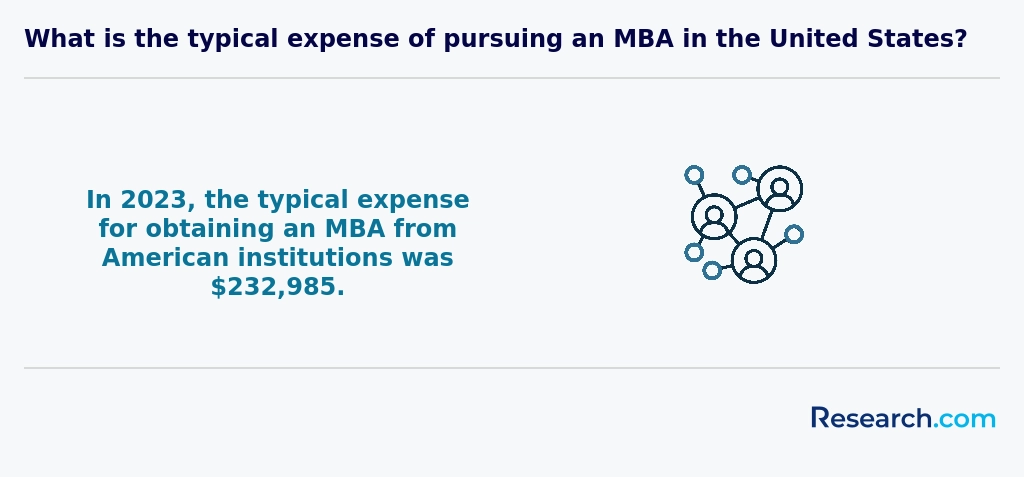
Exploring the average MBA degree cost Cambridge reveals a fascinating blend of opportunity and investment. The typical total cost for earning an MBA in this vibrant academic hub hovers around $62,845. This figure captures tuition, fees, and other direct expenses common across Cambridge institutions, offering a realistic baseline for prospective students ready to leap into the exciting world of business leadership.
Many graduates from prestigious schools, known for their rigorous programs, share how they managed to embrace this financial commitment by balancing work, scholarships, and personal drive. Imagine walking through bustling campus corridors at Harvard or nearby colleges, where the energy of ambition is palpable and the cost of the journey matches the promise of growth.
But costs extend beyond just tuition. Living expenses, books, and insurance add layers to budgeting, as any MBA student eager for career transformation will attest. For those interested in specialized paths, such as an executive mba in information technology, the investment is comparable yet tailored to the speed and intensity of their unique programs.
Understanding Cambridge MBA tuition and fees 2027 entails embracing the adventure of financial planning alongside academic challenges. Students often reminisce about late-night study sessions in cozy libraries and networking events at campus hubs, experiences made richer by knowing they're investing wisely in a life-changing education.
Navigating the MBA admissions process in Cambridge, MA requires careful planning and adherence to key deadlines to maximize your chances of acceptance. Top programs like Harvard Business School and MIT Sloan typically follow a multi-round application cycle:
- Round 1 (September–October): Early applications; ideal for candidates with strong profiles and completed GMAT/GRE scores.
- Round 2 (January–February): Most competitive round in terms of class seats; submit essays, transcripts, recommendations, and test scores at least six weeks before your ideal interview window.
- Round 3 (April–May): Final opportunity; suitable for late deciders but with fewer available spots. Key components of a successful application include:
- Essays that showcase leadership experience, career goals, and cultural fit with Cambridge’s business ecosystem.
- Two to three letters of recommendation emphasizing your professional achievements and teamwork skills.
- A polished résumé highlighting quantifiable results and progression in roles.
- Interview preparation: alumni-led mock sessions can improve performance by familiarizing you with case-based and behavioral questions. After interview invitations are extended (usually 4–6 weeks post-deadline), you’ll receive decisions between March and July, depending on the round. Admitted candidates typically must submit a nonrefundable deposit by late spring to secure their seat. To broaden your horizon with cost-effective alternatives, consider the Most Affordable Online Master’s in MBA Degree Programs Ranking in Pennsylvania, which highlights flexible options that fit various timelines and budgets.
Studying for an MBA in Cambridge can feel like embarking on a thrilling journey, especially when you discover the variety of financial aid options that make this adventure accessible. Graduates from Harvard Business School often recall how merit-based scholarships, awarded for leadership and academic excellence, eased their tuition burdens-sometimes covering nearly half or more of their costs. Meanwhile, students at MIT Sloan have found that need-based aid, though less common, could be unlocked by sharing their financial stories, turning personal circumstances into tangible support.
Imagine negotiating tuition reimbursement with your employer, a common step for many Cambridge MBA candidates balancing work and study. Others have embraced research or teaching assistantships offered by local programs, gaining both practical experience and financial relief through stipends or tuition discounts. For U.S. citizens, federal loans like Direct Unsubsidized and Grad PLUS add a sturdy financial bridge, though graduates advise considering repayment plans carefully.
- Merit-based scholarships covering partial to full tuition
- Need-based financial aid dependent on individual circumstances
- Federal and private student loans with varying repayment plans
- Employer tuition sponsorship and reimbursement programs
- Research and teaching assistantships providing financial support
A robust career support system and a connected alumni network are pivotal to the overall value of an MBA program. These services offer personalized career counseling, workshops, and exclusive networking events designed to bridge the gap between academic learning and professional achievement. MBA programs in Cambridge, MA, are renowned for their ongoing support, where career centers frequently host industry panels, one-on-one mentoring sessions, and career fairs that result in both immediate job prospects and long-term professional relationships. Furthermore, schools actively cultivate a strong alumni community, providing current students access to a network of industry leaders who offer insights, mentorship, and even job referrals. For students seeking flexibility without compromising career advancement, exploring the quickest mba online can be an excellent option. This approach not only aligns with modern learning styles but also enables professionals to build skills while maintaining their career trajectories. Overall, the blend of dedicated career services and an engaged alumni network equips MBA candidates with the resources and connections necessary to navigate a competitive job market and achieve their long-term career goals.
To embark on an MBA journey in Cambridge, you'll first need a bachelor's degree, ideally from a related field, although many exciting stories come from graduates who started with diverse academic backgrounds. Imagine stepping into a vibrant classroom at Harvard Business School or MIT Sloan, surrounded by peers with varied expertise, sparking lively debates and fresh ideas.
Work experience is your next key adventure-usually between two to five years. One graduate recalls how her marketing experience transformed group projects at MIT into dynamic case studies, enriching everyone's learning. This real-world insight fuels deeper discussions and connects theory with practice.
Standardized tests like the GMAT or GRE are another hurdle, though some students at Harvard have successfully waived these with strong work histories or stellar undergrad GPAs. Aiming for a median GMAT around 700 keeps your application competitive.
Don't forget glowing letters of recommendation and essays that reveal your ambitions-a chance to show the passion behind the application. For international explorers, proving English proficiency through TOEFL or IELTS ensures smooth sailing in demanding courses.
Diving into an MBA in Cambridge means navigating a dynamic curriculum designed to sharpen your business acumen with courses like Financial Accounting and Reporting, where graduates describe the "aha" moment of decoding balance sheets that once seemed like a foreign language. Marketing Management invites you to step into the shoes of a strategist, mastering customer analysis and weaving compelling campaigns that feel like storytelling for the modern age.
Operations Management challenges you to optimize real-world supply chains, conjuring images of campus startups streamlining production. Organizational Behavior opens the door to understanding team dynamics, vital when collaborating on case studies with peers from Harvard or MIT's Sloan School of Management nearby. Strategic Management feels like a chess game, teaching you to anticipate moves in the global market.
Data analytics and decision science courses are thrilling frontiers, equipping Cambridge MBAs to harness data like a secret weapon amid digital transformations shaping industries. Electives in entrepreneurship and sustainability reflect the adventurous spirit of many students eager to carve unique paths beyond the core.
At Cambridge, the mba degree specializations in Cambridge offer a thrilling blend of tradition and innovation that excites many students. Graduates from renowned institutions relish the Finance track, where they dive deep into investment banking and corporate finance, imagining themselves navigating bustling markets and closing high-stakes deals. The vibrant Entrepreneurship specialization sparks a pioneering spirit, inspired by the nearby Cambridge Innovation Center, where young visionaries turn bold ideas into thriving startups.
For those drawn to the tech world, the Technology and innovation management concentration opens doors to managing cutting-edge projects, perfectly aligned with the Silicon Fen tech cluster's dynamic energy. Other exciting Cambridge mba program concentration options include Marketing, where students explore digital strategies, Operations and Supply Chain Management focused on logistics mastery, Healthcare Management addressing complex systems, and International Business for future global leaders.
Many graduates describe the journey as a captivating challenge that shapes their ambitions - all while navigating the real costs of education, carefully weighing the cost of becoming a CMA and other critical investments toward their future.
Choosing the best MBA degree in Cambridge sparks a thrilling journey through some of the world's most prestigious programs like Harvard Business School and MIT Sloan. Imagine immersing yourself in rigorous courses that challenge your thinking daily while networking with ambitious peers who share your drive. Graduates from these institutions often speak of transformative experiences-whether through global immersions or consulting projects-that deeply shape their careers.
Flexibility in program format is key to matching your lifestyle and goals. Some students prefer accelerated one-year MBAs to dive into the business world swiftly, while others thrive in part-time programs balancing work and study. Exploring the best affordable MBA programs in Cambridge means weighing tuition against the incredible return on investment, especially when you consider scholarships or employer sponsorships.
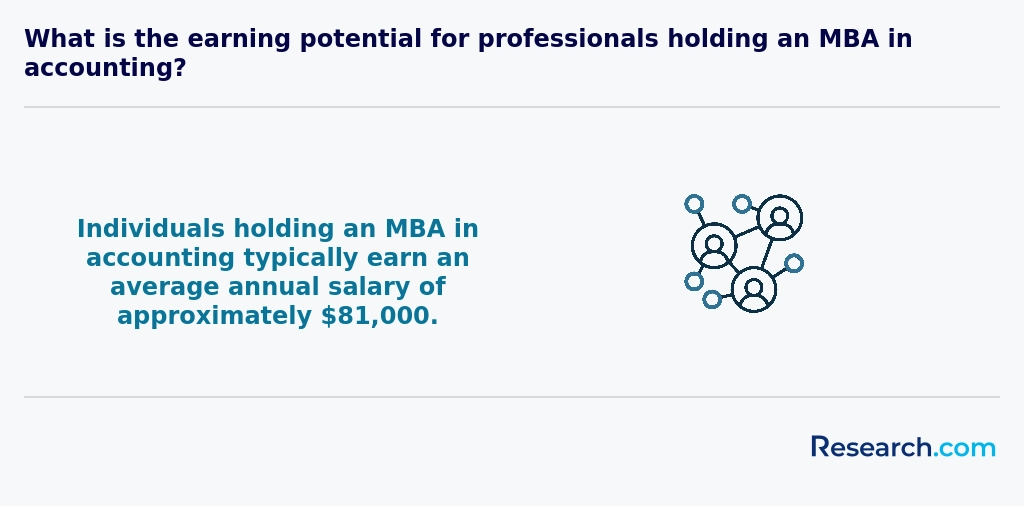
Focus on specialization options aligned with booming sectors here, like technology management or entrepreneurship. Alumni from Cambridge praise these choices for opening doors to vibrant local startups. Remember to also evaluate practical outcomes such as employment rates and salaries, which often exceed $150,000 for graduates of top programs. For those intrigued by finance or healthcare, consider faculty expertise and campus culture to feel at home.
Finally, if you're curious about combining your MBA pursuit with career interests like accounting, explore resources on becoming a CPA in Oklahoma to expand your professional horizons.

Graduates holding an MBA in Cambridge often find themselves at thrilling crossroads, ready to dive into careers shaped by the city's dynamic ecosystem. Many step into management consulting, drawn by the challenge of solving complex problems while working alongside Boston-Cambridge's leading firms. Others embrace technology and innovation leadership, taking roles in startups near Kendall Square where creativity meets business acumen. Financial services also attract MBA holders, with graduates navigating investment banking or corporate finance amid the vibrant Boston financial district.
Entrepreneurship buzzes with energy here, where graduates launch startups or join early-stage ventures, inspired by local incubators and venture capital networks. Healthcare management is another exciting avenue, tapping into Cambridge's growing biotech and pharmaceutical sectors. Those curious about blending analytical skills with real-world impact know the value of MBA career opportunities in Cambridge firsthand, often reflecting on how their time at renowned institutions has sparked both confidence and ambition. Some even complement their skill set by pursuing a master's in marketing to broaden their horizons.
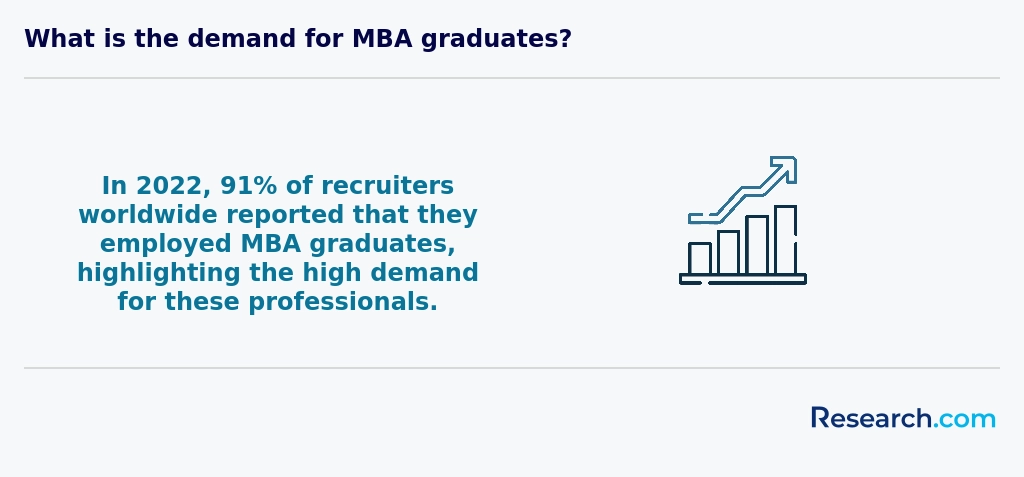
The job market for MBA degree holders in Cambridge is a vibrant landscape bursting with opportunities. Graduates from world-renowned schools like Harvard Business School and MIT Sloan find themselves in high demand, with starting salaries often ranging between $110,000 and $140,000. This dynamic environment rewards skills in technology management, healthcare, finance, and entrepreneurship, sectors thriving throughout Cambridge's innovative ecosystem. Many MBA career opportunities in Cambridge stem from its unique blend of academia and industry, giving graduates access to lucrative leadership roles in tech firms and biotech startups.
Witnessing alumni secure positions at top consulting firms or financial institutions highlights the strong network that supports rapid job placement-more than 90% of new graduates report job offers within just three months. Students often tailor their studies to the region's pioneering biotech and venture capital scene, enhancing their job outlook for MBA graduates Cambridge. Those seeking flexibility might explore part-time executive MBA programs, which also connect them with these rich job markets.
2027 Most Popular MBA Degree Programs Ranking in Cambridge
Investing in your education is a significant decision that can shape your career trajectory, and the Research.com team is keenly aware of the importance of making well-informed choices. To support prospective students in Cambridge, we have carefully developed the "2027 Most Popular MBA Degree Programs Ranking in Cambridge." Our dedication to quality, credibility, and accuracy is demonstrated through thorough research and detailed analysis underpinning this ranking.
We utilized the following reputable data sources to ensure a comprehensive assessment of MBA programs:
By examining this ranking, readers will gain valuable insights into the most sought-after MBA degree programs in Cambridge, empowering them to make confident and informed decisions about their educational investments. For a detailed explanation of our approach, please visit our Research.com methodology page.


Frequently Asked Questions About MBA
MBA students in Cambridge can maximize their learning by actively engaging in experiential opportunities offered by local universities. According to data from the Graduate Management Admission Council (GMAC) 2023 survey, 68% of MBA students who participate in internships or consulting projects report higher satisfaction with their programs. Cambridge's proximity to major innovation hubs and startups provides excellent chances for hands-on experience.
Networking is also crucial. Joining student clubs and attending business seminars helps build connections that often lead to internships or job offers. Additionally, leveraging resources such as career coaching services and alumni networks can enhance career prospects.
Focused time management combined with a commitment to participate in study groups improves academic results by up to 25%, based on recent studies published by the American Management Association.
The MBA field is evolving with emerging niches that reflect changes in the global economy and technology. In Cambridge, many programs now emphasize sustainability and social impact, responding to the growing demand for leaders who balance profit with purpose. According to the Graduate Management Admission Council (GMAC) 2023 report, about 28% of MBA applicants prioritize environmental, social, and governance (ESG) topics when selecting programs.
Another growing area is technology management, particularly involving artificial intelligence and data analytics. As Cambridge hosts numerous tech startups and research centers, MBA programs often incorporate these subjects to prepare students for digital transformation roles.
Health sector management is also gaining traction due to ongoing healthcare innovations and policy changes. Business schools in the region increasingly offer focused coursework and networking opportunities in this niche.
Preparing for the job market after completing an MBA degree in Cambridge involves strategic planning and practical steps. Firstly, leverage the university's strong alumni networks and career services. According to Cambridge Judge Business School's 2023 employment report, 90% of graduates secured jobs within three months of graduation, highlighting effective support systems.
Developing industry-specific skills and certifications can give candidates an edge. Internships and consulting projects during the MBA help build real-world experience valued by US employers. Networking events and career fairs hosted by the schools connect students with top recruiters.
Moreover, sharpening soft skills such as leadership, communication, and problem-solving is essential. Utilizing platforms like LinkedIn to maintain professional connections can also improve job prospects in competitive markets.
Employers in Cambridge highly value MBA graduates who demonstrate strong leadership and strategic thinking skills. A 2023 survey by the Graduate Management Admission Council (GMAC) highlights that 85% of hiring managers prioritize these abilities for middle to senior management roles.
Analytical skills and data-driven decision-making are also crucial, reflecting the growing emphasis on technology and innovation in Cambridge's business ecosystem. According to a 2022 report from the Cambridge Centre for Business Research, 78% of MBA employers seek candidates with proficiency in financial analysis and market evaluation.
Additionally, communication and interpersonal skills remain essential. Approximately 80% of local recruiters expect MBA graduates to excel in teamwork and negotiation, critical for collaborative roles in Cambridge's dynamic industries.
Finding internships in Cambridge relevant to an MBA degree involves leveraging both university resources and the local business ecosystem. Top institutions like Harvard Business School and MIT Sloan provide dedicated career services that connect MBA students with over 400 internship opportunities each year, including in consulting, finance, and tech sectors.
Networking is crucial; attending industry-specific events, company info sessions, and MBA career fairs can open doors to internships. According to the Graduate Management Admission Council, 65% of MBA students secure internships through networking.
Additionally, many start-ups in the Cambridge Innovation District seek MBA interns to assist with business strategy and market research, providing practical experience outside traditional corporate roles.
In Cambridge, obtaining an MBA degree significantly enhances career mobility and advancement opportunities. Local employers value the leadership and strategic skills that MBA graduates bring, often leading to faster promotions and salary increases. According to the latest data from the Graduate Management Admission Council (GMAC), 78% of MBA graduates in the US reported career advancement within three years of graduation.
MBA programs in Cambridge emphasize networking with industry leaders and alumni, which opens doors to diverse sectors including technology, finance, and consulting. This regional focus helps graduates transition smoothly into higher-level roles. Additionally, specialized MBA tracks available in Cambridge align with key economic sectors, further boosting employability and career growth.
Studying for an MBA degree in Cambridge offers unique advantages for those aiming at interdisciplinary roles. Cambridge's programs emphasize a blend of core business disciplines with opportunities to engage in subjects such as technology, healthcare, and sustainability. According to the Cambridge Business School 2023 report, 68% of MBA students participate in cross-departmental projects, fostering collaboration across fields.
The curriculum often includes case studies and teamwork exercises that mimic real-world challenges involving multiple sectors. Access to Cambridge's innovation ecosystem, including partnerships with biotech and tech firms, enriches students' experience. This prepares graduates to navigate complex business environments with diverse expertise, vital for interdisciplinary leadership roles.
Choosing between a thesis and a non-thesis MBA program in Cambridge depends on your career goals and learning preferences. Thesis MBAs typically require conducting original research and writing a detailed thesis, which suits students aiming for academic or research-focused roles.
Non-thesis programs emphasize coursework and practical experience, ideal for professionals seeking to enter or advance in business sectors quickly. According to the Cambridge Business School Consortium's 2023 report, about 70% of MBA candidates in Cambridge opt for non-thesis tracks due to the shorter duration and direct industry application.
Consider your interest in research versus hands-on learning and how each format aligns with your professional aspirations.
Students based in Cambridge who wish to pursue an MBA abroad have several options, primarily focusing on programs in the United States. Top US business schools offer a range of MBA formats, including full-time, part-time, and executive programs, catering to different schedules and career stages. According to the Graduate Management Admission Council, US MBA programs remain highly popular among international students, with nearly 40% of enrolled MBA candidates coming from outside the US in recent years.
Many Cambridge-based students also consider enrollment in US schools that provide global immersion experiences or campuses abroad, allowing for a hybrid study environment. Examples include programs at Harvard Business School and MIT Sloan, both located in Cambridge, Massachusetts, which provide extensive global networking opportunities. These institutions often offer scholarships and tailored support for international candidates, making study abroad more accessible.
Cambridge offers a variety of part-time job opportunities that complement MBA education, particularly for US-based students aiming to enhance practical business skills. Many students find roles as research assistants in business schools, where they gain experience analyzing market trends and financial data. According to the Graduate Management Admission Council (GMAC), 38% of MBA students engage in internships or part-time consulting projects during their studies, emphasizing applied learning.
Local startups and tech companies often seek MBA students for roles in project management or business development. Such positions help develop skills in strategic planning and leadership, crucial for MBA coursework.
Additionally, tutoring undergraduate business courses or working with university career centers provides opportunities to sharpen communication and mentoring skills. These roles align closely with MBA core competencies and can expand professional networks within the Cambridge academic community.
MBA students in Cambridge benefit from strong networking opportunities due to the city's position as a hub for innovation and entrepreneurship. Many MBA programs collaborate closely with local businesses and startups, providing students with direct access to industry leaders and potential employers. According to the Graduate Management Admission Council (GMAC), over 70% of MBA students in Cambridge participate in networking events hosted by their schools.
Regular career fairs and guest speaker series allow students to connect with alumni and corporate partners. Additionally, Cambridge's proximity to Boston enhances access to a wider professional network in finance, technology, and healthcare sectors.
Alumni networks offer significant advantages to MBA students in Cambridge by providing valuable professional connections. Graduates gain access to a diverse and influential community that spans industries and continents, enhancing career opportunities and mentorship possibilities.
According to the 2023 Graduate Management Admission Council (GMAC) report, 78% of MBA graduates in Cambridge found that alumni connections were crucial in securing job placements and internships. These networks also facilitate knowledge exchange, enabling students to learn from the experiences of successful predecessors.
Moreover, alumni events and online platforms create a support system promoting continuous learning and business collaborations, which is especially beneficial in competitive markets like finance and technology.
Customizing an MBA degree program in Cambridge allows students to align their education with specific career objectives. Many Cambridge-based business schools offer elective courses or concentrations in areas like finance, entrepreneurship, or technology management. This flexibility helps students develop expertise relevant to their industry of interest.
Additionally, experiential learning opportunities such as internships, consulting projects, and international exchanges enable practical skill development tailored to professional goals. According to the Graduate Management Admission Council (GMAC), 65% of MBA students in Cambridge customize their curriculum through electives and projects to enhance employability.
Students should actively engage with career services for personalized guidance on course selection and networking opportunities, which plays a crucial role in shaping career paths.
Many MBA students in Cambridge encounter significant challenges related to balancing rigorous academic demands with professional and personal obligations. The average MBA program workload, according to the Graduate Management Admission Council, requires about 15 to 20 hours of study per week, which can strain time management skills.
Financial pressure is another common issue. The cost of an MBA in Cambridge often exceeds $70,000 annually, leading many students to face concerns about funding and debt. Additionally, adapting to diverse peer groups and networking effectively remains a challenge for both domestic and international students.
Career uncertainty also weighs heavily, as the competitive job market demands strategic planning and skill development beyond academics.
An MBA degree from Cambridge can open doors to various professional certifications that enhance career prospects in the US job market. Many MBA graduates pursue the Certified Public Accountant (CPA) credential, especially those focused on finance or accounting. This certification is highly valued for careers in auditing and corporate finance.
Another popular certification is the Project Management Professional (PMP), which aligns well with skills gained during an MBA program, such as leadership and organizational management. PMP holders often see increased job opportunities and higher salaries.
The Chartered Financial Analyst (CFA) certification is relevant for MBAs interested in investment management or financial analysis. According to the CFA Institute, over 45,000 candidates pass exams annually in the US.
Finally, many leverage their MBA toward earning the Certified Management Consultant (CMC) credential, demonstrating advanced expertise in management consulting.
To write a winning application for a MBA program in Cambridge, start by researching each school's specific requirements. Many top programs in Cambridge, such as Harvard Business School's extension programs, emphasize leadership experience and clear career goals. A strong resume highlighting professional achievements combined with impactful recommendation letters is essential.
Be sure to craft a compelling personal statement that explains your motivations and how the MBA aligns with your career path. According to U.S. News & World Report, concise essays demonstrating self-awareness and growth increase chances of acceptance.
Additionally, prepare thoroughly for the GMAT or GRE exams, as competitive scores (generally above 700 for GMAT) remain important for Cambridge-area programs.
The global perspective on an MBA career emphasizes versatility and leadership opportunities across industries. Graduates from MBA programs, including those in Cambridge, often pursue roles in consulting, finance, and technology. According to the Graduate Management Admission Council's 2023 survey, 62% of MBA graduates worldwide secured jobs in general management, highlighting their broad skill applications.
In the US, MBA alumni tend to report a 50% salary increase post-graduation, attracting professionals seeking career growth. Cambridge-based programs benefit from strong ties to international companies, offering networking advantages. The global demand for managerial expertise ensures these degrees remain relevant in dynamic job markets.
Gaining practical experience while pursuing an MBA degree in Cambridge can significantly enhance your career prospects. Many Cambridge-based MBA programs encourage internships, consulting projects, and live case studies with local businesses in the Greater Boston area. This region hosts a vibrant startup ecosystem and numerous multinational corporations, offering hands-on opportunities for students to apply classroom knowledge.
Additionally, part-time and executive MBA programs often integrate experiential learning through cohort-based projects, allowing students to solve real-world business challenges collaboratively. According to the Graduate Management Admission Council, over 60% of MBA students in the US seek internships during their studies, which can be pursued through university career centers and employer partnerships.
Networking events, mentoring programs, and business competitions also provide practical exposure, helping students develop leadership and strategic skills essential for management roles.
Choosing the right concentration within an MBA program in Cambridge involves assessing your career goals and interests. Common concentrations include finance, marketing, entrepreneurship, and technology management. According to the Graduate Management Admission Council's 2023 survey, finance and technology-related concentrations remain the most sought after among MBA candidates in US business schools, including those in Cambridge.
It's crucial to research faculty expertise and alumni outcomes at specific Cambridge schools to understand which concentration aligns with your aspirations. Many programs offer networking opportunities related to each concentration, which can impact job placement success.
Consider the local business environment in Cambridge, known for its strong tech and biotech industries, when selecting a concentration. This regional advantage often benefits students focused on innovation and technology management. Admissions offices typically provide statistics on graduate salaries and employment by concentration, serving as useful benchmarks.
- 2027 Most Popular MBA Degree Programs Ranking in Boston
- 2027 Most Popular MBA Degree Programs Ranking in Waltham
- 2027 Most Popular MBA Degree Programs Ranking in Worcester
- 2027 Most Popular MBA Degree Programs Ranking in Providence
- 2027 Most Popular MBA Degree Programs Ranking in Springfield
- 2027 Most Popular MBA Degree Programs Ranking in West Hartford
- 2027 Most Popular MBA Degree Programs Ranking in New Haven
- 2027 Most Popular MBA Degree Programs Ranking in Albany
- 2027 Most Popular MBA Degree Programs Ranking in Bronx
- 2027 Most Popular MBA Degree Programs Ranking in Burlington
- How to Choose Between MBA Degree vs. Certificate | University of Phoenix https://www.phoenix.edu/articles/business/how-to-choose-between-mba-degree-vs-certificate-programs.html
- Master of Business Administration (M.B.A.) Major in Business Administration (General Flex Non-thesis Option) https://mycatalog.txstate.edu/graduate/mccoy-business-administration/business-genflex-nonthesis-mba/
- How much does the Cambridge MBA cost?- MBAGRADSCHOOLS https://mbagradschools.com/financing-your-mba/how-much-does-the-cambridge-mba-cost
- Follow These 10 Steps To Write Your MBA Application Essays - ApplicantLab https://www.applicantlab.com/blog/10-steps-to-write-your-mba-application-essay/
- How to Choose an MBA Program That Fits Your Career Goals https://www.mobileviewer.io/blog/how-to-choose-an-mba-program-that-fits-your-career-goals
- Top Challenges for MBA Students in 2025: Placements and Career Growth in India | BeJobbed.com https://bejobbed.com/challenges-mba-students-placements-career-growth-india/
- Skills Employers Look for in Business Graduates – EU Business School https://www.euruni.edu/blog/skills-employers-look-for-in-business-graduates/
- Why MBA Graduates Embrace Global Perspectives for Career Growth https://www.thehighereducationreview.com/editors-guest/why-mba-graduates-embrace-global-perspectives-for-career-growth-nid-6271.html
- Cambridge MBA Eligibility : Know what it takes to get an Admit - MBA & Beyond https://www.mbaandbeyond.com/blog/cambridge-mba/cambridge-mba-eligibility
- MBA Requirements https://www.collegeessayguy.com/blog/mba-requirements


