
2027 Most Affordable MBA Degree Programs Ranking in Springfield

Co-Founder and Chief Data Scientist
Are you considering advancing your career with an MBA but worried about the cost? This article introduces the 2027 Most Affordable MBA Degree Programs Ranking in Springfield, crafted by Research.com's skilled data scientists. It's designed to help you find the best value programs right here in Springfield, making your decision easier and more informed.
Reading this will empower you to choose an MBA that fits your budget without sacrificing quality. Pursuing an MBA opens doors to new opportunities, and this guide supports your journey toward success. Start your path with confidence today!
Key benefits of getting MBA degree in Springfield
- While specific salary data for MBA graduates in Springfield is not available, MBA degree holders in the US often enjoy strong earning potential, with average salaries typically ranging from $80,000 to over $120,000 annually depending on the industry and experience.
- An MBA graduate from a popular Springfield university can pursue various career paths such as marketing manager, financial analyst, or business consultant, opening doors to leadership roles and exciting growth opportunities.
- Online MBA graduates from Springfield institutions appreciate the flexibility to balance work and study, gaining valuable skills without interrupting their careers while connecting with diverse professionals worldwide.
- 2027 Most Affordable MBA Degree Programs Ranking in Springfield
- What can I expect from MBA degree in Springfield?
- Where can I work with MBA degree in Springfield?
What can I expect from MBA degree in Springfield?
Dreaming of an MBA in Springfield? Most students find the cost ranges from $15,000 to $30,000 per year at private universities like Drury University, known for its ACBSP-accredited program. Graduates often share how scholarships and assistantships helped ease financial concerns, making the adventure feel more attainable. Public universities add even more appeal with in-state tuition discounts, which many Springfield locals have found to be a budget-friendly way to pursue their goals.
Imagine diving into challenging courses at Drury or a local public school, where peers balance teamwork projects and internships that connect directly with Springfield's thriving sectors like healthcare and finance. Graduates recall the excitement of learning both theory and practical skills without breaking the bank, often surprised by the value received for their investment.
Many students feel motivated knowing this cost opens doors to higher earnings later-indeed, MBA holders typically enjoy about 25% more salary than those with just a bachelor's. For those eager to grow, Springfield's MBA scene is a blend of challenge, opportunity, and smart spending.
Where can I work with MBA degree in Springfield?
Graduates with an MBA from Springfield's top schools like Springfield College or Western New England University find themselves stepping into a world full of exciting career possibilities. Imagine joining a bustling healthcare team at Baystate Health, where your skills in operations and strategic planning directly impact patient care and organizational success.
Others dive into Springfield's rich manufacturing scene, working with companies such as Smith & Wesson, managing supply chains or driving business growth with hands-on leadership. The vibrancy of Springfield's financial sector also pulls MBA graduates toward roles in risk management or corporate finance at local banks and insurance firms, where your decisions shape community futures.
Many graduates relish the challenge of educational administration, leveraging their talents to advance finance or enrollment at institutions like Western New England University. The entrepreneurial spirit here is palpable, with MBA holders launching startups or joining regional consulting firms, transforming fresh ideas into thriving ventures.
Springfield's diverse, dynamic economy makes each career step an adventure, blending passion with purpose in real workplaces led by innovative leaders just like you.
Graduates from Springfield's well-regarded MBA programs often find themselves stepping into roles that reward their hard work with impressive salaries. Imagine finishing your MBA and landing a role in the city's thriving healthcare or financial sectors, where starting salaries typically range from $70,000 to $85,000. Many alumni recall their first year on the job feeling both excited and challenged, knowing that this was only the beginning.
As these graduates gather more experience, their earnings climb, often surpassing $100,000. For example, those moving into project or operations management positions share stories of taking on leadership challenges and seeing their compensation reflect that growth. Springfield's diverse economy means you could be a marketing director or financial manager drawing salaries well above $110,000, especially at larger companies.
Attending a university renowned for its MBA program in Springfield not only boosts your skills but also places you in a vibrant network, which many grads say accelerates career opportunities and salary increases. The adventure of an MBA here is about transforming ambition into tangible financial rewards right in your hometown.
- Public MBA programs in Springfield typically cost between $25,000 and $40,000, while private programs can exceed $50,000.
- The job market for MBA graduates in Springfield has grown by 5% in managerial and business roles over the past three years.
- Entry-level salaries for MBA holders average around $75,000 per year, with potential growth to $110,000 or more in five to ten years.
- Many programs offer part-time or online formats to accommodate working professionals.
- Internships and cooperative education opportunities are common, helping students build local industry connections.
Diving into an MBA journey in Springfield is an adventure in itself, with timelines that flex to fit your lifestyle. Most full-time students at popular institutions like Springfield State University find themselves immersed for about two years, juggling 60 credit hours and vibrant campus life. Graduates often recall the thrill of intensive study balanced with networking events that energize their ambitions.
For those craving speed, accelerated programs at colleges around Springfield offer a fast track-completing the degree in just 12 to 18 months. Imagine powering through courses with fellow driven professionals, all eager to climb their career ladders swiftly. This high-paced route can be as exhilarating as it sounds, packed with challenges that bring a real sense of achievement.
Meanwhile, part-time paths unfold over three years or more, perfect for working students weaving classes into their busy schedules. Alumni from these programs cherish the flexibility, often juggling family, jobs, and studies, making every milestone feel like a personal victory.
Whether it's day classes on a lively campus or weekend and online courses designed for the modern professional, Springfield's MBA programs adapt, inviting you to tailor your educational adventure.
Imagine juggling a full-time job and family life while earning your MBA from a leading Springfield university-all without stepping foot on campus. That's the magic of an online MBA. Graduates recall how remote access to lectures made it easy to fit study sessions between meetings or late-night family time. The flexibility to learn asynchronously means you're truly in control of your schedule, perfect for those craving adventure beyond rigid routines.
Contrast that with the immersive experience offered by Springfield's on-campus MBA programs. Here, graduates cherish the spontaneous hallway debates, group projects in buzzing campus cafes, and direct connections with professors and local business leaders. Networking feels organic, like joining a vibrant community where every conversation could spark new opportunities.
Both paths in Springfield open doors, yet the choice feels personal-whether you seek the freedom of virtual classrooms or thrive in the energizing heartbeat of campus life.
Investing in an MBA program demands careful consideration of both costs and long-term benefits. In Springfield, MO, where the average total tuition for a full-time MBA program hovers around $30,000–$40,000, graduates often see their salaries rise by 25%–35% within two years of graduation. Assuming a median post-MBA salary increase from $75,000 to $95,000, students can expect to recoup tuition expenses in approximately 3–4 years, depending on living costs and financing choices. Beyond direct financial gains, an MBA cultivates leadership, strategic thinking, and a robust professional network-assets that yield compounded returns over a career. For instance, alumni report accelerated promotions to managerial and executive roles, translating into compounded salary growth that often surpasses the initial investment by year five post-graduation. Factoring in employer tuition reimbursement programs, graduate assistantships, and scholarships, many students reduce their out-of-pocket expenses by 20%–50%, further shortening the payback period. To benchmark affordability and outcomes in other regions, you might compare program costs and post-graduation salaries using our neighboring-state analysis. For a broader perspective on program value and regional cost differences, explore the Most Affordable MBA Degree Programs Ranking in Gainesville, FL. Such comparisons highlight how Springfield’s lower cost of living and competitive tuition rates combine to offer one of the strongest ROI profiles among mid-sized U.S. markets.
Exploring the average MBA degree cost in Springfield reveals an inviting range of possibilities for aspiring business leaders. Many graduates from prominent Springfield universities reflect fondly on their investment, noting that the median in-state tuition hovers around $28,548, making the journey attainable without sacrificing quality. Out-of-state students can expect to see a median total cost near $36,978, a figure that still aligns well compared to other urban MBA programs nationwide.
Imagine attending classes at a popular Springfield college where evenings are spent networking and growing alongside peers, while days might allow for part-time work to help offset expenses. This balance is a real advantage for many seeking affordable MBA programs Springfield 2027, blending rigorous academics with practical life management. The affordability combined with the vibrant community creates a compelling atmosphere of excitement and possibility for those stepping into the next chapter of their careers.
Additional costs such as fees, books, and living expenses generally add between $15,000 and $25,000, but many students find creative ways to manage these, especially with flexible scheduling. For those considering alternatives, Springfield offers flexible online MBA Ohio options that may reduce tuition by 10-30%, providing both accessibility and quality education from accredited programs. This blend of cost and flexibility invites a broader audience to embark on the MBA adventure, opening doors to new opportunities without overwhelming financial burden.

Imagine stepping foot into a Springfield university campus, eager to dive into your MBA journey, while knowing that financial aid options are within reach. Many MBA students here have unlocked federal financial aid by completing the FAFSA, tapping into Direct Unsubsidized and Grad PLUS Loans, which offer manageable interest rates and repayment plans that ease future stress.
Some graduates recall receiving scholarships awarded for leadership and professional experience, provided by local universities or Springfield organizations. These awards lighten the tuition load, especially since public MBA programs in Springfield average between $30,000 and $50,000-a friendly contrast to pricier national averages.
Others share how local employers' tuition reimbursement programs fueled their studies, blending work and education seamlessly. Graduate assistantships also open doors for those eager to gain hands-on administrative or research experience in exchange for stipends or tuition relief, often available at Springfield's state universities and community colleges.
With nearly 60% of MBA students receiving aid averaging $12,000 per year, exploring these paths turns the dream of earning your MBA in Springfield into an achievable adventure.
When evaluating options for an affordable MBA school in Missouri, it's essential to consider several key factors that can significantly impact your educational experience and future career prospects. One of the most critical aspects is the program's accreditation, which ensures that the institution meets high standards of education. Prospective students should also consider the program format, whether it's full-time, part-time, or online, to ensure it aligns with their lifestyle and commitments. Cost considerations are also vital, including tuition fees, administrative costs, and living expenses, especially in cities like Springfield. For those looking for an affordable mba school in missouri, understanding these factors can help make informed decisions. Furthermore, the curriculum and specializations offered, support services, and career outcomes should be carefully evaluated to ensure they meet individual career aspirations and goals. By meticulously considering these factors, prospective MBA students can choose a program that not only fits their budget but also provides a high-quality education and enhances their career prospects.
To dive into an MBA program in Springfield, you'll first need a bachelor's degree from an accredited school-no matter the major, though business-related courses can give you a confident head start. Imagine a graduate from a well-known Springfield college who juggled engineering classes but found their passion shift during internships that fueled their MBA journey.
Test scores like the GMAT or GRE often make or break your application. Many Springfield programs expect scores around 600 to 650, which strikes a balance between challenge and opportunity. Some grads recall the thrill of preparing for these tests, knowing a strong score could unlock doors to top local schools.
Work experience, typically two to five years, is your secret weapon. It shapes the vibrant discussions at colleges like Springfield State University, where classmates bring real-world business puzzles to explore together. Yet, some adventurous programs welcome those fresh from undergrad eager to leap in sooner.
Don't forget the power of your resume and glowing recommendations, which spotlight your journey and potential. Crafting a personal essay about your dreams is your chance to connect with admissions officers, showing why Springfield's unique MBA experience is your next great adventure.

As the business landscape evolves at a rapid pace, understanding the future of MBA education is crucial for prospective students seeking long-term career success. In response to changing market demands, MBA programs are increasingly incorporating innovative teaching methods, such as hybrid learning formats, data analytics integration, and immersive digital simulations that prepare students for a dynamic professional world. These advancements not only enhance traditional academic frameworks but also emphasize real-time problem-solving, ethical leadership, and global market adaptability. Industry experts predict that emerging trends-like the rise of remote collaboration and digital transformation-will significantly influence curriculum design and career services in the coming years. Students who remain agile and informed about these developments can leverage opportunities such as internships in tech-driven environments and strategic partnerships with multinational companies. For those exploring flexible yet career-boosting options, checking out best value executive mba programs could provide additional insights into how executive education is adapting to meet contemporary business challenges. Moreover, this forward-thinking learning approach is designed to equip graduates with not only technical skills but also the strategic mindset necessary to navigate future industry shifts. As MBA programs continue to evolve, integrating emerging trends into both the curriculum and professional development services remains a key differentiator for institutions committed to fostering the next generation of business leaders.
In Springfield, embarking on an MBA journey means diving into engaging courses that build a solid business foundation while sparking curiosity for real-world challenges. Graduates from top local universities recall how Accounting and Financial Management unlocked their confidence in reading financial reports, turning what once seemed like daunting numbers into storytelling tools that reveal a company's health.
Marketing Management classes whisk students into the dynamic world of customer behavior and strategy, crafting campaigns that feel vibrant and impactful. Operations Management invites learners to become efficiency detectives, optimizing processes in ways they've seen firsthand during internships in Springfield's bustling industries.
Organizational Behavior sheds light on team dynamics, making leadership feel less like a title and more like an adventurous collaboration. And then there's Business Ethics-a course that graduates describe as eye-opening, helping them navigate complex moral decisions with integrity in Springfield's diverse business landscape.
The thrill of Strategic Management and Economics for Managers lies in viewing the bigger picture, strategizing future moves just as Springfield companies do to thrive in competitive markets. This mix of courses prepares MBA students to not only understand business but to live it with enthusiasm and insight.
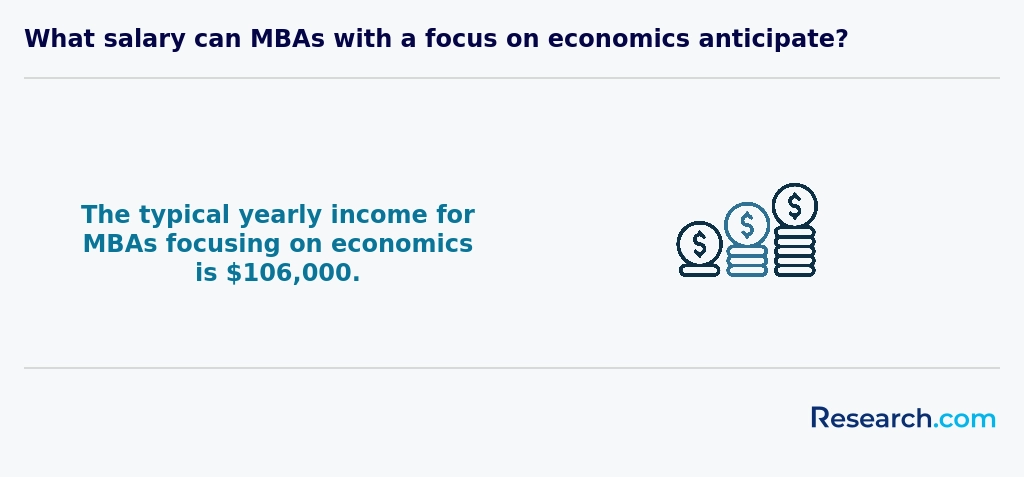
Choosing your path within a Springfield MBA degree opens doors to several exciting specializations, each resonating with the city's unique economic vibe. Graduates from popular Springfield colleges often highlight Finance as a thrilling track, thanks to its blend of investment insights and corporate money management, a perfect fit given the city's bustling financial institutions.
Marketing sparks creativity and strategy, focused on digital trends and consumer psychology, appealing to those dreaming of shaping local brands or thriving in advertising hubs. Healthcare Management is another favorite, translating complex hospital operations into leadership opportunities, reflecting Springfield's strong healthcare community.
For the adventurous, Springfield MBA degree specializations also offer Entrepreneurship, IT Management, and Supply Chain Management, the latter catering especially to students aiming to earn a degree that connects closely with the region's manufacturing pulse. Graduates often share how these fields brought vibrant career possibilities they hadn't imagined, making every class feel like a step closer to their dream job.
Choosing the best MBA degree in Springfield means diving into a world of possibilities where affordability meets quality. Many graduates from local universities cherish how these programs offer tailored curriculum paths that felt not only relevant but energizing to their own career adventures. Think about an MBA focusing on healthcare management or finance-offered right here-where courses are crafted around Springfield's dynamic industries, providing a direct route to exciting job opportunities.
Flexibility is another gem; imagine balancing evening classes or online modules while working your day job, a common story among students thriving in Springfield's adaptable setups. Graduates often share how this balance made earning their degree feel like a truly achievable challenge.
And the magic of networking in Springfield is real. Local colleges connect you with businesses and alumni who are eager to welcome fresh talent, sparking internships and job offers that transform your MBA into a launchpad. For those considering cost, Springfield excels with some of the most affordable MBA programs in Springfield, often much lower than national averages. Exploring options like Ohio online MBA courses can further lighten the financial load without sacrificing quality.

Graduates of MBA programs in Springfield embark on diverse career paths that tap into the city's vibrant economic landscape. Many find themselves energized by opportunities in healthcare management, propelled by the region's leading hospitals and medical research centers. Imagine stepping into a hospital administration role one day and collaborating with top professionals the next-this hands-on variety keeps the work exciting.
Springfield's financial services sector also draws enthusiastic MBA graduates into roles in corporate finance and risk management, where analytical skills meet real-world impact. Those intrigued by operations gain from the thriving manufacturing and supply chain industries, turning classroom lessons into efficiencies that propel local businesses forward.
MBAs pursuing government roles often feel a sense of pride contributing to public administration in this state capital, bringing fresh perspectives to policy and economic development. Students from popular Springfield colleges often share how these career paths aligned perfectly with their adventurous spirits and ambition.
For those curious about exploring business through a different lens, marketing management, entrepreneurship, and strategic consulting offer dynamic roads to growth. For insights on related fields, Springfield students sometimes explore South Carolina accounting school reviews to compare their options.
These real-world journeys highlight exciting MBA career opportunities in Springfield, where every day can be a new adventure driven by your goals.
The job market for MBA graduates in Springfield offers an exciting path filled with diverse opportunities. Graduates from popular local universities often find themselves stepping confidently into roles like project managers or marketing directors within thriving healthcare and manufacturing sectors. The city's growing startup scene also welcomes MBA holders eager to apply strategic planning and business development skills, making the search for job opportunities for MBA graduates in Springfield both vibrant and promising.
Many students experience the practical benefits of Springfield's moderate but steady 6% growth in management occupations, as noted by regional reports. This growth helps graduates compete for leadership positions while enjoying entry-level salaries ranging between $75,000 and $95,000-figures that, combined with affordable tuition rates, make earning an MBA here a rewarding investment.
Those diving deeper into specialized fields may explore options like a DBA in accounting to further enhance career prospects. Networking events hosted by local colleges also frequently connect aspiring professionals with employers who value advanced business degrees.
2027 Most Affordable MBA Degree Programs Ranking in Springfield
Investing in your education is a significant decision that can shape your future, and the Research.com team understands the importance of making informed choices. To assist prospective students in Springfield, we have meticulously crafted the "2027 Most Affordable MBA Degree Programs Ranking in Springfield." Our commitment to quality, credibility, and accuracy is reflected in the extensive research and analysis conducted to compile this ranking.
We utilized the following reputable data sources to ensure a comprehensive evaluation of MBA programs:
By exploring this ranking, readers will gain valuable insights into the most affordable MBA degree options available in Springfield, empowering them to make well-informed decisions about their educational investment. For more details on how this ranking was created, please visit our Research.com methodology page.


Frequently Asked Questions About MBA
To maximize their learning experience, MBA students in Springfield should actively engage with both academic and practical components of their programs. Participating in case studies and group projects enhances problem-solving and teamwork skills, which are critical for business leadership.
Springfield offers access to a variety of local businesses and industries, presenting valuable networking opportunities. Students are encouraged to attend seminars and workshops hosted by Springfield-area business organizations to connect theory with real-world applications.
Utilizing campus resources such as career services and mentorship programs can significantly extend learning beyond the classroom. According to the U.S. Department of Education, MBA graduates from Illinois institutions see higher employment rates when actively involved in experiential learning.
The MBA field is evolving with several emerging niches attracting students in Springfield. One key area is sustainability and green business, reflecting growing corporate focus on environmental responsibility. Programs integrating these themes have seen a 15% enrollment rise locally in the past two years, according to the Springfield Business Education Council.
Another niche gaining momentum is healthcare management. Given Springfield's expanding healthcare industry, MBAs specializing in this sector are in demand to manage complex systems and regulatory challenges.
Additionally, data analytics and artificial intelligence are becoming integral, as companies seek leaders who can interpret big data to make strategic decisions. Springfield universities are increasingly offering these concentrations to meet market needs, supported by regional tech growth reports.
After completing an MBA degree in Springfield, preparing for the job market requires strategic planning and leveraging local resources. Graduates should start by building a professional network through Springfield's business events and alumni groups. The Springfield Regional Chamber of Commerce often hosts networking opportunities relevant to MBA candidates. Additionally, gaining internships or consulting projects during studies can enhance practical experience valued by employers in sectors like healthcare, manufacturing, and finance, which dominate Springfield's economy.
According to the National Center for Education Statistics, Springfield-based MBA programs report a 75% employment rate within six months post-graduation. This underscores the importance of early career services and resume workshops offered by Springfield institutions. Job seekers should also explore connections with Springfield's startups and nonprofit organizations to diversify their career options.
Employers in Springfield commonly seek MBA graduates who demonstrate strong leadership and strategic thinking skills. According to a 2023 report by the Springfield Chamber of Commerce, 78% of local businesses prioritize candidates with proven abilities in problem-solving and decision-making.
Communication skills are also vital; effective interpersonal and presentation abilities help graduates lead diverse teams. Additionally, proficiency in data analysis and financial management is increasingly important due to the city's growing tech and finance sectors.
Adaptability and innovation are valued as Springfield companies face rapid market changes. Collaboration skills and ethical judgment complete the key competencies employers expect in MBA graduates within the Springfield job market.
Finding internships in Springfield relevant to an MBA degree involves leveraging local business networks and university resources. Many Springfield universities, such as Drury University and Missouri State University, offer career services that connect MBA candidates with regional companies. These services often facilitate internship placements in finance, marketing, and management roles.
Springfield's diverse business environment, including sectors like healthcare and manufacturing, provides ample opportunities for practical experience. According to the Springfield Area Chamber of Commerce, over 200 companies actively seek interns each year, many preferring MBA students due to their advanced skill sets.
Additionally, online platforms like Handshake or LinkedIn enable local MBA students to discover internships tailored to their studies. Attending local networking events and business meetups also increases chances to secure relevant internships through personal connections. These strategies together improve internship success rates for MBA students in Springfield.
An MBA degree significantly enhances career mobility and advancement opportunities in Springfield's competitive job market. According to the Springfield Chamber of Commerce 2023 report, MBA graduates experience a 25% higher likelihood of promotion within two years compared to those without advanced business degrees. Employers in Springfield's strong manufacturing, healthcare, and finance sectors often prefer candidates with MBA credentials for leadership and management roles.
Furthermore, local salary surveys indicate MBA holders can expect an average salary increase of 15% to 30% post-graduation. Networking through Springfield-based MBA programs, many tied closely to regional businesses, also opens doors to executive-level positions and broader industry connections.
Studying for an MBA degree in Springfield equips students with skills necessary for interdisciplinary roles by integrating knowledge across business, technology, and healthcare sectors prominent in the region. Many local programs emphasize teamwork, critical thinking, and cross-functional leadership, reflecting Springfield's diverse economic landscape.
According to the Springfield Education Board (2023), 68% of MBA curricula here incorporate projects with students from different academic backgrounds, enhancing collaborative problem-solving abilities. Additionally, Springfield's proximity to industries like manufacturing and finance allows MBA students to engage in real-world consulting projects that require blending expertise from multiple disciplines.
Such structured exposure helps graduates become versatile professionals prepared to manage complex challenges across various business environments.
Choosing between a thesis and a non-thesis MBA degree program in Springfield depends on your career goals and learning preferences. Thesis programs focus on research, requiring a substantial paper that develops analytical skills. This path suits students interested in consulting, academia, or roles involving strategic analysis.
Non-thesis programs prioritize coursework and practical experience, often including internships or projects. They typically allow faster completion, appealing to working professionals aiming for leadership roles without a research emphasis.
According to recent data from Springfield's Chamber of Commerce, 62% of local MBA graduates opt for non-thesis tracks due to the immediate application of skills in Springfield's diverse business sectors.
Accredited Springfield universities offer both options, so consider your time availability, interests, and long-term objectives when deciding.
Students based in Springfield seeking to study for an MBA abroad have several options to consider within the framework of U.S. education guidelines. Many American universities offer partnerships with international institutions, allowing Springfield students to enroll in exchange programs or dual-degree tracks. For example, partnerships with European schools provide opportunities to experience diverse business environments while earning accredited degrees. Additionally, some Springfield-area MBA programs incorporate study-abroad modules lasting from a few weeks to a full semester, enhancing global business perspectives.
According to the Graduate Management Admission Council (GMAC), 21% of MBA students participate in international study components, reflecting growing demand for global experience. Cost and visa requirements are critical factors; scholarships and financial aid often help offset expenses. Overall, Springfield students can leverage U.S.-accredited programs with structured abroad experiences to fulfill their MBA aspirations internationally.
Springfield offers a variety of part-time job opportunities that can effectively complement MBA education. Many students find roles in local financial institutions, such as banks and credit unions, where they gain practical experience in finance and client management. According to the Springfield Chamber of Commerce, about 25% of MBA students work part-time in these sectors.
Consulting firms and small businesses also frequently hire MBA students for project management or marketing roles. These positions enhance skills in strategic planning and data analysis. Additionally, Springfield's growing healthcare administration sector provides internships and part-time jobs that align with MBA concentrations.
MBA students in Springfield benefit from numerous networking opportunities through local universities and professional organizations. Schools like Drury University and Evangel University often host career fairs and alumni events, providing direct access to seasoned business leaders and recruiters. According to the Springfield Business Journal, over 60% of MBA students in Springfield engage in internships that lead to valuable professional connections. Additionally, the Springfield Area Chamber of Commerce regularly organizes networking mixers and panel discussions specifically targeting emerging business professionals. These gatherings help students build relationships with local entrepreneurs, executives, and potential mentors, enhancing their career prospects within the region.
Alumni networks play a crucial role in enhancing the value of an MBA degree for students in Springfield. These networks provide access to a wide community of graduates who can offer mentorship, career guidance, and professional connections. According to data from the Graduate Management Admission Council (GMAC), 85% of MBA graduates in the U.S. report that networking opportunities significantly helped in career advancement.
Springfield's local alumni groups often host events and workshops, allowing current students to engage directly with experienced professionals. This interaction can lead to internships, job placements, and business partnerships.
Furthermore, alumni frequently share industry insights and resources, which can ease the transition from academic settings to competitive job markets.
Many MBA programs in Springfield offer flexible curricula that allow students to tailor their studies according to individual career goals. Customization often includes choosing specialized tracks such as finance, marketing, or healthcare management. According to the U.S. Department of Education's College Navigator, several Springfield institutions provide concentrations and electives designed to develop specific skill sets.
Students can also select between part-time, full-time, and online formats to balance education with work commitments. Some programs emphasize experiential learning through internships or consulting projects with local businesses, offering real-world experience. Academic advisors in Springfield's universities help students align coursework and professional development opportunities with targeted industries or leadership roles.
Many MBA students in Springfield face significant challenges balancing work, family, and academic responsibilities. According to recent surveys by the Springfield Education Board, nearly 65% of MBA candidates are part-time students who juggle full-time jobs alongside their studies. This creates time management difficulties that can affect performance and well-being.
Financial concerns are another common obstacle. The average cost of an MBA program in Springfield ranges from $30,000 to $60,000, excluding living expenses, which can be prohibitive for some students without employer sponsorship or financial aid.
Additionally, adapting to evolving business technologies and staying relevant in a competitive job market demands continuous learning beyond classroom hours.
With an MBA degree in Springfield, graduates can pursue several valuable professional certifications that enhance their career prospects. Popular options include the Certified Management Accountant (CMA) and the Project Management Professional (PMP), both widely recognized in business fields. The Society for Human Resource Management (SHRM) also offers certifications that align well with an MBA in human resources management. Additionally, many MBA holders pursue the Certified Financial Planner (CFP) credential if they are interested in finance roles.
According to data from Springfield's Chamber of Commerce, nearly 40% of local MBA graduates seek at least one professional certification within three years of completing their degree.
Applying for an MBA program in Springfield requires careful preparation. Start by researching local schools, such as Drury University and Missouri State University, to understand their specific admission criteria. A strong application highlights your professional experience, leadership skills, and career goals clearly.
Standardized test scores, like the GMAT or GRE, remain important for many programs, though some schools offer waivers based on work experience. Make sure your resume is up to date and tailored to the MBA focus.
The personal statement should connect your background with how the program will help achieve your ambitions. According to U.S. News & World Report, Springfield MBA programs emphasize community engagement and practical learning, so demonstrate how you can contribute.
Lastly, secure strong letters of recommendation that vouch for your abilities and potential for success in a rigorous business environment.
The global perspective on an MBA career emphasizes versatility and leadership in diverse markets. Graduates from Springfield's MBA programs often find opportunities beyond local businesses, with skills applicable in multinational corporations. According to the Graduate Management Admission Council (GMAC), 75% of MBA graduates in the U.S. report enhanced career opportunities internationally.
Springfield's proximity to major commercial hubs strengthens connections with global industries. This fosters experience in global supply chains, finance, and consulting. Employers value MBA graduates who understand cross-cultural management and international regulations.
Salary data from the Springfield Chamber of Commerce indicates that MBA holders earn on average 25% more than those with only undergraduate degrees, reflecting strong demand. These figures align with national trends, where U.S. MBA professionals often command higher compensation worldwide.
Gaining practical experience while studying for an MBA degree in Springfield is crucial for career development. Many local programs integrate internships or cooperative education opportunities directly into their curriculum. These placements allow students to work with Springfield-based businesses, applying classroom knowledge to real-world challenges.
Additionally, Springfield offers access to several business incubators and networking events tailored for MBA students. According to the Springfield Chamber of Commerce (2023), nearly 60% of MBA students in the area engage in internships during their studies. Participating in case competitions and consulting projects with local companies also provides valuable hands-on experience.
Such opportunities enrich learning and enhance resumes significantly.
Choosing the right concentration within an MBA program in Springfield involves evaluating your career goals and the local job market. Popular concentrations here include finance, healthcare management, and entrepreneurship, reflecting Springfield's growing sectors. According to the Springfield Chamber of Commerce, healthcare and financial services employers have the highest demand for MBA graduates in the region.
Consider your professional background and where you want to advance. For example, if you work in healthcare, an MBA concentration in healthcare administration may offer better opportunities. Additionally, reviewing course offerings and faculty expertise at Springfield-area schools can help match your interests with program strengths.
Speak with alumni or career advisors at Springfield institutions to understand how different concentrations align with local employment trends. Cost, program duration, and flexibility are also key factors influencing your decision.
- 2027 Most Affordable MBA Degree Programs Ranking in Overland Park
- 2027 Most Affordable MBA Degree Programs Ranking in Kansas City
- 2027 Most Affordable MBA Degree Programs Ranking in Little Rock
- 2027 Most Affordable MBA Degree Programs Ranking in Saint Louis
- 2027 Most Affordable MBA Degree Programs Ranking in Wichita
- 2027 Most Affordable MBA Degree Programs Ranking in Memphis
- 2027 Most Affordable MBA Degree Programs Ranking in Oklahoma City
- 2027 Most Affordable MBA Degree Programs Ranking in Des Moines
- 2027 Most Affordable MBA Degree Programs Ranking in Omaha
- 2027 Most Affordable MBA Degree Programs Ranking in Evansville
- Overcoming Common Challenges Faced by Management Students https://iilm.edu/iilm-lucknow/blog/challenges-faced-by-management-students/
- Add-On Certification Courses to Boost MBA Career Growth https://www.ipeindia.org/add-on-certification-courses-after-mba-career-growth/
- 12 types of MBA specializations you can pursue https://brive.com/blog/studies/types-of-mba-specializations/
- Master of Business Administration (M.B.A.) Major in Business Administration (General Flex Non-thesis Option) https://mycatalog.txstate.edu/graduate/mccoy-business-administration/business-genflex-nonthesis-mba/
- MBA Requirements: What do you really need for an MBA degree https://www.obseducation.org/en/blog/mba-requirements-what-do-you-really-need-for-an-mba-degree
- MBA Course Duration | How Long to Complete an MBA? https://collegetiger.com/mba-course-duration-how-long-does-it-take-to-earn-an-mba/
- Top 10 Career Options After a Global MBA | SP Jain Global https://www.spjain.org/blog/articles/top-global-mba-careers
- 5 Tips on How to Choose the Best MBA Concentration https://www.pointloma.edu/resources/business-leadership/5-tips-how-choose-best-mba-concentration
- How to balance a part-time MBA while working full-time https://www.manchester.ac.ae/blog-post/how-to-balance-a-part-time-mba-while-working-full-time
- Why Fit Matters: Matching Your Profile and Career Goals to Your Dream MBA Program https://merchantmba.com/blog/why-fit-matters-matching-your-profile-and-career-goals-to-your-dream-mba-program


