2027 Most Popular MBA Degree Programs Ranking in Maryland

Co-Founder and Chief Data Scientist
Choosing the right MBA program can shape your future career, especially here in Maryland. Our article introduces the 2027 Most Popular MBA Degree Programs Ranking in Maryland, developed by the Research.com team of data scientists to guide you toward the best options.
By exploring this ranking, you'll gain valuable insights to help make an informed decision that aligns with your goals. Earning an MBA opens doors to new opportunities, growth, and confidence in today's competitive job market.
Discover programs worth considering and take a positive step toward your success.
Key benefits of getting MBA degree in Maryland
- While specific salary data for MBA graduates in Maryland is not available, MBA holders in the US generally enjoy competitive salaries, often ranging from $70,000 to over $120,000 annually, reflecting strong earning potential.
- An MBA graduate from the University of Maryland has diverse career options, including leadership roles in finance, marketing, and management, offering exciting opportunities to grow and make an impact in various industries.
- Completing an MBA online, such as through Johns Hopkins University, provides flexibility to balance work and study, allowing you to advance your education without pausing your career, which many find empowering and convenient.
- 2027 Most Popular MBA Degree Programs Ranking in Maryland
- What can I expect from MBA degree in Maryland?
- Where can I work with MBA degree in Maryland?
What can I expect from MBA degree in Maryland?
The average cost of an MBA degree in Maryland generally falls between $30,000 and $60,000 for the full program. Graduates from institutions like the Robert H. Smith School of Business at the University of Maryland, College Park often mention that this range depends on whether you attend a public or private school and if you qualify for in-state tuition discounts. Many Maryland residents benefit from reduced fees at public universities, making the investment feel more manageable.
Financial aid, scholarships, and employer tuition reimbursement programs play a critical role in reducing out-of-pocket expenses. For example, some part-time MBA students balancing full-time jobs appreciate how these options allow them to pursue their degrees without major financial strain. One graduate shared that employer support made attending evening classes practical, removing a significant source of stress.
When planning your MBA budget, consider tuition costs alongside living expenses in the Baltimore or Washington D.C. metro areas, as commuting and housing can impact your overall costs. This practical approach to estimating expenses helps future students prepare realistically for their journey.
Where can I work with MBA degree in Maryland?
With an MBA from popular Maryland institutions like the University of Maryland's Smith School or Johns Hopkins Carey Business School, graduates typically find career opportunities in Baltimore's dynamic job market. Many secure roles within healthcare organizations such as Johns Hopkins Hospital, working in healthcare administration or financial management-key areas where MBA skills are in high demand.
Others tap into government and defense contracting firms near Montgomery or Prince George's counties, leveraging their program management and strategic planning expertise in well-funded federal agency projects. These positions offer a stable career path and competitive pay.
Finance roles at regional banks and investment firms in Baltimore also attract MBA holders who focus on risk management, executive leadership, or financial analysis. Graduates often describe these roles as challenging yet rewarding, providing clear growth potential.
Finally, the booming tech and cybersecurity sectors along the Baltimore-Washington corridor provide exciting roles in project management and business strategy-great for MBA students passionate about innovation and entrepreneurship.
Graduates earning an MBA in Maryland can expect to start with salaries generally ranging from $70,000 to $90,000, a solid foundation for those entering competitive fields like finance or technology. For example, alumni from well-known Maryland programs often find entry-level roles in companies around Baltimore or near Washington, D.C., where proximity to federal agencies boosts earning potential.
With experience, salaries typically rise to between $100,000 and $140,000 as professionals move into mid-career management or director positions. Graduates from institutions with strong industry connections, such as University of Maryland's Smith School of Business, frequently leverage internship opportunities to secure these roles.
Senior executives or C-level officers who began their careers in Maryland can earn over $150,000, especially in sectors like biotechnology or IT. Bonuses and performance incentives can add an extra 10% to 25%, making total compensation more rewarding.
This realistic perspective on salary progression helps students plan effectively, balancing education costs and career goals while thriving in Maryland's dynamic job market.
- The total cost for an MBA in Maryland ranges from $40,000 to $80,000, with public schools like the University of Maryland generally being less expensive than private institutions.
- Entry-level MBA graduates can expect starting salaries between $70,000 and $80,000, while those with 5 to 10 years of experience often earn over $120,000 annually.
- Programs usually last two years full-time, but part-time and accelerated options are available, extending from one to three years depending on the course pace.
- Most MBA programs require a bachelor's degree and GMAT or GRE scores, though some schools offer test waivers based on professional experience.
- Popular MBA specializations in Maryland include finance, healthcare management, and cybersecurity.
- Maryland's proximity to Washington, D.C. provides strong networking opportunities and access to industries like government, technology, healthcare, and finance.
If you enroll full-time at schools like the University of Maryland's Smith School of Business, expect to spend around two years completing your MBA. Many graduates appreciate this timeline as it balances depth of learning with a clear end date.
For those aiming to finish faster, accelerated programs at institutions such as Johns Hopkins Carey Business School let you complete your MBA in 12 to 18 months by taking summer courses or heavier semester loads. Graduates from these programs often share how this intensity kept them motivated and focused on rapid career advancement.
Part-time options are common at Maryland colleges and suit working professionals perfectly, but they usually take three to four years. Graduates often mention valuing the flexibility to balance work, family, and studies, although it requires patience and sustained effort.
Online MBAs add another layer of flexibility, letting students tailor their pace from one year up to five years depending on their schedule. Past students praise how this format helped them juggle personal responsibilities while steadily progressing toward graduation.
Whichever path you choose, factoring in credit requirements and your own commitments will help you realistically plan your MBA journey in Maryland.
Navigating the MBA application process can be both exciting and challenging. To set yourself apart, start by meticulously crafting your personal statement-highlight your unique experiences, leadership qualities, and career aspirations. Ensure your resume is up-to-date and quantifies your accomplishments, as admissions committees appreciate tangible results. Prepare for GMAT or GRE exams early and consider enrolling in prep courses if needed. In addition, engaging in networking events, seeking mentorship, and leveraging alumni connections can offer invaluable insights into program expectations. For applicants weighing cost against benefits, exploring options like what is the most affordable mba online program under 10000 per year can provide clarity on budget-friendly yet reputable programs. Lastly, organize your application timeline to accommodate recommendation requests, essay revisions, and interview practice sessions well ahead of deadlines, ensuring each element of your application portrays a well-rounded and ambitious candidate ready to succeed in the competitive world of MBA education.
Choosing between online and on-campus MBA programs in Maryland hinges on your daily life and career goals. Graduates from the University of Maryland's in-person MBA often highlight the value of face-to-face networking with local businesses in Baltimore and Washington, D.C., making internships and job placements smoother. They appreciate the structured schedule, helping them stay disciplined.
Conversely, graduates from schools like Johns Hopkins who took online MBAs emphasize how flexibility allowed them to study late at night after work or care for family. Being able to access lectures from anywhere in Maryland eliminated commuting stress and saved on housing costs, making it easier to balance life and study.
Tuition costs overlap but factor in extras: on-campus learners budget more for housing and commuting, while online students mostly pay just tuition. Both formats meet rigorous AACSB accreditation standards, ensuring quality education. When weighing options, consider whether you thrive with in-person interaction or need flexible timing to fit an active Maryland lifestyle.
The average cost of a MBA degree in Maryland typically revolves around $44,934 for both in-state and out-of-state students, with a notably lower median total cost of about $26,604 specifically for residents. Graduates from public universities, such as the University of Maryland's Smith School of Business, often share how state residency provides a significant financial advantage, enabling them to complete their degrees with manageable tuition costs.
Private institutions in Maryland, such as Johns Hopkins Carey Business School, present a different financial picture. Graduates recall paying upwards of $70,000, reflecting the premium placed on the school's resources and opportunities. These numbers illustrate the range prospective students face and highlight the importance of balancing cost with the quality and reputation of the program.
When considering the total cost of MBA programs Maryland residents should also factor in living expenses, fees, and study materials. Many students select part-time or online formats to reduce living costs and maintain income, demonstrating practical financial planning related to their education.
For those comparing options, it is worth exploring the most affordable mba programs in maryland. Graduates commonly emphasize that investigating financial aid, scholarships, and employer tuition assistance can materially lower these expenses, turning an MBA from a daunting investment into a rewarding personal and professional milestone.

The MBA application process in Maryland typically spans 9–12 months and involves several key milestones to ensure a competitive submission and timely decision. 1. Research Programs (9–12 months before start): - Identify schools that align with your career goals, specializations, and budget. - Compare tuition rates and deadlines-including affordable benchmarks like the Inexpensive MBA Degree Programs Ranking in Rhode Island-to inform your choices. 2. Standardized Tests & Transcripts (6–9 months before start): - Register and prepare for the GMAT or GRE, aiming for scores that meet or exceed program medians. - Request official transcripts from all previous institutions; allow 4–6 weeks for processing. 3. Essays & Recommendations (4–6 months before start): - Draft compelling personal statements that highlight leadership experiences, career ambitions, and why Maryland is your ideal setting. - Secure 2–3 strong letters of recommendation from professional supervisors or academic mentors. 4. Application Submission (3–4 months before start): - Complete online applications, double-check for accuracy, and pay any required fees. - Note program-specific deadlines for fall (typically November–January) and spring (August–October) entry. 5. Interviews & Decisions (1–2 months before start): - Prepare for behavioral and case-style interviews; research each school’s format to tailor your responses. - Receive admission offers, compare financial aid packages, and confirm enrollment by the deadline. By following this structured timeline, you’ll maximize your chances of admission to top Maryland MBA programs and ensure a smooth transition into graduate business education.
MBA students in Maryland can access several financial aid options to make their degrees more affordable. Federal student loans like the Direct Unsubsidized and Grad PLUS Loans help cover tuition with manageable repayment plans, though Grad PLUS requires a credit check. For example, graduates from the University of Maryland's Robert H. Smith School of Business regularly mention how merit-based scholarships there eased their financial burden significantly.
Many Maryland MBA candidates also benefit from employer tuition assistance, especially those working in Baltimore or Washington, D.C. Businesses often support employees' education in exchange for maintaining good grades, helping students balance work and study while reducing expenses.
Less common but worth exploring are state and federal grants, such as those from WIOA, which support students pursuing in-demand skills. Graduates who combined these grants with part-time or online MBA programs found it easier to manage costs while continuing to work.
When considering an MBA program in Maryland, affordability is a crucial factor, as the cost of tuition can vary significantly between institutions. Prospective students should research the total cost of attendance, including tuition, fees, and living expenses, to ensure they can manage the financial investment. For those seeking affordable options, exploring the most affordable mba programs in maryland can be a great starting point. Many institutions in Maryland offer financial aid, scholarships, and assistantships to help offset the costs, making it essential to inquire about these opportunities during the application process. Additionally, students should consider the potential return on investment, weighing the costs against the potential salary increases and career advancement opportunities that an MBA degree can provide. By carefully evaluating these financial considerations, prospective students can make an informed decision about which MBA program in Maryland best fits their budget and career goals.
To enroll in an MBA program in Maryland, start by securing a bachelor's degree from an accredited institution-this is non-negotiable. Whether your degree is in business or liberal arts, you'll likely need to show some quantitative aptitude through coursework or exams. For instance, graduates from the University of Maryland often share how taking additional statistics or finance classes before applying gave them a confident edge.
Next, prepare for the GMAT or GRE. Many programs in Maryland, like those at Towson University, require a minimum GMAT score around 550 to 600. However, if you have several years of professional experience, you might qualify for a test waiver-a relief many working professionals appreciate.
Two to three years of solid work experience is typically expected. Recent graduates from Johns Hopkins Carey Business School report that their real-world experience enriched class discussions and group projects, making the learning practical and engaging.
Be ready to submit strong recommendations, a purpose-driven essay, and a polished resume. These documents let admissions see your leadership potential and how an MBA fits your career goals, a process graduates found both challenging and rewarding.
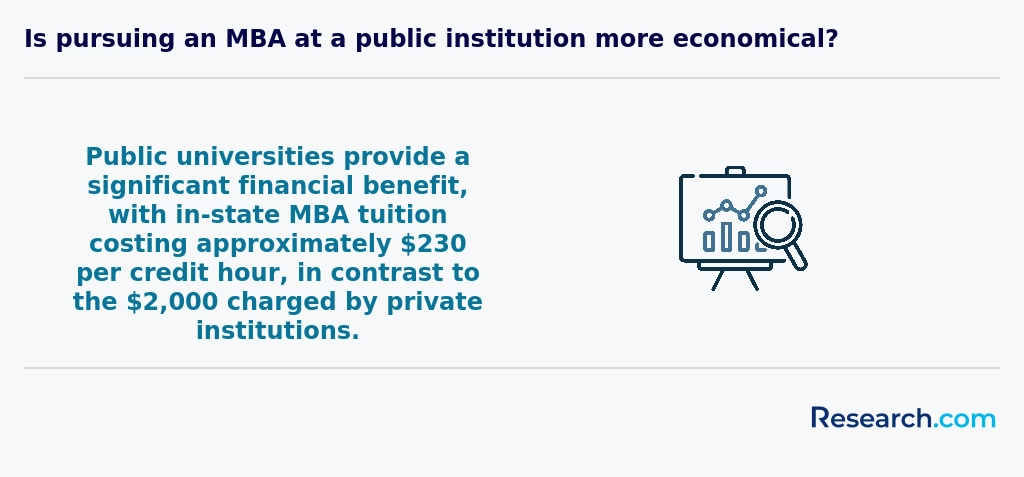
Investing in an MBA is a significant commitment, and understanding the return on investment (ROI) can help you make a data-driven decision. In Maryland, the average total cost of an MBA program ranges from $50,000 to $120,000, while graduates report starting salaries often exceeding $80,000. By comparing tuition and fees against median salaries and career advancement timelines, most students see a full payback period within two to three years. Beyond salary increases, ROI also includes intangible benefits like accelerated career progression, expanded professional networks, and access to leadership roles. For instance, alumni from the University of Maryland’s Smith School of Business often advance to senior management positions within five years, citing strategic planning skills and alumni connections as key accelerants. For a broader perspective on cost-effective options, consider exploring the Inexpensive MBA Degree Programs Ranking in Rhode Island to benchmark tuition against ROI metrics in other regions. To maximize ROI, prospective students should factor in scholarship opportunities, employer tuition assistance, and program duration. Many Maryland institutions offer assistantships and merit-based scholarships that can reduce net costs by up to 30%. When evaluating programs, calculate your personalized ROI by subtracting anticipated financial aid from total tuition, then dividing by expected salary lift to estimate your break-even timeline.
When pursuing an MBA degree in Maryland, expect a well-rounded curriculum that builds both foundational business knowledge and essential leadership skills. Core courses typically include Financial and Managerial Accounting, which help you interpret financial statements as you might in a real-world business meeting. Marketing Management teaches practical strategies for understanding consumer behavior and building brand loyalty-skills graduates from University of Maryland's Smith School often credit for their career growth.
Organizational Behavior and Leadership courses guide you through managing diverse teams effectively, something Johns Hopkins Carey Business School alumni highlight as key to their professional success. Operations Management and Strategic Management classes prepare you to optimize processes and plan competitively, reflecting challenges MBAs face in Maryland's dynamic market.
Many Maryland programs, including those at top schools, offer electives in areas like healthcare and technology management-helpful for aligning your degree with local industry demands. Quantitative skills from business analytics and economics courses, paired with business communication and ethics, round out the practical toolkit Maryland MBA students rely on to thrive.
MBA degrees in Maryland typically offer a range of specializations designed to match the state's economic strengths. Graduates from universities like the University of Maryland College Park often choose Finance due to its relevance in government contracting and corporate sectors around Washington, D.C. Others at Johns Hopkins find Healthcare Management particularly rewarding, leveraging Maryland's leading healthcare institutions to gain expertise in hospital administration and health policy. Marketing remains a versatile option, ideal for those aiming to work with tech startups or nonprofit organizations flourishing in the region.
Students seeking practical tech skills gravitate toward Information Systems and Technology Management, benefiting from Maryland's expanding tech industry. Meanwhile, those with entrepreneurial aspirations appreciate specialized tracks that help launch startups or manage innovation within established companies. For pragmatic planners exploring the best MBA concentration options Maryland offers, these paths provide clear steps toward career advancement.
Some programs even encourage interdisciplinary focuses, including supply chain and sustainability management, which reflect Maryland's broad industry base. Prospective students concerned about cost should also check resources like what is the most affordable mba online program under 10000 per year to find budget-friendly options.
Start by verifying the accreditation of the Maryland business schools you're considering. Graduates from AACSB-accredited programs like the University of Maryland's Robert H. Smith School of Business often highlight how this recognition opened doors with top employers. For those balancing work and study, look for programs offering flexibility-Johns Hopkins Carey Business School's online MBA is a favorite among professionals managing busy schedules.
Cost matters, so compare tuition carefully. Maryland's average MBA tuition ranges broadly, with public institutions offering more affordable options than private ones. To manage expenses, explore financial aid or employer tuition assistance. You might also want to check rankings like the Inexpensive MBA Degree Programs Ranking in Rhode Island for perspective on managing costs, even if it's out-of-state data.
When researching the best MBA programs in Maryland, consider programs connected to local industries like government and healthcare. Graduates often speak positively about networking opportunities and relevant specializations that help them secure jobs in Baltimore or Washington, D.C. Lastly, read up on curriculum strengths and faculty expertise to find the best fit for your career goals.
MBA graduates in Maryland find career paths across dynamic sectors benefiting from the state's economic diversity. Those from universities like the University of Maryland, College Park, often land roles as financial managers, leveraging the state's above-average wages reported by the BLS. Others with a knack for strategy thrive as marketing managers, especially in biotech and IT industries centered around Baltimore and Rockville. Graduates pursuing healthcare administration report fulfilling work managing top medical institutions, benefiting from Maryland's robust healthcare ecosystem.
Management consulting is a natural fit for those near D.C., helping large corporations improve efficiency, while government and nonprofit management roles tap into the proximity of federal agencies. Maryland MBA students often share stories of career growth fueled by networking and practical skills learned onsite. To reduce time investment, some opt for 1 year master programs, allowing faster entry into these roles. If you're considering MBA career opportunities in Maryland, focus on aligning your skills with these in-demand roles to maximize your career potential.
The job market for MBA graduates in Maryland is strong, driven by the state's diverse economy and proximity to Washington, D.C. Graduates from well-known schools in Maryland often find opportunities in government consulting, cybersecurity, and healthcare management-fields where leadership and advanced business skills are highly valued. For example, many MBA students from top Maryland universities report landing roles at consulting firms that support government contracts or healthcare organizations managing complex hospital systems.
Salary prospects are appealing; Maryland's median wage for management positions surpasses the national average, reinforcing why pursuing an MBA here can be a smart investment. Recent graduates frequently describe their transition into roles in financial institutions and tech companies as smooth and rewarding. If you're evaluating costs and outcomes, programs range from $30,000 up to $70,000, aligning with the robust salaries you'll find in the state's job market.
When planning your career, consider how the entrepreneurial ecosystem benefits MBA holders, offering chances to lead startups and strategic projects. For practical insights on academic pursuits, see what is the easiest phd to get online to explore compatible advanced study options that complement your MBA skill set and growth in Maryland's dynamic economy.
Maryland MBA graduate employment outlook remains favorable, with consistent hiring from large federal agencies and private sectors alike, making it a practical choice for professionals aiming to advance within multiple industries.
2027 Most Popular MBA Degree Programs Ranking in Maryland
Investing in your education is a significant decision that can profoundly impact your career and personal growth. The Research.com team recognizes the importance of making well-informed choices, which is why we have carefully developed the "2027 Most Popular MBA Degree Programs Ranking in Maryland." Our dedication to quality, credibility, and accuracy is demonstrated through thorough research and rigorous analysis in compiling this ranking.
We utilized the following reputable data sources to ensure a comprehensive evaluation of MBA programs:
By consulting this ranking, readers will obtain valuable insights into the most popular MBA programs in Maryland, empowering them to make confident and strategic educational decisions. For further details on our methodology, please visit our Research.com methodology page.


Frequently Asked Questions About MBA
MBA students in Maryland can maximize their learning by engaging actively with their local business community. Maryland hosts numerous networking events and internships, especially in Baltimore and the Washington, D.C. metropolitan area, which provide practical experience alongside classroom learning.
Students should take advantage of resources at top Maryland institutions like the University of Maryland's Robert H. Smith School of Business, known for its strong ties to regional industries and a high MBA employment rate of around 90% within six months of graduation (U.S. News 2023).
Additionally, participating in student organizations, case competitions, and executive mentorship programs helps enhance leadership skills and professional connections.
Maryland's proximity to federal agencies and tech hubs offers unique opportunities for MBA candidates focusing on government or technology sectors.
The MBA field in Maryland is evolving, with several emerging niches gaining popularity among prospective students. One significant area is healthcare management, driven by Maryland's strong medical institutions and federal health agencies. According to the Maryland Higher Education Commission, programs focusing on healthcare offer specialized skills to manage hospitals and healthcare systems.
Another growing niche is cybersecurity management. With the presence of government agencies and defense contractors in the region, MBA curricula are incorporating cybersecurity strategies tailored to business needs.
Additionally, sustainability and environmental management have become important as Maryland businesses emphasize corporate social responsibility. These niches align well with Maryland's diverse economy and job market, providing graduates with practical and in-demand skills.
After completing an MBA degree in Maryland, preparing for the job market requires a strategic approach. Connecting with local networks such as the Maryland Chamber of Commerce and industry-specific groups can greatly enhance job prospects. Maryland hosts numerous federal agencies and private firms, making it vital to leverage internships and alumni resources for practical experience and connections.
Students should focus on tailoring resumes and LinkedIn profiles to highlight skills gained during their MBA, including leadership and data analysis. According to the Graduate Management Admission Council (GMAC), over 85% of MBA graduates find employment within three months of graduation, emphasizing the importance of active job search strategies.
Additionally, utilizing university career services in Maryland can provide access to workshops and job fairs targeting regional employers. Keeping abreast of Maryland's key industries, like cybersecurity and healthcare management, allows graduates to align their applications with market demands.
Employers in Maryland seek MBA graduates with strong leadership and strategic thinking skills. According to data from the Maryland Higher Education Commission, 78% of local businesses emphasize the importance of critical decision-making abilities in MBA candidates.
Communication skills, both written and verbal, remain essential. Graduates who can effectively convey complex ideas are highly preferred in Maryland's diverse industries, including finance and healthcare.
Technical proficiency, especially in data analysis and financial modeling, is increasingly valued. A 2023 survey by Maryland's business schools found that 65% of employers expect MBA graduates to be comfortable with advanced analytics tools.
Lastly, adaptability and teamwork are top priorities. Employers highlight the need for MBA graduates to collaborate across departments and adjust quickly to changing business environments in Maryland's competitive job market.
Finding internships in Maryland relevant to an MBA degree involves leveraging multiple resources to connect with businesses and organizations. Maryland's diverse economy, including sectors like biotechnology, finance, and government, creates numerous internship opportunities that complement MBA studies.
Students should first explore career services offered by Maryland's universities, such as the University of Maryland's Smith School of Business, which maintains partnerships with regional employers. According to the Maryland Department of Labor, sectors like professional services and management have seen consistent growth, increasing internship openings. Networking through local professional organizations and business events is also vital.
Online job portals specializing in internships, including Handshake and LinkedIn, allow targeted searches within Maryland. Additionally, connecting with alumni through university platforms can provide insights into unpublished internship opportunities. These strategies combined help prospective MBA students secure meaningful internships aligned with their career goals.
In Maryland, earning an MBA degree significantly enhances career mobility and advancement opportunities. The state's diverse economy, which includes finance, technology, and government sectors, values the advanced managerial skills that MBA graduates bring.
According to the U.S. Bureau of Labor Statistics, MBA holders in Maryland typically see a salary increase of 20-30% compared to those with only a bachelor's degree. Additionally, Maryland's proximity to Washington D.C. provides MBA graduates access to leadership roles in federal agencies and consulting firms.
Employers often prefer candidates with MBAs for promotions due to their strategic thinking and leadership training. Furthermore, networking opportunities during MBA programs in Maryland can lead to quicker career advancements within competitive industries.
Studying for an MBA degree in Maryland equips students with the skills necessary for interdisciplinary roles by emphasizing a broad, integrative curriculum. Many Maryland MBA programs, including those at the University of Maryland and Johns Hopkins University, encourage collaboration across business, technology, healthcare, and public policy fields. This prepares graduates to adapt and lead in complex environments where multiple disciplines intersect.
The state's economy, driven by sectors like biotech, cybersecurity, and government contracting, offers students practical insights through internships and networking opportunities. According to the Maryland Higher Education Commission, over 30% of MBA graduates work in cross-functional teams, reflecting the state's interdisciplinary workforce demands.
When deciding between a thesis and a non-thesis MBA program in Maryland, consider your career goals and learning preferences. Thesis-based programs typically require original research and a formal dissertation, which can prepare students for academic or research-oriented roles. Non-thesis programs often emphasize practical skills and coursework, appealing to professionals focused on advancing in business management or leadership positions.
Maryland universities, such as the University of Maryland's Smith School of Business, offer both options with varying time commitments. According to the National Center for Education Statistics, about 40% of MBA students statewide choose non-thesis programs for faster completion.
Choosing depends on whether you prefer in-depth research or practical application relevant to Maryland's diverse industries.
Students based in Maryland who wish to study for an MBA abroad have several pathways to consider. Many Maryland universities, such as the University of Maryland's Smith School of Business, offer partnerships with international institutions. These collaborations sometimes include exchange programs or dual-degree options that allow students to spend part of their MBA studies overseas.
In addition, Maryland residents can independently apply to globally recognized MBA programs, particularly in Europe and Asia, which often welcome international candidates. Programs in countries like the UK, France, and Singapore have structured offerings appealing to US students. According to the Graduate Management Admission Council (GMAC), about 10% of US MBA candidates consider international study to enhance their global business skills.
Financial aid and visa regulations are key factors for Maryland students. Scholarships and fellowships specifically targeting US-based students interested in overseas study can ease the cost. Moreover, many international MBA programs offer flexible schedules and online components, making it easier for working professionals from Maryland to participate.
Maryland offers various part-time job opportunities that align well with MBA education, enhancing practical experience alongside academic learning. Common roles include financial analyst internships, marketing assistant positions, and project management support. These jobs help students apply concepts in finance, strategic planning, and operations.
The state's growing sectors, such as biotechnology and cybersecurity, also provide roles relevant for MBA candidates, especially in companies located near Baltimore and the Washington D.C. metro area. According to the Maryland Department of Labor, part-time positions in business services grew by 5% in 2023, increasing opportunities for MBA students.
Additionally, many MBA programs in Maryland have partnerships with local businesses, offering students access to consulting projects and freelance work that build skills and networks.
Maryland offers MBA students a variety of robust networking opportunities through its diverse business schools and regional professional organizations. Universities such as the University of Maryland's Robert H. Smith School of Business host frequent career fairs, alumni mixers, and industry panels that connect students with local and national business leaders.
Many programs also integrate networking into the MBA curriculum, encouraging collaboration with peers and mentors. The state's proximity to Washington, D.C., expands opportunities, with students often gaining access to government agencies, consulting firms, and nonprofit organizations.
According to the Maryland Higher Education Commission, MBA graduates benefit from over 100 active business-related networking events annually statewide.
Alumni networks for MBA students in Maryland offer valuable resources that support career advancement and professional growth. Graduates of Maryland MBA programs often remain connected through these networks, fostering mentorship opportunities and job referrals that can be critical in competitive markets like Baltimore and the Washington, D.C. metro area.
According to the Graduate Management Admission Council, 85% of MBA alumni nationwide report their network helps with career development, a trend echoed in Maryland's top schools such as Johns Hopkins University and University of Maryland's Smith School of Business. Networking events, alumni directories, and social media groups provide continual support after graduation.
Such networks also facilitate access to exclusive internships and executive education, enhancing practical experience while expanding professional contacts within local industries like finance, healthcare, and technology.
Customizing an MBA degree program in Maryland allows students to tailor their studies to specific career goals through various options. Many Maryland universities, such as the University of Maryland and Towson University, offer concentrations like finance, healthcare management, and technology management. These specializations help align coursework with industry demands.
Students can also choose between full-time, part-time, or online formats based on their schedules. Elective courses and internships provide practical experience to enhance professional skills. According to Maryland Higher Education Commission data, about 45% of MBA candidates in the state select specialized tracks to meet targeted career objectives.
Additionally, networking opportunities in Maryland's strong business community complement academic customization, connecting students to mentors and employers in their chosen fields.
MBA students in Maryland commonly face challenges balancing rigorous coursework with professional and personal responsibilities. Many candidates are working professionals, creating time management difficulties as they juggle jobs, family, and studies. According to the Maryland Higher Education Commission, nearly 60% of MBA students enroll part-time, intensifying this struggle.
Financial burden is another major concern. The average yearly MBA tuition in Maryland ranges from $25,000 to $50,000, depending on the institution, which may lead to increased student debt. Additionally, adapting to the diverse and competitive environment of top Maryland business schools requires strong networking and communication skills.
Lastly, the pressure to secure internships or employment in Maryland's competitive job market can add stress, especially as companies value both experience and advanced education.
With an MBA degree in Maryland, graduates can pursue various professional certifications that enhance career prospects. Popular options include the Project Management Professional (PMP) certification, which is highly valued in Maryland's growing business and technology sectors. Another common path is becoming a Certified Public Accountant (CPA), especially for MBAs focused on finance or accounting. Additionally, the Certified Management Accountant (CMA) certification is widely recognized for strategic financial management roles.
Maryland's proximity to federal agencies also encourages MBAs to seek certifications like Certified Government Financial Manager (CGFM). Earning these credentials can boost salary potential and open doors to leadership jobs across industries.
Writing a winning application for an MBA program in Maryland requires a clear understanding of what admission committees seek. Start by highlighting your professional achievements and leadership experience, as Maryland programs often emphasize practical management skills. According to the Graduate Management Admission Council, candidates with strong work records and community involvement have higher admission success.
Focus on crafting a compelling personal statement that reflects your career goals and explains why an MBA in Maryland is crucial for your development. Tailor each application to the specific school, mentioning unique program features or faculty expertise.
Additionally, prepare thoroughly for the GMAT or GRE, as most Maryland MBA programs require competitive scores, often above the national average of 560 GMAT.
Strong letters of recommendation from employers or academic mentors also strengthen your profile. Lastly, meet all deadlines and provide complete documentation to ensure your application is considered.
The value of an MBA career is recognized globally, offering graduates opportunities in diverse industries and leadership roles. According to the Graduate Management Admission Council (GMAC), over 70% of MBA alumni report career improvements internationally, highlighting the degree's broad appeal.
In Maryland, MBA programs emphasize global business skills, preparing students for an interconnected market. The Maryland Higher Education Commission notes that local MBA graduates often secure positions with multinational companies, government agencies, and nonprofits that operate worldwide.
Moreover, MBAs foster cross-cultural communication and strategic thinking, essential for addressing complex global challenges. The focus on global perspectives in Maryland's MBA curricula equips students to compete and lead internationally.
Gaining practical experience while studying for an MBA in Maryland is essential for career advancement. Many Maryland universities offer internships that connect students with local businesses in Baltimore and the Washington, D.C. metropolitan area. These internships provide hands-on experience in finance, marketing, and management.
Additionally, students can participate in consulting projects or business competitions, which are common in Maryland's top MBA programs like those at Johns Hopkins Carey Business School. These opportunities sharpen real-world skills and expand professional networks.
Some programs also encourage part-time work or cooperative education (co-op) options, allowing students to integrate work experience with academic learning.
Choosing the right concentration within an MBA program in Maryland involves aligning your career goals with the strengths of local industries. Maryland's economy is strong in sectors like biotechnology, cybersecurity, and government contracting, which influences popular MBA specializations such as Health Care Management, Information Systems, and Public Administration. According to the Maryland Higher Education Commission, these areas often provide increased job opportunities after graduation.
Researching the curriculum and faculty expertise at Maryland institutions can help you assess which concentration offers practical skills and networking connections vital for advancement. Additionally, consider programs offering internships or partnerships with Maryland-based companies to gain real-world experience.
Review employment outcomes data, often published by universities, to understand salary ranges and job placement rates for graduates within specific concentrations. This data is critical to making an informed decision tailored to the state's competitive job market.
- 2027 Most Popular MBA Degree Programs Ranking in Delaware
- 2027 Most Popular MBA Degree Programs Ranking in Ohio
- 2027 Most Popular MBA Degree Programs Ranking in North Carolina
- 2027 Most Popular MBA Degree Programs Ranking in Kentucky
- 2027 Most Popular MBA Degree Programs Ranking in Connecticut
- 2027 Most Popular MBA Degree Programs Ranking in New Hampshire
- 2027 Most Popular MBA Degree Programs Ranking in Georgia
- 2027 Most Popular MBA Degree Programs Ranking in Florida
- 2027 Most Popular MBA Degree Programs Ranking in Illinois
- 2027 Most Popular MBA Degree Programs Ranking in Alabama
- MBA Requirements: What do you really need for an MBA degree https://www.obseducation.org/en/blog/mba-requirements-what-do-you-really-need-for-an-mba-degree
- Best Online MBA Programs in Maryland - OnlineMBA.com https://www.onlinemba.com/rankings/states/maryland/
- How To Write An MBA Admissions Essay That Stands Out? https://www.personalmbacoach.com/mba-essay-guiding-principles/
- Skills Employers Look for in Business Graduates – EU Business School https://www.euruni.edu/blog/skills-employers-look-for-in-business-graduates/
- How to Use Your MBA for Career Growth While You’re Still Studying - International Career Institute USA https://icieducation.com/blog/how-to-use-your-mba-for-career-growth-while-youre-still-studying/
- Verifying that you are not a robot... https://krea.edu.in/ifmrgsb/top-5-emerging-career-paths-for-mba-graduates/
- Top Challenges for MBA Students in 2025: Placements and Career Growth in India | BeJobbed.com https://bejobbed.com/challenges-mba-students-placements-career-growth-india/
- MBA Networking Tips-Building Connections Pre-MBA https://menlocoaching.com/mba-applications-and-admissions-guide/networking/
- MBA studies https://moderna.edu.pl/majors/management/master-of-management/mba-management-masters-degree/
- How long does a typical MBA program take to complete? https://mentr-me.com/question/how-long-does-a-typical-mba-program-take-to-complete