
2027 Best MBA Degree Programs Ranking in Syracuse

Co-Founder and Chief Data Scientist
Choosing the right MBA program in Syracuse can feel overwhelming, but this article is here to help. We present the 2027 Best MBA Degree Programs Ranking in Syracuse, carefully crafted by the Research.com team of data scientists to guide you in making an informed decision.
Pursuing an MBA opens doors to new opportunities and career growth. By exploring this ranking, you'll discover top programs that fit your goals and lifestyle.
Take a confident step toward your future with trustworthy information tailored just for you.
Key benefits of getting MBA degree in Syracuse
- While specific salary data for Syracuse MBA graduates is unavailable, MBA holders in the US typically earn between $90,000 and $130,000 annually, reflecting the strong earning potential in business management roles.
- Graduates from Syracuse University's MBA program often pursue diverse careers in finance, marketing, and consulting, offering exciting opportunities for growth and leadership in various industries.
- Completing an MBA online through Syracuse University allows flexible scheduling and saving commute time, making it easier to balance work, family, and studies while gaining the same respected degree.
- 2027 Best MBA Degree Programs Ranking in Syracuse
- What can I expect from MBA degree in Syracuse?
- Where can I work with MBA degree in Syracuse?
What can I expect from MBA degree in Syracuse?
The average cost of pursuing an MBA degree in Syracuse, primarily through Syracuse University's Martin J. Whitman School of Management, typically ranges from $50,000 to $70,000 for the entire program. This estimate accounts for both in-state and out-of-state tuition over the standard two-year full-time MBA course. Graduates often find this investment justified by the program's strong regional reputation and rigorous curriculum.
Many students report that the combination of core business education-covering finance, marketing, operations, and strategy-and hands-on learning through consulting projects enhances their career-readiness. Around half of the MBA candidates benefit from financial aid or scholarships, significantly reducing their net tuition burden and making the program more accessible.
Graduates frequently highlight how the university's alignment with local industries such as healthcare and technology provides not only job opportunities but also motivating networking events. This practical connection eases the transition from study to leadership roles or entrepreneurship, creating a rewarding experience despite the upfront financial commitment.
Where can I work with MBA degree in Syracuse?
MBA graduates in Syracuse find diverse career opportunities across key local industries. Graduates from Syracuse University and SUNY College of Environmental Science and Forestry often secure roles in healthcare management at major institutions like St. Joseph's Health and Upstate University Health System, where their skills in strategic planning and finance drive operational improvements.
Many MBA holders also thrive in education administration, managing finances and fundraising efforts at these universities. Manufacturing firms in Central New York, especially in aerospace and automotive sectors, routinely hire Syracuse-based MBA graduates for supply chain optimization and project leadership roles, reflecting growing employer demand for business expertise.
The tech startup ecosystem centered around The Tech Garden actively recruits MBA graduates for business development and product management positions, valuing innovation and strategic growth skills. Graduates report feeling confident entering roles such as operations manager or marketing manager, supported by the region's above-average median wages for management professionals reported by the U.S. Bureau of Labor Statistics.
Overall, Syracuse MBAs benefit from a broad range of career paths in healthcare, education, manufacturing, and technology, with solid prospects for advancement and competitive compensation.
MBA graduates in Syracuse can generally expect starting salaries ranging from $65,000 to $75,000 annually, with variations depending on company size and industry. Many find early career roles in finance, marketing, or operations within the city's evolving professional sectors, where salaries often increase with experience.
Professionals holding an MBA from Syracuse University's Martin J. Whitman School of Management report average earnings between $75,000 and $110,000 per year. Those employed as financial managers or marketing directors frequently see salaries exceeding $100,000, reflecting the premium placed on business leadership and advanced skills in the local market.
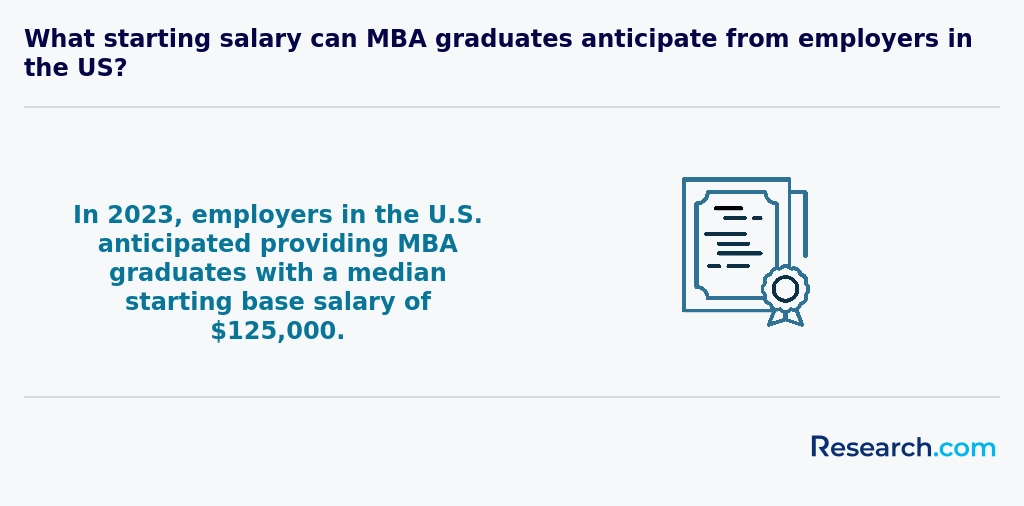
The regional economy's focus on education, healthcare, and manufacturing affects typical MBA job paths and salary ranges. Despite national median starting salaries nearing $115,000, Syracuse salaries align more closely with local economic conditions, offering competitive, yet realistic income prospects for graduates aiming to build their careers nearby.
- Syracuse University offers MBA programs through its Martin J. Whitman School of Management, including full-time, part-time, and online options.
- The total tuition cost for an MBA in Syracuse typically ranges from $60,000 to $70,000, excluding fees, books, and living expenses.
- Starting salaries for MBA graduates average around $75,000 annually, with potential growth to $110,000 or more within five to ten years.
- Job opportunities are strong in industries like healthcare, finance, education, and manufacturing, with roles in business development, marketing, and consulting.
- Internships and cooperative education are integrated into programs, providing practical experience and local business connections.
Completing an MBA degree in Syracuse generally spans from one to four years, depending on the program type and student circumstances. Traditional full-time MBA programs at prominent institutions like Syracuse University typically require about two years, aligning with the standard four-semester format. Graduates often highlight that this timeframe strikes a good balance, providing in-depth learning while allowing for meaningful networking opportunities on campus.
For working professionals enrolled in part-time programs offered by local colleges, completion can extend from three to four years. Evening and weekend classes allow these students to maintain their careers while progressing toward their degrees, a path praised for its flexibility and work-life balance.
Accelerated MBA programs, also available in Syracuse, compress the curriculum into 12 to 18 months. Graduates of these programs frequently mention a rewarding but intense experience requiring full-time dedication, attractive for those eager to re-enter the workforce quickly.
Calculating the return on investment (ROI) of an MBA program in Syracuse, NY involves weighing total program costs against post-MBA earning potential and career growth. On average, tuition for full-time MBA programs in Syracuse ranges from $30,000 to over $60,000 per year, with living and ancillary expenses adding another $15,000 to $20,000 annually. Graduates report starting salaries between $70,000 and $120,000, depending on industry and prior experience. By subtracting total educational costs from five-year cumulative earnings and dividing by total investment, prospective students can estimate a payback period-often between two to four years for top‐ranked programs. To maximize ROI, consider program format, part-time versus full-time enrollment, and specialization. Part-time or online MBAs allow you to earn while you learn, reducing reliance on loans and preserving cash flow. Syracuse University’s Whitman School graduates, for instance, often leverage in-program internships to secure higher starting salaries. Meanwhile, comparing regional tuition rates and outcome data can reveal programs with shorter payback horizons. Investigating detailed cost breakdowns and alumni salary surveys ensures an accurate ROI assessment tailored to your career goals. For those prioritizing affordability without sacrificing quality, exploring low-tuition online options can significantly shorten your ROI timeline. Programs featured in our internal ranking, such as the Low Cost Online Master's in MBA Degree Programs Ranking in the South, offer competitive per-credit tuition and robust career support. By selecting a program with both strong job placement rates and streamlined costs, you’ll position yourself for faster debt repayment and greater long-term financial gains.
In Syracuse, the difference between online and on-campus MBA programs is mainly found in flexibility, cost, and interaction. Graduates from Syracuse University's online MBA often praise the ability to balance work and family, completing coursework during evenings without sacrificing quality. Online options typically cost between $30,000 and $60,000, making them appealing for budget-conscious students, although technology fees may apply.
Conversely, on-campus MBA students experience an immersive environment with direct access to professors, peers, and campus resources like libraries and career fairs. These programs usually cost more-ranging from $40,000 to $70,000-but offer rich networking opportunities that local Syracuse students find invaluable for securing internships or jobs in the city.
Students on-campus often value face-to-face collaboration and immediate feedback during group projects, driving a strong sense of community. Meanwhile, online learners develop discipline and time-management skills, thriving in a self-paced, remote learning structure that can feel empowering for busy professionals.
The average cost of an MBA degree in Syracuse typically centers around $72,177, reflecting recent data on tuition and fees for both in-state and out-of-state students. Graduates from Syracuse University's Martin J. Whitman School of Management often report that while the upfront expenses seem substantial, the value of the degree in terms of career advancement and networking justifies the investment. For those attending public institutions in the region, costs are generally lower, with in-state tuition closer to $52,929, making it a more accessible option for local students.
Sitting down with current MBA students, many highlight the balance between academic rigor and the flexibility offered by part-time or online program formats available in Syracuse. These formats allow professionals to manage living expenses and work income while pursuing their degrees, easing the pressure of upfront financial burdens. The total MBA program expenses Syracuse students face can include fees, books, and living costs, reinforcing the importance of budgeting for the entire educational journey, not just tuition alone.
Understanding how financial aid and scholarships interplay is crucial. Students often encourage exploring institutional supports as well as employer tuition assistance programs to optimize affordability. Additionally, those researching viable options sometimes consult resources like business schools in ohio scholarships when considering wider scholarship possibilities that could apply to their situation.
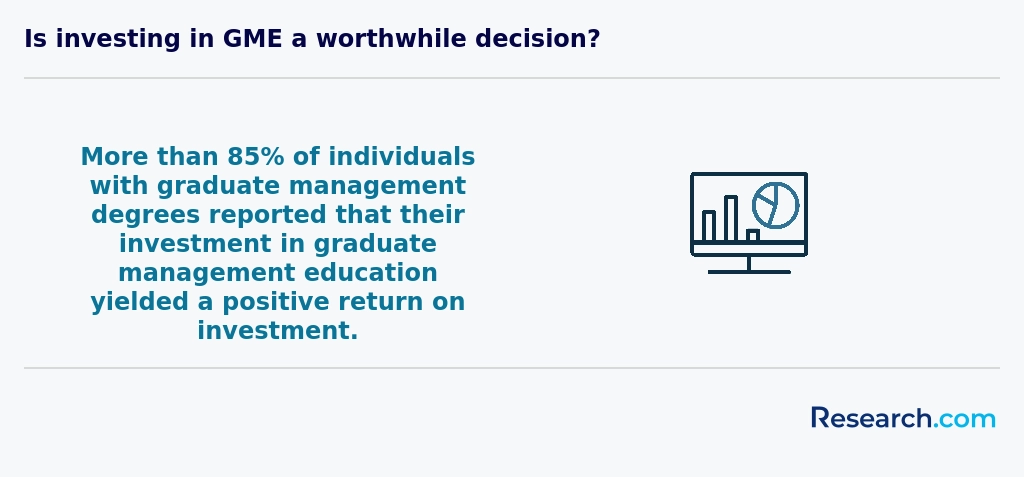
When considering an MBA program in Syracuse, NY, one crucial aspect to evaluate is the affordability and the availability of financial aid options. For instance, exploring the cheapest mba schools in new york can provide valuable insights into how to manage the financial commitment of pursuing an MBA. Many students find that the return on investment for an MBA degree is significant, with potential salary increases and career advancement opportunities outweighing the costs. However, it's essential to carefully consider all expenses, including tuition, textbooks, and living costs, to ensure that the program is feasible. Additionally, understanding the various financial aid options available, such as scholarships, grants, and loans, can help make the program more accessible. By weighing the costs and benefits, prospective students can make an informed decision about pursuing an MBA in Syracuse, NY, and set themselves up for long-term financial success and career fulfillment.
Many MBA students in Syracuse benefit from merit-based scholarships offered by local institutions like Syracuse University's Martin J. Whitman School of Management. About 40% of incoming MBA candidates receive these awards, which recognize academic success and leadership potential, reducing tuition expenses significantly. Graduates often recall how these scholarships alleviated their financial burden, enabling a stronger focus on studies.
Need-based aid through FAFSA also plays a critical role. Students qualify for federal loans such as Direct Unsubsidized and Grad PLUS Loans, providing funding up to the full cost of attendance with favorable interest rates and flexible repayment, which many find reassuring compared to private options.
Employer tuition assistance programs further supplement funding. Several MBA candidates report positive experiences negotiating benefits with their HR departments, improving affordability by effectively linking education and career advancement.
Graduate assistantships and fellowships available locally offer additional support. These positions, often involving research or teaching, provide stipends or tuition waivers, appealing to students seeking to integrate work and education.
Lastly, graduates emphasize the value of pursuing private scholarships found on platforms like Fastweb and the Graduate Management Admission Council. These external awards require proactive research but can notably ease financial constraints for Syracuse MBA students.
For cost-conscious students, exploring affordable MBA pathways can significantly reduce debt while maintaining program quality. Many regional institutions and online providers offer part-time and asynchronous formats with competitive tuition rates, enabling students to balance work and study without relocating. Beyond Syracuse, prospective candidates should consider regional pricing differentials-especially in the South-where operating costs and fees are often lower. To compare national affordability trends, see the Low Cost Online Master's in MBA Degree Programs Ranking in the South for ideas on budget-friendly options that maintain strong accreditation standards. Key considerations when evaluating low-cost MBA programs:
- Accreditation: Ensure any budget program holds AACSB, AMBA, or EQUIS accreditation to protect your investment and future employability.
- Delivery Mode: Online and hybrid MBAs typically eliminate commuting and campus housing expenses. Verify technology fees and proctoring costs upfront.
- Financial Aid Integration: Some low-cost programs still participate in federal aid and employer reimbursement. Confirm FAFSA eligibility and scholarship opportunities specific to part-time or online cohorts.
- ROI Assessment: Compare total program cost-including books, software subscriptions, and networking fees-against expected post-MBA starting salaries in your target industry. Even modest tuition savings can translate to a shorter payback period when aligned with strong local job markets. By prioritizing accredited, flexible, and transparent pricing structures, students can pursue an MBA that aligns with both their career goals and financial realities.
Enrolling in an MBA program in Syracuse, such as those offered by Syracuse University's Martin J. Whitman School of Management, generally requires a bachelor's degree from an accredited institution with a minimum GPA near 3.0. Graduates often reflect on how this academic foundation prepared them for rigorous coursework and collaborative projects. Standardized tests like the GMAT (typically around 550+) or GRE remain a common prerequisite, though some programs now offer waivers based on professional experience, which many local candidates find encouraging.
Practical experience is highly valued; most programs expect two to three years of full-time work. Alumni frequently mention how their work background enriched classroom discussions and team assignments, bridging theory with real-world applications. Letters of recommendation and a personal statement also form key parts of the application, allowing candidates to express their leadership potential and career goals.
For international applicants, English proficiency tests such as TOEFL (minimum 80) or IELTS (minimum 6.5) are required, supporting the diverse student body seen at Syracuse-area schools.

When considering an MBA in Syracuse, NY, understanding the vibrant student life and campus culture can provide additional insights into your potential academic journey. Beyond rigorous coursework, many programs offer a dynamic blend of extracurricular activities, industry networking events, and supportive communities that enhance both personal and professional growth. Students frequently highlight campus resources such as business clubs, leadership workshops, and mentorship opportunities that foster lasting connections and real-world learning experiences. Even for those opting for a flexible schedule, exploring opportunities like an online mba cheap no gmat can offer a balance between study and active participation in virtual campus communities, where interactive webinars and digital networking sessions are integral to the MBA experience. This immersive environment not only helps students build essential soft skills but also creates a sense of belonging and motivation that is pivotal for success both during and after the program.
MBA programs in Syracuse offer a structured curriculum centered on essential business disciplines designed to prepare students for diverse managerial roles. Core courses typically include Accounting, where graduates recall mastering financial statement analysis crucial for evaluating company performance in internships with local firms. Finance classes delve into corporate finance, investments, and risk management, enabling students to make informed strategic decisions-skills appreciated by Syracuse's growing finance sector.
Marketing coursework addresses consumer behavior and digital strategies, often applied in projects developing brand campaigns for regional startups. Organizational Behavior and Human Resources Management equip students with leadership techniques that alumni frequently cite as transformative in managing teams during their consulting engagements.
Operations and Supply Chain Management are included to meet the logistical complexity of Syracuse's manufacturing and distribution companies. Additionally, Business Analytics courses train students in data interpretation and quantitative analysis using industry-standard software, enhancing their ability to drive data-informed decisions in real-world scenarios.
- Core courses such as Accounting, Finance, Marketing, Operations Management, Organizational Behavior, and Business Analytics
- Electives or specializations in areas like Entrepreneurship, Healthcare Management, or Sustainability aligned with Syracuse's economy
- Capstone projects or consulting experiences to apply theory to real-world business problems

MBA specializations offered in Syracuse cover a range of in-demand fields, allowing students to customize their education. Graduates from Syracuse's top business schools often highlight concentrations such as Finance, Marketing, Supply Chain Management, and Entrepreneurship. Finance is especially favored, leveraging the city's proximity to financial hubs, where students engage in studies like corporate finance and investment analysis, positioning them well for lucrative roles in banking and asset management.
Marketing concentrations prepare students with skills in digital marketing and consumer behavior, which are critical given the rising regional demand for professionals in advertising and brand management. Supply Chain Management benefits from Syracuse's logistics strengths; graduates frequently share positive experiences applying procurement and operations expertise in manufacturing and distribution sectors, emphasizing practical learning.
Entrepreneurship majors thrive in Syracuse's vibrant startup ecosystem, developing business plans and innovation skills. Additional options include Healthcare Management and International Business, reflecting a diverse academic landscape. Students considering broader paths often complement their MBA with an accounting degree Utah, enhancing their market versatility. These best MBA concentrations Syracuse 2027 align well with career ambitions and evolving business needs.
Choosing the best MBA degree in Syracuse requires analyzing cost, program format, and career support. Syracuse University's Martin J. Whitman School of Management offers a full-time MBA costing approximately $50,000 for in-state students, a figure aligned with top affordable MBA degrees Syracuse. Graduates often highlight the value of flexible formats, including part-time and online options, enabling them to balance work and study effectively. Evaluating curriculum relevance is essential; many students appreciate the school's emphasis on entrepreneurship and supply chain management, which match the local business climate.
Networking opportunities at Syracuse are robust, with strong ties to Central New York businesses providing internships and job placement support. Graduates consistently report positive emotions about career outcomes, citing the university's connections as vital. When comparing choices, consider exploring rankings from U.S. News & World Report and real student feedback. Additionally, potential candidates should research the best undergraduate business programs in Colorado to understand regional benchmarking for MBA costs and value through best undergraduate business programs in Colorado.
MBA career opportunities in Syracuse reflect the city's diverse economic strengths, notably in healthcare, business management, technology, and finance. Graduates from Syracuse University and other local institutions often secure roles as project managers or business consultants, enhancing operational efficiency for regional firms. According to labor statistics, management roles in Syracuse are projected to grow 8% by 2032, affirming strong prospects for MBA holders.
Syracuse's major healthcare systems create opportunities in Healthcare Administration, where MBA graduates manage hospital operations or finance departments. Students recount gaining practical leadership skills through internships, which position them well for high-demand roles. The technology sector also draws MBA graduates into product management and entrepreneurship, supported by the city's incubator programs fostering innovation.
Beyond these, financial services, marketing, and nonprofit management rank as popular destinations. Prospective students often evaluate return on investment carefully, noting that Syracuse's MBA tuition ranges from $30,000 to $60,000-more affordable than many national programs. Those looking to broaden their educational options may explore accredited trade schools locally, complementing their business education and expanding career pathways.

The job market for MBA degree holders in Syracuse demonstrates steady demand across multiple industries, aligning well with the city's diverse economy. Graduates from Syracuse's prominent MBA programs often secure roles within financial services and banking institutions, which value strategic leadership. Healthcare administration is another strong sector due to the presence of major providers like Upstate Medical University, where graduates manage complex operational challenges.
MBA job opportunities in Syracuse also extend to manufacturing and logistics firms, which depend on business development and supply chain expertise. Educational institutions in the area offer administrative positions leveraging strong business acumen, making the local market appealing for MBA holders. Many graduates express satisfaction in applying their skills in these practical, impactful roles.
Tuition for MBA degrees in the area tends to be more affordable at public universities, making the investment in advanced education financially sensible when weighed against local salary expectations, generally between $70,000 and $110,000 annually. Students weighing options may also explore accounting programs, including accounting degree programs in Texas, to complement their business education.
Syracuse MBA degree career outlook shows a positive trajectory, with growth expected in management, business, and financial occupations through 2027, providing opportunities for graduates to thrive in leadership roles and contribute to the city's economic vitality.
2027 Best MBA Degree Programs Ranking in Syracuse
Investing in your education is a significant decision that can shape your future, and the Research.com team understands the importance of making informed choices. To assist prospective students interested in MBA programs in Syracuse, we have meticulously created the "2027 Best MBA Degree Programs Ranking in Syracuse." Our dedication to quality, credibility, and accuracy is demonstrated through extensive research and analysis conducted to compile this ranking.
We utilized the following reputable data sources to ensure a comprehensive evaluation of MBA programs:
By exploring this ranking, readers will gain valuable insights into the best MBA degree programs in Syracuse, helping them make well-informed decisions about their educational and professional future. For more details on our methodology, please visit our Research.com methodology page.


Frequently Asked Questions About MBA
Students pursuing an MBA degree in Syracuse can enhance their learning by actively engaging with local business networks, such as the Central New York Business Journal events. These forums provide valuable real-world insights and networking opportunities. Additionally, leveraging internships with nearby companies like Lockheed Martin or Anheuser-Busch, which have regional offices, gives practical experience complementing classroom theory.
Joining student organizations such as the Syracuse University Whitman School's MBA Association promotes collaboration and leadership skills. Utilizing Syracuse public resources like the Erie Canal Innovation Hub can also foster entrepreneurial initiatives. According to the U.S. Department of Education, hands-on experience and local relevance notably improve MBA outcomes and employability in the Syracuse area.
The field of MBA education in Syracuse is evolving with new specialized niches addressing current market demands. Among the emerging areas are sustainability management, data analytics, and healthcare administration. These specialties reflect growing local and national economic trends. For instance, Syracuse's expanding healthcare industry increases the need for MBA graduates skilled in healthcare operations and policy. Additionally, the rise of big data inspires MBA programs to emphasize analytics, enabling leaders to make data-driven decisions.
Experts from the Syracuse University Martin J. Whitman School of Management highlight sustainability management as a key focus, aligning business practices with environmental responsibility. These niches prepare graduates for targeted roles in regional industries, enhancing employability and economic impact.
After completing an MBA degree in Syracuse, effective preparation for the job market is key to leveraging your new qualifications. Start by utilizing career services offered by institutions such as Syracuse University's Martin J. Whitman School of Management, which provides job placement support and networking opportunities with over 100 corporate partners.
Building a strong LinkedIn profile and attending local business events can increase visibility. According to the U.S. Bureau of Labor Statistics, MBA graduates in New York State see a median annual wage around $115,000, reflecting high demand in finance, marketing, and management roles.
Internships and experiential learning during the MBA program also enhance employability by providing real-world skills valued by Syracuse's growing industries.
Employers in Syracuse highly value MBA graduates who demonstrate strong leadership and strategic thinking skills. According to the Graduate Management Admission Council (GMAC), over 75% of employers seek candidates with effective communication and teamwork abilities, essential for managing diverse business environments.
Analytical skills and proficiency in data-driven decision-making are increasingly important due to the rise of digital technology in firms based in Syracuse. Additionally, adaptability and problem-solving are critical, given the region's varied industry sectors such as manufacturing, finance, and healthcare.
Local business reports highlight that financial acumen and project management also rank among top skills desired in MBA hires, reflecting Syracuse's competitive job market.
Finding internships in Syracuse relevant to an MBA degree involves a strategic approach combining university resources, local business networks, and professional platforms. Syracuse University's Martin J. Whitman School of Management, for example, offers dedicated career services that connect MBA students with internships in finance, marketing, and management sectors.
The local economy features a mix of industries including technology, healthcare, and manufacturing, providing diverse internship opportunities. According to the Syracuse Economic Development Corporation, over 50% of internships for MBA students are in business services and financial sectors. Using platforms like Handshake and LinkedIn, tailored for Syracuse-area employers, can enhance your search.
Networking events and alumni connections also play a vital role in securing internships. Engaging with local business chambers and attending career fairs in Syracuse increases exposure to potential employers interested in MBA candidates.
In Syracuse, earning an MBA degree significantly enhances career mobility and advancement opportunities within the local job market. The region hosts a diverse economy including education, healthcare, and tech sectors, where managerial skills are highly valued. According to the U.S. Bureau of Labor Statistics, MBA graduates nationally see a median salary increase of about 20-30% compared to those with only a bachelor's degree, which reflects similarly in Syracuse's competitive business environment.
Local employers often prefer candidates with MBA credentials for leadership roles, project management, and strategic planning positions. Syracuse-area graduates benefit from networking events hosted by Syracuse University's Whitman School of Management and local business organizations, aiding job placement and career progression.
Data from Syracuse University's career services indicates that approximately 85% of MBA graduates secure relevant employment within six months. This strong placement rate highlights the degree's role in advancing professionals into mid-to-upper management and executive positions in Central New York business sectors.
Studying for an MBA degree in Syracuse equips students with skills essential for interdisciplinary roles by combining business fundamentals with practical knowledge from diverse fields. Programs often emphasize teamwork, leadership, and analytical skills, encouraging collaboration across departments such as finance, marketing, technology, and healthcare.
The Whitman School of Management at Syracuse University, for example, integrates experiential learning opportunities, including consulting projects and internships, that expose students to multiple industry sectors. According to U.S. News & World Report (2024), this approach helps graduates adapt to roles that require managing complex, cross-functional teams.
Such interdisciplinary training prepares MBA students to navigate and innovate within diverse organizational environments effectively.
When choosing between a thesis and a non-thesis MBA program in Syracuse, students should consider their career goals and learning preferences. Thesis programs typically appeal to those interested in research or pursuing a PhD, as they require a substantial research project. Non-thesis options focus more on practical skills and coursework, suitable for professionals aiming for immediate advancement in business roles.
In Syracuse, data from local institutions indicate that about 60% of MBA students prefer non-thesis tracks, reflecting the region's strong emphasis on applied business education. It is important to review each program's curriculum and speak with advisors to understand expectations and time commitments. Research from the National Center for Education Statistics shows that thesis MBAs often take longer to complete, which may impact working professionals.
Students based in Syracuse seeking to study MBA programs abroad have several pathways available. Many universities in the U.S., including those in Syracuse, offer dual-degree or exchange programs with partner schools overseas. For instance, Syracuse University's Whitman School of Management has partnerships that allow students to study in Europe and Asia while earning credits towards their MBA.
International opportunities often include short-term study abroad options lasting a few weeks to a semester, helping students gain global business perspectives. According to the Graduate Management Admission Council (GMAC), about 20% of MBA candidates consider international study experience key to career advancement.
Additionally, some students pursue full MBA degrees from foreign institutions online or through satellite campuses, balancing international study with local commitments. Syracuse-based students should consult with academic advisors to explore tailored abroad study options that meet their professional goals.
Part-time job opportunities in Syracuse that complement MBA education often focus on roles in finance, marketing, and business analytics. Local businesses, including financial firms and startups, frequently seek MBA students for positions like financial analyst interns or marketing coordinators. These roles provide practical experience applying classroom knowledge, enhancing skills such as data analysis and strategic planning.
Additionally, Syracuse has a growing tech scene where MBA students may find opportunities in project management or business development. Such positions offer exposure to leadership and operational challenges critical to MBA curricula.
According to the Syracuse-Onondaga County Workforce Investment Board, the demand for business skills in part-time roles has increased by 12% over the past two years, reflecting broader trends in upskilling during graduate studies.
Networking opportunities for MBA students in Syracuse are robust due to the city's diverse business community and active academic institutions. Syracuse University's Martin J. Whitman School of Management organizes numerous events, including career fairs, speaker series, and alumni mixers that connect students with local and national business leaders.
Students can also engage with over 30 student-run clubs focused on industries such as finance, consulting, and entrepreneurship, which foster peer-to-peer networking and professional development. Additionally, Syracuse's central location in New York State provides access to regional corporate headquarters and startups, enhancing internship and job placement prospects.
According to Syracuse University's latest employment report, 85% of MBA graduates secure jobs within three months, highlighting effective networking outcomes.
Alumni networks play a significant role in enhancing the MBA experience for students in Syracuse. These networks connect current students with graduates who have established careers in diverse industries across the US. According to the Syracuse University Whitman School of Management, their MBA alumni network includes over 17,000 professionals, which offers a strong resource for mentorship and career advice.
Students benefit from networking events, job referrals, and professional development opportunities facilitated by alumni. Research from the Graduate Management Admission Council shows that 85% of MBA graduates find jobs through networking, highlighting its importance in career advancement.
Moreover, local Syracuse businesses often prefer hiring MBA program graduates connected through alumni, making this network a valuable tool for internships and full-time roles.
In Syracuse, MBA programs offer various ways to customize your studies to align with your career goals. Many schools provide concentrations such as finance, marketing, or healthcare management, allowing students to focus on industries relevant to their ambitions. You can also choose between full-time, part-time, and online formats to fit your schedule.
Elective courses empower you to deepen knowledge in specific areas. Internships and experiential learning opportunities in Syracuse's growing business community further enhance practical skills.
According to U.S. News & World Report (2024), some Syracuse MBA programs emphasize flexibility and personalized advising, helping students tailor their coursework effectively.
MBA students in Syracuse often face the challenge of balancing rigorous coursework with professional and personal responsibilities. Many programs demand significant time commitments, which can be difficult for those working full-time. Additionally, the financial burden is notable: tuition for MBA programs in Syracuse typically ranges from $30,000 to $60,000, excluding living expenses (NCES, 2023). Access to diverse networking opportunities can also be limited compared to larger metropolitan areas.
Moreover, adapting to evolving business technologies and management trends requires continuous learning. Students must stay current with digital tools and industry developments to remain competitive in the job market.
With an MBA degree in Syracuse, graduates can pursue a variety of professional certifications to enhance their career prospects. Popular certifications include the Certified Management Accountant (CMA), Project Management Professional (PMP), and Certified Financial Planner (CFP). These credentials complement MBA knowledge by validating specialized skills in finance, project leadership, and planning.
According to the Graduate Management Admission Council (2023), MBA holders are 40% more likely to earn such certifications compared to non-MBA peers. Locally, Syracuse professionals often seek the CMA due to the city's strong manufacturing and finance sectors.
Other relevant certifications include the Chartered Financial Analyst (CFA) and Certified Business Analysis Professional (CBAP), which align with MBA focus areas.
To write a winning application for an MBA program in Syracuse, start by researching the specific program requirements at local institutions such as Syracuse University's Whitman School of Management. Highlight your professional experience clearly, as programs typically value candidates with five years or more of relevant work. Use the application essay to demonstrate your leadership skills and career objectives. Admissions committees often look for strong communication abilities and a clear reason why you chose Syracuse.
Prepare a competitive GMAT or GRE score; recent data shows that the average GMAT score for Syracuse MBA admits is around 640. Additionally, secure strong letters of recommendation that emphasize your accomplishments and potential.
Finally, ensure your resume is concise and tailored to business school expectations, prioritizing achievements over responsibilities. Following these guidelines can strengthen your application in a competitive admissions environment.
The global perspective on an MBA career highlights its strong value in connecting professionals with expanding international markets. For students in Syracuse, earning an MBA can open doors to leadership roles across industries influenced by worldwide trends. According to the Graduate Management Admission Council, 94% of MBA graduates in the US reported salary increases post-degree, reflecting strong demand.
Many MBA programs in Syracuse emphasize global business practices, preparing students to navigate multinational corporations and diverse cultural environments. This international focus is essential as companies increasingly look for managers who understand different regulatory, economic, and social systems.
Moreover, networking opportunities with global business leaders and alumni help Syracuse graduates access cross-border career paths. The rise of remote and hybrid work models also increases global collaboration, further boosting the MBA's relevance in today's business landscape.
Gaining practical experience while studying for an MBA degree in Syracuse is achievable through several key opportunities. Local universities, such as Syracuse University's Martin J. Whitman School of Management, offer internships and cooperative education programs that connect students with regional businesses. These programs allow students to apply classroom knowledge to real-world projects.
Additionally, Syracuse's growing business community, including industries like manufacturing, technology, and healthcare, provides numerous part-time job openings suitable for MBA students.
Many programs also integrate consulting projects where students collaborate with local companies, enhancing strategic and analytical skills.
According to the latest university career reports, over 70% of MBA graduates in Syracuse complete internships before graduating, which significantly boosts employment prospects.
Choosing the right concentration within an MBA program in Syracuse depends on your career goals and the local job market. Popular areas include finance, marketing, healthcare administration, and supply chain management. Syracuse University's Martin J. Whitman School of Management, a key local institution, reports strong regional demand for graduates skilled in data analytics and healthcare management.
Consider industries growing in the Syracuse area, such as technology, manufacturing, and healthcare. According to the Syracuse Economic Development data, these sectors showed steady employment growth in recent years.
Additionally, evaluate how concentrations align with your background and interests. Internships and networking opportunities through local companies can guide your choice and improve job prospects after graduation.
- 2027 Best MBA Degree Programs Ranking in Rochester
- 2027 Best MBA Degree Programs Ranking in Scranton
- 2027 Best MBA Degree Programs Ranking in Albany
- 2027 Best MBA Degree Programs Ranking in Buffalo
- 2027 Best MBA Degree Programs Ranking in Newark
- 2027 Best MBA Degree Programs Ranking in Bronx
- 2027 Best MBA Degree Programs Ranking in Springfield
- 2027 Best MBA Degree Programs Ranking in New York
- 2027 Best MBA Degree Programs Ranking in Brooklyn
- 2027 Best MBA Degree Programs Ranking in New Haven
- Tips for Writing an MBA Program Essay - GMAT Ninja https://www.gmatninja.com/articles/mba-admissions/essays-and-applications/minimizing-mba-application-essay-agony/
- What Work Experience Do You Need For an MBA? | Articles | Unimy https://www.unimy.com/article/blog-mba-preparation-admissions-mba-work-experience
- What Can You Do with an MBA in Today’s Market? | Elmhurst University Elmhurst University Blog https://www.elmhurst.edu/blog/what-can-you-do-with-an-mba-in-todays-market/
- 5 Tips on How to Choose the Best MBA Concentration https://www.pointloma.edu/resources/business-leadership/5-tips-how-choose-best-mba-concentration
- How to balance a part-time MBA while working full-time https://www.manchester.ac.ae/blog-post/how-to-balance-a-part-time-mba-while-working-full-time
- Why Fit Matters: Matching Your Profile and Career Goals to Your Dream MBA Program https://merchantmba.com/blog/why-fit-matters-matching-your-profile-and-career-goals-to-your-dream-mba-program
- How an MBA gives you an international vision and helps you make smart decisions - AEEN https://www.aeen.org/how-an-mba-gives-you-an-international-vision-and-helps-you-make-smart-decisions/
- Why MBA Graduates Embrace Global Perspectives for Career Growth https://www.thehighereducationreview.com/editors-guest/why-mba-graduates-embrace-global-perspectives-for-career-growth-nid-6271.html
- The Pre-MBA Internship: Full Guide and Whether It's Worth It https://mergersandinquisitions.com/pre-mba-internship/
- Lessons learned: one year into pursuing an MBA while balancing full-time work - Franz Vitulli https://franzvitulli.com/mba-work/


