2027 Most Valuable Marketing Degree Programs Ranking in Wisconsin

Co-Founder and Chief Data Scientist
Choosing the right marketing degree can shape your future career, especially here in Wisconsin. This article introduces the 2027 Most Valuable Marketing Degree Programs Ranking in Wisconsin, developed by the Research.com team of data scientists.
Designed to guide you through the best options, this ranking helps you make an informed choice about programs worth your time and investment. Marketing offers exciting opportunities, and finding a program that fits your goals is key to success.
Explore this ranking to discover valuable insights that support your educational journey with confidence.
Key benefits of getting marketing degree in Wisconsin
- Marketing degree graduates in Wisconsin can expect strong earning potential, with roles like Public Relations Specialists earning around $159,420 annually and Digital Marketing Specialists making about $83,190 yearly.
- Graduates from universities like the University of Wisconsin often pursue diverse careers in marketing, sales, media planning, and public relations, offering rewarding and dynamic job opportunities.
- Completing a marketing degree online through institutions such as UW Extended Campus allows flexible learning with the same valuable skills, helping busy students balance education and life effectively.
- 2027 Most Valuable Marketing Degree Programs Ranking in Wisconsin
- What can I expect from marketing degree in Wisconsin?
- Where can I work with marketing degree in Wisconsin?
What can I expect from marketing degree in Wisconsin?
The average cost of earning a marketing degree in Wisconsin typically ranges between $10,000 and $30,000 per year, depending on whether you attend a public or private university. For example, students at the University of Wisconsin-Madison often find tuition more affordable compared to private institutions like Marquette University, yet both offer strong marketing programs that prepare graduates for success.
Graduates frequently share how investing in these programs feels worthwhile, especially when internships and cooperative education opportunities boost their confidence and employability. Many highlight the value of hands-on experiences with local businesses, which often accompany coursework in digital marketing and analytics, making the tuition expenses feel like smart investments rather than burdens.
Wisconsin's universities strategically combine practical skills like market research and brand management with real-world applications. This approach allows students to visualize themselves thriving in roles such as digital marketing specialists or brand managers, turning cost considerations into an exciting step toward a fulfilling career.
Where can I work with marketing degree in Wisconsin?
Marketing graduates in Wisconsin find rewarding opportunities across various industries thanks to the state's strong economy. Graduates from universities like the University of Wisconsin-Madison often land roles in major corporations such as Northwestern Mutual or Harley-Davidson, where they manage brand campaigns and digital marketing strategies. These real-world roles help them apply classroom skills immediately, boosting confidence and professional growth.
Many graduates also join smaller companies in cities like Green Bay or Kenosha, gaining hands-on experience in advertising, sales promotion, and social media marketing. This practical exposure often leads to rapid career advancement and valuable networking connections.
Students from institutions such as Marquette University frequently engage with Wisconsin's emerging tech startups, focusing on product launches and data-driven marketing analytics, making their work exciting and impactful. Additionally, public agencies, nonprofit groups, and universities provide meaningful marketing roles that emphasize community engagement and communications.
Freelancing and consulting remain popular paths, allowing graduates to build flexible, entrepreneurial careers while supporting local businesses with innovative marketing solutions.
Graduates with a marketing degree in Wisconsin can expect a range of earnings depending on their chosen role and experience. Entry-level positions like marketing assistants typically earn about $83,190 annually, according to recent data. Those specializing as digital marketing specialists or media planners in cities such as Madison or Milwaukee also start near this salary, reflecting growing demand in these urban hubs with vibrant business communities.
Sales associates with marketing skills can anticipate average wages around $53,280, often gaining valuable experience that leads to higher-paying roles. Meanwhile, public relations specialists stand out with significantly higher salaries, averaging $159,420 per year, which appeals to graduates aiming for communications or corporate relations careers.
Graduates from well-known programs at the University of Wisconsin-Madison or Marquette University have shared how internships and networking there helped them access these competitive roles quickly. Building expertise in digital tools and analytics is another proven strategy for accelerating salary growth within Wisconsin's expanding marketing sector, especially in tech-adjacent industries.
- In-state tuition for public universities in Wisconsin ranges from $10,000 to $12,000 per year for marketing degrees.
- Private institutions charge higher tuition, typically between $25,000 and $35,000 annually.
- Entry-level marketing positions in Wisconsin offer average salaries around $50,000 to $55,000 per year.
- Mid-career marketing specialists and managers earn between $75,000 and $85,000 annually on average.
- Marketing jobs in Wisconsin are expected to grow about 7% over the next decade, matching the national average.
- Many programs emphasize internships and practical experience to help students build professional networks in the state.
Completing a marketing degree in Wisconsin generally takes four years for full-time students pursuing a Bachelor of Business Administration (BBA) or Bachelor of Science (BS) in Marketing. Graduates from the University of Wisconsin-Madison or Marquette University often share that staying on this track means balancing general education courses with core marketing classes each semester, which keeps progress steady and manageable.
For those juggling part-time study with work or family commitments, the timeline typically extends to five or six years. Many find that this approach, though longer, offers the flexibility needed to maintain income and responsibilities without sacrificing education quality.
Some universities, including UW-Milwaukee, provide accelerated programs enabling motivated students to finish their bachelor's degree in around three years by taking extra courses or summer terms. Graduates who chose this path describe a rewarding but intense experience requiring strong time management skills.
For advanced study, a full-time MBA with a marketing focus usually takes two years, while part-time or online MBA options can stretch to three or more years. Many working professionals appreciate the flexibility offered by programs at the Wisconsin School of Business, which helps them advance careers without pausing work.
Online and on-campus marketing degrees in Wisconsin differ mainly in learning style and campus engagement. Graduates from the University of Wisconsin often recall that on-campus programs provide a vibrant environment with easy access to professors, campus events, and group projects. They highlight the benefit of networking face-to-face, which can lead to internships through local businesses and real-time feedback during classes.
Conversely, online students from popular institutions like Marquette University appreciate the flexibility to balance work and family while studying. These students often develop strong self-discipline and enjoy virtual teamwork, benefiting from online platforms designed to simulate real marketing scenarios. Many online programs also incorporate virtual internships, helping students gain practical experience without needing to commute or relocate.
Both options offer accredited programs, ensuring quality education. Tuition costs for in-state students are comparable, roughly $9,000 to $15,000 annually, depending on the institution and format. Choosing the right path depends on whether you prefer personal interaction or flexible scheduling in your Wisconsin marketing degree journey.
Investing in a marketing degree is a major financial decision, and understanding the return on investment (ROI) can guide prospective students toward the programs that deliver the greatest value. By comparing average tuition costs in Wisconsin-$10,740 per year for in-state students and $27,560 for out-of-state students-with the mean starting salary of $78,880 for Marketing Assistants and $150,030 for Public Relations Specialists, students can estimate a breakeven point of roughly two to three years post-graduation. This rapid payoff underscores the strength of Wisconsin’s marketing programs but also highlights the importance of selecting a program that balances affordability with outcomes. To further optimize cost-efficiency, students should explore lower-cost alternatives that still maintain high educational quality. For example, research into the Low Cost Marketing Degree Programs Ranking in Arkansas reveals comparable curriculum structures at a reduced tuition rate, suggesting that out-of-state or online options may offer superior ROI for budget-conscious students. Carefully evaluating scholarship offerings, employer tuition reimbursement policies, and accelerated course formats can reduce both time-to-degree and total expense. Beyond direct cost comparisons, a comprehensive ROI analysis must account for indirect benefits such as networking opportunities, internship placements, and career services. Universities with strong corporate partnerships often yield higher initial job placement rates, effectively increasing lifetime earnings. By calculating total debt against projected ten-year earnings-where top Wisconsin graduates report median salaries exceeding $85,000-students can project a return multiplier of 3x to 5x their educational investment over a typical 40-year career. Ultimately, a rigorous ROI evaluation arms applicants with actionable insights, empowering them to choose a marketing program that not only aligns with their financial constraints but also maximizes long-term professional and economic rewards.
The average cost of a marketing degree in Wisconsin typically centers around $39,415 for total expenses, with in-state students often paying closer to $11,000 annually in tuition. Graduates from public universities like the University of Wisconsin-Madison recall that managing expenses effectively made their degree attainable, especially when combining tuition with scholarships and part-time work. Marketing degree tuition and fees in Wisconsin provide an affordable option compared to many states, particularly for residents who qualify for in-state rates.
Community colleges such as Madison College offer two-year marketing associate degrees at significantly lower costs, typically between $4,000 and $6,000 per year, making them a smart stepping stone. Many students choose this route to build foundational skills affordably before transferring to a four-year program, easing financial pressures without compromising education quality.
Private universities, including schools like Marquette University, have higher tuition fees around $44,000 annually. However, some graduates find that the specialized marketing programs and networking opportunities available there justify this investment. For those budgeting carefully, options like scholarships and financial aid make private education more accessible.
When planning for the total cost, students should also consider living expenses, textbooks, and fees. To explore more cost-effective options, students are encouraged to review the most affordable marketing programs in wisconsin, which can help significantly reduce overall expenses while achieving career goals.

Marketing students in Wisconsin often rely on a mix of federal and state financial aid to manage tuition costs that range from $10,000 to $30,000 annually. Graduates from University of Wisconsin campuses frequently share how Pell Grants, offering up to $7,395 for the 2023-2024 year, substantially lowered their financial burden without the worry of repayment.
State-specific support like the Wisconsin Grant, which can cover up to $3,000 yearly for those with demonstrated need, is a vital resource for many attending both public and private colleges. These grants, administered by the Wisconsin Higher Educational Aids Board, make a real difference for students balancing education and personal expenses.
Merit-based scholarships targeted at marketing students, common at UW system schools, reward academic excellence and leadership, often easing pressures for those active in campus organizations. Many marketing students appreciate how work-study opportunities have enabled them to gain hands-on experience while funding their studies.
Checking deadlines and staying in close contact with financial aid offices, especially at schools like Marquette University or UW-Madison, has helped students maximize these aid options effectively and confidently plan their educational futures.
To enroll in a marketing degree program in Wisconsin, you'll need a high school diploma or GED, which is a basic but essential step. Graduates from schools like the University of Wisconsin often mention how this foundation prepared them for college-level marketing coursework. Many Wisconsin colleges expect SAT or ACT scores, but some campuses in the University of Wisconsin system now allow test-optional applications, giving you flexibility if standardized tests aren't your strength.
A GPA around 2.5 to 3.0 is typically recommended, reflecting your academic readiness. Admitted students frequently recall that strong English, math, and social science classes in high school boosted their applications. Some marketing programs also request letters of recommendation or personal statements to understand your motivation and communication skills better.
If you're a transfer student, you'll submit official transcripts showing prior business or statistics courses, which can sometimes count toward your marketing degree. This option suits working adults returning to study, helping you build practical marketing expertise in Wisconsin's affordable programs.

Investing in a marketing degree in Wisconsin can yield substantial financial returns when you consider tuition costs against average graduate earnings. With in-state tuition averaging $10,740 per year and out-of-state fees around $27,560, students can anticipate recouping their investment within two years of entering the workforce, given entry-level salaries averaging $78,880 for Marketing Assistants. As alumni advance to roles such as Public Relations Specialists, earning up to $150,030 annually, the payback period shortens significantly. Beyond traditional timelines, accelerated pathways further enhance ROI by reducing time to graduation and overall expenses. Prospective students seeking expedited formats can explore our best rated online accelerated marketing degree programs, which combine rigorous curricula with flexible scheduling to launch careers more quickly. Moreover, networking opportunities, internship stipends, and institutional scholarship packages can offset direct costs and boost net returns. For example, leveraging state grants and employer tuition reimbursement programs may reduce out-of-pocket expenses by up to 40%, accelerating the break-even point. Finally, prospective students should account for intangible benefits-such as professional mentorship, alumni networks, and campus recruitment events-that amplify long-term earning potential. When evaluating marketing programs in Wisconsin, comparing ROI metrics alongside program quality ensures an informed decision that balances educational investment with future career rewards.
Marketing degree programs in Wisconsin typically include foundational courses like Principles of Marketing and Marketing Research, which introduce essential concepts and data analysis techniques. Graduates from UW-Madison often mention how these courses helped them confidently interpret consumer behavior and design effective market strategies.
Courses in Consumer Behavior dive into the psychological and social factors behind buying decisions. Many students attending UW-Milwaukee find this insight invaluable when creating campaigns that genuinely connect with diverse audiences across Wisconsin's varied markets.
Digital skills are emphasized through classes such as Digital Marketing, covering social media advertising, SEO, and online analytics. Graduates report feeling empowered to meet the demands of fast-changing digital platforms, especially in regional businesses that value modern marketing approaches.
Other practical courses include Advertising and Promotion and Sales Management, where students develop creative branding strategies and master sales techniques. Wisconsin students often appreciate these real-world applications, strengthening their confidence before internships or entry-level roles in local companies.
Finally, Marketing Analytics is a highlight for those keen on data-driven decision-making-an essential skill praised across University of Wisconsin System campuses.
Marketing degree specializations in Wisconsin offer practical pathways tailored to today's dynamic job market. Graduates from popular universities often highlight specializations like digital marketing, where hands-on projects in social media campaigns and SEO give them confidence navigating real Wisconsin business landscapes. Sales management is another sought-after concentration, with students reporting valuable experiences leading team simulations that reflect Wisconsin's B2B economy. Brand management appeals to those interested in crafting strong identities, especially for local manufacturing and healthcare firms. Market research and analytics teach graduates to interpret data and trends vital to Wisconsin's growing demand for evidence-based marketing decisions.
Many students appreciate how Wisconsin marketing majors and concentrations align with local job prospects, especially in Milwaukee and Madison. Others find specialized tracks like international marketing or advertising open doors to creative roles in global and media sectors. For flexibility, some explore best rated online accelerated marketing degree programs that fit busy lifestyles while still focusing on these core specializations.
When choosing the best marketing degree programs in Wisconsin, start by examining the accreditation of schools, as graduates from regionally accredited universities report greater employer confidence and smoother credit transfers. Practical curriculum matters greatly-many students at popular Wisconsin colleges appreciate programs offering digital marketing and data analytics tracks, which prepare them directly for local job markets like Milwaukee's dynamic advertising scene. Cost considerations are essential; in-state public institutions offer more affordable tuition, but private colleges can provide unique opportunities despite higher fees. Exploring financial aid and scholarships early can ease the burden, and referencing rankings like the Low Cost Marketing Degree Programs Ranking in Arkansas can give a useful comparative perspective.
Graduates often highlight the value of strong networking ties created through internships and cooperative education with Wisconsin businesses. Those attending universities near business hubs find themselves enthusiastic about real-world experience that leads to job offers. Affordable marketing colleges Wisconsin residents choose also tend to offer smaller class sizes and expert faculty, fostering a supportive, engaging environment for students eager to build marketing careers.
Graduates with a marketing degree in Wisconsin find diverse and rewarding career paths in fields such as marketing coordination, brand management, and digital marketing. Many alumni from popular institutions like the University of Wisconsin-Madison and Marquette University share how hands-on projects helped them secure roles as market research analysts or social media managers. These positions allow you to apply your skills in real business environments, enhancing your ability to analyze consumer trends and craft compelling campaigns.
Focusing on marketing career opportunities in Wisconsin means tapping into industries like manufacturing, healthcare, and retail. For example, graduates often work with companies such as Harley-Davidson, leveraging their marketing expertise to promote products effectively both locally and internationally. Those interested in digital fields benefit from the state's growing tech hubs in Milwaukee and Madison, where skills in SEO and content creation are highly sought after.
For students aiming to deepen their knowledge while advancing their careers swiftly, exploring best one-year masters programs in marketing can be a strategic move. This approach improves job prospects for marketing graduates Wisconsin, offering quicker transitions into specialized roles that respond to evolving market demands.
The marketing degree job outlook Wisconsin graduates face is promising, with opportunities spanning manufacturing, healthcare, retail, and technology sectors. Graduates from institutions like the University of Wisconsin-Madison and Marquette University often secure roles in brand management, digital marketing, and social media coordination, especially in cities like Milwaukee and Madison. These urban hubs provide access to thriving startups and corporate headquarters eager for skilled marketers. Many graduates report success by leveraging internships and cooperative programs, which sharpen practical skills highly valued by employers. Understanding regional salary trends also helps graduates plan better, as the median annual wage for marketing managers in Wisconsin is competitive within the Midwest.
Employment opportunities for marketing graduates Wisconsin-wide emphasize proficiency in digital advertising platforms, SEO, and data analytics. Those who engage in continuous learning through certifications have a strong advantage; students frequently pursue certification jobs that pay well to boost employability. In-state tuition affordability at public universities allows students to balance education costs and career growth, making Wisconsin an excellent place to launch a marketing career.
2027 Most Valuable Marketing Degree Programs Ranking in Wisconsin
Investing in your education is a significant decision that can profoundly impact your career and future. The Research.com team fully recognizes this responsibility and has undertaken extensive efforts to ensure the quality, credibility, and accuracy of the "2027 Most Valuable Marketing Degree Programs Ranking in Wisconsin." Our rigorous approach guarantees that prospective students receive reliable, data-driven insights tailored to their educational goals. We analyzed multiple trusted data sources to provide a comprehensive and transparent evaluation.
We utilized the following reputable data sources to create this ranking:
By consulting this ranking, readers will gain valuable insights into the most impactful marketing degree programs in Wisconsin, empowering informed educational decisions. For a deeper understanding of our ranking process, please visit our Research.com methodology page.


Frequently Asked Questions About marketing
Marketing degree students in Wisconsin can maximize their learning experience by actively engaging with local business communities. Wisconsin's diverse economy, which includes strong manufacturing and agricultural sectors, provides unique opportunities to apply marketing concepts in real-world settings. Internships with companies in cities like Milwaukee and Madison help students build practical skills and professional networks.
Students should also take advantage of Wisconsin's university resources, such as business competitions, marketing clubs, and guest lectures featuring industry experts. According to the Wisconsin Department of Workforce Development, marketing positions in the state are expected to grow by 7% through 2030, highlighting the importance of gaining relevant experience.
Additionally, keeping updated on digital marketing trends and obtaining certifications can enhance career readiness in Wisconsin's evolving job market.
The marketing field is rapidly evolving, with several emerging niches gaining importance in Wisconsin and nationwide. Digital marketing continues to expand, emphasizing data analytics, SEO, and content strategy. According to the U.S. Bureau of Labor Statistics, employment for marketing analysts is projected to grow 23% from 2021 to 2031, faster than the average for all occupations.
In Wisconsin specifically, businesses increasingly seek expertise in social media marketing and influencer partnerships due to the state's growing e-commerce sector. Sustainability marketing is another emerging area, reflecting consumer demand for environmentally responsible brands. Additionally, experiential marketing, which focuses on creating memorable live brand interactions, is gaining traction among Wisconsin companies looking to engage younger audiences.
Graduates with a marketing degree in Wisconsin should focus on gaining practical experience alongside their academic achievements. Internships with local companies, especially in Milwaukee and Madison, provide crucial hands-on skills. According to the Wisconsin Department of Workforce Development, digital marketing roles in the state are expected to grow by 6% through 2028, highlighting the importance of tech-savvy skills.
Building a strong professional network through university career centers and events is also vital. Certifications in data analytics and social media marketing can improve job prospects. Additionally, staying informed about regional market trends helps graduates tailor their skills to Wisconsin's diverse industries, such as manufacturing and healthcare.
Employers in Wisconsin seek marketing degree graduates who demonstrate strong analytical skills and creativity. According to the Wisconsin Department of Workforce Development, proficiency in data analysis and digital marketing tools ranks highly among desired competencies.
Communication skills, both written and verbal, are essential for collaborating with teams and engaging customers effectively. Additionally, adaptability to evolving marketing technologies and platforms is critical, given the rapid growth of e-commerce and social media marketing in Wisconsin's economy.
Project management experience also stands out, helping graduates manage campaigns and deadlines efficiently. Local surveys indicate that knowledge of consumer behavior and strategic planning are valued in competitive industries such as manufacturing and healthcare.
Finding internships in Wisconsin related to a marketing degree involves leveraging local resources and industry connections. Many universities such as the University of Wisconsin-Madison and Marquette University have dedicated career centers that post internship opportunities specifically for marketing students. These centers also organize networking events and workshops to connect students with local businesses.
Wisconsin's diverse economy, with companies in Milwaukee, Madison, and Green Bay, offers numerous marketing internships in sectors like manufacturing, healthcare, and technology. According to the Wisconsin Department of Workforce Development, marketing roles are growing steadily in the state, creating valuable internship openings each year.
Students should also explore online platforms like Handshake and LinkedIn, filtering for Wisconsin-based internships in marketing. Additionally, joining local chapters of professional organizations such as the American Marketing Association can provide direct access to internship announcements and mentorship opportunities.
Obtaining a marketing degree in Wisconsin significantly enhances career mobility and advancement opportunities. According to the Wisconsin Department of Workforce Development, marketing-related jobs in the state are projected to grow by 7% through 2030, above the national average. This growth creates diverse roles, from digital marketing to market research analysis, accessible to degree holders.
A marketing degree equips graduates with critical skills such as data analysis, consumer behavior insights, and strategic communication, which are highly valued by Wisconsin employers across industries like manufacturing, healthcare, and retail. These skills can fast-track promotions and salary increases.
Moreover, Wisconsin's strong network of local businesses provides marketing graduates with internships and entry-level roles that foster career growth. Employers often prefer candidates with specialized knowledge from accredited programs, improving job placement rates.
Studying for a marketing degree in Wisconsin offers students a well-rounded education that supports interdisciplinary roles. Many programs integrate courses in business analytics, communication, and information technology, equipping graduates to collaborate across different fields. According to the University of Wisconsin System, over 60% of marketing students engage in dual majors or minors related to data science, psychology, or management, enhancing their adaptability.
Wisconsin's strong economy, particularly in manufacturing, healthcare, and finance, demands marketing professionals who understand diverse industries. This real-world relevance allows students to apply marketing principles in various contexts, emphasizing cross-functional skills. Wisconsin institutions also often partner with local businesses for internships, boosting practical experience and interdisciplinary teamwork.
When choosing between a thesis and a non-thesis marketing degree program in Wisconsin, consider your career goals and learning style. A thesis option involves conducting original research and writing a substantial paper, which suits students aiming for academic careers or research roles. Non-thesis programs often focus on coursework and practical skills, appealing to those targeting immediate industry employment.
Data from the National Center for Education Statistics shows that non-thesis marketing graduates in Wisconsin find jobs faster, with over 75% employed within six months. However, thesis programs may open doors to doctoral studies or specialized analytics jobs.
Assess your interest in research, time commitment, and professional aims before deciding.
Students in Wisconsin seeking to study marketing abroad have several opportunities through their home institutions. Many Wisconsin universities with accredited marketing programs offer exchange partnerships with international universities, enabling students to earn credits overseas while experiencing global marketing practices.
Popular destinations include Europe, Asia, and Latin America, where students can explore diverse markets and consumer behaviors. For example, the University of Wisconsin system, with over 70% of its students considering study abroad, supports marketing-specific programs in countries like Spain and Germany.
These experiences provide valuable insights into international marketing trends, vital for Wisconsin graduates entering a globally connected economy. Advisors at Wisconsin institutions often recommend early planning due to application deadlines and visa requirements.
Students pursuing marketing degrees in Wisconsin can benefit from various part-time jobs that enhance their practical skills. Roles such as social media coordinator, marketing assistant, or content creator are common and offer direct experience in campaign management and digital marketing tools.
Many local businesses seek marketing interns, providing opportunities to work on market research and consumer behavior analysis. According to the Wisconsin Department of Workforce Development, marketing and advertising jobs are expected to grow by 6% through 2030, reflecting steady demand for related skills.
Additionally, Wisconsin's strong manufacturing and tourism sectors create openings for event promotion and product branding roles, further complementing academic learning with real-world applications.
Marketing students in Wisconsin benefit from multiple networking opportunities through university-hosted events, local business chambers, and professional associations. Many universities, such as the University of Wisconsin-Madison and Marquette University, have active marketing clubs that organize workshops, guest speaker sessions, and career fairs.
The Wisconsin chapter of the American Marketing Association (AMA) offers students access to mentors and industry professionals nationwide. According to the Wisconsin Department of Workforce Development, nearly 10,000 marketing-related jobs exist statewide, creating a robust local market for internships and networking.
Students also connect through regional conferences and networking mixers held in cities like Milwaukee and Madison, fostering strong ties between academia and Wisconsin's vibrant business sector.
Alumni networks play a significant role for marketing degree students in Wisconsin by providing valuable connections within the state's business community. Graduates often access mentorship opportunities, internships, and job openings through these networks.
According to the University of Wisconsin System, over 60% of marketing graduates find employment through alumni referrals or connections. This emphasizes how an active alumni network can enhance career prospects.
Furthermore, Wisconsin's robust industries, including manufacturing and retail, rely on marketing professionals who often hire from local universities' alumni pools. Networking events and online platforms offer students chances for collaboration and learning from experienced marketers.
Customizing a marketing degree program in Wisconsin allows students to align their education with specific career goals. Many Wisconsin universities offer elective courses in areas such as digital marketing, consumer behavior, and sales management. Choosing electives that match desired industry roles helps build relevant skills. Additionally, students can pursue internships or cooperative education positions in Wisconsin's vibrant business sectors, including Milwaukee's marketing agencies or Madison's tech startups.
The University of Wisconsin system reports that students with practical experience are 30% more likely to secure job offers upon graduation. Certifications, such as Google Analytics or social media marketing, can also enhance a resume alongside formal education.
By combining coursework, hands-on experiences, and professional certifications, students tailor their marketing degree to Wisconsin's dynamic job market effectively.
Marketing students in Wisconsin commonly face several challenges during their studies. One major hurdle is adapting to the rapidly changing digital marketing landscape. Students must stay updated with new tools and strategies to remain competitive. According to the Wisconsin Department of Workforce Development, digital advertising jobs are projected to grow by 8% by 2028, increasing the need for agile skill development.
Additionally, students often struggle with gaining real-world experience through internships. Wisconsin's smaller metropolitan areas may offer fewer marketing internship opportunities compared to larger cities, affecting hands-on learning. Budget constraints at some institutions also limit access to advanced marketing software.
Finally, competition for marketing roles is high, with many graduates vying for limited positions within Wisconsin's diverse business sectors.
With a marketing degree from Wisconsin, students can pursue several professional certifications to boost their careers. Popular certifications include the Certified Marketing Professional (CMP), the Professional Certified Marketer (PCM) from the American Marketing Association, and the Google Ads Certification. These credentials demonstrate specialized knowledge in areas such as digital marketing, analytics, and advertising.
Wisconsin's growing marketing sector, especially in cities like Milwaukee and Madison, values these certifications for roles in marketing analysis and brand management. According to the Wisconsin Department of Workforce Development, marketing job growth is steady, highlighting the advantage of certification for competitive positioning.
Writing a winning application for a marketing program in Wisconsin begins with clear, focused goals. Admissions committees look for candidates who demonstrate both passion and understanding of marketing principles. Highlight any relevant experience, such as internships or projects, and emphasize skills like data analysis or digital marketing.
Wisconsin is home to several reputable institutions offering marketing degrees, so tailoring your application to the specific program's strengths is essential. Include a well-crafted personal statement that connects your background with the program's curriculum and career opportunities in Wisconsin's growing marketing sector.
According to the Wisconsin Department of Workforce Development, marketing-related jobs in the state are expected to grow by 7% through 2030, which makes emphasizing your career ambitions particularly important.
Finally, strong letters of recommendation and a polished resume supporting your marketing interest can enhance your application significantly.
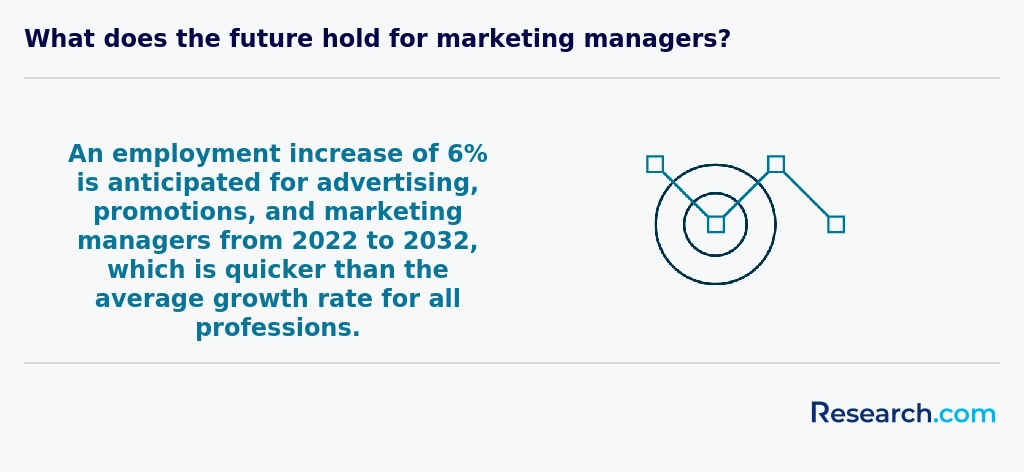
The global perspective on a marketing career highlights increasing demand for professionals who can navigate diverse markets and cultures. In Wisconsin, marketing graduates benefit from a strong regional economy with companies engaged in both domestic and international trade. According to the U.S. Bureau of Labor Statistics, marketing management jobs are expected to grow 10% nationwide from 2022 to 2032, reflecting global business expansion.
Marketing roles increasingly require knowledge of digital platforms, data analytics, and cross-cultural communication. Wisconsin's universities often integrate global case studies and internships with firms operating internationally, preparing students for worldwide opportunities.
Understanding global consumer behavior and trends is essential for career growth in marketing today.
Gaining practical experience while studying marketing in Wisconsin is essential for career readiness. Many universities in the state offer internship programs that connect students with local businesses in Milwaukee, Madison, and other cities. These internships provide hands-on experience in areas like digital marketing, market research, and advertising.
Additionally, students can participate in cooperative education (co-op) programs, which blend academic study with paid work placements. According to the University of Wisconsin System, co-op participation improves employment prospects after graduation.
Student-run marketing clubs and case competitions at Wisconsin schools also offer practical learning opportunities. These activities help develop teamwork and problem-solving skills relevant to real-world marketing challenges.
Choosing the right concentration within a marketing degree program in Wisconsin depends on your career goals and interests. Common concentrations include digital marketing, brand management, market research, and sales management. Each focuses on different skills: digital marketing emphasizes online campaigns, while market research involves data analysis.
Consider Wisconsin's growing digital economy, especially in cities like Milwaukee and Madison, which offer expanding jobs in e-commerce and analytics. According to the Wisconsin Department of Workforce Development, marketing roles requiring data skills are projected to grow faster than average through 2030.
Research programs' curriculum to ensure they align with industry trends and certifications. Also, check whether schools provide internships or partnerships with local businesses, as hands-on experience is highly valued in Wisconsin's competitive job market.
- 2027 Most Valuable Marketing Degree Programs Ranking in Minnesota
- 2027 Most Valuable Marketing Degree Programs Ranking in Iowa
- 2027 Most Valuable Marketing Degree Programs Ranking in Illinois
- 2027 Most Valuable Marketing Degree Programs Ranking in Indiana
- 2027 Most Valuable Marketing Degree Programs Ranking in Missouri
- 2027 Most Valuable Marketing Degree Programs Ranking in Kansas
- 2027 Most Valuable Marketing Degree Programs Ranking in Arkansas
- 2027 Most Valuable Marketing Degree Programs Ranking in Colorado
- 2027 Most Valuable Marketing Degree Programs Ranking in Alabama
- 2027 Most Valuable Marketing Degree Programs Ranking in Georgia
See What Experts Have To Say About Studying Marketing
Read our interview with Marketing experts

Sonya A. Grier, Ph.D.
Marketing Expert
Professor, Department of Marketing
American University

John R. Meindl
Marketing Expert
Adjunct Assistant Professor of Marketing
Hofstra University

- Top 5 marketing skills employers are looking for in 2025 https://www.konkergroup.com/top-5-marketing-skills-employers-are-looking-for-in-2025/
- Marketing Jobs in Milwaukee, WI https://www.milwaukeejobs.com/j/c-Marketing-l-Milwaukee,-WI-jobs-c1620.html
- Digital Marketing Major https://www.kozminski.edu.pl/en/digital-marketing-major
- What is a niche market? Types and 26 untapped niches https://clientify.com/en/blog/marketing/what-is-a-niche-market-types-and-examples
- 15 Marketing Certifications to Build Must-Have 2025 Skills https://www.cmswire.com/digital-marketing/10-marketing-certifications-that-can-help-you-earn-a-better-salary/
- Marketing Assistant Cover Letter Sample https://www.kickresume.com/en/help-center/marketing-assistant-1-cover-letter-sample/
- Career Goals: 17 Inspirational Examples for you in 2026 https://www.imd.org/blog/learning-and-development/career-goals/
- How to Become an International Marketing Executive https://online.maryville.edu/online-bachelors-degrees/marketing/careers/international-marketing-executive/
- The skills that will get you a graduate job in marketing https://targetjobs.co.uk/careers-advice/marketing-advertising-and-pr/skills-will-get-you-graduate-job-marketing
- Why study Marketing? https://blogs.tees.ac.uk/students/2024/04/15/why-study-marketing-2/