2027 Most Valuable Marketing Degree Programs Ranking in Georgia

Co-Founder and Chief Data Scientist
Choosing the right marketing degree program in Georgia can feel overwhelming. To help, this article features the 2027 Most Valuable Marketing Degree Programs Ranking in Georgia, created by the Research.com team of data scientists.
By exploring this ranking, you'll gain insight into which programs offer the best value and career potential. Whether you're starting or advancing your education, a marketing degree opens doors to exciting opportunities.
Read on to make an informed choice that suits your goals and sets you up for future success.
Key benefits of getting marketing degree in Georgia
- Marketing degree graduates in Georgia can expect strong earning potential, with typical roles like Public Relations Specialist offering a mean annual wage of $159,420 and Digital Marketing Specialist around $83,190, supporting a comfortable lifestyle.
- A marketing degree opens doors to diverse careers such as Sales Associate, Media Planner, and Marketing Assistant, providing flexibility and exciting opportunities as seen in graduates from the University of Georgia.
- Online marketing degrees from institutions like Georgia Southern University offer convenience and flexibility, helping students balance study with life while gaining the same valuable skills and recognition as traditional degrees.
- 2027 Most Valuable Marketing Degree Programs Ranking in Georgia
- What can I expect from marketing degree in Georgia?
- Where can I work with marketing degree in Georgia?
What can I expect from marketing degree in Georgia?
The average cost of pursuing a marketing degree in Georgia typically ranges between $10,000 to $25,000 per year at public universities like the University of Georgia or Georgia State University. Graduates often reflect on how this investment felt manageable when weighed against the rich hands-on opportunities they encountered, such as internships with Atlanta's top marketing agencies. These real-life experiences breathe life into textbooks, making the tuition worthwhile.
Private institutions or specialized programs may cost more, sometimes exceeding $30,000 annually, but students emphasize the close mentorship and networking connections that make those expenses feel justified. For example, those studying at Kennesaw State University often highlight affordable tuition paired with accessible faculty guidance, reinforcing their confidence entering competitive job markets.
Many graduates recall moments when the blend of theory and practical training, often within Atlanta's vibrant marketing ecosystem, transformed their initial doubts about cost into pride in their professional readiness. This personal growth, fueled by accessible education costs, challenges the notion that higher price always equals better outcomes for Georgia's marketing students.
Where can I work with marketing degree in Georgia?
Graduates from marketing programs at institutions like the University of Georgia or Georgia State University quickly discover that career possibilities in Georgia extend far beyond traditional roles. Many find themselves thriving in Atlanta's bustling corporate hubs, working within Fortune 500 companies that demand not just creativity but strategic acumen in brand management and digital marketing. One graduate recalls how her internship turned into a full-time role managing social media campaigns for a tech startup, illustrating how practical experience meets opportunity in Georgia's vibrant economy.
Outside Atlanta, the marketing landscape shifts intriguingly. Graduates targeting cities like Savannah often merge their passion for marketing with local industries such as tourism and logistics, using storytelling to promote regional culture and services. In Augusta, marketing graduates frequently engage with healthcare marketing, blending analytical skills and empathy to support medical initiatives-a path one alum found personally rewarding after witnessing direct community impact.
What stands out in Georgia is the blend of innovation and tradition found in its marketing sectors-from film promotions to rising tech startups-offering graduates a dynamic, fulfilling journey that challenges them to grow creatively and professionally every day.
Graduates with a marketing degree in Georgia often find their earning potential closely tied to the specific roles they pursue. For instance, entry-level jobs like Sales Associate yield an average annual wage of about $53,280, a realistic starting point for many graduates from popular schools such as the University of Georgia or Georgia State University.
Moving beyond entry-level, positions like Marketing Assistant, Media Planner, or Digital Marketing Specialist show significantly higher mean annual wages-around $83,190 according to latest data. Many Georgia graduates who specialized during their studies report that focusing on digital marketing or media planning opened doors to salaries that feel rewarding and affirm their academic efforts.
For those aiming high, becoming a Public Relations Specialist can provide an impressive mean wage of approximately $159,420. Graduates often share how targeted internships and networking within Atlanta's bustling business community helped them land these coveted roles.
In a state where business hubs thrive and industries ranging from tech to healthcare value marketing expertise, the question isn't just how much you can make, but how you shape your path to reach these figures. The blend of practical experience from Georgia's universities and the state's vibrant job market can elevate earning power well beyond initial expectations.
- Tuition for marketing degrees in Georgia ranges from $4,000 to $10,000 per year at public universities for in-state students.
- Private colleges often charge over $25,000 annually for marketing programs.
- Entry-level salaries for marketing graduates in Georgia average between $46,000 and $52,000 per year.
- Experienced marketing professionals can earn around $70,000 or more, especially in management or specialized roles.
- Atlanta offers the most marketing job opportunities due to its many headquarters, agencies, and tech firms.
- Many marketing programs include internships and focus on digital marketing, analytics, and communication skills.
Completing a marketing degree in Georgia typically takes about four years for most students enrolled full-time, as seen at institutions like the University of Georgia and Georgia State University. Many graduates recall balancing general education requirements with specialized marketing courses, a journey that demands dedication but also builds a strong foundation for their careers.
However, this timeline can vary. Some students speed up their progress through transfer credits from community colleges or by enrolling in accelerated programs. Graduates who chose this path often share the excitement of finishing in as little as two or three years, which significantly lightened their financial burdens.
Graduate marketing degrees, such as MBAs with a marketing focus, add another one to two years. Students juggling work and study frequently opt for part-time or online options offered by these Georgia universities, stretching the duration but providing essential flexibility. This complex balance highlights that while four years is the norm, Georgian marketing students can tailor their education to fit individual life circumstances.
As the marketing landscape continues to evolve at a rapid pace, staying informed about emerging trends and future opportunities is essential for prospective students and professionals alike. Today’s marketing education is not only about mastering traditional strategies but also about embracing innovative technologies and data-driven approaches that redefine the industry. Universities in Georgia are increasingly integrating courses on artificial intelligence, automation, and digital transformation into their curricula, preparing graduates to meet the demands of a tech-savvy market. Industry experts predict that skills in digital analytics, social media trends, and omni-channel marketing will become even more critical over the next few years. This shift is driven by the explosion of consumer data and the growing need for personalized and engaging content in an overcrowded digital space. Furthermore, with the rise of remote work and online learning, more affordable education options are emerging, making it easier for a diverse range of students to access quality programs. For example, institutions that provide flexible learning schedules and competitive tuition rates, such as the cheapest marketing school in georgia, are gaining popularity among prospective students eager to balance cost with comprehensive education. Additionally, industry-led partnerships and internships are playing a crucial role in bridging the gap between academic theories and real-world applications. Graduates now have the opportunity to work alongside leading marketing professionals even before completing their degrees, giving them a distinct advantage in the evolving job market. As the field transforms, staying up-to-date on these trends not only enhances career prospects but also empowers students to contribute meaningfully to the future of marketing.
Choosing between an online or on-campus marketing degree in Georgia isn't just about where you attend classes; it's about the experience you want to shape your future with. Graduates from the University of Georgia often reflect on the vibrant campus life, where spontaneous conversations in libraries and real-time teamwork in labs create connections that deepen understanding and open doors to internships in Atlanta's bustling marketing scene.
Meanwhile, alumni of Georgia State University praise the flexibility online programs offer-managing family commitments or full-time jobs while mastering digital marketing concepts at their own pace. The ability to revisit recorded lectures creates a personalized learning rhythm that on-campus students might envy, though it demands strong self-motivation.
Cost also colors this choice vividly. Online students typically save hundreds per credit hour, sparing expenses linked to travel and campus fees, which can ease financial stress and allow more focus on balancing life and study. On-campus students, however, gain immersive environments that foster spontaneous creativity and immediate feedback.
Ultimately, the decision challenges traditional assumptions about education's shape and location, pushing students to weigh convenience against community, and affordability against immersive networking opportunities unique to Georgia's top marketing programs.
Prospective students often weigh tuition costs against long-term earnings to determine true value. In Georgia, the average annual tuition for a public university marketing program is $9,375, while the mean student loan debt upon graduation is approximately $26,500. With entry-level marketing assistants earning around $50,000 and mid-career professionals averaging $75,557, most graduates recoup their investment within five to seven years post-graduation. • Average Debt Load: $26,500 • Starting Salary: $50,000 • Median Mid-Career Salary: $75,557 • Estimated Payback Period: 5–7 years Strategies to maximize ROI:
- Federal Grants and Scholarships: Leveraging the HOPE and Pell Grants can reduce reliance on loans by up to 40%.
- Work-Study and On-Campus Roles: Part-time marketing positions at campus career centers often convert into full-time roles after graduation.
- Cost-Saving Pathways: For students seeking even more affordable options, the Low Cost Marketing Degree Programs Ranking in the Midwest highlights institutions where tuition is up to 30% lower than in Georgia, while still maintaining strong career outcomes. By combining targeted financial aid with practical on-the-job experience, Marketing degree candidates in Georgia can significantly shorten their loan payoff timeline and maximize lifetime earnings, ensuring a solid return on their educational investment.
The average marketing degree cost in Georgia often surprises many students. For those attending public universities like the University of Georgia or Georgia State University, the median in-state total cost hovers around $7,394, a figure far more accessible than many expect. Graduates frequently share stories of balancing part-time jobs or internships alongside their studies, making the investment feel still very much worth it when they land roles at respected marketing firms shortly after graduation. Out-of-state students, however, face significantly higher expenses, with costs often quadrupling for their full degree, emphasizing the value of residency status in managing education expenses.
Private institutions like Emory or Mercer may offer prestigious programs enriched with strong networking opportunities but come with daunting price tags near the $33,819 median total cost. Many students considering private colleges weigh the upfront financial burden against these potential career advantages, highlighting a real dilemma when evaluating the cost of marketing degree programs Georgia-wide.
Community colleges and technical schools present a different story, offering a cheapest marketing school in Georgia option with costs often near $2,000 to $4,000 annually. These routes can be especially appealing to students who want to test the marketing waters before committing to a four-year degree.
Understanding the full picture means also accounting for additional fees, books, and living expenses, which collectively push the total investment higher but reflect the true cost of earning a marketing degree in Georgia.

Financial aid for marketing students in Georgia isn't just a safety net-it can transform the college experience. Graduates from Georgia State University often recall how departmental scholarships lightened their financial load, rewarding not only academic excellence but also leadership in marketing projects. These tailored scholarships feel like a personal endorsement, strengthening motivation beyond the classroom.
Many students find the HOPE Scholarship and HOPE Grant indispensable, particularly those attending the University of Georgia. These state-funded programs directly cut tuition costs, offering a palpable sense of relief amidst rising fees. Imagine walking into your first semester knowing a significant portion of your tuition is already covered-that confidence shapes the entire journey.
Federal aid remains the backbone for many, with the FAFSA unlocking Pell Grants and flexible student loans. The power of federal loans lies in manageable repayments, a lifeline appreciated by those balancing part-time jobs and internships. Some marketing students also tap into employer tuition assistance, reflecting how professional and academic paths can align seamlessly.
When considering financial aid, it's crucial to think beyond numbers-to see these supports as enablers of your goals and stories waiting to unfold.
Meeting the prerequisites for a marketing degree in Georgia often means more than just ticking boxes-it's about proving you're ready to think critically and adapt in a fast-changing field. Graduates from the University of Georgia recall having to balance strong high school GPAs, usually between 2.5 and 3.0, with solid SAT or ACT scores, although many schools are easing these testing demands today. It's not just grades; showcasing coursework in English, math, and social studies helped them build essential communication and analytical skills they now use daily.
At Georgia State University, some describe how submitting transcripts highlighting foundational business or economics classes gave them a confident edge, even when not strictly required. For those aiming at graduate programs like MBAs with marketing focus, the journey intensifies: a bachelor's degree with at least a 3.0 GPA, GRE or GMAT scores, personal statements, and recommendation letters become part of the process. Many students find work experience, though not mandatory, a powerful confidence booster in admissions.
These requirements feel less like hurdles and more like signposts guiding prospective marketers toward academic and professional success in Georgia's competitive landscape.
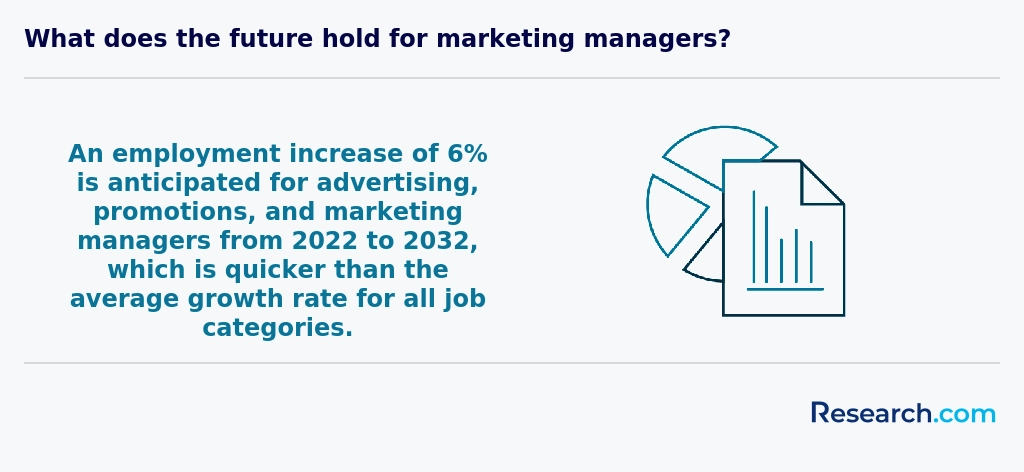
Many students in Georgia choose to kickstart their marketing journey with an affordable, flexible associate degree in marketing, often completed through an online format. Opting for an associate degree in marketing online allows learners to master foundational courses-such as Principles of Marketing, Digital Analytics, and Consumer Behavior-while balancing work or family commitments. These two-year programs typically require 60 credit hours and cover essential skills like market research techniques and basic campaign development, giving graduates a competitive edge when applying for entry-level roles. Beyond cost savings-associate programs can cost 50–70% less per credit hour than four-year universities-many Georgia community colleges have articulation agreements with public and private institutions. This means credits earned in an associate program often transfer seamlessly into bachelor’s marketing curricula, reducing time to degree completion and avoiding duplicate coursework. As a result, students can accelerate their path to roles such as Marketing Coordinator or Social Media Specialist without sacrificing academic rigor. Employers also recognize the value of hands-on projects and internships embedded within reputable associate programs. Graduates frequently report securing part-time internships during their studies, which not only bolster résumés but also foster professional networks. Upon transferring to a four-year institution-or entering the workforce directly-these students possess both the theoretical foundation and practical experience that Georgia businesses seek. In summary, beginning with an associate degree in marketing empowers students to minimize debt, gain real-world experience, and transition smoothly into bachelor’s programs or marketing careers. Whether you aim to climb the corporate ladder quickly or explore diverse specializations, this pathway offers a strategic, budget-friendly launchpad for long-term success in Georgia’s dynamic marketing landscape.
At schools like the University of Georgia or Georgia State University, marketing degrees dive deep into a blend of business fundamentals and specialized marketing knowledge. Graduates often recall starting with essentials like economics and management before moving into core marketing courses. Imagine learning Consumer Behavior by analyzing real local shopping habits or mastering Digital Marketing through hands-on campaigns utilizing Atlanta's booming social media scene, which makes these lessons tangible and deeply engaging.
Courses such as Marketing Research challenge students to gather and interpret data from real clients, making the abstract skill feel immediate and practical. Sales Management and Brand Management often involve group projects simulating team leadership and branding strategies for Georgia businesses, sparking a strong sense of accomplishment.
This hands-on, interactive approach mirrors what many students experience firsthand, combining theory with gritty, real-world application right in Georgia's dynamic business hub. Electives in data analytics or international marketing prepare learners to thrive beyond local limits, keeping future marketers flexible and excited about their career paths.
Marketing degree specializations in Georgia challenge students to move beyond generic business knowledge into focused, career-defining skills. At universities like the University of Georgia, graduates describe diving into Digital Marketing, mastering SEO strategies and social media analytics, preparing them for the highly competitive digital arena transforming industries statewide. This specialization isn't just theory; it's a gateway to careers where data-driven creativity reigns.
Others immerse themselves in Market Research and Consumer Behavior, analyzing shifting local market trends and diverse Georgian consumer habits. Students find this specialization especially eye-opening, linking classroom software tools to real-world decision-making environments in Atlanta's retail and logistics hubs. Such Georgia marketing program concentration options sharpen analytical minds ready to guide evolving brands.
Sales Management emerges as another favorite, as graduates recount hands-on leadership in team coordination and negotiation tactics fine-tuned to Georgia's industrial economy. Meanwhile, the Advertising and Brand Management track appeals to creative spirits shaping identities in the state's buzzing media fields. For those considering every pathway, exploring an associate degree in marketing online can broaden foundational skills with flexible access.
Choosing the best marketing degree programs in Georgia means looking beyond flashy brochures and focusing on accreditation and curriculum relevance. Graduates from metro Atlanta universities often share how real-world projects with local firms shaped their confidence, providing a tangible edge when job hunting. It's not just about theory; balancing digital marketing, data analytics, and consumer behavior is essential to feel prepared in this fast-moving industry.
Cost considerations can't be ignored. Many affordable marketing colleges in Georgia offer scholarships and financial aid, crucial for students juggling work and study. A graduate from a well-known private college recalls how these supports made the long four-year journey manageable, proving that choosing a program includes financial strategy as much as academic quality. Check resources like the Low Cost Marketing Degree Programs Ranking in the Midwest for insights on balancing expenses.
Location also sets paths: schools near Atlanta's business hubs offer internships that turn textbook concepts into thrilling marketing campaigns. It's where mentorship from experienced faculty meets real internship opportunities, cultivating excitement and readiness for a marketing career after graduation.
Marketing graduates in Georgia find themselves at the crossroads of diverse and dynamic career opportunities with marketing degree in Georgia that extend beyond traditional expectations. From Atlanta's bustling corporate headquarters to smaller colleges known for practical, career-focused programs, students have stepped into roles like market research analysts, where they apply data insights to steer major business decisions. Many graduates from institutions such as the University of Georgia recount how their hands-on experience in digital marketing-managing social media campaigns and mastering SEO-enabled them to thrive in an evolving digital economy.
Others embrace challenges in sales management or public relations, discovering the thrill of crafting narratives that shape public perception and drive growth. The vibrant economic landscape, with industries like logistics and manufacturing, offers fertile ground to apply marketing expertise creatively. For those weighing educational paths, some find value in exploring the best online associate's degree in 6 months, accelerating their entry into promising fields tied to marketing degree job prospects in Georgia.
The job market for marketing degree holders in Georgia reveals impressive resilience and growth, particularly in hubs like Atlanta where corporate giants and startups alike compete for top marketing talent. Graduates from popular universities often land roles as digital marketers or brand managers, leveraging hands-on experiences that mirror real-world challenges faced by local industries. This strong outlook on Georgia marketing degree employment outlook is fueled by expanding sectors such as technology and media, where marketing expertise is critical.
Marketing graduates frequently find their starting salaries ranging from $40,000 to $55,000, with median marketing manager salaries approaching $110,000 annually, which provides motivation beyond passion alone. Many students appreciate that Georgia public universities offer comparatively affordable tuition, heightening the appeal of investing in education within the state. Some graduates even pursue a certification that pay well to complement their degrees, enhancing their adaptability in this competitive environment.
Given Georgia's unique blend of industries-film, logistics, and startups-marketing degree job opportunities in Georgia unfold in diverse scenarios, pushing graduates to think beyond traditional marketing roles. This variety encourages creative problem-solving and continuous learning that can lead to rewarding careers in the evolving landscape of the state's economy.
2027 Most Valuable Marketing Degree Programs Ranking in Georgia
Investing in one's education is a significant decision that can greatly influence one's professional trajectory, and the Research.com team is committed to supporting prospective students in making well-informed choices. To help individuals seeking outstanding marketing education in Georgia, we have carefully developed the "2027 Most Valuable Marketing Degree Programs Ranking in Georgia." Our dedication to quality, credibility, and accuracy guided the thorough research and analysis behind this ranking.
We utilized the following reputable data sources to create a comprehensive and reliable evaluation of marketing degree programs:
By exploring this ranking, readers will gain valuable insights into the most valuable marketing degree programs in Georgia, empowering them to make confident and informed decisions about their educational investments. For a detailed explanation of our ranking process, please visit our Research.com methodology page.


# 13 position
Georgia Southwestern State University
Bachelor of Business Administration in Marketing

# 14 position
Savannah State University
Bachelor of Science in Marketing

# 15 position
Albany State University
Bachelor of Science in Marketing


Frequently Asked Questions About marketing
Marketing degree students in Georgia can maximize their learning by engaging with local business networks and internships. Atlanta, a major business hub, offers over 75,000 marketing-related job opportunities, providing practical experience that complements classroom learning (Georgia Department of Economic Development, 2023). Joining student organizations like the American Marketing Association (AMA) chapters at Georgia universities helps build professional connections and develop leadership skills.
Students should also utilize resources such as career services and alumni networks, which often offer workshops and mentorship programs. Additionally, participating in real-world projects through capstone courses sharpens problem-solving abilities. Staying updated with Georgia's evolving digital marketing trends enhances competitiveness in the regional job market.
Emerging niches within the marketing field reflect rapid technological advances and evolving consumer behavior. In Georgia, digital marketing continues to grow, especially areas like social media management, content marketing, and search engine optimization (SEO). According to the Bureau of Labor Statistics, jobs in digital marketing are expected to grow faster than average nationwide, with Atlanta being a major hub.
Another key niche is data analytics, where marketing professionals use data to shape campaigns and improve targeting. The University System of Georgia highlights increasing demand for graduates skilled in marketing analytics.
Additionally, influencer marketing and experiential marketing are gaining attention as brands seek authentic engagement methods.
After completing a marketing degree in Georgia, preparing effectively for the job market is crucial. Building practical experience through internships or cooperative education programs is highly recommended. According to the Georgia Department of Economic Development, the state's marketing sector is growing steadily, with digital marketing roles among the fastest-growing positions.
Graduates should also develop strong digital skills, including data analytics and social media management. Networking is important; attending local marketing events or joining professional groups like the American Marketing Association Georgia chapter can open doors. Career services at Georgia universities often offer job placement assistance and resume workshops tailored to marketing fields.
Staying informed about Georgia's evolving business environment helps graduates align their skills with employer needs. According to the U.S. Bureau of Labor Statistics, marketing specialists in Georgia earn a median wage above the national average, reflecting a competitive job market that values continuous learning and adaptability.
Employers in Georgia prioritize a mix of technical and interpersonal skills when hiring marketing graduates. Strong analytical abilities are essential, as data-driven decision-making is critical in today's marketing landscape. According to the Georgia Department of Labor, proficiency with digital marketing tools, such as SEO, social media management, and Google Analytics, is highly valued.
Communication skills remain fundamental. Graduates must clearly articulate ideas to diverse audiences and collaborate effectively within teams. Creativity and problem-solving capabilities are also frequently noted as top traits.
Additionally, adaptability is key in Georgia's fast-changing market, especially with the growth of Atlanta's tech and media sectors. Candidates familiar with CRM software and content creation stand out significantly.
Finding internships in Georgia related to a marketing degree involves a few strategic steps. Many universities, like the University of Georgia and Georgia State University, offer career centers that connect students to local marketing firms and national companies with offices in Atlanta, a major business hub. According to the Georgia Department of Economic Development, industries such as digital marketing, advertising, and media buying are rapidly growing in the state, increasing internship opportunities.
Students should also utilize online platforms like Handshake and Georgia.gov's job boards tailored for students. Networking through alumni associations and local marketing chapters like the Atlanta American Marketing Association can provide valuable leads. Internships often combine practical experience with academic credit, enhancing employability after graduation.
A marketing degree in Georgia significantly enhances career mobility and advancement opportunities. According to the U.S. Bureau of Labor Statistics, marketing managers in Georgia earn a median annual wage of around $130,000, reflecting strong demand in metro areas like Atlanta. This degree equips graduates with skills in market analysis, digital marketing, and strategic communication, all highly valued by employers across industries.
Georgia's growing business sectors-especially technology, entertainment, and logistics-frequently seek marketing professionals with formal education.
Holding a degree often accelerates promotions into managerial roles, as it demonstrates proven expertise and commitment to the field. The Georgia Department of Labor reports that marketing graduates experience a 15% higher likelihood of advancing within five years compared to non-degree holders.
Studying for a marketing degree in Georgia equips students with skills that extend beyond traditional marketing, fostering interdisciplinary expertise. Programs often integrate courses in data analytics, business strategy, communication, and technology, reflecting the multifaceted demands of today's job market.
Georgia's growing industries, including technology and healthcare, benefit from marketers who understand various fields. For example, Georgia Tech's curriculum emphasizes digital marketing and analytics, blending marketing with computer science and data interpretation.
This approach prepares graduates to work collaboratively across departments, a skill highly valued in companies like Coca-Cola and Delta Air Lines headquartered in Georgia. According to the Georgia Department of Economic Development, marketing roles increasingly require knowledge in areas such as consumer behavior and business intelligence.
Such interdisciplinary training ensures graduates can adapt and innovate in diverse professional environments.
When choosing between a thesis and a non-thesis marketing degree program in Georgia, consider your career goals carefully. A thesis option involves conducting original research and writing a substantial paper, which is beneficial if you plan to pursue a PhD or work in research-intensive roles. According to the Georgia Board of Regents, about 30% of graduate marketing students opt for thesis programs to strengthen their analytical skills.
In contrast, non-thesis programs focus more on coursework and practical experience. These are often preferred by professionals aiming to enter or advance in marketing management, advertising, or sales positions quickly. Programs at institutions like the University of Georgia emphasize applied learning for non-thesis students.
Cost and time commitments vary: thesis programs usually take longer due to research demands. Additionally, non-thesis paths frequently offer more internship or project opportunities aligned with Georgia's diverse business sectors, such as Atlanta's marketing industry, which saw a 5% growth in jobs from 2020 to 2023 (Bureau of Labor Statistics).
Students based in Georgia who want to study marketing abroad have several options, including participating in exchange programs and pursuing dual degrees. Many Georgia universities partner with institutions worldwide, offering study-abroad opportunities in Europe, Asia, and Latin America. For example, the University of Georgia and Georgia State University provide access to global campuses through established agreements.
According to NAFSA, over 10,000 U.S. students studied abroad in business fields in 2022, reflecting the popularity of international marketing education. Programs typically last from a semester to a full academic year, allowing students to gain valuable global business perspectives and build international networks.
Part-time job opportunities in Georgia that complement marketing degree education are diverse and plentiful. Many students find valuable experience through roles such as social media management, content creation, and digital marketing internships. Georgia's growing business hubs, like Atlanta, offer access to startups and established companies seeking marketing support.
Jobs in retail marketing and event promotion provide practical insights into consumer behavior and brand management. According to the Georgia Department of Economic Development, marketing and advertising employment in the state is projected to grow by 7% from 2022 to 2032.
Internships with local agencies also help students build professional networks and develop relevant skills while studying.
Marketing students in Georgia have access to diverse networking opportunities through universities, professional organizations, and industry events. Many institutions, such as the University of Georgia and Georgia State University, host regular networking mixers and career fairs specifically for marketing and business students.
Students can join chapters of national groups like the American Marketing Association (AMA) and participate in local events in Atlanta, a major marketing hub. These gatherings offer chances to meet professionals, alumni, and potential employers.
In addition, Georgia's growing digital marketing industry supports conferences like Engage and Social Media Marketing World, often attended by students to expand their contacts.
According to the Georgia Department of Labor, marketing roles are projected to grow 10% by 2030, increasing the value of networking for students entering the job market.
Alumni networks play a significant role in supporting marketing degree students in Georgia. These networks connect current students with graduates working in diverse marketing fields, offering valuable mentorship opportunities. According to the University System of Georgia, active alumni associations can increase job placement rates by up to 20% for graduates.
Georgia's marketing industry is vibrant, with Atlanta ranking as a top city for marketing jobs, hosting major firms like Coca-Cola and Delta Air Lines. Alumni can provide insider knowledge on local market trends and company cultures.
Additionally, networking events, workshops, and online groups help students build professional relationships that can lead to internships and employment. This practical guidance gives students a competitive edge in Georgia's job market.
Students pursuing marketing degrees in Georgia have multiple ways to tailor their education to match career goals. Many universities offer concentrations such as digital marketing, market research, or advertising, allowing focused skill development. Georgia Tech, for example, provides courses emphasizing data analytics and technology integration in marketing strategies.
Internships and cooperative education programs available through institutions in Atlanta and other cities provide practical experience, crucial for career readiness. According to the Georgia Department of Economic Development, over 10,000 marketing-related jobs are projected to grow through 2030, highlighting the importance of hands-on skills.
Elective courses in business communication, consumer psychology, or sales further customize degree paths. Online and evening classes support working professionals in adjusting schedules to fit education with career demands.
Marketing students in Georgia often face challenges related to keeping up with rapidly evolving digital marketing trends. As the state's business environment grows increasingly competitive, students must master new tools and platforms, which can be overwhelming.
Another common difficulty is securing internships and practical experience. Despite Atlanta's status as a marketing hub, not all students find easy access to quality placements, impacting their job readiness.
Financial concerns also affect many students. According to the Georgia Student Finance Commission, almost 60% of undergraduates rely on loans, creating pressure to balance work and study.
Lastly, adapting to diverse consumer markets in Georgia's multicultural population requires nuanced skills that many students develop only gradually during their studies.
With a marketing degree in Georgia, you can pursue several professional certifications to boost your career. One popular option is the Certified Professional Marketer (CPM), offered by the American Marketing Association, which validates your expertise in marketing principles.
Another valuable certification is the Google Ads Certification, especially relevant given Georgia's growing digital marketing industry. This credential demonstrates proficiency in online advertising strategies and is recognized nationwide.
Additionally, the HubSpot Content Marketing Certification is widely respected and helps graduates understand inbound marketing techniques. According to the Georgia Department of Economic Development, digital marketing jobs in the state are expected to grow by 12% through 2028, underlining the importance of these credentials.
These certifications provide practical knowledge, improve job prospects, and can lead to higher salaries in Georgia's competitive marketing field.
To write a winning application for a marketing program in Georgia, start by clearly demonstrating your passion for marketing through a well-crafted personal statement. Highlight relevant experiences, such as internships or projects, that show your practical understanding of marketing principles. Georgia is home to growing industries like technology and logistics, making experience in these sectors particularly valuable.
Admissions committees value strong academic records; ensure your GPA aligns with program requirements. Standardized test scores, if required, should meet or exceed recommended thresholds. Mention any leadership roles or community involvement to reflect soft skills important in marketing careers.
Include up-to-date knowledge of digital marketing trends, which are crucial in today's market. According to the Georgia Department of Economic Development, digital marketing roles are expanding rapidly, signaling demand for candidates with both creativity and technical skills.
The global perspective on a marketing career highlights the increasing demand for professionals skilled in digital strategies, consumer behavior, and data analytics. In the US, including Georgia, marketing jobs are expected to grow by 10% from 2022 to 2032, according to the Bureau of Labor Statistics (BLS). Georgia's diverse economy and its status as a business hub, especially in Atlanta, offer strong opportunities for marketing graduates.
Internationally, marketing professionals must understand cross-cultural communication and global market trends, skills emphasized in many Georgia degree programs. The rise of e-commerce and social media marketing also enhances career prospects worldwide.
Students pursuing a marketing degree in Georgia can gain practical experience through internships, cooperative education (co-op) programs, and campus-sponsored projects. Many universities in Georgia have strong connections with Atlanta's vibrant business community, providing access to internships at firms like Coca-Cola, Delta Airlines, and smaller marketing agencies.
According to the Georgia Department of Economic Development, marketing internships in Georgia grew 8% from 2020 to 2023, indicating increased opportunities for hands-on learning. Students often participate in live case studies and client-based projects through university programs, enhancing real-world skills.
Additionally, networking events and marketing clubs at colleges offer professional development. The University System of Georgia helps coordinate experiential learning options, making it easier for students to balance work and studies while gaining relevant experience.
Choosing the right concentration within a marketing degree program in Georgia involves evaluating your career goals and industry trends. Popular concentrations include digital marketing, market research, and brand management. Georgia's strong presence in digital media, with companies clustered around Atlanta, makes digital marketing a promising field. According to the Georgia Department of Labor, digital marketing jobs grow 10% faster than average statewide.
Consider how each concentration aligns with your skills. For example, if you enjoy data analysis, market research could be suitable. If creative strategy appeals to you, brand management may fit better. Review curriculum details to ensure courses match your interests.
Finally, seek programs with strong internship support or industry partnerships. These opportunities enhance practical experience and job prospects after graduation.
- 2027 Most Valuable Marketing Degree Programs Ranking in Florida
- 2027 Most Valuable Marketing Degree Programs Ranking in Alabama
- 2027 Most Valuable Marketing Degree Programs Ranking in Mississippi
- 2027 Most Valuable Marketing Degree Programs Ranking in Louisiana
- 2027 Most Valuable Marketing Degree Programs Ranking in Arkansas
- 2027 Most Valuable Marketing Degree Programs Ranking in Missouri
- 2027 Most Valuable Marketing Degree Programs Ranking in Indiana
- 2027 Most Valuable Marketing Degree Programs Ranking in Maryland
- 2027 Most Valuable Marketing Degree Programs Ranking in Illinois
- 2027 Most Valuable Marketing Degree Programs Ranking in Kansas
See What Experts Have To Say About Studying Marketing
Read our interview with Marketing experts

Sonya A. Grier, Ph.D.
Marketing Expert
Professor, Department of Marketing
American University

John R. Meindl
Marketing Expert
Adjunct Assistant Professor of Marketing
Hofstra University

- Tips for Marketing Students - Impact Marketing https://impactmt.com/tips-for-marketing-students/
- How to Set Your Marketing Career Goals (and Actually Achieve Them) - Odeo Academy https://odeoacademy.com/how-to-set-your-marketing-career-goals-and-actually-achieve-them/
- Niche Digital Marketing Roles: Exploring Specialized Career Paths https://www.cellainc.com/insights/blog/niche-digital-marketing-roles-exploring-specialized-career-paths/
- 15 Marketing Certifications to Build Must-Have 2025 Skills https://www.cmswire.com/digital-marketing/10-marketing-certifications-that-can-help-you-earn-a-better-salary/
- Why study Marketing? https://blogs.tees.ac.uk/students/2024/04/15/why-study-marketing-2/
- Who Can Be an International Marketer? https://www.spencerstuart.com/research-and-insight/who-can-be-an-international-marketer
- How to Become an International Marketing Executive https://online.maryville.edu/online-bachelors-degrees/marketing/careers/international-marketing-executive/
- What Careers Can You Expect with a Marketing Degree https://www.global-business-school.org/content-type/blog/what-careers-can-expect-marketing-degree/
- Best Marketing Certifications for Your Marketing Career https://www.business.com/articles/guide-to-marketing-certifications/
- Why study marketing? Discover 7 compelling reasons https://isc.strath.ac.uk/blog/why-study-marketing