2027 Best Online Marketing Degree Programs Ranking in Texas

Co-Founder and Chief Data Scientist
Choosing the right marketing degree program is a big step toward building a successful career. For students in Texas, finding quality online options can feel overwhelming.
This article presents the 2027 Best Online Marketing Degree Programs Ranking in Texas, developed by the Research.com team of data scientists. It's designed to guide you through top programs that match your goals and lifestyle.
Exploring this ranking can help you make an informed decision, opening doors to rewarding opportunities in marketing. Investing in your education today sets the stage for professional growth and confidence tomorrow.
Key benefits of getting online marketing degree in Texas
- Marketing degree graduates in Texas can expect competitive salaries; for example, a Public Relations Specialist earns a mean annual wage of $159,420, while roles like Marketing Assistant, Media Planner, and Digital Marketing Specialist average around $83,190 per year.
- Career paths are diverse, including positions in sales, digital marketing, and media planning, giving graduates from Texas universities exciting opportunities to grow in dynamic industries.
- Online marketing degrees offer flexibility and convenience, allowing students in Texas to balance work and study effectively, and often benefit from the same quality education as traditional programs.
- 2027 Best Online Marketing Degree Programs Ranking in Texas
- What can I expect from online marketing degree in Texas?
- Where can I work with online marketing degree in Texas?
What can I expect from online marketing degree in Texas?
The average cost of an online marketing degree in Texas is pretty reasonable, especially when you look at schools like Texas A&M University or the University of Texas system. For in-state students, tuition usually runs lower than at many other places, making it easier to manage on a budget. Many graduates mention how financial aid, scholarships, and employer tuition assistance programs helped them stay on track without breaking the bank.
One graduate shared how balancing work and studies was much smoother thanks to affordable tuition and flexible online classes. They could focus on mastering skills like SEO and social media marketing without stressing too much about costs. Since Texas public universities keep prices competitive, it's a relief for many juggling family, jobs, and school all at once.
Plus, the value feels even higher when you consider all the hands-on projects and real-world experience packed into these programs. Getting a solid marketing education without sky-high student debt makes the whole journey feel totally worth it.
Where can I work with online marketing degree in Texas?
If you earn an online marketing degree in Texas, you've got a ton of options waiting for you. Graduates from places like the University of Texas at Austin or Texas A&M often find themselves landing jobs in cities buzzing with opportunity - think Houston, Dallas, or Austin's booming tech scene. Many jump into roles at full-service ad agencies or digital marketing firms, where they get to flex skills like content creation, SEO, and social media management.
Some grads love working for big corporations headquartered right here in Texas, such as Dell or Southwest Airlines, handling brand management and product marketing. Others find satisfaction in public sector gigs with government agencies or nonprofits, focusing on community outreach or campaign planning. Imagine managing digital campaigns for a local nonprofit or helping a startup in Austin build its brand-that's the kind of real-world impact marketing grads get excited about.
Plus, with Texas's strong e-commerce scene, there are plenty of chances to dive into online marketing roles, keeping customers engaged and boosting business growth. It's a great time to be savvy in digital marketing here!
So, you're wondering how much you can make with an online marketing degree in Texas? Let's break it down. Graduates from places like the University of Texas at Austin or Texas A&M often land roles with starting salaries around $45,000 to $60,000 as marketing coordinators or specialists. That's a solid start, especially when you consider the hands-on experience many get through internships and campus projects.
If you stick with it and build your skills, you could move up to jobs like Digital Marketing Specialist or Media Planner, both averaging about $83,000 a year according to the latest data. And then there are marketing assistants, pulling in around $83,000 annually too, which shows how valuable those skills are in Texas' booming cities.
Ever heard about graduates stepping into public relations? Those folks can earn about $159,000 a year, which is pretty sweet. And sales associates, a common entry point in the marketing world, make about $53,000 annually-nice for those still figuring things out but hungry to grow.
With Texas' dynamic job market, especially in Dallas and Austin, these numbers can get even better as you gain experience and certifications. It's a great place to start and build a strong marketing career!
- Texas offers a variety of fully online marketing degree programs at undergraduate and graduate levels, focusing on digital marketing, consumer behavior, and marketing analytics.
- Tuition for online marketing degrees varies, with public universities charging between $7,000 and $12,000 per year for in-state students and private institutions often exceeding $20,000 annually.
- The job market in Texas employs over 97,000 marketing professionals, with key hubs in Houston, Dallas-Fort Worth, Austin, and San Antonio.
- Entry-level marketing salaries in Texas range from $45,000 to $55,000 annually, while mid-career professionals earn between $70,000 and $95,000.
- Senior marketing managers in Texas can earn well over six figures, especially in large corporate and tech sectors.
If you're wondering how long it takes to finish an online marketing degree in Texas, it really depends on the type of degree and how you choose to study. For example, lots of students at community colleges like Austin Community College finish their associate degree in about two years when going full-time, which gives you solid basics without a huge time commitment.
On the other hand, if you're aiming for a bachelor's degree from well-known schools like the University of Texas at Austin or Texas A&M, expect around four years full-time. But here's the cool part-many grads mention how transfer credits and accelerated programs helped them finish in three years or even less, saving time and money.
Then there's the master's degree level, which some working pros pick up online from Texas Tech or Southern Methodist University. They love that these programs often take just one to two years and offer flexible schedules, so balancing work and study feels totally doable.
Many Texas students find that going full-time makes it easier to stay motivated and complete faster, but part-time options work great if you've got a busy life. Plus, the ability to pace yourself with online classes really adds to that positive, manageable vibe many grads recall from their journeys.
Return on investment depends on what you pay, how much aid you receive, how quickly you finish, and the types of marketing roles you pursue after graduation. For Texas students, the ROI case can be strong when tuition is controlled and the program helps build practical skills in digital marketing, analytics, content strategy, and campaign management.
On average, in-state tuition for a four-year program is around $14,289 annually. That equals an average total investment of $57,156 over four years before accounting for scholarships, grants, fees, books, or living expenses. Graduates can expect median starting salaries near $78,880, and students pursuing the best paying marketing jobs may be able to recover tuition costs faster.
| ROI factor | Figure stated for this guide | How to use it |
| Average annual in-state tuition | $14,289 | Use this as a baseline when comparing public programs in Texas. |
| Average total investment | $57,156 | Estimate four years of tuition before aid and other costs. |
| Median entry-level salary | $78,880 per year | Compare expected earnings with your likely borrowing level. |
| Typical payback period | 2.5 years | Shorter payback is more likely if you minimize debt and enter higher-paying roles. |
| Projected 10-year earnings | $900K+ | Consider long-term growth, not only first-year salary. |
| Projected job growth | 23% job growth by 2031 | Use labor demand as one part of the value equation. |
Ways to improve ROI
- Apply early for scholarships, federal grants, and institutional aid before deciding how much to borrow.
- Ask whether transfer credits, prior learning credits, or accelerated courses can reduce time to completion.
- Choose programs that require internships, capstones, analytics projects, or portfolio assignments.
- Build skills in SEO, paid media, marketing analytics, CRM tools, content strategy, and campaign reporting.
- Use alumni associations and professional groups to identify roles with stronger advancement potential.
A lower-cost program is not automatically the best investment, and a higher-cost program is not automatically a poor one. The key is whether the degree leads to marketable skills, credible credentials, and access to the kinds of employers you are targeting.
If you're thinking about studying marketing in Texas, the big difference between online and on-campus programs mostly comes down to how you learn and connect. Picture this: a graduate from a well-known Texas public university shares how their online marketing degree fit perfectly around a busy work schedule-no need to drive to campus in Houston traffic, and they could tap into lectures anytime, day or night. It's flexible and great if you've got family or a job.
On the flip side, some grads from popular colleges in Dallas rave about the energy of in-person classes-real-time debates, easy access to marketing labs, plus chances to network face-to-face with local businesses. They say it really helped land internships and get a foot in the door in Texas's bustling job market.
Both paths cover the essentials like digital marketing and consumer behavior, but those who studied on-campus felt hands-on group projects were more natural there. Still, online students aren't missing out-virtual teamwork and remote internships are changing the game.
When it comes to the average cost of an online marketing degree in Texas, most students can expect to pay around $28,560 if they qualify for in-state tuition. That's a sweet spot compared to the general median total cost of $73,380, which often reflects out-of-state or private school prices. Graduates from popular Texas schools like Texas A&M or the University of Texas often share how this affordability helped them manage finances while juggling work and studies. It's reassuring to know that choosing a Texas school can make a marketing degree more accessible than you might think.
Texas online marketing degree tuition fees vary quite a bit depending on whether you're in-state or not. Out-of-state students typically face an average of about $77,160, which is a noticeable jump but still competitive nationally. Private colleges usually sit higher on the scale, but many students find creative ways to fund their education, including scholarships and financial aid tailored for Texas residents. It's practical for anyone considering marketing to research these opportunities early on.
Besides tuition, keep in mind extra costs like tech fees or textbooks, though many find these manageable since online study cuts out commuting and housing expenses. Lots of fellow students in Texas have praised how this setup lets them stay local and save money while earning a top-quality degree. If you want to check out the cheapest online marketing programs in texas, there are great options that balance cost and quality perfectly for your needs.
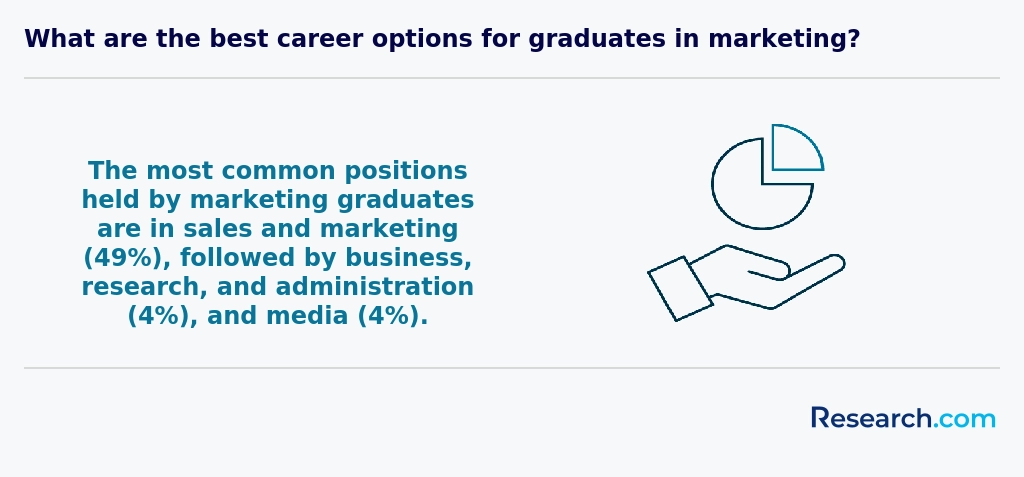
Internships and employer-connected projects are especially important in marketing because hiring managers often want to see proof of applied skills. Texas online marketing programs may partner with companies, agencies, startups, nonprofits, and regional employers to give students experience with brand campaigns, market research, digital content, social media planning, and data analysis.
These opportunities can be local, remote, or hybrid. Students near Austin may benefit from tech and startup connections, while those in Dallas, Houston, San Antonio, or other areas may find opportunities in media, healthcare, retail, energy, finance, and professional services. Online students should ask whether internship support is available in their location or through virtual placements.
Questions to ask before enrolling
- Does the program require or strongly support internships?
- Are online students eligible for the same career services as campus-based students?
- Does the school help students find remote internships or only list openings?
- Are capstone projects completed with real clients or simulated case studies?
- Do faculty or career advisors review student portfolios before graduation?
Some programs also use virtual practicums and mentorship initiatives to pair students with marketing professionals who can critique campaign plans, analytics dashboards, content calendars, or portfolio projects. This type of structured feedback can be valuable for students who are changing careers or entering marketing without prior professional experience.
Students comparing internship access should also compare affordability and program structure. For a broader cost comparison outside Texas, you can review our Affordable Marketing Degree Programs Ranking in Michigan.
If you're eyeing an online marketing degree in Texas, there's good news: plenty of financial aid options can help lighten the load. Many students attending big names like the University of Texas or Texas A&M find that filling out the FAFSA is their first step. It opens doors to federal grants like the Pell Grant, which can give you up to $7,395 a year if you qualify. That kind of help feels like a win when tuition can run between $8,000 and $15,000 annually at public schools.
State programs like the TEXAS Grant are another lifesaver, especially if you come from a low- or middle-income family. Graduates often recall how this grant helped cover their tuition, letting them focus more on learning and less on bills.
Plus, universities usually dish out merit scholarships for standout students, and professional groups like the American Marketing Association offer scholarships that not only ease costs but also connect you with pros in the business.
Working while studying? Many Texas employers chip in with tuition reimbursement, giving those balancing work and classes a big boost.
If you're thinking about jumping into an online marketing degree in Texas, the basics are pretty straightforward. Most schools, like those at the University of Texas or Texas A&M, expect you to have your high school diploma or GED first. Nothing too wild there-just a solid foundation so you're ready to dive in.
Some programs might ask for SAT or ACT scores, but honestly, a lot of Texas universities are chill about that these days. They focus more on your high school grades and the classes you took. It's kind of like they want to see if you've got the grit and smarts without stressing about test day.
If English isn't your first language, be ready to show you can handle it-TOEFL or IELTS scores often do the trick. Marketing is all about communication, so being clear and confident helps big time. Plus, since it's online, having some tech skills and knowing your way around learning platforms like Canvas or Blackboard will keep things smooth.
For those eyeing a master's degree, you'll need to have finished your undergrad already and might also share some work experience or personal statements. Many grads from Texas colleges say showing your passion in those letters really helped them stand out!
Industry access can make a major difference in the value of an online marketing degree. A strong curriculum teaches consumer behavior, branding, analytics, and digital campaign strategy, but employer relationships and alumni networks help students turn those skills into interviews, internships, portfolio work, and job referrals.
Texas online marketing programs may support students through employer partnerships, virtual career fairs, mentorship programs, guest speakers, alumni panels, and project-based courses tied to real business problems. These resources are especially useful for online learners who may not be on campus every week but still need professional visibility.
What to look for in a program’s network
- Employer engagement: Look for programs that connect students with marketing agencies, technology companies, healthcare organizations, energy firms, retailers, nonprofits, and media companies.
- Alumni access: Strong alumni networks can provide informal mentoring, referrals, career advice, and insight into hiring trends in digital marketing and analytics.
- Career services for online students: Confirm that resume reviews, mock interviews, job boards, internship guidance, and networking events are available remotely.
- Portfolio opportunities: Employers often want evidence of campaign planning, analytics, content strategy, SEO, social media, and market research experience.
Cost should still be part of the decision. Students comparing value-focused options can review the cheapest online marketing programs in texas and then look beyond tuition to ask which schools also provide meaningful career support.
The strongest programs do more than deliver online lectures. They help students build professional relationships, understand current marketing tools, and graduate with work samples that show employers what they can do.
If you're diving into an online marketing degree in Texas, expect to tackle courses that mix the tried-and-true marketing basics with the latest digital trends. Graduates from popular local schools often remember classes on consumer behavior and marketing research as super eye-opening-they helped make sense of why people buy what they buy and how brands connect with fans online.
Digital marketing is a huge focus, too. You'll get hands-on with SEO and SEM, figuring out how to boost a site's visibility on Google. Social media marketing classes are always a hit since they're super relevant-imagine crafting cool Instagram campaigns or Facebook ads that actually get clicks. Email marketing and content strategy courses teach you how to keep customers engaged without being spammy.
Many Texas programs also prep you to use tools like Google Analytics or HubSpot. Graduates often say it's like getting the toolbox you need before jumping into the job market. Plus, some courses tie into Texas industries like energy or tech, making projects feel real and relevant.
If you're diving into online marketing degree specializations in Texas, you'll find a bunch of options that really fit the state's vibrant business scene. Graduates from popular Texas colleges often highlight Digital Marketing because it's all about mastering SEO, social media, and creating ads that grab attention-super relevant with Texas's booming tech hubs like Austin and Dallas. Others say marketing analytics is a game-changer, teaching you how to use data to figure out if a campaign's working or not, which companies here totally love.
Then there's brand management, perfect if you want to help Texas-based companies stand out in competitive markets. Sales and B2B marketing also get a lot of praise, especially from folks eyeing careers in Texas's huge industrial sectors. One thing Texas students appreciate is learning integrated marketing communications, mixing PR, ads, and digital media to run smooth campaigns.
These Texas online marketing programs with concentrations really prepare you well for the job market, where being versatile and tech-savvy matters. And if you're curious about the best paying marketing jobs in the state, there's plenty of info to help you target the right path.
Picking the best online marketing degree in Texas comes down to a few key things that real grads from top schools swear by. First off, make sure the program is properly accredited-this keeps your degree legit and helps with financial aid. Many online learners find that programs from universities in Dallas or Austin prepare them well, especially when the courses dig into digital marketing and data analytics, which are hot skills in Texas's job market.
Affordability plays a big role too. Texas has some solid affordable marketing programs, and grads often mention how comparing tuition and fees saved them from sticker shock. Don't forget to explore scholarships or financial aid specific to Texas students, as these can seriously ease the cost.
Flexibility is another huge plus for online marketing degrees Texas students choose, especially if you're juggling work and study. Graduates often praise asynchronous classes that fit their schedules perfectly. And if you want to see how schools stack up price-wise, check out the Affordable Marketing Degree Programs Ranking in Michigan for some useful insights.

Graduates with an online marketing degree in Texas find themselves spoiled for choice when it comes to career options. Whether they're coming from a big school in Austin or a well-known university in Dallas, many jump into roles like Digital Marketing Specialist, where they get to play with SEO tricks and social media campaigns, or become Marketing Analysts, diving deep into data to help companies make smarter decisions.
Others love the creative side, stepping into jobs as Content Marketing Managers or Brand Managers, crafting stories and managing brand vibes for big Texas companies. Social Media Manager gigs are hot too, especially in Houston's buzzing business scene, letting grads run Facebook and Instagram channels that reach thousands daily.
With so many Texas digital marketing career opportunities popping up, especially near tech hubs, it's no surprise that students feel excited and ready to jump in. If you're curious about careers for introvert types, marketing offers plenty of paths that fit different personalities and skills.
If you're considering an online marketing degree in Texas, you're looking at a pretty solid job market. Graduates from popular schools in Houston or Austin often find themselves snagging roles as digital marketing specialists or social media managers, thanks to the vibrant local industries like tech and healthcare that crave fresh digital talent. Texas digital marketing career opportunities are boosted by big city hubs where companies like Dell and American Airlines regularly hire marketing pros.
Many graduates share stories about landing their first job quickly after finishing programs at well-known Texas universities, feeling excited about how their skills matched exactly what employers wanted. Starting salaries for marketing coordinators usually hover around $50,000 to $60,000, but with the right experience, that number climbs fast - marketing managers in Texas earn about $142,000 on average.
Students also appreciate the affordability factor. With tuition ranging between $7,000 and $25,000 yearly, Texas offers a cost-effective way to build marketing expertise without burrowing deep into debt. If you want to explore what fits your personality, there's also a great resource on the best high paying careers for introverts related to marketing fields.
2027 Best Online Marketing Degree Programs Ranking in Texas
Investing in your education is a significant decision that can shape your future, and the Research.com team understands the importance of making informed choices. To support prospective students in Texas, we have carefully developed the "2027 Best Online Marketing Degree Programs Ranking in Texas." Our dedication to quality, credibility, and accuracy is demonstrated through the thorough research and analysis behind this ranking.
We utilized the following reputable data sources to ensure a comprehensive evaluation of online marketing programs:
By exploring this ranking, readers will gain valuable insights into the top online marketing degree programs in Texas, empowering them to make well-informed decisions about their educational and professional futures. For more details on how this ranking was created, please visit our Research.com methodology page.


Frequently Asked Questions About marketing
Online marketing degree students in Texas can maximize their learning by actively engaging with interactive course materials and participating in virtual discussions. Utilizing resources offered by the university, such as tutoring and career services, enhances understanding and career readiness.
Networking is crucial; joining Texas-based marketing associations or online groups helps students connect with professionals and stay updated on industry trends. According to the Texas Workforce Commission, digital marketing jobs in Texas have grown by over 15% in recent years, highlighting strong local demand.
Students should seek internships with Texas companies to apply classroom skills in real-world settings, improving job prospects after graduation.
The marketing field is rapidly evolving, with several emerging niches gaining importance. One such niche is digital analytics, where professionals use data to optimize campaigns and improve customer engagement. In Texas, demand for digital marketing analysts grew by over 15% from 2020 to 2023, according to the Texas Workforce Commission.
Another growing area is influencer marketing, which leverages social media personalities to boost brand visibility. Texas companies increasingly invest in localized influencer strategies to reach diverse audiences.
Additionally, content marketing focused on video and interactive media is expanding, driven by trends on platforms like TikTok and Instagram. Professionals skilled in SEO combined with multimedia production are highly sought after.
These niches emphasize the importance of technology and creativity in marketing careers, especially for students pursuing online degrees in Texas.
After completing an online marketing degree in Texas, preparing for the job market involves building practical skills and gaining relevant experience. Texas hosts numerous marketing firms and a growing tech industry, with the Texas Workforce Commission reporting a 6.5% growth in marketing-related jobs through 2028. Graduates should develop proficiency in digital tools such as Google Analytics, SEO, and social media management to meet employer demands.
Internships or freelance projects can provide hands-on experience and enhance resumes. Networking with local marketing associations like the American Marketing Association's Texas chapters can open job opportunities. Tailoring resumes to highlight data-driven results is key, as Texas employers prioritize measurable outcomes in marketing roles.
Employers in Texas seek marketing graduates with a strong mix of technical and interpersonal skills. Data analysis is highly valued, as companies increasingly rely on metrics to guide campaigns. According to the Texas Workforce Commission, digital marketing proficiency, including SEO and social media, ranks among the top skills demanded by employers statewide.
Communication skills remain critical. Graduates must effectively convey ideas to diverse audiences, both in writing and verbally. Creativity and problem-solving are also emphasized to develop innovative marketing strategies.
Familiarity with marketing software like Google Analytics and HubSpot is preferred. Teamwork and adaptability are additional qualities sought after in this evolving industry.
Finding internships in Texas related to marketing degrees requires a strategic approach. Start by exploring university career centers, as many Texas schools partner with local companies to offer internships specifically for marketing students. According to the Texas Workforce Commission, marketing jobs in Texas are projected to grow by 10% from 2022 to 2032, increasing internship opportunities.
Online platforms like Handshake and LinkedIn are valuable for locating internships in Texas cities such as Austin, Houston, and Dallas. Networking through professional groups like the American Marketing Association's Texas chapters also enhances access to hidden opportunities.
Consider reaching out directly to marketing agencies and businesses that align with your interests. Texas's diverse economic landscape, including energy and technology industries, often requires marketing expertise, creating varied internship positions.
Obtaining an online marketing degree in Texas can significantly enhance career mobility and advancement. The state's growing economy, with a strong presence of tech and retail companies, creates a rising demand for skilled marketing professionals. According to the Texas Workforce Commission, marketing manager roles are expected to grow by 9% through 2030, ahead of the national average.
Graduates with degrees often qualify for higher-level positions like brand manager or digital marketing director, roles that typically require formal education and strategic skills.
Additionally, online programs offer flexibility for working professionals to upskill without interrupting their careers, making it easier to access promotions.
Industry reports from the Bureau of Labor Statistics show Texas marketing salaries are competitive nationally, which supports career advancement.
Studying for a marketing degree in Texas equips students with skills suited for interdisciplinary roles across various industries. Texas universities often integrate courses in business analytics, communication, and information technology alongside core marketing subjects. This approach reflects the state's diverse economy, which spans energy, healthcare, and technology sectors. According to the Bureau of Labor Statistics, marketing-related jobs in Texas are projected to grow by 9% through 2031, highlighting the demand for professionals who can collaborate across disciplines.
Programs emphasize real-world applications, encouraging teamwork and strategic thinking that apply to fields like data analysis and digital media. Many Texas institutions also offer online marketing degrees designed to develop adaptability in an evolving marketplace.
Choosing between a thesis and a non-thesis online marketing degree program in Texas depends on your career goals and learning preferences. A thesis option typically involves conducting original research, which can be valuable if you plan to pursue a PhD or a research-oriented marketing role. It develops critical thinking and analytical skills through in-depth study.
In contrast, non-thesis programs often focus more on practical applications and coursework, appealing to professionals aiming for leadership or strategic roles in Texas' growing marketing industry. For example, according to the Texas Workforce Commission, marketing manager jobs are projected to grow by 8% through 2030, emphasizing applied skills.
Consider your interest in research, time availability, and future plans when deciding. Each program type has unique benefits tailored to different professional paths.
Students in Texas seeking to study marketing abroad while pursuing an online degree have several options through U.S. institutions offering international programs. Many Texas universities collaborate with foreign universities to provide exchange programs or dual degrees that allow students to access global marketing perspectives without relocating permanently.
Additionally, some accredited institutions in Texas offer virtual internships and study-abroad experiences tailored for marketing students, integrating international case studies and global market research into their curriculum. According to the Texas Higher Education Coordinating Board, around 15% of undergraduate students participate in study-abroad programs annually, reflecting growing interest.
These options provide Texas-based students with flexible access to global marketing trends and networking opportunities, enhancing their competitiveness in an international market.
Students pursuing online marketing degrees in Texas can enhance their education by engaging in part-time jobs that develop relevant skills. Roles such as social media coordinator, content creator, or digital marketing assistant are widely available across Texas metros like Austin and Dallas. According to the Texas Workforce Commission, marketing-related roles in the state are expected to grow by 10% through 2032, reflecting strong demand.
These positions provide hands-on experience with market research, consumer behavior analysis, and campaign management, directly supporting academic learning. Internships or roles in local advertising agencies and startups also offer valuable networking opportunities and practical applications of marketing theories. Part-time jobs allow flexibility, enabling students to balance work and study efficiently.
Online marketing students in Texas benefit from a variety of networking opportunities that can enhance career prospects. Many Texas universities offering online marketing degrees host virtual career fairs and webinars, connecting students with industry professionals across the state.
Additionally, organizations like the American Marketing Association (AMA) have active local chapters in major Texas cities such as Dallas and Houston. These chapters often hold events and workshops open to students, providing chances to meet marketing experts and peers.
According to the Texas Workforce Commission, the marketing sector in Texas employs over 110,000 professionals, reflecting a robust job market that students can tap into through internships and alumni networks.
Alumni networks play a crucial role for online marketing degree students in Texas by providing valuable professional connections. Graduates from Texas universities often remain active in local industries, such as Houston's energy sector or Austin's tech market, creating opportunities for mentorship and job referrals.
According to the Texas Workforce Commission, marketing and advertising jobs in Texas are expected to grow by 7% through 2030, making networking essential. Alumni can offer insights into emerging trends and company cultures, which enhances students' career readiness.
Additionally, these networks host events and workshops that help students develop skills and build relationships beyond the classroom, essential in Texas' competitive marketing landscape.
Customizing an online marketing degree program in Texas allows you to align your studies with specific career goals. Many Texas schools offer concentrations such as digital marketing, social media strategy, or marketing analytics. Choosing electives in these areas enhances relevant skills for local industries, including Houston's energy sector and Austin's tech scene.
Internship opportunities often complement coursework, providing practical experience with Texas-based companies. According to the Texas Workforce Commission, marketing roles in Texas grew by 5% from 2019 to 2023, emphasizing demand for specialized knowledge.
Additionally, some programs provide access to certifications like Google Ads or HubSpot, which strengthen job market competitiveness in Texas's evolving marketing landscape.
Online marketing students in Texas often face challenges balancing coursework with work and family responsibilities. Many learners are working professionals, making time management a critical hurdle in completing assignments and participating in live sessions. Technological issues also arise, as reliable internet access is essential but not universal across rural areas of Texas. Additionally, students must adapt to self-directed learning styles, which can be difficult without the structure of in-person classes. According to the Texas Higher Education Coordinating Board, student retention rates in online programs are generally lower, highlighting the need for strong self-motivation and support systems.
Another challenge is staying current with rapidly evolving marketing tools and trends. Texas businesses increasingly rely on digital marketing, so students must master platforms like social media advertising, SEO, and data analytics to remain competitive in the job market. Limited access to internships or real-world projects in some programs can hinder the practical application of these skills. Lastly, tuition affordability remains a concern, especially as Texas public universities vary widely in online program costs, requiring prospective students to carefully assess value for their investment.
Graduates with an online marketing degree in Texas can enhance their credentials by pursuing several respected professional certifications. Popular options include the Google Ads Certification, which validates expertise in digital advertising and is recognized nationwide.
Another valuable certification is the HubSpot Content Marketing Certification, focusing on inbound marketing techniques widely used in Texas's growing digital economy.
The American Marketing Association's Professional Certified Marketer (PCM) credential is a comprehensive option demonstrating knowledge of marketing strategy, research, and digital marketing. According to the Bureau of Labor Statistics, certified marketers often enjoy higher salaries and better career prospects.
Professional certifications can distinguish graduates in a competitive Texas job market, where marketing roles are expanding rapidly.
Writing a winning application for an online marketing program in Texas involves clear communication of your academic background and career goals. Emphasize any prior experience in marketing, digital media, or related fields, as Texas employers highly value practical skills. Highlight your proficiency with marketing tools and platforms, supported by specific examples.
Texas is home to many high-growth sectors like technology and healthcare, which demand marketing professionals who understand digital strategy. According to the Texas Workforce Commission, marketing jobs are expected to grow by 7% through 2030, outpacing the national average. Including knowledge of local market trends can strengthen your application.
Finally, tailor your personal statement to show genuine interest in the Texas market and online learning flexibility. Mentioning goals aligned with regional industry needs or Texas-based internships can provide an edge.
Marketing is a global profession shaped by rapidly evolving technologies and cultural trends. For students in Texas pursuing online marketing degrees, understanding international market dynamics is essential. According to the U.S. Bureau of Labor Statistics, marketing managers in the U.S. earn a median annual wage of over $140,000, reflecting high demand.
Texas hosts numerous multinational companies, giving graduates exposure to diverse markets and strategies. Skills learned in digital marketing, consumer behavior, and data analytics have worldwide relevance, allowing marketing careers to extend beyond local or national boundaries.
Global perspectives emphasize adaptability and cultural awareness. Marketing strategies effective in North America often require modification for markets in Europe, Asia, or Latin America. This broad understanding improves job prospects for Texas students aiming for roles in global corporations or startups with international reach.
Students pursuing an online marketing degree in Texas can gain practical experience through several common options offered by universities. Many programs integrate internships with local businesses in key Texas markets like Houston, Dallas, and Austin, where the digital marketing sector grew by over 8% between 2020 and 2023, according to the Texas Workforce Commission. These internships provide hands-on experience with real campaigns and data analysis.
Additionally, some schools offer virtual practicums, allowing students to work on live projects remotely. Participation in student-run marketing organizations or competitions also helps develop practical skills that employers in Texas often seek. Networking events and workshops hosted by career services are other valuable opportunities.
Choosing the right concentration within an online marketing degree in Texas requires understanding your career goals and local market trends. Popular specializations include digital marketing, social media, data analytics, and branding. According to the Texas Workforce Commission, digital marketing jobs in Texas are growing 12% faster than the national average, highlighting strong demand in this area.
Consider programs that offer hands-on experience with tools like Google Analytics or SEO platforms, as Texas employers value practical skills. Also, review course content and faculty expertise to ensure alignment with your interests.
Finally, verify if the program provides networking opportunities with Texas-based companies, which can enhance job prospects upon graduation.
- 2027 Best Online Marketing Degree Programs Ranking in Kansas
- 2027 Best Online Marketing Degree Programs Ranking in Missouri
- 2027 Best Online Marketing Degree Programs Ranking in Colorado
- 2027 Best Online Marketing Degree Programs Ranking in Florida
- 2027 Best Online Marketing Degree Programs Ranking in Iowa
- 2027 Best Online Marketing Degree Programs Ranking in Illinois
- 2027 Best Online Marketing Degree Programs Ranking in Virginia
- 2027 Best Online Marketing Degree Programs Ranking in Ohio
- 2027 Best Online Marketing Degree Programs Ranking in Michigan
- 2027 Best Online Marketing Degree Programs Ranking in Wisconsin
See What Experts Have To Say About Studying Marketing
Read our interview with Marketing experts

John R. Meindl
Marketing Expert
Adjunct Assistant Professor of Marketing
Hofstra University

Sonya A. Grier, Ph.D.
Marketing Expert
Professor, Department of Marketing
American University

- Why study marketing? Discover 7 compelling reasons https://isc.strath.ac.uk/blog/why-study-marketing
- Why study Marketing? https://blogs.tees.ac.uk/students/2024/04/15/why-study-marketing-2/
- Niche Digital Marketing Roles: Exploring Specialized Career Paths https://www.cellainc.com/insights/blog/niche-digital-marketing-roles-exploring-specialized-career-paths/
- Study Marketing Abroad | Go Overseas https://www.gooverseas.com/study-abroad/marketing
- How to Become an International Marketing Executive https://online.maryville.edu/online-bachelors-degrees/marketing/careers/international-marketing-executive/
- Marketing (BBA) https://www.etamu.edu/programs/marketing-bba/
- Tips for Marketing Students - Impact Marketing https://impactmt.com/tips-for-marketing-students/
- Traditional Marketing vs. Digital Marketing: What's the Difference? https://online.champlain.edu/blog/traditional-marketing-vs-digital-marketing
- Who Can Be an International Marketer? https://www.spencerstuart.com/research-and-insight/who-can-be-an-international-marketer
- Top 5 marketing skills employers are looking for in 2025 https://www.konkergroup.com/top-5-marketing-skills-employers-are-looking-for-in-2025/