2027 Easiest Online Bachelor's in Marketing Degree Programs Ranking in the USA

Co-Founder and Chief Data Scientist
Choosing the right marketing degree can shape your future career and open new opportunities. To help you find the best fit, this article presents the 2027 Easiest Online Bachelor's in Marketing Degree Programs Ranking in the USA, created by Research.com's team of data scientists. Their expert analysis makes it easier for you to identify programs that offer a balanced mix of quality and accessibility.
Whether you're starting fresh or advancing your skills, earning a marketing degree online can boost your confidence and career prospects. Explore this ranking to make an informed decision and take a step closer to your goals.
Key benefits of getting online marketing degree in America
- Marketing degree graduates in America can pursue well-paying jobs such as Public Relations Specialist with a mean annual wage of $159,420 or Digital Marketing Specialist earning about $83,190 per year, offering great financial rewards for your skills.
- Graduates from universities like the University of Texas often explore diverse roles including Media Planner, Sales Associate, or Marketing Assistant, providing flexible career options to match your passions and strengths.
- Completing a marketing degree online, as seen with graduates from Arizona State University, offers flexibility to balance work and study while gaining the same respected credentials, making education more accessible and convenient.
- 2027 Easiest Online Bachelor's in Marketing Degree Programs Ranking in the USA
- What can I expect from online marketing degree in America?
- Where can I work with online marketing degree in America?
What can I expect from online marketing degree in America?
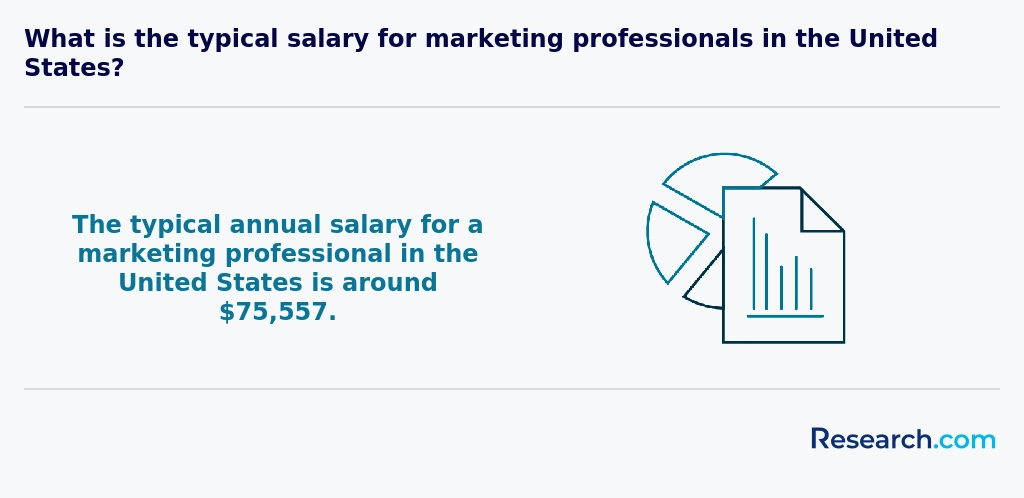
The average cost of an online marketing degree in America can vary significantly, typically ranging from more affordable public state universities to higher-priced private institutions. Many students find that public universities offer tuition rates more accessible to a broader audience, often making it possible to complete a respected marketing degree for a fraction of what private colleges might charge. Graduates from a variety of schools-whether from state-sponsored programs or renowned private business schools-agree the investment feels worthwhile given the strong job prospects and median wage of about $73,900 annually.
For example, those who pursued marketing degrees online through well-known public universities enjoyed balancing their education with work and personal commitments thanks to flexible program structures. They often built practical skills in digital marketing and SEO through internships or hands-on projects, sometimes coordinated virtually, giving them a competitive edge in interviews. Embracing the online format while connecting with professors and peers creates an inspiring journey toward a satisfying career in the diverse and fast-growing marketing field in the U.S.
Where can I work with online marketing degree in America?
Graduates with an online marketing degree from schools like the University of Pennsylvania's Wharton or the University of Michigan often find themselves stepping into dynamic roles across America's diverse job market. Imagine starting as a marketing coordinator at a leading retail brand in New York or joining a tech company in Silicon Valley, shaping digital campaigns that connect millions. These experiences allow graduates to deepen their skills in real-world settings, making the theories they learned feel alive and impactful.
Many alumni land roles in digital marketing agencies, specializing in SEO, social media, or email marketing, where creativity meets data. For example, working at an e-commerce giant in Seattle means using consumer insights to drive online sales during major shopping events, a thrilling challenge that blends analytics with storytelling.
Additionally, public relations firms, media outlets, nonprofit organizations, and government agencies actively seek graduates who can craft compelling messages to engage communities and influence public perception. Such opportunities reflect the growing demand for marketing professionals skilled at navigating America's fast-evolving digital landscape.
Graduates with an online marketing degree from schools like the University of Florida or Arizona State often step into roles such as Digital Marketing Specialist or Marketing Assistant, where the mean annual wage is around $83,190. Many find this a rewarding start, combining creativity with strategy, and quickly see their efforts reflected in a solid paycheck. For example, fellow graduates have shared how landing a Digital Marketing Specialist role in cities like Austin or Denver brought them $83,190 annually plus exciting career growth opportunities.
Those who pursue positions like Media Planner also enjoy similar earnings, with a mean annual wage near $83,190. On the other hand, roles such as Sales Associate provide entry points into marketing-related fields with an average salary of $53,280, perfect for building experience and connections.
Public Relations Specialists stand out, earning a mean annual wage of $159,420, showcasing how specialization can lead to impressive financial rewards. Graduates who have earned their online marketing degrees from well-known institutions like Penn State often highlight how certifications combined with real-world experience helped them reach these higher salary levels.
- Online marketing degrees usually take about four years to complete full time, with some accelerated options available.
- The total cost for a bachelor's degree in marketing online ranges from $40,000 to $80,000, depending on the school's public or private status and residency.
- Marketing-related jobs are expected to grow by 10% between 2022 and 2032, faster than the average for all occupations.
- Entry-level marketing specialists earn around $48,000 per year, while experienced marketing managers can make over $130,000 annually.
- Important skills taught include data analysis, consumer behavior, and digital marketing strategies, aligning with industry demand for tech-savvy marketers.
Completing an online marketing degree in America typically takes about three to four years for those enrolled full-time, mirroring the experience of traditional students at well-known universities like the University of Florida or Arizona State University. Many graduates recall the intensity of a full course load balanced with real-world projects, but they also celebrate the rewarding feeling of mastering marketing principles in a flexible online environment.
For students managing work or family, part-time study options extend this timeline to five years or more, a path chosen by many who value steady progress without sacrificing other commitments. Graduates from institutions such as Penn State World Campus often share how pacing their studies allowed them to apply lessons directly to their jobs, enhancing both education and career growth simultaneously.
Accelerated programs are another excellent route; some motivated students finish in as little as two years by taking extra courses or attending year-round sessions at schools like Northeastern University.
Associate degrees, often completed in two years, offer quick entry into marketing roles or serve as a foundation for a bachelor's degree, while master's degrees usually require one to two years.
Succeeding in an online marketing degree program requires structure, consistency, and regular practice with real marketing tools. Online courses can be flexible, but that flexibility only helps if you manage your time and stay engaged before deadlines arrive.
Build a weekly study system
Treat online coursework like a fixed commitment. Block time each week for readings, lectures, assignments, discussion posts, exams, and group work. Marketing courses often include campaign plans, analytics exercises, presentations, and research projects, so waiting until the last day can hurt both your grade and the quality of your portfolio.
- Create a digital calendar with assignment due dates, live sessions, exams, and project milestones.
- Break large assignments into smaller tasks, such as research, outline, draft, data review, and final edits.
- Set a recurring time to check the learning platform, instructor announcements, and discussion boards.
- Keep a folder of completed projects that can later become portfolio samples for internships or jobs.
Participate actively, not passively
Marketing is a communication-heavy field. Discussion boards, virtual presentations, peer reviews, and group projects are not just course requirements; they help you practice the collaboration skills used in agencies, corporate marketing departments, nonprofits, startups, and consulting work.
When possible, connect class assignments to current campaigns, social media trends, search behavior, consumer research, and brand examples. This makes the material easier to remember and helps you speak more confidently in interviews.
Use student support early
Do not wait until you are behind to ask for help. Online students should use academic advising, tutoring, library research support, technical assistance, writing centers, and career services as soon as they are available. Career services can be especially useful for resume reviews, internship searches, mock interviews, and LinkedIn profile development.
Practice with market-facing work
Employers often want evidence that you can apply marketing concepts, not just define them. Look for courses with case studies, live client projects, internships, analytics assignments, content calendars, SEO exercises, digital advertising plans, or capstone projects. If your program allows electives, prioritize courses that help you build measurable, job-relevant skills.
Choosing between an online and an on-campus marketing degree in America comes down to how you want to experience your education. Graduates from reputable schools like the University of Florida have shared that online programs offer incredible flexibility, allowing them to juggle full-time jobs or family commitments while diving deep into marketing concepts on their own schedules. This asynchronous learning style means you can revisit recorded lectures anytime, making tough topics easier to master.
On the other hand, graduates from institutions such as the University of Southern California often praise the energy of in-person classes. They value collaborative projects, spontaneous hallway chats with professors, and on-campus networking events that open doors to internships. Being physically present creates a dynamic learning environment that many find inspiring.
Cost and campus resources also play roles. Public universities like Arizona State University may offer online options at lower tuition rates, yet with the same accredited curriculum. Whichever path you choose, it's about matching your lifestyle while gaining skills trusted by American employers.
Accreditation should be one of the first filters you use when evaluating an online marketing degree. It signals that a college or university has gone through an external quality review covering areas such as academic standards, faculty qualifications, student services, institutional stability, and assessment practices.
Regionally accredited institutions may be recognized by agencies such as the Higher Learning Commission (HLC), Middle States Commission on Higher Education (MSCHE), and Southern Association of Colleges and Schools Commission on Colleges (SACSCOC). For business and marketing programs, programmatic accreditation from the Accreditation Council for Business Schools and Programs (ACBSP) or the Association to Advance Collegiate Schools of Business (AACSB) can provide additional evidence that the curriculum is aligned with business education standards.
Why accreditation matters
- Federal financial aid: Students typically need to attend an eligible accredited institution to access Pell Grants and federal student loans.
- Credit transfer: Accredited coursework is more likely to be accepted by other colleges, although transfer decisions are always made by the receiving institution.
- Graduate school options: Many master’s programs require an undergraduate degree from an accredited institution.
- Employer recognition: Employers are more likely to trust degrees from institutions with recognized accreditation.
Before enrolling, verify accreditation through the U.S. Department of Education’s Database of Accredited Postsecondary Institutions and Programs (DAPIP) or the Council for Higher Education Accreditation (CHEA) directory. Also review whether the program provides online tutoring, academic advising, career services, library access, and technical support, since these services can affect completion as much as course content.
If you are comparing affordability across related communication fields, you may also want to review whether a bachelor s degree program in journalism online affordable meets appropriate accreditation standards. The main takeaway is simple: low tuition is valuable only when the credential is credible, transferable, and recognized.
The average cost of an online marketing degree in America varies notably based on residency status and the type of institution you choose. For residents attending popular public universities, the total expenses for online bachelor's in marketing USA typically hover around $36,120. Out-of-state students often face higher tuition, with median costs rising to about $64,740. Private institutions, known for their specialized programs and networking opportunities, usually have tuition closer to the median total cost of $53,580.
Graduates from renowned programs in schools like the University of Florida or Arizona State University often share how budgeting for tuition alongside living costs shaped their learning journey, making flexibility in pricing a crucial factor. Many students appreciate that online marketing programs allow them to progress at their own pace, potentially reducing total costs by finishing faster and avoiding extra credit hours.
Students mindful of expense find relief in various financial aid options and often explore tailored plans offered by institutions. This approach highlights the importance of understanding the full financial landscape rather than just sticker price. If affordability is your priority, exploring programs such as a bachelor s degree program in journalism online affordable could offer insights or pathways relating to cost management in online degrees.
By being proactive about tuition expectations and aware of these averages, you can make informed decisions that align your educational goals with your budget, turning the dream of earning a marketing degree in America into a rewarding reality.

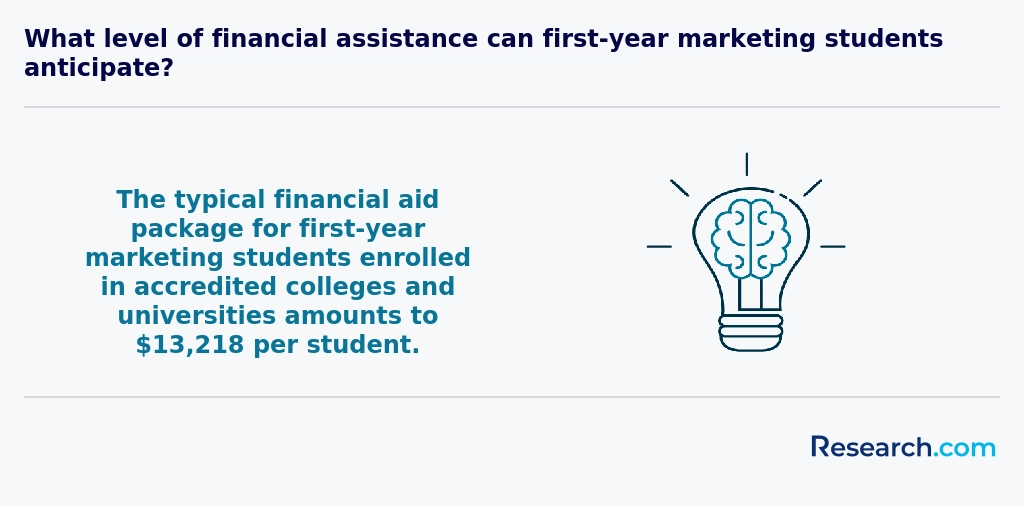
If you're aiming for an online marketing degree in America, there's a variety of financial aid that can make your journey much easier. Many graduates from schools like the University of Florida and Arizona State University have successfully tapped into federal aid by completing the FAFSA. This unlocks access to grants like the Pell Grant, offering up to $7,395 annually without the burden of repayment - a real game-changer for students balancing work and study.
Federal student loans, including Direct Subsidized and Unsubsidized Loans, provide affordable options with flexible repayment plans designed to ease financial stress after graduation. Students have shared how income-driven repayment programs helped them focus on building careers instead of overwhelming debt.
Institutional scholarships at popular marketing programs, often based on merit or need, can add up to thousands of dollars yearly, providing crucial support. Employers also pitch in through tuition assistance, making it possible for working professionals to advance without pausing their careers.
Finally, don't overlook targeted scholarships from organizations like the American Marketing Association-graduates have credited these as vital boosters in affording their education, opening doors to new opportunities in the marketing world.
The Northeast can be an attractive region for online marketing students because it includes large public university systems, private colleges, major media markets, technology employers, healthcare systems, financial firms, and advertising agencies. At the same time, tuition can vary significantly, so affordability requires careful comparison.
Our Affordable Marketing Degree Programs Ranking in the Northeast focuses on online bachelor’s in marketing options that combine cost-conscious tuition with academic credibility and practical career preparation.
- Public university programs in states like Massachusetts and New York frequently offer in-state rates below $25,000 per year, with asynchronous course models and extensive library resources.
- Private colleges in New England often bundle tuition with career services and alumni networking at total costs under $40,000 for the full degree, which may appeal to students who value smaller academic communities or stronger institutional networks.
- Some programs include regional internship partnerships, such as cooperative placements with Boston tech startups or Philadelphia marketing agencies, giving students ways to gain experience without leaving the region.
When comparing Northeast programs, look beyond posted tuition. Ask whether online students pay separate technology fees, whether transfer credits are accepted, whether internships can be completed locally or remotely, and whether career services support online learners. If a program has occasional campus residencies or networking events, factor in travel costs before deciding whether the regional connection is worth it.
When aiming to enroll in an online marketing degree program in America, the journey begins with meeting some straightforward yet important prerequisites. Most graduates from universities like the University of Florida or Arizona State University recall starting with a solid foundation-a high school diploma or a GED is essential. This simple step confirms your readiness to embrace the academic challenges ahead.
Students often share how maintaining a minimum GPA between 2.0 and 3.0 played a key role in their acceptance, reflecting their ability to manage coursework effectively. Some programs ask for standardized test scores like the SAT or ACT, though many top schools have become test-optional, easing entry during recent years.
Beyond academics, practical elements matter. Reliable internet and basic computer skills are non-negotiable, as you'll be engaging daily with online platforms. Many alumni found that writing a personal statement or gathering letters of recommendation helped showcase their passion for marketing, especially at competitive colleges.
Remember, some programs might ask you to complete prerequisite courses like math or economics before diving fully into marketing. Embracing these requirements as stepping stones makes the experience rewarding and sets you up for success in America's dynamic marketing landscape.
Students pursuing an online marketing degree in America typically dive into courses that build a strong foundation in core marketing principles. Graduates from well-known schools like the University of Florida or Arizona State University often mention how classes in consumer behavior and marketing research helped them understand real-world customer decision-making and sharpen their strategic thinking.
Digital marketing courses form the heart of modern programs, with lessons in SEO, social media marketing, email campaigns, and content creation. Imagine crafting a social media strategy that boosts a local business's online presence-that's the practical skill you'll develop through such classes.
Analytics is another vital area. Using tools like Google Analytics, students learn to interpret data to optimize marketing efforts effectively-a skill highly praised by graduates from top public universities who credit this knowledge for landing roles in digital marketing teams.
Additional courses often include brand management, advertising, and sales management, preparing you to lead campaigns or manage client relationships with confidence.
When choosing an online marketing degree in America, you'll find a variety of specializations designed to match your personal strengths and career ambitions. Popular focuses include Digital Marketing, where graduates often share how mastering SEO and social media campaigns empowered them to thrive in fast-paced digital industries. Marketing Analytics is another strong concentration, offering students the ability to decode consumer behavior through data, a skill increasingly vital in today's market. Brand Management appeals to those who love shaping identities and crafting messages that resonate, a favorite among students from recognized colleges who enjoyed working on real-world branding projects.
Not to be overlooked are specializations like Content Marketing and Sales Management, which blend creativity and leadership-students often cite these options as perfect for hands-on, strategic roles. If you're exploring online marketing degree specializations USA, consider how these areas align with your passion and the growing demands in the job market. Many graduates from top institutions recommend reviewing tuition and program flexibility, and resources like the Affordable Marketing Degree Programs Ranking in the Northeast can be incredibly helpful for planning your journey.
Choosing the best online marketing degree in America means focusing on programs that combine strong accreditation and real-world learning. Graduates from popular universities praise courses covering digital marketing and data analytics, which helped them confidently navigate today's competitive market. Think about programs that incorporate hands-on projects-these experiences boost your skills far beyond theory.
Cost is another key factor. For those looking into affordable online marketing bachelor programs America offers options ranging from public universities with tuition around $7,000 to private schools charging up to $50,000 yearly. Balancing price with quality is critical, and don't forget to explore online classes financial aid 2025 available to ease your journey.
Flexibility matters, too. Many online learners appreciate asynchronous classes that let them study on their own schedule, while others thrive with scheduled live sessions. Alumni from well-known colleges often emphasize how career services and strong alumni networks enhanced their job prospects after graduation-key elements when searching for the best online marketing degrees in the USA.
Graduates with an online marketing degree in America find themselves stepping into a world of dynamic and rewarding career paths. From marketing assistants refining their skills at renowned colleges like the University of Pennsylvania or NYU to experienced professionals advancing as digital marketing managers or brand managers, the opportunities are vast. Many graduates begin by mastering campaign management and digital analytics, roles that open doors to specialized positions such as social media strategist or email marketing specialist-positions where creativity meets data-driven decision-making.
Those pursuing marketing degree job prospects in America often discover roles like market research analyst, where analyzing consumer behavior helps shape powerful business strategies. For example, graduates from well-regarded programs at universities like the University of Southern California report feeling empowered by their practical training and the real-world campaigns they develop. This hands-on experience is invaluable whether aiming to work in corporate marketing or launch entrepreneurial ventures.
If cost is a concern, many students opt for a cheap online bachelors degree that still offers quality education and opens doors to thriving careers in the marketing field. With the strong demand for skilled marketers, earning your degree can lead to fulfilling roles that impact brands, connect with customers, and drive business success across industries.
The job market for those holding an online marketing degree in America is vibrant and growing, offering exciting possibilities for graduates. Many graduates from top marketing programs at institutions like the University of Florida or Penn State have successfully entered roles as digital marketing specialists or social media managers, benefiting from flexible schedules and remote work opportunities. The online marketing degree job outlook USA points to a 10% growth rate through 2032, reflecting strong demand for professionals skilled in digital campaigns, SEO, and data analytics.
Marketing career opportunities in America extend across industries such as tech startups in Seattle and finance firms in New York, giving graduates the chance to thrive in diverse settings. Many find their education's affordability a significant advantage; public universities' programs often cost between $7,000 and $15,000 annually, a great investment considering starting salaries can exceed $65,000. Students eager to boost their employability often enhance their resumes with certifications in tools like Google Analytics.
For those balancing work and studies, exploring affordable online masters options may offer a strategic next step, helping you stay competitive and elevating your career trajectory in this evolving digital economy.
2027 Easiest Online Bachelor's in Marketing Degree Programs Ranking in the USA
Investing in your education is a significant decision that can shape your future, and the Research.com team understands the importance of making informed choices. To assist prospective students nationwide, we have carefully developed the "2027 Easiest Online Bachelor's in Marketing Degree Programs Ranking in the USA." Our dedication to quality, credibility, and accuracy is evident in the thorough research and analysis behind this ranking.
We utilized the following reputable data sources to ensure a comprehensive evaluation of marketing degree programs:
By exploring this ranking, readers will gain valuable insights into accessible and quality online marketing degree options, empowering them to make well-informed educational decisions. For more details on our methodology, please visit our Research.com methodology page.
# 1 position
Full Sail University
Bachelor of Digital Marketing




# 14 position
University of Maryland Global Campus
Bachelor of Marketing

# 15 position
Colorado Christian University
Bachelor of Marketing and Sales


Frequently Asked Questions About marketing
Online marketing degree students in America can maximize their learning by actively engaging with their coursework and utilizing available resources. Participating in discussion forums and virtual study groups enhances understanding and fosters networking opportunities.
Seeking internships or remote work in marketing firms offers practical experience alongside theory, which employers highly value. According to the U.S. Bureau of Labor Statistics, marketing jobs are expected to grow 10% from 2022 to 2032, highlighting the importance of hands-on skills.
Students should also take advantage of digital tools such as SEO analytics and social media platforms to gain real-world insights. Staying current with marketing trends through reputable sources like the American Marketing Association helps in applying up-to-date strategies effectively.
The marketing field in America is rapidly evolving, with several emerging niches gaining significant attention. One key area is digital analytics, where professionals analyze consumer data to improve marketing strategies. According to the Bureau of Labor Statistics, jobs related to marketing analytics are expected to grow by 20% from 2022 to 2032, faster than average for all occupations.
Another emerging niche is influencer marketing, which focuses on collaborating with social media personalities to promote brands. This sector saw a market growth of over 40% in 2023, according to Statista.
Additionally, sustainability marketing is on the rise, as American companies increasingly emphasize eco-friendly initiatives to attract conscious consumers.
Graduates with an online marketing degree in America should focus on building practical skills alongside their academic knowledge. Gaining proficiency in digital tools like Google Analytics, SEO, and social media advertising is essential. According to the Bureau of Labor Statistics, marketing analyst roles are projected to grow 11% from 2022 to 2032, highlighting strong job prospects.
Internships and freelance projects provide valuable experience and networking opportunities. Many employers prioritize candidates with demonstrable results and portfolios. Joining professional associations such as the American Marketing Association can also enhance your visibility in the field.
Continuing education through certifications from recognized platforms like HubSpot or Google can improve employability. Staying updated with marketing trends helps graduates remain competitive in a rapidly evolving job market.
Employers in America highly value marketing degree graduates who possess strong digital marketing skills. According to the U.S. Bureau of Labor Statistics, proficiency in data analysis and customer relationship management tools ranks among the top requested abilities. Graduates who can navigate social media platforms and create targeted campaigns are in demand, as 72% of companies prioritize digital outreach (Statista, 2023).
Additionally, communication and critical thinking remain essential. Marketing professionals must interpret data insights and convey strategies clearly to cross-functional teams. Creativity also plays a crucial role in developing innovative content and branding approaches that resonate with diverse audiences.
The ability to adapt to rapidly changing technology trends is increasingly important, making technical literacy a key skill for marketing graduates in the U.S.
Finding internships relevant to a marketing degree in America requires a strategic approach. Start by utilizing your university's career services, which often have partnerships with firms seeking marketing interns. According to the National Association of Colleges and Employers (NACE), 60% of interns receive full-time job offers, making internships essential.
Online platforms like Handshake and LinkedIn are valuable for discovering marketing internship opportunities nationwide. Additionally, attending virtual career fairs specific to marketing can increase exposure to potential employers.
Networking with faculty and joining marketing clubs provides access to exclusive internship listings. Consider applying early, as competition is high and marketing internships at leading companies often fill quickly.
An online marketing degree in America significantly enhances career mobility by equipping graduates with up-to-date digital skills that are in high demand. According to the U.S. Bureau of Labor Statistics, marketing specialist roles are projected to grow 10% from 2022 to 2032, faster than the average for all occupations. This growth is fueled by businesses increasingly relying on digital channels, which increases opportunities for those with specialized marketing knowledge.
Career advancement often improves as a marketing degree signals expertise and commitment to employers. Professionals with such degrees commonly access higher-paying roles like marketing managers, who had a median annual wage of $135,030 in 2022. Additionally, online degrees offer flexibility, enabling working adults to upskill without pausing their careers, which supports smoother vertical and lateral transitions within the marketing field.
Studying for an online marketing degree in America equips students with versatile skills applicable across various industries. Marketing programs often integrate courses in data analysis, communication, psychology, and business management. This interdisciplinary approach reflects the evolving demands of the US job market, where 56% of marketing roles require proficiency in digital technologies and analytics, according to the Bureau of Labor Statistics.
Students learn to analyze consumer behavior, design digital campaigns, and collaborate with IT and finance teams. This broad skill set prepares graduates for roles in product development, brand management, and market research, enabling them to adapt to diverse organizational functions.
Additionally, many programs emphasize teamwork and real-world problem solving through group projects and case studies, further fostering collaboration across disciplines.
Choosing between a thesis and a non-thesis marketing degree program in America depends largely on your career goals and learning preferences. Thesis programs emphasize research skills and critical analysis, preparing students for roles in academia or marketing research. Non-thesis options focus more on practical marketing skills and coursework, ideal for those seeking immediate employment in industry.
According to the National Center for Education Statistics, about 60% of marketing degrees at the bachelor's level in the US offer non-thesis tracks, reflecting the demand for hands-on skills. Thesis programs often require a significant research project, which can take extra time but enhance analytical capabilities.
Students targeting graduate studies or roles involving data analytics might prefer thesis programs, while those interested in applied marketing roles or management usually opt for non-thesis. Considering program flexibility, time commitment, and your professional aspirations will help you decide.
American students interested in studying marketing abroad have several options through partnerships between U.S. universities and international institutions. Many accredited American colleges offer study abroad programs or dual-degree options that allow students to spend a semester or year gaining global business insights while earning credits toward their marketing degree.
Popular destinations include countries with strong business sectors such as the United Kingdom, Australia, and Canada, where English is widely spoken, facilitating smoother academic transitions. According to NAFSA, over 70% of U.S. study abroad students choose English-speaking countries.
Additionally, numerous online marketing degrees incorporate international case studies and collaborations with global firms, offering virtual global exposure without the need to travel. These options provide flexibility for students balancing work or personal commitments.
In America, part-time jobs that complement a marketing degree offer valuable hands-on experience and skill development. Popular roles include social media management, where students handle content creation and audience engagement, reflecting a key marketing trend. According to the U.S. Bureau of Labor Statistics, social media specialists are expected to grow by 13% from 2022 to 2032, highlighting demand in this area.
Internships in digital marketing agencies or retail marketing provide insights into consumer behavior and campaign strategies. Freelance content writing and graphic design also support marketing studies by enhancing communication and creative skills.
Many students find value in data entry or market research assistant roles, as marketing increasingly relies on analytics. These jobs allow students to apply marketing theories to real-world data, improving decision-making abilities.
Online marketing students in America have access to a variety of networking opportunities despite studying remotely. Many universities offer virtual career fairs, webinars, and industry panels that connect students with marketing professionals nationwide. According to the National Association of Colleges and Employers (NACE), nearly 60% of employers prefer hiring candidates who have engaged in networking events, emphasizing their importance.
Students can also join professional organizations such as the American Marketing Association (AMA), which hosts local chapters and online meetups providing valuable connections. LinkedIn groups and alumni networks further support relationship building in digital marketing communities. These resources help students gain insights, internships, and job leads in the competitive US marketing field.
Alumni networks provide valuable support for online marketing degree students in America by connecting them to professionals already established in the marketing field. These networks facilitate mentorship opportunities, which can help students gain real-world insights and career advice tailored to the dynamic US marketing industry.
According to the American Marketing Association, 70% of marketing professionals find their jobs through networking. Alumni groups often organize events, webinars, and job boards exclusive to graduates and students, enhancing access to internships and employment.
Additionally, alumni connections can lead to collaboration on projects and partnerships, broadening students' practical experience and industry knowledge within a competitive marketplace.
Customizing an online marketing degree program in America typically involves selecting electives aligned with your career goals. Most universities offer concentrations such as digital marketing, brand management, or market research that allow focus in specific areas within marketing.
Students can also tailor their programs by choosing courses in data analytics or consumer behavior to build skills valued by employers. According to the Bureau of Labor Statistics, marketing analyst roles are expected to grow 10% from 2022 to 2032, highlighting the benefit of data-driven coursework.
Many programs allow internships and capstone projects where students apply knowledge to real-world problems, offering practical experience. Online students should explore schools accredited by regional agencies to ensure transferable credits and recognized credentials.
Networking opportunities via virtual events or professional organizations can further enhance customization by connecting students with industry experts in their target marketing field.
Online marketing students in America often face challenges related to time management and self-discipline. Since many programs are asynchronous, students must balance coursework with work and family commitments without regular in-person support. According to the National Center for Education Statistics, about 35% of online students report difficulty staying motivated.
Another significant challenge is the lack of hands-on experience. Marketing heavily depends on real-world projects and internships, which can be harder to secure remotely. Additionally, students may experience limited networking opportunities compared to on-campus peers, impacting job placement after graduation.
Technical issues also affect online learners. Reliable internet access and proficiency with digital tools are essential, yet not all students have equal resources.
With an online marketing degree in America, graduates can pursue several professional certifications to enhance their careers. Popular options include the Certified Digital Marketing Professional (CDMP) and the Google Analytics Individual Qualification (GAIQ), both recognized across industries.
The American Marketing Association (AMA) offers the Professional Certified Marketer (PCM) program, highly regarded by employers and tailored for marketers at various experience levels. In a competitive job market, certifications like these demonstrate up-to-date skills in digital strategy, analytics, and consumer behavior.
According to the U.S. Bureau of Labor Statistics, marketing specialists with relevant certifications may access a wider range of job opportunities, often earning higher salaries compared to uncertified peers.
To write a winning application for an online marketing program in America, start by clearly demonstrating your passion for marketing and your understanding of its modern digital landscape. Highlight any relevant experience, including internships or certifications in social media, SEO, or data analytics. American universities often value applicants who show initiative in acquiring practical skills alongside academic achievements.
Use your personal statement to explain your career goals and how the program's curriculum supports them. According to the National Center for Education Statistics, marketing remains one of the fastest-growing majors, so emphasizing your awareness of industry trends adds weight to your application.
Lastly, ensure all application materials are error-free and submitted before deadlines, as punctuality and professionalism are critical in US higher education admissions.
The global perspective on marketing careers highlights significant opportunities for graduates with a U.S. online marketing degree. Marketing professionals in America benefit from constant innovation driven by digital transformation and multicultural markets.
According to the U.S. Bureau of Labor Statistics (BLS), employment of marketing managers is projected to grow 10% from 2022 to 2032, faster than the average for all occupations. This growth is fueled by global expansion and increasing demand for data-driven decision-making.
American marketing graduates often work with international brands, adapting strategies to diverse cultures and markets. This global aspect requires understanding local consumer behaviors while applying digital marketing tools native to the U.S. market.
Additionally, many U.S.-based companies value familiarity with global marketing trends, making skills gained through an American online degree highly transferable worldwide.
Gaining practical experience while studying for an online marketing degree in America is essential for career readiness. Many programs offer virtual internships, allowing students to work with real companies remotely. According to the National Association of Colleges and Employers (NACE), 60% of employers prefer candidates with internship experience.
Students can also join online marketing clubs or participate in case competitions to develop hands-on skills. Platforms like LinkedIn Learning and HubSpot Academy provide free certifications that enhance resumes. Additionally, freelancing on platforms such as Upwork helps apply marketing strategies practically.
Universities often provide career services to connect students with industry professionals and job fairs, even virtually.
Choosing the right concentration within an online marketing degree in America begins with understanding your career goals. Marketing offers areas like digital marketing, social media, analytics, and brand management. According to the U.S. Bureau of Labor Statistics, roles in digital marketing are expected to grow by 23% between 2021 and 2031, showing strong demand for technical skills.
Research programs that offer courses aligned with industry trends such as SEO, content creation, or data analytics. Accreditation and faculty expertise are also important to ensure quality education. Additionally, consider concentrations that match your interests and strengths to enhance job satisfaction and success. Reviewing employer needs in your desired region can provide useful guidance.
See What Experts Have To Say About Studying Marketing
Read our interview with Marketing experts

Sonya A. Grier, Ph.D.
Marketing Expert
Professor, Department of Marketing
American University

Aidin Namin, Ph.D.
Marketing Expert
Associate Professor of Marketing Analytics
Loyola Marymount University

- Online Digital Marketing Courses https://www.phoenix.edu/online-courses/digital-marketing.html
- Online Bachelor's Degree Marketing https://www.umgc.edu/online-degrees/bachelors/marketing
- Tips for Marketing Students https://impactmt.com/tips-for-marketing-students/
- Digital Marketing Bachelor of Science https://www.fullsail.edu/degrees/digital-marketing-bachelor-degree-program
- What Jobs Can You Get with a Marketing Degree? https://www.global-business-school.org/content-type/blog/what-jobs-can-get-marketing-degree/
- Top marketing jobs in North America right now https://www.cartermurray.com/career-advice/what-marketing-occupations-are-in-demand-in-north-america/
- Student Jobs: Why is Networking Important? https://ydiak.hu/en/student-jobs-why-is-networking-important
- 2026 Most Affordable Online Marketing Degrees https://www.onlineu.com/most-affordable-colleges/marketing-degrees
- The Importance of Networking for Students Entering ... https://moviamedia.com/moving-billboard-blog/the-importance-of-networking-for-students-entering-the-marketing-industry/
- Digital Marketing Specialist – What Do They Do and How ... https://antal.pl/en/insights/article/digital-marketing-specialist-what-do-they-do-and-how-much-do-they-earn