2027 Most Affordable Marketing Degree Programs Ranking in Boston

Co-Founder and Chief Data Scientist
Choosing the right marketing degree program in Boston can feel overwhelming. That's why the 2027 Most Affordable Marketing Degree Programs Ranking in Boston was created by the Research.com team of data scientists-to help you make an informed choice.
This article highlights affordable and valuable options so you can find a program that fits your goals and budget. Earning a marketing degree opens doors to exciting career opportunities and personal growth.
Read on to explore programs that align with your ambitions and take a confident step toward your future.
Key benefits of getting marketing degree in Boston
- Marketing degree graduates in Boston can expect rewarding salaries, such as $83,190 annually for Marketing Assistants and Digital Marketing Specialists, and up to $159,420 for Public Relations Specialists, reflecting strong earning potential.
- Career paths are diverse, ranging from Media Planners to Sales Associates, offering graduates from Boston's popular universities a variety of exciting roles in dynamic industries.
- Online marketing degrees provide flexibility and accessibility, allowing graduates to balance work and study while gaining skills that open doors to competitive marketing careers in Boston's vibrant job market.
- 2027 Most Affordable Marketing Degree Programs Ranking in Boston
- What can I expect from marketing degree in Boston?
- Where can I work with marketing degree in Boston?
What can I expect from marketing degree in Boston?
The average cost of a marketing degree in Boston varies significantly depending on the institution and level of study, but students often find that tuition ranges from approximately $30,000 to over $60,000 per year at well-known schools like Boston University and Northeastern University. Graduates frequently reflect on the financial challenge but also recognize the value of investing in programs that offer strong co-op opportunities and networking with local businesses.
For example, students in Northeastern's cooperative education program describe how their paid work placements offset tuition expenses by providing real-world income and experience simultaneously. Others from Suffolk University appreciate its relatively more affordable tuition paired with access to the city's internship possibilities in tech, healthcare, and finance sectors.
While these costs may seem high, many students report that the practical experience and strong industry connections available through Boston-based programs help justify the investment by enhancing job prospects in a competitive market. Still, prospective students should carefully weigh tuition fees against personal financial situations and explore scholarships or part-time work options to manage expenses effectively.
Where can I work with marketing degree in Boston?
Graduates with a marketing degree in Boston often find themselves welcomed into a robust job market fueled by the city's diverse economy. Those studying at institutions like Boston University or Northeastern frequently share how their coursework prepared them to enter digital marketing agencies specializing in SEO, social media, and data analytics-fields that are thriving locally. For example, a recent graduate described landing a role as a social media specialist at a well-known Boston agency, where applying real-world projects from their classes made the transition smoother and more confident.
Others have moved into corporate marketing departments at major finance firms such as Fidelity Investments or State Street, taking on roles that engage with branding and customer engagement. These opportunities demand adaptability and a clear understanding of consumer behavior, skills that Boston's educational programs emphasize. It's worth noting that some graduates emphasize the competitive nature of these jobs, urging students to build strong internships and networks early.
The healthcare and biotech sectors also provide meaningful career paths. Marketing graduates connect with companies like Biogen, crafting messages that resonate both with healthcare professionals and consumers, an experience one alum described as intellectually rewarding and impactful. Educational institutions like Harvard similarly attract marketers focused on enrollment strategies and public relations, underscoring the varied environments where marketing skills apply in Boston's economy.
Graduates with marketing degrees in Boston often find that their earnings reflect the city's dynamic business landscape. For example, many recent graduates from well-known institutions such as Boston University or Northeastern University start in roles like Marketing Assistant or Digital Marketing Specialist, where the mean annual wage is about $83,190 according to U.S. Bureau of Labor Statistics data. This aligns with early career salaries reported in the area, often between $50,000 and $65,000 depending on the employer and industry.
As graduates gain experience, they may advance to positions like Media Planner or Public Relations Specialist. The mean annual wage for a PR Specialist in Boston is notably higher, at $159,420, signaling the city's premium on specialized marketing skills and connections fostered through local university networks and internships.
In contrast, some graduates might start in sales-related roles such as Sales Associate, earning a mean wage closer to $53,280, which highlights the diversity of career pathways and salary ranges accessible with a marketing degree in Boston. These figures demonstrate the practical benefits of Boston's educational ecosystem but also suggest the importance of strategic career planning to maximize earning potential.
- The average annual tuition for marketing programs in Boston ranges from about $15,000 at public universities to over $45,000 at private colleges.
- Entry-level marketing professionals in Boston earn an average salary of $50,000 to $55,000 per year, with mid-career managers making between $80,000 and $110,000 or more.
- Boston's job market favors digital marketing, brand management, advertising, and market research, with strong growth driven by tech, healthcare, and finance sectors.
- Many Boston colleges offer internships and cooperative education programs to help students gain practical experience in marketing roles.
- Graduates benefit from higher salaries that help offset Boston's high cost of living, making salary outcomes an important factor alongside tuition costs.
Completing a marketing degree in Boston typically takes about four years for a full-time bachelor's student, based on experiences shared by graduates from well-known institutions like Boston University and Northeastern University. These students highlight balancing around 120 to 130 credit hours, which combine general business courses with marketing-focused classes. Some found that accelerated options, which condense the program to three years by including summer courses, were intense but rewarding, allowing them early entry into the job market.
Graduate students pursuing a master's degree usually expect to spend two years full-time, diving into advanced topics such as digital marketing and consumer behavior. Those who juggled part-time jobs or internships at local companies noted the schedule's flexibility sometimes extended their studies but enriched their learning experience. This reflects the real-life challenge of integrating academics with professional growth, especially in Boston's competitive marketing landscape.
Associate degrees and certificates typically require one to two years and serve students aiming for a quicker, focused career boost or foundational skills. Overall, Boston offers diverse pathways to suit different lifestyles and goals, but timeframes vary notably depending on personal circumstances and educational choices.
As the field of marketing evolves, programs in Boston are increasingly incorporating innovative curriculum elements designed to prepare students for a digital-first landscape. Many institutions are now emphasizing data analytics, artificial intelligence, and customer experience management to equip graduates with the skills needed to thrive in a competitive job market. Educators are aligning course content with industry demands by integrating real-time case studies, interactive projects, and emerging technologies into traditional marketing courses. This forward-thinking approach not only enhances practical learning but also opens doors to diverse career opportunities in burgeoning fields such as digital strategy, influencer marketing, and e-commerce innovation. With the rise of online learning, students can now access flexible options that maintain a rigorous academic standard while allowing for personalized scheduling. Rankings and reviews provide essential insights into program quality; for instance, prospective students looking for value and high-caliber education might explore the cheapest marketing school in massachusetts to compare how institutions are adapting to these trends. By staying informed about these emerging trends, prospective students can make more strategic decisions about which programs will offer robust training and superior long-term career benefits in a fast-changing marketing environment.
Online and on-campus marketing degrees in Boston differ primarily in structure and experience. Graduates from online programs at institutions like Northeastern University appreciate the flexibility to balance work and family commitments while engaging with interactive digital marketing courses at their own pace. The ability to join classes remotely is a crucial benefit for many, though it requires strong self-discipline and time management skills.
On the other hand, graduates from on-campus programs at Boston University often highlight the immersive academic environment and the value of face-to-face networking. Being physically present on campus opens doors to local internships and career fairs, which are valuable for gaining hands-on experience in Boston's competitive marketing landscape. These students benefit from live discussions, group projects, and real-time feedback that sharpen interpersonal and presentation skills.
Cost is also a key difference: public universities in Boston typically offer more affordable in-state tuition for on-campus students, while online programs may vary widely in price. Ultimately, students weigh flexibility against direct campus interaction depending on their personal learning style and career goals.
The average cost of a marketing degree in Boston varies significantly depending on the type of institution and residency status. Median total costs sit around $75,742 for out-of-state students, while in-state students typically see a lower median cost near $48,550. Graduates from well-known schools like Boston University or Northeastern often share experiences of balancing the high tuition-sometimes exceeding $60,000 annually-with financial aid and scholarships.
For many students pursuing affordable marketing degree programs Boston 2027 options at public universities such as the University of Massachusetts Boston or community colleges are attractive alternatives. These schools offer tuition substantially lower, sometimes under $16,000 per year, which allows students to minimize debt while still gaining valuable marketing expertise in a vibrant city setting. Community college attendees often mention the relief of starting their education with manageable expenses before transferring to a four-year institution.
Even with these differences, all students face the challenge of Boston's living costs, which can add $15,000 to $20,000 annually. This reality prompts many to diligently budget and seek out employer tuition assistance or scholarships. Those looking to explore more budget-friendly options may consider the cheapest marketing school in massachusetts, which offers relevant pathways for students focused on cost efficiency without compromising academic quality.
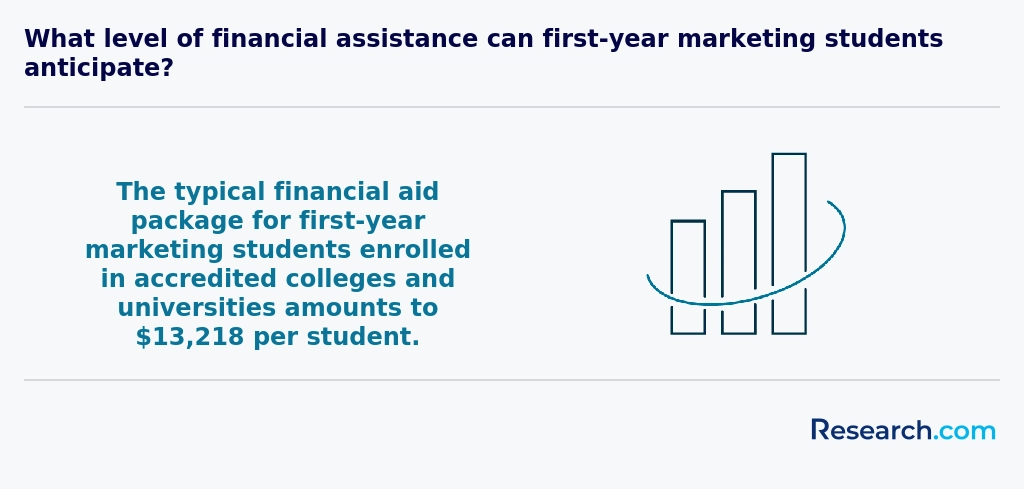
Students pursuing marketing degrees in Boston often navigate a complex landscape of financial aid options tailored to the city's high educational and living costs. Many rely on federal aid, applying through FAFSA to secure Pell Grants worth up to $7,395 annually, which proves especially helpful for those from low- to moderate-income families attending institutions like Northeastern University or Boston University.
Federal student loans also play a significant role, with subsidized loans easing the burden by pausing interest accrual during study, while unsubsidized loans serve graduate students who must carefully consider future repayment. State programs such as MassGrant provide valuable additional support to Massachusetts residents enrolled at schools like the University of Massachusetts Boston, helping reduce tuition expenses in tandem with federal aid.
Merit-based scholarships at Boston's universities reward academic and leadership excellence, with some students sharing how awards ranging from $5,000 to full tuition enabled them to focus more on marketing projects than financial concerns. Work-study opportunities add practical experience and income, complementing private scholarships from organizations like the American Marketing Association. For graduate students working locally, employer tuition reimbursement often softens immediate costs, making advanced marketing education accessible without overwhelming debt.
When weighing the cost of pursuing a marketing degree, understanding how Boston stacks up against other major markets can help prospective students make well-informed decisions. In Boston, the average annual tuition for a four-year marketing program ranges from $10,740 (in-state public) to $60,000 (private), while monthly living expenses average $1,800. In contrast, Los Angeles offers slightly lower median tuition rates-around $9,200 for public institutions and $55,000 for private schools-with living costs hovering near $1,700 per month. These figures highlight that while Boston’s academic reputation commands premium pricing, careful budgeting and financial aid can mitigate out-of-state differentials. Beyond raw numbers, financial aid packages in both cities play a pivotal role. Boston students benefit from state grants like MASSGrant Plus and institutional scholarships covering up to 50% of tuition, whereas in Los Angeles, robust Cal Grant programs and merit-based awards often reduce costs by 40–60%. Comparing expense breakdowns side by side reveals where each locale shines: Boston excels in scholarships for research-driven projects, while Los Angeles frequently awards stipends for community-engagement internships, making practical experience more accessible. Program structures also influence total investment. Boston’s smaller class sizes and emphasis on co-op placements can extend time to degree by an extra semester, potentially increasing indirect costs. Conversely, many Los Angeles universities offer accelerated online or hybrid marketing tracks that maintain curricular rigor but condense coursework into eight-week modules, enabling students to graduate faster and enter the workforce sooner. For a deeper dive into how affordability in Los Angeles compares and to explore the most budget-friendly marketing curricula there, check out our Inexpensive Marketing Degree Programs Ranking in Los Angeles, CA. This side-by-side perspective ensures you choose a program that aligns with both your career goals and financial comfort zone.
Enrolling in a marketing degree program in Boston typically demands meeting a set of clear academic and administrative prerequisites, though these can vary slightly between institutions like Boston University, Northeastern University, and Suffolk University. Graduates often recall that a strong high school foundation-particularly a competitive GPA of around 3.0 or higher-and completion of courses in mathematics, statistics, and English composition proved essential.
Many students found submitting standardized test scores (SAT or ACT) either required or optional, reflecting a wider shift in Boston schools toward test-optional policies. Additionally, proficiency in English through TOEFL or IELTS scores was a common requirement for non-native speakers, which aligns with the communication-heavy nature of marketing studies.
Applicants frequently highlight how letters of recommendation and personal statements allowed them to personally connect with admissions committees by showcasing their passion and relevant experiences, such as internships or extracurricular business activities. For graduate programs, holding a bachelor's degree and sometimes submitting GMAT or GRE scores are expected, though these requirements are increasingly flexible in Boston's evolving educational landscape.
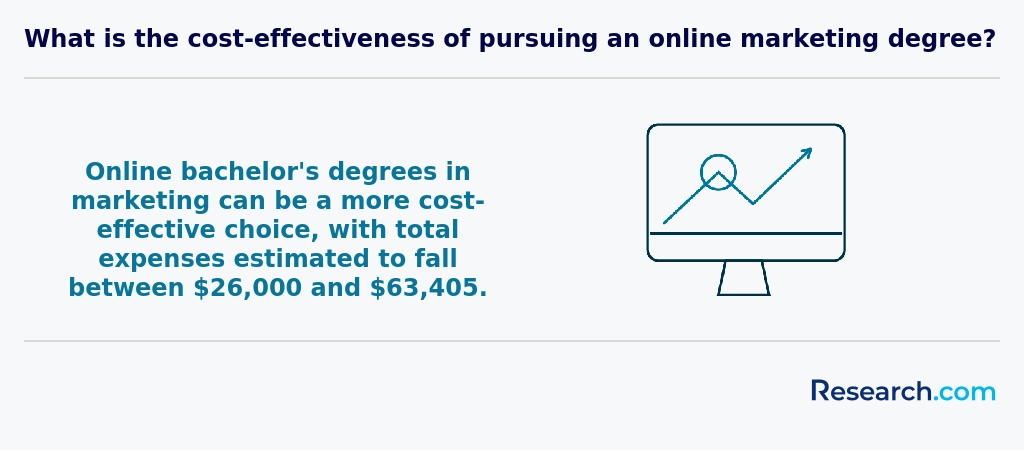
Boston’s marketing degree programs offer unparalleled access to real-world experience through robust partnerships with leading companies across technology, healthcare, finance, and media. Institutions such as Northeastern University, Boston University, and Emerson College collaborate with employers like HubSpot, Fidelity Investments, and Boston Scientific to create credit-bearing internships, co-op rotations, and project-based engagements. These structured programs enable students to:
- Apply digital marketing and SEO strategies on live campaigns
- Conduct consumer research and data analysis for product launches
- Develop integrated communications plans under industry mentorship Internships typically range from three to six months, allowing students to build professional portfolios, secure letters of recommendation, and often receive full-time job offers before graduation. In addition, career services departments in Boston host annual marketing expos, networking mixers, and alumni panels, ensuring continuous industry exposure and mentorship. For those aiming to deepen strategic expertise and leadership potential, graduates can seamlessly transition into graduate-level study-explore pathways such as the best online mba in marketing to leverage advanced partnerships and propel your career forward.
Marketing degree programs in Boston commonly include courses like marketing strategy, consumer behavior, and market research-subjects essential for understanding how to attract and engage customers. Graduates from well-known Boston colleges often recall how classes in digital and social media marketing helped them create real campaigns for local businesses, making the coursework feel immediately relevant and exciting.
Advertising and brand management courses also play a significant role, offering insights into building a brand's identity and reputation. This hands-on approach is especially valued in Boston's tech-forward environment, where students tackle projects involving marketing analytics and content marketing, honing skills to interpret data and craft targeted messages.
Some programs even offer electives tailored to Boston's strong healthcare and finance sectors, allowing students to explore niche marketing fields. For many, this specialized learning sparks enthusiasm by connecting classroom theory with real-world industry challenges. Such tailored courses reflect the city's dynamic economy and encourage students to visualize their future roles in competitive markets.
Marketing degrees in Boston typically offer a variety of specializations that reflect the city's dynamic business and tech environments. Graduates from popular colleges often recall how focusing on digital marketing helped them secure roles in fast-growing startups, where skills in SEO and social media content creation are invaluable. Conversely, those who chose marketing analytics appreciated the strong emphasis on data interpretation, which enabled them to thrive in industries like healthcare and finance that demand precision. Boston marketing program concentration options also include brand management, which graduates find rewarding due to the proximity of major corporate headquarters, allowing real-world application of strategic brand-building techniques.
Students pursuing product marketing benefit from understanding the full lifecycle of products, blending marketing insights with business operations, while social media marketing specialization prepares them for engaging community management and platform-specific strategies. Experiences shared by these marketing graduates highlight the practical nature of their studies combined with emotional satisfaction from hands-on projects. For those seeking flexibility and deeper focus, the best online mba in marketing programs also incorporate these specializations, balancing rigorous curricula with accessibility.
While these specializations are prominent, prospective students should consider how their interests align with regional market demands, recognizing that Boston's evolving landscape encourages continuously updating skillsets.
Choosing the best marketing degree in Boston means balancing several key factors that shape your academic and professional future. Graduates from well-known universities like Boston University often emphasize how crucial accreditation was for their confidence in the program's quality and how it opened doors in competitive job markets. For those seeking affordable marketing degree programs in Boston, community colleges and state schools offer strong alternatives, combining reasonable costs with practical skills in digital marketing, which recent students found invaluable when securing internships.
Curriculum relevance is also vital. Marketing students in Boston report that programs integrating digital tools like SEO and social media strategy alongside traditional theory helped them feel prepared for the evolving job market. The city's vibrant business scene, including startups and large firms, enhances internships and networking opportunities, which graduates describe as transformational for their career paths.
For those mindful of costs, it is worthwhile to consult listings such as the Inexpensive Marketing Degree Programs Ranking in Los Angeles, CA for comparative insights while exploring local options. By critically assessing accreditation, curriculum, and cost, you can find the best accredited marketing degrees Boston offers that align with your goals and aspirations.
Marketing graduates in Boston find career paths across brand management, digital marketing, market research, sales, and public relations, reflecting the city's diverse economy. Graduates from popular Boston universities often share how internships with firms like General Electric or Boston Scientific helped them gain practical skills and confident adaptability in these roles. Digital marketing, in particular, is a growing focus due to Boston's tech ecosystem, with graduates seeing real success developing SEO and social media campaigns that boost brand visibility within vibrant local startups.
Those pursuing market research roles benefit from Boston's data-driven corporate culture, applying analytical skills learned at college to produce consumer insights that shape business strategies. The nonprofit sector also offers meaningful outlets for marketing professionals eager to support fundraising and community outreach, tapping into Boston's rich educational and cultural networks. For students mindful of expenses, comparing costs and career outcomes is essential-consider options like the best online associate's degree in 6 months to balance investment with opportunity.
Exploring marketing career opportunities in Boston reveals a sustained demand across various sectors, yet students should critically assess which paths align best with their skills and ambitions before deciding on their next steps.
The marketing degree job outlook Boston presents is encouraging, fueled by a diverse economy spanning technology, healthcare, and finance. Graduates from institutions like Harvard and Boston University often find themselves actively involved in internships or projects that connect classroom learning with local startups and nonprofit organizations. These real-world experiences create a strong foundation, helping them secure roles in digital marketing, brand management, and market research analysis. Such engagement reflects the overall Boston marketing careers growth, which remains steady with an expected employment increase aligning with the national average of 10% through 2031.
Salary prospects also draw interest; while the median annual wage for marketing managers in Boston hovers around $130,000, entry-level salaries vary between $50,000 and $70,000. Many graduates resonate positively with their ability to apply data analytics and social media skills sharpened through university programs. Cost considerations remain significant, but students often explore certificate courses that pay well as supplementary options to boost their credentials and reduce financial strain.
2027 Most Affordable Marketing Degree Programs Ranking in Boston
Investing in your education is a significant decision that can shape your future, and the Research.com team understands the importance of making informed choices. To assist prospective students in Boston, we have meticulously crafted the "2027 Most Affordable Marketing Degree Programs Ranking in Boston." Our commitment to quality, credibility, and accuracy is reflected in the extensive research and analysis conducted to compile this ranking. We utilized the following reputable data sources to ensure a comprehensive evaluation of marketing programs:
By exploring this ranking, readers will gain valuable insights into the most affordable and high-quality marketing degree programs in Boston, enabling them to make well-informed decisions about their education and future career. For more details on our methodology, please visit our Research.com methodology page.


Frequently Asked Questions About marketing
Marketing degree students in Boston can maximize their learning experience by engaging with the city's vibrant business environment. Boston hosts over 100 marketing and advertising firms, providing ample internship and networking opportunities, as reported by the Boston Business Journal. Participating in local marketing events and workshops, such as those hosted by the American Marketing Association's Boston chapter, helps students stay current with industry trends.
Additionally, students should leverage Boston's diverse academic resources, including access to research databases at institutions like Boston University and Northeastern University. Combining theoretical coursework with practical projects and internships, students develop valuable skills and build professional connections critical for career success in marketing.
Emerging niches within the marketing field reflect shifts in technology and consumer behavior, especially relevant for Boston students. Digital marketing continues to evolve with a focus on data analytics and artificial intelligence, allowing marketers to personalize campaigns more effectively. According to the Boston Chamber of Commerce, local companies increasingly seek professionals skilled in social media strategy and influencer marketing, which are vital for engaging younger demographics.
Another growing area is sustainable marketing, as businesses respond to heightened consumer demand for environmentally conscious brands. Experiential marketing, which creates interactive brand experiences, also gains traction within Boston's vibrant healthcare and tech sectors.
These niches suggest promising avenues for students pursuing marketing degrees in Boston's competitive job market.
To prepare for the job market after completing a marketing degree in Boston, students should focus on gaining practical experience alongside their academic studies. Internships with local firms or well-known Boston-based companies can help build valuable skills and professional networks. According to the Boston Planning & Development Agency, marketing jobs in the Greater Boston area are projected to grow by about 6% through 2030, reflecting steady demand for marketing professionals.
Additionally, students should develop digital marketing skills, including social media management and data analytics, as these are highly sought after. Boston's thriving tech and startup sectors offer many opportunities for hands-on learning.
Networking through university career services and local business events is crucial, as 70% of jobs are found through connections, according to the U.S. Bureau of Labor Statistics.
Employers in Boston highly value marketing graduates who demonstrate strong analytical skills. According to the U.S. Bureau of Labor Statistics, the ability to interpret consumer data and assess market trends is essential for success in this competitive city. Proficiency in digital marketing tools, including SEO and social media platforms, is another priority given Boston's growing tech sector.
Communication skills remain fundamental, with companies seeking graduates who can craft clear, persuasive messages tailored to diverse audiences. Additionally, creativity and adaptability are critical as marketing strategies evolve rapidly.
Local surveys from the Boston Marketing Association highlight teamwork and project management as frequently requested skills, reflecting the collaborative work environment common in Boston agencies.
Finding internships in Boston relevant to a marketing degree involves leveraging local resources and networks within the city's robust business environment. Boston hosts a variety of industries, including technology, healthcare, and education, all of which seek marketing talent. According to the Boston Business Journal, the city's marketing and advertising sector continues to grow, creating numerous internship opportunities each year.
Students should explore internships through university career centers, which often maintain partnerships with local firms. Networking events and professional groups such as the American Marketing Association Boston Chapter provide valuable connections. Online platforms like Handshake and the Massachusetts Department of Unemployment Assistance also list marketing internships specifically in Boston.
Additionally, targeting internships at companies headquartered in Boston, such as HubSpot and Wayfair, known for marketing innovation, can provide hands-on industry experience. Early application and tailored resumes are key, as competition for these sought-after positions is high.
A marketing degree in Boston significantly enhances career mobility and advancement opportunities. The city's strong economy, with over 100,000 marketing professionals employed across industries, provides a competitive job market. According to the U.S. Bureau of Labor Statistics, marketing managers in Boston earn a median salary of around $135,000, highlighting the field's lucrative potential.
Graduates benefit from connections to leading companies and networking events hosted by institutions like Boston University and Northeastern University. These opportunities increase access to internships and roles in high-growth sectors such as technology and healthcare.
Possessing a marketing degree often serves as a prerequisite for managerial positions, enabling faster promotion rates than candidates without formal education in marketing.
Studying for a marketing degree in Boston equips students with skills that extend beyond traditional marketing boundaries, preparing them for diverse interdisciplinary roles. Many Boston universities integrate coursework in data analytics, communication, and business strategy, reflecting current industry demands. According to the Boston Business Journal, nearly 40% of marketing jobs in the city require knowledge of digital tools and cross-functional collaboration.
Programs also emphasize experiential learning through partnerships with local companies in sectors like technology, healthcare, and finance. This exposure trains students to apply marketing concepts within various contexts, fostering adaptability. Such interdisciplinary preparation helps graduates meet the needs of evolving roles in Boston's competitive job market.
Choosing between a thesis and a non-thesis marketing degree program in Boston depends on your career goals and learning preferences. Thesis programs typically require independent research, helping develop strong analytical and writing skills beneficial for those considering doctoral studies or research roles. Non-thesis tracks focus more on practical coursework and internships, appealing to students aiming for immediate entry into Boston's marketing industry, which grew 5% between 2020 and 2023 according to the Boston Business Journal.
Boston universities often offer both options, so consider whether you prefer hands-on experience or scholarly research. The American Marketing Association highlights that practical skills are highly valued in this market.
Students based in Boston seeking to study marketing abroad have several pathways to consider. Many Boston-area universities, such as Boston University and Northeastern University, offer established study abroad programs specifically in marketing and business. These programs typically last one semester or a full academic year and include internships or practical experience.
Another option is participating in exchange agreements with international institutions. For example, Northeastern University partners with universities in Europe and Asia, allowing marketing students to study abroad while earning credits toward their degree.
Additionally, students can enroll in third-party provider programs that focus on global marketing, with destinations in countries such as the UK, Spain, and Australia. According to the Institute of International Education, around 15% of Boston college students participate in study abroad annually, with business-related fields among the most popular.
Boston offers diverse part-time job opportunities that can enhance a marketing degree education. Positions in digital marketing agencies allow students to gain experience with social media campaigns, SEO, and content creation, key skills sought by employers according to the Boston Business Journal. Local startups and tech firms often seek marketing interns or coordinators, providing hands-on exposure to product marketing and consumer research. Additionally, retail marketing roles in Boston's bustling shopping districts help students understand customer behavior and sales strategies. According to the Massachusetts Department of Labor, marketing-related part-time jobs in Boston grew by 6% in 2023, emphasizing the city's demand for marketing skills.
Boston offers robust networking opportunities for marketing students through its rich academic and professional environment. Universities such as Boston University and Northeastern provide access to marketing clubs, guest lectures, and career fairs that connect students with industry leaders. According to the Greater Boston Chamber of Commerce, the city hosts over 200 marketing and advertising companies, creating a vibrant market for internships and job placements.
Students can also join local chapters of national organizations like the American Marketing Association (AMA), which regularly hosts events and workshops in Boston. These platforms enable direct interaction with professionals, enhancing career prospects.
Additionally, Boston's proximity to innovative startups and established firms fosters mentorship programs and collaborative projects, giving students practical experience alongside networking benefits.
Alumni networks play a significant role in supporting marketing degree students in Boston. These networks connect current students with graduates working across diverse industries, providing valuable mentorship and career advice. According to Boston University's Career Center, over 70% of students who engage with alumni networks secure internships or job interviews through these connections.
Boston's strong marketing sector, driven by firms in finance, technology, and healthcare, offers alumni opportunities that benefit students in practical ways. Alumni often share insights on local market trends, helping students align their skills with employer needs. This local focus makes Boston alumni networks an important resource for career advancement.
Customizing a marketing degree program in Boston is achievable through selecting electives aligned with your career goals, such as digital marketing, consumer analytics, or brand management. Many Boston universities offer hands-on projects and internships with local companies, helping students gain practical experience in a competitive market. According to the Boston Planning & Development Agency, the city's marketing and advertising sector has grown steadily, emphasizing skills in social media and data analysis. You can also tailor your program by participating in networking events or joining marketing clubs to build professional connections. This approach enhances both your resume and your specific expertise in the field.
Marketing students in Boston often face the challenge of balancing rigorous coursework with the high cost of living in the city, which is among the highest in the U.S. according to the Council for Community and Economic Research. Many students also struggle with gaining relevant work experience, as competition for internships and entry-level positions is intense due to the city's vibrant marketing and advertising industries.
Additionally, adapting to rapidly evolving digital marketing technologies can be difficult. The demand for skills in data analytics, SEO, and social media marketing requires continuous learning beyond traditional curricula, creating pressure on students to stay current. According to a 2023 report by the Boston Business Journal, nearly 60% of marketing employers seek candidates with hands-on experience in these areas.
A marketing degree in Boston opens doors to several respected professional certifications that can enhance your career prospects. Common certifications include the American Marketing Association's Professional Certified Marketer (PCM), which covers content marketing, digital marketing, and marketing management.
Another valuable credential is the Google Ads Certification, recognized nationwide and beneficial given Boston's strong digital economy. Many local firms value skills in data-driven marketing and analytics, making the HubSpot Content Marketing Certification an asset as well.
According to the Massachusetts Department of Higher Education, over 30% of Boston marketing graduates pursue these certifications to boost job placement and salary potential. These credentials help solidify expertise in a competitive local market dominated by tech startups and established companies.
To write a winning application for a marketing program in Boston, start by highlighting your academic achievements and relevant experience. Many Boston institutions, such as Boston University and Northeastern University, value strong analytical and communication skills. Ensure your personal statement clearly explains your motivation for studying marketing and how Boston's dynamic business environment aligns with your career goals.
Demonstrate your knowledge of local market trends and digital marketing innovations common in Boston's robust tech and finance sectors, referencing sources like the Greater Boston Chamber of Commerce. Include specific examples of teamwork and leadership from internships or projects.
Finally, request strong recommendation letters from professionals familiar with your marketing aptitude and be mindful of application deadlines, typically between December and February for fall intake.
The global perspective on a marketing career highlights its dynamic and evolving nature. Marketing professionals must adapt to diverse consumer behaviors influenced by technology, culture, and economics. In the US, and specifically in Boston, growing industries like technology, healthcare, and education create strong demand for skilled marketers.
According to the Bureau of Labor Statistics (2023), marketing manager roles in Boston are expected to grow by 10% over the next decade, higher than the national average. This is driven partly by Boston's status as a hub for innovation and startups, requiring marketers to develop global strategies and cross-cultural communication skills.
Studying marketing in Boston offers exposure to international business practices through partnerships with global companies and access to diverse networks. This prepares graduates for careers not only in the US but also in global markets, where marketing approaches must consider local nuances and global trends simultaneously.
Gaining practical experience while studying for a marketing degree in Boston is essential for career readiness. Many universities in Boston, such as Boston University and Northeastern University, offer cooperative education programs where students alternate between academic study and full-time work in marketing roles. According to Northeastern's career services, over 90% of their co-op students secure employment within six months of graduation, highlighting the value of hands-on experience.
Internships are also widely available through Boston's diverse business environment, including startups and global firms. Students can access positions via university partnerships or platforms like Handshake, often earning credits alongside gaining real-world skills.
Additionally, local marketing clubs and competitions provide opportunities to practice strategic planning and digital marketing techniques. The Boston Marketing Association reports that students engaged in such activities improve their employability and networking prospects in the city's competitive job market.
Choosing the right concentration within a marketing degree program in Boston requires understanding local industry trends and personal career goals. Boston's strong presence in technology, healthcare, and finance industries influences demand for marketing specialties such as digital marketing, healthcare marketing, and financial marketing.
Students should evaluate course offerings at Boston-area schools, focusing on concentrations that align with these sectors. For example, digital marketing is particularly relevant given Boston's vibrant tech startup scene, reported by the Boston Planning & Development Agency in 2023 to grow annually by about 5%.
Additionally, consider internship opportunities and partnerships with Boston companies, as practical experience often shapes specialization choices. Consulting resources like the U.S. Bureau of Labor Statistics can help students understand salary ranges and job growth by marketing subfields in Massachusetts.
- 2027 Most Affordable Marketing Degree Programs Ranking in Providence
- 2027 Most Affordable Marketing Degree Programs Ranking in Manchester
- 2027 Most Affordable Marketing Degree Programs Ranking in Springfield
- 2027 Most Affordable Marketing Degree Programs Ranking in Fairfield
- 2027 Most Affordable Marketing Degree Programs Ranking in New York
- 2027 Most Affordable Marketing Degree Programs Ranking in Jersey City
- 2027 Most Affordable Marketing Degree Programs Ranking in Syracuse
- 2027 Most Affordable Marketing Degree Programs Ranking in Philadelphia
- 2027 Most Affordable Marketing Degree Programs Ranking in Rochester
- 2027 Most Affordable Marketing Degree Programs Ranking in Washington
See What Experts Have To Say About Studying Marketing
Read our interview with Marketing experts

Aidin Namin, Ph.D.
Marketing Expert
Associate Professor of Marketing Analytics
Loyola Marymount University

John R. Meindl
Marketing Expert
Adjunct Assistant Professor of Marketing
Hofstra University

- 3 Best Marketing courses In Massachusetts 2026 https://www.hotcoursesabroad.com/study/training-degrees/massachusetts/marketing-courses/loc/38/cgory/d7-3/sin/ct/programs.html
- Marketing personal statement examples and tips from applicants | Master's | Warwick Business School https://www.wbs.ac.uk/blogs/student/masters/marketing-personal-statement-examples-and-tips-from-applicants/
- What Careers Can You Expect with a Marketing Degree https://www.global-business-school.org/content-type/blog/what-careers-can-expect-marketing-degree/
- Make the most of your digital marketing https://www.ccdaily.com/2022/01/make-the-most-of-your-digital-marketing/
- How to use growth marketing in an alumni network context? - AlumnForce https://www.alumnforce.com/en/how-to-use-growth-marketing-in-an-alumni-network-context/
- Entry-Level Marketing Jobs Boston MA - Greenlining Management https://greenliningmanagement.com/pages/service-areas/entry-level-sales-marketing-job-opportunities-boston-ma/
- Top 5 marketing skills employers are looking for in 2025 https://www.konkergroup.com/top-5-marketing-skills-employers-are-looking-for-in-2025/
- Who Can Be an International Marketer? https://www.spencerstuart.com/research-and-insight/who-can-be-an-international-marketer
- Women in marketing: Career growth through education | Esade https://www.esade.edu/beyond/en/women-marketing/
- Career Goals: 17 Inspirational Examples for you in 2026 https://www.imd.org/blog/learning-and-development/career-goals/