2027 Most Affordable Marketing Degree Programs Ranking in Massachusetts

Co-Founder and Chief Data Scientist
Choosing the right marketing degree program in Massachusetts can shape your future success. This article presents the 2027 Most Affordable Marketing Degree Programs Ranking in Massachusetts, carefully crafted by the Research.com team of data scientists. It aims to guide students like you through the best-value options for your education.
Exploring these affordable programs will help you make smart decisions without sacrificing quality. A marketing degree opens doors to creative and dynamic careers, giving you the confidence to thrive. Dive in to discover the opportunities awaiting you.
Key benefits of getting marketing degree in Massachusetts
- Salary for marketing degree graduates: Graduates in Massachusetts can expect strong earning potential, such as $83,190 annually for Marketing Assistants and Digital Marketing Specialists, and up to $159,420 for Public Relations Specialists.
- Career paths: A marketing graduate from Boston University might explore roles in digital marketing, media planning, or sales, offering exciting opportunities to grow in creative and strategic fields.
- Online degree benefits: Earning a marketing degree online from Northeastern University provides flexibility and convenience while delivering the same quality education, perfect for balancing work and study.
- 2027 Most Affordable Marketing Degree Programs Ranking in Massachusetts
- What can I expect from marketing degree in Massachusetts?
- Where can I work with marketing degree in Massachusetts?
What can I expect from marketing degree in Massachusetts?
The average cost of pursuing a marketing degree in Massachusetts hovers around $16,000 per year for in-state students attending public universities, making a quality education accessible for many. Imagine a graduate from the University of Massachusetts Amherst reflecting on how scholarships eased their financial journey, letting them dive deeper into digital marketing without money worries clouding their creativity.
At institutions like Boston University, working professionals savor flexible options including part-time study and online classes, blending studies with life's hustle. These accommodations open doors for those eager to explore marketing's vibrant landscape while managing budgets carefully.
Graduates often describe the blend of solid tuition rates combined with hands-on experiences-internships, live projects-as the perfect setup to invest in both knowledge and their bright futures. It's not just about cost, but the value gained through immersive programs tailored for Massachusetts' competitive job market.
Where can I work with marketing degree in Massachusetts?
Graduates from marketing programs at institutions like Boston University and Northeastern often find themselves at the heart of Massachusetts' bustling industries, ready to dive into exciting roles. Imagine working in the healthcare sector, crafting campaigns for cutting-edge biotech firms or renowned hospitals, bringing innovations to life and impacting real patient outcomes.
Others are drawn to the vibrant tech hubs around Greater Boston, where fresh graduates eagerly navigate the fast-paced world of startups and established companies in robotics, clean energy, and software. They harness digital marketing and data insights to launch game-changing products and build dynamic brand stories.
Financial services in Boston and Cambridge also beckon, where past students engage with banks and investment firms, tailoring strategies that win clients and balance compliance, finding fulfillment in this challenging environment.
Retail giants like TJX attract marketing grads who enjoy blending creativity and analytics to shape consumer experiences in stores and online. The journey feels personal, as graduates leverage their diverse skill sets to thrive in Massachusetts' rewarding market.
Graduates with a marketing degree in Massachusetts find themselves stepping into a vibrant job market filled with exciting earning possibilities. For example, fresh graduates from top schools like Boston University or Northeastern University often land roles as Digital Marketing Specialists, where the mean annual salary hovers around $83,190. Imagine starting your career crafting innovative campaigns for tech startups in Boston, earning a solid hourly wage of $40 while gaining invaluable experience.
Others might dive into roles like Marketing Assistants or Media Planners, each earning roughly $83,190 annually, blending creativity with data to shape brand stories. For those venturing into Public Relations, the stakes and payraise considerably-with a mean salary about $159,420-perfect for graduates who thrive on communication and networking in Boston's bustling corporate scene.
Entry-level Sales Associates tend to make around $53,280 yearly, offering a gateway to diverse marketing paths. These numbers not only reflect competitive wages compared to national averages but also uncover a narrative of growth and opportunity for Massachusetts graduates ready to explore the dynamic field of marketing.
- In-state tuition for public universities offering marketing bachelor's degrees ranges from $14,000 to $18,000 per year.
- Private colleges typically charge between $40,000 and $55,000 annually for marketing programs.
- Entry-level marketing graduates in Massachusetts can expect an average salary of about $50,000 per year.
- Experienced marketing professionals often earn $75,000 or more, especially in metro areas like Boston.
- Marketing jobs in Massachusetts are projected to grow 7% over the next decade, driven by digital marketing and data analysis needs.
- Many colleges have strong internship and networking ties with local businesses and marketing agencies to support job opportunities.
Embarking on a marketing degree adventure in Massachusetts usually means a four-year journey for full-time bachelor's students, just like many graduates from UMass Amherst or Boston University who eagerly navigated this path. These students often describe their experience as a blend of challenge and excitement, discovering vibrant marketing strategies while balancing coursework and campus life.
For those starting with an associate degree at community colleges like Bunker Hill or Roxbury, the story is a shorter two-year trek packed with essential marketing basics that open doors to further study or entry-level roles. Imagine spending two years deeply immersed in real-world projects, building confidence step by step.
Graduate explorers pursuing a master's or an MBA with a marketing focus may expect to extend their voyage by one to two additional years. Many find flexible options like accelerated tracks or summer terms, just as students from Northeastern University share, which adds an efficient twist to their academic expedition.
When choosing the ideal marketing degree program in Massachusetts, it’s important to focus on several critical factors that will influence your academic and professional future. Begin by verifying the accreditation and reputation of the institution, as well as the quality and relevance of its curriculum; a program that emphasizes hands-on learning, digital marketing skills, and real-world projects will help set you apart in a competitive job market. Evaluate additional elements such as internship opportunities, industry partnerships, student support services, and financial aid options to ensure that the program is well-rounded. Prospective students should also consider campus culture, class sizes, and career placement statistics to gauge how well the program prepares graduates for successful careers. For personalized insights and program comparisons, exploring rankings like the best marketing degree in massachusetts can be incredibly useful. Lastly, read alumni reviews and attend open house events or webinars to get a firsthand sense of the program’s strengths and potential challenges. By weighing these factors carefully, you can choose a marketing degree program that not only aligns with your career aspirations but also provides a rewarding and enriching educational experience.
Choosing between online and on-campus marketing degrees in Massachusetts feels like stepping into two unique worlds. Imagine walking the vibrant halls of UMass Amherst or Boston University, joining lively group projects, and connecting face-to-face with professors who've seen the marketing world evolve firsthand. Graduates often recall the buzz of campus events and spontaneous networking moments that sparked their career journeys.
On the flip side, envision the freedom of studying from your cozy Boston apartment or a local café, navigating marketing strategies through online discussions and video lectures. Many graduates appreciate how flexible online programs let them balance work or family, without sacrificing the same accredited curriculum Massachusetts universities offer in person. Those late-night brainstorming sessions may happen over chat boards instead of study groups, but the sense of community can be just as compelling.
Both paths open doors in the Massachusetts marketing scene, yet each invites students to explore learning in a way that truly fits their lifestyle and ambitions.
The average cost of a marketing degree in Massachusetts invites students on an exciting journey through numbers that vary depending on where you choose to study. Public universities typically offer a more accessible path, with in-state students facing an approximate total cost around $47,000 for a full marketing degree. This makes public institutions like UMass Amherst attractive, where graduates often speak fondly of both the vibrant campus life and a tuition that feels like a solid investment in their future.
For those considering private schools-renowned names like Boston University and Northeastern University-the adventure continues with price tags that can soar beyond $60,000, sometimes even edging close to the $200,000 mark for the entire program. While this might seem daunting, many students highlight how scholarships and financial aid can transform these figures, creating opportunities that feel both thrilling and attainable. Exploring affordable marketing degree programs Massachusetts offers can reveal hidden gems that blend quality education with manageable costs.
Imagine the excitement of diving into courses filled with real-world projects and internships, knowing you're progressing through a degree that, on average, costs just under $60,000. Textbook fees and living expenses add to the adventure, but mindful budgeting can help keep these costs in check. For anyone curious about finding the best marketing degree in massachusetts, understanding these costs opens the door to a future full of promise and possibilities.
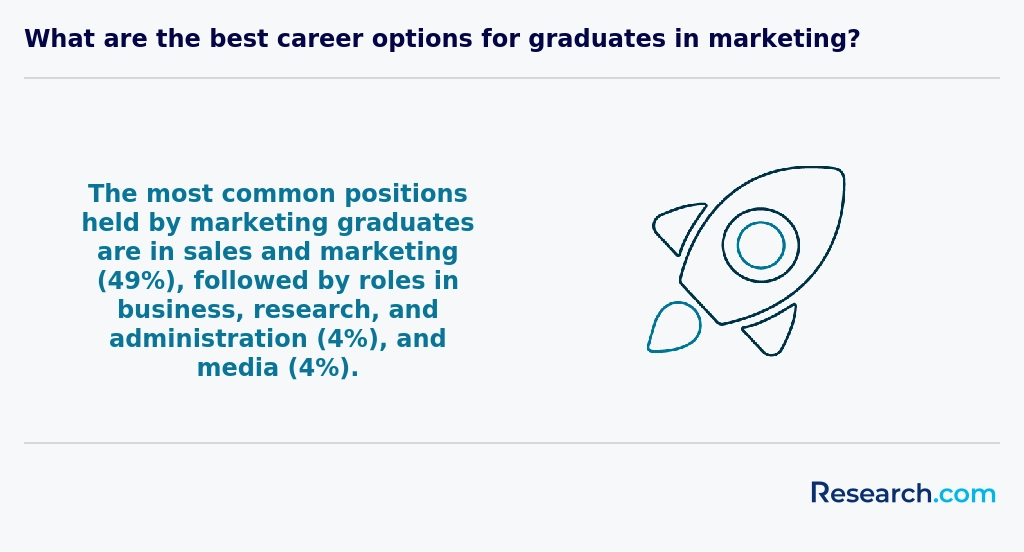
Selecting the best marketing degree program involves more than just comparing tuition rates; it requires evaluating curriculum relevance, faculty expertise, internship opportunities, and post-graduate support. Begin by identifying your career goals-whether you aim to specialize in digital marketing, brand management, or market research-and then review program curricula to ensure they offer the specific courses and hands-on projects that align with those goals. Look for schools that partner with local businesses in Massachusetts for internships, as real-world experience can significantly boost your employability and practical skills. Accreditation is another key factor: choose institutions recognized by regional accrediting bodies or accredited by organizations such as the Association to Advance Collegiate Schools of Business (AACSB). Accreditation guarantees that the program meets industry standards and that credits will transfer if you pursue advanced studies. Additionally, investigate faculty credentials and industry connections-professors with active consulting roles or research publications in marketing journals can provide valuable insights and mentorship. Cost and financial aid deserve close attention. Compare the total cost of attendance, including fees and living expenses, and explore scholarship and grant opportunities. For those seeking online flexibility without sacrificing quality, consider programs highlighted in our Low Cost Online Marketing Degree Programs Ranking in Missouri to gauge best practices in affordable, accredited online education. Finally, assess career services and alumni networks: strong career centers that offer resume workshops, job fairs, and mock interviews can ease your transition into the workforce. Alumni engagement through mentorship programs or networking events often opens doors to internships and full-time positions. By weighing these factors-curriculum, accreditation, cost, and career support-you can choose a Massachusetts marketing program that delivers both academic excellence and a clear pathway to professional success.
Exploring the path to a marketing degree in Massachusetts, students often discover a treasure trove of financial aid options that make the journey both exciting and manageable. Picture a marketing student at UMass Amherst who taps into the institutional scholarships offered by the Isenberg School of Management-awards that recognize more than just grades, embracing leadership and community spirit too.
Many stand at the gateway of opportunity through federal aid via FAFSA, unlocking Pell Grants with awards up to $7,395, peeling back the financial barriers that can feel overwhelming. Massachusetts residents can also lean on state-specific programs like the Hogan Law Loan and State Scholarship, which intertwine effortlessly with federal aid, creating a safety net for pursuit of their marketing dreams.
Imagine juggling classes while benefiting from work-study placements on campus or partnering with local businesses-real-world experience paired with vital financial support. Those who connect with organizations like the American Marketing Association find private scholarships that bring encouragement and momentum, making the marketing degree feel within reach.
Selecting the ideal marketing program involves more than just tuition rates; it requires a strategic evaluation of quality, outcomes, and fit. First, verify regional accreditation and program-specific recognition by bodies like the Association to Advance Collegiate Schools of Business (AACSB) or the Accreditation Council for Business Schools and Programs (ACBSP). Accreditation ensures that your diploma holds value with employers and that curricula meet rigorous standards. Next, compare curriculum depth and specialization options. Look for programs offering hands-on projects, case studies, or capstone experiences in areas such as digital marketing, consumer analytics, and brand management. If you’re exploring flexible learning formats, review our list of affordable online marketing degrees to balance cost savings with academic quality. Consider faculty expertise and industry connections. Programs with professors who maintain active consulting roles or partnerships with local agencies provide networking, internships, and live-client projects. Investigate alumni outcomes-average starting salaries, job placement rates, and leadership roles-to gauge return on investment. Many universities publish post-graduate employment data; use this as a benchmark. Finally, weigh campus resources and student support services. Access to career centers, mentorship programs, and professional workshops can accelerate your career launch. Factor in class size, student-to-faculty ratio, and extracurricular marketing clubs or events. By methodically assessing these criteria-accreditation, curriculum rigor, experiential learning, outcomes data, and support infrastructure-you’ll be equipped to choose a marketing program in Massachusetts that aligns with your goals and maximizes your future success.
Diving into a marketing degree in Massachusetts means gearing up with key prerequisites that open doors to dynamic learning experiences. Imagine a prospective student eyeing programs at Boston University or UMass Amherst, where completing a high school diploma or GED is just the starting point. Graduates often recall how maintaining a solid GPA and submitting test scores like the SAT or ACT helped them stand out amid thousands of applicants.
Transcripts showcasing strong English and math skills act like a compass, guiding admissions committees through each candidate's academic journey. Some adventurous learners remember how personal statements and recommendation letters offered a chance to reveal their passion for marketing beyond numbers.
If you're aiming for an MBA with a marketing focus at schools like Northeastern University, holding a bachelor's degree is essential. Many grads share how submitting GMAT or GRE scores initially felt daunting but ultimately became a proud milestone. Plus, relevant internships or part-time marketing roles in Boston's vibrant business scene can light up your application with real-world savvy.

Imagine diving straight into the world of marketing at a vibrant Massachusetts university, where courses like Marketing Principles and Strategies ignite your curiosity about consumer connection and market trends. Graduates often recall how analyzing Consumer Behavior opened their eyes to the psychology behind purchasing choices, making every lecture feel like unlocking a puzzle about people's decisions.
In bustling campuses known for marketing programs in Massachusetts, students eagerly tackle Market Research and Analytics, learning to interpret real data that shapes powerful campaigns. Digital Marketing and Social Media classes bring excitement as learners experiment with tools that directly impact local startups and tech firms in the region, creating hands-on projects that feel relevant and thrilling.
Many find themselves drawn to Advertising and Promotion or Sales Management, where classroom theories are quickly applied through internships with nearby companies. These authentic experiences make studying Brand Management come alive, as students see their work influencing actual businesses in Massachusetts' dynamic economy.
Exploring marketing degree specializations in Massachusetts reveals exciting paths filled with opportunity. Imagine diving into Digital Marketing at a bustling Boston college, mastering social media campaigns and SEO, just like many graduates who relish shaping online brands for fast-growing startups. Alternatively, marketing analytics beckons with its data-driven adventure-students at renowned universities analyze real market trends, gaining skills that employers in Massachusetts' tech and finance hubs crave.
For those drawn to creativity and strategy, specializations like Brand Management and Product Marketing offer hands-on experiences managing product launches and positioning brands against fierce competition, an adventure many students from popular Massachusetts institutions find deeply rewarding. Another thrilling journey involves Global Marketing, where learners explore international trade and cross-cultural nuances, preparing for careers with multinational companies rooted in the state's diverse economy.
Curious students eager to find affordable pathways can check out a detailed list of affordable online marketing degrees that complement these dynamic specializations. Embarking on these explorations at the best marketing programs with specializations in Massachusetts opens doors to vibrant, career-ready futures.
Choosing the best marketing degree in Massachusetts sparks excitement as you explore options tuned to your passions and career dreams. Graduates from popular colleges here often praise programs that blend theory with real-world projects, especially in digital marketing and analytics-fields booming in Boston's vibrant tech and finance sectors. Imagine yourself diving into internships with local companies or collaborating on brand campaigns that connect with healthcare innovations, reflecting the state's unique economy.
Many adventurous students seek out accredited schools ensuring solid education and credit flexibility, enjoying confidence in their degree's value. Considering affordable marketing degree programs Massachusetts offers can ease financial worries, since keeping student debt manageable opens doors to more joyful learning and living experiences. Graduates frequently highlight how career services helped them land roles with salaries ranging between $50,000 and $65,000, fueling excitement for their futures.
Ready to stretch your options? Check out Low Cost Online Marketing Degree Programs Ranking in Missouri for inspiration beyond local boundaries while still discovering vibrant Massachusetts choices.
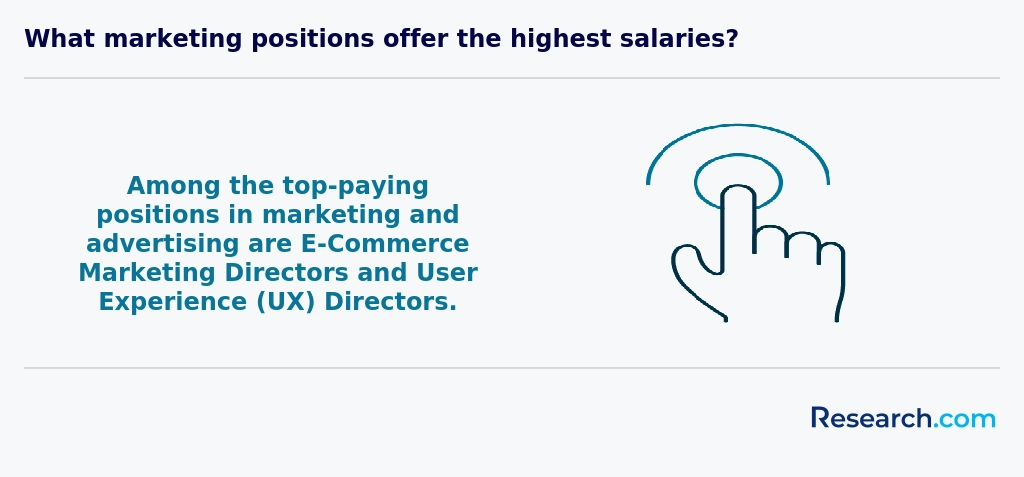
Marketing degree graduates from Massachusetts often find themselves stepping into vibrant roles that blend creativity and strategy. Imagine a graduate from Boston University eagerly crafting engaging social media campaigns as a social media specialist or diving deep into data analysis as a market research analyst in Cambridge's bustling tech scene. These marketing career opportunities in Massachusetts extend from digital marketing-where SEO and content creation rule-to traditional roles like marketing coordinator and brand manager. Many alumni from well-known colleges enjoy the thrill of contributing to innovative startups or large healthcare firms, experiencing first-hand the fast-paced energy of Boston's economy.
Venturing further, graduates embrace leadership positions such as marketing manager or product manager, sharpening skills in team guidance and budget management. Non-profits and government agencies also attract those with passion for impactful communication and stakeholder engagement. The boldness of exploring such diverse jobs with a marketing degree in Massachusetts makes every day feel like an exciting challenge. Curious minds might also check out 6 month associate programs online to accelerate entry into this dynamic field.
The job market for marketing degree holders in Massachusetts is vibrant and full of promise, especially for those emerging from renowned institutions in Boston and Worcester. Graduates often find themselves eager participants in dynamic sectors ranging from tech startups bustling in Greater Boston to established healthcare organizations. This diverse environment fuels enthusiasm as marketing professionals apply their skills in digital strategies, brand storytelling, and customer engagement. Exploring marketing degree job opportunities in Massachusetts, many graduates recall internships with local firms where real campaigns impacted community awareness, making their education feel immediately valuable and adventurous.
Massachusetts marketing graduate employment outlook is bright, with roles growing steadily, especially in financial services and education sectors. Many alumni report how networking events on campus or city meetups opened doors to exciting jobs that match their energetic ambitions. Though tuition costs might seem high, exploring the easiest way to get an associate's degree can be a savvy stepping stone, balancing budget and career growth. The energy of this state's job market invites students to boldly explore, connect, and build their futures in marketing.
2027 Most Affordable Marketing Degree Programs Ranking in Massachusetts
Investing in your education is a significant decision that can shape your future, and the Research.com team understands the importance of making informed choices. To assist prospective students in Massachusetts, we have meticulously crafted the "2027 Most Affordable Marketing Degree Programs Ranking in Massachusetts." Our commitment to quality, credibility, and accuracy is reflected in the extensive research and analysis conducted to compile this ranking.
We utilized the following reputable data sources to ensure a comprehensive evaluation of marketing degree programs:
By exploring this ranking, readers will gain valuable insights into the most affordable marketing degree programs in Massachusetts, helping them make informed decisions about their educational investment. For more details on our methodology, please visit our Research.com methodology page.


Frequently Asked Questions About marketing
Marketing degree students in Massachusetts can maximize their learning experience by combining academic coursework with practical opportunities. Engaging in internships with Boston's thriving marketing and advertising industries offers hands-on experience and networking. According to the Massachusetts Executive Office of Labor and Workforce Development, marketing-related jobs in the state are expected to grow by 7% through 2030, highlighting the demand for practical skills.
Students should also leverage resources like workshops and career centers at schools to develop digital marketing and data analysis skills, critical in today's market. Participating in student organizations can build leadership and collaboration abilities.
Finally, staying updated with local marketing trends through regional conferences enhances understanding of Massachusetts's business climate.
The marketing field is evolving rapidly, and several emerging niches are gaining importance, especially in Massachusetts. Digital marketing remains dominant, but specialties like data analytics and artificial intelligence-driven marketing are expanding.
Massachusetts companies increasingly seek marketers skilled in social media strategy, influencer marketing, and content marketing to reach diverse audiences online. According to the U.S. Bureau of Labor Statistics, the Boston metropolitan area expects a 10% growth in advertising and promotions management jobs through 2030.
Another growing niche is sustainability marketing, where businesses promote eco-friendly products, aligning with Massachusetts' strong environmental policies. Additionally, healthcare marketing is expanding in the state, leveraging advanced analytics to target personalized campaigns.
Preparing for the job market after earning a marketing degree in Massachusetts involves strategic steps tailored to the state's dynamic economy. Graduates should focus on building a strong professional network by engaging with local marketing groups such as the Boston Chapter of the American Marketing Association. Networking can lead to internships and job opportunities in Massachusetts' thriving sectors, including tech and healthcare marketing.
Internships during or immediately after studies are critical. According to the Massachusetts Department of Higher Education, students who complete internships in-state have a higher chance of employment post-graduation. Additionally, acquiring digital marketing skills-such as data analytics and SEO-is essential due to growing industry demand. The U.S. Bureau of Labor Statistics expects a 10% growth in marketing-related jobs in Massachusetts through 2030, signaling promising prospects for well-prepared graduates.
Employers in Massachusetts seek marketing degree graduates with a strong blend of analytical and creative skills. Data analysis is essential, as 72% of marketing roles in the state involve interpreting consumer behavior and market trends, according to the Massachusetts Department of Labor. Proficiency in digital marketing tools, including SEO and social media platforms, is highly valued because of the region's emphasis on tech-driven campaigns.
Communication skills, both written and verbal, remain critical for crafting clear messaging and collaborating across teams. Additionally, adaptability and problem-solving abilities help graduates navigate the fast-changing marketing landscape in Massachusetts' competitive industries.
Finding internships in Massachusetts relevant to a marketing degree involves tapping into the state's diverse economy and strong professional networks. Boston, in particular, hosts numerous marketing agencies, startups, and corporate headquarters that offer internship opportunities. According to the Massachusetts Workforce Skills Cabinet, marketing-related internships in the state grew by 8% from 2020 to 2023, reflecting increased demand for marketing talent.
Students should start by utilizing their college career centers, which often have partnerships with local businesses. Online platforms like Handshake and LinkedIn also list numerous marketing internships specific to Massachusetts. Additionally, professional groups such as the American Marketing Association Boston Chapter provide networking events that can lead to internships.
Many internships in Massachusetts emphasize digital marketing skills, reflecting local market trends. Research from the Massachusetts Technology Collaborative highlights the state's focus on innovation-driven marketing roles in tech and healthcare sectors. This data indicates that candidates with skills in social media marketing, SEO, and data analytics have an advantage when applying.
A marketing degree in Massachusetts significantly enhances career mobility and advancement opportunities within the state's dynamic economy. According to the Massachusetts Executive Office of Labor and Workforce Development, marketing roles are projected to grow by 8% from 2022 to 2032, indicating steady demand. Graduates with a marketing degree gain essential skills in digital marketing, analytics, and consumer behavior, which are highly valued by local employers in sectors like technology, healthcare, and finance.
The degree often serves as a foundation for promotions into management positions, with average salaries for marketing managers in Massachusetts reaching approximately $120,000 annually, per the U.S. Bureau of Labor Statistics. Additionally, the networking connections made during college can open doors to internships and job placements in Boston's diverse business community, further enhancing career growth.
Studying for a marketing degree in Massachusetts equips students with skills that transcend traditional marketing boundaries, preparing them for interdisciplinary roles across industries. Many Massachusetts institutions integrate courses in data analytics, psychology, communications, and technology to create well-rounded graduates.
According to the Massachusetts Department of Higher Education, over 60% of marketing programs now include modules on digital media and consumer behavior, fostering collaboration with IT and business departments. This approach reflects job market demands, as the Boston metropolitan area reports a 12% growth in marketing-related roles requiring both creative and analytical expertise (Bureau of Labor Statistics, 2023).
Students also benefit from partnerships with local businesses in finance, healthcare, and tech sectors, enabling practical experience in diverse fields. This exposure encourages adaptability, critical thinking, and cross-functional communication-key traits for interdisciplinary professionals.
When choosing between a thesis and a non-thesis marketing degree program in Massachusetts, consider your career goals and learning preferences. A thesis option typically involves conducting original research, which can be beneficial if you plan to pursue a PhD or roles in market research. Non-thesis programs focus more on practical skills and internships, which can help graduates enter the workforce quickly.
In Massachusetts, with its strong marketing job market in Boston and Worcester, programs often reflect local industry demands. According to the Bureau of Labor Statistics, marketing manager roles in Massachusetts grew by 5.5% from 2020 to 2023, highlighting the value of applied skills.
Thesis tracks may be less common and take longer to complete, while non-thesis programs generally offer more flexible schedules. Evaluate program curricula and faculty expertise related to marketing trends in Massachusetts before deciding.
Students based in Massachusetts seeking to study marketing abroad have several pathways through U.S. higher education. Many colleges and universities in Massachusetts, such as Boston University and Northeastern University, offer study abroad programs specifically tailored for marketing majors. These programs often include partnerships with institutions in Europe, Asia, and Latin America, allowing students to earn credits toward their degree while gaining international business experience.
Financial aid and scholarships are frequently available for students participating in these programs. According to the Institute of International Education, about 10% of Massachusetts college students study abroad annually, a figure that includes many marketing students exploring global markets.
In addition, students can consider exchange programs or dual-degree options that combine marketing studies in both Massachusetts and a foreign university, enhancing cross-cultural and professional skills crucial in marketing careers.
Part-time job opportunities in Massachusetts that complement marketing degree education often include roles in social media management, retail marketing, and digital content creation. These positions allow students to apply classroom knowledge in real-world settings. For example, according to the Massachusetts Executive Office of Labor and Workforce Development, digital marketing roles have grown by over 15% in the past five years, reflecting demand in the state's strong tech and business sectors.
Internships or assistant roles in local marketing firms or startups in Boston can provide hands-on experience. Additionally, many students find valuable work in customer analytics and market research positions, benefiting from the state's vibrant data-driven industries.
Marketing students in Massachusetts benefit from a variety of networking opportunities tied to the state's vibrant business environment. Many universities host events connecting students with local marketing firms, startups, and Fortune 500 companies headquartered in the area, such as General Electric and Fidelity Investments.
Professional organizations like the American Marketing Association (AMA) Boston chapter regularly offer workshops, seminars, and conferences. These events enable students to meet experienced marketers and expand their professional networks.
Additionally, Massachusetts's proximity to Boston makes it a hub for marketing internships, with the Bureau of Labor Statistics identifying the metropolitan area as a top market for marketing specialists.
Students also gain access to alumni networks and career fairs, which further enhance their connections within the marketing industry in Massachusetts.
Alumni networks offer significant benefits to marketing degree students in Massachusetts by providing valuable professional connections. Graduates from Massachusetts institutions join a network that can offer mentorship, internship opportunities, and job referrals within the state's competitive marketing sector.
Many marketing professionals in Massachusetts rely on alumni connections to navigate the local industry, which includes major hubs like Boston and Cambridge. According to the Massachusetts Department of Higher Education, robust alumni engagement helps students access positions in companies ranging from startups to established firms.
These networks also facilitate knowledge sharing about current marketing trends and the digital tools demanded by employers, which is crucial given Massachusetts' strong emphasis on innovation and technology in marketing roles.
In Massachusetts, customizing a marketing degree program to match your career goals involves selecting specific electives and concentrations offered by many institutions. Focus areas may include digital marketing, social media strategy, consumer behavior, or data analytics. Choosing internship opportunities with Massachusetts-based companies can provide practical experience and local industry connections.
Some universities allow students to combine marketing with minors or certificates in related fields such as business analytics or public relations, enhancing career flexibility. According to the Massachusetts Department of Higher Education, about 60% of marketing majors pursue specialized tracks to meet evolving market demands. Tailoring your curriculum helps align education with job roles in Boston's diverse marketing sector.
Marketing students in Massachusetts face several common challenges during their studies. One key difficulty is balancing theoretical knowledge with practical experience, as many programs emphasize both but internships can be competitive. According to the National Association of Colleges and Employers, only about 60% of marketing graduates secure internships before graduation, impacting job readiness.
Additionally, the rapidly evolving digital marketing landscape requires students to continuously update their skills in areas like social media analytics and SEO, which some curricula may not fully cover. Cost of living in cities like Boston also adds financial strain, with student debt averaging over $35,000 in the state, per the Massachusetts Department of Higher Education.
Graduates with a marketing degree in Massachusetts can enhance their career prospects by pursuing several professional certifications. Popular options include the Certified Marketing Executive (CME) and the Professional Certified Marketer (PCM) from the American Marketing Association, which are widely recognized in the US. These certifications validate skills in digital marketing, strategy, and market research.
Additionally, Massachusetts professionals can consider industry-specific certificates such as Google Ads Certification and HubSpot Content Marketing Certification, both of which reflect practical expertise in digital platforms. According to the Bureau of Labor Statistics, marketing roles in Massachusetts are expected to grow by 7% through 2030, making certifications valuable for standing out in a competitive job market.
These credentials support ongoing professional development and often lead to higher salaries or advanced positions within marketing teams in Boston's thriving business environment.
When applying to a marketing program in Massachusetts, start by crafting a clear and concise personal statement that highlights your passion for marketing and your career goals. Massachusetts hosts over 60 accredited institutions offering marketing degrees, so specificity about why you chose a particular school matters. Include any relevant internships or work experience, as employers in the state value practical skills alongside academic achievements.
Ensure your application reflects strong communication skills, which are crucial in marketing careers. According to the Massachusetts Department of Higher Education, candidates with well-articulated goals and evidence of teamwork tend to stand out. Additionally, maintain a competitive GPA; many programs prefer at least a 3.0 for marketing majors.
Letters of recommendation should come from professionals familiar with your marketing aptitude or academic performance. Lastly, research each program's unique requirements to tailor your materials effectively.
Marketing is a global field that values understanding diverse consumer behaviors, cultures, and international markets. For students in Massachusetts pursuing marketing degrees, this global perspective is crucial as businesses increasingly operate across borders. The U.S. Bureau of Labor Statistics projects a 10% growth for marketing managers nationwide from 2022 to 2032, reflecting expanding opportunities influenced by international trade and digital marketing trends.
Massachusetts, with its vibrant economy and global companies in Boston and Cambridge, offers a dynamic environment to study these trends. Programs here often emphasize cross-cultural communication and data analytics to prepare graduates for global challenges.
Gaining practical experience while studying for a marketing degree in Massachusetts is essential for career readiness. Many universities in the state offer internship programs that connect students with local businesses and marketing firms. These opportunities allow students to apply classroom concepts in real-world settings. According to the Massachusetts Department of Higher Education, around 70% of marketing students participate in internships before graduation.
Additionally, students can engage in cooperative education (co-op) programs, which alternate semesters of academic study with work experience. Networking events and marketing clubs on campus also help build professional relationships.
Some institutions collaborate with Boston's vibrant tech and startup sectors, providing hands-on experience through project-based courses or partnerships.
Choosing the right concentration within a marketing degree in Massachusetts starts with understanding your career goals and interests. Massachusetts offers concentrations like digital marketing, brand management, and market research, reflecting its thriving tech and healthcare sectors. According to the U.S. Bureau of Labor Statistics, marketing managers in Massachusetts earn a median annual wage above the national average, reflecting strong local opportunities.
Research your desired industry's demands in Massachusetts by reviewing job postings on state labor websites. Look for concentrations that align with growing fields such as data analytics or e-commerce. Additionally, consider schools with strong internship programs in Boston's marketing firms to gain practical experience.
Networking with alumni and attending local marketing events can also help clarify which concentration suits your skills and regional market trends best.
- 2027 Most Affordable Marketing Degree Programs Ranking in Connecticut
- 2027 Most Affordable Marketing Degree Programs Ranking in New Hampshire
- 2027 Most Affordable Marketing Degree Programs Ranking in New York
- 2027 Most Affordable Marketing Degree Programs Ranking in New Jersey
- 2027 Most Affordable Marketing Degree Programs Ranking in Maine
- 2027 Most Affordable Marketing Degree Programs Ranking in Maryland
- 2027 Most Affordable Marketing Degree Programs Ranking in Kentucky
- 2027 Most Affordable Marketing Degree Programs Ranking in Florida
- 2027 Most Affordable Marketing Degree Programs Ranking in Alabama
- 2027 Most Affordable Marketing Degree Programs Ranking in Missouri
See What Experts Have To Say About Studying Marketing
Read our interview with Marketing experts

John R. Meindl
Marketing Expert
Adjunct Assistant Professor of Marketing
Hofstra University

Sonya A. Grier, Ph.D.
Marketing Expert
Professor, Department of Marketing
American University

- 15 Marketing Certifications to Build Must-Have 2025 Skills https://www.cmswire.com/digital-marketing/10-marketing-certifications-that-can-help-you-earn-a-better-salary/
- Marketing Outcomes and Careers https://springfield.edu/programs/marketing/careers-and-internships
- Learning Outcomes for Marketing - Champlain College https://www.champlain.edu/learning-outcomes-for-marketing/
- What is a niche market? Types and 26 untapped niches https://clientify.com/en/blog/marketing/what-is-a-niche-market-types-and-examples
- How Niches Provide New Growth Opportunities for Business https://visionedgemarketing.com/niche-marketing-provides-new-growth-opportunities/
- Marketing Major https://wheatoncollege.edu/academics/programs/marketing/
- Understanding Different Marketing Salaries in Massachusetts https://www.allbusinessschools.com/marketing/salary/massachusetts/
- How to Get a Summer Internship in Marketing in 2026 (Agency, In-House, and Startup) https://whali.co.uk/blog/summer-internship-marketing-guide
- Top 5 marketing skills employers are looking for in 2025 https://www.konkergroup.com/top-5-marketing-skills-employers-are-looking-for-in-2025/
- Niche Digital Marketing Roles: Exploring Specialized Career Paths https://www.cellainc.com/insights/blog/niche-digital-marketing-roles-exploring-specialized-career-paths/