2027 Best Marketing Degree Programs Ranking in Massachusetts

Co-Founder and Chief Data Scientist
Choosing the right marketing degree program in Massachusetts can shape your future career and open exciting opportunities. This article introduces the 2027 Best Marketing Degree Programs Ranking in Massachusetts, carefully created by the Research.com team of data scientists to guide you toward the best choices.
By exploring this ranking, you'll gain valuable insights into top programs that match your goals and aspirations. A marketing degree offers skills that empower creativity, strategic thinking, and communication. Dive into this article to find the program that fits you and start your journey with confidence.
Key benefits of getting marketing degree in Massachusetts
- Marketing degree graduates in Massachusetts can earn competitive salaries, such as $83,190 annually for Marketing Assistants and Digital Marketing Specialists, and up to $159,420 for Public Relations Specialists, offering strong financial growth potential.
- Graduates from universities like Boston University often pursue diverse career paths including media planning, sales, and digital marketing, providing exciting opportunities to match various interests and skills.
- Obtaining a marketing degree online from institutions like University of Massachusetts offers flexibility, allowing students to balance work and studies while gaining valuable skills that employers value highly.
- 2027 Best Marketing Degree Programs Ranking in Massachusetts
- What can I expect from marketing degree in Massachusetts?
- Where can I work with marketing degree in Massachusetts?
What can I expect from marketing degree in Massachusetts?
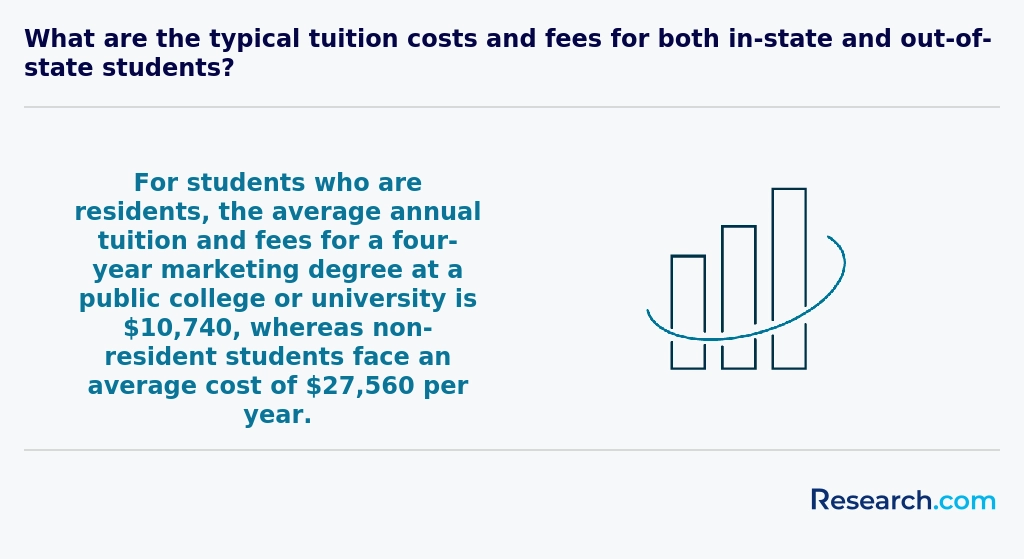
The average cost of obtaining a marketing degree in Massachusetts varies significantly depending on the institution. Graduates from the University of Massachusetts report tuition costs generally ranging from $15,000 to $20,000 per year for in-state students, which is more affordable due to public university status. Private universities like Boston University or Northeastern University typically have higher tuition fees, often between $50,000 and $60,000 annually, reflecting their extensive resources and industry connections.
Many students find that the investment is balanced by hands-on learning experiences, such as internships or live projects with Boston's vibrant business community, which enhance job readiness and networking opportunities. Graduates often highlight that participating in certification programs like Google Analytics or HubSpot, sometimes included or offered at a discounted rate, provides excellent value and increases employability.
Financial aid, scholarships, and work-study programs are common at these universities, making the cost more manageable. Careful planning around tuition and leveraging experiential opportunities can transform this investment into a rewarding start to a marketing career in Massachusetts.
Where can I work with marketing degree in Massachusetts?
Marketing graduates from well-known Massachusetts universities often find themselves thriving in diverse roles across the state's vibrant job market. Many secure positions in Boston's bustling corporate scene, joining firms such as Fidelity Investments or Boston Scientific, where they apply skills in brand strategy and digital campaigns. For instance, graduates from institutions like Boston University or Northeastern University frequently share how internships in local advertising agencies helped them transition smoothly into full-time roles focused on market research and consumer engagement.
Others have discovered rewarding careers in the fast-growing digital marketing and social media sectors, especially within the Greater Boston startup ecosystem. Here, marketing skills in data analytics and content creation are highly prized, enabling graduates to build brand presence and drive growth for emerging companies. Graduates from schools such as UMass Amherst appreciate the blend of traditional marketing knowledge and cutting-edge digital expertise they gained, which employers eagerly seek.
Additionally, marketing graduates often pursue roles in academia or nonprofit organizations, aiding institutions like Massachusetts General Hospital or Harvard University with fundraising and communications. Such opportunities enable graduates to make meaningful community impacts while leveraging their professional skills in real-world outreach initiatives.
Graduates with a marketing degree in Massachusetts can expect to earn competitive salaries across various entry-level and mid-tier roles. For example, a Marketing Assistant can anticipate an average annual wage of about $83,190, providing a solid starting point for those beginning their careers. Similarly, Digital Marketing Specialists and Media Planners, common career paths for grads from schools like Boston University or Northeastern, also earn around $83,190 per year, reflecting consistent opportunities in digital and strategic marketing fields.
Public Relations Specialists in Massachusetts earn a significantly higher mean salary of approximately $159,420 annually, showcasing the value of specialization and experience in these communications roles. Graduates employed as Sales Associates typically make around $53,280 annually, offering a reliable foothold in marketing sales channels.
Many graduates from Massachusetts colleges find that gaining hands-on intern experience and networking in vibrant areas like Greater Boston boosts their earning potential. These real-life advantages make the salary data more attainable and inspire confidence as you launch your marketing career locally.
- Tuition for a bachelor's marketing degree at public universities in Massachusetts ranges from $10,000 to $15,000 per year for in-state students.
- Private colleges in Massachusetts often charge over $35,000 annually for marketing programs.
- Entry-level marketing jobs in Massachusetts usually pay $50,000 to $60,000 per year.
- Mid-career marketing salaries range from $75,000 to $90,000, while senior managers and directors can earn over $100,000, especially in Boston.
- Marketing jobs in Massachusetts are expected to grow by 5% to 7% over the next decade.
In Massachusetts, completing a marketing degree usually takes around four years for a bachelor's, reflecting programs at institutions like Boston University or the University of Massachusetts Amherst. Graduates often share how balancing classes with internships shaped their experience, making the timeline feel rewarding and manageable.
Associate degrees at local community colleges, such as MassBay Community College, typically wrap up in two years, offering a quicker path to entry-level roles or later transfer to four-year schools. Many students appreciate this flexibility when starting their careers sooner.
For those pursuing graduate degrees, like an MBA with a marketing focus from Northeastern University, the duration ranges from one to two years full-time. Part-time and online options allow students to stretch studies over three years or more, accommodating work-life balance and financial planning.
To finish sooner, consider enrolling full-time, taking summer courses, or transferring credits from previous studies. These steps have helped Massachusetts students accelerate progress while enjoying the vibrant campus life and networking opportunities available.
As the marketing industry continues to evolve, future trends in education are reshaping how programs prepare students for tomorrow’s challenges. Emerging technologies such as artificial intelligence, machine learning, and data analytics are becoming integral parts of modern marketing curricula, allowing learners to harness sophisticated tools that drive decision-making. In Massachusetts, institutions are increasingly investing in hybrid learning environments that combine traditional classroom engagement with innovative digital platforms, providing flexibility and access to cutting-edge resources. Faculty members and industry leaders are also emphasizing the importance of sustainability and ethical marketing practices, recognizing their growing influence on consumer behavior and brand reputation. Students are encouraged to explore how these advancements can enhance their academic experience and boost career prospects. For example, some universities are now offering dual-degree programs that integrate marketing with technology and data science, thereby enabling graduates to meet the demands of a rapidly changing market. Additionally, prospective students researching options should consider reviewing the comprehensive insights provided by the most affordable marketing schools in massachusetts to find programs that effectively balance innovation with affordability. Staying informed about these trends not only helps students choose a program that fits their goals but also promotes a proactive approach to leveraging technological advancements in the marketing field. With a commitment to continuous improvement and adaptation, future marketing professionals in Massachusetts are well-positioned to drive transformative change in the industry.
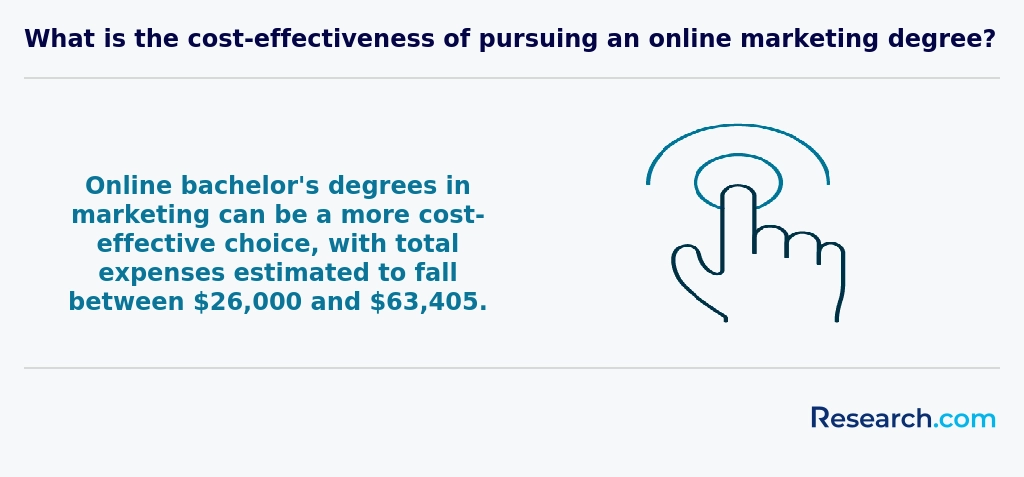
Online marketing degrees in Massachusetts offer flexibility that appeals to busy adults balancing work or family. Graduates from online programs at schools like the University of Massachusetts Online highlight how they managed coursework around their schedules without compromising quality. They appreciated not having to commute and saving on expenses like housing and campus fees, which made their education more affordable-usually between $15,000 and $25,000 for a full program.
In contrast, students attending on-campus marketing programs at institutions such as Boston University enjoy face-to-face interaction, real-time collaboration, and access to campus career services. These students often share how networking events and local internships helped them build valuable professional connections in Boston's thriving marketing sector, boosting their confidence and job prospects.
Both formats cover the same core topics and require practical projects, but online learners benefit from Massachusetts state authorization that ensures program quality. Choosing between these options depends on your lifestyle and whether you prefer in-person experiences or the convenience of digital learning.
The average marketing degree cost Massachusetts students face is roughly $59,723 in total, whether in-state or out-of-state, reflecting a median figure for completing the program. This median cost covers tuition and typical expenses over the course of a marketing degree, offering a realistic budget outlook for most students. Public universities in Massachusetts are often a popular choice for marketing students due to their balanced pricing; graduates from these schools frequently share how the investment felt manageable thanks to in-state tuition rates and financial aid opportunities.
For example, graduates from well-known public institutions describe budgeting approximately $47,000 for their total tuition when residing in Massachusetts. Such costs, combined with additional fees for textbooks and supplies, emphasize the need to plan comprehensively. Students pursuing marketing degrees at private colleges in Massachusetts report higher overall expenses, but many highlight that scholarships and work-study programs helped ease the financial pressure, making the higher sticker price less daunting.
Those looking for a more affordable path often explore community colleges, which average around $5,000 per year in tuition for in-state students, offering a cost-effective start before transferring to four-year programs. To find a balance between quality and affordability, prospective students should explore resources like the most affordable marketing schools in Massachusetts, which list institutions providing strong marketing programs at lower total costs.
Understanding the cost to get marketing degree in Massachusetts involves comparing tuition, fees, and living expenses while considering financial aid options. Many graduates recall feeling confident that their investment paid off, given the vibrant marketing job market in cities like Boston, where degree holders often quickly secure rewarding positions.
One of the most valuable components of marketing programs in Massachusetts is the extensive network of industry partnerships that provide students with hands-on internships and collaborative projects. Leading institutions in Boston, Cambridge, and Worcester regularly team up with top firms like HubSpot, Fidelity Investments, and local startups to create semester-long internships, capstone projects, and mentorship initiatives. These real-world experiences not only deepen practical skills in areas such as digital advertising, consumer analytics, and content strategy but also enable students to build professional connections that often lead to full-time offers. Key benefits of these partnerships include:
- Access to exclusive internship postings with multinational corporations and emerging tech companies
- Mentorship from seasoned marketing professionals who guide project work and career planning
- Opportunities to present campaign results to real clients, enhancing portfolios and resumes
- Networking events and workshops hosted on campus by partner organizations To maximize your internship success, leverage campus resources such as career centers, alumni networks, and industry panels. Understanding communications career requirements will help you tailor your application materials and articulate the skills employers seek. Reach out early to faculty advisors to identify projects that align with your interests-whether it’s crafting social media strategies for a nonprofit or conducting market research for a biotech startup. By embedding yourself in these partnerships, you’ll graduate not only with a degree but with proven experience and professional contacts that set you apart in Massachusetts’s competitive marketing job market.
Students pursuing marketing degrees in Massachusetts often rely on a mix of federal, state, and institutional aid to ease tuition expenses. Completing the FAFSA is essential, as it unlocks access to federal grants like the Pell Grant, offering up to $7,395 annually to those who qualify. Graduates from universities such as Boston University recall how these grants reduced their financial stress early on.
State programs like the MassGrant provide additional relief for in-state students attending public or private colleges, making education more affordable without excessive debt.
Merit-based scholarships are a powerful option, especially at schools like Northeastern University, where marketing students receive awards recognizing academic excellence and leadership. Graduates often share how these scholarships made it possible to focus more on internships and less on finances.
Private scholarships from organizations like the Massachusetts Business Roundtable and national groups offer further support, while work-study and paid internships gain popularity in Massachusetts' vibrant marketing sector, creating real-world experience alongside financial benefits.
Federal student loans, often with low interest, also provide necessary funds but should be managed carefully to avoid future burdens.
Assessing the return on investment (ROI) of a marketing degree is critical for prospective students weighing tuition costs against long-term earnings. In Massachusetts, the average annual tuition for a four-year marketing program ranges from $15,000 at public universities to $45,000 at private colleges. Graduates report starting salaries between $50,000 and $80,000, with mid-career earnings for roles like Marketing Managers averaging $138,730. By comparing total cost of attendance-including fees, living expenses, and lost wages-to projected income, students can estimate a payback period of approximately 3–5 years, depending on financial aid and scholarship awards. Beyond quantitative calculations, intangible benefits such as professional networking in Boston’s marketing community and hands-on learning through capstone projects significantly boost ROI. Internships at top institutions often lead to full-time offers, reducing job search costs and accelerating salary growth. Moreover, specialized concentrations in digital marketing or brand management can command premium salaries, shortening the ROI horizon. Prospective students should factor in these experiential learning opportunities and regional industry demand when evaluating program value. To maximize your investment, compare program costs, average graduate salaries, and financial aid packages. Explore affordable alternatives and scholarships to lower upfront expenses; for example, our Inexpensive Marketing Degree Programs Ranking in Saint Paul, MN highlights cost-effective pathways that deliver solid outcomes. By conducting a detailed ROI analysis, you can choose a Massachusetts marketing degree program that aligns with both your budget and career ambitions, ensuring a swift return on your educational investment.
To enroll in a marketing degree program in Massachusetts, you must first have a high school diploma or its equivalent like a GED. Graduates from popular institutions such as Boston University or Northeastern often share that strong high school performance in English, math, and social sciences laid the foundation for their acceptance. Taking advanced business or economics courses in high school helps you stand out.
Many Massachusetts schools have moved to test-optional admissions, so while SAT or ACT scores may not be mandatory, submitting strong results can boost your application. For graduate programs like an MBA in marketing, a bachelor's degree is essential, and competitive GMAT or GRE scores are usually required unless waived due to professional experience.
- Prepare transcripts showcasing consistent academic achievement
- Gather letters of recommendation and write thoughtful personal essays
- Build a professional resume and clear statement of purpose, especially for graduate programs
Applicants often report feeling confident when they proactively meet these requirements, knowing Massachusetts' marketing field offers exciting career opportunities after graduation.
Marketing degree programs in Massachusetts typically include core courses such as principles of marketing, consumer behavior, market research, and digital marketing, designed to build a strong foundation. Graduates from popular institutions like Boston University and Northeastern University often highlight how these courses helped them craft effective marketing strategies and understand unique consumer segments in competitive industries.
Practical classes like advertising and promotion focus on real-world campaign development, media planning, and creative design, allowing students to apply theory through campus projects or local business partnerships. Marketing analytics courses train students to interpret critical data, empowering them to make data-driven decisions-skills that were key for many graduates interning with tech and healthcare companies around Cambridge and Boston.
Sales management and business communication courses enhance interpersonal skills, preparing students to thrive in client-facing roles and collaborative teams, a frequent highlight shared by alumni balancing challenging projects with real Massachusetts clientele. Ethics in marketing stresses responsible practices, ensuring graduates navigate legal and social aspects confidently in their careers.
Marketing degree specializations in Massachusetts are tailored to meet the dynamic demands of the state's key industries, such as tech, healthcare, and education. Graduates from well-known universities in Boston often praise the Digital Marketing track, which covers SEO, social media strategies, and data analytics-skills highly sought after by local startups and large firms. Those interested in data find the Market Research and Analytics specialization especially rewarding, as it equips them to analyze consumer behavior in biotech and healthcare markets prevalent throughout Massachusetts.
Other popular concentrations include Brand Management, which trains students to craft strong brand identities in competitive global markets, and Marketing Communications, focusing on public relations and advertising. Graduates frequently mention how practical courses in Sales and Business Development prepare them to thrive in Massachusetts's competitive business environment, where networking and partnerships are key.
Exploring different options can be easier by understanding the communications career requirements linked to marketing roles. Choosing one of the best marketing concentration options Massachusetts universities offer helps align your skills with regional opportunities and enhances your post-graduation success.
To choose the best marketing degree in Massachusetts, start by verifying program accreditation, such as regional accreditation by NECHE or specialized AACSB accreditation, which signals a high-quality business education. Graduates from top universities in Boston or Cambridge often highlight how faculty expertise in areas like digital marketing and consumer behavior helped them stay ahead in the competitive job market.
Look closely at the curriculum to ensure it balances foundational marketing with emerging trends, reflecting Massachusetts' dynamic economic sectors like technology and healthcare. Many marketing students benefit from internships facilitated by local businesses, enabling hands-on learning and networking crucial for launching their careers.
Cost is a practical concern; public in-state tuition averages around $16,000 annually, while private institutions range higher. Exploring affordable marketing degrees Massachusetts options, including part-time or online courses, can ease financial strain without sacrificing quality. For more budget-friendly alternatives, check out the Inexpensive Marketing Degree Programs Ranking in Saint Paul, MN.

Graduates pursuing marketing degree career opportunities in Massachusetts find a wealth of paths suited to the state's thriving economy. Many launch into roles like Market Research Analyst, leveraging Boston's dense business network to analyze trends that influence product success. Digital Marketing Specialists also thrive here, especially those honing skills in SEO and social media, as they join the many tech startups and firms prevalent in the region.
Brand management positions are another popular option, with graduates from Massachusetts universities often describing the excitement of shaping company identities in cutting-edge sectors such as biotechnology and healthcare. Some graduates transition to Sales Manager roles, applying their market insights to boost revenue effectively. Others prefer roles like Advertising Coordinator, balancing creativity and strategic campaign execution in vibrant marketing teams.
Students at well-known Massachusetts institutions often combine their studies with internships, which directly lead to job offers in these fields. Those interested in accelerated pathways may also consider associate degrees in 6 months online to quickly enter the workforce and build experience while exploring career options with their marketing degree Massachusetts offers.
The job market for marketing degree holders in Massachusetts remains promising, with an expected 8% growth for marketing managers through 2033. Graduates from well-known universities like the University of Massachusetts and Boston University often find opportunities in metropolitan hubs such as Boston and Cambridge, where tech and biotech companies seek marketing professionals skilled in digital strategies and data analytics. Many graduates report securing roles as digital marketing specialists or brand managers shortly after completing internships, which strengthens their resumes and networks within local business communities.
Entry-level salaries typically range from $50,000 to $65,000, with average earnings for marketing managers reaching around $135,000 annually, surpassing the national average. However, considering the high tuition costs, students are advised to focus on acquiring practical skills and certifications that enhance employability. Networking at industry conferences and leveraging university career services play a vital role in landing rewarding positions.
For those uncertain about further academic paths, exploring what is the easiest doctorate to get can provide useful guidance. Staying current with evolving digital marketing trends is critical to thrive in Massachusetts' competitive marketing career opportunities in Massachusetts.
2027 Best Marketing Degree Programs Ranking in Massachusetts
Investing in your education is a significant decision that can shape your future, and the Research.com team understands the importance of making informed choices. To assist prospective students in Massachusetts, we have meticulously crafted the "2027 Best Marketing Degree Programs Ranking in Massachusetts." Our commitment to quality, credibility, and accuracy is reflected in the extensive research and analysis conducted to compile this ranking.
We utilized the following reputable data sources to ensure a comprehensive evaluation of marketing programs:
By exploring this ranking, readers will gain valuable insights into the best marketing degree programs available in Massachusetts, helping them make informed decisions about their educational paths. For more details on our methodology, please visit our Research.com methodology page.


Frequently Asked Questions About marketing
Marketing degree students in Massachusetts can maximize their learning experience by combining academic coursework with real-world opportunities. The state's vibrant economy, including a strong presence of technology and healthcare firms, offers numerous internships that provide practical skills.
Engaging with local marketing associations, such as the Massachusetts Chapter of the American Marketing Association, can expand professional networks and expose students to current industry trends. Additionally, taking advantage of Massachusetts' top-ranked universities and their access to cutting-edge digital marketing tools enhances technical competence.
Students should also seek out experiential learning projects and case-based courses to apply theoretical knowledge. According to the Massachusetts Department of Higher Education, collaborative internships and cooperative education programs have increased by over 15% in recent years, reflecting growing opportunities for hands-on experience.
Emerging niches in marketing reflect rapid changes in technology and consumer behavior. In Massachusetts, digital marketing and data analytics are growing fields thanks to the state's tech-driven economy. According to the U.S. Bureau of Labor Statistics, the demand for marketing analysts in the Boston metro area is expected to grow by over 12% by 2030.
Another key area is influencer marketing, which leverages social media platforms. This niche is expanding alongside Massachusetts' strong startup ecosystem. Additionally, sustainability marketing is gaining importance as companies prioritize eco-friendly practices, a trend supported by local legislation promoting green business.
Overall, these niches show promising career paths for marketing graduates in Massachusetts.
After earning a marketing degree in Massachusetts, preparing for the job market involves several strategic steps. First, gaining practical experience through internships is vital; Massachusetts hosts many marketing firms and startups, especially around Boston, offering valuable opportunities. According to the Massachusetts Executive Office of Labor and Workforce Development, marketing roles in the state are projected to grow by 8% over the next decade, signaling strong demand. Networking is equally important-joining local marketing associations or attending industry events helps connect with professionals. Additionally, mastering digital marketing tools and analytics can set graduates apart, as employers increasingly seek tech-savvy candidates. Continuing education and certifications also boost employability.
Employers in Massachusetts seek marketing graduates with strong analytical skills to interpret market trends and consumer data effectively. According to the Massachusetts Department of Labor, proficiency in digital marketing tools like SEO, Google Analytics, and social media platforms is increasingly essential. Communication abilities, both written and verbal, remain critical for developing persuasive campaigns and collaborating across teams.
Adaptability is also highly valued due to the fast-evolving marketing landscape influenced by technology. Additionally, creativity in problem-solving helps graduates stand out in competitive job markets like Boston's, where innovative marketing strategies are crucial.
Massachusetts businesses often prioritize candidates familiar with data-driven decision-making and customer relationship management (CRM) software, reflecting national industry trends.
To find internships in Massachusetts relevant to a marketing degree, start by exploring university career centers, which often maintain partnerships with local businesses. Institutions such as Boston University and Northeastern University provide extensive internship listings specifically tailored to marketing students. Additionally, the Massachusetts Competitive Partnership reports that the state offers numerous marketing roles in sectors like technology, healthcare, and finance, reflecting strong regional opportunities.
Online platforms like Handshake and LinkedIn are also valuable tools, with many Massachusetts companies posting internship openings. Networking through professional groups such as the American Marketing Association's Boston chapter can further enhance prospects.
Finally, consulting the Massachusetts Workforce Skills Cabinet resources can help identify in-demand skills and employers actively seeking marketing interns.
A marketing degree in Massachusetts can significantly enhance career mobility and advancement opportunities within the state's dynamic job market. According to the U.S. Bureau of Labor Statistics, Massachusetts has a strong concentration of marketing manager positions, with an average annual wage exceeding the national average by nearly 20%. This reflects local demand for skilled marketing professionals.
Graduates with marketing degrees are often preferred for roles requiring strategic thinking, digital marketing expertise, and data analysis skills. Employers in Boston and surrounding areas prioritize candidates with formal education combined with practical experience, which can lead to faster promotions and salary growth.
Professional networks formed during college, including alumni connections, also play a critical role in career progression throughout Massachusetts's competitive marketing field, as reported by the Massachusetts Technology Collaborative.
Studying for a marketing degree in Massachusetts equips students with skills that extend beyond traditional marketing roles. Programs often emphasize interdisciplinary learning, integrating courses in data analytics, communications, economics, and technology. This blend prepares graduates to collaborate across departments and industries.
Massachusetts is home to a diverse economy with strong sectors like biotech, finance, and tech, increasing demand for marketing professionals who understand multiple disciplines. According to the Massachusetts Executive Office of Labor and Workforce Development, marketing jobs grew by 8% from 2019 to 2022, highlighting the importance of versatile skills.
Additionally, universities in Massachusetts often partner with local industries to provide real-world projects, enhancing practical experience in interdisciplinary settings.
When choosing between a thesis and a non-thesis marketing degree in Massachusetts, consider your career goals and learning preferences. Thesis programs typically emphasize research skills and are suitable for students aiming for academic careers or roles in market analysis. Non-thesis options focus more on practical knowledge and coursework, ideal for those seeking immediate entry into marketing professions.
Massachusetts hosts several universities offering both paths, with program requirements varying by institution. For example, research from the Massachusetts Department of Higher Education highlights that thesis programs may take longer to complete due to extensive research commitments.
Additionally, think about how much time you can dedicate to your studies. Non-thesis degrees often allow completion within two years, while thesis options might extend longer. Your decision should align with whether you prefer theory-driven work or applied marketing practice.
Students based in Massachusetts who wish to study marketing abroad have several structured pathways to consider. Many Massachusetts universities with marketing programs, such as Boston University and Northeastern University, offer established study abroad programs in collaboration with international partner institutions. These programs typically last from one semester to a full academic year.
Additionally, the Massachusetts Department of Higher Education highlights that approximately 30% of local undergraduate students participate in study abroad experiences, allowing marketing majors to gain global business perspectives. Popular destinations include Europe, Asia, and Latin America, where students can explore international marketing strategies and consumer behavior.
Furthermore, students can pursue internships abroad through programs like the Gilman Scholarship, which supports underrepresented students in studying international fields including marketing. These opportunities strengthen cross-cultural communication skills essential in global markets.
Students pursuing marketing degrees in Massachusetts can benefit greatly from part-time jobs that offer practical experience alongside their studies. Positions such as social media coordinator, content creator, or marketing assistant are widely available in cities like Boston, which hosts many startups and established firms. According to the Massachusetts Executive Office of Labor and Workforce Development, marketing-related roles in the state are expected to grow by 7% through 2030, indicating ample job opportunities.
Internships and part-time roles in digital marketing agencies also provide hands-on skills in data analytics and campaign management, crucial for today's marketing professionals. Additionally, retail positions in prominent shopping districts offer direct consumer interaction expertise, useful for market research. These jobs help students apply classroom theories to real-world scenarios, enhancing their resumes and employability.
Marketing students in Massachusetts benefit from strong networking opportunities due to the state's vibrant business environment and numerous higher education institutions. Many universities host marketing clubs and organize events where students can connect with industry professionals. For example, Boston University and Northeastern University have active marketing organizations that facilitate workshops and guest speaker sessions.
Additionally, Massachusetts is home to several marketing conferences and networking events, such as those organized by the American Marketing Association's Boston chapter. These events provide valuable chances for students to build relationships with local marketing executives and peers.
According to the Massachusetts Executive Office of Labor and Workforce Development, the marketing sector employs over 30,000 professionals statewide, creating a rich network potential for students looking to enter the field.
Alumni networks provide significant benefits to marketing degree students in Massachusetts by offering access to local industry connections. Many Massachusetts universities, such as Boston University and Northeastern University, have active marketing alumni groups that facilitate networking events and mentorship programs. These connections help students find internships and job opportunities in Massachusetts' strong marketing sector, which employed over 25,000 professionals in 2023 according to the U.S. Bureau of Labor Statistics.
Through alumni networks, students gain insights into current marketing trends specific to the Massachusetts market, including expertise in digital marketing and biotechnology sectors prevalent in the region. This kind of support enhances career readiness and can increase employment prospects within the state's competitive marketing field.
In Massachusetts, students can customize their marketing degree programs by choosing from various electives and concentrations offered by many colleges and universities. For example, you might focus on digital marketing, brand management, or market research depending on your interests and career goals. Many institutions provide internships and cooperative education opportunities in Boston's thriving marketing and tech sectors, helping you gain practical experience.
Customization can also include selecting courses in data analytics or consumer behavior to align with specific job functions. Schools often allow students to tailor projects or capstone experiences to local industry needs, enhancing relevant skills.
According to the Massachusetts Department of Higher Education, more than 20 institutions offer marketing-related programs, with flexible tracks that support career-focused learning.
Marketing students in Massachusetts often face the challenge of balancing rigorous coursework with practical experience demands. Many programs emphasize real-world projects, internships, and digital marketing skills, requiring students to manage time efficiently. According to the Massachusetts Department of Higher Education, competition for internships in Boston's marketing sector remains intense, impacting hands-on learning opportunities. Additionally, staying updated with rapid changes in marketing technology and data analytics presents another hurdle. Students must also navigate the high cost of living in metropolitan areas like Boston, which can strain finances while pursuing their degree. These factors collectively influence the academic and personal experiences of marketing students in the state.
With a marketing degree in Massachusetts, graduates can enhance their credentials by pursuing several recognized professional certifications. Popular options include the Certified Marketing Professional (CMP) and the Professional Certified Marketer (PCM) offered by the American Marketing Association. These certifications validate expertise in strategic marketing and digital practices.
Another valuable certification is the HubSpot Content Marketing Certification, which focuses on inbound marketing techniques widely used in the Boston tech and startup scene.
Massachusetts employers often value certifications related to data analytics, such as Google Analytics Individual Qualification (GAIQ), reflecting the state's growing emphasis on data-driven marketing strategies.
To write a winning application for a marketing program in Massachusetts, start by clearly articulating your passion for marketing and how it aligns with your career goals. Admissions committees value applicants who demonstrate an understanding of current marketing trends, especially digital marketing skills, which are highly relevant in Massachusetts' vibrant economy.
Highlight any relevant professional experience or internships, as hands-on exposure can strengthen your profile. Massachusetts hosts numerous marketing firms and startups, offering abundant opportunities to gain practical experience.
Strong academic records, effective letters of recommendation, and a well-crafted statement of purpose tailored to the program significantly improve your chances. According to the Massachusetts Department of Higher Education, applicants with focused, evidence-backed essays tend to stand out.
Marketing careers are increasingly valued worldwide, reflecting a growing emphasis on digital strategies and global consumer behavior. In the United States, marketing professionals benefit from a diverse job market, with Massachusetts ranking among the top states for employment in marketing and advertising fields, according to the U.S. Bureau of Labor Statistics (2023). Globally, marketers must navigate cultural differences, digital trends, and data analytics to remain competitive.
Massachusetts' proximity to major tech hubs and international business centers provides unique opportunities for marketing graduates to work on campaigns with global reach. According to a 2023 report by the Massachusetts Executive Office of Labor and Workforce Development, the state's marketing sector has seen a steady 5% employment growth over recent years, driven by innovations in digital marketing and e-commerce.
Gaining practical experience while studying for a marketing degree in Massachusetts is crucial for career readiness. Many universities in the state offer internship programs that connect students with local businesses, including those in Boston's strong marketing sector. According to the Massachusetts Department of Higher Education, nearly 70% of marketing students participate in internships before graduation.
Additionally, some schools provide cooperative education (co-op) programs, allowing students to alternate between classroom study and full-time work. Participating in marketing clubs and case competitions is another effective way to build real-world skills.
Volunteer opportunities in nonprofit organizations within Massachusetts can also offer valuable marketing experience.
Choosing the right concentration within a marketing degree program in Massachusetts depends on your career goals and interests. Popular concentrations include digital marketing, brand management, and market research. Massachusetts has a growing tech and healthcare industry, which increases demand for digital marketing specialists and data analysts.
Consider programs that offer hands-on experience or internships connected to Boston's business hubs, such as the Seaport District or Cambridge innovation centers. According to the Massachusetts Executive Office of Labor and Workforce Development, jobs in marketing analytics and digital advertising are expected to grow faster than average through 2030.
Review curriculum details and industry connections before deciding.
- 2027 Best Marketing Degree Programs Ranking in Rhode Island
- 2027 Best Marketing Degree Programs Ranking in New Hampshire
- 2027 Best Marketing Degree Programs Ranking in New York
- 2027 Best Marketing Degree Programs Ranking in New Jersey
- 2027 Best Marketing Degree Programs Ranking in Maine
- 2027 Best Marketing Degree Programs Ranking in Ohio
- 2027 Best Marketing Degree Programs Ranking in North Carolina
- 2027 Best Marketing Degree Programs Ranking in South Carolina
- 2027 Best Marketing Degree Programs Ranking in Georgia
- 2027 Best Marketing Degree Programs Ranking in Illinois
See What Experts Have To Say About Studying Marketing
Read our interview with Marketing experts

Sonya A. Grier, Ph.D.
Marketing Expert
Professor, Department of Marketing
American University

John R. Meindl
Marketing Expert
Adjunct Assistant Professor of Marketing
Hofstra University

- Marketing intern vs marketing student – what they don’t teach you at university https://themarketinggp.com.au/marketing-intern-vs-marketing-student-what-they-dont-teach-you-at-university/
- Tips for Marketing Students - Impact Marketing https://impactmt.com/tips-for-marketing-students/
- Traditional Marketing vs. Digital Marketing: What's the Difference? https://online.champlain.edu/blog/traditional-marketing-vs-digital-marketing
- Study Marketing Abroad | Go Overseas https://www.gooverseas.com/study-abroad/marketing
- What Careers Can You Expect with a Marketing Degree https://www.global-business-school.org/content-type/blog/what-careers-can-expect-marketing-degree/
- Understanding Different Marketing Salaries in Massachusetts https://www.allbusinessschools.com/marketing/salary/massachusetts/
- Marketing | Massachusetts Bay Community College https://www.massbay.edu/academics/business-professional/marketing
- Marketing personal statement examples and tips from applicants | Master's | Warwick Business School https://www.wbs.ac.uk/blogs/student/masters/marketing-personal-statement-examples-and-tips-from-applicants/
- Why study Marketing? https://blogs.tees.ac.uk/students/2024/04/15/why-study-marketing-2/
- How to Get a Summer Internship in Marketing in 2026 (Agency, In-House, and Startup) https://whali.co.uk/blog/summer-internship-marketing-guide