2027 Best Marketing Degree Programs Ranking in New Jersey

Co-Founder and Chief Data Scientist
Choosing the right marketing degree program in New Jersey can shape your future career and open exciting opportunities. This article presents the 2027 Best Marketing Degree Programs Ranking in New Jersey, carefully created by the Research.com team of data scientists.
Our goal is to help you make an informed choice by showcasing programs that offer quality education and real-world value. Whether you're starting fresh or considering a change, understanding your options is empowering.
A marketing degree can boost your skills, confidence, and career prospects in a dynamic field. Discover programs that fit your goals and take the next step toward success.
Key benefits of getting marketing degree in New Jersey
- Marketing degree graduates in New Jersey can earn competitive salaries such as $83,190 annually for Marketing Assistants and Digital Marketing Specialists, while Public Relations Specialists can earn up to $159,420, providing strong financial motivation.
- Graduates from New Jersey universities often find diverse career opportunities in roles like Sales Associate, Media Planner, and PR Specialist, allowing you to explore various exciting fields within marketing.
- Online marketing degrees from New Jersey schools offer flexibility and convenience, making it easier to balance work and study while gaining industry-relevant skills that employers value.
- 2027 Best Marketing Degree Programs Ranking in New Jersey
- What can I expect from marketing degree in New Jersey?
- Where can I work with marketing degree in New Jersey?
What can I expect from marketing degree in New Jersey?
The average cost of a marketing degree in New Jersey varies depending on the type of institution. Graduates from public universities often mention that in-state tuition typically ranges from $10,000 to $15,000 per year, making it more affordable with the benefit of state-supported financial aid programs. For example, students attending well-known schools like Rutgers University appreciate scholarships and the New Jersey Higher Education Student Assistance Authority programs, which significantly reduce out-of-pocket expenses.
Private colleges, on the other hand, usually charge between $25,000 and $40,000 per year. Many graduates recall balancing this cost by securing internships through local business partnerships, which provide both income and real-world experience that enhances their resume. The blend of tuition costs and hands-on opportunities equips students to make informed financial decisions and career preparations.
Overall, budgeting for tuition alongside potential scholarships, internships, and in-state rates is a practical approach. Students in New Jersey should explore financial aid early to maximize their affordability while gaining valuable marketing skills.
Where can I work with marketing degree in New Jersey?
Graduates from marketing programs at institutions like Rutgers University and Montclair State find a variety of career paths across New Jersey's vibrant industries. Many land roles in the pharmaceutical and biotech sectors, working for companies such as Johnson & Johnson, where they develop product strategies and manage brand communications. Others leverage urban hubs like Newark and Jersey City to specialize in digital marketing and consumer behavior analysis within the retail sector.
Financial services also offer strong opportunities, with banks and insurance firms seeking marketing professionals to design campaigns and nurture client relationships. Tech startups in the state are growing rapidly, creating demand for digital marketing specialists and data analysts skilled in social media management and market research.
Real-life graduates often highlight internships and networking through New Jersey's American Marketing Association chapter as key to securing jobs in advertising agencies, media companies, and nonprofit organizations. This hands-on experience, combined with strong local connections, helps transform marketing degrees into rewarding careers that excite and engage graduates in diverse business environments.
Graduates with a marketing degree in New Jersey often begin their careers in roles like Sales Associate, where the mean annual wage is about $53,280. For example, recent graduates from Rutgers University working as Sales Associates found this range realistic and motivating as a first step in their marketing journey. Moving up to positions such as Marketing Assistant or Digital Marketing Specialist, salaries jump to around $83,190 annually. These roles are common for graduates from schools like Montclair State University, where gaining digital skills can quickly boost earnings and open doors to mid-level roles.
For those aiming higher, Public Relations Specialists in New Jersey earn a mean wage of $159,420, reflecting strong demand in nearby corporate hubs like Jersey City. Graduates pursuing such specialized paths report satisfaction in combining strategic communications with analytics to command these attractive salaries. Starting with solid entry-level pay and progressing through targeted skill development aligns well with the practical expectations and career ambitions of marketing students in the region.
- Public universities in New Jersey charge between $13,000 and $18,000 per year for in-state marketing students, while private schools cost $30,000 to $50,000 annually.
- Entry-level marketing jobs in New Jersey pay between $50,000 and $60,000 per year, with experienced professionals earning $85,000 to $100,000 annually.
- Marketing job growth in New Jersey is projected at about 7% over the next decade, driven by industries like pharmaceuticals, finance, and telecommunications.
- Many marketing programs include internships and cooperative education to provide hands-on experience and improve employment prospects.
- Programs focus on data analytics and digital marketing tools to meet industry demands for skilled graduates.
Completing a marketing degree in New Jersey typically takes about four years for full-time students pursuing a bachelor's degree at well-known schools like Rutgers University or Montclair State University. Graduates often share how balancing classes with internships helped them stay on track while gaining real-world experience. If you attend part-time or transfer from a community college, expect it to take longer-sometimes closer to five years-but the flexibility lets you work or manage other commitments.
Some students take advantage of accelerated programs offered by institutions like Rowan University, finishing their bachelor's in three years by taking summer courses or heavier semesters. For those aiming higher, master's programs usually require one to two years full-time, with options to stretch over three years part-time to fit busy schedules. Many appreciate this adaptability, especially when juggling jobs or family life.
Those considering an associate degree in business with a marketing focus, often offered at local community colleges, can enter the workforce after about two years, making it a practical first step. These pathways demonstrate that with planning, you can tailor your marketing education timeline to your life.
Most full-time bachelor’s programs in New Jersey span four years (eight semesters), requiring roughly 120–128 credit hours. However, program length can vary based on format and transfer credits: • Full-time, on-campus track: 4 years, with opportunities for summer courses to accelerate graduation. • Part-time or evening programs: 5–6 years, designed for working professionals balancing jobs and family. • Online or hybrid formats: 3–4 years, depending on course load and self-paced options. • Accelerated BS/MBA pathways: 3 years for the bachelor’s portion, plus 1–2 years for a master’s, ideal for high-achievers. Associate-to-bachelor’s “2+2” agreements with New Jersey community colleges allow students to complete foundational coursework in two years (30–60 credits) before transferring to a four-year institution, reducing overall time and cost. Internships are typically completed in the junior or senior year, offering hands-on learning and a smoother transition into roles like digital marketing, brand management, or a rewarding communications career. Planning your timeline around credit transfers, summer sessions, and co-op placements will ensure you graduate on schedule and enter the job market fully prepared.
Choosing between online and on-campus marketing degrees in New Jersey hinges on your daily routine and learning preferences. On-campus students at institutions like Rutgers University enjoy face-to-face interactions with professors and peers, enriching their experience through lively discussions, group projects, and campus networking events. These graduates often recall the energy of marketing clubs and local business connections that helped land internships.
Conversely, online students appreciate how programs offer flexibility, letting them juggle work or family commitments seamlessly. Graduates from online paths mention the convenience of studying anywhere without commuting, while still tackling the same marketing principles and digital strategies.
Tuition fees remain similar, generally around $13,000 annually for New Jersey public universities, but online students save on extra costs like transportation and campus fees.
Whether you thrive with a structured schedule and direct support or prefer managing your own time, New Jersey's accredited programs ensure you'll gain solid marketing skills either way.
As the marketing landscape evolves at a rapid pace, understanding industry trends is essential for prospective students to future-proof their careers. This section delves into emerging technological advancements, such as artificial intelligence and data-driven marketing strategies, which are reshaping how brands engage with consumers. With innovations in digital analytics and social media, graduates are increasingly expected to adapt to tools that predict consumer behavior and personalize marketing campaigns. Moreover, as companies rely on agile strategies to respond to market shifts, professionals equipped with a robust foundation in both creative and analytical skills are in high demand. Networking with industry experts through internships, live projects, and career events further enhances job readiness. For those exploring budget-friendly yet innovative pathways, programs like the most affordable marketing programs in new jersey offer a blend of affordability and forward-thinking education. Staying updated with these trends not only boosts employability but also prepares students to take on leadership roles in a competitive market. Embracing lifelong learning and continuous skill upgrading is the key to thriving in an industry marked by constant change and technological advancements.
The average cost of a marketing degree in New Jersey typically centers around a median total of $55,159. Public universities in the state offer more affordable options, especially for in-state students who often see total expenses closer to $37,632. Graduates from these institutions often describe a balance between affordability and quality education, making it easier to manage tuition while gaining practical skills in marketing.
Out-of-state students or those attending private colleges in New Jersey face higher costs. Private schools, while carrying price tags near or above $50,000 annually, often include robust financial aid packages, which previous students have praised for easing financial pressure. The total expenses for marketing degree programs NJ can vary significantly depending on your choice of school, residency, and personal living costs.
Beyond tuition, graduates remind prospective students to budget for books, transportation, and living expenses, which can add up fast. Many students find that part-time jobs or campus resources help mitigate these costs, allowing a more manageable path to completion.
For those budgeting carefully, exploring the most affordable marketing programs in New Jersey is a smart first step. These programs often provide excellent value and make it easier to plan ahead, contributing to a positive and sustainable college experience.
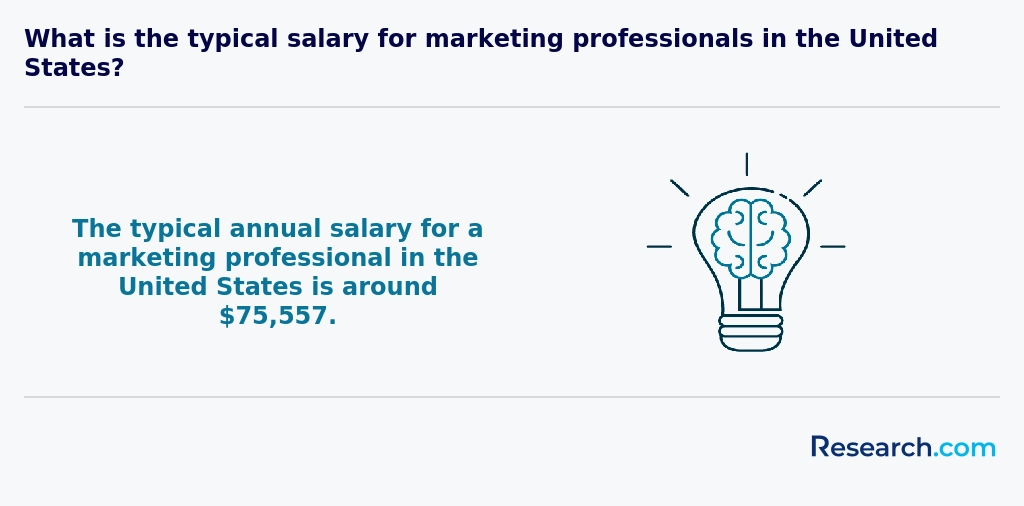
New Jersey’s diverse economy hosts an array of leading marketing employers and dynamic internship programs that give students hands-on experience and industry connections. Major corporations such as Campbell Soup Company, Prudential Financial, Johnson & Johnson, and Verizon regularly recruit from local universities, offering summer internships in digital marketing, brand management, and market research. In addition, fast-growing startups in Newark, Hoboken, and Jersey City provide agile environments where interns can take ownership of real campaigns and build a professional portfolio. To maximize your chances of landing a coveted position, attend career fairs hosted by the New Jersey American Marketing Association (NJ AMA) and leverage on-campus career centers at institutions like Rutgers University and Montclair State University. These resources often share exclusive postings for roles ranging from social media coordinator to consumer insights analyst. Alumni networks also play a crucial role; connecting with recent graduates on LinkedIn can open doors to unadvertised internships and mentorship opportunities. Many students balance affordability and quality by exploring programs beyond state lines. For example, prospective marketers seeking cost-effective options can refer to our Affordable Marketing Degree Programs Ranking in Saint Louis, MO to compare tuition rates and financial aid packages. By combining strategic internship placements with smart program selection, you’ll build the practical skills and professional network needed to launch a successful marketing career in New Jersey.
Marketing students in New Jersey often rely on a combination of federal, state, and institutional aid to manage costs effectively. Many graduates recall starting with the Pell Grant, which can provide up to $7,395 annually without the stress of repayment. At Rutgers or Seton Hall, merit scholarships based on GPA and leadership helped supplement this aid, brightening their financial outlook.
State-level support through the Tuition Aid Grant (TAG) is another key resource. This grant prioritizes in-state students pursuing undergraduate degrees in marketing at approved New Jersey schools, making it a practical option for local residents aiming to reduce tuition bills.
Working students frequently tap into employer tuition assistance programs offered by New Jersey's thriving marketing firms. This benefit not only eases financial burdens but also connects education directly to career advancement.
When loans are necessary, students can borrow up to $31,000 over their undergraduate career. While repayment is a serious commitment, combining loans with grants and scholarships creates a manageable plan and helps graduates stay motivated on their path.
To enroll in a marketing degree program in New Jersey, start by securing a high school diploma or equivalent, like a GED. Many students find that submitting SAT or ACT scores strengthens their application, though some schools, including Rutgers University-Newark, have adopted test-optional policies, making it easier to focus on your overall academic record. Graduates often share how crafting a strong personal statement and securing recommendation letters gave them an edge by showcasing their genuine interest in marketing.
Academic preparation matters: having solid skills in math, English, and social sciences helped many students grasp marketing concepts like consumer behavior and data analysis more quickly. For instance, those who attended community colleges with more flexible entry requirements still found placement tests invaluable for matching them with the right courses.
Applicants should also be ready to complete a formal admissions application and may need to demonstrate a minimum GPA. Many students remember how this clear criterion motivated them to maintain steady performance throughout high school, giving them confidence during admissions.

Marketing degree programs in New Jersey typically include courses that build both foundational business knowledge and specialized marketing skills. Graduates from well-known universities like Rutgers and Montclair State often recall starting with principles of marketing, where they learned about market segmentation, consumer behavior, and the four Ps-product, price, place, and promotion. This gives you a strong understanding of how to position products effectively in competitive markets.
Next, expect to dive into marketing research methods, mastering data collection and analysis-skills that proved essential when graduates worked on real campaigns involving local New Jersey businesses. Digital marketing courses are also key, with hands-on lessons in SEO, social media strategies, and email marketing, reflecting the state's high internet usage and thriving e-commerce scene.
Additionally, many students find business analytics and tools like Google Analytics help them predict consumer behavior and make smarter decisions. Electives in international marketing highlight New Jersey's global market connections, while ethics courses prepare you to lead responsibly in dynamic industries across the state.
Marketing degree specializations in New Jersey commonly include Digital Marketing, Marketing Analytics, Brand Management, and Sales Management. Graduates from prominent universities often praise Digital Marketing for hands-on experience with social media campaigns and SEO techniques, reflecting New Jersey's close ties to major cities like New York. Marketing Analytics is highly sought after, as students learn to transform consumer data into effective strategies, a skill that aligns with demand in New Jersey's growing data-driven job market.
Brand Management attracts students interested in shaping company images, especially within New Jersey's strong pharmaceutical and finance industries. Sales Management prepares future leaders to excel in customer relationship management and strategic sales, critical for regional success. Additional practical options include Advertising, Public Relations, and Consumer Behavior, each providing distinct insights into influencing market trends.
Students can explore these focus areas at well-known New Jersey schools, where alumni report feeling confident applying their skills locally. For those considering a communications career, these specializations offer solid pathways tailored to the state's business landscape.
Start by verifying the accreditation of the schools you're considering in New Jersey; programs at Rutgers University and Montclair State University, for example, are well-regarded and nationally accredited, ensuring quality education. Graduates from these universities often share how the combination of rigorous coursework and real-world projects shaped their confidence in marketing careers. Look for marketing degree programs in New Jersey that offer relevant specializations like digital marketing or market research, which align with your career goals and help develop practical skills in fast-growing industry areas.
Factor in tuition costs versus potential returns, especially since marketing graduates in New Jersey can expect a starting salary near $50,000. Public universities offer more affordable options compared to private ones, so explore affordable marketing degrees in New Jersey to balance investment and outcome. Being near business hubs like Newark or Jersey City exposes students to strong internship opportunities, a key reason why many local graduates secure jobs quickly after school.
Check employment outcomes-Rutgers Business School boasts over 85% job placement within six months-highlighting the benefits of career support services. For broader options and cost comparisons, consider reviewing the Affordable Marketing Degree Programs Ranking in Saint Louis, MO as a benchmark to understand value in marketing education.

Graduates with a marketing degree in New Jersey find a variety of practical career paths across local industries. Many start as Marketing Coordinators or Specialists, applying skills learned at institutions like Rutgers or Montclair State by creating and analyzing campaigns for nearby corporations. Others transition into roles such as Brand Manager or Digital Marketing Manager, where they oversee brand strategy or manage social media and SEO efforts. Jobs with marketing degree in New Jersey often reflect regional economic strengths, including finance and pharmaceuticals, providing robust opportunities right after graduation.
For example, recent graduates often share how internships in cities like Newark or Jersey City offer valuable hands-on experience that boosts their confidence and resumes. Market Research Analyst and Public Relations Specialist roles are common next steps, utilizing research and communication skills developed during their coursework. Those looking to expand further might pursue certifications or consider a master's program online 1 year to enhance career prospects.
The job market for a marketing degree in New Jersey is practical and steady, especially for graduates from well-known institutions like Rutgers University or Montclair State University. These students often find opportunities across key industries in the state, including pharmaceuticals, finance, and telecommunications. Many graduates share how internships secured through their colleges led directly to entry-level roles, making the transition smoother. Entry-level salaries typically range from $45,000 to $60,000, rising significantly with experience, especially for those specializing in digital marketing and data analytics.
Marketing career opportunities in New Jersey are strong due to the state's proximity to markets such as New York City and Philadelphia. Graduates appreciate how hands-on internships and local business partnerships build valuable, real-world skills. This practical exposure aligns with employer demands, boosting confidence and employability.
For students considering advanced qualifications, exploring what is the easiest doctorate can provide further career leverage and upward mobility in this growing job market.
2027 Best Marketing Degree Programs Ranking in New Jersey
Investing in your education is a significant decision that can shape your future, and the Research.com team understands the importance of making informed choices. To assist prospective students seeking marketing degrees in New Jersey, we have meticulously developed the "2027 Best Marketing Degree Programs Ranking in New Jersey." Our dedication to quality, credibility, and accuracy is demonstrated through thorough research and rigorous analysis.
We utilized the following reputable data sources to ensure a comprehensive evaluation of marketing programs:
By exploring this ranking, readers will gain valuable insights into the top marketing degree programs in New Jersey, empowering them to make well-informed educational decisions. For more details on our methodology, please visit our Research.com methodology page.


# 14 position
Fairleigh Dickinson University-Florham Campus
BA in Marketing

# 15 position
Berkeley College-Woodland Park
Bachelor of Science in Marketing


# 18 position
Fairleigh Dickinson University-Metropolitan Campus
Master of Business Administration in Marketing

# 20 position
Thomas Edison State University
Bachelor of Science in Business Administration in Marketing

Frequently Asked Questions About marketing
Marketing degree students in New Jersey can maximize their learning experience by combining classroom knowledge with practical exposure. New Jersey's proximity to major markets like New York City and Philadelphia offers abundant internship opportunities in diverse industries including pharmaceuticals, finance, and digital media. According to the New Jersey Department of Labor, internships improve job placement chances by up to 20% in the state's competitive marketing sector.
Students should also engage with professional organizations such as the American Marketing Association's New Jersey chapter for networking and industry insights. Furthermore, leveraging online marketing tools and data analytics software during study can provide a technical edge valued by employers across the region.
Marketing degrees in New Jersey now focus on several emerging niches driven by both technological advances and shifting consumer behavior. One fast-growing area is digital marketing analytics, where students learn to interpret data to improve campaign outcomes. New Jersey companies increasingly seek professionals skilled in SEO, content marketing, and social media strategy to engage diverse audiences.
Another significant niche is sustainable marketing, reflecting rising consumer demand for eco-friendly products. According to NJ's Department of Labor, green marketing roles have seen a 7% annual increase in job openings since 2020. Additionally, influencer marketing and personalized advertising are gaining traction, with New Jersey brands investing heavily in targeted digital campaigns.
Augmented reality (AR) marketing also presents new opportunities, especially in retail and real estate sectors, both important parts of New Jersey's economy. These emerging niches illustrate how marketing education adapts to state and national business trends.
After completing a marketing degree in New Jersey, graduates should begin preparing early for the competitive job market. Practical experience is key; internships with local companies or agencies in cities like Newark and Jersey City provide valuable hands-on skills and networking opportunities. According to the New Jersey Department of Labor, marketing roles in the state are expected to grow by 8% through 2030, emphasizing demand for skilled professionals.
Building a strong online presence, including a LinkedIn profile showcasing projects and certifications, increases visibility to recruiters. Additionally, understanding digital marketing tools, such as Google Analytics and social media platforms, aligns with employer expectations. Attending industry events and local marketing associations further connects graduates with job prospects.
Employers in New Jersey seek marketing graduates with strong digital marketing skills, given the state's competitive business environment. According to the New Jersey Department of Labor, over 60% of marketing roles require proficiency in social media management and data analytics. Communication abilities, including writing and presenting, remain essential for collaboration and client interaction. Additionally, creativity and problem-solving skills are highly valued to develop innovative campaigns in diverse industries like pharmaceuticals and finance, which are prominent in New Jersey. Familiarity with SEO and content marketing tools also increases employability. Adaptability and teamwork are often highlighted in job descriptions across the state's major metro areas.
Finding internships in New Jersey relevant to a marketing degree involves combining university resources with local industry connections. Many New Jersey colleges offer dedicated career services that provide internship listings and guidance. According to the New Jersey Department of Labor, the marketing sector in the state includes over 20,000 businesses, especially in metropolitan areas like Newark and Jersey City. Students should explore opportunities within diverse sectors such as retail, digital advertising, and public relations.
Networking through local business associations like the New Jersey Business & Industry Association can help applicants connect with employers. Additionally, platforms like Handshake and LinkedIn often feature region-specific internships. Attending job fairs at New Jersey universities also improves chances of securing competitive marketing internships.
A marketing degree significantly enhances career mobility and advancement opportunities in New Jersey's diverse job market. According to the U.S. Bureau of Labor Statistics, marketing-related positions in the state are projected to grow by 7% through 2031, exceeding the national average. This growth supports increased demand for skilled professionals. A degree equips students with essential skills like digital marketing, analytics, and strategic communication, which are highly valued by New Jersey employers across industries such as pharmaceuticals, finance, and technology.
Graduates often find accelerated access to mid- and senior-level roles, given the state's concentration of Fortune 500 companies. Furthermore, networking opportunities available through local universities strengthen professional connections, fostering career advancement. Overall, a marketing degree in New Jersey is a strong asset for long-term career development.
Studying for a marketing degree in New Jersey equips students with skills that go beyond traditional marketing techniques. Programs often integrate courses in data analytics, communication, and business strategy, reflecting the growing demand for professionals who can work across disciplines. Many New Jersey institutions emphasize experiential learning, allowing students to collaborate on projects with sectors such as technology, finance, and healthcare.
According to the New Jersey Department of Labor, marketing roles increasingly require digital literacy and cross-functional knowledge, making interdisciplinary education essential. The state's diverse economy encourages marketing graduates to adapt to different industry needs, promoting versatility and innovative problem-solving.
When deciding between a thesis and a non-thesis marketing degree program in New Jersey, consider your career goals and learning preferences. A thesis track typically involves in-depth research, ideal for students planning to pursue a PhD or roles in market analysis and academia. Non-thesis programs focus more on practical skills and coursework, suiting students aiming to enter marketing management or digital marketing directly.
In New Jersey, universities like Rutgers offer both options, reflecting national trends where about 60% of business master's students choose non-thesis paths for faster workforce entry (NCES, 2023). Evaluate your interest in research versus applied learning before choosing.
Students based in New Jersey interested in studying marketing abroad have multiple pathways available through their home institutions. Many New Jersey universities, including Rutgers University and Montclair State University, offer exchange programs with partner schools in Europe, Asia, and Latin America. These programs allow students to earn credits toward their marketing degrees while experiencing international business environments firsthand.
Additionally, some universities provide faculty-led summer study abroad courses focused on global marketing strategies. The New Jersey Institute of Technology has such short-term options targeting emerging markets.
Financial aid and scholarships specifically for study abroad are often accessible for New Jersey students, making international education more affordable. The Institute of International Education reports that New Jersey ranks among the top states for outbound study abroad participation, emphasizing its strong support network.
Overall, students in New Jersey have well-structured, institution-supported chances to study marketing abroad within the U.S. higher education framework.
Part-time job opportunities in New Jersey that complement marketing degree education are diverse and practical. Students often find roles in digital marketing, social media management, and content creation particularly beneficial. These positions allow hands-on experience with real marketing campaigns while applying classroom concepts.
Retail marketing roles in organizations such as the Mall at Short Hills or Jersey Gardens also provide valuable exposure to consumer behavior and promotional strategies. According to the New Jersey Department of Labor, marketing-related part-time jobs are expected to grow by 10% from 2022 to 2032, indicating robust opportunities for students.
Additionally, internships with local advertising agencies or nonprofits in cities like Newark and Jersey City offer network-building and portfolio development, crucial for career advancement.
Marketing students in New Jersey benefit from diverse networking opportunities through universities, professional organizations, and local industry events. Schools like Rutgers University and Seton Hall offer clubs and career fairs connecting students with marketing professionals. According to the New Jersey Business & Industry Association, active involvement in such events can increase internship and job placement rates by up to 35% for marketing majors.
The state's proximity to New York City also expands access to marketing conferences and workshops, enhancing professional connections. Groups like the American Marketing Association's New Jersey Chapter host regular meetings and webinars, fostering contacts with regional experts and businesses.
Alumni networks offer significant advantages to marketing degree students in New Jersey. These networks connect current students with graduates who have real-world experience in the local marketing industry. Engaging with alumni can provide mentorship opportunities, helping students navigate career choices and understand industry trends.
New Jersey's proximity to major metropolitan areas like New York City creates a rich professional environment. Alumni often serve as valuable contacts for internships and job placements within marketing firms statewide. According to the New Jersey Business & Industry Association, alumni connections increase job placement rates by approximately 20% for recent graduates.
Moreover, alumni networks facilitate access to exclusive workshops and events, keeping students updated on the latest marketing technologies and strategies.
Customizing a marketing degree in New Jersey involves selecting electives and concentrations that align with your career goals. Many universities offer options such as digital marketing, consumer behavior, or sales management. For example, students can focus on data analytics to target fast-growing sectors like healthcare and finance, which are prominent in New Jersey's economy, as reported by the New Jersey Business & Industry Association.
Internships and cooperative education programs are encouraged to gain regional experience. New Jersey hosts strong ties between academia and industry, providing students with practical marketing skills through local corporations and startups. Additionally, students can pursue certificates in social media marketing or market research to deepen expertise.
Advisors at New Jersey institutions often help tailor course loads to match specific interests and professional goals, ensuring a personalized education.
Marketing students in New Jersey often face several challenges that affect their academic and career growth. One common issue is balancing theoretical knowledge with practical experience, as many programs emphasize classroom learning but offer limited internship opportunities. According to the New Jersey Business & Industry Association, local businesses value hands-on experience, which can be hard for students to secure.
Another challenge involves keeping up with rapidly changing digital marketing trends. Students must stay updated on evolving tools like social media algorithms and data analytics, which require continuous learning beyond traditional coursework.
Additionally, competition for internships and entry-level jobs is intense. The state's proximity to major markets like New York City increases demand, making it difficult for some graduates to stand out.
With a marketing degree in New Jersey, graduates can pursue several professional certifications to enhance their career prospects. Popular certifications include the American Marketing Association's Professional Certified Marketer (PCM), which covers marketing management, digital marketing, and content marketing.
Another valuable credential is the Google Analytics IQ Certification, essential for careers involving data-driven marketing strategies. The HubSpot Content Marketing Certification is widely recognized for inbound marketing skills.
Obtaining these certifications can increase job opportunities and salary potential in New Jersey's competitive market, where marketing roles are growing faster than the national average according to the New Jersey Department of Labor.
Applying for a marketing degree program in New Jersey requires careful preparation. Start by researching the specific admission requirements of the institutions you are interested in, such as Rutgers University or Montclair State University, which are well-regarded for business and marketing studies.
Focus on crafting a clear and compelling personal statement. Highlight your passion for marketing and any relevant experience, internships, or coursework. Data from the National Center for Education Statistics shows that over 6,000 students enroll annually in marketing-related majors in New Jersey, indicating strong competition.
Maintain a competitive GPA, generally above 3.0, to meet most program standards. Also, include strong letters of recommendation that speak to your academic abilities and professional potential. A well-rounded application improves your chances in New Jersey's competitive market.
A marketing career offers diverse opportunities worldwide, with growing emphasis on digital strategies and global market trends. In the United States, and specifically New Jersey, marketing professionals benefit from the state's proximity to New York City, a major business hub fostering international trade and innovation. According to the U.S. Bureau of Labor Statistics, marketing management jobs in New Jersey are projected to grow about 10% from 2022 to 2032, faster than the average for all occupations.
Globally, companies seek marketers who understand cross-cultural communication and data analysis techniques. Skills gained in New Jersey's marketing programs often align well with global business needs, enhancing graduate employability. Additionally, New Jersey's diverse economy-spanning pharmaceuticals, finance, and technology-provides practical experience relevant to international markets.
Gaining practical experience while studying for a marketing degree in New Jersey is essential to build skills and improve job prospects. Many universities in New Jersey offer internship programs with local businesses, which provide hands-on marketing experience. According to the New Jersey Department of Labor, industries such as advertising, public relations, and digital marketing are growing, creating ample internship opportunities.
Students can also participate in campus-sponsored marketing clubs and competitions that simulate real-world challenges. Additionally, cooperative education (co-op) programs combine coursework with paid work experience, helping students apply what they learn in a professional setting. Networking events and career fairs hosted by institutions can connect students to marketing professionals across the state.
Choosing the right concentration within a marketing degree program in New Jersey involves researching local industry demands and your personal career goals. Key concentrations include digital marketing, brand management, and market research, each aligning with different job roles in the state's dynamic economy.
New Jersey's proximity to major cities like New York and Philadelphia influences marketing trends, especially in digital marketing and analytics. According to the New Jersey Department of Labor, marketing analyst jobs in the state are expected to grow 8% through 2030, signaling strong demand for data-focused skills.
Students should consider internships and networking opportunities available locally, as New Jersey hosts numerous pharmaceutical, retail, and financial firms with marketing departments. Aligning your concentration with industries thriving in the state can enhance employment prospects.
Lastly, review the curriculum of prospective schools to ensure concentrations offer practical and theoretical balance, preparing you for certifications or advanced digital tools popular in today's market. This strategic approach can help tailor your education for New Jersey's competitive marketing landscape.
- 2027 Best Marketing Degree Programs Ranking in New York
- 2027 Best Marketing Degree Programs Ranking in Rhode Island
- 2027 Best Marketing Degree Programs Ranking in Massachusetts
- 2027 Best Marketing Degree Programs Ranking in Ohio
- 2027 Best Marketing Degree Programs Ranking in New Hampshire
- 2027 Best Marketing Degree Programs Ranking in North Carolina
- 2027 Best Marketing Degree Programs Ranking in South Carolina
- 2027 Best Marketing Degree Programs Ranking in Maine
- 2027 Best Marketing Degree Programs Ranking in Georgia
- 2027 Best Marketing Degree Programs Ranking in Illinois
See What Experts Have To Say About Studying Marketing
Read our interview with Marketing experts

Sonya A. Grier, Ph.D.
Marketing Expert
Professor, Department of Marketing
American University

John R. Meindl
Marketing Expert
Adjunct Assistant Professor of Marketing
Hofstra University

- The skills that will get you a graduate job in marketing https://targetjobs.co.uk/careers-advice/marketing-advertising-and-pr/skills-will-get-you-graduate-job-marketing
- Why study Marketing? https://blogs.tees.ac.uk/students/2024/04/15/why-study-marketing-2/
- Solving Education Sector Challenges with Digital Marketing | MOI https://www.ministryofinnovation.co.uk/digital-marketing-that-solve-the-education-sectors-challenges/
- Best Marketing Certifications for Your Marketing Career https://www.business.com/articles/guide-to-marketing-certifications/
- The guide to marketing and marketing jobs: Everything I wish I had known when I started | The Marketing Meetup https://themarketingmeetup.com/blog/the-guide-to-marketing/
- 15 Marketing Certifications to Build Must-Have 2025 Skills https://www.cmswire.com/digital-marketing/10-marketing-certifications-that-can-help-you-earn-a-better-salary/
- Marketing personal statement examples and tips from applicants | Master's | Warwick Business School https://www.wbs.ac.uk/blogs/student/masters/marketing-personal-statement-examples-and-tips-from-applicants/
- Tips for Marketing Students - Impact Marketing https://impactmt.com/tips-for-marketing-students/
- How to use growth marketing in an alumni network context? - AlumnForce https://www.alumnforce.com/en/how-to-use-growth-marketing-in-an-alumni-network-context/
- Reaching Graduate and Adult Learners Action Plan https://www.encoura.org/action-plan/reaching-graduate-and-adult-learners-full/