2027 Most Valuable Human Resources Degree Programs Ranking in Idaho

Co-Founder and Chief Data Scientist
Choosing the right human resources degree program can shape your future career and open doors in Idaho's job market. This article introduces the 2027 Most Valuable Human Resources Degree Programs Ranking in Idaho, created by the Research.com team of data scientists. It's designed to help you make an informed decision about which programs offer the greatest value.
Exploring this ranking will give you clarity and confidence when selecting a degree that matches your goals. Earning a human resources degree can lead to rewarding opportunities, and understanding your options is the first step toward success.
Key benefits of getting human resources degree in Idaho
- Graduates with a human resources degree in Idaho can expect competitive salaries, such as $76,060 annually for roles like Recruitment Coordinator, Employee Relations Specialist, and Human Resources Assistant, offering financial stability.
- Career paths are diverse, including positions in recruitment, training, and employee relations, as seen in graduates from Boise State University, providing many opportunities to grow and specialize.
- Online human resources degrees from institutions like the University of Idaho offer flexibility and convenience, allowing students to balance work and study while gaining valuable skills for successful careers.
- 2027 Most Valuable Human Resources Degree Programs Ranking in Idaho
- What can I expect from human resources degree in Idaho?
- Where can I work with human resources degree in Idaho?
What can I expect from human resources degree in Idaho?
The average cost of earning a human resources degree in Idaho varies depending on the institution and program level, but students typically find it affordable compared to other states. For example, at Boise State University, many graduates report paying between $7,000 and $9,000 per year in tuition for their bachelor's degree in business administration with an HR emphasis. Community colleges offering associate degrees in HR often charge significantly less, sometimes under $4,000 annually, making them a practical option for budget-conscious students.
Graduates often highlight how the cost aligns well with the on-campus support and internship opportunities available, which are crucial for real-world experience. These practical elements, emphasized at schools like the College of Western Idaho, help students build networks and secure jobs quickly after graduation. The affordability combined with strong program quality helps make Idaho a welcoming place for those looking to start a competitive career in human resources without overwhelming debt.
Financial aid, scholarships, and work-study programs at Idaho institutions further ease costs, making a degree pursuit feasible for many local students aiming to grow in HR fields.
Where can I work with human resources degree in Idaho?
With a human resources degree from schools like Boise State University or the College of Western Idaho, graduates find diverse job prospects in Idaho's growing economy. Many land roles in private companies across technology, healthcare, manufacturing, and retail, where they manage recruiting, employee relations, and training programs. For example, recent graduates describe exciting experiences working with Boise's booming IT firms, helping shape workplace culture and support business expansion.
Others pursue public sector careers at state agencies like the Idaho Department of Labor or city governments. These roles focus on workforce management, labor relations, and civil service compliance, offering stability and meaningful impact in public service. Graduates appreciate the clear career progression and steady demand for HR professionals in these government positions.
Additionally, educational institutions-such as universities and community colleges-hire HR specialists for managing faculty recruitment and compliance with education laws. The flexibility of remote work also broadens options, allowing graduates to consult for businesses statewide or work for national companies with regional offices in Idaho. This variety ensures students can tailor their paths to fit personal goals and lifestyles.
Graduates from human resources programs at Idaho State University or Boise State University can expect starting salaries in roles like Human Resources Assistant or Human Resources Generalist around $76,060 annually, according to recent data. This figure offers a reliable baseline for entry-level HR positions across Idaho's growing job market.
More specialized roles, such as Recruitment Coordinator or Employee Relations Specialist, share similar mean wages near $76,060 per year, reflecting steady compensation for graduates applying their skills in typical HR functions. Training and Development Coordinators average slightly less at about $71,980 annually but benefit from career advancement opportunities that boost earnings over time.
Many Idaho HR graduates report satisfaction with the competitive salaries, especially when combined with additional certifications or experience. For instance, working in Boise's urban environment often leads to higher wages compared to rural areas, aligning with local industry demands. Pursuing advanced credentials or certifications can further raise earning potential within HR fields that fit various campus internship experiences and networking opportunities across the state.
- Tuition for a bachelor's degree in human resources at public colleges in Idaho ranges from $7,000 to $9,000 per year for in-state students, while private colleges may charge over $20,000 annually.
- Entry-level salaries for human resources graduates in Idaho start between $45,000 and $50,000 per year, increasing to $65,000 to $75,000 with experience and certifications.
- Idaho's human resources job market is expected to grow about 8% over the next decade, matching the national average for this field.
- Many Idaho HR programs offer degrees combining business and management with a focus on internships and practical experience.
- Employers in Idaho often prefer HR candidates with certifications like SHRM-CP or PHR, which can enhance career growth and salary potential.
Completing a human resources degree in Idaho usually fits within clear timeframes depending on your educational goals and lifestyle. If you're aiming for an associate degree, community colleges such as the College of Southern Idaho or the College of Western Idaho frequently offer programs that wrap up in about two years. Graduates have found this pace practical for diving quickly into entry-level HR roles.
For a bachelor's degree, expect to spend around four years studying full-time. Many students at Boise State University or Idaho State University appreciate the flexibility these schools offer with evening and online classes, allowing them to balance jobs and coursework without stretching beyond five years. Part-time students share positive experiences about managing their schedules without overwhelming stress.
If you already hold a bachelor's and want a master's or an MBA with an HR focus, plan on about two years of full-time study. Several Idaho institutions present accelerated or part-time options, enabling graduates to tailor completion times based on personal commitments and career demands.
As the human resources field evolves with technological advancements and shifting workplace cultures, it is essential for prospective students and professionals to understand emerging trends that will shape the future of HR. Digital transformation is rapidly influencing HR functions, from data-driven recruitment strategies to innovative employee engagement platforms. With artificial intelligence, automation, and cloud-based solutions becoming integral to workforce management, HR professionals are now expected to be agile problem-solvers who can interpret analytics and drive strategic initiatives. Furthermore, diversity, equity, and inclusion initiatives continue to gain momentum, prompting organizations to prioritize inclusive hiring practices and comprehensive training programs. This trend not only strengthens company culture but also enhances innovation across organizations. As a result, HR programs are increasingly integrating courses on change management and digital HR tools to prepare graduates for these dynamic roles. For students researching degree options, understanding these industry shifts is crucial as it influences curriculum development and the practical skills required in the workplace. Institutions that provide a blend of theoretical knowledge and hands-on digital training are becoming highly sought-after, much like those highlighted among affordable human resources schools in idaho. Staying informed about these trends can offer a competitive edge in career planning, ensuring that graduates are not only ready for today’s demands but are also poised to become future leaders in the evolving landscape of human resources.
On-campus human resources degrees in Idaho offer direct, face-to-face learning, ideal for those who thrive on personal interaction. Graduates from Boise State University often recall the value of in-person discussions and group projects that built strong networks early on. These programs provide access to physical resources like HR labs and career centers, which help students gain hands-on experience and immediate professor feedback.
Online HR degrees, such as those from Idaho State University, attract working adults needing flexible schedules. Students appreciate studying at their own pace without commuting, balancing family and jobs smoothly. Virtual classrooms, discussion boards, and simulation tools create an interactive but remote environment, mixing convenience with accredited content based on SHRM standards.
Cost differences also matter. Online students in Idaho typically pay 10-30% less in tuition, saving money on housing and travel. Ultimately, the choice depends on your lifestyle: seek in-person engagement and campus resources, or opt for flexible, budget-friendly online learning that still ensures quality education.
Earning a Human Resources degree lays a solid foundation, but securing industry-recognized certifications-such as the SHRM-CP, PHR, or SPHR-can significantly boost your marketability and salary potential. Many Idaho programs integrate preparatory courses for these exams, ensuring you master topics like talent acquisition, employment law, and strategic workforce planning. After graduation, you can pursue certifications through organizations like the Society for Human Resource Management (SHRM) or the HR Certification Institute (HRCI), both of which offer study materials, practice exams, and online workshops. Continuing education also plays a crucial role in staying current with evolving workplace regulations and technologies. Idaho State University and Boise State University frequently host webinars on emerging HR trends-such as artificial intelligence in recruitment and advanced HR analytics-allowing alumni to earn recertification credits without disrupting their careers. Professional development courses in conflict resolution, diversity and inclusion, and compensation design further deepen your expertise and qualify you for senior roles like HR Director or Talent Management Lead. For those balancing work with further study, exploring affordable online pathways can broaden your options: check out our Low Cost Online Human Resources Degree Programs Ranking in Georgia to compare cost-effective alternatives. By combining your Idaho degree with targeted certifications and workshops, you’ll demonstrate both specialized knowledge and a commitment to lifelong learning-key factors that hiring managers value in today’s competitive HR landscape.
The average cost of a human resources degree in Idaho varies significantly depending on residency and institution choice. For in-state students attending public universities such as Boise State University or Idaho State University, the median total cost-including tuition and fees-is approximately $8,829. This makes pursuing an HR degree more affordable for local students who plan carefully and take advantage of in-state tuition rates.
Out-of-state students face a median total cost near $39,057, which aligns with experiences shared by graduates who had to budget carefully to manage tuition fees that are often two to three times higher than in-state rates. Private institutions in Idaho tend to charge similar amounts, contributing to this median figure. When planning expenses, it's essential to remember these numbers reflect tuition alone and don't fully capture living costs or supplies.
Graduates from Idaho universities often highlight the value of scholarships and financial aid in making their education economically viable. Many students recommend exploring options like targeted scholarships for human resources majors or business students to reduce the raw financial burden. Additionally, researching affordable housing and budgeting for books and transportation can help manage overall expenses, providing a realistic plan to complete an HR degree without excessive debt.
For those researching the most accessible path, consulting resources on the affordable human resources schools in Idaho can uncover options that balance cost and quality effectively. Focusing on cost helps Idaho students pursue their career goals confidently in HR without unforeseen financial strain.

Students pursuing a human resources degree in Idaho can tap into several practical financial aid options to manage tuition and expenses. For instance, graduates from Boise State University often highlight filling out the FAFSA as their first step, unlocking access to federal aid like the Pell Grant, which offers up to $7,395 annually for those with financial need. This grant can significantly reduce the cost burden while studying.
State-funded programs provide another lifeline. The Idaho Opportunity Scholarship helps students who maintain a minimum GPA while enrolled full-time at colleges such as the College of Southern Idaho. Many graduates recall how this scholarship eased their tuition payments and allowed them to focus more on coursework than finances.
Institutional scholarships and work-study positions are also widely available at Idaho schools with human resources programs, providing flexible, campus-based support. Private scholarships from groups like the SHRM Foundation offer targeted aid, sometimes covering thousands, making real-world study goals more attainable.
Federal loans remain a practical choice for remaining costs but should be approached cautiously to avoid excess debt. Combining these aid sources creates a strong financial foundation, making a human resources degree in Idaho more accessible and less stressful.
To enroll in a human resources degree program in Idaho, the first step is securing a high school diploma or GED, which is the baseline for all bachelor's admissions. For example, graduates from popular Idaho universities often share how meeting this requirement felt like unlocking access to their HR journey.
You'll need official high school transcripts demonstrating solid performance, especially in English, social studies, and math. These subjects build the critical thinking and communication skills essential in HR roles. Some programs also look for SAT or ACT scores, though many Idaho colleges have become test-optional, easing entry for students with strong GPAs.
If you're transferring from another college, ensure your transcripts reflect completed general education credits and a minimum GPA-usually around 2.0 to 2.5. Many students found that reviewing their coursework in business or psychology beforehand helped prepare them for advanced HR classes at leading Idaho schools.
Preparing ahead by meeting these clear expectations can make the admission process smoother and more encouraging as you move toward a rewarding HR career in Idaho.

If you enroll in a human resources degree program at a college like Boise State University or the College of Southern Idaho, expect to dive into practical courses designed to build strong HR foundations. Graduates often mention that starting with Introduction to Human Resource Management helped them confidently handle real-world tasks like hiring and employee relations during internships.
Courses in Employment Law are essential, teaching you the legal framework affecting workplaces in Idaho, which keeps graduates prepared to manage compliance confidently. Hands-on learning about Compensation and Benefits equips students with skills to design fair salary and benefits packages, directly applicable to entry-level HR roles.
Most Idaho programs also emphasize Recruitment and Selection and Performance Management, which provide strategies to find the right talent and boost employee productivity-key challenges students regularly describe facing during their early careers.
Graduates value electives like business ethics and data analytics, which help tackle Idaho's diverse workforce challenges with a tech-savvy and ethical approach, preparing you to thrive in fast-evolving workplaces.
Idaho's human resources degrees typically offer several valuable specialization options that prepare students for distinct career paths. Common concentrations include Talent Acquisition and Recruitment, where graduates gain practical skills in sourcing and hiring the right candidates-essential for workforce planning in growing Idaho companies. Another area is Employee Relations and Labor Management, focusing on conflict resolution and union negotiations, which is especially relevant in regions with strong labor unions.
Graduates pursuing Compensation and Benefits learn to design competitive pay and benefits structures, a crucial skill in retaining top talent in Boise State University's programs. The Training and Development specialization equips students to build effective employee programs, improving overall organizational performance. Diversity, Equity, and Inclusion (DEI) is increasingly central, helping students foster inclusive work environments downtown and beyond, reflecting Idaho's evolving workforce needs. These Idaho HR degree concentration areas attract students seeking focused expertise.
Many have found these practical tracks helpful when balancing affordability with career goals, especially considering tuition ranges from $7,000 to $10,000 annually for in-state public universities. For more affordable online options, one might explore the Low Cost Online Human Resources Degree Programs Ranking in Georgia that expand accessible pathways while living in Idaho.
Start by verifying the accreditation of Idaho institutions offering human resources degrees. Graduates from Boise State University often share how the regional NWCCU accreditation boosted their confidence when applying for jobs. Look for programs aligned with SHRM standards to enhance credibility and prepare you for real-world HR challenges.
Consider the curriculum carefully. Many students at Idaho State University found that programs emphasizing talent acquisition and organizational development matched the demands of local industries like technology and manufacturing. Choosing a degree that offers specialization helps tailor your skills to Idaho's job market.
Affordability is another key factor. Community colleges in Idaho provide some of the most affordable human resources degrees in Idaho, with tuition rates around $3,800 annually, a compelling option for budget-conscious students. Comparing these costs with public university tuition can help you pick a plan that fits your finances.
Graduates frequently mention the benefit of schools offering strong career services and internships. Boise State's partnerships with local employers create smooth job placement pathways, a practical consideration given Idaho's 5% projected growth in HR roles. If you need flexibility, also explore options like a fast bachelor's degree online, ideal for working professionals balancing education and life.
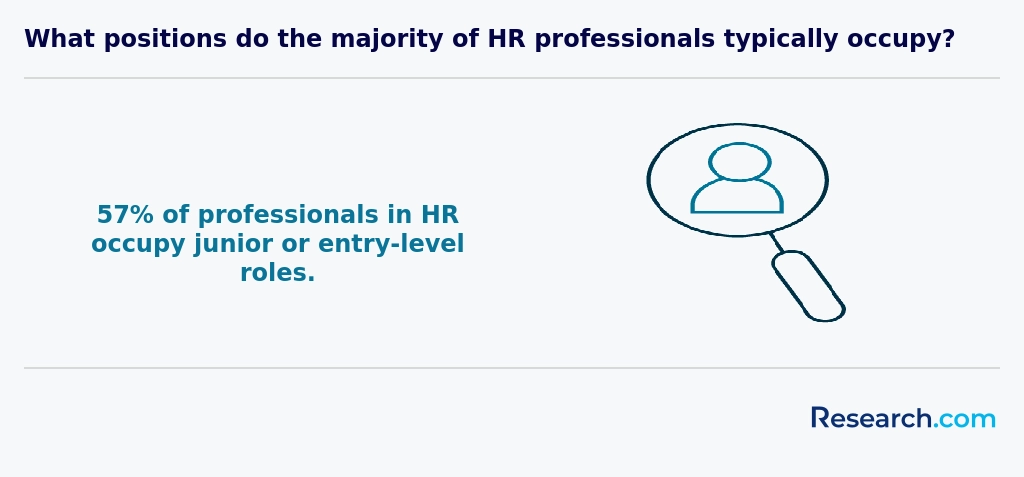
Graduates of human resources degree programs in Idaho can pursue a range of practical career paths tailored to the state's growing industries. Many start as human resources specialists or recruiters, building hands-on experience with employee relations and talent acquisition at institutions like Boise State University or the College of Southern Idaho. These roles offer steady entry points for those eager to dive into workforce management. With experience, graduates expand into positions such as training and development coordinators or benefits administrators, which provide opportunities to shape company culture and employee satisfaction.
For those seeking advancement, becoming an HR manager is a realistic goal, especially in Idaho's healthcare and manufacturing sectors where leadership demand is rising. Students report that gaining certifications like the PHR or SHRM-CP alongside their degree enhances job prospects significantly. Considering the variety of roles, exploring labor compliance or diversity and inclusion officer positions offers specialized paths aligned with Idaho's evolving workforce needs. For guidance on further programs, graduates often research options through resources like easy phd paths available regionally.
Understanding these Idaho human resources degree job prospects helps set actionable career goals aligned with local economic growth.
The human resources job outlook Idaho offers is encouraging, with a projected employment growth of about 7% through 2031. Graduates from well-regarded institutions such as Boise State University often find this growth supports strong entry-level opportunities in diverse sectors including healthcare, technology, and manufacturing. Many recent graduates report quickly moving into roles managing recruitment and employee compliance, especially when combined with certifications like SHRM-CP.
Idaho HR career opportunities are further boosted by affordable in-state tuition fees at public universities, typically ranging from $8,000 to $12,000 annually, making it easier for students to enter the workforce without heavy debt. Alumni from Idaho State University appreciate how the local industry connections and organizations, like SHRM Idaho State Council, help them secure internships and jobs soon after graduation. Those looking to advance their education might explore options like a shortest masters program to increase their marketability.
2027 Most Valuable Human Resources Degree Programs Ranking in Idaho
Investing in your education is a significant decision that can shape your future, and the Research.com team understands the importance of making informed choices. To assist prospective students in Idaho, we have meticulously crafted the "2027 Most Valuable Human Resources Degree Programs Ranking in Idaho." Our commitment to quality, credibility, and accuracy is reflected in the extensive research and analysis conducted to compile this ranking.
We utilized the following reputable data sources to ensure a comprehensive evaluation of human resources programs:
By exploring this ranking, readers will gain valuable insights into the most valuable human resources degree programs available in Idaho, empowering them to make well-informed decisions about their educational pathways. For more details on our methodology, please visit our Research.com methodology page.

# 2 position
Idaho State University
Bachelor of Science in Human Resource Management


# 4 position
Idaho State University
Master of Science in Human Resource Development M
Frequently Asked Questions About human resources
Students pursuing human resources degrees in Idaho can enhance their learning by engaging actively with local internships and cooperative education programs. Idaho's growing industries, such as technology and manufacturing, offer practical HR experience valuable for applying classroom knowledge. According to the Idaho Department of Labor, the demand for HR specialists is projected to grow by 7% through 2030, highlighting the benefit of gaining hands-on skills.
Networking is also essential. Joining professional organizations like the Idaho Society for Human Resource Management provides access to workshops, certifications, and industry events. Combining academic studies with real-world experience strengthens resumes and deepens understanding of Idaho's unique workforce landscape.
The human resources field is evolving rapidly, with several emerging niches gaining attention among professionals and students alike. In Idaho, areas such as HR analytics are becoming increasingly important, allowing companies to make data-driven decisions to improve workforce management.
Another growing niche is diversity, equity, and inclusion (DEI), reflecting broader societal shifts and legal requirements. Employers seek HR experts who can develop effective DEI strategies and foster inclusive work environments.
Additionally, talent acquisition through digital recruitment and remote workforce management are key areas, especially as Idaho businesses adapt to technological changes and hybrid work models.
According to the Idaho Department of Labor, HR specialist roles focused on these niches grew by 6% from 2021 to 2023, indicating strong regional demand.
After earning a human resources degree in Idaho, graduates should focus on gaining practical experience to improve job prospects. Internships and volunteer roles in local organizations offer valuable insights into workplace dynamics and HR functions. Networking is essential; joining Idaho's HR chapters affiliated with the Society for Human Resource Management (SHRM) can connect graduates with professionals and job openings.
The Idaho Department of Labor reports a growing demand for HR specialists, with a 5% employment increase projected through 2028. Earning nationally recognized certifications, such as SHRM-CP or PHR, can further demonstrate expertise to employers.
Continuous learning in labor laws and technology is critical, as HR roles increasingly involve compliance and digital tools management.
Employers in Idaho highly value human resources graduates who demonstrate strong communication and interpersonal skills. These abilities are essential for managing employee relations and fostering a positive workplace culture. Additionally, expertise in employment law and understanding federal and state regulations is critical due to Idaho's specific labor standards.
Proficiency in HR technology, such as applicant tracking systems and payroll software, is increasingly important as digital tools streamline HR tasks. Data analysis skills also stand out, enabling HR professionals to make informed decisions based on workforce metrics.
According to the Idaho Department of Labor, candidates skilled in conflict resolution and ethical decision-making are in higher demand, reflecting the state's focus on compliant and fair employment practices.
Finding internships in Idaho relevant to a human resources degree involves several strategic steps. Start by exploring career services at Idaho colleges such as Boise State University or the College of Idaho, which often partner with local businesses for internship placements. According to the Idaho Department of Labor, human resources internships are increasingly available in Boise and surrounding urban areas due to growth in healthcare and tech industries.
Networking is key; join statewide groups like the Idaho Human Resources Association to access internship listings and professional events. Online job boards, including local platforms and national sites like Handshake, also list HR internships specifically in Idaho. Many employers prefer candidates enrolled in accredited programs, so maintaining strong academic standing helps.
Obtaining a human resources degree in Idaho can significantly enhance career mobility and advancement opportunities. According to the U.S. Bureau of Labor Statistics, Idaho's employment of human resources specialists is projected to grow by 7% from 2022 to 2032, faster than the national average. This growth creates demand for qualified HR professionals who understand state-specific labor laws and business practices.
Employers in Idaho increasingly prefer candidates with formal HR education. A degree provides foundational knowledge in areas like recruitment, compliance, and employee relations, which are critical for managerial roles. Additionally, many Idaho companies require or favor certifications, which are more accessible to degree holders.
Beyond entry-level positions, an HR degree supports upward mobility into leadership roles such as HR manager or director. The degree also opens doors to specialized areas like compensation management, benefiting professionals seeking career growth within Idaho's diverse industries.
Studying for a human resources degree in Idaho equips students with skills that cross multiple disciplines, preparing them for various roles beyond traditional HR functions. Idaho programs often emphasize business management, labor relations, psychology, and communication, reflecting the interdisciplinary nature of HR work.
Idaho's growing industries, such as manufacturing and technology, demand HR professionals who understand legal compliance, employee development, and organizational strategy. According to the Idaho Department of Labor, HR specialists in the state are expected to grow by 10% through 2030, highlighting the need for versatile skills.
Courses commonly include conflict resolution, employment law, and data analysis, enabling graduates to collaborate effectively across departments. This interdisciplinary approach is vital as modern HR increasingly involves strategic planning, analytics, and fostering workplace culture.
When choosing between a thesis and a non-thesis human resources degree program in Idaho, consider your career goals. Thesis programs often prepare students for research, doctoral studies, or roles requiring strong analytical skills. Non-thesis options focus more on practical coursework and are suited for professionals aiming for HR management or certification.
Data from the U.S. Department of Education shows that Idaho universities offering human resources degrees with thesis options attract fewer students, reflecting their specialized nature. Meanwhile, the Idaho Department of Labor forecasts a 6% growth in HR jobs by 2028, emphasizing practical skills.
Assess time commitment and faculty expertise. Thesis programs generally require 6-12 months dedicated to research, while non-thesis routes may graduate faster.
Consider accreditation and program flexibility, especially if you plan to work full-time.
Students in Idaho interested in studying human resources abroad often explore exchange programs and partnerships offered by their home institutions. For instance, Boise State University and the University of Idaho have various international agreements enabling students to take courses overseas while earning credits toward their degrees.
Another common route is enrolling in online or hybrid programs from globally recognized universities, which allow Idaho residents to gain international perspectives without relocating. These programs often include virtual internships or collaborative projects with overseas companies.
While Idaho itself does not have a dedicated study-abroad program specifically for human resources, students can leverage university resources like the Office of International Programs for guidance on scholarships and visa requirements.
According to the National Center for Education Statistics, approximately 7% of U.S. undergraduates participated in study abroad programs in recent years, reflecting a growing trend among Idaho students to pursue global HR education opportunities.
Part-time job opportunities in Idaho can significantly complement education in human resources (HR) by providing practical experience alongside academic learning. Many HR students find roles such as HR assistant, recruiting coordinator, or payroll clerk in local businesses and public agencies. These positions allow students to develop skills in employee relations, recruitment processes, and payroll management.
According to the Idaho Department of Labor, the state's professional and business services sector, which includes HR roles, has steadily grown over recent years, offering steady part-time employment options. Additionally, internships with Boise-area companies or government offices can serve as valuable experience, exposing students to real-world HR challenges.
Such roles often involve flexible hours, ideal for students balancing coursework. Gaining firsthand experience working with HR software and understanding Idaho's labor laws enhances practical knowledge and improves employability upon graduation.
Human resources students in Idaho have multiple networking opportunities that can enhance their education and career prospects. Many universities, such as Boise State University, offer access to local chapters of national HR organizations like the Society for Human Resource Management (SHRM). These chapters provide events, workshops, and guest speakers specifically focused on HR trends in Idaho's growing business sectors.
The Idaho Human Resource Association (IHRA) is another key resource where students and professionals connect through conferences and training sessions. In 2023, IHRA reported over 500 active members statewide, highlighting a strong local network.
Internship placements in Boise and other cities help students build practical connections in regional companies, crucial for gaining job opportunities after graduation. Additionally, attending statewide career fairs often hosted by educational institutions further supports networking with HR employers in Idaho's various industries.
Alumni networks play a critical role for human resources degree students in Idaho by providing direct access to professionals working in local industries. Graduates from Idaho universities, such as Boise State University and the University of Idaho, often participate in these networks to share job leads and career advice specific to the state's job market.
In Idaho, where HR roles are growing alongside sectors like manufacturing and health care, alumni connections help students navigate opportunities. According to the Idaho Department of Labor, HR employment in the state has increased by around 7% over recent years, emphasizing the value of strong networks.
Additionally, alumni events offer mentorship, internships, and workshops that enhance real-world skills beyond classroom learning. These networks also foster community ties, helping students build relationships essential for professional growth within Idaho's smaller metropolitan areas.
Customizing a human resources degree in Idaho allows students to align their education with specific career goals. Many Idaho institutions offer elective courses in areas like organizational leadership, labor relations, and employment law. These options enable students to specialize in sectors such as healthcare, manufacturing, or government. Some programs also provide internship opportunities with Idaho-based companies, fostering practical experience.
Students can often choose between certificate tracks focused on HR management or employee relations, enhancing their expertise in targeted fields. According to the Idaho Department of Labor, HR roles in the state are projected to grow by 7% through 2030, emphasizing the value of tailored skills. Exploring program offerings helps identify pathways best suited for individual ambitions.
Human resources students in Idaho often face challenges related to limited local internship opportunities. Idaho's smaller urban centers mean fewer large firms with established HR departments, which can restrict practical experience. According to the Idaho Department of Labor, many HR roles are concentrated in Boise and a handful of other cities, limiting access for students in rural areas.
Additionally, navigating the evolving legal landscape in employment law is complex. Students must stay updated on federal and state-specific regulations, such as Idaho's unique workers' compensation rules. This requires strong research and critical thinking skills, making coursework demanding.
Finally, balancing part-time work with studies is a common issue, as the average Idaho student often finances education through employment due to comparatively lower financial aid availability.
With a human resources degree in Idaho, you can pursue several key professional certifications that enhance career prospects. The most recognized is the Professional in Human Resources (PHR) certification, offered by the HR Certification Institute (HRCI). It validates foundational HR skills and knowledge important for many Idaho employers.
Another popular credential is the SHRM Certified Professional (SHRM-CP), awarded by the Society for Human Resource Management. This credential is widely accepted across the U.S. and supports skill development in HR management.
In Idaho's growing job market, certified HR professionals often report higher earning potential and better advancement opportunities. According to the U.S. Bureau of Labor Statistics, HR specialists in Idaho earn a median annual wage around $58,000, a figure that tends to increase with certifications.
Other specialized certifications include the Senior Professional in Human Resources (SPHR) for advanced roles and the Certified Compensation Professional (CCP) for those focusing on pay and benefits.
Applying to a human resources program in Idaho requires a focused and well-prepared application. Start by highlighting relevant experiences, such as internships or work in HR-related roles. Emphasize skills like communication, conflict resolution, and organizational abilities, which are critical in this field. Research shows Idaho's HR job market is projected to grow by 7% from 2020 to 2030, underscoring the need for qualified professionals (Bureau of Labor Statistics).
Include a clear statement of purpose explaining your career goals and why an Idaho-based program suits your ambitions. Maintain accuracy in your academic records and provide strong letters of recommendation from professionals familiar with your work ethic and potential.
Applicants should also demonstrate an understanding of Idaho's unique workforce landscape, which includes sectors like agriculture and technology that rely heavily on HR expertise. Programs in Idaho value applicants who show dedication to local employment trends and workforce development.
The global perspective on a human resources (HR) career emphasizes the growing importance of strategic workforce management in an interconnected world. HR professionals in the US, including Idaho, must understand international labor laws, cultural diversity, and global talent acquisition. According to the U.S. Bureau of Labor Statistics, HR specialists are expected to grow 7% nationwide between 2021 and 2031, reflecting steady demand.
In Idaho, businesses increasingly seek HR graduates who can manage diverse workforces and comply with both state and federal regulations. Globalization influences HR roles by requiring knowledge of remote team management and cross-border employment practices. This makes an HR degree valuable for careers not limited to local markets but extending internationally.
Gaining practical experience while studying for a human resources degree in Idaho is vital for career readiness. Many Idaho colleges, including Boise State University and the University of Idaho, offer internship opportunities through partnerships with local businesses. These internships allow students to apply classroom knowledge to real-world HR scenarios.
Additionally, volunteering or part-time work in HR departments of Idaho companies provides hands-on experience. Joining student HR associations or clubs can help network with professionals and access job fairs in the region.
The Idaho Department of Labor reports steady HR job growth, emphasizing the importance of practical skills for job placement after graduation.
Choosing the right concentration within a human resources (HR) degree in Idaho involves understanding local employment trends and your career goals. Idaho's growing economy, with sectors like technology and manufacturing, demands HR professionals skilled in talent acquisition and labor relations. According to the Bureau of Labor Statistics, HR specialists in Idaho earn a median annual wage of about $60,000, reflecting steady demand.
Students should consider concentrations such as workforce management, employee relations, or compensation and benefits. Workforce management aligns with Idaho's expanding tech companies, while employee relations suits sectors with union presence. Reviewing job postings in Idaho-based HR roles can highlight required skills for each concentration.
Engaging with Idaho's professional HR associations or local employers for internships can offer practical insights. Aligning academic focus with these industry needs boosts employment opportunities upon graduation in Idaho's competitive HR market.
- 2027 Most Valuable Human Resources Degree Programs Ranking in California
- 2027 Most Valuable Human Resources Degree Programs Ranking in Colorado
- 2027 Most Valuable Human Resources Degree Programs Ranking in Arizona
- 2027 Most Valuable Human Resources Degree Programs Ranking in Minnesota
- 2027 Most Valuable Human Resources Degree Programs Ranking in Iowa
- 2027 Most Valuable Human Resources Degree Programs Ranking in Missouri
- 2027 Most Valuable Human Resources Degree Programs Ranking in Illinois
- 2027 Most Valuable Human Resources Degree Programs Ranking in Alabama
- 2027 Most Valuable Human Resources Degree Programs Ranking in Florida
- 2027 Most Valuable Human Resources Degree Programs Ranking in Georgia
See What Experts Have To Say About Studying Human Resources
Read our interview with Human Resources experts

Rick Hackett
Human Resources Expert
Professor, Human Resources & Management
McMaster University


Thomas Kochan
Human Resources Expert
Professor of Management
Massachusetts Institute of Technology

- How to Write an HR Manager Cover Letter - HR University https://hr.university/career/hr-manager/hr-manager-cover-letter/
- 4 tips for leveraging alumni networks for recruitment https://www.eaie.org/resource/leveraging-alumni-networks-recruitment.html
- Human Resource Recruitment Idaho - HR Recruit https://hr-recruit.com/hr-recruitment/idaho/
- Best HR Certifications for Beginners https://hrcertification.com/blog/best-hr-certifications-beginners-biid1000209
- Human resources | University of Idaho https://www.uidaho.edu/human-resources
- Advice on gaining HR experience as a student https://community.cipd.co.uk/discussion-forums/careers-clinic/f/work-experience-internships-mentoring/26333/advice-on-gaining-hr-experience-as-a-student
- HR Essentials Series | Workforce | CSI https://workforce.csi.edu/trainings/business-professional-development/courses/hr-essentials-series.aspx
- How a Human Resources Management Degree Can Boost Your Career | BSBI https://www.berlinsbi.com/blog/how-a-degree-in-human-resources-can-boost-your-career-a-guide-for-aspiring-professionals
- HR's Guide to Effective Career Development https://orangehrm.com/resources/learn-in-depth/hr-guide-to-effective-career-development
- Best programs to become a human resources specialist in Idaho https://clema.ai/idaho/occupations/human-resources-specialists