2027 Best Human Resources Degree Programs Ranking in Arkansas

Co-Founder and Chief Data Scientist
Choosing the right human resources degree program can shape your future career and open doors to exciting opportunities. This article presents the 2027 Best Human Resources Degree Programs Ranking in Arkansas, developed by the Research.com team of data scientists to guide you in making an informed decision.
Exploring these top programs will help you find a path that fits your goals and values. Earning a degree in human resources equips you with skills that are in high demand and offers rewarding career prospects.
Discover your potential and take the first step toward a fulfilling professional journey in Arkansas.
Key benefits of getting human resources degree in Arkansas
- Graduates with a human resources degree in Arkansas can expect competitive salaries, with roles like Human Resources Generalist earning around $76,060 annually and $36.57 hourly, providing financial stability and growth potential.
- Career paths include recruitment coordination, employee relations, and training development, offering diverse opportunities to make a positive impact in many organizations across Arkansas.
- Online human resources degrees from Arkansas universities offer flexible schedules and the chance to balance work and study, making it easier for busy adults to earn their degree without sacrificing commitments.
- Key benefits of getting human resources degree in Arkansas
- What can I expect from human resources degree in Arkansas?
- Where can I work with human resources degree in Arkansas?
- How much can I make with human resources degree in Arkansas?
- 2027 Best Human Resources Degree Programs Ranking in Arkansas
- Key Findings
- How long does it take to complete human resources degree in Arkansas?
- What's the difference between online and on-campus human resources degree?
- What is the average cost of human resources degree in Arkansas?
- What financial aid is available to human resources degree students in Arkansas?
- What are the prerequisites for enrolling in human resources degree program in Arkansas?
- What courses are typically in human resources degree programs in Arkansas?
- What types of specializations are available in human resources degree programs in Arkansas?
- How do you choose the best human resources degree in Arkansas?
- What career paths are available for human resources degree students in Arkansas?
- What is the job market for human resources degree in Arkansas?
- Related Human Resources Rankings for Nearby States
- Top Trending Human Resources Rankings
- See What Experts Have To Say About Studying Human Resources
What can I expect from human resources degree in Arkansas?
The average cost of pursuing a human resources degree in Arkansas is pleasantly affordable, especially when compared to national prices. Graduates from well-known schools like the University of Arkansas or Arkansas State University often share how manageable their tuition was, thanks to the state's public university system. Many students find that yearly tuition and fees range around $8,000 to $12,000, making it a practical choice without sacrificing quality.
Imagine balancing studies with an internship at a local company in Little Rock or Fayetteville, where the solid foundation from Arkansas universities helps transform classroom theory into exciting real-world HR challenges. Graduates often fondly recall how their education prepared them for everything from organizational behavior to labor relations, all while keeping costs reasonable.
Beyond tuition, these programs sometimes offer scholarships and financial aid tailored for Arkansas residents, lightening the financial load. It means you can focus on mastering talent acquisition and strategic planning without constant worry about your budget.
Where can I work with human resources degree in Arkansas?
Graduates from popular Arkansas universities with human resources degrees often find themselves stepping confidently into dynamic workplaces like the bustling healthcare sector. Imagine working in a Little Rock hospital, coordinating hiring and benefits to ensure doctors and nurses can focus on patient care-this is a common, rewarding role for HR professionals in Arkansas's growing healthcare industry.
Venturing into manufacturing hubs, such as those near Fayetteville, HR graduates thrive helping large companies manage workforce training and labor standards, sharpening skills learned during their studies at institutions like the University of Arkansas. The energy of keeping productivity high while fostering positive employee relations can be both challenging and deeply satisfying.
Retail giants and hotel chains scattered across Arkansas demand HR experts who excel in scheduling and compliance. After graduation, many find themselves navigating diverse teams, creating welcoming environments in fast-paced, customer-focused settings.
Similarly, working in government agencies or school districts offers another vibrant path, where HR professionals ensure smooth hiring and benefit processes, bringing stability and a sense of purpose. Arkansas students discover their degree opens doors to meaningful careers in healthcare, manufacturing, retail, hospitality, education, and government sectors-all filled with opportunities to grow and make an impact.
How much can I make with human resources degree in Arkansas?
Graduates with a human resources degree in Arkansas often find exciting opportunities that reward their dedication with competitive salaries. Many recent grads from universities like the University of Arkansas step into roles such as Human Resources Generalist or Employee Relations Specialist, where the mean annual wage hovers around $76,060. Imagine starting your career in Little Rock, engaging with diverse teams while earning this robust salary-it's a thrilling way to apply your skills!
Others dive into specialized positions like Recruitment Coordinator or Training and Development Coordinator, making around $71,980 to $76,060 yearly. These roles offer dynamic work environments where graduates can see their impact first-hand, shaping company cultures and empowering growth.
Such figures reflect not only salary but also the adventure of growing professionally in Arkansas's unique job market. For those studying human resources at popular colleges, the path is promising, filled with chances to expand your network, gain certifications, and explore varied industries from healthcare to manufacturing.
2027 Best Human Resources Degree Programs Ranking in Arkansas
How do we rank schools?
Investing in your education is a significant decision that can shape your future, and the Research.com team understands the importance of making informed choices. To assist prospective students in Arkansas, we have meticulously crafted the "2027 Best Human Resources Degree Programs Ranking in Arkansas." Our commitment to quality, credibility, and accuracy is reflected in the extensive research and analysis conducted to compile this ranking.
We utilized the following reputable data sources to ensure a comprehensive evaluation of human resources degree programs:
By exploring this ranking, readers will gain valuable insights into the best human resources degree programs available in Arkansas, empowering them to make informed decisions about their educational paths. For more details on our methodology, please visit our Research.com methodology page.

# 3 position
University of Arkansas Grantham
Master of Business Administration in Human Resources

# 4 position
University of Arkansas Grantham
Bachelor of Science in Human Resource Management
Key Findings
- Tuition for a bachelor's degree at Arkansas public universities ranges from $8,000 to $12,000 per year, while community colleges offer two-year programs costing about $3,500 to $5,000 annually.
- Additional costs such as books and fees add roughly $1,000 per year to the total expenses for students.
- Arkansas employs over 5,000 human resources specialists, with a projected job growth of 6% in HR-related roles over the next decade.
- Entry-level HR specialists earn about $45,000 to $50,000 per year, with experienced professionals making $65,000 or more, especially with certifications like SHRM or HRCI.
- Programs in Arkansas often include internships and partnerships with local businesses to provide practical experience and improve job placement opportunities.
How long does it take to complete human resources degree in Arkansas?
Others might explore a quicker route, enrolling in associate degrees at community colleges where two years of focused study open doors to entry-level roles or transfer opportunities. Graduates describe the flexibility and community feel at these colleges as truly rewarding.
For those chasing advanced mastery, a master's degree or MBA with an HR specialization typically adds about two more years beyond the bachelor's degree. Many Arkansas schools offer part-time or accelerated programs, allowing working professionals to blend studies with life's unpredictability, creating a personalized pace that feels empowering.
Part-time students juggling work and study often appreciate these flexible options, making the journey both practical and inspiring. Each step, whether two or four years, is shaped by your dreams, pacing, and the welcoming Arkansas academic community.
What's the difference between online and on-campus human resources degree?
Choosing between online and on-campus human resources degrees in Arkansas feels like stepping into two distinct worlds of learning adventure. On-campus students at places like the University of Arkansas at Little Rock often describe the vibrant energy of face-to-face classes, where impromptu hallway chats with professors and peers spark fresh ideas and lasting connections. They relish the buzz of campus events and internships that fuel real-world experience, making networking vivid and alive.
Meanwhile, online students embrace a flexible rhythm, carving out study moments around work or family life. Graduates from Arkansas State University cherish the freedom to learn asynchronously, enjoying cost savings on commuting and campus fees. They appreciate diving into coursework at their own pace, often feeling empowered by this autonomy. Both paths include core topics like labor relations and recruitment, but the on-campus crowd might experience lively group simulations that online learners adapt through digital collaboration.
Ultimately, these journeys reflect personal preferences and lifestyles, inviting Arkansas students to explore what sparks their passion for human resources most vividly.
What is the average cost of human resources degree in Arkansas?
When exploring the average cost of a human resources degree in Arkansas, many local graduates recall balancing financial challenges with rewarding academic experiences. The median in-state total cost for earning this degree is about $9,312, which places Arkansas in a comfortable position compared to national figures. Public schools like the University of Arkansas offer in-state students tuition rates around this mark, making quality education surprisingly accessible for residents. Graduates often reflect on how this affordability allowed them to focus on developing skills without overwhelming debt.
For those coming from out-of-state, the median total costs climb to approximately $31,294, reflecting higher tuition fees but still within a manageable range due to scholarships and financial aid. Considering these differences helps prospective students plan their budgets realistically while imagining vibrant campus life in Arkansas. The average cost includes more than tuition-textbooks, technology fees, and other materials add an extra layer to expenses, but even these are kept reasonable.
Understanding Arkansas human resources degree tuition and fees extends beyond numbers; it's about weighing opportunities. Many graduates from popular colleges in Arkansas cherish how they balanced costs with career preparation. For students eager to continue swiftly without sacrificing quality, checking out options like fastest associate degree programs online can offer alternative routes to degree completion and cost savings.

What financial aid is available to human resources degree students in Arkansas?
When diving into a human resources degree in Arkansas, financial aid feels like discovering a hidden treasure map guiding your journey. Federal aid kicks off the adventure-filing the FAFSA unlocks access to Pell Grants, which nearly a third of Arkansas undergraduates enjoy, covering a big chunk of tuition without the stress of repayment. Imagine studying at the University of Arkansas or Sam M. Walton College of Business, where these grants ease financial worries and let you focus on mastering HR skills.
State scholarships, like the Arkansas Governor's Scholars Program and Academic Challenge Scholarship, reward your academic grit with merit-based awards, lighting the path toward success. Some graduates recall how these helped them confidently tackle coursework while maintaining their GPA.
Universities also offer specific scholarships aimed at future HR leaders, and work-study spots give hands-on experience alongside cash flow-turning campus jobs into stepping stones for vibrant HR careers. Private and federal loans are there too, but many grads emphasize smart borrowing to keep debt manageable, ensuring a bright post-degree future.
What are the prerequisites for enrolling in human resources degree program in Arkansas?
One graduate shared how completing high school courses in English and social sciences truly eased their transition into HR studies, where communication and understanding people are key. If you're aiming higher, such as a master's degree or an MBA with an HR focus in Arkansas, expect to need a relevant bachelor's background in business or psychology and perhaps some real-world experience in HR.
These prerequisites aren't hurdles-they're milestones that prepare you to thrive in Arkansas's vibrant HR community and beyond.
What courses are typically in human resources degree programs in Arkansas?
Diving into a human resources degree in Arkansas means embracing a vibrant mix of courses that feel both practical and exciting. Imagine sitting in a classroom at the University of Arkansas, where a course like Principles of Human Resource Management sparks lively discussions about recruiting talent and navigating labor laws unique to Arkansas. Graduates often recall how Organizational Behavior really opened their eyes to the real-life dynamics of teamwork and leadership on campus projects and internships.
Picture studying Employment Law and exploring the Arkansas Fair Employment Practices Act firsthand, a course that graduates say grounded their understanding of workplace rights and compliance. Other classes, like Compensation and Benefits and Performance Management, translate into energetic role-plays or case studies at Arkansas State University, making complex ideas tangible.
Students frequently highlight Labor Relations and Recruitment and Selection courses as adventurous journeys into negotiation and hiring strategies that feel immediately relevant to Arkansas's diverse job market. Many even get hands-on experience through internships, transforming lessons into real-world skills that boost confidence and career readiness.
What types of specializations are available in human resources degree programs in Arkansas?
Diving into a human resources degree specialization in Arkansas uncovers exciting paths like Recruitment and Talent Acquisition, where students from the University of Arkansas learn firsthand how to identify and hire standout talent-a skill crucial in the state's expanding business hubs. Graduates often reflect on the thrill of mastering onboarding processes and managing dynamic job markets.
Other adventurous learners at Arkansas Tech University explore Employee Relations and Labor Management, gaining confidence in navigating workplace conflicts and labor laws, especially in manufacturing and agriculture sectors. This HR management concentration options Arkansas opens doors to real-world negotiations and stronger workforce connections.
Training and Development is another vibrant option, popular among students who witness the importance of upskilling employees, particularly since 75% of regional employers prioritize professional growth. Some even discover interdisciplinary mixes blending psychology and business, enriching their perspective. Arkansas programs generally keep tuition accessible at about $8,500 for in-state students, making dreams tangible.
For tech-savvy adventurers, the HR Information Systems specialization combines data and software skills, preparing graduates for Arkansas's digital HR shift. Exploring Compensation and Benefits rounds out this journey, empowering students to manage pay and legal standards confidently. Many graduates also browse online certifications that pay well to expand their qualifications while studying.
How do you choose the best human resources degree in Arkansas?
Diving into the journey of finding the best human resources degree programs Arkansas offers means starting with accreditation. Graduates from popular universities often smile recalling how programs accredited by SHRM or ACBSP made them confident their education was respected and relevant. Imagine sitting in lively classes at the University of Arkansas, connecting theories about labor relations directly with the booming local industries in healthcare and manufacturing.
Affordability is another treasure to uncover. Many students share excitement about discovering affordable HR degrees in Arkansas, with tuition significantly lower than national averages. Balancing quality with cost, they appreciate how Fayetteville's community colleges deliver solid curricula that don't break the bank yet open doors to enriching internships nearby.
Location adds flavor to this adventure-studying near cities like Little Rock or Jonesboro means immersing yourself in real HR job markets. Graduates describe landing internships and networking opportunities that fueled their careers, often boosting their earning potential. If you want to explore exciting career paths that align with your passions, consider exploring highest paid bachelor degrees in human resources as part of your plan.
What career paths are available for human resources degree students in Arkansas?
Graduates with a human resources degree in Arkansas often find thrilling opportunities in dynamic roles such as Human Resources Specialist or Manager. Imagine yourself organizing workforce strategies at a bustling manufacturing plant in Little Rock or designing employee wellness programs at a rapidly growing healthcare facility in Fayetteville. These Arkansas human resources job opportunities bring more than just a paycheck-they offer the chance to influence company culture directly and build rewarding relationships with employees.
Students at popular universities across Arkansas gain firsthand experience managing recruitment drives or navigating labor law compliance, fueling their excitement for real-world challenges. Many find that their degree opens doors beyond the traditional HR roles, leading to careers in talent acquisition strategy, compensation analysis, or organizational development consulting. Exploring human resources careers in Arkansas means embracing a world where your skills shape diverse industries like retail, manufacturing, and healthcare.
For those weighing their options, considering tuition ranges at local colleges highlights the accessibility of these programs. Discover a wealth of choices by checking out the top non profit accredited online universities that offer flexible paths to launching your HR adventure.
What is the job market for human resources degree in Arkansas?
The human resources job outlook Arkansas offers is ripe with steady opportunities, especially for graduates from well-regarded universities and colleges in the state. Many recent graduates recall diving into internships or entry-level roles at major employers like Walmart or Tyson Foods, where they quickly learned the ropes of talent acquisition and employee relations firsthand. These experiences often spark enthusiasm, as students see the critical role HR plays within diverse industries ranging from manufacturing to healthcare.
Arkansas HR degree employment prospects show promising growth, with projected increases of 5% to 7% through 2032. Graduates from local programs often praise the affordability of their education combined with the chance to land competitive salaries starting around $44,000. Strong ties between colleges and local employers enhance recruitment chances for these students. Many even explore additional pathways like what colleges offer dual degree programs to broaden their expertise and career options.
Frequently Asked Questions About human resources
Human resources degree students in Arkansas can maximize their learning experience by engaging in internships with local businesses, as Arkansas hosts numerous companies seeking HR talent. Practical experience complements classroom knowledge and improves job readiness. According to the Arkansas Department of Workforce Services, HR roles in the state are growing at an annual rate of 3%, indicating strong demand for skilled professionals.
Students should also leverage resources provided by Arkansas institutions, such as SHRM student chapters, which offer networking opportunities and access to industry events. Participating in workshops on Arkansas labor laws and workforce trends can deepen understanding of the local HR environment. Combining theory with local practice prepares graduates for successful careers in Arkansas's dynamic job market.
The field of human resources (HR) is evolving rapidly, and several emerging niches are gaining importance, especially in Arkansas. One notable area is HR analytics, which uses data to make informed decisions about hiring, retention, and workforce planning. According to the U.S. Bureau of Labor Statistics, HR specialists skilled in analytics are experiencing faster job growth than average.
Another key niche is diversity, equity, and inclusion (DEI) management. Arkansas companies increasingly value professionals who can develop inclusive workplace policies, reflecting national trends highlighted by the Society for Human Resource Management.
Additionally, remote workforce management has surged due to changing work environments. Employers seek HR experts adept at virtual engagement and compliance with telework regulations. These niches offer promising career paths for students pursuing HR degrees in Arkansas.
After earning a human resources degree in Arkansas, preparing for the job market requires strategic steps. First, gaining relevant experience through internships or part-time roles helps build practical skills. Many Arkansas employers value candidates with hands-on knowledge of HR information systems and compliance with state labor laws.
Networking is crucial; joining organizations such as the Arkansas Society for Human Resource Management (ARSHRM) can connect graduates with local professionals and job openings. According to the U.S. Bureau of Labor Statistics, employment for HR specialists in Arkansas is expected to grow steadily, making certification like the SHRM-CP beneficial to stand out.
Finally, continuing education and staying updated on Arkansas labor regulations will increase employability and career advancement opportunities.
Employers in Arkansas prioritize several key skills when hiring human resources degree graduates. Strong communication abilities are essential, as HR professionals must clearly convey policies and mediate conflicts. Knowledge of labor laws specific to Arkansas and federal regulations ensures compliance and helps avoid legal issues. According to the Arkansas Department of Labor, understanding workplace safety and employee rights is increasingly important.
Analytical skills are also valued, enabling graduates to handle data relating to payroll, benefits, and employee performance efficiently. Additionally, proficiency with HR software and applicant tracking systems is often required by employers across Arkansas industries. Ethical decision-making and confidentiality remain fundamental across all HR roles statewide.
Finding internships in Arkansas for human resources students involves a strategic approach to connect with local employers and educational institutions. Start by exploring career services at Arkansas universities such as the University of Arkansas or Arkansas State University, which often have partnerships with regional businesses.
Arkansas has a growing job market in cities like Little Rock and Fayetteville, where many companies seek HR interns. The Arkansas Workforce Center provides resources and job listings that can help students identify internship opportunities specific to human resources.
Additionally, professional organizations like the Arkansas Chapter of the Society for Human Resource Management (SHRM) offer networking events and job boards that are valuable for students aiming to gain practical experience.
A human resources degree plays a significant role in career mobility and advancement within Arkansas. According to the U.S. Bureau of Labor Statistics, Arkansas has seen steady growth in HR-related job openings, particularly in metropolitan areas like Little Rock and Fayetteville. Earning a degree in human resources equips graduates with specialized knowledge in labor laws, employee relations, and organizational management-skills highly valued by employers statewide.
Professionals with an HR degree often qualify for higher-level positions such as HR managers or specialists, which offer better salary potential. The Arkansas Department of Workforce Services reports that advanced HR roles tend to pay 20-30% more than entry-level jobs, highlighting the degree's impact on earning capacity. Additionally, many companies in Arkansas prefer candidates with formal qualifications, which can facilitate promotions and career growth.
Studying for a human resources (HR) degree in Arkansas equips students with skills applicable across multiple fields such as business management, law, and organizational psychology. Arkansas universities often integrate courses in employment law, ethics, and communication, fostering a broad understanding vital for interdisciplinary roles.
Students learn to navigate complex workplace environments, analyze labor market trends in Arkansas, and manage diverse workforce needs. According to Arkansas Department of Workforce Services, sectors like healthcare and manufacturing grow rapidly, requiring HR professionals who can collaborate with various departments effectively.
Graduates gain practical experience through internships and case studies, preparing them to bridge gaps between HR functions and other organizational areas. This multidisciplinary approach enhances adaptability and problem-solving abilities crucial to today's dynamic job market.
When choosing between a thesis and a non-thesis human resources degree program in Arkansas, students should consider their career goals and learning preferences. A thesis option typically requires significant research and writing, preparing students for roles in HR analysis, policy development, or further graduate study. The non-thesis track often emphasizes practical skills and coursework, suited for those aiming to enter HR management or generalist positions quickly.
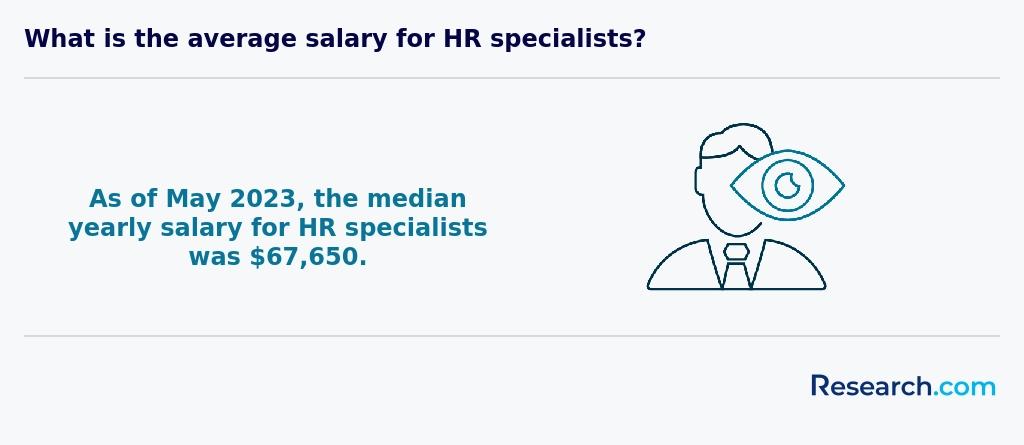
Arkansas universities offering HR programs align with the US higher education framework, where thesis tracks usually take longer to complete. According to the Bureau of Labor Statistics, HR specialists in Arkansas earn a median annual wage of about $57,000, so gaining applicable skills may improve job prospects.
Finally, prospective students should consult program advisors and review curriculum details to decide which format aligns best with their professional ambitions and time commitments.
Students based in Arkansas who wish to study human resources abroad have several options through exchange programs and partnerships offered by Arkansas universities. For example, the University of Arkansas provides study abroad opportunities in countries such as the United Kingdom, Ireland, and Australia, where students can take business and HR-related courses. These programs often last from a few weeks to an entire semester.
Additionally, students may enroll in accredited international institutions while maintaining their Arkansas residency status. Common destinations include English-speaking countries that align with U.S. academic standards. Arkansas students are encouraged to consult resources like the Arkansas Department of Higher Education for guidance on credit transfer and degree recognition.
According to the U.S. Department of Education, studying abroad can enhance cultural competence, a key skill in human resources fields. However, Arkansas students should also consider cost, visa requirements, and program accreditation before committing.
Students pursuing a human resources degree in Arkansas can benefit from various part-time job opportunities that enhance their education. Positions such as HR assistants, recruiting coordinators, and administrative support roles in local companies provide practical experience with employee relations and organizational tasks.
Arkansas hosts many businesses, especially in sectors like retail, healthcare, and manufacturing, which often offer part-time HR-related roles. According to the Arkansas Department of Workforce Services, the demand for HR professionals in the state is projected to grow by 7% from 2022 to 2032, supporting job availability.
Internships with HR departments in organizations like Tyson Foods or regional healthcare providers also offer valuable learning aligned with academic coursework. These roles help students develop skills in compliance, benefits management, and talent acquisition while studying.
Human resources students in Arkansas have several valuable networking opportunities to help launch their careers. The state hosts active chapters of national organizations like the Society for Human Resource Management (SHRM), which offers Arkansas students access to regional conferences, workshops, and local events. These gatherings allow students to connect directly with HR professionals and employers in Arkansas's key industries such as healthcare, manufacturing, and retail.
Additionally, universities such as the University of Arkansas often facilitate internships and career fairs focused on HR roles, providing hands-on experiences and personal connections. According to the Arkansas Department of Workforce Services, the demand for HR specialists is expected to grow by 6% through 2030, emphasizing the importance of networking to secure competitive positions.
Alumni networks play a vital role in supporting human resources degree students in Arkansas by connecting them with experienced professionals statewide. These networks provide access to mentorship opportunities, career advice, and job referrals, which are crucial in a competitive job market. According to the Arkansas Department of Workforce Services, the state's HR sector is projected to grow 7% from 2022 to 2032, increasing demand for well-connected graduates.
Students benefit from alumni events and online platforms that facilitate networking with HR leaders in key Arkansas industries, including manufacturing and healthcare. These connections often lead to internships and entry-level positions.
Customizing a human resources degree program in Arkansas allows you to align your studies with specific career goals. Many Arkansas colleges offer electives in labor relations, employment law, or organizational management, which can tailor your skills to desired roles.
Internships are crucial. Arkansas has a growing HR sector, especially in cities like Little Rock, where local businesses often partner with universities for practical experience.
Additionally, consider programs that provide certification preparation, such as the Professional in Human Resources (PHR), enhancing your qualifications in the state job market. The Arkansas Department of Workforce Services reports strong HR job growth, reinforcing the value of targeted education.
Choosing relevant courses, gaining hands-on experience, and pursuing certifications can create a focused, career-ready degree.
Human resources students in Arkansas often face several challenges unique to their educational and regional context. One common issue is limited access to specialized internships, as Arkansas has fewer large corporations compared to more populous states. This can restrict practical experience opportunities essential for HR career development. According to the Arkansas Department of Workforce Services, students must proactively seek placements in small and medium-sized businesses, which sometimes lack structured HR departments.
Another challenge is staying current with ever-evolving employment laws and technologies. HR regulations at the state and federal levels require continuous learning, and Arkansas universities must adapt curricula to reflect these changes promptly. Additionally, many students struggle with mastering both the interpersonal and analytical skills demanded by modern HR roles.
With a human resources degree in Arkansas, graduates can pursue several key professional certifications that enhance career prospects. The most recognized certification is the Professional in Human Resources (PHR) offered by the HR Certification Institute, which validates foundational HR skills. Another important credential is the SHRM Certified Professional (SHRM-CP) from the Society for Human Resource Management, reflecting modern HR competencies. Arkansas professionals also benefit from the Senior Professional in Human Resources (SPHR) for advanced positions. Earning these certifications can lead to higher salaries and better job opportunities, according to the U.S. Bureau of Labor Statistics and Arkansas Department of Workforce Services data.
To write a winning application for a human resources program in Arkansas, start by clearly presenting your academic qualifications and professional experiences relevant to HR. Highlight any coursework or work related to organizational behavior, labor relations, or business management.
The University of Arkansas and Arkansas State University offer reputable HR programs; mentioning why you chose their specific program can strengthen your application. Arkansas's unemployment rate, around 3.6% in early 2024 according to the U.S. Bureau of Labor Statistics, indicates a competitive job market, so programs emphasize practical skills.
Include a compelling personal statement demonstrating your understanding of HR challenges in Arkansas workplaces, such as employee retention and compliance with state regulations. Finally, ensure your application is free of errors and submit all required documents early.
Human resources (HR) careers are increasingly influenced by global trends, even for professionals in Arkansas. Companies today operate in diverse markets, requiring HR experts to understand international labor laws, cultural differences, and global workforce management. According to the U.S. Bureau of Labor Statistics, HR specialists are expected to grow 7% nationally between 2021 and 2031, reflecting steady demand.
For Arkansas, the state's growing industries, including manufacturing and healthcare, emphasize the need for HR professionals skilled in cross-cultural communication and compliance with international standards.
Institutions in Arkansas often integrate global HR practices into their degree programs, preparing students to support businesses that compete worldwide.
Students pursuing a human resources degree in Arkansas can gain valuable practical experience through internships and cooperative education (co-op) programs offered by many universities. Institutions such as the University of Arkansas and Arkansas State University collaborate with local businesses to provide real-world HR project opportunities. According to the Arkansas Department of Workforce Services, internships improve job placement rates by up to 15% for students in related fields. Additionally, joining student chapters of professional organizations like the Society for Human Resource Management (SHRM) provides networking and hands-on experience. Volunteering in HR roles at nonprofit organizations across Arkansas is another effective way to build skills while studying.
When choosing a concentration within a human resources degree program in Arkansas, consider your career goals and the local job market. Arkansas has a growing demand for HR professionals skilled in employee relations, recruitment, and compliance, according to the Arkansas Department of Workforce Services. Popular concentrations include talent management, organizational development, and labor relations. Research shows that specialization in areas like compliance and labor law is valuable due to Arkansas' regulatory environment. Additionally, examining course offerings at Arkansas universities can help match your interests with program strengths. Prioritize concentrations that offer practical experience and align with regional industry needs to enhance employability.
Related Human Resources Rankings for Nearby States
- 2027 Best Human Resources Degree Programs Ranking in Missouri
- 2027 Best Human Resources Degree Programs Ranking in Alabama
- 2027 Best Human Resources Degree Programs Ranking in Iowa
- 2027 Best Human Resources Degree Programs Ranking in Indiana
- 2027 Best Human Resources Degree Programs Ranking in Florida
- 2027 Best Human Resources Degree Programs Ranking in Ohio
- 2027 Best Human Resources Degree Programs Ranking in Nebraska
- 2027 Best Human Resources Degree Programs Ranking in North Carolina
- 2027 Best Human Resources Degree Programs Ranking in Colorado
- 2027 Best Human Resources Degree Programs Ranking in New Jersey
Top Trending Human Resources Rankings
See What Experts Have To Say About Studying Human Resources
Read our interview with Human Resources experts

Thomas Kochan
Human Resources Expert
Professor of Management
Massachusetts Institute of Technology

Rick Hackett
Human Resources Expert
Professor, Human Resources & Management
McMaster University

Chester S. Spell
Human Resources Expert
Professor of Management
Rutgers University

References
- Human Resources Internships https://careers.slb.com/early-careers/internships/hr-intern
- The Great Reinvention of Human Resources Has Begun JOSH BERSIN https://joshbersin.com/2026/01/the-great-reinvention-of-human-resources-has-begun/
- Advice on gaining HR experience as a student https://community.cipd.co.uk/discussion-forums/careers-clinic/f/work-experience-internships-mentoring/26333/advice-on-gaining-hr-experience-as-a-student
- Degrees for Human Resources: A Guide to Starting or Switching Your Career https://www.aihr.com/blog/degrees-for-human-resources/
- HUMAN RESOURCE MANAGEMENT (THESIS / NON-THESIS) - Lisansüstü Eğitim Enstitüsü https://lee.nisantasi.edu.tr/en/human-resource-management-thesis-non-thesis/
- Traditional vs. Modern Human Resource Management: Typology, Transformation, and Industry 4.0 Implications https://srhformosapublisher.org/index.php/jambak/article/view/316
- Top 10 HR Challenges and Their Solutions | HR Courses https://zoetalentsolutions.com/top-10-hr-challenges-and-their-solutions/
- What do you learn in a bachelor's in human resource management? | edX https://www.edx.org/resources/what-do-you-learn-in-a-bachelors-in-human-resource-management
- University of Central Arkansas | UCA https://uca.edu/marketingmanagement/hr_mgmt/
- Sample letters in human resources https://www.mystudies.com/en-in/business-accountability-management/human-resources/letter-model/