
2027 Most Valuable Online Master's in Healthcare Degree Programs Ranking in the USA

Co-Founder and Chief Data Scientist
Choosing the right online master's program in healthcare can be overwhelming. To help you navigate this important decision, our article presents the 2027 Most Valuable Online Master's in Healthcare Degree Programs Ranking in the USA. Developed by the Research.com team of data scientists, this ranking offers clear insights into which programs deliver the best value and outcomes for students.
Whether you want to advance your career or make a positive impact in healthcare, this guide highlights programs worth considering. Reading it can empower you to choose a degree that fits your goals and opens new opportunities for growth and success.
Key benefits of getting online healthcare degree in America
- Salary for healthcare degree graduates: Healthcare consultants earn a mean annual wage of $115,530, while healthcare compliance managers make around $80,190, showcasing strong earning potential in this field.
- Career paths: Graduates from popular universities often pursue diverse roles such as healthcare consulting or compliance management, benefiting from flexible job opportunities in hospitals, firms, or government agencies.
- Benefits of online degrees: Online healthcare graduates from well-known colleges enjoy the convenience of studying at their own pace while gaining credentials that open doors to rewarding careers without relocating.
- 2027 Most Valuable Online Master's in Healthcare Degree Programs Ranking in the USA
- What can I expect from online healthcare degree in America?
- Where can I work with online healthcare degree in America?
What can I expect from online healthcare degree in America?
The average cost for an online healthcare degree in America typically ranges from $15,000 to over $50,000, depending on the program and institution. Graduates from reputable universities like the University of Arizona or Johns Hopkins often reflect on how their investment felt significant but worthwhile, especially when weighing flexible schedules and robust support systems against the financial commitment.
Many students appreciate that tuition often covers more than just classes; it includes access to cutting-edge virtual classrooms, clinical simulation software, and faculty with real-world healthcare experience. This immersive learning, coupled with local clinical internships, allows students to build confidence and practical skills without uprooting their lives.
While price tags may cause hesitation, financial aid and employer tuition assistance frequently ease these burdens, creating a path accessible to many. The real value, as many graduates attest, lies not only in the degree but in the transformation of their careers and the fulfillment of making a tangible impact in healthcare.
Where can I work with online healthcare degree in America?
Graduates with an online healthcare degree in America find themselves in a diverse landscape of career possibilities that often surpass traditional expectations. Whether working behind the scenes as healthcare administrators in bustling hospital systems or championing public health initiatives at local health departments, these professionals impact communities daily. For example, graduates from universities like Johns Hopkins or the University of North Carolina frequently step into roles that require both strategic thinking and compassionate leadership, managing everything from hospital budgets to patient care protocols.
Others, especially those focusing on healthcare informatics, dive into data analytics and electronic health records, transforming raw information into life-saving decisions. Students from institutions such as the University of California and the University of Michigan often describe the satisfaction of turning complex data into actionable insights that improve clinical outcomes.
Then there are those who navigate the evolving field of healthcare consulting, advising organizations on efficiency and technological advancements. Their work feels like a powerful collaboration to shape the future of healthcare systems across America, proving that an online degree doesn't limit your reach-it expands it.
Graduates of online healthcare programs from respected institutions like the University of Florida or Ohio State University often face exciting salary prospects that defy simplistic expectations. For instance, healthcare consultants, a role many graduates pursue, enjoy a mean annual wage of around $115,530 according to recent U.S. Bureau of Labor Statistics data. This figure showcases the high value placed on advanced analytical and strategic skills in healthcare settings.
Consider a graduate leveraging their degree to become a healthcare compliance manager; the mean annual wage for this position is approximately $80,190. This role often blends regulatory knowledge with hands-on problem-solving, illustrating how online education equips students with both theory and practical expertise prized by employers.
These salaries reflect how studying healthcare online in America can translate directly into rewarding, well-paid careers. Real graduates regularly express pride and confidence as they navigate job offers highlighting competitive pay, confirming that online degrees from accredited institutions are legitimate gateways to financial and professional growth within healthcare.
- Online healthcare degrees range from bachelor's to doctoral levels in fields like nursing, healthcare administration, public health, and health informatics.
- Bachelor's programs typically cost between $20,000 and $60,000, while master's degrees range from $30,000 to $70,000 in total tuition.
- Healthcare employment in the U.S. is projected to grow 16% from 2021 to 2031, adding nearly 2.6 million new jobs.
- Starting salaries often range from $50,000 to $70,000, with experienced professionals earning $90,000 to $120,000 depending on role and location.
- Many online programs are accredited and meet standards needed for licensure and certification like RN or Certified Healthcare Administrator.
- Hands-on experience such as internships or clinical hours is usually required and may need in-person attendance despite online coursework.
Completing an online healthcare degree in America can feel like navigating a complex maze rather than following a straight path. Many graduates from institutions like the University of Arizona or Western Governors University found that a bachelor's degree in healthcare administration took about four years full-time, matching traditional expectations. However, those who balanced work and family discovered that part-time schedules stretched their journey to five years or more, reflecting how life often reshapes academic timelines.
Graduate students pursuing an online Master of Healthcare Administration at schools such as George Washington University often shared stories of intense, accelerated programs lasting just one year, pushing them to commit deeply but finish swiftly. These accelerated tracks provide a rush of achievement but demand relentless dedication, often compared to juggling multiple full-time jobs.
Many also report that real-world factors like transferring credits, managing practicum hours, or fitting in clinical experiences locally profoundly influence how long their degrees actually take. This variability invites each student to consider their unique situation, reminding them that duration is flexible, deeply personal, and tied closely to their ambitions and circumstances.
Succeeding in an online healthcare degree program requires a blend of effective time management, technical proficiency, and proactive engagement with both peers and instructors. To maximize your learning experience, we recommend establishing a dedicated study environment free from distractions and creating a structured schedule that accommodates coursework, real-time discussions, and self-paced learning. Leveraging digital tools, such as calendar apps and task managers, can help you keep track of deadlines and assignments while ensuring you maintain a healthy work-life balance. Additionally, taking advantage of university-provided support services-including academic advising, tutoring, and virtual career centers-can provide a significant boost to your academic performance and professional readiness. Networking online by joining discussion forums and professional groups, and even connecting directly with successful alumni, is key to gaining insights into industry expectations and real-world applications. For prospective students concerned about budgeting, consider exploring our comprehensive guide on affordable healthcare programs. This resource offers detailed insights into cost-effective options without compromising on the quality of education, ensuring that every investment in your future is a smart one. By applying these strategies, you can not only excel academically but also build a robust foundation for a rewarding career in healthcare.
Choosing between an online and an on-campus healthcare degree in America often feels like weighing flexibility against tradition, yet the reality transcends these clichés. Graduates from prominent institutions like the University of Michigan or Johns Hopkins report that online programs transform learning into a fluid experience, allowing them to balance demanding healthcare jobs or family responsibilities while pursuing their goals. The accessibility of digital classrooms means lectures and discussions unfold on their schedules, not just during rigid campus hours.
On-campus students at universities such as Emory or the University of California, San Francisco, cherish the palpable energy of face-to-face interactions, hands-on labs, and spontaneous networking opportunities. Still, online learners adapt by arranging local clinical hours and engaging deeply with virtual simulations that replicate real-world scenarios.
This evolving approach challenges the notion that only traditional classroom settings nurture healthcare professionals effectively. Instead, it highlights that passion and dedication can thrive anywhere-even in a coffee shop or home office-while still meeting rigorous accreditation standards respected nationwide.
Achieving success in an online healthcare program requires more than academic rigor-it demands strong self-discipline, effective time management, and proactive engagement with both peers and faculty. To begin, create a structured daily routine that accommodates interactive lectures, assignments, and self-study, ensuring you stay on top of coursework while balancing work or personal commitments. Leverage available digital tools such as calendar apps and task managers to organize your study schedule and set clear goals. In addition, take full advantage of your institution’s support services, including career counseling, academic advising, and technical assistance. These services can provide guidance and foster connections within the healthcare industry, enhancing your educational experience and career readiness. Many students have reported that connecting with an active alumni network reaps long-term benefits for job hunting and professional growth. For individuals considering further specialization, exploring a healthcare administration online degree can open valuable avenues in leadership roles. Furthermore, maintain an active role in online discussion forums and group projects; these interactions not only build a sense of community but also sharpen critical thinking and communication skills essential for today's dynamic healthcare environments. Keeping abreast of industry trends through webinars, online seminars, and professional social networks will also empower you to adapt to emerging challenges and opportunities in healthcare. Embracing these strategies will enrich your learning journey and lay a strong foundation for a successful and fulfilling career in the healthcare sector.
The average cost of an online healthcare degree in America hovers around $26,640, but this number only scratches the surface of what prospective students might face. Graduates from well-known public universities often report feeling relieved by tuition closer to $20,200 for in-state students, a figure that underscores the value of state-supported education when balancing quality and budget. On the other hand, pursuing a degree out of state or at a private institution pushes costs toward the median out-of-state total of $30,617, a reality many students at prestigious healthcare programs encounter.
These costs reflect more than just numbers; they resonate deeply with students juggling full-time jobs and family responsibilities while navigating online coursework. One often-overlooked aspect is how financial aid or employer tuition reimbursement dramatically impacts the net cost, turning a seemingly steep price tag into an achievable investment. This dynamic is highlighted by graduates from universities recognized for affordable and flexible online options, where transparent pricing and assistance open doors for those seeking a master's in healthcare.
For anyone exploring the average cost of online healthcare degrees USA, it's crucial to distinguish between sticker price and accessible cost after support. Prospects should thoughtfully examine programs to grasp total outlays, factoring in fees beyond tuition. To explore programs that strike a balance between quality and cost, consider looking at affordable healthcare programs that align expenses with career ambitions.
Understanding total expenses for online master's in healthcare 2027 demands weighing tuition against career-long benefits, making informed decisions a gateway to long-term satisfaction in this thriving sector.
As the healthcare landscape continues to evolve rapidly, prospective students and industry professionals must stay informed about emerging trends that will shape online education. In recent years, innovations in telehealth, artificial intelligence, and virtual simulation have revolutionized the way healthcare knowledge is delivered and applied. These advancements not only enhance the quality of online coursework but also provide graduates with cutting-edge tools and techniques to excel in their careers. One significant trend is the integration of interactive learning platforms-such as augmented reality for clinical simulations and real-time data analytics-allowing students to gain practical insights in a virtual setting before transitioning into physical environments. Moreover, partnerships between universities and healthcare providers are on the rise, ensuring that curricula are continually updated to reflect current industry demands and technology advancements. Recognizing the importance of financial accessibility alongside innovation, many students are exploring affordable healthcare programs that not only deliver excellence in education but also incorporate these evolving digital tools. As graduates become increasingly equipped with both traditional knowledge and contemporary skills, they will be better positioned to navigate a competitive job market that values adaptability and forward-thinking approaches. Looking ahead, staying abreast of these developments will be critical for those pursuing an online healthcare degree, ensuring they remain at the forefront of a dynamic and impactful field.
Many students pursuing online healthcare degrees in America often discover that federal financial aid is the cornerstone of making their education affordable. Graduates from schools like the University of Florida or Arizona State University recall the relief of securing Pell Grants as undergraduates, which helped bridge tuition gaps. For those advancing to graduate programs, federal Direct PLUS Loans become vital, enabling coverage of the full cost after other aid is applied, a crucial step for many balancing work and study.
State-specific grants and scholarships further lighten the load. For instance, nursing students at public institutions in California and New York frequently benefit from state-funded programs designed to address critical workforce needs, making the dream of a healthcare career tangible without overwhelming debt.
Private scholarships from nonprofit organizations and professional associations provide another lifeline. Graduates often share how these awards, coupled with employer tuition reimbursement-common in healthcare companies-transform the daunting expense into a manageable investment in their futures.
Proactively navigating these options early, leveraging resources like FAFSA and professional healthcare associations, often turns financial barriers into avenues of opportunity.
Complement your online master’s with industry-recognized credentials to boost credibility and career prospects. Common options include:
- Certified Professional Coder (CPC): Validates coding expertise and can lead to roles in revenue cycle management. For training, see medical billing and coding online schools
- Certified Healthcare Administrator (CHC): Demonstrates skills in healthcare management and compliance
- Certified in Healthcare Privacy and Security (CHPS): Focuses on protecting patient data and meeting regulatory standards
- Project Management Professional (PMP): Equips graduates with project leadership skills for healthcare initiatives
- Fellow of the American College of Healthcare Executives (FACHE): Recognizes executive-level competence and leadership
Enrolling in an online healthcare degree program in America is more than ticking boxes; it's about readiness to embrace rigorous academic and professional challenges. For bachelor's programs, graduates often recall how their high school GPA, typically between 2.5 and 3.0, was just the starting line. Standardized tests like the SAT once felt like gatekeepers before many colleges went test-optional, easing anxiety and broadening access for diverse applicants.
At the master's level, the expectations deepen-graduates from renowned institutions like the University of Michigan or Johns Hopkins describe their bachelor's degrees in biology or nursing and maintaining a GPA above 3.0 as essential foundations. Some remember the pressure of prerequisite courses such as anatomy and statistics, which cement crucial knowledge before advanced study.
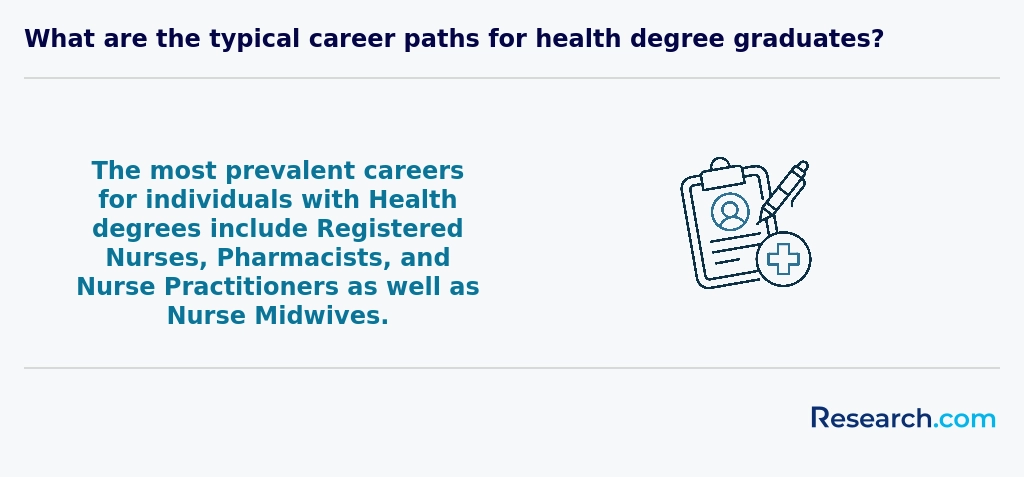
Beyond academics, earning a Registered Nurse (RN) license paired with clinical experience became a badge of confidence for nursing master's students, fostering a sense of real-world readiness. Health Administration students emphasize how prior healthcare jobs made theory relatable, while Public Health candidates often share how volunteer stints enriched their learning. Several found submitting letters of recommendation and personal statements as moments to reflect on their journey with pride rather than mere paperwork.
Accreditation ensures that an online healthcare program meets rigorous academic and professional standards, directly affecting licensure eligibility and employer recognition. Prospective students should verify both institutional accreditation-typically granted by regional bodies like the Higher Learning Commission (HLC) or Southern Association of Colleges and Schools Commission on Colleges (SACSCOC)-and programmatic accreditation, such as Commission on Accreditation of Healthcare Management Education (CAHME) for health administration or Commission on Collegiate Nursing Education (CCNE) for nursing programs. These specialized accreditations validate curriculum relevance, faculty qualifications, and clinical practicum quality. State licensing boards often require graduation from an accredited program to sit for certification exams or obtain professional credentials. For example, aspiring nurse administrators must graduate from a CCNE-accredited program to qualify for the American Nurses Credentialing Center’s Nurse Executive certification. Similarly, graduates of public health programs should seek Council on Education for Public Health (CEPH) accreditation to ensure eligibility for the Certified in Public Health (CPH) exam. Before applying, review your target state’s licensing requirements, as some states mandate specific credit hours in epidemiology, health policy, or ethics. To compare program quality and affordability, consider not only accreditation but also cost and return on investment. For insights into budget-friendly options that maintain high academic standards, explore our Affordable Online Healthcare Degree Programs Ranking in North Carolina. Balancing accredited excellence with financial feasibility can maximize your career prospects and minimize debt. Finally, always confirm accreditation status via the U.S. Department of Education’s Database of Accredited Postsecondary Institutions and Programs (DAPIP) or the Council for Higher Education Accreditation (CHEA). Contact program directors to request proof of accreditation and inquire about licensure pass rates; high pass rates often indicate strong alignment between curriculum and professional standards. By prioritizing accredited, licensure-compliant online healthcare degrees, you safeguard your eligibility for certification and enhance long-term career growth.
Online healthcare degree programs in America commonly include courses that go beyond textbooks, immersing students in the complexities of real healthcare systems. Graduates from universities like the University of Florida or Arizona State University often highlight courses such as Healthcare Ethics and Law, where they grappled with patient rights and ethical dilemmas mirroring challenges faced daily by professionals.
Students also dive into Healthcare Systems and Policy, gaining insight into the U.S. healthcare infrastructure-knowledge that proved essential during their clinical internships. Understanding Medical Terminology became more than memorization; it was the key to effective communication in fast-paced hospital environments.
Programs don't neglect the digital evolution either. Health Informatics courses train students to manage electronic health records, directly impacting patient care quality. Others emphasize Health Economics and Finance, teaching budgeting skills that future healthcare managers found invaluable in administrative roles.
Graduates frequently describe how Research Methods in Healthcare and Quality Improvement courses challenged their critical thinking, encouraging them to question existing practices and innovate care strategies, proving these courses are more than academic-they're transformative gears preparing tomorrow's healthcare leaders.
Online healthcare degrees in America open doors to diverse specializations that challenge the traditional view of healthcare education. Rather than simply training clinicians, these programs cultivate leaders and innovators through tracks like Healthcare Administration, where graduates from top institutions experience firsthand the balance of finance, policy, and human resources essential to running modern hospitals efficiently. Many find this path rewarding, propelled by the promise of roles with median salaries surpassing $104,000.
Students pursuing healthcare master's program concentrations America-wide often gravitate toward Nursing Leadership and Administration, merging clinical expertise with strategic management skills. Graduates reflect on how coursework in nursing informatics and ethical leadership transforms their approach to complex patient care systems. Others drawn to Public Health share a deep sense of purpose, motivated by community health improvement and policy advocacy, knowing their work fuels critical population wellbeing initiatives.
In choosing a healthcare administration online degree, many appreciate the spectrum of specializations, including Health Informatics and Clinical Research, that enable them to navigate and impact healthcare's evolving landscape with confidence.
Choosing the best online healthcare degrees USA means looking beyond flashy program descriptions and truly understanding what fits your life and career ambitions. Graduates from well-known universities often share how accreditation shaped their opportunities-without recognized credentials like those from CCNE or CEPH, their degrees meant little in securing licensure or meaningful employment. Imagine juggling work and family while studying: many find that programs offering asynchronous learning provide the flexibility needed to thrive, turning late nights into productive study sessions rather than stress.
Cost, often overlooked amid excitement, becomes a defining factor. Affordable online master's healthcare programs America offer can reduce financial strain-much like graduates who discovered that researching tuition alongside financial aid options made their degrees feel like investments, not debts. Curriculum matters too; students valued programs integrating current technology trends like healthcare data analytics, directly impacting their success after graduation at hospitals or clinics.
For those weighing options, the Affordable Online Healthcare Degree Programs Ranking in North Carolina reveals practical pathways balancing cost and quality, especially if you're drawn to programs that support strong industry connections and real-world experience through internships.
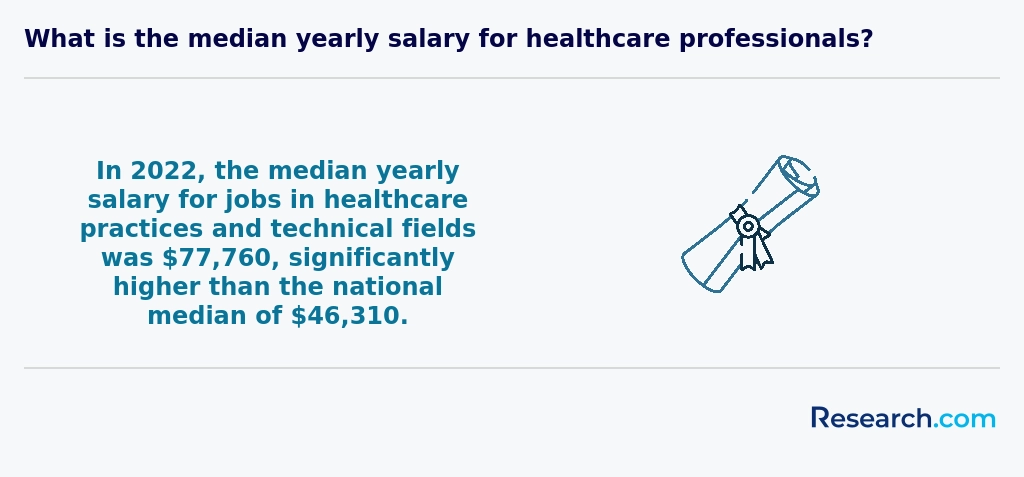
Graduates with an online healthcare degree in America often find themselves at a crossroads of opportunity, stepping into roles that marry clinical expertise with leadership and technology. For instance, many embrace healthcare administration, becoming vital managers who steer medical facilities toward efficiency and compassion. These roles are not just jobs but dynamic careers that graduates from reputed universities cherish for the autonomy and impact they offer. The spectrum expands further: nurse practitioners emerging from top programs relish the hands-on patient care combined with advanced decision-making authority, embodying both science and empathy.
Those fascinated by technology dive into health informatics, where they revolutionize patient care by mastering data systems-a career path praised by graduates from prominent colleges for its blend of innovation and purpose. Public health roles appeal too, with graduates tackling real community challenges fueled by a passion to shape policy and education. This varied landscape beckons students seeking online healthcare degree career options USA-wide, offering roles that inspire both personal growth and societal contribution. Exploring college degrees with best job outlook helps map the specific futures you might pursue.
The job market for graduates with an online healthcare degree in America is notably strong, defying doubts about the value of online education in this field. Graduates from renowned institutions like the University of Southern California and Johns Hopkins University often share stories of seamless employment transitions, finding roles in health administration, nursing leadership, or informatics shortly after completing their degrees. These success stories illustrate how an online healthcare degree job market USA benefits from broad employer recognition and sector growth.
Far beyond typical job prospects, many graduates tap into emerging opportunities driven by telehealth and digital health expansions, areas where health informatics skills are essential. This dynamic shift in healthcare delivery attracts students who want flexible education without sacrificing career advancement. Prospective students weighing costs can explore this resource to understand tuition ranges and maximize their return on investment.
Healthcare degree employment opportunities America currently favor those who combine strong clinical knowledge with administrative capabilities, helping graduates command competitive salaries and job security. By embracing evolving healthcare demands, online degree holders are well poised to thrive in a market projected to add roughly 2 million new jobs through 2031.
2027 Most Valuable Online Master's in Healthcare Degree Programs Ranking in the USA
Investing in your education is a significant decision that can profoundly impact your career and future. The Research.com team recognizes the importance of making well-informed choices when selecting an online master's degree in healthcare. To ensure the quality, credibility, and accuracy of the "2027 Most Valuable Online Master's in Healthcare Degree Programs Ranking in the USA," we conducted thorough research and analyzed robust data. We utilized the following reputable data sources to create a comprehensive and trustworthy evaluation:
By consulting this ranking, readers will gain valuable insights into the most worthwhile online healthcare master's programs in the USA, empowering them to make confident educational investments. For further information on how this ranking was developed, please visit our Research.com methodology page.


# 3 position
Research College of Nursing
Master of Executive Practice & Healthcare Leadership


# 7 position
University of North Georgia
Master of Science with a major in Nursing - Nursing Education track


# 10 position
Aspen University
Master of Nursing


# 17 position
Wilmington University
Master of Nursing Leadership Executive, Educator or Legal Nurse Consultant


Frequently Asked Questions About healthcare
Online healthcare degree students in America can maximize their learning by actively engaging with course materials and participating in virtual discussions. Research from the National Center for Education Statistics highlights that students who interact regularly with instructors and peers tend to perform better. Using digital tools like simulation software or virtual labs enhances practical skills critical in healthcare professions.
Time management is essential; dedicating consistent study hours improves retention and reduces stress. According to the American Association of Colleges of Nursing, online nursing students benefit from networks supporting peer collaboration. Additionally, seeking internships or clinical placements, required by most accredited programs, ensures hands-on experience essential for job readiness in the U.S. healthcare sector.
Emerging niches within the healthcare field reflect rapid technological advancements and changing patient needs in the United States. One prominent area is telehealth, which grew by over 150% between 2019 and 2021, driven largely by the COVID-19 pandemic, according to the Centers for Medicare & Medicaid Services (CMS). Another niche is healthcare informatics, focusing on managing medical data to improve patient outcomes. Additionally, precision medicine, which tailors treatments based on genetic information, is expanding with support from the National Institutes of Health (NIH). Lastly, behavioral health integration into primary care is increasingly emphasized due to rising mental health awareness nationwide.
After earning an online healthcare degree in America, preparing for the job market requires strategic steps to enhance employability. First, obtaining relevant certifications such as Certified Registered Nurse Anesthetist (CRNA) or Certified Health Education Specialist (CHES) can expand job opportunities and increase salary potential. The U.S. Bureau of Labor Statistics reports healthcare occupations are projected to grow 13% from 2021 to 2031, emphasizing demand for qualified professionals.
Networking is essential; joining professional organizations like the American Public Health Association (APHA) helps connect with industry leaders. Internships or volunteer roles offer practical experience and make your resume stand out.
Strong communication and digital literacy skills remain crucial as healthcare increasingly relies on telehealth and electronic health records systems.
Employers in the American healthcare sector prioritize a blend of clinical expertise and soft skills in graduates of online healthcare degree programs. Critical skills include strong communication, teamwork, and adaptability, essential for navigating diverse patient needs and rapidly evolving medical environments. According to the U.S. Bureau of Labor Statistics, healthcare practitioners with effective interpersonal abilities are more likely to succeed professionally.
Additionally, employers seek graduates proficient in healthcare technology and data management, reflecting the sector's growing reliance on electronic health records and telemedicine. Analytical skills and ethical decision-making also rank highly, supporting quality patient care and compliance with regulations enforced by institutions like the Joint Commission.
Finding internships relevant to healthcare degrees in America requires a strategic approach. Start by exploring resources provided by your online program, as many accredited schools partner with hospitals and clinics nationwide. The U.S. Bureau of Labor Statistics highlights that practical experience is crucial for healthcare careers, with internships greatly improving employment prospects.
Utilize national databases like the HealthCare Internships Network and government sites such as USAJOBS for public health opportunities. Networking through professional associations, including the American Public Health Association, can also connect you with internship openings.
Apply early and tailor your applications to highlight skills gained through online coursework and any clinical experience. This preparation demonstrates readiness for the healthcare workplace.
Online healthcare degrees in America significantly enhance career mobility by providing flexible access to advanced education without geographic constraints. The U.S. Bureau of Labor Statistics projects a 16% growth in healthcare occupations from 2021 to 2031, demonstrating strong demand for qualified professionals.
Graduates with online healthcare master's degrees often qualify for leadership roles, such as healthcare managers or policy specialists, earning median annual wages above $100,000 according to BLS data. Employers increasingly recognize accredited online degrees, making them valuable for promotions and job transitions.
Additionally, online programs typically offer updated curricula aligned with industry needs, helping students gain relevant skills in health informatics, administration, and patient care management.
Studying for a healthcare degree in America equips students with the skills needed for interdisciplinary roles by combining clinical knowledge with leadership, technology, and communication training. Many accredited programs, like those recognized by the Commission on Collegiate Nursing Education (CCNE) or the Council on Education for Public Health (CEPH), emphasize collaboration across fields such as nursing, public health, and health administration.
According to the U.S. Bureau of Labor Statistics, healthcare occupations involving teamwork across specialties are projected to grow 13% from 2021 to 2031, highlighting demand for interdisciplinary expertise.
Online degrees often include coursework on healthcare policy, informatics, and ethics, helping graduates navigate complex systems and work effectively with diverse teams in hospitals, clinics, and community settings.
Choosing between a thesis and a non-thesis healthcare degree program in America depends on your career goals and learning preferences. Thesis programs focus on original research, ideal for those aiming for doctoral studies or research roles. They require extensive writing and critical analysis. Non-thesis options emphasize practical skills and coursework, better suited for students pursuing clinical or administrative positions in healthcare.
According to the National Center for Education Statistics, about 40% of healthcare master's students in the US opt for non-thesis tracks, highlighting their popularity among working professionals.
Consider program flexibility, faculty expertise, and time commitment when deciding. Thesis paths may extend study time by 6-12 months due to research demands.
American students interested in studying healthcare abroad through online programs have several options. Many US-accredited universities offer partnerships with foreign institutions, allowing students to earn degrees with coursework completed remotely. This approach helps students access diverse perspectives on global health without leaving the country. According to the National Center for Education Statistics, around 14% of all postsecondary students in the US were enrolled in exclusively online courses in 2022, reflecting the growing acceptance of virtual learning.
Some programs incorporate international clinical experiences or virtual global health collaborations, providing practical exposure. However, students must verify that their chosen program aligns with US licensure requirements, as healthcare standards vary significantly worldwide. Resources like the Commission on Accreditation of Healthcare Management Education can help ensure program quality and relevance to American healthcare careers.
Part-time job opportunities in America that complement healthcare degree education often include roles such as medical assistants, pharmacy clerks, and patient care technicians. These positions provide hands-on experience with patients and healthcare systems, enhancing students' practical knowledge. According to the U.S. Bureau of Labor Statistics (BLS), medical assistants have a median annual wage of approximately $37,000 and often offer flexible schedules suited for students.
Additionally, working as a healthcare administrative assistant can develop organizational and communication skills crucial in healthcare management careers. Many employers value these experiences when hiring graduates. Volunteering in hospitals or clinics is another valuable option to gain relevant exposure without strict scheduling conflicts.
Online healthcare students in America have multiple networking opportunities despite their remote status. Many accredited programs partner with local healthcare facilities, allowing students to complete clinical placements and develop professional connections in real-world settings.
Students can join specialized online groups such as those offered by the American Public Health Association or the American Health Information Management Association, which provide webinars, forums, and career resources tailored to healthcare professionals.
Virtual conferences and workshops have gained popularity, enabling students to engage with industry leaders nationwide. According to the Bureau of Labor Statistics, networking is a key factor in securing jobs within the healthcare sector, which is projected to grow 13% from 2021 to 2031.
Universities also facilitate alumni networks and mentorship programs to support students' career development and job placements.
Alumni networks play a crucial role for students pursuing online healthcare degrees in America. These networks provide valuable connections within the healthcare industry, which is projected to grow 13% from 2021 to 2031, according to the U.S. Bureau of Labor Statistics. By joining alumni groups, students gain access to mentorship opportunities, job leads, and professional advice that are vital in a competitive market.
Many alumni networks host events and forums, helping graduates stay updated with healthcare trends and innovations. This community support can improve career advancement and licensure success rates for healthcare professionals. Their value extends beyond graduation by fostering lifelong professional relationships.
Customizing an online healthcare degree program in America allows students to tailor their education to meet specific career goals. Many programs offer concentrations such as healthcare administration, informatics, public health, or nursing management. Selecting relevant electives and specializations can align learning with targeted roles.
Additionally, some schools provide opportunities for practical experience through virtual simulations or local internships. Accredited programs approved by agencies like CAHME or CCNE ensure quality education recognized by employers.
According to the U.S. Bureau of Labor Statistics, healthcare occupations are expected to grow 13% from 2021 to 2031, emphasizing the value of specialization within the field.
Online healthcare students in America frequently face challenges linked to balancing rigorous coursework with personal and professional responsibilities. Healthcare programs often require practical experience, which can be difficult to arrange remotely. According to the National Center for Education Statistics, 56% of online learners report time management as a primary obstacle. Additionally, students struggle with limited direct access to instructors and hands-on clinical training, essential in healthcare education.
Technical issues also affect student success. Reliable internet access and familiarity with digital learning platforms are vital but not uniform nationwide. The digital divide remains a concern, especially in rural areas, impacting student engagement and completion rates. These challenges require careful planning and institutional support to overcome.
With an online healthcare degree in the United States, you can pursue various professional certifications that enhance your career opportunities. Common certifications include the Certified Professional in Healthcare Quality (CPHQ), often sought by healthcare managers focusing on quality improvement. Another option is the Registered Health Information Administrator (RHIA), for those interested in health data management.
The American Nurses Credentialing Center offers certifications for nurses, such as the Nurse Executive (NE-BC), which complements advanced practice roles. Additionally, healthcare compliance and coding certifications are available through organizations like AHIMA and AAPC.
These credentials can increase earning potential and job prospects in a competitive field reported by the U.S. Bureau of Labor Statistics.
To write a winning application for an online healthcare program in America, start by thoroughly researching your target schools. Highlight your relevant experience, such as work in healthcare settings or volunteer roles, to demonstrate commitment and practical knowledge. Strong letters of recommendation from healthcare professionals or academic mentors significantly boost credibility. Be concise and clear in your personal statement, focusing on your goals and how the program aligns with your career path. According to the U.S. Bureau of Labor Statistics, healthcare occupations are projected to grow 13% from 2021 to 2031, so emphasize how your education prepares you for this expanding field. Lastly, proofread carefully to avoid errors.
The global view on healthcare careers highlights increasing demand for skilled professionals due to aging populations and evolving medical technologies. In the United States, the Bureau of Labor Statistics projects a 13% growth in healthcare occupations from 2021 to 2031, faster than the average for all jobs. This growth is driven by a need for healthcare services domestically and internationally.
American online healthcare degrees are valued worldwide for combining rigorous academics with flexible learning to accommodate working professionals. The U.S. healthcare system's emphasis on evidence-based practice and innovation creates globally competitive graduates.
Internationally, healthcare roles often share core competencies, but regulatory and licensure requirements vary, reinforcing the importance of accredited programs.
Gaining practical experience while studying for an online healthcare degree in America is crucial for career readiness. Many programs incorporate virtual simulations and case studies to enhance clinical skills. Additionally, students often complete in-person clinical externships or practicums at approved healthcare facilities near their location, which meet accreditation standards by bodies such as the Commission on Collegiate Nursing Education (CCNE) or the Accreditation Council for Education in Nutrition and Dietetics (ACEND).
According to the Bureau of Labor Statistics, hands-on experience significantly improves job prospects in healthcare fields, where patient interaction is essential. Universities may assist by partnering with local hospitals and clinics to facilitate placements. This hybrid approach ensures theoretical knowledge is effectively complemented by real-world exposure.
Choosing the right concentration within an online healthcare degree program in America starts with assessing your career goals and interests. The healthcare sector is broad, with various specialties like health informatics, public health, nursing administration, and healthcare management. According to the U.S. Bureau of Labor Statistics, healthcare occupations are projected to grow 13% from 2021 to 2031, underscoring diverse opportunities.
Consider accreditation status, as it affects licensure and employment prospects. Look for programs accredited by recognized agencies like the Commission on Accreditation of Healthcare Management Education (CAHME).
Also, analyze demand trends-fields like healthcare data analytics are expanding rapidly due to the rise of electronic health records.
Finally, review curriculum flexibility and how it aligns with your current experience and long-term objectives.
See What Experts Have To Say About Studying Healthcare
Read our interview with Healthcare experts

- How service-learning experiences can help undergraduate ... https://www.ijsed.com/article/123671-how-service-learning-experiences-can-help-undergraduate-students-choose-a-health-related-profession-a-perspective
- Why Hands-On Healthcare Programs Can Boost Student ... https://littlemedicalschool.com/treasurecoast/why-hands-on-healthcare-programs-can-boost-student-engagement-in-your-school/
- How long does it take to become a doctor https://www.umhs-sk.org/blog/how-long-does-it-take-to-become-a-doctor
- 2026 Most Affordable Online Healthcare Administration ... https://www.onlineu.com/most-affordable-colleges/healthcare-administration-degrees
- Best Healthcare Degrees & Programs https://www.accreditedschoolsonline.org/healthcare/degrees/
- Online Healthcare Degree Programs https://www.phoenix.edu/online-healthcare-degrees.html
- Expanding experiential learning through simulation https://www.pagethink.com/insights/unlocking-potential-expanding-experiential-learning-through-simulation
- Experiential Learning to Enhance ... https://annalsofglobalhealth.org/articles/10.5334/aogh.4537
- How Long Is Nursing School in The USA? https://www.shiftmed.com/professionals/blog/how-long-is-nursing-school-in-the-usa/
- Healthcare Students Learning https://www.unlvhealth.org/article/healthcare-students-learning


