2027 Most Valuable Online Doctorate in Healthcare Degree Programs Ranking in the South

Co-Founder and Chief Data Scientist
Are you considering advancing your career with an online doctorate in healthcare? Choosing the right program can be overwhelming, especially when looking for the best value in the South. This article introduces the 2027 Most Valuable Online Doctorate in Healthcare Degree Programs Ranking in the South, carefully developed by the Research.com team of data scientists.
By exploring this ranking, you'll gain clear insights to help you decide which programs offer the greatest return on your investment. Pursuing a healthcare degree can open doors to rewarding opportunities, and we're here to guide you every step of the way.
Key benefits of getting online healthcare degree in the South
- Graduates with healthcare degrees can earn competitive salaries, such as Program Directors with a mean annual wage of $129,330 and Healthcare Services Researchers earning about $112,380 yearly, offering strong financial rewards in the South.
- Career paths include leadership and research roles like Chief Development Officer or Principal Scientist, as seen with graduates from universities like the University of North Carolina, providing diverse and fulfilling opportunities.
- Online healthcare degrees, such as those from Arizona State University, offer flexibility and convenience, allowing students to balance work and study while gaining credentials that employers in the South value highly.
- 2027 Most Valuable Online Doctorate in Healthcare Degree Programs Ranking in the South
- What can I expect from online healthcare degree in the South?
- Where can I work with online healthcare degree in the South?
What can I expect from online healthcare degree in the South?
The average cost of an online healthcare degree in the South typically ranges between $15,000 and $30,000, depending on the institution and program length. Graduates from popular Southern universities often share how this investment felt manageable, especially given the flexibility to continue working while studying. For many, the balance between cost and convenience makes online programs highly appealing.
For example, those enrolled in nursing or health administration programs at respected regional schools appreciate the clear value-they pay less than traditional on-campus tuition but still receive accredited degrees recognized by employers across the South. This affordability allows students to focus more on mastering practical skills through virtual simulations or local clinical placements without the financial strain often associated with higher education.
Moreover, schools in the South frequently offer tailored financial aid packages and payment plans, easing the burden for working adults pursuing advanced healthcare careers. Graduates emphasize feeling empowered, knowing they invested smartly in a future aligned with the region's growing healthcare demands.
Where can I work with online healthcare degree in the South?
Graduates with an online healthcare degree in the South find a wealth of career options rooted in the region's dynamic healthcare environment. Many begin their careers in clinical roles such as nursing management or advanced practice positions like nurse practitioners, often building on foundations laid at respected institutions like the University of Alabama at Birmingham or Emory University. These roles offer the rewarding challenge of directly impacting patient care in hospitals and outpatient centers across states like Texas and Florida.
Others discover fulfilling paths in non-clinical fields-healthcare administration, project management, or informatics-leveraging the flexibility of their online programs to fit work and life commitments. Graduates often share how working with large hospital systems like HCA Healthcare or community health organizations deepens their sense of purpose, especially when serving rural or underserved southern communities.
For those drawn to innovation, health IT and telehealth positions provide exciting opportunities to contribute to evolving care models. Tennessee's public health initiatives exemplify how online degree holders can help bridge technology and healthcare. These diverse paths reflect the Southern healthcare sector's growth and the personal satisfaction that comes from making a local impact.
Graduates from online healthcare degree programs in the South often find rewarding salary opportunities that reflect their expertise. For instance, those stepping into roles as Program Directors in healthcare can expect a mean annual wage of about $129,330. This aligns well with experiences shared by graduates from well-known Southern institutions like the University of Alabama at Birmingham, where leadership skills developed online translate into competitive compensation.
Similarly, healthcare professionals moving into research roles, such as Healthcare Services Researchers or Research Directors, report average salaries near $112,380. Alumni from programs at Emory University frequently note how their advanced training prepares them for these impactful and well-paying careers, blending passion with financial stability.
Chief Development Officers, another common career path for online healthcare graduates in the South, typically earn around $95,600. Graduates from diverse colleges across Texas often highlight the balance this role offers-engaging work with a comfortable income.
Choosing an online healthcare degree in the South opens doors not only to meaningful roles but also to salary ranges that support a fulfilling lifestyle, especially within vibrant healthcare hubs like Atlanta or Dallas.
- Tuition for online healthcare degrees in the Southern U.S. ranges from $15,000 to $40,000, with public universities charging about $350 to $500 per credit hour for in-state students.
- Healthcare jobs in Southern states are expected to grow over 15% by 2030, outpacing the national average due to aging populations and rising healthcare needs.
- Starting salaries typically fall between $50,000 and $65,000 annually, with potential increases above $80,000 within 5 to 10 years for those advancing in their careers.
- Many Southern institutions offering online programs have full accreditation from organizations like CCNE and ACEND, which is important for professional licensure.
- Regional healthcare systems provide local clinical placements and internships, allowing online students to complete hands-on training without relocating.
Completing an online healthcare degree in the Southern United States often fits well within established timeframes, yet personal experiences reveal meaningful flexibility. Many associate degrees wrap up in about 2 years, which graduates at schools like the University of Florida found manageable alongside family commitments. Bachelor's degrees normally take around 4 years, reflecting similar pacing to their on-campus counterparts at institutions such as the University of Texas.
Graduate degrees, especially master's programs in healthcare administration or nursing offered online through colleges like Georgia State University, tend to range from 18 months to 3 years. Graduates appreciate the adaptable pacing options that allow them to balance careers and study, often completing near the 2-year mark when enrolled full-time.
Doctoral students pursuing advanced credentials, including the Doctor of Nursing Practice, report durations between 3 and 5 years due to research and practicum requirements.
Many learners find accelerated programs and transfer credits help shorten their journey, while state-specific clinical mandates in places like North Carolina add nuance to completion timelines.
Pursuing an online doctorate in healthcare requires not only strong academic skills but also effective strategies to overcome the challenges of a self-directed environment. To help you navigate this journey, here are some expert tips: • Develop a structured study schedule and set specific, measurable goals. This approach creates a routine that helps maintain focus amid competing priorities. • Engage actively with faculty and peers by leveraging discussion forums, virtual office hours, and peer groups. Building a network can provide both academic support and career opportunities. • Make use of available digital resources like online libraries, research databases, and virtual lab simulations. Staying technologically adept is crucial in mastering complex topics and projects. • Consider exploring options like popular accelerated healthcare administration degree programs online for flexible pathways that can expedite your academic progress without compromising on quality. • Stay proactive about seeking feedback on assignments and projects-this attention to detail reinforces your learning and helps fine-tune your research skills. • Lastly, balance your academic responsibilities with self-care practices. Proper time management, regular breaks, and maintaining a healthy work-life balance are essential for long-term success. Implementing these strategies will not only enhance your learning experience but also prepare you for leadership roles in the rapidly evolving healthcare landscape.
Choosing between online and on-campus healthcare degrees in the South often hinges on lifestyle and learning preferences. Graduates from well-known Southern institutions like the University of Florida share how online programs brought the crucial advantage of flexibility, allowing them to balance work, family, and study without relocating. This real-world convenience is especially meaningful for those living in rural areas where campus access is limited.
On the other hand, graduates of traditional programs at universities such as the University of Georgia emphasize the irreplaceable value of hands-on clinical training and face-to-face mentorship. Being physically present in labs and simulation centers helped them build confidence and immediate problem-solving skills essential for healthcare careers.
Cost also plays a significant role: while on-campus programs often demand higher tuition and living expenses, online programs, like those at the University of Florida, can reduce these financial pressures without compromising accreditation or clinical requirements.
The right choice ultimately depends on your personal discipline and the learning environment where you thrive best, balancing practical experience with flexibility.
The healthcare landscape is evolving rapidly as technological innovations and new treatment modalities drive the industry forward. Today’s online healthcare programs are not only preparing students for current challenges but also equipping them with the skills required to adapt to future shifts. In this section, we explore key emerging trends and offer actionable insights to help current and prospective students stay ahead in the competitive healthcare field. One significant trend is the increasing integration of telemedicine and digital health solutions. As healthcare providers continue to adopt remote monitoring, virtual consultations, and AI-powered diagnostics, graduates equipped with expertise in health informatics are in high demand. These innovations provide a unique opportunity to improve patient care while reducing costs. Institutions are now incorporating specialized courses and practical exercises that expose students to the latest technologies, ensuring they are well-prepared for real-world applications. Another essential development is the growing emphasis on personalized medicine. Advances in genomics and data analytics allow for more tailored treatment plans, enhancing both patient outcomes and operational efficiencies. Students who understand how to harness big data and machine learning within clinical settings are better positioned to drive meaningful change in healthcare delivery. Furthermore, soft skills such as effective communication, leadership, and adaptability are becoming increasingly important. As teams become more interdisciplinary and projects more complex, the ability to collaborate and lead across diverse environments will be a valuable asset. For example, graduates from the top online healthcare school in texas highlight how their programs emphasize both technical and interpersonal skills to prepare them for long-term success. Staying informed about these dynamic trends can empower prospective students to make strategic academic and career choices. By choosing programs that balance cutting-edge technological training with strong leadership and communication components, you can position yourself at the forefront of healthcare innovation. This forward-thinking approach not only enhances employability but also contributes to the overall improvement of patient care across various healthcare settings.
The average cost of an online healthcare degree in the South varies but tends to hover around a median total of $30,856, with in-state students often paying closer to $30,636. These figures reflect tuition and fees combined, making it easier for prospective students to anticipate the financial commitment. Graduates from popular institutions in the region frequently share how managing these costs alongside work or family obligations felt challenging yet rewarding, especially when their chosen programs offered transparent tuition structures.
Many who pursue the average cost of online healthcare degree programs in the South appreciate the relatively affordable nature of these opportunities compared to other regions. For example, a graduate from a well-known Southern university noted how the blend of public university pricing and scholarship options made the investment feel worthwhile. Some students found programs like Texas A&M's online Master of Public Health - priced around $18,000 total tuition - to be financially accessible without sacrificing quality, which speaks to how these costs translate effectively into career advancement.
It's important to factor in that the total tuition and fees for online healthcare doctorate Southern US students can climb higher, often influenced by extended credit requirements and additional fees. Many graduates from the University of Florida's nursing doctorate program, costing close to $28,000, describe an initial apprehension about affordability that eased with financial aid and flexible payment plans. To help you select the right path, consider reviewing the top online healthcare school in texas, which exemplifies cost structures typical in the Southern region with a focus on student support and accessibility.
Many students pursuing online healthcare degrees in Southern states discover that federal aid forms the backbone of their financial support. Graduates from well-regarded programs at universities like the University of Florida or the University of Texas often recall how completing the FAFSA opened doors to Pell Grants and low-interest federal loans, easing the anxiety of tuition payments. These aids don't just reduce costs-they provide peace of mind that helps students focus on their studies.
State-specific grants also play a vital role, tailored to meet regional healthcare workforce needs. For instance, those enrolled in nursing programs at institutions such as Florida State University have benefited from state scholarships designed to encourage the growth of local healthcare professionals. These grants often come with a sense of community support, a reminder that investing in you means investing in the South's future health.
Finally, professional organizations and employers contribute in meaningful ways. Students balancing jobs in hospitals or clinics in Southern cities frequently share how employer tuition assistance has transformed their ability to advance without sacrificing income. Scholarships from groups like the Southern Nursing Research Society further bolster this support, making the pursuit of education feel not only attainable but truly encouraged.
Follow these steps to submit a strong application:
- Research accredited programs: ensure regional (SACSCOC) or healthcare-specific accreditation.
- Review prerequisites: confirm GPA, degree background, licensure requirements, and clinical hours.
- Gather supporting documents: transcripts, resume/CV, personal statement, and recommendation letters.
- Complete the online application: fill out forms, upload materials, and submit any required fees.
- Monitor deadlines and follow up: track submission dates, verify receipt, and respond promptly to requests.
For related pathways in healthcare administration and billing, consider medical coding and billing classes online with financial aid.
Enrolling in an online healthcare degree program in the South commonly starts with meeting clear academic prerequisites. Graduates from well-known Southern schools like the University of South Carolina often recall needing a high school diploma for undergraduate tracks and a related bachelor's degree for graduate programs. Foundational courses in biology and chemistry were essential-students frequently emphasize how these classes laid the groundwork for tackling more advanced healthcare topics later.
Graduate applicants may sometimes face standardized test requirements such as the GRE, though many Southern institutions like Texas A&M have embraced test-optional policies, easing access and reducing stress for online learners balancing work and study.
Work experience stands out as a valuable asset. Many graduates who entered doctoral programs shared how one or two years in a healthcare setting boosted their confidence and real-world understanding, enriching their leadership or clinical studies.
Lastly, technical readiness is crucial. Having reliable internet and a capable computer becomes second nature, enabling smooth participation in virtual classrooms. Many Southern online students also highlight the importance of meeting specific certification requirements, such as RN licensure, depending on their degree focus.
Succeeding in an online healthcare program requires more than just academic preparation-it means developing effective strategies for balancing coursework, work, and personal commitments. One of the most important tips is to establish a consistent study schedule that accommodates your lifestyle and minimizes distractions. Creating a dedicated workspace, setting clear weekly goals, and actively participating in discussion forums can also enhance your learning experience. Additionally, leveraging technology like scheduling apps and digital calendars can help keep track of assignment deadlines and virtual class sessions. It’s also vital to take advantage of available academic resources such as tutoring services, virtual office hours, and mentorship programs. Many top programs foster strong alumni networks, where connecting with experienced professionals can provide valuable insights and career guidance. For example, by researching the top online healthcare school in texas, prospective students can learn from success stories and tips shared by graduates, ensuring they’re well-prepared to navigate the challenges of an online learning environment. Finally, self-care should not be overlooked. Maintaining a healthy work-life balance, seeking support when needed, and regularly checking in on your progress can make all the difference in your educational journey. These strategies empower students to not only succeed academically but also to build the confidence and skills needed for a rewarding career in healthcare.
Students pursuing online healthcare degrees in the South often find themselves immersed in courses that balance practical knowledge with regional healthcare challenges. Graduates from universities like the University of Alabama or the University of North Carolina recount how foundational classes in healthcare systems and medical terminology gave them a strong start, especially when exploring healthcare delivery disparities unique to Southern states.
As they progress, mid-level courses sharpen skills in health policy and management-essential in a region grappling with chronic illnesses such as diabetes and heart disease. These students appreciate lessons on Medicaid and Medicare impacts, which reflect real challenges faced by rural communities in Mississippi or Georgia.
Leadership and management training also stand out, equipping learners to lead quality improvement and ensure patient safety amid complex Southern healthcare landscapes. Electives like telehealth resonate deeply, offering tools to bridge gaps between urban hospitals and remote clinics.
Graduates often express pride in how these thoughtfully designed courses prepare them to contribute meaningfully to the South's evolving healthcare system.
In the South, online healthcare degree specializations are thoughtfully designed to meet the region's unique healthcare demands. Common paths include nursing-covering Nurse Practitioner and Nurse Educator tracks-healthcare administration and management, public health with emphases on epidemiology or health policy, health informatics, physical therapy, and clinical research. Graduates from popular universities in the South often share stories of balancing these rigorous programs with work and family life, emphasizing the flexibility that online formats provide.
Many choose specializations like public health or nursing to directly address the healthcare shortages in rural Southern communities, feeling a strong sense of purpose in their studies. For those drawn to leadership, programs offer strong foundations in healthcare administration-illustrated well by students engaging with popular accelerated healthcare administration degree programs online-where they acquire skills to navigate complex healthcare systems efficiently.
Others have found inspiration in health informatics, appreciating how it empowers them to improve patient outcomes through technology. These experiences reflect a deep connection between their education and the evolving healthcare landscape of the Southern US, highlighting the benefits of tailored online options in this growing field.
Choosing the best online healthcare degree in the South begins with verifying both regional and program-specific accreditation. Graduates from well-known Southern universities often share how accreditation opened doors for licensure and professional recognition, a crucial step toward career advancement. Many programs popular in the region emphasize a balance of theoretical learning and clinical practice, which aligns well with the South's expanding healthcare systems.
Cost plays a vital role, especially when comparing affordable doctorate programs healthcare South options. Graduates appreciate that Southern institutions often provide lower tuition rates and in-state discounts, making advanced education more accessible. Exploring scholarships and employer tuition assistance can further ease financial concerns without sacrificing quality.
Flexibility and support services matter deeply, especially for those juggling work and family. Students frequently highlight the benefits of asynchronous courses and personalized advising, which helped them persist through challenges. For those seeking affordable online degrees, the Inexpensive Online Healthcare Degree Programs Ranking in Radford, VA offers useful guidance tailored to this region.
Ultimately, reviewing the curriculum's focus on leadership, healthcare informatics, and local clinical opportunities ensures a program fits your goals and lifestyle.
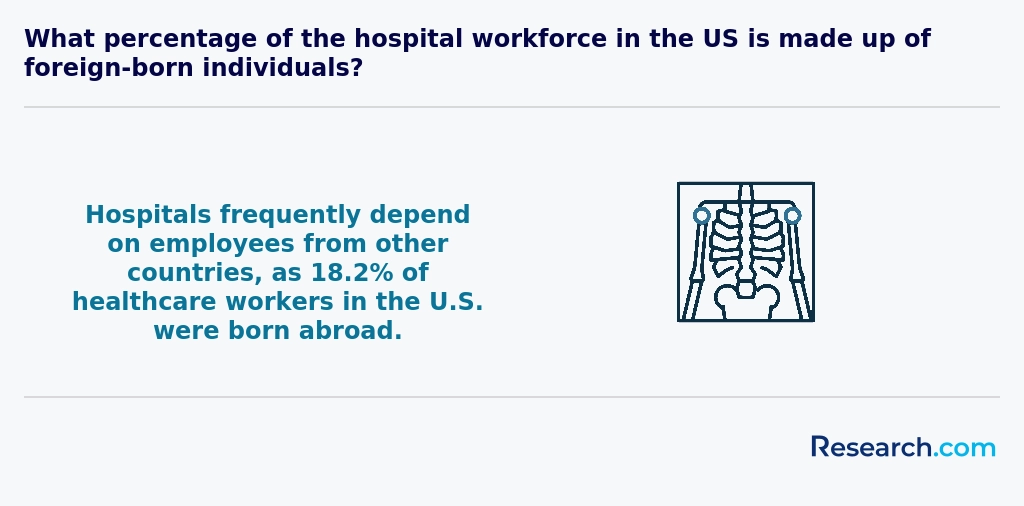
Graduates with an online healthcare degree in the South find themselves navigating a landscape rich with meaningful career opportunities. Many pursue roles as registered nurses or nurse practitioners, careers flourishing in states like Texas and Florida where the demand continues to surge due to aging populations and expanding communities. These graduates often share how their programs-whether through universities in North Carolina or Georgia-equip them with the skills needed for real-world challenges in both urban hospitals and rural clinics.
Others gravitate towards healthcare administration, managing operations in clinics or public health settings. For example, graduates from popular Southern colleges describe the satisfaction of leading teams and improving patient care systems firsthand. These roles often reflect positive financial rewards, with salaries ranging considerably depending on experience and location, fueling a promising career path in the region.
Doctorate-level graduates look into healthcare analytics, epidemiology, or public health planning, tapping into the research centers flourishing across Southern states. Those drawn to these advanced fields appreciate the flexibility and depth of online programs, confident that their expertise supports vital regional health initiatives. Additionally, students exploring practical options might consider 2 year certificate programs that pay well to complement their journey.
The varied clinical, administrative, and research careers found through an online healthcare degree career opportunities in the South affirm the region's commitment to nurturing skilled professionals prepared for its unique needs.
The job market for online healthcare degree jobs in the South is notably strong, fueled by steady population growth and an aging demographic demanding more healthcare services. Graduates from well-regarded programs at universities such as the University of Florida or Emory University often share how their degrees open doors in diverse settings-from bustling urban hospitals to rural clinics. These roles, including registered nurses and healthcare administrators, benefit greatly from the Southern healthcare degree employment outlook, which shows consistent demand and competitive salaries, often between $65,000 and $100,000 annually depending on specialization.
Many graduates appreciate the flexibility of pursuing an online healthcare degree, enabling them to balance work and study while gaining practical experience. For those seeking to advance further, exploring an easy phd in healthcare fields can provide additional pathways to leadership or specialized clinical roles.
2027 Most Valuable Online Doctorate in Healthcare Degree Programs Ranking in the South
Investing in your education is a significant decision that can shape your future, and the Research.com team fully recognizes the importance of making well-informed choices. To support prospective students in the South, we have carefully developed the "2027 Most Valuable Online Doctorate in Healthcare Degree Programs Ranking in the South." Our dedication to quality, credibility, and accuracy is demonstrated through the rigorous research and analysis that underpin this ranking.
We utilized the following reputable data sources to ensure a comprehensive evaluation of online healthcare doctorate programs:
By reviewing this ranking, readers will gain valuable insights into the most effective and reputable online doctorate programs in healthcare available in the South, empowering them to make confident and informed educational decisions. For a detailed explanation of our approach, please visit our Research.com methodology page.




Frequently Asked Questions About healthcare
Online healthcare degree students in the South can maximize their learning by actively engaging with digital resources and maintaining consistent communication with instructors. Many Southern universities, such as those in Texas and Florida, offer interactive platforms that include video lectures, discussion boards, and virtual simulations tailored to healthcare training.
Students should leverage local healthcare facilities for internships or practicums to gain hands-on experience, which is crucial in practical healthcare education. According to the Southern Regional Education Board, involvement in clinical placements significantly enhances job readiness for healthcare graduates.
Forming peer study groups online also helps in exchanging knowledge and staying motivated throughout demanding programs.
Time management and setting a structured study routine are key, especially for working professionals balancing family and employment.
The healthcare field is expanding rapidly, with several emerging niches gaining importance, especially in the Southern US. Telehealth has surged, driven by a 600% increase in virtual visits during recent years, according to the American Hospital Association. This growth has created demand for professionals skilled in digital healthcare technologies.
Another key area is healthcare informatics, where experts use data to improve patient outcomes. The Southern states, facing specific public health challenges, benefit from informatics-driven solutions tailored to rural populations.
Geriatric care is also growing, as the Southern US has a larger aging population compared to other regions, requiring specialized knowledge in elder healthcare management. Mental health services remain crucial, with more emphasis on accessible, online support programs.
After completing an online healthcare degree in the South, preparing for the job market requires strategic steps. Begin by obtaining relevant certifications or licenses, as many Southern states mandate specific credentials for healthcare roles. Familiarize yourself with state licensing boards like the Texas Medical Board or Florida Department of Health.
Networking is crucial; engage with regional healthcare associations such as the Southern Medical Association. This helps build professional connections and access job openings.
Gain practical experience through internships or volunteer positions, even post-graduation, since Southern healthcare employers often value hands-on skills. Stay updated on regional healthcare trends via sources like the U.S. Bureau of Labor Statistics, which projects a 16% growth in healthcare jobs in the South through 2031.
Employers in the Southern U.S. highly value healthcare graduates who demonstrate strong clinical skills combined with effective communication. According to the U.S. Bureau of Labor Statistics, interpersonal skills are critical as healthcare roles increasingly require teamwork across diverse populations typical of the South.
Technical proficiency with electronic health records and telehealth technologies is also essential, due to growing adoption in the region's rural and urban healthcare settings. The National Center for Education Statistics notes that nearly 30% of Southern healthcare programs emphasize digital health competencies.
Critical thinking and cultural competence are frequently sought after, reflecting the South's diverse patient demographics and complex healthcare challenges.
Finding internships in the South relevant to a healthcare degree involves a strategic approach. Start by exploring partnerships between online programs and local hospitals or healthcare providers, as many Southern universities maintain such connections. The region has a growing healthcare sector, with states like Texas and Florida employing over 1.6 million healthcare workers combined, according to the U.S. Bureau of Labor Statistics (2023).
Utilize university career services, which often list regional internships. Also, consider state health department websites and professional organizations like the Southern Healthcare Association for opportunities. Networking at virtual conferences and joining healthcare groups on platforms like LinkedIn can expand access.
Applying early and tailoring resumes to clinical or administrative roles increases chances, as demand for healthcare internships remains competitive in the South's dynamic market.
Online healthcare degrees significantly enhance career mobility and advancement opportunities for professionals in the Southern United States. According to the U.S. Bureau of Labor Statistics, healthcare jobs in the South are projected to grow by over 15% through 2030, reflecting strong regional demand. With an online degree, professionals can access flexible learning while maintaining employment, which is essential in the often rural and underserved areas of the South.
The availability of accredited online programs from Southern universities ensures that graduates meet licensing and certification requirements. This credential recognition improves eligibility for leadership roles and higher salaries. Studies from the National Center for Education Statistics indicate that healthcare workers with advanced degrees earn up to 25% more on average, boosting long-term career prospects in southern healthcare markets.
Studying for an online healthcare degree in the South offers unique preparation for interdisciplinary roles. Many Southern programs emphasize teamwork across health professions such as nursing, public health, and healthcare administration. This approach reflects the region's increasing demand for collaborative care, especially in rural areas where resources are limited.
According to the Health Resources & Services Administration, the South faces a significant shortage of healthcare workers, making interdisciplinary skills crucial. Programs often integrate case studies and simulations involving multiple specialties, training students to communicate and coordinate effectively.
Furthermore, Southern universities frequently partner with local healthcare providers, giving students access to real-world interdisciplinary settings. This experience helps graduates navigate diverse teams and complex patient needs efficiently.
Choosing between a thesis and a non-thesis healthcare degree program in the South depends largely on your career goals and learning preferences. Thesis programs typically focus on research and are suited for those interested in academic or research-oriented roles. This path involves developing a detailed research project, which can take additional time and requires strong analytical skills.
Non-thesis programs emphasize practical skills and coursework, appealing to professionals aiming to advance clinical or administrative careers quickly. In Southern states, where healthcare job growth is projected at 18% through 2030 according to the Bureau of Labor Statistics, practical experience is highly valued.
Consider also the flexibility of online programs; some Southern universities offer both tracks tailored to working adults balancing study with job demands.
Students based in the South interested in studying healthcare abroad have several online options through U.S. institutions that offer international partnerships or cross-border programs. Many universities provide hybrid models, combining online coursework with clinical experiences available internationally. For example, regional Southern schools often collaborate with healthcare facilities in Europe or Latin America, allowing students to gain global exposure while completing an accredited degree.
The U.S. Southern region hosts numerous online healthcare degree programs recognized by accreditation bodies like the Commission on Collegiate Nursing Education (CCNE), ensuring a quality education that prepares graduates for global healthcare challenges.
According to the National Center for Education Statistics, over 25% of Southern healthcare students engage in some form of international study, reflecting growing interest and access to diverse learning environments.
Studying healthcare abroad online frequently involves rigorous licensing and regulatory considerations, particularly for clinical practice components. Therefore, prospective students should carefully review program details and accreditation to ensure seamless professional integration both domestically and abroad.
Part-time jobs in the Southern United States offer valuable experience for students pursuing online healthcare degrees. Positions such as medical assistants, pharmacy technicians, and home health aides are in demand due to projected regional healthcare growth. According to the U.S. Bureau of Labor Statistics, healthcare employment in the South is expected to grow by 14% through 2031, faster than the national average.
Working in these roles provides practical skills and strengthens resumes, complementing academic learning. Hospitals, clinics, and elder care facilities across southern states frequently hire part-time staff. This hands-on exposure enhances understanding of patient care and healthcare operations, crucial for advanced healthcare degrees.
Online healthcare students in the South have various networking opportunities despite the virtual learning format. Many Southern universities offering online healthcare degrees provide access to regional professional associations such as the Southern Nursing Research Society or state-specific groups like the Texas Nurses Association. These organizations often host conferences, workshops, and virtual meetups enabling students to connect with local industry professionals.
Additionally, Southern healthcare facilities commonly partner with universities to offer internships and practicum placements, allowing students to build real-world contacts in their home state. The Southern regional healthcare market, valued at over $1 trillion (Health Sector Reports, 2023), means numerous potential employers.
Online platforms like LinkedIn also support Southern students in joining specialized healthcare groups to expand their network regionally and nationally.
Alumni networks offer significant advantages to online healthcare degree students in the South by providing essential professional connections. These networks often include graduates working in key Southern healthcare institutions, enabling current students to access mentorship and job opportunities. According to the Southern Regional Education Board, 65% of healthcare graduates find employment through such connections within their first year after graduation.
Furthermore, alumni groups frequently organize events, workshops, and webinars tailored to regional healthcare challenges. This localized focus helps students understand and address specific public health issues prevalent in Southern states, such as higher rates of chronic diseases. Participation in a strong alumni network increases networking strength and career advancement prospects in Southern healthcare markets.
Customizing an online healthcare degree in the South allows students to align their education with specific career objectives. Many Southern institutions offer flexible curricula with concentrations in areas such as health administration, nursing, or public health. This flexibility helps meet the growing healthcare demands of the region, where the U.S. Bureau of Labor Statistics reports a 15% job growth for healthcare occupations by 2030.
Students can choose electives, internships, or capstone projects related to regional health issues like rural healthcare delivery, which is especially critical in Southern states. Additionally, some programs provide partnerships with local health systems, offering practical experience that enhances career readiness.
Online healthcare students in the South often face distinct challenges that can affect their academic success. One major issue is limited access to reliable high-speed internet, especially in rural areas where 22% of households lack broadband, according to the Federal Communications Commission. This connectivity gap can hinder participation in live lectures and timely submission of coursework.
Additionally, balancing clinical requirements with online study can be difficult. Many Southern states have fewer healthcare facilities offering placements, which may delay hands-on training essential for degrees like nursing or health administration.
Financial barriers also persist. The Southern region has higher poverty rates, complicating access to affordable tuition and study materials. Lastly, navigating state licensure requirements remotely adds complexity to degree completion across states.
Graduates with an online healthcare degree in the South can pursue various professional certifications to enhance their careers. Popular options include Certified Healthcare Administrator (CHA), Registered Health Information Administrator (RHIA), and Certified Professional in Healthcare Quality (CPHQ). These certifications are recognized nationally and often required for leadership roles in hospitals and clinics.
The Southern United States has a growing healthcare job market, with states like Texas, Florida, and Georgia leading in healthcare employment according to the U.S. Bureau of Labor Statistics (2023). Earning such certifications can boost competitiveness in this expanding region.
Many programs also prepare students for specialized credentials such as Certified Clinical Research Professional (CCRP) or Certified Medical Manager (CMM), focusing on research and practice management.
Writing a winning application for an online healthcare program in the South requires clarity and focus. Start by highlighting your professional experience and academic background related to healthcare. Many Southern online programs value practical knowledge alongside formal education, so emphasize relevant certifications and work history.
Be sure to tailor your personal statement to the specific institution, showing awareness of healthcare challenges in Southern states like Texas and Georgia, where demand for healthcare professionals is growing rapidly, according to the Health Resources and Services Administration.
Include clear career goals that connect your education to improving healthcare access or quality in the region.
Strong letters of recommendation from healthcare supervisors or academics in the South also strengthen your application.
Globally, healthcare careers are valued for their stability and impact, attracting students from diverse backgrounds. In the United States, including the South, healthcare professions consistently rank among the fastest-growing job sectors, with the U.S. Bureau of Labor Statistics projecting a 13% growth rate for healthcare occupations between 2021 and 2031.
Many Southern states share a common challenge: a shortage of healthcare workers, especially in rural areas. This drives demand for qualified professionals with advanced degrees, often available through online programs tailored for working adults.
Globally, healthcare knowledge exchange encourages interdisciplinary skills and cultural competence, essential in diverse Southern communities. Online degrees offer access to cutting-edge research and practical training, helping students meet evolving healthcare needs recognized worldwide.
Gaining practical experience while studying for an online healthcare degree in the South is essential for career readiness. Many accredited programs partner with local hospitals and clinics to offer in-person clinical placements or internships. These opportunities allow students to apply learned skills in real-world settings.
Some universities also provide virtual simulation labs, which have grown by 25% in usage across southern institutions since 2020, according to the Southern Regional Education Board. Additionally, professional networks and healthcare organizations in the South often facilitate student volunteering, providing valuable hands-on exposure.
Planning ahead to meet state licensing requirements is crucial, as some require a minimum number of clinical hours completed in person.
Choosing the right concentration within an online healthcare degree program in the South begins with understanding your career goals. The Southern region faces unique health challenges, such as higher rates of chronic diseases, which can influence demand for certain specialties. For example, the Association of American Medical Colleges highlights a growing need for primary care providers in Southern states, making family medicine or public health attractive concentrations.
Next, consider program accreditation and curriculum relevance to Southern healthcare needs. Programs aligned with organizations like the Southern Regional Education Board ensure quality and recognition. Employment outlook is vital; the Bureau of Labor Statistics reports healthcare jobs in the South are expected to grow faster than the national average, especially in nursing administration and health informatics.
Finally, evaluate flexibility and clinical placement options within the region to gain hands-on experience without relocating. Prioritize concentrations that address regional health disparities for both community impact and strong job prospects.
See What Experts Have To Say About Studying Healthcare
Read our interview with Healthcare experts

- Is an Online Degree the Same as a Traditional Degree | Online Degree https://www.cambridgehealth.edu/online-degrees/get-an-online-degree/is-an-online-degree-the-same-as-a-traditional-degree/
- Healthcare Assistant Cover Letter Templates | myPerfectCV https://www.myperfectcv.co.uk/cover-letter/examples/healthcare-assistant-cover-letter
- Experiential Learning to Enhance Global Health Collaboration and Student Opportunity https://annalsofglobalhealth.org/articles/10.5334/aogh.4537
- Online Healthcare Degree Programs | University of Phoenix https://www.phoenix.edu/online-healthcare-degrees.html
- Pursuing Your Career Goals: Strategies and Examples https://www.ultimatemedical.edu/blog/career-goals-importance-strategies-and-examples/
- Course Benefits https://www.premedprojects.co.uk/hospital-work-experience-benefits
- Career Opportunities in Healthcare Without a Medical Degree https://www.just-medical.ch/en/blog/medical-careers-without-formal-education
- Best Practices for Career Development and Advancement in the Healthcare Sector | Generation https://www.generation.org/news/best-practices-for-career-development-and-advancement-in-the-healthcare-sector/
- The Value of Healthcare Organization Alumni Associations https://consultqd.clevelandclinic.org/the-value-of-healthcare-organization-alumni-associations
- Online Degree vs. Traditional: Choosing the Right Path https://beal.edu/online-degree-vs-traditional/