
2027 Best Healthcare Degree Programs Ranking in Boise

Co-Founder and Chief Data Scientist
Choosing the right healthcare degree program is a big step toward a fulfilling and impactful career. If you're in Boise and considering your options, this article will guide you through the best choices for 2027.
The 2027 Best Healthcare Degree Programs Ranking in Boise, created by the Research.com team of data scientists, offers a carefully researched overview to help you make informed decisions. By exploring these programs, you'll discover opportunities that match your goals and set you up for success.
Pursuing a healthcare degree can open doors to meaningful work that truly makes a difference in people's lives. This guide is here to support your journey every step of the way.
Key benefits of getting healthcare degree in Boise
- Healthcare degree graduates in Boise can earn competitive salaries, such as $43,350 annually for Medical Assistants or up to $103,150 for Quality Improvement Coordinators, reflecting rewarding financial prospects.
- Career paths are diverse, with Boise graduates often working as Patient Care Technicians or Health Information Technicians, allowing for growth in various healthcare settings.
- Online healthcare degrees from Boise institutions offer flexibility and convenience, helping students balance work and study while achieving career goals efficiently.
- 2027 Best Healthcare Degree Programs Ranking in Boise
- What can I expect from healthcare degree in Boise?
- Where can I work with healthcare degree in Boise?
What can I expect from healthcare degree in Boise?
The average cost of pursuing a healthcare degree in Boise is generally more affordable compared to national averages, particularly for in-state students. For example, graduates from Boise State University, a leading institution for healthcare studies, report manageable tuition fees paired with significant financial aid options. Associate degree programs, such as nursing or medical assisting, usually take around two years and incur lower total costs, which makes them accessible for many local students.
Bachelor's degree programs in health sciences or nursing at Boise State University typically span four years, with costs higher but still reasonable given scholarship opportunities and the local market. Many students appreciate this balance, finding the investment worthwhile due to Boise's steady healthcare sector growth and promising job prospects upon graduation.
Additionally, students involved in clinical practicums within Boise's major hospitals like Saint Alphonsus Regional Medical Center gain valuable hands-on experience that enhances employment potential without adding extra tuition costs. Graduates often convey satisfaction with both the affordability and quality of their education, feeling well-prepared for licensing exams and competitive healthcare roles.
Where can I work with healthcare degree in Boise?
Graduates with healthcare degrees in Boise can expect diverse employment opportunities across the city's expanding healthcare landscape. Major employers like St. Luke's Health System and Saint Alphonsus Health System offer roles ranging from nursing and medical technology to healthcare administration. These systems prioritize hiring local graduates, providing reliable career entry points.
Many recent graduates from Boise State University find rewarding positions in outpatient clinics, long-term care, and rehabilitation centers. Increased demand for home health aides and pharmacy technicians reflects Boise's aging population, creating specialties with strong job security.
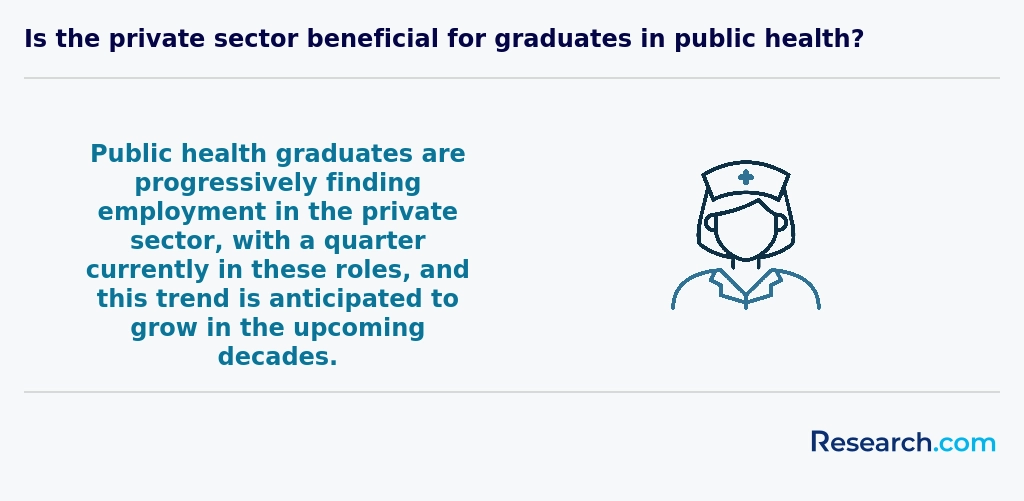
Public health roles at the Boise Veterans Affairs Medical Center and nonprofit organizations offer meaningful work in community health and veteran services, appealing to graduates seeking impactful careers. Additionally, academic roles in clinical instruction and advising at local institutions allow healthcare graduates to shape the next generation of professionals.
Employment growth projections for Boise County's healthcare sector exceed 15% through 2030, signaling robust career prospects and a favorable environment for healthcare professionals starting in Boise.
Graduates with healthcare degrees in Boise can expect varied earnings depending on their chosen career. For instance, medical assistants in Boise earn a mean annual wage of about $43,350, reflecting entry-level roles common among new graduates from local colleges such as Boise State University. Patient care technicians see higher pay, around $60,790 annually, offering a solid step up for those with certification and hands-on experience.
Graduates working as health information technicians also earn roughly $43,380 a year, which matches the stable demand for skilled professionals managing health data in Boise's hospitals and clinics. Entry-level roles like clinical research coordinators report salaries near $43,350, demonstrating good starting pay for students interested in the research side of healthcare.
More advanced roles signal significant growth potential. Quality improvement coordinators in the area earn an impressive mean annual wage of $103,150, showcasing an attractive path for graduates who pursue further education or specialize in healthcare management. Healthcare students from Boise's educational institutions often highlight the rewarding experience of securing well-paying positions early in their careers, emphasizing how local hospitals provide both opportunity and growth.
- Annual tuition for healthcare degrees in Boise ranges from $8,000 to $15,000 at public institutions, with private colleges usually charging more.
- Programs available include nursing, health sciences, medical assisting, and public health at associate, bachelor's, and master's levels.
- Local colleges partner with hospitals and clinics to provide internships and clinical rotations for hands-on experience.
- Healthcare employment in Boise is expected to grow by about 15% over the next decade, driven by an aging population.
- Starting salaries for entry-level healthcare workers are between $45,000 and $55,000, with experienced professionals earning $70,000 to over $90,000.
- Boise's healthcare infrastructure includes major hospitals and telehealth services, supporting diverse career opportunities and a lower cost of living.
The time needed to complete a healthcare degree in Boise varies by program level and student circumstances. Graduates from the College of Western Idaho often complete their associate degrees in medical assisting or LPN nursing programs within about 2 years, balancing flexible, part-time options alongside work or family commitments.
Bachelor's degrees, such as the BSN in nursing at Boise State University, typically require a full-time commitment of around 4 years. Many students appreciate the program's accreditation by the Commission on Collegiate Nursing Education, which assures a nationally recognized standard that boosts confidence entering the workforce.
Master's programs in healthcare administration or nursing can take anywhere from 1.5 to 3 years, with accelerated paths available for those with prior experience. Boise State's flexible scheduling helps working professionals thrive, often allowing students to maintain employment while advancing their careers.
Doctoral degrees, including the DNP or Ph.D. options, usually add an extra 3 to 5 years beyond a master's or bachelor's degree, appealing to graduates aiming for leadership or research roles in Boise's growing healthcare sector.
On-campus healthcare degree programs in Boise, such as those at Boise State University, offer students immersive, hands-on experiences with direct access to facilities like laboratories and healthcare clinics. Graduates often recall the value of face-to-face interactions with faculty and peers, which helped build strong professional networks within the local healthcare community.
In contrast, online programs provide flexibility for students balancing work or family, using video lectures, digital assignments, and discussion boards. However, even online students in Boise must complete local clinical hours to fulfill certification requirements, ensuring practical experience despite remote coursework.
Financially, on-campus studies have higher campus fees but may provide a richer campus life, while online learners often benefit from saving on transportation and housing costs. According to NCES, in-state tuition for traditional public healthcare programs ranges between $9,000 and $12,000 annually, with online program costs varying due to added technology fees.
Boise students appreciate hybrid models that combine online lectures with on-campus labs, blending convenience and practical training well suited to diverse learning preferences.
The average healthcare degree cost in Boise is shaped significantly by residency status and program level. Median total expenses for earning such a degree stand at approximately $42,222. For in-state students attending institutions like Boise State University, the median total cost drops considerably to about $14,058, making healthcare education more accessible locally. Graduates recall managing this financial commitment through careful planning of tuition fees and related expenses such as textbooks and clinical placement costs.
Undergraduate healthcare tuition in Boise typically ranges between $8,000 and $10,000 annually for in-state students, consistent with the median figures. Out-of-state students, however, face tuition rates that can easily be two to three times higher, reflecting a median out-of-state total cost similar to the overall median of $42,222. This discrepancy highlights the importance of residency in budgeting education expenses for healthcare programs.
Many students also consider the length of their programs to estimate total costs. Bachelor's degrees generally span four years, resulting in a tuition range that aligns closely with the median in-state total and presents a manageable financial path for local students. Meanwhile, graduate healthcare programs, which are often more intensive but shorter, bring total tuition expenses higher but still within a predictable range for budgeting.
Boise healthcare program tuition and fees are further balanced by opportunities to access financial aid, scholarships, and grants aimed specifically at healthcare students in Idaho. Graduates point to these resources, as well as Boise's relatively low cost of living, as key factors in reducing their overall financial burden while pursuing degrees in healthcare fields.
Prospective students looking for efficient pathways to complete their education while working can explore the best accelerated online degree programs for working adults, which may offer flexible scheduling and cost advantages.
Healthcare students in Boise benefit from multiple financial aid sources that substantially ease the burden of tuition costs. For example, Pell Grants, accessed via FAFSA, can provide up to $7,395 annually, helping many students at institutions like Boise State University reduce their out-of-pocket expenses. In addition, federal loans, including Direct Subsidized and Unsubsidized Loans, offer crucial funding, though graduates often emphasize the importance of borrowing responsibly to avoid long-term debt. State-specific programs administered by the Idaho Commission for Higher Education also provide targeted grants and scholarships for residents pursuing healthcare degrees locally.
Scholarships from Boise-area hospitals and nonprofit groups further support students committed to working in the city's healthcare sector. Many graduates recall how tuition reimbursement from local employers, especially in nursing and allied health roles, encouraged them to persist through demanding programs. Work-study opportunities connected to healthcare also help students gain practical experience while earning income, a benefit frequently highlighted by those attending colleges such as the College of Western Idaho.
Healthcare students in Boise are advised to contact financial aid offices early to explore tailored aid packages and flexible payment plans offered by local colleges, ensuring a manageable path through their studies.
Enrolling in healthcare degree programs in Boise typically requires a high school diploma or equivalent, with completed coursework in biology, chemistry, and mathematics. These foundational classes prepare students for advanced topics like anatomy and physiology, essential for success in fields such as nursing and allied health. For instance, graduates from Boise State University report that solid preparation in these subjects facilitated their confidence and academic performance.
Standardized test scores, such as the SAT or ACT, remain important for many programs, although some have adopted test-optional policies. Still, strong scores can improve admission prospects, as noted by students who successfully gained entry to Boise-based four-year healthcare programs.
Applicants often must complete prerequisite college courses, including general biology and chemistry, before full program admission. This step ensures readiness for the demands of healthcare education and aligns with Boise State's detailed prerequisites for nursing and health sciences.
Many also benefit from volunteering or work experience in clinical settings, which enhances understanding of patient care and healthcare environments. Letters of recommendation and personal statements further demonstrate commitment and motivation, factors affirmed by Boise healthcare graduates reflecting on their admission experiences.
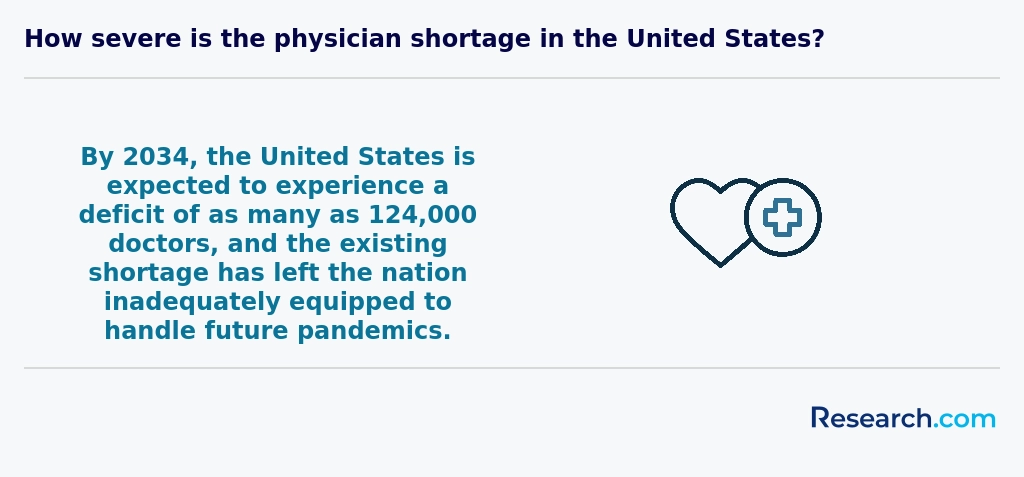
Healthcare degree programs in Boise, such as those offered at Boise State University, typically include a blend of foundational science and practical training designed for immediate applicability in local medical settings. Graduates often report that core courses like Anatomy and Physiology provided essential hands-on lab experience, making complex biological systems easier to understand through real dissection and physiological testing.
Medical Terminology and Health Ethics and Law are emphasized to prepare students to communicate effectively and navigate legal responsibilities in Boise's healthcare environment.
Pharmacology and Pathophysiology courses support safe patient care by teaching medication effects and disease mechanisms, which graduates found invaluable during clinical rotations in nearby hospitals.
Students also engage in Patient Care Techniques and Healthcare Informatics, gaining skills in vital signs monitoring and electronic health records frequently used in Boise clinics.
Nutrition and Public Health classes deepen understanding of community health initiatives, helping students feel confident contributing to regional wellness programs, a point highlighted by alumni who praised the relevance of coursework to their jobs.
Healthcare degree specializations in Boise cover diverse fields aligned with local workforce demands. Popular options include nursing, where programs prepare registered nurses (RNs), nurse practitioners (NPs), and specialists like pediatric nursing. Graduates from Boise's colleges frequently highlight how the strong demand for nurses-projected to grow over 16% through 2030 in Idaho-provides reliable career stability. Public health is another common path, emphasizing community health and epidemiology, which resonates with Boise's focus on preventive medicine and health education.
Students at well-regarded institutions in Boise appreciate programs in health informatics, combining IT and data analysis to advance telehealth and electronic medical records, essential as healthcare modernizes. Other specializations such as medical laboratory science offer hands-on training in diagnostic technology, crucial for labs supporting clinical teams. Healthcare administration programs develop skills in managing hospitals and clinics, benefiting from Boise's expanding healthcare infrastructure. Those exploring healthcare degree specializations in Boise can also find valuable guidance on affordable options and careers through resources like easy online degrees that pay well.
Choosing the best healthcare degree programs in Boise involves evaluating several key factors specific to the local education landscape. Graduates from Boise State University and other local colleges often emphasize the importance of accredited programs, as these ensure quality education recognized by employers and licensing boards. For example, programs accredited by organizations like ACEN provide confidence in clinical training aligned with healthcare industry standards.
Affordability is another critical consideration; Boise's public colleges offer in-state tuition averaging around $8,468 annually, which is notably lower than the national average. Students report feeling relieved by reduced financial pressure, allowing them to focus on their studies and clinical experiences at local facilities such as Saint Luke's Boise Medical Center. These hands-on opportunities enhance learning and boost job readiness. To explore options for faster completion, some students investigate the quickest associates degree programs available nationally.
Flexibility also plays a crucial role, particularly for those balancing work and family. Many Boise-area programs offer evening or online classes catering to diverse schedules. Graduates describe how such flexibility reduced stress and supported steady progress toward licensure in nursing or health administration. Considering affordable healthcare degrees Boise Idaho can help students secure valuable education without overwhelming costs, fostering both motivation and confidence.
Graduates holding a healthcare degree in Boise can explore diverse career paths within a growing market supported by major institutions like Boise State University. Opportunities span clinical roles such as registered nurses (RNs) and specialized nursing positions including nurse practitioners, both of which offer competitive salaries reflective of Boise's healthcare job market. Many graduates benefit from hands-on experiences that prepare them for these roles while studying at popular local colleges.
Beyond direct patient care, Boise healthcare degree job prospects include medical technologists and radiologic technologists who play critical roles in diagnostics and treatment. Administrative careers in healthcare management and public health also present promising options, especially as the city's population growth drives demand for efficient healthcare delivery and policy development. Additionally, emerging fields like telehealth and health informatics provide innovative specialties where digital skills are increasingly valued.
Prospective students evaluating healthcare career opportunities in Boise should consider the affordability of education, with in-state tuition at institutions such as Boise State University averaging about $8,000 per year. These accessible costs make it easier to pursue a healthcare degree without excessive financial strain. For detailed information on affordable education options, one can consult top accredited colleges online with no application fee, ensuring a smooth entry into this expanding career field.
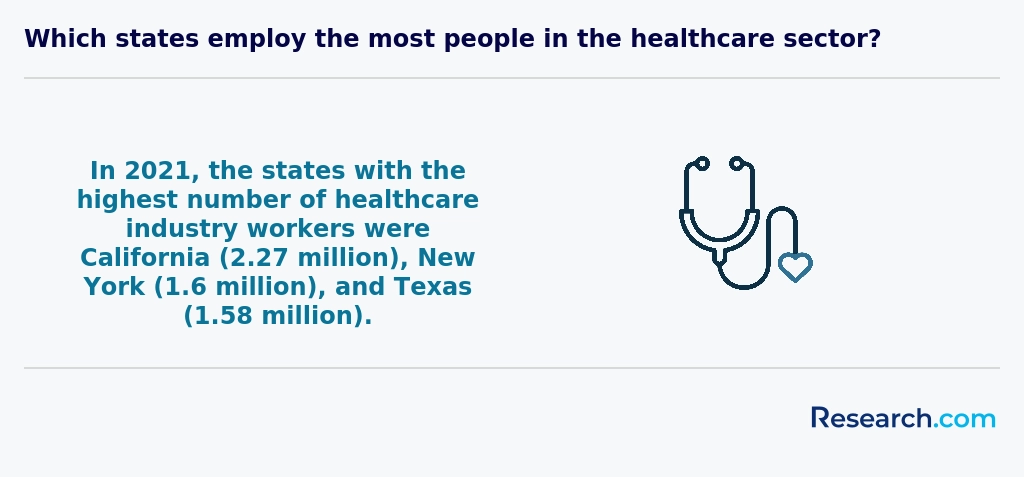
The healthcare job market Boise offers is characterized by solid and consistent growth, making it a favorable environment for graduates with healthcare degrees. The region benefits from its expanding healthcare infrastructure, with facilities such as Boise State University preparing students for in-demand roles like registered nurses and healthcare administrators. Graduates often find rewarding employment opportunities locally, supported by a growing population and rising demand for services including telehealth and outpatient care. This positive outlook reflects the broader Boise healthcare degree employment outlook, with average salaries like the $74,000 annual wage for registered nurses signaling competitive compensation.
Many Boise healthcare graduates share experiences of securing positions quickly post-graduation, thanks in part to the practical training offered by local colleges. The cost of education remains reasonable, with in-state tuition typically ranging between $7,000 and $9,000 annually, which helps students pursue their careers without excessive financial burden. Those exploring options can also consider the accessibility of best trade colleges online to supplement or enhance their qualifications.
2027 Best Healthcare Degree Programs Ranking in Boise
Investing in your education is a significant decision that can shape your future, and the Research.com team understands the importance of making informed choices. To assist prospective students in Boise, we have meticulously crafted the "2027 Best Healthcare Degree Programs Ranking in Boise." Our commitment to quality, credibility, and accuracy is reflected in the extensive research and analysis conducted to compile this ranking.
We utilized the following reputable data sources to ensure a comprehensive evaluation of healthcare degree programs:
By exploring this ranking, readers will gain valuable insights into the best healthcare degree programs available in Boise, empowering them to make informed decisions about their educational and career paths. For more details on our methodology, please visit our Research.com methodology page.

# 3 position
Eagle Gate College-Boise Campus
Bachelor of Science in Nursing
# 4 position
Eagle Gate College-Boise Campus
MS in Nursing
Frequently Asked Questions About healthcare
Healthcare degree students in Boise can maximize their learning experience by engaging in local clinical internships and partnerships with area hospitals. Boise is home to St. Luke's Health System, the largest health network in Idaho, offering valuable hands-on opportunities. According to the Idaho Department of Labor, healthcare jobs in Boise have grown by over 15% in recent years, highlighting the demand for practical skills. Students should also connect with professional organizations like the Idaho Nurses Association for networking and mentorship. Utilizing Boise State University's extensive healthcare simulation labs further enhances practical learning, ensuring students gain essential real-world experience.
Healthcare in Boise is evolving rapidly, with several emerging niches gaining attention among students and professionals. One notable field is telehealth, which expanded significantly during the COVID-19 pandemic and continues to grow. Boise's healthcare providers increasingly rely on virtual care technologies, creating demand for specialists skilled in digital health delivery and management.
Another promising niche is geriatric care, driven by Idaho's aging population. According to the Idaho Department of Health and Welfare, the senior population in Boise is expected to increase by over 30% in the next decade, emphasizing demand for healthcare workers trained in elderly care specialties.
Additionally, Boise is seeing growth in genomics and personalized medicine. Advanced degrees focusing on genetic counseling and biotechnology are becoming more relevant, aligning with national trends in precision healthcare.
After completing a healthcare degree in Boise, it is essential to build a strong professional network. Boise's growing healthcare sector, including major employers like St. Luke's Health System, offers many opportunities for networking through local events and job fairs.
Obtaining relevant certifications can improve job prospects. For example, medical assistants or nursing graduates may pursue state licensure exams, which are often required to practice.
Internships or volunteer experiences within Boise-area hospitals and clinics help graduates gain practical skills and make valuable connections. According to the Idaho Department of Labor, healthcare jobs in the region are projected to grow by 17% through 2030, highlighting the importance of experience.
Finally, tailoring resumes and preparing for interviews with a focus on local healthcare standards will increase competitiveness in Boise's job market.
Employers in Boise prioritize several key skills when hiring healthcare degree graduates. Strong clinical competencies are essential, alongside effective communication abilities to interact with patients and healthcare teams clearly. Critical thinking and problem-solving skills help professionals adapt to complex medical situations.
Data from the Idaho Department of Labor indicates that healthcare employers in Boise also value proficiency in electronic health records (EHR) systems due to the growing adoption of digital tools in the industry. Additionally, teamwork and cultural competency are important, reflecting Boise's diverse population.
Technical skills combined with empathy and ethical judgment form the foundation employers seek in candidates entering Boise's healthcare workforce.
Finding internships in Boise relevant to a healthcare degree starts with exploring local hospitals and clinics, such as St. Luke's Boise Medical Center and Saint Alphonsus Regional Medical Center. These institutions often offer structured internship programs for students pursuing nursing, medical assisting, or public health degrees. Additionally, Boise State University collaborates with healthcare providers to connect students with hands-on training opportunities.
Students should also check the Idaho Department of Health and Welfare's website, which provides resources for healthcare internships and volunteer programs. Networking through professional healthcare associations in Idaho can further increase chances of securing internships. Early application and maintaining a strong academic record are essential.
A healthcare degree significantly enhances career mobility and advancement opportunities in Boise. The city's growing healthcare sector, supported by institutions like St. Luke's Health System and Saint Alphonsus, demands skilled professionals. According to the Idaho Department of Labor, healthcare occupations in Boise are projected to grow by 15% from 2022 to 2032, outpacing many other industries.
Graduates with healthcare degrees often experience quicker promotions and higher earning potential. Advanced certifications and degrees, such as nursing or health administration, open doors to leadership roles. Additionally, Boise's focus on healthcare innovation and community health initiatives encourages continuous professional development for degree holders.
Studying for a healthcare degree in Boise offers students a strong foundation for interdisciplinary roles by emphasizing collaboration across multiple healthcare professions. Local institutions, such as Boise State University, integrate coursework that combines nursing, public health, and healthcare administration, fostering teamwork skills essential for modern medical environments.
Boise's growing healthcare sector, which employed over 40,000 people as of 2023 according to the Idaho Department of Labor, provides numerous internship and practicum opportunities for hands-on, cross-disciplinary experience. These practical settings expose students to holistic patient care, involving communication between physicians, nurses, therapists, and social workers.
The curriculum also incorporates health informatics and policy, preparing graduates to navigate the interconnected healthcare system efficiently, making them valuable in collaborative roles that improve patient outcomes.
Choosing between a thesis and a non-thesis healthcare degree program in Boise depends on your career goals and learning preferences. Thesis programs emphasize research skills, requiring you to conduct original studies and write a detailed paper, which benefits students aiming for doctoral studies or research roles. Non-thesis options focus more on practical knowledge and coursework, ideal for those seeking direct entry into healthcare professions in Boise's growing medical sector.
Boise's healthcare industry, valued at over $2.5 billion annually according to the Idaho Department of Labor, offers diverse opportunities. If you wish to work in clinical practice or healthcare administration, a non-thesis program may prepare you adequately. Conversely, a thesis path can enhance critical thinking and open doors to academia or specialized research jobs.
Consider your time availability, financial resources, and interest in research before deciding. Academic advisors in Boise's universities can provide tailored guidance based on these factors and local job market trends.
Students in Boise interested in healthcare degrees and looking to study abroad have several pathways within the US higher education framework. Many universities with healthcare programs participate in exchange programs or partnerships with institutions overseas, allowing students to complete part of their studies abroad. The University of Idaho and Boise State University offer study abroad advisors who can help identify international clinical placements or research opportunities focused on healthcare.
Popular destinations include countries with advanced medical systems such as the United Kingdom, Australia, and Canada, where students can gain experience in diverse healthcare settings. According to the Institute of International Education, healthcare-related fields rank among the top disciplines for American students studying abroad. Students should ensure that credits earned abroad will transfer back to their Boise-based programs for degree completion.
Boise offers various part-time job opportunities that complement healthcare degree education, allowing students to gain practical experience while studying. Positions such as certified nursing assistant (CNA), medical receptionist, and pharmacy technician are common. According to the Idaho Department of Labor, healthcare support roles in Boise have grown by 8% over the last five years.
Working as a CNA in hospitals or assisted living centers helps students develop patient care skills. Medical receptionist jobs build administrative knowledge, useful for healthcare management careers. Pharmacy technician roles familiarize learners with medications and patient interactions.
These jobs often provide flexible hours and valuable networking opportunities within Boise's growing healthcare system.
Healthcare students in Boise benefit from diverse networking opportunities linked to the city's growing medical community. Boise State University, a primary institution offering healthcare degrees, encourages students to engage in clinical placements within local hospitals such as St. Luke's Boise Medical Center and Saint Alphonsus Regional Medical Center. These partnerships provide direct contact with professionals and potential mentors.
Additionally, Boise hosts regular events by organizations like the Idaho Nurses Association and the Boise Healthcare Executives Forum, where students can connect with industry leaders and peers. According to the Idaho Department of Labor, healthcare employment in Boise is projected to grow by 13% through 2030, making networking crucial for career development.
Alumni networks provide valuable support to healthcare degree students in Boise by connecting them with experienced professionals who have local industry knowledge. These networks often offer mentorship opportunities, which help students navigate clinical placements and job searches within Boise's healthcare sector.
Boise's growing healthcare industry, including major employers like St. Luke's Health System, benefits from strong alumni connections that facilitate internships and employment. According to the Idaho Department of Labor, healthcare employment in Boise is projected to grow by 14% through 2030, increasing the value of alumni guidance.
Furthermore, many Boise alumni participate in workshops and networking events, enhancing students' professional development and access to job openings in this competitive field.
Customizing a healthcare degree program in Boise allows students to align their education with specific career goals. Many local institutions offer flexible curricula that include elective courses, clinical rotations, and specialization tracks in areas like nursing, public health, or health informatics. Boise's growing healthcare sector, with a 6% job growth forecast through 2031 according to the Idaho Department of Labor, supports diverse career paths. Students can also engage in internships or partnerships with Boise's major health providers such as Saint Alphonsus Health System to gain practical experience. Advising services help tailor programs to individual professional objectives.
Healthcare students in Boise often face several challenges as they pursue their degrees. One major difficulty is balancing rigorous coursework with clinical rotations, which demand significant time and energy. According to the Idaho Department of Labor, healthcare programs require hands-on experiences in local hospitals, adding pressure to students' schedules.
Another challenge is the limited availability of clinical placements due to Boise's growing population and healthcare demand. This competition can delay program completion or limit practical training opportunities.
Additionally, financial strain is common, since tuition and living costs in Boise have risen by over 5% in recent years, impacting students' ability to focus solely on their studies.
With a healthcare degree in Boise, graduates can pursue several professional certifications that enhance career opportunities and credibility. Common certifications include Certified Nursing Assistant (CNA), Registered Nurse (RN), and Licensed Practical Nurse (LPN), which are essential for clinical roles. For those interested in administrative and technical jobs, certifications like Certified Medical Assistant (CMA) or Health Information Technician (RHIT) are popular choices.
Boise's growing healthcare sector supports over 40,000 jobs, making certifications valuable for competitive employment (Bureau of Labor Statistics, 2023). Many local employers prefer candidates with recognized credentials, ensuring higher salaries and advancement.
To write a winning application for a healthcare program in Boise, start by clearly demonstrating your commitment to healthcare through your personal statement. Emphasize any relevant volunteer work or employment, particularly in the local Boise healthcare system, which employs over 20,000 people (Idaho Department of Labor, 2023).
Highlight your academic achievements by including strong grades in science and math courses, as these are essential for healthcare studies. Boise schools often require a minimum GPA of 3.0 for competitive programs.
Obtain strong letters of recommendation from professionals or educators familiar with your skills and dedication. These add credibility to your application and help admissions understand your strengths.
Finally, ensure your application materials are error-free and submitted before deadlines. Adhering to Boise State University's healthcare program deadlines is crucial, as late applications are rarely considered.
Healthcare careers in Boise reflect broader global trends emphasizing an aging population and increased demand for medical services. In the United States, the Bureau of Labor Statistics projects healthcare occupations to grow by 13% from 2021 to 2031, much faster than the average for all professions. Boise, as a rapidly growing city, aligns with these trends, with local health systems expanding to meet community needs.
Globally, healthcare professionals face similar challenges, including the need for cultural competence and adaptability due to diverse patient populations. Many countries emphasize interdisciplinary skills and technological proficiency, which are increasingly important in Boise's healthcare education programs.
The city's healthcare sector benefits from partnerships between educational institutions and employers, offering students practical experience. This approach aligns with global but especially U.S.-based standards to ensure graduates meet both local and international competency requirements. Sources such as the Idaho Department of Labor support these observations.
Gaining practical experience while studying for a healthcare degree in Boise is essential for career readiness. Many local institutions, including Boise State University, offer clinical placements and internships as part of their healthcare programs. These opportunities often take place in hospitals like Saint Alphonsus and St. Luke's Health System, both major employers in the area.
Students can also participate in volunteer programs and community health initiatives coordinated with Boise area clinics. These experiences help develop hands-on skills and professional networks.
Additionally, Idaho's licensure boards may require supervised clinical hours, which programs integrate into their curricula to meet state standards.
Choosing the right concentration within a healthcare degree program in Boise requires examining local job market demand and your personal interests. Boise's healthcare sector is growing rapidly, with the Idaho Department of Labor projecting a 15% increase in healthcare employment through 2030. Concentrations in nursing, medical laboratory science, and health administration offer strong career prospects.
Consider specialized programs aligned with Boise's major employers, such as Saint Alphonsus Health System, which employs thousands in nursing and allied health roles. Research available degree options, including practical training and internships, to ensure relevant hands-on experience.
Understanding your strengths and long-term goals is crucial. For example, if patient care appeals to you, nursing or respiratory therapy may be ideal. If you prefer management, health services administration is a key path. Consulting Boise's healthcare workforce statistics and regional salary data can guide an informed decision.
- 2027 Best Healthcare Degree Programs Ranking in Pocatello
- 2027 Best Healthcare Degree Programs Ranking in Pullman
- 2027 Best Healthcare Degree Programs Ranking in Spokane
- 2027 Best Healthcare Degree Programs Ranking in Salt Lake City
- 2027 Best Healthcare Degree Programs Ranking in Orem
- 2027 Best Healthcare Degree Programs Ranking in Provo
- 2027 Best Healthcare Degree Programs Ranking in Reno
- 2027 Best Healthcare Degree Programs Ranking in Portland
- 2027 Best Healthcare Degree Programs Ranking in Eugene
- 2027 Best Healthcare Degree Programs Ranking in Corvallis
See What Experts Have To Say About Studying Healthcare
Read our interview with Healthcare experts

- Networking in Medicine: Build Lasting Connections l Windsor https://www.windsor.edu/networking-in-medicine-building-relationships-from-day-one/
- Healthcare Administration Certifications https://www.publichealthdegrees.org/careers/healthcare-administrator/certification/
- Advance Your Education and Career While Working in Healthcare https://www.hospitalrecruiting.com/blog/4236/advance-your-education-and-career-while-working-in-healthcare/
- Thesis vs. Non-Thesis Master's Programs: Which is Right for You? https://potomac.edu/thesis-vs-non-thesis-masters/
- Advancing Your Career in Healthcare: Tips and Strategies https://www.sunshinecarenetwork.com/blog/advancing-your-career-in-healthcare-tips-and-strategies
- How to choose a bachelor's in healthcare administration | edX https://www.edx.org/resources/how-to-choose-a-bachelors-in-healthcare-administration
- Bachelor of Science in Health Data Analytics at Boise State University - Fees & Requirements | Craydel https://craydel.com/course/bachelor-of-science-in-health-data-analytics-2264459460
- Healthcare Assistant Cover Letter Templates | myPerfectCV https://www.myperfectcv.co.uk/cover-letter/examples/healthcare-assistant-cover-letter
- Master’s in Healthcare Management Degrees in Idaho - Healthcare Management Degree Guide https://www.healthcare-management-degree.net/in/idaho/
- The Value of Healthcare Organization Alumni Associations https://consultqd.clevelandclinic.org/the-value-of-healthcare-organization-alumni-associations


