
2027 Most Valuable Healthcare Degree Programs Ranking in Tennessee

Co-Founder and Chief Data Scientist
Choosing the right healthcare degree program in Tennessee can shape your future in a rewarding and in-demand field. This article introduces the 2027 Most Valuable Healthcare Degree Programs Ranking in Tennessee, developed by the Research.com team of data scientists.
Designed to guide you, this ranking highlights programs that offer strong career potential and value. Whether you're starting fresh or seeking to advance your education, the rankings help you find programs worth considering.
Investing in a healthcare degree brings opportunities to make a real difference while building a stable and fulfilling career.
Key benefits of getting healthcare degree in Tennessee
- Healthcare degree graduates in Tennessee can expect competitive salaries, such as Medical Assistants earning about $43,350 annually and Patient Care Technicians making around $60,790 per year, ensuring strong financial stability.
- Graduates from Tennessee universities often pursue dynamic careers, including roles as Health Information Technicians or Clinical Research Coordinators, offering diverse opportunities to impact patient care and health systems.
- Completing a healthcare degree online through a respected Tennessee college provides flexible learning, allowing students to balance work and study while gaining the same valuable skills and credentials as traditional programs.
- 2027 Most Valuable Healthcare Degree Programs Ranking in Tennessee
- What can I expect from healthcare degree in Tennessee?
- Where can I work with healthcare degree in Tennessee?
What can I expect from healthcare degree in Tennessee?
The average cost of a healthcare degree in Tennessee varies widely depending on the institution and program level. Graduates from community colleges often note the affordability of associate degrees, with tuition typically lower than that of four-year universities. For instance, students completing nursing programs at these colleges appreciate the manageable costs paired with hands-on clinical rotations at local hospitals, which makes the investment feel worthwhile and practical.
On the other hand, graduates from popular universities such as Vanderbilt University describe higher tuition expenses but emphasize the extensive resources and networking opportunities available. Many highlight how scholarships and state grants significantly offset these costs, making advanced degrees like the BSN or MHA more accessible than initial figures suggest.
While some students worry about rising tuition, those who have experienced Tennessee's healthcare programs underline the value gained through clinical experiences at centers like the Tennessee Valley Healthcare System. These real-world opportunities, combined with financial aid options, help balance costs and reassure students about their educational investment.
Where can I work with healthcare degree in Tennessee?
Graduates with healthcare degrees in Tennessee find diverse career paths across multiple settings, reflecting the state's growing healthcare industry. Many who studied at institutions like the University of Tennessee Health Science Center or Belmont University discuss entering hospitals such as Vanderbilt University Medical Center, where roles vary from nursing to health information management. These environments provide dynamic opportunities but can also present challenges typical of busy hospital systems.
Outpatient clinics and care centers appeal to graduates seeking work in less acute settings. Here, careers in physical therapy or radiologic technology allow for close patient interaction without the intensity of hospital demands, which many find rewarding. Such roles align with national trends towards outpatient services, favored by those desiring work-life balance.
Long-term care and assisted living facilities offer meaningful opportunities, especially as Tennessee's aging population grows. Graduates report feeling fulfilled working in senior care, addressing complex, compassionate needs. Public health organizations also attract healthcare degree holders focused on disease prevention and health education, providing community impact beyond clinical environments.
Healthcare administration and informatics have drawn interest since graduates realize hospitals and clinics rely heavily on operational expertise and technology. While research or pharmaceutical paths are less frequented, they provide exciting alternatives for those interested in innovation within Tennessee's healthcare landscape.
Healthcare degree graduates in Tennessee can expect a varied salary landscape that largely depends on the specific role they pursue. For example, graduates working as Medical Assistants often start with a mean annual wage around $43,350, while those who become Patient Care Technicians earn closer to $60,790. These figures reflect data from the U.S. Bureau of Labor Statistics and provide a realistic outlook for many entry- to mid-level positions.
Graduates from institutions like the University of Tennessee Health Science Center or Middle Tennessee State University share that their practical training significantly boosts confidence when stepping into these roles, which can lead to quicker salary growth. For more specialized positions, roles such as Health Information Technicians also average around $43,380 annually, illustrating opportunities beyond direct patient care.
Some graduates who advance into coordinator roles, such as Quality Improvement Coordinators, enjoy much higher salaries - about $103,150 yearly. This emphasizes how further specialization and experience translate into better compensation within Tennessee's healthcare market. These figures also align with the positive feedback from recent graduates who appreciate the blend of education quality and local job market demand.
- Public universities in Tennessee charge between $8,000 and $12,000 per year for undergraduate healthcare programs, while private schools typically cost $20,000 to $35,000 annually.
- Entry-level healthcare workers often start with salaries around $45,000, with registered nurses and allied health professionals earning about $50,000 yearly.
- Median salaries for healthcare professionals in Tennessee increase to $70,000-$85,000 after gaining experience in the field.
- The healthcare sector in Tennessee is one of the fastest-growing job markets, especially in nursing, physical therapy, healthcare administration, and medical technology.
- Both rural and urban areas have demand for healthcare jobs, with more openings commonly found in Nashville, Memphis, and Knoxville.
- Many Tennessee institutions offer accredited healthcare degrees from associate to doctorate levels, and numerous scholarships are available to assist with education costs.
Completing a healthcare degree in Tennessee varies widely based on the chosen pathway. Many graduates from community colleges under the Tennessee Board of Regents recall gaining their associate degrees, such as in nursing or healthcare administration, in about two years, balancing part-time jobs and family responsibilities. This timeframe feels achievable and practical for those eager to enter the workforce quickly.
At universities like the University of Tennessee, students pursuing a Bachelor of Science in Nursing (BSN) typically dedicate four full-time years. Graduates often appreciate the structured clinical training that prepares them well for real-world challenges, though balancing study and personal life demands dedication.
For those aiming higher, master's programs add approximately two more years, with many feeling a rewarding mix of clinical skill development and leadership growth. Doctoral degrees-spanning three to six years beyond a master's-are less common but valued for advancing expertise or research careers.
Accelerated options, such as BSN tracks completed in 12 to 18 months, attract returning students eager to fast-track their careers, though these require intense study and commitment, which some find both challenging and exhilarating.
A well-rounded healthcare education extends beyond the classroom, and understanding campus life and support services is essential for prospective students. In Tennessee, many institutions offer robust student support networks that include academic advising, counseling, career services, and mentorship programs. These resources are designed to help students navigate the challenges of rigorous programs, build professional networks, and maintain a healthy work–life balance. Campus activities such as student organizations, clubs focused on health innovation, and community outreach initiatives provide opportunities for personal growth and hands-on experience. For students seeking flexibility and affordability without sacrificing quality, exploring the cheapest online healthcare programs in tennessee can also offer insight into virtual campus support and innovative learning techniques. By leveraging both on-campus resources and online platforms, healthcare students can create a comprehensive educational experience that fosters academic success and prepares them for thriving careers in the dynamic field of healthcare.
Choosing between online and on-campus healthcare degrees in Tennessee often comes down to how students experience learning and clinical practice. Graduates from the University of Tennessee in Knoxville recall the hands-on environment as invaluable, with direct access to faculty and local hospitals enriching their practical skills. This face-to-face approach fosters confidence in clinical settings, bolstered by immediate feedback during labs and patient care simulations.
Conversely, online learners from institutions like Middle Tennessee State University appreciate the flexibility to balance studies with jobs or family life. However, they often emphasize the need for strong self-discipline and proactive efforts to secure local clinical placements, which are mandatory for Tennessee licensing. These students find virtual discussions stimulating yet sometimes miss the tangible immediacy found on campus.
Financially, while public universities like East Tennessee State University report annual in-state tuition around $10,300, online options may reduce costs related to commuting and housing, though specialized healthcare programs can maintain comparable tuition. Both routes require meeting rigorous clinical hour requirements, making the choice deeply personal based on one's learning style and lifestyle demands.
As the healthcare landscape continues to evolve, staying ahead of future trends is essential for both educational institutions and students pursuing healthcare degrees in Tennessee. This section explores emerging technologies, evolving industry standards, and innovative teaching methods that are reshaping the way healthcare professionals are trained. Modern advancements in telemedicine and digital health solutions are increasingly becoming a core part of the curriculum, preparing graduates to manage virtual care and adapt to rapid technological changes. Educational institutions are integrating simulation labs, virtual reality, and online learning modules to offer immersive, hands-on experiences that complement traditional classroom instruction. Moreover, as healthcare systems embrace data analytics and health informatics, programs are expanding to equip students with skills in information management and cybersecurity. For prospective students who are budget-conscious yet eager to benefit from these advances, exploring options such as the cheapest online healthcare programs in tennessee can be a strategic choice. By fostering an adaptive mindset and investing in innovative learning tools, Tennessee's healthcare degree programs are not only enhancing academic success but are also preparing future professionals to meet the dynamic challenges of a modern healthcare environment.
The average healthcare degree cost in Tennessee typically ranges around $25,620 for in-state students, while out-of-state students may see costs closer to $40,680. These figures reflect the median total cost of tuition, fees, and other necessary expenses over the course of the program. Graduates from well-known public universities in Tennessee often share how managing these expenses was challenging, yet ultimately rewarding given the quality of education and hands-on clinical experience they received. For example, many healthcare students at institutions like the University of Tennessee highlight the comprehensive training despite the financial commitment.
It's important to consider that the total cost of healthcare degrees Tennessee 2027 will not only include tuition but also additional fees for lab materials, clinical placements, books, and supplies. These can add up to several thousand dollars annually. Some graduates mention budgeting carefully for these costs, appreciating that private colleges generally charge more, sometimes reaching $40,000 or beyond per academic year. However, these private programs often provide enhanced resources which may justify the higher price for some students.
Financial aid and scholarships play a significant role in offsetting expenses. Many students rely on these opportunities, especially in demand healthcare fields. Those seeking more affordable options often explore the cheapest online healthcare programs in Tennessee, which help reduce costs while accommodating different learning styles and schedules.

Healthcare degree programs in Tennessee distinguish themselves through robust partnerships with leading hospitals, clinics, and public health organizations, ensuring students graduate with hands-on skills and professional networks. From pediatric rotations at the Monroe Carell Jr. Children’s Hospital to community health internships in rural Appalachia, these programs integrate real-world experiences directly into the curriculum. Clinical placements typically span 300–600 hours, supervised by licensed practitioners who provide feedback on patient communication, procedural techniques, and interprofessional collaboration. Additionally, many universities offer capstone projects in collaboration with healthcare systems, allowing students to address pressing challenges such as telehealth implementation and chronic disease management. For those seeking cost-effective online clinical training options, our sister page on Inexpensive Online Healthcare Degree Programs Ranking in Morgantown, WV highlights programs that combine affordability with high-quality practicum experiences.
Students pursuing healthcare degrees at institutions like the University of Tennessee or Belmont often find federal financial aid indispensable. Pell Grants, offering up to $7,395 annually, can significantly reduce costs for low-income undergraduates, allowing them to focus more on studies than financial stress. Yet, these grants don't always cover all expenses, requiring many students to combine aid sources.
State-specific support via the Tennessee Student Assistance Corporation (TSAC) also plays a critical role. Programs like the HOPE Scholarship and HOPE Access Grant help residents attending Tennessee public colleges, easing tuition burdens especially for those excelling academically. Graduates frequently reflect on how these awards made their education more accessible.
Scholarships from organizations such as the Tennessee Nurses Foundation provide targeted help for nursing and allied health students, often rewarding community involvement and dedication to local healthcare. Work-study programs further enable hands-on experience while earning income, a dual benefit frequently appreciated by healthcare students at Middle Tennessee State University.
Finally, workforce incentives like the Health Professional Loan Repayment Program encourage graduates to serve in underserved Tennessee regions. While committing to work in shortage areas, graduates can alleviate loan burdens, blending financial relief with meaningful career impact.
Enrolling in a healthcare degree program in Tennessee typically demands a solid academic foundation, often requiring completion of a high school diploma or GED with coursework in biology, chemistry, and mathematics. Graduates from popular institutions like the University of Tennessee Health Science Center report that having taken anatomy and physiology before or during their first year made managing the demanding curriculum much less daunting.
A minimum GPA around 2.5 to 3.0 is usually expected, reflecting readiness for rigorous study. Some programs also ask for SAT or ACT scores, though this varies, so students at community colleges such as Nashville State find flexibility in these requirements helpful when balancing other responsibilities.
Beyond academics, many students emphasize the value of hands-on experience gained through volunteering or shadowing healthcare professionals, which not only builds confidence but also confirms one's commitment to the field. Immunizations and background checks are practical prerequisites reflecting real-world clinical safety standards, commonly encountered during clinical rotations at places like Middle Tennessee State University.

One of the most important measures of a healthcare program’s effectiveness is the success rate of its graduates on professional licensure and certification exams. High pass rates not only demonstrate rigorous academic preparation but also signal strong faculty support and clinical training. • Nursing (NCLEX-RN): Many Tennessee BSN programs report first-time pass rates above 93%, with top institutions reaching 97%. • Radiologic Technologist (ARRT): Accredited radiography programs in Tennessee boast ARRT exam pass rates averaging 88–92%. • Health Information Management (RHIA/RHIT): Graduates often achieve RHIA or RHIT certification pass rates between 85% and 90%, reflecting comprehensive coursework in medical coding and data governance. • Respiratory Therapy (CRT/RRT): Respiratory care programs maintain CRT pass rates of 80–85% and RRT pass rates of 75–80%, illustrating solid clinical practicum experiences. These outcomes are closely tied to accreditation status-programs accredited by bodies such as the Commission on Collegiate Nursing Education (CCNE) or the Commission on Accreditation for Health Informatics and Information Management Education (CAHIIM) typically deliver higher exam success. Prospective students should review published pass rates and accreditation to ensure their chosen program aligns with industry standards. For insights into allied health certification success in a related field, explore our best online kinesiology programs.
Healthcare degree programs in Tennessee commonly include foundational science courses like Anatomy and Physiology, Biology, and Chemistry, which students at institutions such as the University of Tennessee or Belmont University describe as essential for understanding the human body and preparing for clinical work. One graduate recalls how mastering these basics made later practical experiences feel less overwhelming.
Specialized courses often follow, including Medical Terminology and Health Informatics. Many students appreciate learning the language used by healthcare professionals and gaining skills to navigate electronic health records, reflecting the growing tech emphasis in Tennessee's healthcare sector. Healthcare Ethics and Law classes also receive positive feedback, as they help students grasp the complexity of legal and moral decision-making in patient care.
Pharmacology and electives like public health or mental health further round out the curriculum, enabling learners to tailor their studies toward their career goals. Practical training through clinical rotations at local hospitals ties theory to real-world experience, which students find both challenging and rewarding, especially given Tennessee's focus on rural healthcare access.
Healthcare degree specializations in Tennessee reflect the diverse and evolving needs of the local medical landscape. Popular options include nursing programs ranging from LPN certifications to advanced nurse practitioner roles, as seen at universities like the University of Tennessee and Belmont University. Graduates often mention the hands-on clinical experiences that build both confidence and competence. Healthcare Administration is another prominent path, offering skills in hospital management and healthcare finance, which resonate with students aiming for leadership positions in Tennessee's extensive healthcare systems.
Medical Laboratory Science and Physical Therapy specializations prepare students for crucial diagnostic and rehabilitative roles, often integrated with practical training at institutions such as Tennessee State University. Public Health tracks, focusing on epidemiology or environmental health, engage students passionate about tackling community health challenges directly. Pharmacy-related concentrations remain less common but provide solid foundations for further study.
Students seeking a balance between accessibility and career advancement might consider looking into an easy online mha program to get into, which complements administrative skills with flexible learning. Overall, top Tennessee healthcare program concentrations allow students to connect classroom theory to real-world impact in a state experiencing substantial healthcare growth.
Choosing the best healthcare degree in Tennessee means balancing practical concerns with your career vision. Graduates from institutions like the University of Tennessee often emphasize the value of accredited programs, noting how accreditation from bodies such as CCNE or ACEN boosted their confidence when applying for jobs. Yet, accreditation isn't the sole factor-consider also the program's flexibility, especially if you're working. Many students appreciate online or hybrid options available through Belmont University, which ease managing study alongside life commitments.
Cost plays a clear role, too. A healthcare degree should be affordable, and Tennessee's average public tuition around $10,300 makes programs accessible compared to other states. Still, one graduate recalls unexpected clinical fees adding up, so looking for financial aid specific to healthcare students is wise. When weighing programs, reviewing graduation and licensure pass rates provides insight into outcomes, helping ensure the program's effectiveness. Exploring the spectrum of offerings, including best online kinesiology programs, could also align your choice with your career goals and the evolving healthcare market in Tennessee by 2027.
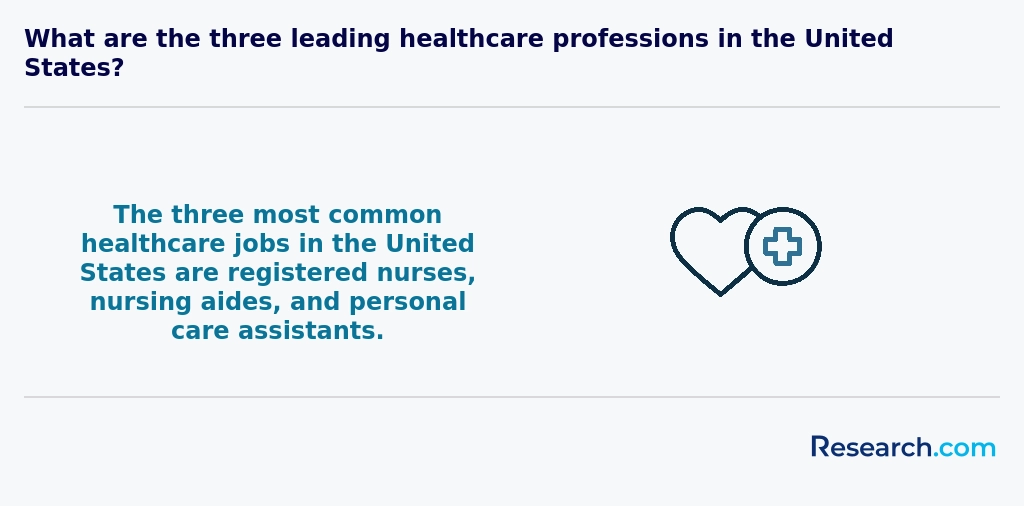
Graduates with healthcare degrees in Tennessee find a variety of career paths reflecting the state's evolving medical landscape. Clinical roles remain prominent, with many pursuing nursing, medicine, dentistry, or pharmacy, where practical, hands-on skills are vital. For example, graduates from the University of Tennessee Health Science Center often share the rewarding experience of directly impacting patient care in hospitals, especially as registered nurses, who are in high demand statewide. However, not all graduates follow traditional clinical routes; allied health professions such as radiologic technology or respiratory therapy offer meaningful, technical roles that contribute to diagnostics and treatment, drawing those who prefer more specialized skills.
Healthcare degree jobs in Tennessee are not limited to direct patient care. Some graduates gravitate towards healthcare administration or health informatics, fields that blend healthcare knowledge with business and IT skills. For instance, those studying at Belmont University appreciate how administration roles offer a balance of leadership and service, helping facilities run efficiently while improving patient outcomes. Costs and access also shape decisions, and resources like the Inexpensive Online Healthcare Degree Programs Ranking in Morgantown, WV can guide prospective students balancing quality and affordability in their educational investment.
The healthcare job market in Tennessee shows encouraging growth, with projections indicating a 14% increase in healthcare job opportunities in Tennessee from 2020 to 2030. Graduates from popular institutions like the University of Tennessee Health Science Center often share positive experiences about quickly finding roles in nursing, physical therapy, or healthcare administration. These professions remain in high demand due to Tennessee's diverse healthcare economy, including hospitals and outpatient care centers particularly in urban areas such as Nashville and Memphis.
Financially, pursuing a healthcare degree locally can be appealing. In-state tuition typically ranges from $8,000 to $12,000 per year, lower than many other states, which helps graduates balance education costs against their potential salaries. Median wages for roles such as registered nurses often exceed $60,000 annually, supporting a sustainable career path. Many graduates note that manageable tuition and promising employment outlooks make Tennessee a sensible choice for those seeking stability in their healthcare careers.
Students considering different pathways may also explore fastest degree programs to enter the workforce sooner, a factor that some Tennessee healthcare degree employment outlooks emphasize when advising on career planning.
2027 Most Valuable Healthcare Degree Programs Ranking in Tennessee
Investing in your education is a significant decision that can shape your future, and the Research.com team understands the importance of making informed choices. To assist prospective students in Tennessee, we have meticulously crafted the "2027 Most Valuable Healthcare Degree Programs Ranking in Tennessee." Our commitment to quality, credibility, and accuracy is reflected in the extensive research and analysis conducted to compile this ranking.
We utilized the following reputable data sources to ensure a comprehensive evaluation of healthcare degree programs:
By exploring this ranking, readers will gain valuable insights into the most valuable healthcare degree programs in Tennessee, enabling them to make well-informed decisions about their educational and professional futures. For more information about our rigorous methodology, please visit our Research.com methodology page.


# 4 position
South College
Bachelor of Science in Health Sciences


# 7 position
The University of Tennessee Health Science Center
Bachelor of Science in Health Sciences

# 8 position
South College
Master of Science in Health Science


# 13 position
The University of Tennessee Health Science Center
Master of Science in Health Sciences
# 14 position
The University of Tennessee Health Science Center
Doctor of Health Science
# 15 position
Meharry Medical College
Master of Public Health


Frequently Asked Questions About healthcare
Healthcare degree students in Tennessee can maximize their learning experience by engaging in clinical rotations at local hospitals, such as those in Nashville and Memphis, where over 50% of Tennessee's healthcare jobs are concentrated according to the Tennessee Department of Labor. Hands-on experience is essential for applying theoretical knowledge in real-world settings. Additionally, students should seek opportunities for internships and volunteer work in diverse healthcare environments to build professional skills and networking connections.
Participating in Tennessee's growing telehealth programs can also enhance learning by familiarizing students with emerging healthcare technology. Utilizing campus resources, such as simulation labs and tutoring, supports academic success. Research shows that students who balance coursework with practical experiences have higher job placement rates post-graduation.
Tennessee's healthcare field is rapidly evolving with emerging niches offering promising career opportunities. One notable area is telehealth, which grew substantially during the COVID-19 pandemic. The Tennessee Department of Health reports increased statewide adoption of telemedicine, expanding access in rural communities. Another growing niche is healthcare informatics, combining data management and patient care to improve healthcare outcomes. Additionally, gerontology and aging services are expanding due to Tennessee's aging population, with more programs focusing on elderly care and chronic disease management. Lastly, behavioral health specialties, including substance abuse counseling, see heightened demand as the state addresses mental health challenges.
After completing a healthcare degree in Tennessee, preparing for the job market involves strategic steps to increase employability. Graduates should focus on obtaining relevant certifications and licenses required by the Tennessee Department of Health, such as nursing or medical technician licenses. Tennessee's healthcare sector is expanding rapidly, with a 15% projected job growth for healthcare practitioners from 2022 to 2032, according to the U.S. Bureau of Labor Statistics.
Networking through local healthcare organizations and attending job fairs at universities like Vanderbilt or University of Tennessee can provide valuable connections. Internships and clinical experience gained during studies also greatly improve job prospects. Understanding Tennessee's healthcare needs, particularly in rural areas, can guide job applications toward high-demand specialties.
Employers in Tennessee seeking healthcare degree graduates prioritize a mix of technical and interpersonal skills. According to the Tennessee Department of Labor and Workforce Development, critical thinking and clinical competence remain essential, as nearly 45% of healthcare roles demand strong diagnostic and patient care abilities.
Communication skills are highly valued, with over 60% of employers emphasizing clear, empathetic interaction with patients and team members. Knowledge of healthcare regulations and electronic health records (EHR) systems is also crucial due to Tennessee's continued investment in health IT infrastructure.
Adaptability and teamwork are increasingly important, given the fast-paced changes in healthcare practices statewide. These combined skills ensure graduates are prepared to meet Tennessee's diverse healthcare needs effectively.
Finding internships in Tennessee for healthcare degrees involves leveraging several key resources. Many universities in Tennessee, such as the University of Tennessee Health Science Center, have established partnerships with local hospitals and clinics that provide healthcare students with hands-on training opportunities.
Students should also explore programs through the Tennessee Department of Health, which often lists internship openings in public health and related fields. According to the Bureau of Labor Statistics, Tennessee's healthcare sector is growing steadily, increasing internship availability in areas like nursing, medical technology, and health administration.
Networking at healthcare job fairs and joining professional organizations, such as the Tennessee Nurses Association, can further enhance chances of securing an internship.
Contacting career services offices at colleges and regularly checking online job boards specializing in healthcare can also lead to valuable placements.
Earning a healthcare degree in Tennessee significantly enhances career mobility and advancement within the state's growing medical industry. According to the Tennessee Department of Labor, the healthcare sector is among the fastest-growing job markets, with a projected 16% employment increase by 2030. Having a degree can open doors to a wide range of roles-from nursing and allied health to healthcare administration-many of which require formal education and licensure.
Healthcare degrees also provide opportunities for specialization and higher earning potential. Reports from the Bureau of Labor Statistics show that advanced degrees, such as a Bachelor of Science in Nursing (BSN) or healthcare management, often correlate with promotions and leadership positions in Tennessee hospitals and clinics.
Moreover, many Tennessee employers prefer candidates with accredited degrees, which can lead to faster job placement and career growth. Overall, a healthcare degree serves as a critical credential that supports professional development in a competitive job market.
Studying for a healthcare degree in Tennessee equips students with essential interdisciplinary skills critical to modern healthcare delivery. Programs emphasize collaboration among nursing, public health, pharmacy, and allied health fields. This approach reflects Tennessee's growing demand for integrated care teams, as reported by the Tennessee Department of Health.
Many institutions, like the University of Tennessee Health Science Center, incorporate interprofessional education (IPE) into their curricula. This method improves communication, teamwork, and problem-solving, preparing graduates to work effectively across disciplines.
According to the Health Resources and Services Administration, Tennessee faces healthcare workforce shortages, increasing the need for versatile professionals who understand various health sectors. Hence, students gain exposure to real-world scenarios through clinical rotations in diverse settings, fostering adaptable expertise.
Choosing between a thesis and a non-thesis healthcare degree in Tennessee depends largely on your career goals and learning preferences. Thesis programs typically emphasize research skills, ideal for students aiming to pursue doctoral studies or roles in healthcare research. Non-thesis options focus more on practical skills and coursework, suited for those targeting clinical practice or administrative positions.
In Tennessee, institutions such as the University of Tennessee Health Science Center offer both options. According to the Tennessee Higher Education Commission, healthcare jobs in the state are expected to grow by 15% through 2030, highlighting the importance of applied skills.
Evaluate the time commitment: thesis programs often require 6-12 months for research and writing. Non-thesis tracks may allow faster completion. Consider faculty expertise, research facilities, and whether you prefer hands-on experience over academic research. Your decision should align with your long-term professional plans.
Students based in Tennessee seeking to study healthcare abroad have several pathways to consider. Many universities in the state, such as Vanderbilt University and the University of Tennessee Health Science Center, offer study abroad programs or partnerships with international institutions. These programs allow students to gain clinical experience and global health perspectives in countries like Ireland, Australia, or the United Kingdom. According to the Institute of International Education, about 10% of U.S. healthcare students participate in study abroad during their degree, providing valuable cultural competence for future healthcare roles.
Tennessee's healthcare workforce needs, which continue to grow with an expected 15% job increase through 2030 (Bureau of Labor Statistics), motivate students to gain diverse experience. Collaborations with accredited foreign medical programs ensure credits transfer smoothly, helping students meet U.S. licensure requirements after graduation.
Part-time job opportunities in Tennessee that complement healthcare degree education often include roles such as medical assistant, pharmacy technician, and patient care technician. These positions provide hands-on experience in clinical settings, which is valuable for students aiming to enter healthcare fields. According to the Tennessee Department of Labor and Workforce Development, healthcare support occupations are projected to grow by over 15% from 2020 to 2030, indicating strong demand.
Hospitals and outpatient clinics in cities like Nashville and Memphis frequently offer flexible, part-time roles tailored to students' schedules. Additionally, working as a medical scribe or health information technician can enhance administrative and clinical knowledge, supporting both associate and bachelor-level healthcare programs.
Healthcare students in Tennessee benefit from numerous networking opportunities essential for their career development. Many public and private institutions, such as the University of Tennessee Health Science Center, offer student organizations and professional clubs focused on healthcare fields. These groups facilitate connections with peers and faculty, fostering collaboration and mentorship.
Additionally, Tennessee hosts annual healthcare conferences and job fairs, providing direct access to regional employers and healthcare leaders. According to the Tennessee Department of Health, the state's healthcare industry employs over 330,000 workers, creating ample opportunities for internships and clinical placements that serve as valuable networking platforms.
Local chapters of national associations, like the American Medical Association and American Nurses Association, also hold regular meetings and events across Tennessee. These gatherings help students interact with experienced professionals and explore emerging trends in healthcare.
Alumni networks offer valuable support to healthcare degree students in Tennessee by providing connections to experienced professionals across the state's medical fields. Many universities in Tennessee boast active alumni groups that promote mentorship, career advice, and networking opportunities. According to the Tennessee Higher Education Commission, over 10% of healthcare graduates maintain strong ties with their alma mater's alumni, enhancing job placement prospects.
These networks can open doors in Tennessee's growing healthcare industry, which employs over 318,000 people statewide, per the Tennessee Department of Labor. Access to such contacts helps students learn about internships, residencies, and job openings before they are widely advertised.
Additionally, alumni events often offer workshops and seminars that keep students updated on the latest healthcare trends and technologies relevant to the Tennessee healthcare environment.
Customizing a healthcare degree program in Tennessee starts with selecting a specialization aligned with your career goals. Many institutions offer tracks in nursing, health informatics, public health, and allied health fields. You can often choose electives, internships, or capstone projects that emphasize your areas of interest.
Universities such as the University of Tennessee system provide flexible online and in-person course formats to accommodate working professionals. Tennessee's healthcare industry is growing, with a reported 13% job growth in allied health professions by 2030 according to the Tennessee Department of Labor.
Additionally, pursuing certifications alongside your degree, like Certified Medical Assistant or Registered Health Information Technician, can tailor your qualifications for specific roles.
Healthcare students in Tennessee face several common challenges during their education. One significant hurdle is the high cost of tuition and fees, which can exceed national averages for healthcare programs. According to the Tennessee Higher Education Commission, many students rely on financial aid but still encounter debt burdens upon graduation. Clinical placement availability also poses difficulties. With a growing demand for healthcare services in the state, securing quality, hands-on experience can be competitive, especially in rural areas.
Another challenge is managing rigorous coursework alongside clinical rotations, which often requires strong time management skills. Additionally, there is increasing pressure to stay updated with evolving healthcare technologies and regulations. Mental health concerns among healthcare students in Tennessee have risen, reflecting national trends highlighted by the American College Health Association.
With a healthcare degree in Tennessee, students can pursue a variety of professional certifications that enhance their career opportunities. Common certifications include Certified Nursing Assistant (CNA), Licensed Practical Nurse (LPN), and Registered Nurse (RN), each requiring additional exams and clinical hours. For advanced roles, certifications like Certified Medical Assistant (CMA) and Certified Professional Coder (CPC) are popular among graduates.
The Tennessee Department of Health reports a growing demand for certified healthcare professionals due to a 12% projected increase in healthcare jobs statewide by 2030. Certifications such as Emergency Medical Technician (EMT) and Physical Therapy Assistant (PTA) offer practical pathways to employment in high-demand areas.
Many Tennessee colleges partner with local hospitals to provide exam preparation and clinical experience, ensuring graduates meet state licensure requirements efficiently.
To write a winning application for a healthcare program in Tennessee, start by thoroughly researching each school's specific requirements. Tennessee institutions often emphasize academic performance, relevant volunteer or work experience, and a clear personal statement.
Highlight your commitment to healthcare, especially any hands-on experience in local clinics or hospitals, as Tennessee's healthcare industry values practical skills. Include measurable achievements, such as GPA and certifications, since competitive healthcare programs in Tennessee typically require a minimum GPA of 3.0 or higher.
Strong letters of recommendation from healthcare professionals in Tennessee can boost your application credibility. Finally, carefully proofread your materials to ensure clarity and professionalism.
A healthcare career is increasingly viewed through a global lens, even for students in Tennessee. The demand for healthcare professionals is rising worldwide due to aging populations and chronic diseases, making skills transferable internationally.
In the U.S., including Tennessee, healthcare education emphasizes evidence-based practices and cultural competence to prepare students for diverse populations. Tennessee's healthcare workforce grew by 9% from 2017 to 2022, signaling strong regional demand, according to the Tennessee Department of Labor.
Global collaboration, such as participation in international research and telemedicine, shapes modern healthcare roles. Thus, earning a healthcare degree in Tennessee positions graduates to engage in a globally connected industry.
Gaining practical experience while studying for a healthcare degree in Tennessee is crucial for building skills and improving job prospects. Many universities and colleges in Tennessee incorporate clinical rotations, internships, or practicum components into their healthcare curricula.
Healthcare students often partner with local hospitals, clinics, and community health organizations to complete hands-on training. For example, the Tennessee Department of Health collaborates with education institutions to provide placement opportunities in various healthcare settings.
Students in nursing, allied health, and other programs benefit from supervised clinical hours that are required for certification and licensure. These experiences expose students to real patient care scenarios and healthcare team dynamics.
Volunteer work and participation in Tennessee's growing telehealth initiatives are additional avenues for gaining experience. According to the U.S. Bureau of Labor Statistics, Tennessee's healthcare sector is expected to grow by 9-12% over the next decade, emphasizing the importance of practical skills.
Choosing the right concentration within a healthcare degree program in Tennessee depends on your interests, career goals, and the state's job market. Tennessee's healthcare sector is growing steadily, with a 12% increase in healthcare jobs expected by 2030, according to the Tennessee Department of Labor.
Popular concentrations include nursing, health informatics, public health, and dental hygiene. Each offers distinct career paths, from direct patient care to administrative roles. Consider how your skills and passions align with these areas.
Research the specific programs offered by Tennessee schools to see which concentrations have strong clinical and internship opportunities. Accreditation and job placement rates are also important factors to review before deciding.
- 2027 Most Valuable Online Healthcare Degree Programs Ranking in Mississippi
- 2027 Most Valuable Online Healthcare Degree Programs Ranking in Georgia
- 2027 Most Valuable Online Healthcare Degree Programs Ranking in North Carolina
- 2027 Most Valuable Online Healthcare Degree Programs Ranking in Missouri
- 2027 Most Valuable Online Healthcare Degree Programs Ranking in Virginia
- 2027 Most Valuable Online Healthcare Degree Programs Ranking in South Carolina
- 2027 Most Valuable Online Healthcare Degree Programs Ranking in Illinois
- 2027 Most Valuable Online Healthcare Degree Programs Ranking in Ohio
- 2027 Most Valuable Online Healthcare Degree Programs Ranking in West Virginia
- 2027 Most Valuable Online Healthcare Degree Programs Ranking in Louisiana
See What Experts Have To Say About Studying Healthcare
Read our interview with Healthcare experts

- Education requirements for the fastest-growing healthcare jobs https://www.corridorcareers.com/job-tips/blog-news-education-requirements-fastest-growing-healthcare-jobs
- A Simple Guide to Financial Aid and Resources to Help You https://www.kidcentraltn.com/support/programs-features/a-simple-guide-to-financial-aid-and-resources-to-help-you.html
- Financial assistance at Ascension Saint Thomas in TN https://healthcare.ascension.org/financial-assistance/tennessee-ascension-saint-thomas-financial-assistance
- Health Management Careers https://www.ache.org/Career-Resources/Start-Your-Career/Health-Management-Careers
- Online Degree vs. Traditional: Choosing the Right Path https://beal.edu/online-degree-vs-traditional/
- Pre-Med Study Abroad Programs | Go Overseas https://www.gooverseas.com/study-abroad/pre-med
- What Are the Differences in Salary Level for Different Degrees in Healthcare Management? | MHA Salary https://www.healthcare-management-degree.net/faq/what-are-the-differences-in-salary-level-for-different-degrees-in-healthcare-management/
- Financial Aid Office https://www.uthsc.edu/financial-aid/
- Health Sciences Study Abroad Programs - Healthcare Abroad https://www.ceastudyabroad.com/academic-discipline/health-sciences
- Financial Assistance - West Tennessee Healthcare https://www.wth.org/financial-assistance-billing/financial-assistance/


