2027 Most Valuable Healthcare Degree Programs Ranking in River Forest

Co-Founder and Chief Data Scientist
Choosing the right healthcare degree can shape your future in meaningful ways, especially here in River Forest. Our article presents the 2027 Most Valuable Healthcare Degree Programs Ranking in River Forest, carefully crafted by the Research.com team of data scientists. This ranking helps you discover programs that offer strong career potential and real-world value.
Reading this article will give you insights to confidently select a healthcare path that fits your goals. Pursuing a healthcare degree opens doors to rewarding careers and growth, making your dedication truly worthwhile.
Key benefits of getting healthcare degree in River Forest
- Healthcare degree graduates in River Forest can earn competitive salaries, such as $43,350 annually for Medical Assistants and Clinical Research Coordinators, and up to $103,150 for Quality Improvement Coordinators, offering strong financial stability.
- Graduates from local colleges often pursue diverse career paths ranging from Patient Care Technicians earning $60,790 to Health Information Technicians with salaries near $43,380, ensuring many options for a fulfilling healthcare career.
- Completing a healthcare degree online from a River Forest institution provides flexibility and convenience, allowing students to balance studies with personal commitments while still qualifying for well-paying jobs.
- Key benefits of getting healthcare degree in River Forest
- What can I expect from healthcare degree in River Forest?
- Where can I work with healthcare degree in River Forest?
- How much can I make with healthcare degree in River Forest?
- 2027 Most Valuable Healthcare Degree Programs Ranking in River Forest
- Key Findings
- How long does it take to complete healthcare degree in River Forest?
- Expert Tips for Maximizing Your Healthcare Education Experience
- What's the difference between online and on-campus healthcare degree?
- Expert Tips to Navigate Your Healthcare Education Journey
- What is the average cost of healthcare degree in River Forest?
- Emerging Subspecializations and Technological Innovations in Healthcare Education
- What financial aid is available to healthcare degree students in River Forest?
- Accreditation and Licensure Success Rates
- What are the prerequisites for enrolling in healthcare degree program in River Forest?
- Accreditation and Licensure Requirements for Healthcare Degrees in River Forest, IL
- What courses are typically in healthcare degree programs in River Forest?
- What types of specializations are available in healthcare degree programs in River Forest?
- How do you choose the best healthcare degree in River Forest?
- What career paths are available for healthcare degree students in River Forest?
- What is the job market for healthcare degree in River Forest?
- Top Trending Healthcare Rankings
- See What Experts Have To Say About Studying Healthcare
What can I expect from healthcare degree in River Forest?
Costs for healthcare degrees in River Forest generally vary depending on the type of institution and residency status. Public universities near River Forest typically offer lower tuition rates for in-district residents, which can significantly reduce financial burdens for local students. For example, many healthcare graduates recall that attending a public university in the region made it feasible to complete a nursing degree without excessive debt, especially when combined with scholarships and financial aid.
Private colleges, while often charging higher tuition, may offer targeted scholarships for healthcare students due to the sector's growing regional demand. Graduates from these programs often emphasize how scholarship support eased their stress and allowed them to focus more on gaining clinical experience rather than worrying about finances.
It's important to remember that additional costs-such as fees for lab materials, clinical uniforms, and licensing exam preparation-also contribute to the overall expense. This means planning ahead financially is crucial, even if tuition appears manageable initially.
Financial aid offices at River Forest institutions commonly assist students in navigating grants and loans, providing personalized guidance that many students find invaluable during their academic journey.
Where can I work with healthcare degree in River Forest?
Graduates with healthcare degrees in River Forest often find diverse employment options thanks to the village's strategic location near Chicago's extensive medical network. Many start their careers at nearby institutions like Loyola University Medical Center, where roles in nursing, allied health, and research provide hands-on experience and professional growth. One graduate recalled the rewarding challenge of working in a hospital setting just miles from campus, highlighting how proximity boosts practical training and job prospects.
Others build careers in outpatient clinics or urgent care centers within River Forest itself, frequently serving aging patients requiring physical therapy or home health services. The visible impact on community health creates a sense of fulfillment, especially among those passionate about geriatric care. Public health opportunities through Cook County can appeal to graduates interested in broader health initiatives like epidemiology or preventive programs in local schools.
Some healthcare degree holders pursue academic research at local universities, contributing to medical advancements. While these paths often require further study, they attract those eager to influence healthcare innovation. These varied career experiences reflect the dynamic healthcare environment that River Forest graduates navigate, shaped by both local demand and access to metropolitan resources.
How much can I make with healthcare degree in River Forest?
Graduates from healthcare programs in River Forest often enter roles such as medical assistants or clinical research coordinators, earning around $43,350 annually, according to recent data. These starting positions reflect the initial step many take after completing associate degrees or certifications at local colleges. For example, graduates from schools near River Forest have shared enthusiasm about gaining hands-on experience through internships that connect classroom learning with practical workplace skills.
Some take on patient care technician roles, with median salaries near $60,790, demonstrating growth potential with added clinical skills and certifications. Others who pursue specialized roles, like quality improvement coordinators, can expect earnings upward of $103,150 per year, reflecting how advanced knowledge and problem-solving abilities in healthcare administration amplify value in urban markets like Chicago's suburbs.
This range highlights the variability influenced by level of education and job function. While entry-level salaries may inspire excitement about starting a career, graduates acknowledge the importance of ongoing training to boost salaries and opportunities in competitive River Forest healthcare settings.
2027 Most Valuable Healthcare Degree Programs Ranking in River Forest
How do we rank schools?
Investing in your education is a significant decision that can profoundly impact your future, and the Research.com team is deeply aware of the responsibility involved in providing reliable guidance. To support prospective students in River Forest, we have carefully developed the "2027 Most Valuable Healthcare Degree Programs Ranking." Our dedication to quality, credibility, and accuracy is demonstrated through rigorous data analysis and extensive research.
We utilized the following reputable data sources to ensure a comprehensive evaluation of healthcare degree programs:
By reviewing this ranking, readers will obtain valuable insights to identify the most valuable healthcare degree programs in River Forest, facilitating informed and confident educational choices. For a detailed explanation of our approach, please visit our Research.com methodology page.


Key Findings
- Tuition for healthcare undergraduate degrees typically ranges from $20,000 to $35,000 per year in the River Forest area.
- Entry-level healthcare jobs in River Forest offer starting salaries between $50,000 and $65,000 annually.
- Experienced healthcare professionals can earn $80,000 to $120,000 or more, especially in specialized roles like nurse practitioners and healthcare managers.
- The local healthcare job market is strong, with a projected growth rate of about 15% over the next decade in the greater Chicago area.
- Many healthcare graduates have access to career advancement and continuing education programs to maintain certifications and skills.
How long does it take to complete healthcare degree in River Forest?
Completing a healthcare degree in River Forest varies widely depending on the type and level of education pursued. Graduates from local colleges often recall that associate degrees, popular for entry-level technical roles, usually take about two years of full-time study. For example, those studying at nearby community colleges find the hands-on experiences rewarding despite the tight timelines. Bachelor's degrees, essential for many roles like nursing or health administration, typically require four years, though some students share they extended their studies slightly to balance work or family commitments.
Master's programs, such as the MSN, can take 2 to 3 years beyond a bachelor's degree, with some eager graduates appreciating accelerated tracks offered at River Forest-adjacent universities to fast-track their careers. Doctoral degrees naturally demand more time, often 4+ years post-bachelor's, but students find the rigorous clinical rotations both challenging and deeply fulfilling, knowing they are preparing for meaningful roles.
Factors like part-time enrollment, clinical hour requirements, and exam preparation play critical roles in adjusting these timelines, reminding prospective students that flexibility and perseverance are essential in this journey.
Expert Tips for Maximizing Your Healthcare Education Experience
Prospective students aiming for success in healthcare education can benefit from actionable strategies that bridge classroom learning with real-world practice. Begin by taking advantage of mentorship programs and networking opportunities offered by local institutions-these connections often open doors to internships and can provide valuable insights into career pathways. Actively participate in industry events, webinars, and local job fairs to stay updated on emerging trends, such as advancements in telehealth and digital patient care technologies, which are reshaping the healthcare landscape. In addition, seek out supplemental resources that can enhance your understanding of complex topics like health informatics and clinical best practices. Many students have found it beneficial to join professional organizations and online communities where they can exchange ideas and access insider advice. For more detailed rankings and insights into top programs, you can explore valuable healthcare schools in illinois. Finally, balance your academic pursuits with wellness practices-time management, stress reduction techniques, and self-care are crucial for sustained success during the demanding journey of a healthcare degree. Embracing these comprehensive strategies will not only improve your academic performance but also better prepare you for the challenges and rewards of a diverse healthcare career.
What's the difference between online and on-campus healthcare degree?
Choosing between an online and an on-campus healthcare degree in River Forest comes down to how you want to balance flexibility and hands-on experience. Graduates from local institutions often highlight that online programs enable them to study while working or managing family commitments, appreciating the convenience of accessing lectures anytime without a commute. This approach helped many reduce costs and stay connected to their communities during learning.
However, students attending prominent colleges in River Forest frequently emphasize the value of in-person interactions. They describe the energizing environment of campus labs and simulation facilities where real-time feedback from instructors boosted their confidence. Clinical placements arranged through local hospital partnerships gave them direct, immersive experience, something harder to replicate fully online.
While online programs can offer cost savings and schedule flexibility, many on-campus learners find that building professional networks and receiving mentorship face-to-face better prepares them for the realities of healthcare careers in River Forest.
Expert Tips to Navigate Your Healthcare Education Journey
Choosing the right healthcare degree program can be as challenging as it is rewarding. Here, experts and recent graduates share actionable insights to help you optimize your educational journey and overcome common obstacles. First, prioritize programs that balance robust academic curricula with hands-on training opportunities. Engage with faculty and advisors early on to better understand how a curriculum prepares you for real-world healthcare challenges. Staying proactive in career services and networking events can set you apart from your peers, ensuring that you’re not only gaining theoretical knowledge but also building the relationships needed for your professional future. Another crucial aspect is financial planning. Research scholarship options, part-time work opportunities, and financial aid programs that align with your career goals. Many successful students have found that a well-organized financial strategy reduces stress, allowing them to focus on mastering their field. Additionally, consider seeking mentorship from alumni who have navigated similar paths; their real-life experiences can help you sidestep pitfalls and make informed decisions. For those weighing their options, exploring a detailed ranking of schools can be extremely beneficial. Check out valuable healthcare schools in illinois for insights on programs that offer both academic excellence and promising career outcomes. Whether you’re interested in clinical roles, healthcare administration, or research, these expert tips are designed to empower you with a clear roadmap to success in the evolving field of healthcare.
What is the average cost of healthcare degree in River Forest?
The average healthcare degree cost in River Forest typically reflects a median total tuition of around $52,894, with in-state students paying about $38,978. These figures capture the overall expense of completing a healthcare program, encompassing popular degrees such as nursing or healthcare administration. Graduates from local colleges often recall managing these costs alongside additional fees like lab supplies and clinical placement, which can subtly increase the final price tag.
Many River Forest students find that the total cost of healthcare degree programs River Forest-area institutions offer is relatively consistent with national trends, despite some variation depending on whether one chooses public or private universities. For example, completing a Bachelor of Science in Nursing at a prestigious metropolitan university might stretch toward the higher end of this range, yet it often provides strong financial aid options and access to internships that help balance expenses.
Students frequently share how leveraging hybrid or online courses available in River Forest reduces commuting costs, and some scholarships tied to healthcare fields lessen the financial burden, a positive factor that makes pursuing these degrees more accessible. Those interested in exploring more specific regional options can compare costs and benefits at valuable healthcare schools in Illinois, where affordability and program quality come together to shape each learner's journey.
Emerging Subspecializations and Technological Innovations in Healthcare Education
In today's rapidly evolving healthcare landscape, specialized programs are gaining traction as students look to carve unique niches that combine technical skills with patient care. One prominent trend is the rise in diagnostic and imaging specialties, such as sonography, which not only align with technological innovations but also meet growing industry demands. Expanding your expertise through focused training can be a game-changer for your career. For example, aspiring professionals interested in imaging can explore opportunities through online sonography programs that blend flexible learning with hands-on experience. This emerging field emphasizes critical analytical skills, technical proficiency with state-of-the-art equipment, and a commitment to patient-centered care, ensuring that graduates stand out in a competitive job market. Moreover, integrating advanced digital tools into the curriculum prepares students to effectively navigate the complexities of modern healthcare delivery, enhancing both clinical outcomes and operational efficiency. This subspecialization not only offers high employability but also paves the way for roles in areas such as diagnostic imaging centers, hospitals, and private practice, making it an essential consideration for those aiming to stay ahead in the healthcare industry.
What financial aid is available to healthcare degree students in River Forest?
Healthcare students in River Forest have access to various financial aid options, though navigating them requires careful consideration. Federal aid, accessed through FAFSA, can offer grants like the Pell Grant-up to $7,395 annually-helpful for healthcare students balancing tuition and living expenses. Federal student loans present another route but require weighing long-term repayment commitments. Graduates from universities such as Loyola University Chicago Health Sciences Campus often recall how these grants eased their financial burden during intense clinical rotations.
Residents also benefit from Illinois state programs like the Monetary Award Program (MAP), which targets in-state tuition costs. This aid can feel especially empowering when paired with local scholarships geared toward nursing or allied health majors. Some River Forest students have shared how institutional scholarships made specialized training more attainable without excessive debt.
Work-study roles in research labs or clinics add both income and hands-on experience, aligning well with healthcare students' career goals. However, the competitive nature and time demands of these positions may not suit everyone. Loan forgiveness programs tied to serving underserved areas provide hope but require a strong commitment post-graduation, something graduates evaluate carefully before deciding their paths.
Accreditation and Licensure Success Rates
Ensuring a healthcare degree program’s accreditation and strong licensure pass rates is essential for graduates aiming to enter the workforce with confidence. In River Forest, IL, top institutions like Dominican University and Concordia University Chicago hold programmatic accreditation from bodies such as the Accreditation Commission for Education in Nursing (ACEN) and the Commission on Accreditation of Allied Health Education Programs (CAAHEP). These accreditations guarantee that curricula meet rigorous industry standards, preparing students for credentialing exams and compliance with state regulations. Recent data show that 94% of nursing graduates from accredited River Forest programs pass the NCLEX-RN on their first attempt-well above the national average of 88%. Similarly, Health Information Technology students from these schools achieve a Certified Health Data Analyst (CHDA) pass rate of 90%, underscoring the efficacy of comprehensive exam preparation and faculty mentorship. Prospective students should verify accreditation status on the U.S. Department of Education’s Database of Accredited Postsecondary Institutions and Programs (DAPIP) and review program-specific licensure outcomes published annually by each college. For those balancing tight budgets, exploring affordability alongside accreditation is key. Many students compare in-state tuition and scholarship offerings, but it’s also worth considering reputable online options. To assess cost-effective pathways without sacrificing quality, see our Inexpensive Online Healthcare Degree Programs Ranking in New Mexico, which highlights accredited programs with strong licensure outcomes at lower tuition rates. By prioritizing accredited programs with proven licensure success, River Forest students can maximize their return on investment, achieve timely certification, and embark on rewarding healthcare careers with assured professional standing.
What are the prerequisites for enrolling in healthcare degree program in River Forest?
Enrolling in a healthcare degree program in River Forest typically requires a combination of academic preparation and practical experience, reflecting the demands of institutions like Dominican University and Concordia University Chicago. Graduates often recall the importance of completing core courses such as biology, chemistry, and math during high school, which provide the essential knowledge base for healthcare studies. A solid GPA around 2.5 to 3.0 helps signal readiness, but some students emphasize how strong personal statements and letters of recommendation made a real difference in their acceptance.
Many programs in the area still request SAT or ACT scores, though some have adopted test-optional policies, especially considering diverse educational backgrounds. Hands-on experience like volunteering at nearby hospitals or clinics in the Chicago metropolitan area is frequently highlighted by graduates as a valuable way to demonstrate genuine commitment beyond grades.
For advanced degrees, such as nursing or physician assistant programs, completing college-level courses in anatomy and microbiology is often a must. Some students also benefit from prior certifications like CNA, which help them feel more confident and prepared when starting their studies locally.

Accreditation and Licensure Requirements for Healthcare Degrees in River Forest, IL
Ensuring your healthcare degree program holds the proper accreditation is critical for both educational quality and future licensure. In River Forest, IL, most reputable institutions are regionally accredited by the Higher Learning Commission (HLC). Beyond regional status, look for programmatic accreditation specific to your field-such as CCNE or ACEN for nursing, CAAHEP for diagnostic medical sonography, and CAHIIM for health informatics. Graduates from accredited programs are eligible to sit for national certification exams and meet state licensure prerequisites. In Illinois, the Department of Financial and Professional Regulation (IDFPR) oversees licensure for many healthcare professions. For example, nurse graduates from a CCNE-accredited bachelor’s program can apply for the NCLEX-RN exam, while graduates in clinical laboratory sciences must satisfy CAAHEP requirements before state certification. It’s essential to verify that your chosen program’s curriculum aligns with IDFPR coursework mandates-failure to meet these standards can delay or prevent licensure. Cost-conscious students may also explore low cost public health programs with regional and programmatic accreditation. By prioritizing accredited curricula and confirming state board requirements, you can streamline your path from classroom to clinical practice-ensuring both employer recognition and eligibility for professional licensure in Illinois.
What courses are typically in healthcare degree programs in River Forest?
Healthcare degree programs in River Forest typically include a mix of foundational and specialized courses designed to build both knowledge and practical skills. Graduates from local colleges often praise core classes like human anatomy and physiology, which offer detailed insights into how the body works-an essential base for any healthcare role. Many students find medical terminology courses particularly rewarding, as mastering this language boosts their confidence in clinical settings.
Courses in health ethics and law challenge students to think critically about patient rights and professional duties, often sparking lively discussions in River Forest classrooms. Pharmacology classes provide important understanding of medications, which graduates say helps demystify what they encounter during internships at nearby hospitals.
Additionally, healthcare management courses attract those aiming for leadership, while nutrition and wellness classes promote a deeper appreciation for preventative care. Hands-on experiences through clinical practicums at established institutions in River Forest enrich learning, allowing students to relate theory to real-life scenarios. This well-rounded curriculum prepares students to meet the diverse healthcare needs of the River Forest community effectively.
What types of specializations are available in healthcare degree programs in River Forest?
Healthcare degree specializations in River Forest typically reflect the region's close ties to Chicago's medical community, offering focused tracks such as Nursing and Healthcare Administration. Nursing programs often emphasize practical clinical experience, preparing graduates to enter a profession with strong job growth and satisfying patient interactions. Graduates from local colleges frequently share how hands-on training in nearby hospitals boosted their confidence and employability. Meanwhile, Healthcare Administration appeals to those interested in managing medical facilities and policies, benefiting from River Forest's proximity to major healthcare centers that provide real-world internship opportunities.
Other pathways include Physical Therapy, Medical Laboratory Science, Public Health, Health Information Technology, and Pharmacy. These specializations allow students to tailor their education and align with specific career aspirations. Those exploring options can also find relevant insights through popular River Forest universities, where students appreciated the ability to pivot their learning toward emerging fields in healthcare. For instance, online sonography programs represent a growing niche accessible to River Forest residents seeking flexible study arrangements.
River Forest healthcare program specialization options thus accommodate a wide spectrum of interests, balancing robust technical training with community health awareness, which graduates often describe as both rewarding and motivating in their professional journeys.
How do you choose the best healthcare degree in River Forest?
Choosing the best healthcare degree programs in River Forest requires a careful balance of personal goals, program quality, and local opportunities. Graduates from top institutions near River Forest often highlight the value of strong clinical placements at centers like Loyola University Medical Center, which provide hands-on experience that builds confidence and practical skills. It's important not to assume all programs are equal; some may appear affordable but lack proper accreditation, which affects job prospects and licensure. Therefore, verifying accreditation through organizations such as the Commission on Accreditation of Allied Health Education Programs (CAAHEP) or ACEN is crucial.
Cost considerations are also complex. Many prospective students focus on tuition alone yet overlook financial aid, part-time schedules, or online options that add flexibility. River Forest learners have an advantage with access to Chicago-area colleges offering competitive rates and diverse formats. Exploring low cost public health programs can reveal unexpected affordable paths without sacrificing quality.
Finally, employment outcomes in the region speak to the value of investing effort. Graduates often report satisfaction in roles earning around $75,000 annually, reflecting strong demand locally. Aligning your choice with these practical realities helps turn education into a fulfilling career in healthcare.
What career paths are available for healthcare degree students in River Forest?
Graduates with a healthcare degree in River Forest often find diverse career opportunities reflecting the region's strong healthcare infrastructure. Roles such as Registered Nurse (RN) are particularly sought after, with local hospitals frequently hiring due to growing patient demand. Graduates from popular colleges nearby share how hands-on clinical experiences helped them feel confident stepping into nursing roles that offer both job security and emotional fulfillment.
Another pathway is healthcare administration, where graduates manage operations at hospitals or clinics, tackling challenges that require leadership and strategic thinking. The River Forest healthcare degree job prospects also include physical therapy careers, favored by those attracted to directly improving patient mobility and quality of life. While these roles demand advanced study, close access to rehabilitation centers provides valuable internships and networking.
Laboratory science positions are available too, requiring specialized technical skills for diagnostic testing. Prospective students concerned about cost might explore financial options, especially when considering programs noted in the Inexpensive Online Healthcare Degree Programs Ranking in New Mexico, which reflect broader trends relevant to River Forest. Each career path offers unique emotional rewards balanced with practical demands.
What is the job market for healthcare degree in River Forest?
The healthcare job outlook River Forest presents a promising landscape fueled by its proximity to Chicago's extensive medical network. Graduates from local colleges report enthusiastic entry into roles like registered nursing and healthcare administration, supported by institutions such as Northwestern Medicine. These positions benefit from Cook County's high concentration of healthcare jobs and steady openings, reflecting the region's aging population and technological advancements in patient care.
Many students emphasize how internships at River Forest-area facilities and connections through community health organizations sharpen their skills and improve employability. However, prospective students should remain aware that competition can be stiff, especially in sought-after fields like physical therapy assisting. Choosing programs with practical experience components, including some offered through the popular fast track program options, can be an advantage.
Overall, River Forest healthcare employment opportunities provide graduates with robust prospects, but navigating the evolving demands of healthcare technology and administration requires ongoing adaptability and networking.
Frequently Asked Questions About healthcare
Healthcare degree students in River Forest can enhance their learning experience by actively engaging in both academic and practical opportunities available locally. River Forest's proximity to Chicago's robust healthcare system offers access to internships and clinical placements, which are essential for hands-on experience. According to the Illinois Board of Higher Education, practical experience significantly improves employment outcomes for healthcare graduates.
Students should also leverage local healthcare networks and professional groups to build connections and stay updated on industry trends. Utilizing River Forest Public Library's health sciences resources can support academic studies efficiently.
Additionally, focusing on interdisciplinary skills like communication and technology increases job readiness in growing healthcare fields. River Forest's educational institutions often provide workshops that complement formal coursework.
The healthcare field is rapidly evolving with several emerging niches gaining prominence. In River Forest and across the U.S., areas like telehealth, health informatics, and personalized medicine are expanding swiftly. Telehealth, for instance, grew by over 50% nationwide during the past few years, reflecting increased demand for remote care solutions.
Health informatics combines healthcare with data analytics, improving patient outcomes through better information management. This niche is expected to grow 15% faster than average healthcare roles, according to the U.S. Bureau of Labor Statistics.
Additionally, personalized medicine, which tailors treatments based on genetic information, is becoming a key focus in local research centers and healthcare programs near River Forest.
After completing a healthcare degree in River Forest, preparing for the job market requires focused planning. Start by gaining relevant clinical experience through internships or volunteer opportunities at local hospitals or clinics, such as those in nearby Oak Park. These experiences enhance practical skills and build professional networks.
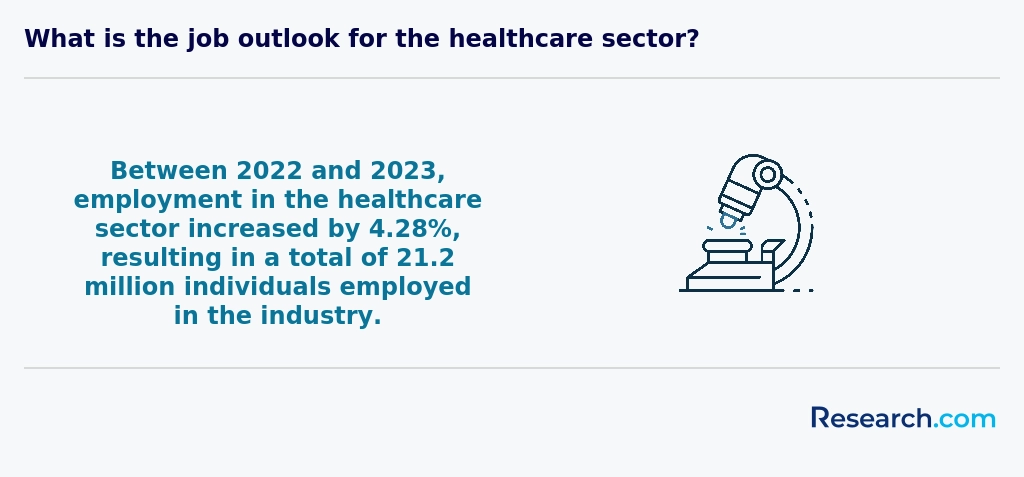
River Forest benefits from its proximity to Chicago's large healthcare industry, where job openings are expected to grow by 15% over the next decade according to the U.S. Bureau of Labor Statistics. Graduates should also obtain necessary certifications, like CPR or state licensure, specific to their healthcare field.
Networking is crucial; attending local healthcare job fairs and joining professional associations can connect candidates with employers. Additionally, updating résumés and preparing for interviews based on current healthcare trends improves hiring chances. River Forest students can also utilize university career centers for guidance tailored to the local job market.
Employers in River Forest seek healthcare degree graduates with a strong blend of technical knowledge and interpersonal skills. Key abilities include clinical competence, critical thinking, and proficiency in electronic health records (EHR) systems, reflecting national trends reported by the U.S. Bureau of Labor Statistics.
Communication and teamwork are vital, as healthcare roles often involve collaboration among interdisciplinary teams. According to the Illinois Department of Employment Security, River Forest healthcare employers show growing demand for graduates skilled in patient advocacy and cultural competence due to the community's diverse population.
Additionally, adaptability and problem-solving skills are highly valued, enabling professionals to navigate the fast-changing healthcare environment. Familiarity with regulatory compliance and patient safety protocols also enhances employability in this competitive market.
Finding internships in River Forest relevant to healthcare degrees involves utilizing local healthcare facilities, educational institutions, and government resources. River Forest is near Chicago, providing access to numerous hospitals and clinics such as Loyola Medicine and Rush University Medical Center, which offer internships in nursing, medical technology, and public health.
Students should connect with River Forest high schools and nearby colleges that often have partnerships with healthcare providers to facilitate internship placements. The Illinois Department of Public Health also lists opportunities statewide that include the Chicago suburban area, benefiting River Forest residents.
Networking through professional healthcare associations and attending local career fairs can increase internship prospects. Nationwide, healthcare internships have shown improved employment outcomes, with about 60% of interns receiving job offers post-completion, emphasizing the importance of securing practical experience early.
Obtaining a healthcare degree in River Forest significantly enhances career mobility due to the region's growing healthcare sector. According to the Illinois Department of Employment Security, healthcare occupations in the Chicago metropolitan area, which includes River Forest, are projected to grow by 16% between 2022 and 2032, well above the national average.
Degree holders often have access to a wider range of job opportunities, from clinical roles to healthcare administration. Professionals with advanced degrees report higher chances of promotion and salary increases, as many employers prioritize formal education when filling leadership positions.
Additionally, local hospitals and medical centers frequently partner with nearby universities for continuing education, which further supports graduates in advancing their careers. This environment makes a healthcare degree a valuable asset for long-term career growth in River Forest.
Studying for a healthcare degree in River Forest offers students a strong foundation in interdisciplinary collaboration, essential in today's complex medical environment. Local programs emphasize teamwork among nursing, public health, medical technology, and health administration fields. This approach prepares graduates to work effectively with diverse healthcare professionals.
River Forest healthcare programs integrate practical experiences from nearby hospitals and clinics, such as the Loyola University Medical Center, facilitating real-world interdisciplinary exposure. According to the Illinois Department of Public Health, 68% of local healthcare employers seek candidates proficient in cross-disciplinary communication and problem-solving.
Curricula often include courses in ethics, communication, and health informatics, equipping students with versatile skills applicable across healthcare roles.
Choosing between a thesis and a non-thesis healthcare degree program in River Forest depends on your career goals and learning preferences. Thesis programs usually focus on research and require students to conduct original studies, which is ideal for those aiming for academic or research-intensive roles. Non-thesis programs emphasize coursework and practical skills, often appealing to students seeking direct entry into healthcare professions or administrative positions.
In River Forest, where healthcare jobs are growing by approximately 15% annually according to the Illinois Department of Employment Security, practical experience can be crucial. Thesis programs may take longer to complete, while non-thesis options often offer a faster path to employment.
Consult local universities' curriculum details and consider your career trajectory before deciding.
Students based in River Forest interested in studying healthcare abroad have a variety of options through US universities' international partnerships and study abroad programs. Many institutions offer healthcare-related courses in countries like the United Kingdom, Australia, and Canada, where students can gain clinical experience and interdisciplinary knowledge.
While River Forest itself does not host large universities, nearby Chicago institutions facilitate exchanges, enabling River Forest residents to access global healthcare education opportunities. According to the Institute of International Education, around 20% of US healthcare students participate in some form of international study during their degrees.
These programs commonly include nursing, public health, and healthcare management, providing exposure to diverse health systems and practices, which is valuable in an interconnected healthcare environment.
Students pursuing healthcare degrees in River Forest have access to various part-time job opportunities that can enhance their education and practical skills. Local hospitals and clinics often offer positions such as medical assistants, patient care aides, and administrative support roles. These jobs provide hands-on experience and exposure to real healthcare environments.
Additionally, River Forest benefits from proximity to several research institutions where students may find part-time work as research assistants. Such roles help build critical research skills and deepen understanding of medical sciences. According to the Illinois Department of Employment Security, healthcare support jobs in the region are projected to grow by 15% through 2030, highlighting the increasing availability of these opportunities.
Pharmacies and eldercare facilities also hire healthcare students for roles like pharmacy technicians or home health aides. These positions allow students to improve patient interaction skills and grasp practical aspects of healthcare delivery while managing academic responsibilities.
Healthcare students in River Forest have access to numerous networking opportunities that can enhance their educational journey and career prospects. Local institutions often host career fairs focused on healthcare professions, attracting nearby hospitals and clinics seeking qualified candidates.
In addition, professional organizations such as the Illinois Healthcare Education Alliance offer events and workshops where students can connect with experienced practitioners and alumni. River Forest's proximity to Chicago also opens doors to larger industry conferences and seminars, which regularly feature networking sessions specific to healthcare fields.
Many colleges in the region encourage involvement in healthcare clubs and volunteer programs, fostering peer connections and practical experience. According to the Illinois Department of Public Health, networking within these communities significantly improves job placement rates for recent graduates.
Alumni networks play a significant role in supporting healthcare degree students in River Forest by providing access to professional connections and mentorship opportunities. These networks often include graduates working in various healthcare settings, such as local hospitals, clinics, and research facilities, helping students build relationships within the River Forest medical community.
Through alumni events and online platforms, students gain insights into job openings and career advancement strategies, which is crucial in a competitive healthcare job market. According to the Illinois Health Workforce Profiles, nearly 60% of local healthcare job placements stem from networking and referrals, highlighting the value of strong alumni ties.
Moreover, these networks can offer guidance on licensing and certification requirements specific to Illinois, improving student preparedness and confidence as they transition to professional roles.
Customizing a healthcare degree program in River Forest involves selecting specialized courses and practical experiences aligned with your career goals. Many local colleges and universities offer flexible curricula that allow you to focus on areas such as nursing, health administration, or public health. Clinical internships and partnerships with nearby hospitals provide hands-on experience essential for career readiness.
Students can also choose electives in healthcare technology, policy, or management to broaden their expertise. According to the Illinois Board of Higher Education, tailored programs help graduates meet the growing demand for healthcare professionals in the Chicago metro area, which includes River Forest.
Additionally, some programs offer part-time or accelerated options, enabling working professionals to balance studies with employment effectively.
Healthcare students in River Forest face several common challenges throughout their education. One significant difficulty is managing the rigorous coursework alongside clinical experiences. Many students report balancing intense study schedules with demanding hands-on training can lead to stress and burnout. According to the Illinois Board of Higher Education, students in health-related programs often spend over 40 hours weekly on classes and clinicals combined.
Another challenge is the high cost of healthcare degrees, which can exceed $30,000 annually in the Chicago metropolitan area, impacting students in River Forest. Financial strain often affects focus and performance. Additionally, limited local clinical placement options sometimes make it difficult for students to secure internships nearby, increasing competition and commute times.
With a healthcare degree, graduates in River Forest can pursue various professional certifications to enhance their careers and specialize in fields such as nursing, medical assisting, and healthcare administration. Popular certifications include Certified Nursing Assistant (CNA), Registered Nurse (RN) licenses, and Certified Medical Assistant (CMA) credentials. These certifications often require passing exams and completing clinical hours. For example, Illinois, where River Forest is located, mandates state-specific licensure for nurses through the Illinois Department of Financial and Professional Regulation (IDFPR).
Additional certifications include Certified Health Education Specialist (CHES) and Certified Professional in Healthcare Quality (CPHQ), depending on the career path. According to the U.S. Bureau of Labor Statistics, healthcare jobs in the Chicago metropolitan area, encompassing River Forest, are expected to grow by 15% between 2021 and 2031, highlighting strong demand for certified professionals. These certifications can lead to higher salaries and expanded job opportunities.
Writing a winning application for a healthcare program in River Forest requires clear attention to detail and a strong presentation of your qualifications. Start by thoroughly researching the specific program's prerequisites and accreditation, as these vary among local institutions.
Highlight relevant experience, including volunteering or employment in healthcare settings common in the Chicago metropolitan area, which River Forest is part of. According to the Illinois Department of Public Health, healthcare jobs in this region are projected to grow by over 15% by 2030.
Use your personal statement to demonstrate a genuine commitment to patient care and community health, referencing local healthcare challenges or initiatives if possible. Ensure your letters of recommendation come from credible professionals who can attest to your skills and character.
Finally, proofread your application carefully and meet all deadlines, as competitive programs often receive many strong submissions in River Forest's healthcare education market.
Healthcare careers in the United States, including River Forest, are increasingly influenced by global trends in medicine, technology, and policy. As healthcare systems worldwide face challenges such as aging populations and chronic diseases, the demand for well-trained professionals grows. According to the U.S. Bureau of Labor Statistics, healthcare occupations are projected to grow 13% from 2021 to 2031, faster than the average for all jobs.
Globally, healthcare education emphasizes interdisciplinary skills and cultural competence, essential for addressing diverse patient populations. River Forest healthcare programs reflect this by integrating community health and international perspectives into their curricula. This approach prepares graduates to work effectively in both local and global health contexts.
International data from the World Health Organization highlights that countries investing in healthcare education see improvements in health outcomes. For River Forest students, understanding these global connections can enhance career opportunities, including roles in public health, policy, and research both nationally and abroad.
Gaining practical experience during a healthcare degree in River Forest is essential for building professional skills and improving job prospects. Many local programs include clinical rotations, internships, or practicums as integral components. These opportunities often occur at nearby hospitals like Riverside Medical Center or outpatient clinics, providing hands-on experience in real healthcare settings. According to the Illinois Department of Public Health, internships in this region have grown by 15% over recent years, reflecting a strong emphasis on experiential learning.
Students can also volunteer in community health centers, which helps develop patient communication and procedural skills. Moreover, some institutions collaborate with River Forest's public health agencies to offer research projects and fieldwork. These practical experiences are often required to meet licensure and certification prerequisites in healthcare professions.
Choosing the right concentration within a healthcare degree program in River Forest begins with understanding your career goals and local industry demand. River Forest is near Chicago, a hub for healthcare services and innovation, influencing available specialties. Popular concentrations include nursing, health informatics, public health, and healthcare administration.
Research local employment trends through sources like the Illinois Department of Employment Security. For example, nursing and allied health professions are among the fastest-growing fields in the region, offering strong job security.
Consider how each concentration aligns with your interests and strengths. Clinical roles like nursing require hands-on patient care, while concentrations such as healthcare informatics focus on data management and technology.
Additionally, evaluate program accreditation and available internships or clinical placements in River Forest hospitals or clinics, which can enhance learning and job prospects.
Related Healthcare Rankings for Nearby Cities
- 2027 Most Valuable Healthcare Degree Programs Ranking in Chicago
- 2027 Most Valuable Healthcare Degree Programs Ranking in Peoria
- 2027 Most Valuable Healthcare Degree Programs Ranking in Grand Rapids
- 2027 Most Valuable Healthcare Degree Programs Ranking in Indianapolis
- 2027 Most Valuable Healthcare Degree Programs Ranking in Detroit
- 2027 Most Valuable Healthcare Degree Programs Ranking in Saint Louis
- 2027 Most Valuable Healthcare Degree Programs Ranking in Louisville
- 2027 Most Valuable Healthcare Degree Programs Ranking in Columbia
- 2027 Most Valuable Healthcare Degree Programs Ranking in Minneapolis
- 2027 Most Valuable Healthcare Degree Programs Ranking in Omaha
Top Trending Healthcare Rankings
See What Experts Have To Say About Studying Healthcare
Read our interview with Healthcare experts

References
- Top 3 Reasons to Consider a Career in Healthcare - Roseman University https://www.roseman.edu/student-experience/news/top-3-reasons-to-consider-a-career-in-healthcare/
- Niche Markets in Healthcare https://ultrariskadvisors.com/niche-markets-in-healthcare/
- Health Sciences Study Abroad Programs - Healthcare Abroad https://www.ceastudyabroad.com/academic-discipline/health-sciences
- Course Benefits https://www.premedprojects.co.uk/hospital-work-experience-benefits
- Health Careers - Oak Park and River Forest High School https://www.oprfhs.org/academics/academic-divisions/career-and-technical-education/health-careers
- Networking in Medicine: Build Lasting Connections l Windsor https://www.windsor.edu/networking-in-medicine-building-relationships-from-day-one/
- 1+ Healthcare Cover Letter Examples (with In-Depth Guidance) https://www.tealhq.com/cover-letter-examples/healthcare
- Financial Assistance | Access Support Now - Apply Today - River Forest Township https://www.riverforesttownship.org/financial-assistance
- CPR Classes https://www.vrf.us/departments/department/1/CPR-classes.html
- Education requirements for the fastest-growing healthcare jobs https://www.corridorcareers.com/job-tips/blog-news-education-requirements-fastest-growing-healthcare-jobs