
2027 Fastest Online Bachelor's in Healthcare Degree Programs Ranking in Tyler, TX

Co-Founder and Chief Data Scientist
Choosing the right healthcare degree program is an important step toward a rewarding career. For students in Tyler, TX, finding a fast and reputable online bachelor's program can make all the difference.
This article features the 2027 Fastest Online Bachelor's in Healthcare Degree Programs Ranking in Tyler, TX, created by the Research.com team of data scientists. It helps you make an informed decision by highlighting programs that combine speed, quality, and flexibility.
Reading this guide can simplify your search and inspire confidence as you pursue a meaningful healthcare career.
Key benefits of getting online healthcare degree in Tyler
- Salary for healthcare degree graduates: Graduates can expect competitive salaries such as $43,350 annually for Medical Assistants and Clinical Research Coordinators, up to $103,150 for Quality Improvement Coordinators, providing strong financial motivation.
- Career paths: A healthcare graduate from a popular Tyler college might pursue roles like Patient Care Technician or Health Information Technician, offering diverse opportunities to make a real difference in patient care and administration.
- Online degree benefits: Graduating online from a local Tyler university offers flexible scheduling and the ability to balance work and study, making it easier to earn your degree without sacrificing income or family time.
- Key benefits of getting online healthcare degree in Tyler
- What can I expect from online healthcare degree in Tyler?
- Where can I work with online healthcare degree in Tyler?
- How much can I make with online healthcare degree in Tyler?
- 2027 Fastest Online Bachelor's in Healthcare Degree Programs Ranking in Tyler, TX
- Key Findings
- How long does it take to complete online healthcare degree in Tyler?
- Exploring Career Path Options for Online Healthcare Graduates in Tyler, TX
- What's the difference between online and on-campus healthcare degree?
- Next Steps: How to Apply and Succeed in Your Online Healthcare Degree Program in Tyler, TX
- What is the average cost of online healthcare degree in Tyler?
- Accreditation and Program Quality Assurance
- What financial aid is available to online healthcare degree students in Tyler?
- Continuing Education and Certification Opportunities
- What are the prerequisites for enrolling in online healthcare degree program in Tyler?
- Future Outlook and Industry Trends in Online Healthcare Education
- What courses are typically in online healthcare degree programs in Tyler?
- What types of specializations are available in online healthcare degree programs in Tyler?
- How do you choose the best online healthcare degree in Tyler?
- What career paths are available for online healthcare degree students in Tyler?
- What is the job market for online healthcare degree in Tyler?
- Top Trending Healthcare Rankings
- See What Experts Have To Say About Studying Healthcare
What can I expect from online healthcare degree in Tyler?
The average cost of an online healthcare degree in Tyler varies, but many students find it falls between $15,000 and $30,000 for a bachelor's program. Graduates from institutions like the University of Texas at Tyler often reflect on the value of this investment, emphasizing how the cost aligns with the quality of education and flexibility they experienced. Balancing work and study, these students appreciated that tuition rates remained reasonable compared to traditional on-campus programs.
Several Tyler colleges offer competitive pricing combined with local clinical placements, which reduces additional expenses such as relocation or travel. This local integration often makes the overall experience more affordable and personally manageable. Graduates often mention the reassurance of investing in a program recognized by employers in Tyler's growing healthcare market, where solid job prospects and median salaries of around $65,000 make the cost feel worthwhile.
For many, the cost is not just a fee but a stepping stone toward a meaningful career that offers stability and personal fulfillment within Tyler's supportive healthcare community.
Where can I work with online healthcare degree in Tyler?
Graduates with an online healthcare degree in Tyler find themselves welcomed across a variety of engaging and impactful workplaces. Many begin their careers in hospitals such as UT Health Tyler or Trinity Mother Frances Health System, where they apply skills in patient services and healthcare coordination learned through their studies at local institutions. These environments offer not only steady employment but also the rewarding feeling of making a real difference in patients' lives.
Others leverage their degrees in administrative roles within Smith County Public Health Department or nonprofit organizations, supporting meaningful community wellness initiatives. Graduates often share how the coursework at Tyler-area colleges prepares them for these positions by emphasizing practical knowledge and communication skills.
Health information management opens doors in outpatient centers and medical offices focused on managing electronic health records, a niche growing rapidly in the region. Additionally, careers in healthcare consulting and insurance offer fulfilling paths for those who enjoy blending healthcare insight with analytical abilities, a combination highly valued by local employers. Ultimately, studying healthcare online in Tyler connects students with diverse roles that fit various interests and strengths.
How much can I make with online healthcare degree in Tyler?
Graduates with online healthcare degrees from Tyler's well-regarded programs often find themselves stepping into roles with promising compensation. For example, those pursuing careers like Medical Assistant can anticipate a mean annual wage around $43,350. This figure reflects entry to mid-level positions common among recent graduates who have gained both theoretical knowledge and practical experience through Tyler colleges.
Other roles, such as Patient Care Technicians, command higher pay, averaging about $60,790 yearly, offering graduates a satisfying balance of hands-on work and competitive salary. Health Information Technicians also see similar earnings, around $43,380 annually, frequently working behind the scenes in growing hospital systems that Tyler supports.
More ambitious graduates aiming for specialized coordination roles, like Clinical Research Coordinator, typically start near $43,350 but are motivated by the strong local demand. Those focused on quality improvement often find rewarding career growth, with salaries averaging $103,150 annually-testament to how Tyler's healthcare environment values advanced expertise.
These real salary figures, combined with the supportive community and career-focused training at Tyler institutions, inspire confidence and optimism among graduates pursuing their healthcare ambitions.
2027 Fastest Online Bachelor's in Healthcare Degree Programs Ranking in Tyler, TX
How do we rank schools?
Investing in your education is a significant decision that can shape your future, and the Research.com team understands the importance of making informed choices. To assist prospective students in Tyler, TX, we have meticulously crafted the "2027 Fastest Online Bachelor's in Healthcare Degree Programs Ranking." Our commitment to quality, credibility, and accuracy is reflected in the extensive research and analysis conducted to compile this ranking.
We utilized the following reputable data sources to ensure a comprehensive evaluation of healthcare degree programs:
By exploring this ranking, readers will gain valuable insights into the fastest online healthcare degree programs in Tyler, TX, helping them make informed decisions about their education and career paths. For more details on how this ranking was created, please visit our Research.com methodology page.
# 1 position
Tyler Junior College
Healthcare Technology and Medical Systems, Bachelor of Applied Technology


Key Findings
- The healthcare sector in Tyler is expected to grow by about 15% over the next decade, driven by an aging population and expanding facilities.
- Online bachelor's degree tuition in healthcare ranges from $10,000 to $25,000, often costing less than traditional on-campus programs.
- Entry-level salaries for healthcare graduates in Tyler typically range from $45,000 to $55,000 annually.
- Experienced healthcare professionals in nursing and management can earn between $65,000 and $85,000 after 5 to 10 years.
- More than 5,000 healthcare establishments in Tyler offer diverse job opportunities, including major employers like Trinity Mother Frances Health System and East Texas Medical Center.
- Most online healthcare programs fulfill Texas licensing requirements and include clinical placements at local facilities.
How long does it take to complete online healthcare degree in Tyler?
Completing an online healthcare degree in Tyler often takes about four years for full-time students, a timeline many graduates from popular institutions like the University of Texas at Tyler find both manageable and rewarding. These students commonly balance coursework in Health Services Administration or Nursing with personal and professional commitments, appreciating the program's design that aligns with national standards.
For those juggling work or family, the journey extends to five or six years, offering the flexibility that busy healthcare professionals in Tyler truly value. Graduates recall how this pacing allowed them to maintain stability while pursuing their goals without feeling overwhelmed.
Some ambitious students embrace accelerated options available at local colleges, completing their degrees in as little as two to three years by taking extra classes and summer courses. This path suits those eager to enter Tyler's booming healthcare workforce swiftly and with confidence.
The blend of structured timelines and adaptable scheduling reflects the supportive educational environment Tyler provides for aspiring healthcare professionals, making the degree attainable regardless of life's demands.
Exploring Career Path Options for Online Healthcare Graduates in Tyler, TX
Obtaining an online healthcare degree opens a diverse range of career opportunities tailored to meet the evolving needs of the local healthcare industry. Graduates not only benefit from an accessible, high-quality education but also gain a competitive edge in multiple fields where demand is rapidly growing. Here are several prominent career paths you can pursue after completing your program: • Hospital and Clinic Administration – Oversee patient care operations, manage medical records, and coordinate healthcare services to ensure efficient and compassionate care in hospitals and clinics across Tyler. • Patient Care and Clinical Support – Take on hands-on roles such as Patient Care Technician or Medical Assistant where your technical training directly improves patient outcomes. Real-life examples show how graduates have successfully transitioned into these vital positions by leveraging their digital simulations and interactive learning experiences. • Health Information Management – Use your expertise in data security and record accuracy to work in roles that require managing electronic health records, ensuring compliance with healthcare regulations, and optimizing information flow between departments. • Telehealth and Remote Care Coordination – Embrace the growing trend of remote healthcare by joining telemedicine companies that rely on digital platforms to connect patients with specialists. This path not only offers flexibility but also positions you at the forefront of modern medical service delivery. • Public Health and Community Outreach – Apply your degree to design, implement, and lead health education programs in community settings. Graduates in these roles frequently collaborate with local health departments and nonprofit organizations to enhance community well-being. Each of these career pathways benefits from the practical training and up-to-date curriculum offered by Tyler’s accredited online programs. Local employers highly value the blend of technical proficiency, adaptability, and interpersonal skills developed during your studies. Leveraging career services from your institution-such as mentorship programs, resume workshops, and job placement assistance-further enhances your transition into the workforce. By understanding and exploring these career paths, prospective students can make an informed decision that aligns with personal interests and the dynamic demands of Tyler’s healthcare industry. This approach not only strengthens your professional profile but also enriches your contribution to the community’s health and wellness.
What's the difference between online and on-campus healthcare degree?
Healthcare students in Tyler often reflect on the distinct experiences between online and on-campus programs. For those attending the University of Texas at Tyler, on-campus learning means engaging directly in clinical simulation labs and collaborating face-to-face with instructors and peers, which many find invigorating and supportive. One graduate recalls how this hands-on environment made mastering clinical skills more intuitive and fostered lasting professional connections.
Conversely, online students appreciate the flexibility to juggle work and family commitments while pursuing their degree. Graduates from popular Tyler institutions emphasize that the ability to study at their own pace and access course materials from home reduced stress and made education feel more attainable despite busy schedules.
Both methods require clinical hours, but coordinating these placements can vary. On-campus students often benefit from established local partnerships with Tyler healthcare providers, whereas online learners might need to proactively secure sites. Ultimately, the choice hinges on personal circumstances and learning styles, but Tyler's healthcare programs strive to support success in either format.
Next Steps: How to Apply and Succeed in Your Online Healthcare Degree Program in Tyler, TX
Ready to take the next step towards a rewarding career in healthcare? This section outlines the practical steps to guide you from researching programs to achieving success in your online healthcare degree journey in Tyler, TX. • Prepare Your Application Package: – Gather your academic transcripts, standardized test scores, and any prerequisite documentation required by your chosen institution. – Craft a compelling personal statement that highlights your passion for healthcare, your career goals, and any experience that demonstrates your commitment. • Connect with Admissions and Financial Aid Teams: – Reach out to school admissions counselors for personalized advice on enrolling in the program that best suits your needs. – Schedule consultations with financial aid advisors to explore scholarships, grants, and flexible payment plans tailored to your situation. • Build a Support Network Early: – Join online forums, virtual open houses, and local student groups to learn from current students and alumni about their experiences. – Engage with academic advisors and career services to plan internships, practicum opportunities, and real-world projects that will boost your resume. • Set Clear Goals and Follow a Structured Schedule: – Establish a timeline for submitting applications, arranging campus visits (if available), and completing any prerequisite courses. – Use digital tools and learning management systems to structure your weekly study schedule and balance coursework with other commitments. • Leverage Available Resources: – Explore free online resources, webinars, and preparatory courses provided by your institution, ensuring you start on a strong foundation before classes begin. – Keep updated with Tyler, TX-specific industry news and local healthcare career events to build relevant connections and stay ahead of employment trends. Taking these actionable steps not only streamlines your enrollment process but also sets you on a path toward academic and career success in Tyler's evolving healthcare landscape.
What is the average cost of online healthcare degree in Tyler?
The average cost of an online healthcare degree in Tyler generally centers around $12,360 total, with in-state students often paying slightly less, closer to $11,208. Graduates from popular institutions in Tyler, such as Texas A&M University-Tyler, reflect on how these figures translate into a manageable investment, especially when set against the long-term career benefits. Many find the balance between affordable tuition and quality education encouraging, particularly since public universities there keep tuition reasonable for local students.
One common experience shared by those pursuing healthcare degrees online from Tyler's schools highlights the importance of understanding the total tuition fees healthcare bachelor Tyler Texas programs demand. This includes not only per-credit tuition but also additional costs like technology fees, textbooks, and occasional clinical expenses. Despite these, students appreciate the flexibility of online programs that allows them to juggle studies alongside work or family commitments, making those expenses feel worthwhile and justified.
Some graduates recall their initial concerns about cost easing after exploring financial aid and scholarships available at Texas institutions. These supports greatly alleviate the financial burden often associated with healthcare studies. Moreover, seasoned students emphasize how investing in their degree opened doors to rewarding jobs, often with competitive salaries akin to those highlighted in studies on new dentistincome, which helps to frame the economic value of their education in healthcare fields.
Accreditation and Program Quality Assurance
Accreditation ensures that an online healthcare degree in Tyler, TX meets rigorous academic and professional standards, safeguarding both the quality of your education and your eligibility for licensure and federal financial aid. Leading accrediting bodies for healthcare programs include the Commission on Accreditation of Healthcare Management Education (CAHME), the Commission on Accreditation for Health Informatics and Information Management Education (CAHIIM), and regional accreditors recognized by the U.S. Department of Education. Before enrolling, verify a program’s status through the Council for Higher Education Accreditation (CHEA) database or the Department of Education’s Accreditation Search tool to confirm that your chosen institution is in good standing. Accredited programs not only confer credentials recognized industry-wide but also streamline the path to certification exams such as the Registered Health Information Technician (RHIT) or Certified Professional in Healthcare Quality (CPHQ). Moreover, employers in Tyler’s competitive healthcare market frequently prioritize graduates from accredited programs, as they’re assured of hands-on training components and up-to-date curricula. Accreditation also influences transferability of credits, ensuring that courses completed online can be applied toward further studies or advanced degrees without loss of academic credit. To maintain accreditation, institutions undergo periodic reviews involving self-studies, peer evaluations, and outcomes assessments-processes designed to foster continuous improvement. These quality assurance measures cover faculty qualifications, curriculum relevance, student support services, and clinical practicum partnerships with local hospitals and clinics. When researching program options, examine accreditation reports and graduate outcomes data, such as retention rates and post-graduation employment figures, to gauge a school’s commitment to excellence. For an alternative perspective on accredited, cost-effective options beyond Tyler, explore our Affordable Online Healthcare Degree Programs Ranking in Little Rock, AR, which highlights institutions known for combining high-quality accreditation with budget-friendly tuition.
What financial aid is available to online healthcare degree students in Tyler?
Many healthcare students in Tyler find federal financial aid essential when pursuing online degrees. Completing the FAFSA opens access to valuable grants like Pell Grants, which can cover up to $7,395 annually, easing the tuition burden significantly for those attending schools like the University of Texas at Tyler. These grants do not require repayment, providing a reassuring financial foundation.
Federal student loans, such as Direct Subsidized Loans, offer lower interest rates compared to private loans and are a common choice among local online healthcare students. Graduates often reflect on how responsible use of these loans made their education attainable without overwhelming debt.
State aid in Texas further supports healthcare students through programs like the Texas Grant and Texas Educational Opportunity Grant, especially benefiting those with demonstrated financial need enrolled in public institutions.
Scholarships from local groups, including the East Texas Medical Center Foundation, also play a vital role. Many online students share that these awards not only helped financially but boosted their confidence and connection to Tyler's healthcare community.
For working professionals, employer tuition assistance programs provide a practical route to advance education while maintaining income, making online healthcare degrees more accessible and less stressful.
Continuing Education and Certification Opportunities
After earning your online Healthcare degree in Tyler, TX, expanding your expertise through professional certifications can significantly boost your career trajectory. Popular credentials like the Certified Professional Coder (CPC), Certified Coding Associate (CCA), or Certified Professional Biller (CPB) signal specialized proficiency to employers and often correlate with higher earning potential. These certifications require dedicated exam preparation, which online and hybrid courses deliver through interactive modules, mock exams, and mentorship from industry practitioners. For instance, a Tyler-based graduate leveraged their foundational knowledge to prepare for the CPC exam, combining study groups with real-world coding case studies. This targeted approach not only streamlined their certification process but also positioned them for roles in health information management and revenue cycle management. Additionally, professionals aiming to broaden their scope might explore accredited medical billing and coding online schools, where programs align with industry standards and offer flexible pacing to match busy schedules. Beyond coding credentials, consider advanced certificates in Health Informatics, Telehealth Administration, or Patient Safety and Quality to differentiate yourself in a competitive market. These specialized tracks deepen your technical skill set-ranging from data analytics for population health to compliance strategies for federal regulations-and prepare you for leadership positions within hospitals, clinics, and digital health startups. By strategically integrating certifications with your degree, you can demonstrate continuous learning, adaptability, and a commitment to excellence-key qualities that top healthcare employers in Tyler, TX actively seek.
What are the prerequisites for enrolling in online healthcare degree program in Tyler?
Enrolling in an online healthcare degree program in Tyler typically starts with holding a high school diploma or GED. Graduates from well-known institutions like the University of Texas at Tyler often reflect on how securing their official transcripts early smoothed their application process. This fundamental step confirms a readiness that schools here take seriously.
Proof of residency or citizenship also plays a crucial role, especially given Tyler's tuition differences. Students who provided clear documentation found in-state tuition significantly more affordable, easing financial stress during their studies.
Many graduates recall needing prerequisite science courses-biology or chemistry-when they came from non-healthcare backgrounds. This preparation built confidence and helped them engage more deeply with coursework. Some programs require background checks and immunization records before clinical placements, ensuring both safety and compliance.
Lastly, personal statements or recommendation letters may be requested. These documents allowed past students to share motivation and dedication, painting a fuller picture beyond grades and test scores, which were often optional.
Future Outlook and Industry Trends in Online Healthcare Education
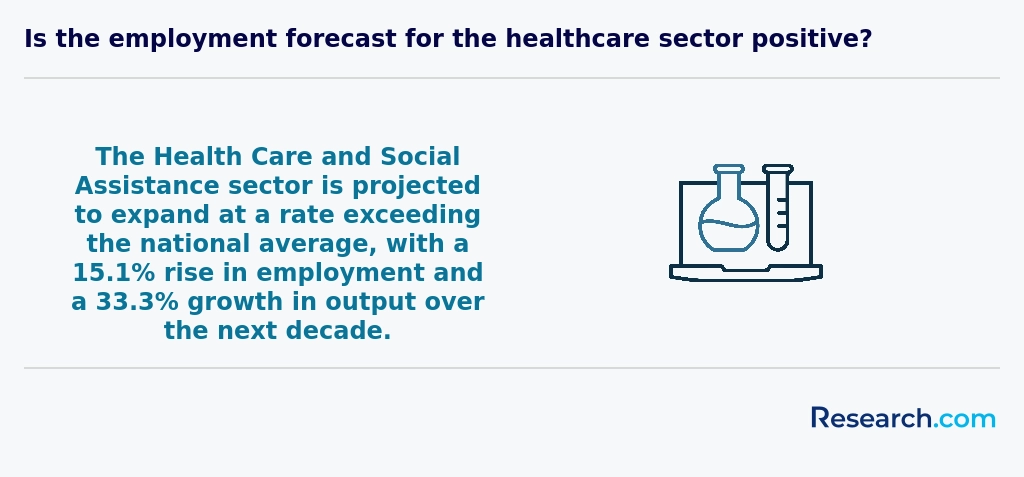
The healthcare industry is rapidly evolving, with digital innovation and shifting patient needs creating new opportunities for online graduates. As healthcare institutions increasingly integrate telemedicine, data analytics, and AI-driven diagnostics, professionals with an online healthcare degree are uniquely positioned to lead these advancements. Looking ahead, emerging trends such as personalized medicine and expanded remote care signal a growing demand for agile, digitally adept graduates. Students are encouraged to supplement their degree with targeted learning modules; for instance, pursuing quick certifications that pay well can further enhance job readiness in an ever-competitive market. Additionally, partnerships between academic institutions and industry leaders are improving experiential learning opportunities, ensuring that graduates not only excel in theory but also adapt swiftly to real-world challenges. This forward-looking approach helps build a resilient workforce that adapts to both current and future healthcare needs, ultimately driving success in a dynamic and patient-focused environment.
What courses are typically in online healthcare degree programs in Tyler?
Online healthcare degree programs in Tyler commonly offer courses that form a well-rounded foundation for future healthcare professionals. Graduates from popular local colleges often reflect on how core classes like medical terminology helped them quickly understand and communicate in clinical and administrative settings, making their transition into the workforce smoother.
Courses in anatomy and physiology provide a scientific understanding of the human body, which many students found invaluable when working alongside nurses and doctors during internships or remote practicums. The emphasis on healthcare administration and management principles prepares students to confidently handle staffing, budgeting, and policy compliance-skills particularly relevant in Tyler's growing healthcare facilities.
Several graduates highlight their appreciation for classes in health informatics and health information management. In an age where electronic health records dominate, being proficient in these areas equips students to improve patient care through technology, a focus Tyler's institutions increasingly prioritize.
Finally, electives addressing public health and community health offer students insight into local challenges, such as managing chronic diseases prevalent in the region, fostering a meaningful connection between coursework and real community impact.
What types of specializations are available in online healthcare degree programs in Tyler?
Among the most sought-after online healthcare specializations Tyler TX offers, nursing programs such as RN to BSN and BSN completion remain at the forefront. Graduates from Tyler's popular universities often share how these pathways equip them with the skills needed to meet local hospitals' demands, including UT Health Tyler and Trinity Mother Frances Hospitals. For many, pursuing registered nurse pathways online felt like a tailored stepping stone toward fulfilling, hands-on careers.
Other meaningful healthcare degree concentrations Tyler Texas features include Healthcare Administration, which develops leadership qualities for managing clinics or insurance firms, and Public Health, focusing on community wellbeing-an essential topic in areas striving to improve rural health. Students also appreciate Health Informatics programs that blend IT with medical data to streamline patient care, as well as Medical Laboratory Science, vital for precise diagnosis and treatment.
The availability of Health Education and Promotion specializations further enhances community impact, giving learners a chance to drive healthier lifestyle changes. Many graduates reflect on how these diverse programs thoughtfully respond to Tyler's healthcare landscape, offering flexible, relevant options for advancing their careers.
How do you choose the best online healthcare degree in Tyler?
Choosing the best online healthcare degree in Tyler means focusing on what truly matters for your career and lifestyle. Many graduates from Tyler's top universities emphasize the value of selecting programs with strong accreditation, such as those recognized by the Commission on Collegiate Nursing Education. This ensures your degree is respected by local employers and licensing boards, which is vital for advancing in Texas healthcare fields.
Affordability also plays a big role. Graduates often recall how community colleges and regional universities in Tyler offered affordable healthcare degree programs Tyler Texas, helping them manage expenses while accessing quality education. Factoring in additional costs like technology fees or clinical placement near Tyler can make a real difference in your budget.
Flexibility is another key insight from those who balanced work and study. Asynchronous courses that fit around busy schedules, coupled with local clinical or practicum opportunities, helped many succeed. Their experiences reflect the importance of institutions adapting to Tyler's healthcare demands. Researching graduate outcomes, including job opportunities for nursing graduates in the area, can guide you toward programs that connect well with the healthcare industry.
What career paths are available for online healthcare degree students in Tyler?
Graduates with an online healthcare degree in Tyler often discover rewarding career paths that reflect the unique demands of this growing region. Many graduates from popular colleges in Tyler have found success as registered nurses, stepping confidently into roles at local hospitals and clinics where their skills are both valued and vital. These healthcare professionals appreciate the competitive salaries and the opportunity to make a tangible difference in patient care. Others have pursued healthcare administration, applying their online training to oversee hospital operations or manage health information systems, drawing on experiences that emphasize real-world problem solving and leadership.
Exploring online healthcare degree jobs in Tyler TX, many alumni also report satisfaction working as health educators or public health coordinators, roles that allow them to connect deeply with the community, promoting wellness and prevention programs based on local needs. For those inclined toward advanced clinical careers, specialized certifications open doors to fields like respiratory therapy or healthcare informatics. Some graduates, inspired by their early success, have even advanced toward becoming nurse practitioners, often starting with programs like the nurse practitioner Kansas degrees, illustrating how online education supports diverse, fulfilling healthcare career opportunities Tyler Texas provides.
What is the job market for online healthcare degree in Tyler?
The job market for online healthcare degree graduates in Tyler is robust and encouraging, reflecting the region's strong demand for healthcare professionals. Graduates from popular local institutions often share stories of landing roles in hospitals and clinics shortly after completing their studies, thanks to Tyler's expanding healthcare sector. This steady growth aligns with the city's demographic trends, including a rising elderly population that requires more medical services.
Many students pursuing online healthcare jobs in Tyler TX appreciate the balance of gaining a quality education while remaining close to home. They benefit from connections with major local employers like Trinity Mother Frances Health System, which frequently hires graduates for positions such as health services managers and diagnostic technologists. For those looking to enter the field quickly, several have also found success through quick certifications that pay well, which complement degree programs and improve employment prospects.
Healthcare degree employment prospects Tyler reveal that flexible online programs offer a practical path for those juggling work and study. Graduates report feeling optimistic due to competitive salaries nationally, and the local job market's consistent expansion provides reassuring opportunities during economic shifts. This tangible hope and readiness make pursuing a healthcare degree in Tyler a wise investment for the future.
Frequently Asked Questions About healthcare
Online healthcare degree students in Tyler can maximize their learning by actively engaging with their coursework and utilizing available resources. Many Texas universities offer virtual labs and simulation tools that enhance practical skills essential in healthcare fields. Students should also take advantage of local internship opportunities in Tyler's growing healthcare sector, which employs over 25,000 professionals according to the Texas Workforce Commission.
Building connections through online study groups or local professional networks can provide valuable support and insights. Staying organized with a consistent study schedule helps balance coursework and clinical practice requirements. Accredited programs ensure quality education recognized by employers nationwide, which is crucial for career advancement in healthcare.
The healthcare field in Tyler, TX, is expanding into several emerging niches that offer promising career paths for students pursuing online healthcare degrees. One growing area is telehealth, which has surged due to increased digital access and demand for remote care. According to the Texas Department of State Health Services, telehealth usage in Tyler rose by over 30% during the past five years.
Another key niche is health informatics, focusing on managing and analyzing health data to improve patient outcomes. The US Bureau of Labor Statistics projects a 15% growth in this sector nationally through 2030.
Additionally, personalized medicine and genetic counseling are gaining attention, driven by advances in biotechnology and local research initiatives in Tyler's medical community.
After completing an online healthcare degree in Tyler, preparing for the job market involves several practical steps. Start by obtaining relevant certifications and licenses required in Texas, such as those overseen by the Texas Department of State Health Services. Networking is crucial; connect with local healthcare providers and join professional organizations like the Texas Healthcare and Bioscience Institute. Gaining hands-on experience through internships or volunteer work in Tyler-area hospitals or clinics can significantly boost employability. According to the Texas Workforce Commission, healthcare occupations in Tyler are projected to grow 16% from 2020 to 2030, highlighting strong job prospects in the region.
Employers in Tyler value specific skills in graduates of online healthcare degree programs. Key among these are strong communication abilities, essential for interacting with patients and multidisciplinary teams. Analytical thinking and problem-solving skills are also critical, as healthcare increasingly relies on data to improve patient outcomes.
Technical proficiency with electronic health records (EHR) and telehealth platforms is highly sought after, reflecting the growing digitalization of healthcare in Texas. According to the Texas Workforce Commission, healthcare job growth in the Tyler metro area is projected at 15% through 2030, emphasizing a demand for adaptable, tech-savvy professionals.
Additionally, employers prioritize cultural competence and ethical decision-making to meet the diverse needs of East Texas communities. These skills help ensure quality patient care and adherence to regulatory standards.
Finding healthcare internships in Tyler involves connecting with local medical facilities and educational institutions. Tyler has several hospitals such as UT Health East Texas and Trinity Mother Frances Health System, which often offer internship programs for healthcare students.
Additionally, students should explore partnerships through their online degree programs, as many universities collaborate with local providers to place interns. Using Tyler's Chamber of Commerce resources or job boards like Handshake can help identify relevant opportunities.
It's beneficial to check licensure and certification requirements beforehand, since some internships require specific healthcare credentials. According to the Texas Workforce Commission, healthcare occupations in Tyler are projected to grow 18% by 2030, increasing internship availability.
Building a strong resume and networking with local healthcare professionals can enhance your chances of securing a quality internship.
Online healthcare degrees offer significant advantages for career mobility and advancement in Tyler, Texas. The area's growing healthcare sector, which employs over 20,000 workers as reported by the Texas Workforce Commission (2023), demands qualified professionals. Earning an online degree enables flexible skill development without interrupting current employment, making it easier to pursue promotions or shifts into specialized roles.
Many healthcare employers in Tyler recognize accredited online degrees, facilitating faster career progression. Additionally, online programs often provide access to modern healthcare technology training, crucial for staying competitive. Advanced qualifications can lead to higher salaries and leadership positions in local hospitals, clinics, and public health organizations. Thus, an online healthcare degree plays a key role in expanding professional opportunities in Tyler's healthcare market.
Studying for a healthcare degree online in Tyler equips students with skills crucial for interdisciplinary roles, blending knowledge from nursing, public health, and healthcare management. Programs frequently incorporate courses on teamwork, communication, and health informatics, reflecting the collaborative nature of healthcare delivery.
Tyler is part of a growing healthcare hub in East Texas, with hospitals and clinics emphasizing integrated care models. According to the Texas Workforce Commission, the healthcare sector in Tyler is projected to grow by 14% through 2030, increasing demand for professionals able to work across specialties.
This interdisciplinary focus prepares graduates to effectively coordinate between clinicians, administrators, and support staff, improving patient outcomes in diverse healthcare settings.
Choosing between a thesis and a non-thesis healthcare degree program in Tyler depends largely on your career goals and learning preferences. Thesis programs require students to conduct original research, which suits those interested in academic or clinical research roles. Non-thesis programs focus on course work and practical skills, ideal for students aiming to enter the healthcare workforce quickly.
In Tyler, healthcare jobs grew by 8.2% from 2019 to 2023, according to the Texas Workforce Commission, highlighting strong demand for skilled professionals. If you prefer to engage deeply with research and possibly pursue graduate studies, thesis options can be valuable. Otherwise, non-thesis programs typically offer faster completion times.
Consider your time availability and whether you want to develop research skills or focus on practical applications. Both options align with Tyler's healthcare industry needs, including hospitals and clinics expanding services.
Students based in Tyler who want to study healthcare abroad through online programs have expanding options. Many American universities partner with international institutions offering online healthcare degrees, which allow students to complete clinical requirements locally in Tyler or nearby. According to the National Center for Education Statistics, about 15% of healthcare-related online enrollments nationwide involve international collaborations, making global education accessible without relocating.
Tyler residents interested in these programs should consider universities accredited by agencies recognized by the U.S. Department of Education. This ensures their degree will be valid for employment or licensure in the U.S. Some programs also offer specialized tracks in global health, reflecting increasing demand in the region's growing healthcare sector, which employed approximately 14,000 people in Smith County as per 2023 data from the U.S. Bureau of Labor Statistics.
Tyler, Texas offers several part-time job opportunities that complement healthcare degree education, providing practical experience alongside academic studies. Positions like certified nursing assistant (CNA), medical receptionist, or pharmacy technician are common entry points for students. These roles help build essential skills such as patient interaction, medical terminology, and office management.
Healthcare support jobs often pay between $10 and $15 per hour in Tyler, according to the U.S. Bureau of Labor Statistics, offering a reasonable balance for students managing coursework.
Local hospitals and clinics, including UT Health Tyler, frequently hire part-time workers, making it easier to find relevant employment close to campus or study location.
Online healthcare students in Tyler have multiple networking opportunities despite studying remotely. Local healthcare institutions such as UT Health East Texas and Mother Frances Hospital often host events, workshops, and seminars open to students and professionals. These events provide chances to connect with medical practitioners and potential employers.
Additionally, professional organizations like the Tyler Healthcare Alliance offer networking events tailored to regional healthcare professionals and students. Participation in these groups can lead to valuable mentorship and job connections.
Online programs frequently include virtual networking sessions and collaboration projects, which foster peer connections. According to the Texas Workforce Commission, Tyler's healthcare sector employed over 15,000 workers in 2023, highlighting a robust local market ripe for networking opportunities.
Alumni networks offer strong support for online healthcare degree students in Tyler by connecting them with experienced professionals in the region's growing medical field. These networks provide mentorship opportunities, helping students navigate job markets in Tyler, where healthcare employment is expected to grow by 17% through 2030, according to the U.S. Bureau of Labor Statistics. Membership in alumni groups often grants access to exclusive job postings within local hospitals and clinics such as CHRISTUS Trinity Mother Frances Health System.
Networking events and online forums foster relationships that aid in career advancement and knowledge sharing. For online students, this connection counters the isolation of remote learning, enhancing professional growth within Tyler's healthcare industry.
Customizing an online healthcare degree program in Tyler allows students to align their education with specific career goals. Many accredited universities offer flexible curricula with elective courses in areas such as healthcare management, public health, or clinical specialties. Selecting relevant electives or concentrations can help tailor skills to local industry needs.
Students may also access internships or practicum opportunities within Tyler's growing healthcare sector, including partnerships with hospitals like UT Health Tyler. These real-world experiences enhance practical knowledge and employability.
Advisors often support personalized academic pathways, ensuring credits transfer and meet Texas Board of Nursing or other certification requirements when applicable. This approach prepares graduates for the region's highest-demand roles.
Online healthcare students in Tyler often face challenges balancing rigorous coursework with personal and professional responsibilities. Many learners are working adults who must manage jobs and family life simultaneously, which can limit the time available for study.
Another common difficulty is limited access to clinical placement opportunities locally. Tyler's healthcare facilities may have constraints in offering enough practicum spots for all online students, affecting hands-on experience vital for healthcare careers.
Technological barriers also impact some students. Reliable internet access and familiarity with online learning platforms are essential, yet not all students are equally equipped.
According to the Texas Higher Education Coordinating Board, retention rates in fully online health programs statewide can be lower than in-person equivalents, highlighting these struggles.
With an online healthcare degree, students in Tyler can pursue several professional certifications that enhance their career prospects. Common certifications include Certified Healthcare Administrator (CHA) and Registered Health Information Technician (RHIT), both recognized nationwide. These credentials demonstrate expertise in healthcare management and information systems.
For those interested in clinical roles, Certified Medical Assistant (CMA) or Certified Professional Coder (CPC) are valuable. According to the Texas Workforce Commission, Tyler's healthcare sector is growing faster than the state average, increasing demand for certified professionals. Certifications often require passing an exam after completing relevant coursework and gaining practical experience.
Many programs offer preparatory courses aligned with certification standards, helping online students meet requirements efficiently. These credentials can boost job opportunities in hospitals, clinics, and administrative settings across Tyler and beyond.
To write a winning application for an online healthcare program in Tyler, start by highlighting your relevant background, such as healthcare experience or volunteer work. Many programs value practical experience alongside academic achievements. Make sure your personal statement clearly explains your motivation for pursuing healthcare and how the program aligns with your career goals. Tyler's healthcare sector, growing steadily with institutions like ETMC Health, offers diverse opportunities, making it important to express how you intend to contribute locally. Strong letters of recommendation from healthcare professionals or educators can enhance your application. Finally, ensure all documents are error-free and submitted before deadlines to improve your chances.
The global perspective on healthcare careers emphasizes the growing demand for skilled professionals due to aging populations and increasing chronic conditions worldwide. In the United States, including Tyler, TX, healthcare employment is projected to grow 15% from 2021 to 2031, much faster than the average for all occupations, according to the U.S. Bureau of Labor Statistics. This trend highlights expanding opportunities for those with healthcare degrees.
Online healthcare degrees provide flexible access to education, attracting diverse students locally and globally. Graduates are prepared to work not only in hospitals but also in public health, administration, and research. This global demand reflects the need for adaptable, well-trained healthcare workers.
Gaining practical experience while studying for an online healthcare degree in Tyler is possible through several approaches. Many programs require or offer clinical placements, allowing students to work in local hospitals and clinics such as UT Health Tyler or CHRISTUS Trinity Mother Frances Health System. These opportunities provide hands-on training essential for healthcare careers.
Additionally, some schools collaborate with Tyler-area healthcare facilities to facilitate internships or volunteer positions. Shadowing licensed professionals and participating in simulation labs, if available on-campus, complement online learning.
Students should also explore certified online programs that include practicum components aligned with Texas regulations and seek guidance from academic advisors to ensure local practical experience meets licensure criteria.
Choosing the right concentration within an online healthcare degree program in Tyler requires careful consideration of local job market needs and personal interests. Healthcare occupations in Tyler are growing rapidly, with the U.S. Bureau of Labor Statistics projecting a 15% increase in healthcare jobs in Texas through 2031. Focus on specializations that align with strong local demand, such as nursing administration or health informatics, which are vital in Tyler's healthcare system.
Assess your strengths and career goals. Some concentrations emphasize patient care, while others focus on technology or management. Reviewing program curricula and talking to advisors can clarify which track fits your ambitions best.
Additionally, consider accreditation and online support services available to Tyler students, as these factors affect your education quality and job prospects.
Related Healthcare Rankings for Nearby Cities
- 2027 Fastest Online Healthcare Degree Programs Ranking in Commerce, TX
- 2027 Fastest Online Healthcare Degree Programs Ranking in Arlington, TX
- 2027 Fastest Online Healthcare Degree Programs Ranking in College Station, TX
- 2027 Fastest Online Healthcare Degree Programs Ranking in Prairie View, TX
- 2027 Fastest Online Healthcare Degree Programs Ranking in Little Rock, AR
- 2027 Fastest Online Healthcare Degree Programs Ranking in Fayetteville, AR
- 2027 Fastest Online Healthcare Degree Programs Ranking in San Antonio, TX
- 2027 Fastest Online Healthcare Degree Programs Ranking in Cleveland, MS
- 2027 Fastest Online Healthcare Degree Programs Ranking in Jackson, MS
- 2027 Fastest Online Healthcare Degree Programs Ranking in Hammond, LA
Top Trending Healthcare Rankings
See What Experts Have To Say About Studying Healthcare
Read our interview with Healthcare experts

References
- Networking and Mentorship During Clinical Rotations https://rotatingroom.com/blog/medical-students-the-importance-of-networking-mentorship-during-your-clinical-rotations
- Healthcare Programs - Tyler Junior College https://tjc.edu/programs-courses/continuing-studies/online-professional-training-programs/healthcare-programs/
- 14 Entry-Level Healthcare Certifications | San Juan College https://www.sanjuancollege.edu/blog/entry-level-healthcare-certifications/
- Health Management Careers https://www.ache.org/Career-Resources/Start-Your-Career/Health-Management-Careers
- Niche Markets in Healthcare https://ultrariskadvisors.com/niche-markets-in-healthcare/
- Client Challenge https://www.springerpflege.de/nursing-graduates-perceived-future-career-pathway-and-career-shi/50653658
- How to Gain Real-World Experience While Studying Online | American National University https://an.edu/how-to-gain-real-world-experience-while-studying-online/
- 10 Skills Employers Are Looking for in Healthcare Management Jobs https://www.aiuniv.edu/blog/10-top-skills-for-healthcare-management-jobs
- How to Set and Achieve Career Goals in Health and Social Care | Royal Open College https://royalopencollege.org/blog/health-and-social-care/how-to-set-and-achieve-career-goals/
- Course Benefits https://www.premedprojects.co.uk/hospital-work-experience-benefits





