
2027 Most Popular Healthcare Degree Programs Ranking in Rochester

Co-Founder and Chief Data Scientist
Choosing the right healthcare degree program can shape your future in meaningful ways. If you're a student in Rochester exploring your options, this article offers valuable insights tailored just for you.
The article features the 2027 Most Popular Healthcare Degree Programs Ranking in Rochester, created by the Research.com team of data scientists. This trusted ranking helps you understand which programs stand out, making your decision process easier and more confident.
Discover opportunities that align with your passion and career goals while investing in a rewarding healthcare education.
Key benefits of getting healthcare degree in Rochester
- Healthcare degree graduates in Rochester can earn competitive salaries, such as Medical Assistants making around $43,350 annually and Patient Care Technicians earning approximately $60,790 per year, offering strong financial rewards.
- Graduates from Rochester's popular colleges often pursue diverse careers like Clinical Research Coordinators or Quality Improvement Coordinators, with salaries reaching over $103,000, ensuring exciting and varied job opportunities.
- Completing a healthcare degree online in Rochester provides flexibility and convenience, allowing students to balance work and life while still gaining valuable skills recognized by employers.
- Key benefits of getting healthcare degree in Rochester
- What can I expect from healthcare degree in Rochester?
- Where can I work with healthcare degree in Rochester?
- How much can I make with healthcare degree in Rochester?
- 2027 Most Popular Healthcare Degree Programs Ranking in Rochester
- Key Findings
- How long does it take to complete healthcare degree in Rochester?
- Industry Trends & Future Opportunities in Healthcare
- What's the difference between online and on-campus healthcare degree?
- Emerging Trends and Future Opportunities in Healthcare Education
- What is the average cost of healthcare degree in Rochester?
- Student Life and Campus Support Services in Rochester, MN
- What financial aid is available to healthcare degree students in Rochester?
- Research Opportunities and Clinical Partnerships in Rochester, MN
- What are the prerequisites for enrolling in healthcare degree program in Rochester?
- Licensing and Certification Requirements
- What courses are typically in healthcare degree programs in Rochester?
- What types of specializations are available in healthcare degree programs in Rochester?
- How do you choose the best healthcare degree in Rochester?
- What career paths are available for healthcare degree students in Rochester?
- What is the job market for healthcare degree in Rochester?
- Top Trending Healthcare Rankings
- See What Experts Have To Say About Studying Healthcare
What can I expect from healthcare degree in Rochester?
The average cost of a healthcare degree in Rochester generally aligns with New York State's broader tuition trends, meaning students often face a significant but manageable investment. Graduates from institutions like the University of Rochester and Monroe Community College frequently reflect on balancing tuition with scholarship opportunities and financial aid, which are crucial to easing the burden. Many find that employer partnerships and community-based resources further help reduce costs, making the education more accessible.
One student recalled navigating the expenses while appreciating how hands-on clinical experiences at places such as the University of Rochester Medical Center add immense value beyond the classroom-something that made every dollar feel worthwhile. Another graduate noted that the cost investment translated directly into job readiness, given Rochester's robust healthcare job market, which quickly rewards skilled professionals.
While each program's price varies, the combination of affordable tuition, local scholarships, and practical training opportunities creates a supportive environment where prospective students feel confident pursuing their healthcare ambitions in Rochester.
Where can I work with healthcare degree in Rochester?
Graduates with healthcare degrees in Rochester find themselves welcomed into a rich variety of career paths, often discovering opportunities they hadn't initially imagined. Many who studied nursing or biomedical sciences at institutions like the University of Rochester confidently step into roles within the University of Rochester Medical Center, one of the area's largest employers, where the scope ranges from direct patient care to involvement in cutting-edge clinical trials. This blend of practice and research environments creates a dynamic professional atmosphere that recent grads appreciate deeply.
Others find fulfillment in the busy outpatient clinics and rehabilitation centers spread throughout the city. Physical and occupational therapists, especially, share stories of meaningful daily interactions with Rochester's aging community, highlighting how their work improves quality of life, which makes the job profoundly rewarding.
Health administration graduates from local colleges often speak of the satisfaction found in improving healthcare delivery within systems like Rochester Regional Health. Their roles in management and consultancy provide a behind-the-scenes impact on patient care and operational success.
Public health alumni recall engaging with community health programs and government agencies, emphasizing the importance of their roles, particularly highlighted during recent public health crises. This practical involvement offers a strong sense of purpose and connection to Rochester's well-being.
How much can I make with healthcare degree in Rochester?
Graduates from healthcare programs in Rochester often find themselves entering the workforce with promising salary expectations. For example, those pursuing roles like medical assistants from community colleges report starting salaries near $43,350 annually, which supports a comfortable lifestyle during their early career stages. Patient care technicians, another common position for healthcare students, earn about $60,790 per year, reflecting the growing demand for hands-on healthcare support in Rochester's bustling medical facilities.
Those who specialize further, such as health information technicians or clinical research coordinators, earn approximately $43,380 and $43,350 annually, respectively. Local graduates from institutions such as Monroe Community College or Rochester Institute of Technology appreciate how these roles offer both stability and meaningful work within Rochester's healthcare system.
As students advance their qualifications, opportunities increase notably. For example, quality improvement coordinators in Rochester boast a mean annual salary of $103,150, showing the financial benefits of gaining advanced skills. Graduates working in major hospitals value not only competitive pay but also the pride of contributing to Rochester's reputable healthcare community.
These salary figures reflect an encouraging reality for healthcare graduates eager to launch their careers here, balancing personal fulfillment with financial rewards in a region known for strong healthcare infrastructure.
2027 Most Popular Healthcare Degree Programs Ranking in Rochester
How do we rank schools?
Investing in your education is a significant decision that can shape your future, and the Research.com team understands the importance of making informed choices. To assist prospective students in Rochester, we have meticulously crafted the "2027 Most Popular Healthcare Degree Programs Ranking in Rochester." Our commitment to quality, credibility, and accuracy is reflected in the extensive research and analysis conducted to compile this ranking.
We utilized the following reputable data sources to ensure a comprehensive evaluation of healthcare degree programs:
By exploring this ranking, readers will gain valuable insights into the most popular healthcare programs available in Rochester, helping them make informed decisions about their educational paths. For more details on our methodology, please visit our Research.com methodology page.

# 2 position
Mayo Clinic College of Medicine and Science
Master of Science in Health Sciences

# 3 position
Mayo Clinic College of Medicine and Science
Doctor of Philosophy in Biomedical Sciences
Key Findings
- Annual tuition for healthcare undergraduate programs in Rochester ranges from $10,000 to $18,000 for in-state students and $20,000 to $30,000 for out-of-state students.
- Graduate healthcare programs typically cost between $15,000 and $35,000 per year depending on the institution and program format.
- Healthcare jobs in Rochester are expected to grow by 10-15% over the next decade, driven by hospitals, research institutions, and health technology companies.
- Starting salaries vary by field, with registered nurses earning about $60,000 annually and healthcare administration or allied health graduates starting near $50,000.
- Experienced healthcare professionals in specialized roles can earn median salaries ranging from $75,000 to over $100,000.
- Many Rochester programs offer clinical placements and internships through local hospitals, providing practical experience and professional networking opportunities.
How long does it take to complete healthcare degree in Rochester?
Completing a healthcare degree in Rochester reflects a journey shaped by program choice and personal dedication. Graduates from the University of Rochester often recall the steady pace of a traditional bachelor's program, which typically takes about four years full-time, offering deep foundational knowledge and practical experience. Meanwhile, those who pursued associate degrees at community colleges found the quicker, two-year path rewarding, stepping confidently into healthcare roles sooner with skills well-tailored to local workforce needs.
For many advancing their education, such as those aiming for a Master's or Doctoral degree, the commitment extends beyond the bachelor's, sometimes to six years or more. Rochester Institute of Technology students, for example, appreciate how their rigorous graduate programs offer both intense study and meaningful clinical placements, preparing them for specialized, impactful careers.
Across institutions in Rochester, students often share a sense of fulfillment balancing study with clinical experiences that meet state licensure requirements, knowing this practical exposure shapes them into compassionate practitioners ready for the health challenges ahead.
Industry Trends & Future Opportunities in Healthcare
Staying informed about industry trends is essential for any prospective healthcare professional, as the landscape continues to evolve with rapid technological advancements and shifting patient care practices. Emerging innovations, such as telehealth, digital diagnostics, and AI-assisted treatment, are reshaping traditional healthcare roles and creating new opportunities for graduates. In addition, evolving patient demographics and changing regulatory environments add layers of complexity to healthcare delivery, making adaptability a critical asset. Prospective students and professionals can benefit from regularly consulting reliable resources to understand upcoming trends that may influence their career trajectory. For instance, exploring what are the most popular online nutrition programs not only broadens your perspective on related fields but also highlights the increasing demand for specialized, tech-savvy roles within the broader healthcare sector. Ultimately, by integrating ongoing industry research with academic achievements, healthcare students in Rochester, MN, can better align their educational choices with future market demands, ensuring both career resilience and long-term success.
What's the difference between online and on-campus healthcare degree?
Choosing between online and on-campus healthcare degrees in Rochester often comes down to how you want to experience your education. Graduates from the University of Rochester frequently recall the direct, hands-on nature of their on-campus programs. They appreciated the immediate feedback in labs and clinical rotations, which took place in local hospitals, helping to build confidence and skill through personal interaction. This immersive environment offers a rich, supportive setting that many find deeply rewarding.
On the other hand, graduates from Rochester Institute of Technology highlight the flexibility of online coursework, which allowed them to balance studies with work or family commitments without sacrificing the quality of their education. While online students still complete clinical hours in-person locally, the convenience of remote lectures and assignments made progressing through the program more manageable for busy adults.
Both formats maintain rigorous standards and accreditation, so choosing often reflects your learning style and lifestyle needs rather than a compromise in quality. Rochester's diverse program offerings ensure you can find a path that fits your goals and circumstances.
Emerging Trends and Future Opportunities in Healthcare Education
As healthcare evolves at a rapid pace, it is essential for prospective students in Rochester, MN, to stay informed about the latest trends and future opportunities in the field. This section explores emerging developments that are shaping healthcare education, ensuring you remain competitive and up-to-date in an ever-changing industry. Recent advancements in medical technology, telehealth, and data analytics are transforming traditional classroom experiences and clinical practices. For instance, more institutions are integrating virtual reality simulations in clinical training and leveraging artificial intelligence to enhance diagnostic precision. These innovations not only enrich students’ learning experiences but also prepare them for careers that require the agility to adapt to modern healthcare challenges. A growing emphasis on interprofessional education is another trend that equips healthcare graduates with collaborative skills across various specialties. By participating in cross-disciplinary projects, students build robust networks that foster teamwork and innovation in clinical settings. Such collaborative efforts are proving invaluable as the industry shifts toward integrated patient care models. In addition, sustainability in healthcare is gaining momentum, with programs incorporating modules on environmental health and resource management. This focus prepares graduates to address crucial public health concerns while advocating for sustainable practices within medical institutions. For more insights into how top institutions are adapting to these trends, check out our analysis of the most popular healthcare colleges, which highlights programs that are at the forefront of educational innovation. Staying informed about these emerging opportunities can help you not only choose the right program but also build a resilient career in the dynamic landscape of healthcare.
What is the average cost of healthcare degree in Rochester?
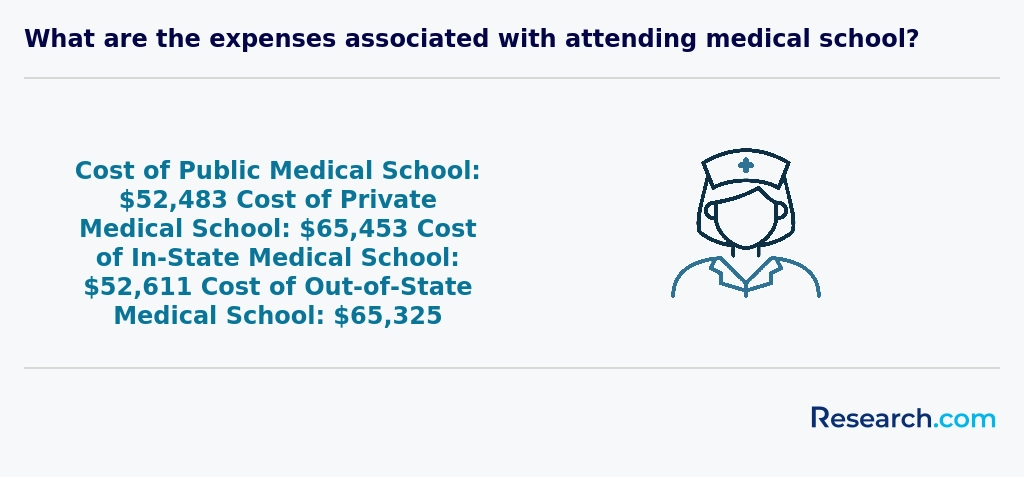
Understanding the average cost of a healthcare degree in Rochester is essential for students planning their educational journey. Based on recent data, the median total cost for healthcare degrees here hovers around $13,557, with in-state students often paying significantly less, close to $3,257. This affordability attracts many to local institutions such as the University of Rochester and Rochester Institute of Technology, where graduates often express satisfaction not just with quality education but also the reasonable tuition fees that eased their financial stress.
Students pursuing healthcare degrees in Rochester frequently share how manageable costs allowed them to focus on gaining hands-on experience and networking opportunities within the medical community. The healthcare degree tuition and fees in Rochester create a balance between quality and accessibility, which is encouraging for those worried about heavy debt. These aspects help foster a more immersive and rewarding learning experience, especially in programs that are known to be rigorous yet fulfilling.
For those considering a more flexible path, exploring part-time nurse practitioner programs Texas can be a helpful option, often blending affordability with the convenience necessary for working professionals. Rochester students keen on such alternatives often find this approach blends well with their lifestyle demands while still navigating costs prudently.
Student Life and Campus Support Services in Rochester, MN
For many aspiring healthcare professionals, choosing the right program is not only about academics but also about the vibrant community and robust support systems on campus. In Rochester, MN, healthcare schools are committed to nurturing students through comprehensive support services that extend beyond the classroom. These services include state‐of‐the‐art learning facilities, access to dedicated career counseling, mental health resources, and active student organizations that foster networking and mentorship opportunities. Moreover, many programs host regular workshops and seminars on financial planning, resume-building, and interview techniques, ensuring that students are well-equipped for life after graduation. Prospective students can also benefit from campus tours and virtual open houses to explore the collaborative environment that many of the most popular healthcare colleges in the area offer. Emphasizing a balanced student life with ample academic support, Rochester's healthcare institutions help students build lasting relationships, gain real-world insights, and develop the interpersonal skills essential for a successful career in healthcare.
What financial aid is available to healthcare degree students in Rochester?
Students pursuing healthcare degrees in Rochester often find financial aid to be a vital resource for managing tuition costs, which typically range from $20,000 to $50,000 annually depending on the institution. For example, a graduate from a well-known public university in Rochester shared how completing the FAFSA opened doors to Pell Grants, providing substantial non-repayable funds that significantly eased their financial stress during studies.
Many healthcare students rely on New York State's Tuition Assistance Program (TAP), which offers up to $6,470 for eligible residents studying at in-state institutions like Monroe Community College. Graduates often recall how TAP transformed their ability to afford quality education without accruing overwhelming debt.
- Local scholarships from Rochester healthcare employers and foundations can also be game changers, offering targeted support to those dedicated to health professions.
- Tuition reimbursement and loan forgiveness through employment in Rochester's hospitals help graduates start their careers with confidence and less financial burden.
- Federal programs such as the Nursing Workforce Diversity Grant provide additional, experience-enriching opportunities for those ready to serve underserved communities.
Advising offices on campuses play a crucial role, guiding students through these options with personalized support. Many Rochester healthcare graduates reflect positively on leveraging multiple aid sources, which helped them focus more on learning and less on finances.
Research Opportunities and Clinical Partnerships in Rochester, MN
Rochester’s healthcare degree programs offer unmatched research opportunities and clinical collaborations, anchored by partnerships with world-renowned institutions like Mayo Clinic and Olmsted Medical Center. Students can engage in cutting-edge research projects spanning translational medicine, biomedical engineering, and health informatics. Access to state-of-the-art laboratories and simulation centers allows aspiring professionals to develop advanced skills in diagnostics, patient monitoring, and medical device testing. Hands-on research experiences are integrated into many curricula, with undergraduates often co-authoring studies on topics such as regenerative therapies and digital health solutions. Graduate students benefit from mentorship by leading physicians and scientists, participating in clinical trials that inform new treatment protocols. These collaborations not only elevate academic rigor but also enhance job readiness, as graduates enter the workforce with real-world insights and published work. While embracing these local strengths, some students seek more flexible or cost-effective pathways to further their research interests. For those exploring alternative formats, the Cheapest Online Healthcare Degree Programs Ranking in Peoria, IL highlights accredited online options that balance affordability with robust clinical learning modules.
What are the prerequisites for enrolling in healthcare degree program in Rochester?
To enroll in a healthcare degree program in Rochester, a solid academic foundation is essential. Graduates from institutions like the University of Rochester or Rochester Institute of Technology often reflect on the importance of completing prerequisite high school courses such as biology with lab work, chemistry, and algebra or higher math. These subjects prepare students for the challenges ahead and build confidence in tackling complex topics like anatomy and pharmacology.
Many students also note the value of developing strong English skills, which are crucial for clear communication in healthcare settings. Beyond coursework, practical experience through volunteering at local clinics has been a game-changer for many applicants, providing a glimpse into real-world healthcare and boosting their applications.
Entrance exams and minimum GPA requirements, commonly around 2.5 to 3.0, are standard for nursing and allied health programs in Rochester. Graduates often emphasize that meeting these standards not only opens doors but also fosters a sense of achievement and readiness to thrive in rigorous healthcare environments.

Licensing and Certification Requirements
Graduates of healthcare degree programs in Rochester, MN, must obtain relevant state and national credentials to practice legally and advance their careers. For example, nursing graduates must pass the NCLEX-RN exam and apply for licensure through the Minnesota Board of Nursing, which includes background checks and continuing education requirements. Aspiring medical assistants often pursue the Certified Medical Assistant (CMA) credential from the American Association of Medical Assistants; these candidates frequently research how much is medical assistant program as they compare costs and certification exam prep. Health Information Technicians should aim for the Registered Health Information Technician (RHIT) exam administered by AHIMA, while those in medical laboratory science seek ASCP certification. Key steps to meet licensure and certification requirements:
- Meet education prerequisites: Complete an accredited program with coursework and clinical hours as specified by licensing boards.
- Pass certification exams: Register early for exams like NCLEX-RN, CMA, RHIT or ASCP and utilize official study guides.
- Apply for state licensure: Submit transcripts, exam scores, fees, and background clearance to the Minnesota Department of Health or appropriate board.
- Maintain credentials: Fulfill continuing education units (CEUs) annually; for example, RNs require 30 CEUs every two years. Understanding these requirements ensures a smooth transition from learner to licensed professional and enhances employability across Rochester’s top healthcare facilities.
What courses are typically in healthcare degree programs in Rochester?
Healthcare degree programs in Rochester offer a thoughtfully balanced mix of courses that truly prepare students for real-world challenges. Graduates from institutions like the University of Rochester often reflect on how foundational sciences-such as anatomy, physiology, and microbiology-provided them with a clear understanding of the human body, which made clinical work much more intuitive. They recall navigating rigorous pharmacology and biochemistry courses that deepened their grasp of medications and bodily processes, helping them feel confident when supporting patient care.
Equally important are courses on healthcare ethics, law, and policy. Students remember intense classroom discussions that sharpened their thinking about patient rights and the complex healthcare system, an essential perspective for any professional working in Rochester's evolving medical landscape.
Clinical skills training and immersive practicums at local hospitals often bring the greatest sense of achievement. Many recall their first moments applying assessment techniques or healthcare technology with real patients-combining theory with hands-on learning that truly deepened their passion for the field.
Courses in healthcare informatics and data analysis are also increasingly valued. Graduates express pride in mastering electronic health records and data systems, knowing these skills enhance patient outcomes in today's tech-driven healthcare environment.

What types of specializations are available in healthcare degree programs in Rochester?
Exploring healthcare degree specializations in Rochester reveals a diverse and practical selection shaped by the city's healthcare landscape. Graduates from Rochester's well-regarded universities often highlight Nursing, including roles like Registered Nursing and Nurse Practitioner, as pathways rich with real-world clinical opportunities through partnerships with local hospitals such as Rochester Regional Health. Many students find the Health Informatics specialization particularly rewarding, as it merges healthcare with modern information systems, addressing the demand for expertise in electronic health records and data management.
Other popular specializations reflect community impact and interprofessional cooperation. Public Health graduates describe how their education prepares them for roles in health policy and epidemiology that resonate deeply with Rochester's evolving health challenges. Meanwhile, Physical and Occupational Therapy programs benefit from extensive local rehabilitation centers, offering immersive clinical experiences. Students drawn to administrative roles appreciate healthcare organizationsmanagement and the operational insights it provides, often guided by faculty with strong industry ties and practical knowledge shared through the healthcare organizationsmanagement curriculum.
How do you choose the best healthcare degree in Rochester?
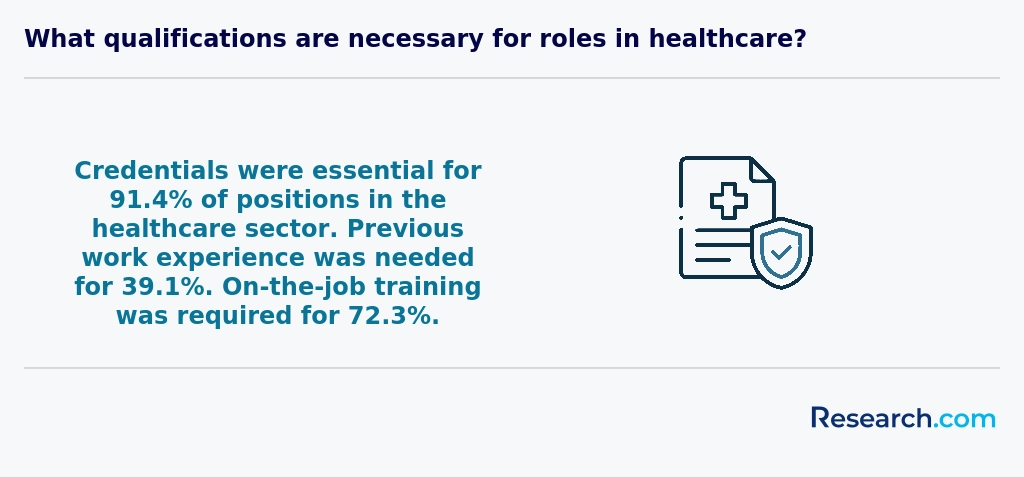
Choosing the best healthcare degree in Rochester often begins with reflecting on what matters most to you: program quality, affordability, and alignment with your career goals. Graduates from popular colleges in Rochester often praise accredited programs for giving them confidence and credibility when pursuing licensure or advanced certifications. For many, the financial aspect is equally vital-affordable healthcare degrees in Rochester help reduce the stress of debt, allowing students to focus on learning and hands-on experience. Numerous students find value in schools that offer part-time or evening classes, balancing work and family while progressing steadily. Those who prioritized flexibility often express relief and gratitude for these options, which made their journey manageable and rewarding. Considering local job market demand is also wise; Rochester's growing need for nurses and allied health professionals means graduates often step into fulfilling roles soon after earning their degree. Exploring resources like online nursing schools can add convenience and broaden your choices.
What career paths are available for healthcare degree students in Rochester?
Graduates with a healthcare degree in Rochester find a wealth of career options tailored to both hands-on and administrative roles. Many who studied at institutions like the University of Rochester or Monroe Community College have stepped confidently into roles as registered nurses, medical technologists, or physical therapists, benefiting from the city's strong network of hospitals for practical experience. These real-life opportunities fuel a sense of accomplishment and purpose among graduates, reinforcing their passion for patient care. For those drawn to organizational roles, healthcare administration and health informatics offer rewarding paths, with competitive salaries reflecting the region's demand for skilled professionals.
Exploring healthcare degree career options Rochester offers often reveals fulfilling non-clinical roles as well. Graduates find themselves making meaningful impacts as health educators or managers, often working within Monroe County's public health programs. These roles allow a balance of leadership and service, appealing to students who want to influence community wellness beyond direct patient interaction. For insights into workforce trends, prospective students might also consider related research such as LPN employment statistics in Connecticut to better understand regional demands.

What is the job market for healthcare degree in Rochester?
The healthcare job market in Rochester offers a promising landscape for graduates with healthcare degrees. Graduates from well-regarded programs at institutions such as the State University of New York in Rochester often find themselves well-positioned within the local healthcare system, which is anchored by major employers like the University of Rochester Medical Center. Several former students describe their transition into roles like registered nursing and healthcare management as smoother than expected, thanks to strong internship opportunities and hands-on clinical training tied to these institutions.
For those seeking Rochester healthcare degree employment opportunities, the city's consistent demand for roles such as physical therapists and healthcare support workers translates to steady job security. Graduates feel encouraged by the competitive wages, with salaries such as $75,000 for registered nurses, reflecting both the city's investment in healthcare and the rising need driven by an aging population. This environment fosters not only professional growth but also personal fulfillment, reinforced by practical experiences that prepare graduates for real-world challenges.
Students often explore specialized paths, including options related to nursing advancement. For example, those interested in advancing credentials can benefit from resources like Nurse Practitioner Licensure in Mississippi to understand additional certification routes that broaden career horizons.
Frequently Asked Questions About healthcare
Healthcare degree students in Rochester can enhance their learning by engaging in both classroom study and practical experiences. Rochester is home to notable medical centers, such as the University of Rochester Medical Center, which offers valuable internship and clinical placement opportunities. According to the New York State Department of Labor, healthcare jobs in Rochester are projected to grow 10% by 2030, so hands-on experience is crucial to stay competitive.
Students should also join professional organizations and participate in local healthcare events to build their network. Utilizing university resources like tutoring and simulation labs can improve clinical skills. Staying informed about community health trends in Rochester helps contextualize academic knowledge within real-world challenges.
The healthcare field in Rochester is evolving rapidly, with several emerging niches gaining attention among students and professionals. One key area is telehealth, which expanded significantly during the COVID-19 pandemic and continues to grow as technology improves access to care.
Another promising niche is healthcare data analytics. Rochester healthcare institutions increasingly rely on big data to improve patient outcomes and reduce costs, creating demand for expertise in health informatics and data management.
Additionally, geriatric care is becoming vital due to Rochester's aging population. Specializations in elder care and chronic disease management are opening new career paths.
Finally, mental health services remain a critical growth zone, reflecting national trends and local needs for enhanced behavioral health support in the community.
Preparing for the job market after earning a healthcare degree in Rochester involves several key steps. First, gaining practical experience through internships or clinical placements is essential. Rochester's strong healthcare sector, including the renowned Mayo Clinic, offers many opportunities to build skills and professional networks.
Next, certification and licensing prepare graduates for regulated healthcare roles. For example, nurses must pass the NCLEX-RN exam to practice in New York State. Additionally, attending local job fairs and connecting with Rochester-based healthcare employers can enhance job prospects.
Finally, updating resumes and practicing interview skills tailored to Rochester's healthcare needs increases chances of securing employment. According to the Rochester Public Market Report, healthcare jobs are expected to grow by 15% by 2028 in the region, indicating promising opportunities for graduates.
Employers in Rochester's healthcare sector prioritize a mix of technical and interpersonal skills when hiring graduates with healthcare degrees. According to the Rochester Regional Health Workforce Report (2023), clinical competence and proficiency in electronic health records (EHR) systems are highly sought after, reflecting the area's growing digitalization in healthcare services.
Strong communication and teamwork skills are also essential, as healthcare workers frequently collaborate across multidisciplinary teams. The Rochester Chamber of Commerce emphasizes cultural competence due to the city's diverse population, helping professionals provide effective patient-centered care.
Critical thinking and adaptability are valued too, as healthcare environments often change rapidly. Finally, employers appreciate graduates with demonstrated problem-solving abilities and ethical judgment, aligning with national standards set by the American Association of Colleges of Nursing (AACN).
Finding internships in Rochester relevant to a healthcare degree involves strategic research and networking. Start by exploring local hospitals such as the University of Rochester Medical Center, which offers internship opportunities in various healthcare fields. The Rochester Regional Health system also provides clinical internships and training programs for students.
Many colleges in Rochester, including community colleges and universities, maintain partnerships with healthcare providers, assisting students to secure internships. Check with your school's career services for updated listings.
The Rochester Area Community Foundation and New York State Department of Labor websites offer vocational resources and internship databases for healthcare students. According to the Bureau of Labor Statistics, healthcare employment in Monroe County, where Rochester is located, is growing faster than the national average, making internships increasingly important for practical experience.
Obtaining a healthcare degree in Rochester significantly improves career mobility and advancement opportunities. The Rochester region, home to major healthcare providers like the Rochester Regional Health system, offers a growing job market, with a projected 10% increase in healthcare employment by 2030, according to the New York State Department of Labor.
Graduates with degrees in nursing, health administration, or allied health fields often qualify for higher-level roles, including management and specialized clinical positions. Advanced degrees also facilitate career shifts across disciplines, enhancing job security.
Local employers frequently prioritize candidates with formal education and relevant certifications, making a healthcare degree a critical asset in Rochester's competitive market.
Studying for a healthcare degree in Rochester offers strong preparation for interdisciplinary roles by emphasizing collaboration across various health professions. Many programs partner with local hospitals and research centers, such as the University of Rochester Medical Center, providing students hands-on experience in team-based care settings. This exposure helps develop communication skills essential for working with nurses, physicians, therapists, and administrators.
Rochester's healthcare education often integrates coursework in public health, informatics, and management, reflecting the complex demands of modern healthcare environments. According to the Rochester Regional Health report (2023), graduates with interdisciplinary training have higher employment rates, illustrating the value employers place on these competencies.
Choosing between a thesis and a non-thesis healthcare degree program in Rochester depends on your career goals and interests. Thesis programs emphasize research and prepare students for roles in academia or advanced clinical research. Non-thesis programs focus more on practical skills and coursework, ideal for those aiming to work directly in healthcare settings.
Rochester, home to renowned medical centers like the Mayo Clinic, offers strong research opportunities, which can benefit thesis students. According to the Rochester Economic Development study in 2023, healthcare jobs grew by 12%, highlighting demand for both research and applied professionals.
Consider whether you prefer conducting original research or gaining immediate clinical expertise. Also, thesis options often require more time and commitment.
Students based in Rochester interested in studying healthcare abroad have several pathways through U.S. institutions offering exchange programs and dual degrees with international partners. Universities such as the University of Rochester and Rochester Institute of Technology frequently collaborate with global institutions, allowing healthcare students to gain clinical experience or research exposure overseas. These programs often include options in countries like the United Kingdom, Canada, and Australia, which share similar healthcare standards.
According to the Institute of International Education, nearly 15% of U.S. healthcare students participate in study abroad programs, emphasizing practical experience. For Rochester students, leveraging these partnerships enhances cultural competence and global healthcare knowledge.
Rochester offers numerous part-time job opportunities that can complement healthcare degree education. Students often find roles such as medical assistants, patient care technicians, or pharmacy aides beneficial for gaining hands-on experience. According to the Rochester Regional Health labor market report (2023), healthcare support occupations have seen a growth rate of 5.8%, reflecting increasing demand for qualified personnel in these roles.
Positions in local hospitals like Rochester General or outpatient clinics allow students to apply theoretical knowledge in real-world settings. Additionally, volunteering in community health programs provides exposure to public health initiatives while building professional networks. These roles enhance clinical skills and improve future employability in healthcare fields.
Healthcare students in Rochester have access to a variety of networking opportunities crucial for career development. Local institutions such as the University of Rochester Medical Center and Rochester Institute of Technology often host events, workshops, and seminars where students can connect with healthcare professionals. These settings provide direct interaction with clinicians, researchers, and administrators.
Additionally, Rochester's strong healthcare industry, including major employers like Rochester Regional Health, offers internships and volunteer positions that help students gain practical experience and build professional relationships. According to Rochester Regional Health, nearly 60% of their interns receive job offers after networking during placements.
Professional organizations, including local chapters of the American Medical Association and the Healthcare Financial Management Association, frequently conduct meetings and conferences in Rochester. These events are designed for students to meet peers and industry leaders, fostering mentorship and collaboration.
Alumni networks offer valuable support for healthcare degree students in Rochester by connecting them with experienced professionals. These networks provide mentorship, career advice, and job referrals, which are crucial in a competitive healthcare job market. For instance, the Rochester Regional Health system employs many graduates who accessed job opportunities through alumni connections.
Studies show that students engaged in alumni networks have a higher likelihood of securing internships and residencies, key steps in healthcare careers. The University of Rochester Medical Center's alumni association frequently hosts events that allow students to build networks and learn about emerging trends.
Access to these networks also helps students navigate licensing and certification processes specific to New York State, ultimately enhancing their employment readiness.
In Rochester, customizing your healthcare degree program often involves selecting specialized tracks or electives that align with your career goals. Many local institutions offer concentrations in areas such as nursing, health informatics, or public health, allowing students to tailor their learning experience.
Internships and clinical placements within Rochester's extensive medical network, including the renowned Mayo Clinic, provide practical experience and networking opportunities. Additionally, some programs offer flexible formats including part-time, evening, or online classes to accommodate working professionals.
Advisors play a key role in helping students map out coursework that supports licensure requirements and emerging healthcare trends in the Rochester job market.
Healthcare students in Rochester face several challenges common to the U.S. healthcare education system. One major difficulty is balancing demanding clinical hours with coursework. Many programs require extensive hands-on training, which can be time-consuming and stressful.
Additionally, the cost of education is a significant concern. According to the Rochester Area Community Foundation, healthcare program tuition and related expenses have steadily increased, putting financial pressure on students. Scholarships and financial aid opportunities exist but are often competitive.
Another challenge is adjusting to evolving healthcare technologies and protocols. Students must constantly update their knowledge to meet current standards, especially in a city like Rochester where healthcare innovation is strong. Finally, the intense competition for internships and residencies within local hospitals also impacts many students' progress.
With a healthcare degree in Rochester, students can pursue a variety of professional certifications that enhance their career opportunities. Common certifications include Certified Nursing Assistant (CNA), Registered Nurse (RN), and Licensed Practical Nurse (LPN). For those interested in advanced roles, certifications such as Certified Medical Assistant (CMA) and Certified Health Education Specialist (CHES) are also available.
Rochester's healthcare sector is growing, supported by institutions like Rochester Regional Health, which often require these credentials. According to the Bureau of Labor Statistics, healthcare jobs in the Rochester metropolitan area are projected to grow by over 10% through 2030, increasing the demand for certified professionals.
Many programs prepare students for certifications recognized nationally, improving employability in hospitals, clinics, and rehabilitation centers throughout Rochester.
Writing a strong application for a healthcare program in Rochester begins with thorough research. Applicants should carefully review program prerequisites and tailor their materials to highlight relevant experience, such as volunteer work or internships in local healthcare settings. Rochester's healthcare industry is robust, with major employers like the University of Rochester Medical Center offering valuable opportunities and partnerships that admissions committees value.
Demonstrating academic readiness is essential; competitive GPAs and strong standardized test scores improve chances. Rochester-area programs often emphasize diversity and community involvement, so clear, authentic personal statements reflecting your commitment to healthcare and Rochester's community are important. Submitting well-organized recommendation letters from credible sources such as healthcare professionals in Rochester strengthens applications.
Lastly, meeting deadlines and carefully following application instructions to avoid technical errors is critical. According to the Rochester Business Journal, healthcare job growth in the area is expected to increase 15% by 2030, making timely entry into healthcare programs more competitive.
Healthcare careers in the United States, including Rochester, reflect a growing global demand for skilled professionals. The U.S. healthcare system, known for its advanced technology and research, attracts international students and professionals seeking diverse opportunities. According to the U.S. Bureau of Labor Statistics, healthcare occupations are projected to grow 16% from 2021 to 2031, faster than average for all jobs.
Rochester benefits from this trend, with institutions like the Mayo Clinic driving local demand for well-trained healthcare workers. Globally, healthcare careers are valued for their stability and impact on public health, making them attractive to students worldwide. Understanding international health challenges enhances the education of healthcare students in Rochester, preparing them for leadership roles both locally and abroad.
Gaining practical experience while studying for a healthcare degree in Rochester is essential for building skills and enhancing employability. Many local colleges and universities, such as the University of Rochester and Rochester Institute of Technology, offer clinical placements and internships in affiliated hospitals and healthcare facilities.
Students often participate in externships at institutions like the Rochester Regional Health system, where they can apply classroom knowledge to real-world patient care. This hands-on training aligns with requirements for certification and licensure in various healthcare fields.
Additionally, Rochester's robust healthcare industry allows opportunities for volunteer work and research involvement, enriching practical learning. According to the Rochester Business Journal, healthcare jobs in the region grew by 5% in 2023, increasing demand for well-prepared graduates.
Choosing the right concentration within a healthcare degree program in Rochester involves careful consideration of your career goals and the local job market. Rochester has a strong healthcare industry, including major employers like the University of Rochester Medical Center, which often shapes demand for specific roles.
Research current labor statistics from sources such as the Bureau of Labor Statistics and RochesterWorks to identify high-demand areas like nursing, healthcare administration, or public health. Understanding your strengths and interests in clinical care, management, or research can also guide your decision.
Many programs in Rochester offer specializations tailored to local healthcare needs, so explore each program's curriculum and partnerships to find the best fit.
Related Healthcare Rankings for Nearby Cities
- 2027 Most Popular Healthcare Degree Programs Ranking in Saint Paul
- 2027 Most Popular Healthcare Degree Programs Ranking in Green Bay
- 2027 Most Popular Healthcare Degree Programs Ranking in Sioux City
- 2027 Most Popular Healthcare Degree Programs Ranking in Milwaukee
- 2027 Most Popular Healthcare Degree Programs Ranking in Omaha
- 2027 Most Popular Healthcare Degree Programs Ranking in Lincoln
- 2027 Most Popular Healthcare Degree Programs Ranking in Grand Rapids
- 2027 Most Popular Healthcare Degree Programs Ranking in Columbia
- 2027 Most Popular Healthcare Degree Programs Ranking in Kansas City
- 2027 Most Popular Healthcare Degree Programs Ranking in West Lafayette
Top Trending Healthcare Rankings
See What Experts Have To Say About Studying Healthcare
Read our interview with Healthcare experts

References
- University of Rochester Pre-College | Online Medicine Courses https://rochesteronline.precollegeprograms.org/med-programs
- Niche Markets in Healthcare https://ultrariskadvisors.com/niche-markets-in-healthcare/
- Trends and opportunities in healthcare across emerging markets - Inizio https://inizio.com/insights/trends-and-opportunities-in-healthcare-across-emerging-markets/
- Job-Ready Healthcare Skills for 2026 https://cliniwave.in/blogs/latest-article/job-ready-healthcare-skills
- Healthcare Administration Certifications https://www.publichealthdegrees.org/careers/healthcare-administrator/certification/
- Health Related Programs https://www.monroecc.edu/depts/healthprof/
- How to choose a bachelor's in healthcare administration | edX https://www.edx.org/resources/how-to-choose-a-bachelors-in-healthcare-administration
- Unlocking potential: Expanding experiential learning through simulation https://www.pagethink.com/insights/unlocking-potential-expanding-experiential-learning-through-simulation
- Education requirements for the fastest-growing healthcare jobs https://www.corridorcareers.com/job-tips/blog-news-education-requirements-fastest-growing-healthcare-jobs
- The impact of postgraduate education on career advancement in healthcare https://sets.com.ua/journals/vol-3-no-2-2024/the-impact-of-postgraduate-education-on-career-advancement-in-healthcare


