2027 Easiest Online Healthcare Degree Programs Ranking in Oregon

Co-Founder and Chief Data Scientist
Choosing the right healthcare degree program can be challenging, especially with so many options available online. This article introduces the 2027 Easiest Online Healthcare Degree Programs Ranking in Oregon, created by the Research.com team of data scientists to guide local students.
By exploring this ranking, you'll discover programs that balance quality and accessibility, making your educational journey smoother. Pursuing a healthcare degree opens doors to rewarding careers that truly make a difference in people's lives. Let this guide help you confidently take the next step toward your future.
Key benefits of getting online healthcare degree in Oregon
- Healthcare graduates in Oregon can expect competitive salaries, such as Medical Assistants earning around $43,350 annually and Quality Improvement Coordinators making over $103,000 per year, reflecting strong financial benefits.
- Graduates often pursue diverse careers like Patient Care Technicians or Health Information Technicians, showcasing flexible paths that fit many interests and skills within Oregon's healthcare industry.
- Online healthcare degrees from Oregon institutions offer the convenience to study remotely while balancing life, often leading to quicker job opportunities compared to traditional on-campus programs.
- 2027 Easiest Online Healthcare Degree Programs Ranking in Oregon
- What can I expect from online healthcare degree in Oregon?
- Where can I work with online healthcare degree in Oregon?
What can I expect from online healthcare degree in Oregon?
Imagine balancing weekday shifts while logging into Oregon State University's online nursing program, where tuition whispers around the $10,000 mark per year for in-state students. Graduates often share how the blend of affordability and flexibility feels like a lifeline, letting them focus on learning without drowning in debt. Eastern Oregon University paints a similar picture, with costs hovering just slightly above, making higher education accessible without sacrificing quality.
These numbers aren't etched in stone-they dance with the type of program and residency status. Public institutions in Oregon typically extend kindness to local students through reduced tuition, a boon for many who juggle family and work. Meanwhile, scholarships and financial aid swoop in like heroes, softening the financial edges and lighting the path toward that coveted healthcare career.
For many, these programs are not just about price tags but the priceless opportunity to live the dream of healing others while staying grounded in their Oregon communities.
Where can I work with online healthcare degree in Oregon?
Graduates with an online healthcare degree in Oregon often step directly into bustling hospital corridors at places like Oregon Health & Science University or Providence Health & Services, where their nursing skills or healthcare administration savvy turn patient care dreams into realities. Imagine coordinating a patient's journey through complex treatments or managing health data that shapes better outcomes-these are daily wins for alumni.
Others find their rhythm in vibrant outpatient clinics or healing-focused long-term care homes, where the heartbeat of community care thrives. Some graduates vividly recall assisting seniors in cozy nursing homes, their practical skills boosting the quality of life for Oregon's elder population, which proudly comprises nearly one-fifth of the state's residents.
For those energized by community impact, roles in public health departments or local health organizations offer the stage to champion wellness, especially in rural areas where preventive care can reshape futures. Portland's tech hubs sparkle with opportunities too, where combining healthcare insight with IT expertise turns graduates into pioneers of health technology, revolutionizing how information flows and care evolves in the digital age.
Imagine launching your healthcare career in Oregon with an online degree from a university like Oregon State or Portland State, where graduates have stepped into roles earning solid wages right out of the gate. For instance, Medical Assistants in Oregon see a mean annual wage around $43,350, a reliable starting point for many fresh grads eager to make an impact.
Those stepping into Patient Care Technician positions often enjoy a boost with salaries near $60,790, reflecting both demand and the hands-on experience gained through these programs.
Graduates focusing on Health Information Technology, a growing field tied to digital health management, can expect about $43,380 annually, opening doors to stable and tech-savvy careers.
Clinical Research Coordinators, often blending science with healthcare, start near the Medical Assistant pay scale at $43,350, but with room to grow as they gain research expertise in Oregon's healthcare hubs.
More experienced professionals, such as Quality Improvement Coordinators, can see wages leap to an impressive average of $103,150, reflecting the leadership roles and critical thinking skills fostered by advanced healthcare degrees from Oregon's respected institutions.
Graduates often share excitement about how their online degrees allowed them to balance life and study while stepping confidently into these rewarding careers with competitive Oregon salaries.
- Oregon State University and Portland State University offer accredited online healthcare degrees recognized nationwide.
- Tuition for online undergraduate healthcare programs at public universities ranges from $8,000 to $15,000 per year for in-state students.
- Graduate programs like a Master of Science in Nursing cost between $12,000 and $25,000 annually.
- Healthcare jobs in Oregon are projected to grow by about 13% through 2030, faster than the national average.
- Starting salaries for entry-level healthcare workers with bachelor's degrees average around $60,000 annually, increasing to about $85,000 with experience.
- Most clinical roles require state licensing exams, and online programs are designed to prepare students for these certifications.
Picture this: a determined Oregon healthcare student juggling night shifts and online lectures from a cozy nook in their Portland apartment. For many like them at Oregon Health & Science University or Southern Oregon University, completing an associate degree takes about two years of full-time hustle-enough to confidently step into entry-level healthcare roles.
Bachelor's degree seekers often embark on a 4-year journey, but with a toolbox of prior credits or professional certifications, accelerated paths can slice that to just 18-30 months. Imagine balancing weekend clinicals and online deadlines, supported by flexible pacing that fits busy lives across Oregon's diverse landscapes.
Master's hopefuls embracing advanced nursing or healthcare leadership degrees typically invest 1.5 to 3 years, part-time options allowing some to sip coffee between shifts, tailoring education around real-world demands. The common thread? The Oregon online healthcare ecosystem embraces your rhythm, from coastal towns to urban hubs, turning ambition into achievement on your terms.
Imagine juggling your busy life in rural Oregon while earning a healthcare degree from the comfort of your living room-this is the reality for many online students at popular schools like Oregon State University-Cascades. They thrive on flexibility, logging into lectures after sunrise chores or late-night shifts without worrying about a commute. In contrast, on-campus students at Portland State University immerse themselves in vibrant campus labs and bustling clinical rotations, where the hum of interaction sharpens their skills and forges lasting professional bonds.
Graduates often describe online learning as a dance of self-discipline and independence, coordinating local clinical hours near Salem or Bend while navigating digital platforms smoothly thanks to Oregon's improving broadband. Meanwhile, on-campus learners glow with the energy of peer collaboration, embracing the tactile experience of hands-on training that's hard to replicate through a screen.
Both paths promise a solid healthcare foundation, but choosing between them is like picking between the quiet rhythm of your own space and the lively pulse of campus life-a uniquely Oregonian blend of opportunity and challenge.
Imagine diving into an online healthcare degree in Oregon with a clear map of your financial journey. The average cost floats around $32,624 total, a number that resonates with many graduates from Oregon State University or Portland State University, who often mention feeling pleasantly surprised by how manageable tuition can be. In-state students see totals close to $32,784, while out-of-state peers might budget nearer to $42,528-numbers that symbolize a bridge between aspiration and reality for those chasing healthcare dreams from their living rooms.
Many students who embraced affordable healthcare degree programs Oregon online applauded how the blend of technology fees, textbooks, and other essentials felt lighter without the usual campus buzz. They often highlight that choosing wisely between public and private institutions shapes their economic-and emotional-experience, grounding lofty ambitions in practical terms.
One glowing sentiment from online learners is the access to scholarships and payment plans that soften the upfront cost. This financial flexibility sparks hope and motivation, creating narratives of persistence where healthcare education in Oregon becomes an achievable milestone rather than a distant fantasy.
For those weighing options beyond tuition, exploring affordable online schools for job holders can reveal unexpected pathways to completing degrees without derailing their budgets or careers.
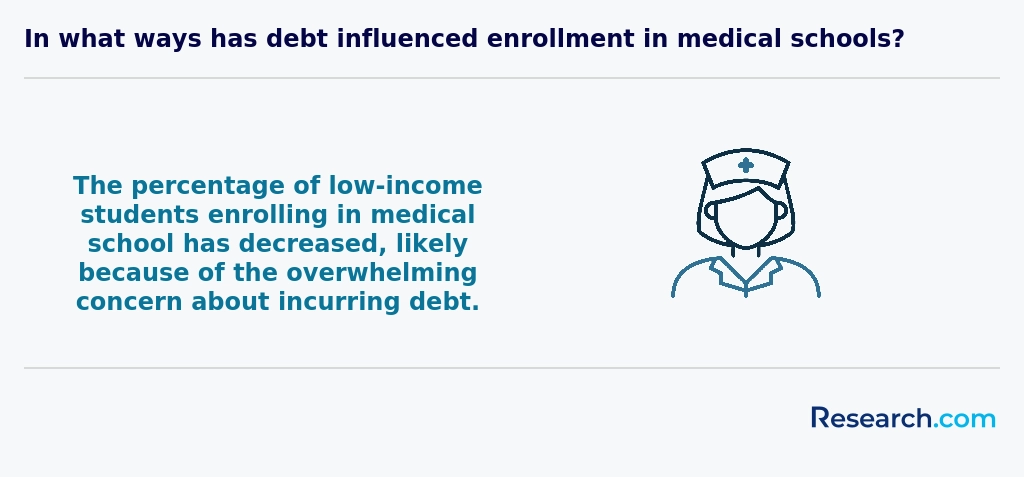
Imagine a student at Oregon Health & Science University, juggling work and family while chasing an online nursing degree. Their lifeline? The FAFSA portal, where federal Pell Grants pop up like unexpected gifts, slicing through tuition bills without the shadow of repayment. Then there's the Oregon Opportunity Grant, a local hero, quietly easing the financial burden for students enrolled at Portland Community College's healthcare programs-turning dreams into attainable goals.
Graduates often share how the National Health Service Corps transformed their futures: committing a few years in Oregon's rural clinics, they saw substantial loan forgiveness wash away years of debt. Meanwhile, the Health Professions Student Loan Program whispered promises of low-interest support, with forgiveness tied to public service spells.
Beyond grants and loans, many Oregon employers sprinkle tuition reimbursement magic, lifting the weight off shoulders of healthcare employees taking online classes at schools like Eastern Oregon University. Institutional scholarships from these colleges add further sparkle, rewarding merit and alleviating financial stress in a vibrant ecosystem designed to nurture online healthcare learners across the state.
Landing a spot in an online healthcare degree program in Oregon often feels like assembling a puzzle that reveals your readiness and passion for care. Graduates from well-known institutions like Oregon State University or Portland State recall the moment they submitted transcripts showing their solid foundation in biology and chemistry-those prerequisite courses acted like the first brushstrokes in their professional canvas.
Many peers have shared that while a high school diploma or GED is the key to the door, maintaining a GPA near 3.0 unlocks the path forward, signaling academic grit to admission boards. For those chasing graduate-level credentials, holding a bachelor's degree in a related field is non-negotiable, often enhanced by experience or certifications, especially in nursing tracks.
Letters of recommendation and personal statements breathe life into the application, offering glimpses of commitment and heartfelt ambition that textbooks alone can't capture. Though the SAT or ACT scores have become quieter whispers in admissions, some programs still cherish these notes of evaluation. This blend of requirements ensures Oregon's future healthcare heroes arrive equipped, resilient, and inspired.
Imagine diving into human anatomy and physiology, where Oregon State University graduates recall feeling amazed as they unraveled the secrets of the human body from their homes. Medical terminology courses act like a secret language decoder, empowering students to smoothly navigate hospital hallways filled with complex terms.
Online learners at Portland Community College delight in health assessment classes, practicing virtual patient evaluations that mimic real-life scenarios, making their future roles feel tangible and purposeful even before stepping foot in a clinic.
Ethics and healthcare law reflect the pulse of Oregon's distinctive medical landscape. Graduates frequently note how these courses instilled confidence to tackle state-specific challenges, like protecting patient rights in an evolving regulatory environment, a skill essential for local healthcare heroes.
Healthcare management and administration classes-from institutions such as OHSU-turn the spotlight on dollars and decisions. Students feel energized mastering financial strategies tied to Oregon's $11,200 per capita healthcare spending, preparing to lead with both care and precision.
Public health and epidemiology courses spark a shared sense of purpose through lessons on community health initiatives born in the wake of COVID-19, deeply resonating with those passionate about Oregon's diverse populations.
Finally, courses like medical coding and healthcare informatics excite students with a glance toward the future, tapping into fields growing as fast as Oregon's healthcare heartbeat itself.
Navigating online healthcare degree specializations in Oregon feels like stepping into a vibrant ecosystem where fields bloom uniquely. Nursing anchors this landscape, with graduates from Oregon's top public universities celebrating how their RN-to-BSN or MSN paths seamlessly blend rigorous science with Oregon's community-centered care spirit. Imagine studying Health Informatics from a Portland-based program-where managing electronic health records becomes an art form powered by cutting-edge tech, tailored for Oregon's digital health surge. For those who thrive in strategy and leadership, Healthcare Administration offers a dynamic role steering clinics and hospitals, reflecting Oregon's expanding healthcare network and growing at 9% annually.
Public Health specializations shine with real-world impact, preparing students to tackle rural health disparities common in Oregon, invigorating graduates with a profound sense of purpose. Meanwhile, Medical Laboratory Science hybrid learners appreciate flexible models that mix online study with essential hands-on diagnostics, perfect for Oregon's evolving medical infrastructure. These diverse healthcare career options in Oregon online programs tap into local needs, inspiring students, and opening doors in a flourishing healthcare realm often praised for its balance of innovation and compassion. Oregon students seeking affordability often explore the cheapest online bachelor's degree options to pursue these paths.
Imagine juggling a full day of Oregon's lush landscapes with the rigors of online coursework - that's the reality for many healthcare students here. Choosing the best online healthcare degree programs Oregon offers means balancing quality, flexibility, and your unique lifestyle. Graduates from major Oregon colleges often rave about programs where asynchronous classes fit snugly around family time or part-time jobs, especially in nursing or health administration tracks.
Picture sitting in a cozy Portland cafe, reviewing curriculum details that are finely tuned to Oregon's healthcare needs, accredited by respected bodies like the Commission on Collegiate Nursing Education. These programs don't just hand you a degree; they prep you for licensure and the real-world challenges ahead. Affordable healthcare degrees online Oregon also come from public universities where tuition fits local budgets, often between $10,000 and $15,000 per year, easing financial worries as you chase your passion.
Many successful grads highlight internship support and job placement as game changers, bridging theory with hands-on experience. Whether you're eyeing flexible certificates or bachelor's degrees, keep an eye out for hybrid models combining online learning with essential onsite practicum hours. For those contemplating multi-angle expertise, exploring dual degree programs might just be your secret weapon.
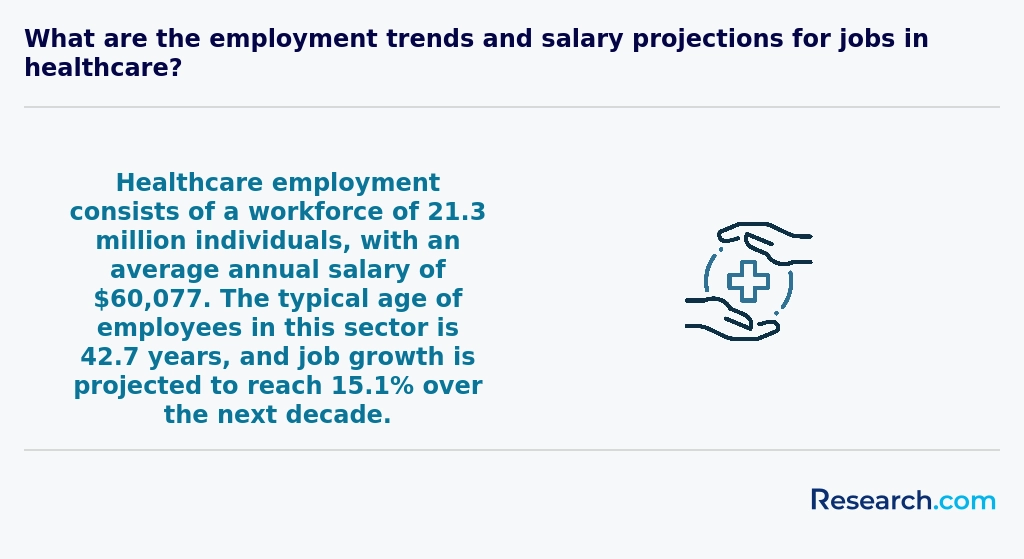
Graduates holding an online healthcare degree in Oregon often find themselves stepping into vibrant roles that pulse at the heart of the state's healthcare evolution. Picture a graduate from Oregon Health & Science University feeling the rewarding rush of coordinating a bustling hospital ward as a registered nurse, their BSN earned entirely online opening doors to licensure and clinical practice. Others, armed with degrees from Portland State University, channel their passion into leading teams as medical and health services managers, drawing on Oregon's growing healthcare job opportunities for Oregon graduates to secure salaries that match their commitment.
Beyond nursing and management, allied health careers blossom-imagine a health informatics specialist weaving technology and compassion to transform patient data into life-saving insights, a path perfect for tech-savvy students enrolling remotely. Many graduates find joy supporting community wellbeing as public health professionals or guiding recovery as physical therapy assistants, their diverse journeys embodying the flexibility Oregon's online healthcare degree careers in Oregon promise. To explore exciting alternatives to traditional healthcare roles, check out this trade school careers list and salaries.
Picture yourself as a graduate from one of Oregon's well-regarded universities offering online healthcare degrees, such as Oregon State University or Portland State University. The job market here acts like fertile ground, ready for your ambitions to take root. The demand for healthcare careers is growing rapidly, fueled by Oregon's aging population and aggressive efforts to extend care into rural areas. This means you're not just earning a degree-you're stepping into a landscape where the average annual salary for registered nurses can reach about $94,000, a strong incentive to join the workforce.
Many graduates who ventured into online healthcare jobs in Oregon describe their experiences as both rewarding and hopeful, buoyed by employers who increasingly acknowledge the legitimacy of online credentials tied to licensure requirements. Compared to traditional programs, online tuition costs averaging between $7,000 and $12,000 annually make this a practical and attractive pathway.
For those curious about navigating this career path, healthcare degrees open doors to positions like health services management or informatics, and even inspire ventures into trade school jobs that pay well. The online route in Oregon not only matches but often amplifies accessibility and financial viability, making the journey both plausible and promising.
2027 Easiest Online Healthcare Degree Programs Ranking in Oregon
Investing in your education is a significant decision that can shape your future, and the Research.com team understands the importance of making informed choices. To assist prospective students in Oregon, we have meticulously developed the "2027 Easiest Online Healthcare Degree Programs Ranking." Our dedication to quality, credibility, and accuracy is evident through the thorough research and analysis that underpin this ranking.
We utilized the following reputable data sources to ensure a comprehensive evaluation of healthcare degree programs:
By exploring this ranking, readers will gain valuable insights into the easiest online healthcare degree programs in Oregon, enabling them to make well-informed decisions about their educational journeys. For more information on how the ranking was created, please visit our Research.com methodology page.


# 7 position
Oregon Health & Science University
Bachelor of Nursing

# 8 position
Oregon Health & Science University
Master of Nursing Education

Frequently Asked Questions About healthcare
Online healthcare degree students in Oregon can enhance their learning by actively engaging with course materials and instructors through regular communication. Utilizing virtual office hours and discussion boards helps clarify difficult concepts and build connections with peers.
Oregon's healthcare sector is growing fast, with employment projected to increase by 15% through 2030, according to the Oregon Employment Department. Staying updated on local healthcare trends and regulations can provide practical context to online studies.
Students should also seek local clinical placements or internships to gain hands-on experience, which is crucial for licensure in many healthcare fields. Partnering with Oregon's hospitals or clinics can bridge theory and practice effectively.
The healthcare field in Oregon is experiencing growth in specialized areas driven by technological advances and changing population needs. Emerging niches include telehealth, which expanded rapidly during the COVID-19 pandemic and continues to offer remote healthcare services. Oregon's rural communities particularly benefit, improving access and convenience.
Another rising area is healthcare informatics, where professionals analyze data to improve patient outcomes and streamline medical processes. According to the Oregon Employment Department, jobs in health information management are growing faster than the state average.
Behavioral health is also a key focus, with rising demand for mental health professionals due to increased awareness and funding. This trend creates opportunities for online degrees that prepare students for roles in counseling, social work, and psychiatric support.
Preparing for the job market after completing an online healthcare degree in Oregon involves several key steps. First, obtain relevant certifications required by Oregon's healthcare industry, such as CNA or medical coding credentials, which improve employability.
Networking is crucial. Join professional associations like the Oregon Nurses Association or attend local healthcare job fairs to connect with employers. According to Oregon Employment Department, healthcare roles are expected to grow by 18% through 2031, signaling strong demand.
Additionally, gain practical experience through internships or volunteer positions available even to online students. Developing soft skills like communication and teamwork is highly valued by Oregon healthcare employers.
Finally, use state-specific job boards and resources like WorkSource Oregon for targeted opportunities in healthcare fields.
Employers in Oregon's healthcare sector prioritize a mix of technical and interpersonal skills in graduates. Critical thinking and clinical competence are essential, as healthcare professionals must make accurate decisions under pressure. According to the Oregon Healthcare Workforce Report 2023, 78% of employers value strong communication skills for effective patient interaction and teamwork.
Additionally, proficiency with electronic health records (EHR) and telehealth technologies is increasingly important due to Oregon's growing adoption of digital healthcare solutions. Attention to detail and ethical judgment also rank highly, reflecting the state's strict regulatory environment managed by the Oregon Health Authority.
Finding internships in Oregon relevant to a healthcare degree involves several steps. Start by exploring local hospitals, clinics, and public health organizations, which often offer internship programs. Oregon Health Authority and Oregon Medical Association websites provide resources and listings for healthcare opportunities. Networking through professional groups like the Oregon Society of Healthcare Executives can also be valuable. Many universities in Oregon maintain partnerships with medical facilities and help place students in internships, even those enrolled in online programs. According to the Oregon Employment Department, healthcare support occupations are projected to grow 14% by 2030, highlighting increasing internship availability across various fields.
Obtaining an online healthcare degree in Oregon significantly enhances career mobility and advancement opportunities. The state's healthcare sector is rapidly growing, with a 16% projected job increase through 2030 according to the Oregon Employment Department. This growth drives demand for qualified professionals.
Online degrees offer flexibility for working adults to gain new skills without relocating. Many Oregon healthcare employers recognize accredited online programs, making graduates competitive for promotions and specialized roles.
Additionally, an online degree aids in meeting licensure and certification requirements in fields like nursing and health administration. This credential often opens doors to management positions that pay 10-20% more, improving long-term career prospects in Oregon's evolving healthcare market.
Studying for a healthcare degree online in Oregon equips students with skills essential for interdisciplinary roles, emphasizing collaboration across medical, administrative, and social work fields. Oregon's programs often integrate coursework in communication, ethics, and healthcare technology to reflect the diverse needs of healthcare teams.
According to the Oregon Employment Department, healthcare employment is expected to grow by 16.4% through 2030, underscoring demand for professionals who can work with varied specialists. Many Oregon institutions align their curricula with national standards, preparing students to engage effectively with nurses, physicians, and public health experts.
This approach enhances graduates' adaptability in settings like hospitals, clinics, and community health organizations.
When choosing between a thesis and a non-thesis healthcare degree program in Oregon, consider your career goals. Thesis programs typically require original research and are suited for students aiming at clinical research or doctoral studies. Non-thesis options focus more on coursework and practical skills, ideal for those pursuing direct healthcare roles or administrative positions.
Oregon's healthcare industry is growing rapidly, with a 9% employment increase projected through 2030 (Oregon Employment Department). For many, non-thesis degrees offer faster paths to licensure or certification, valuable in this expanding job market.
Consider also your time availability; thesis programs often require more time for research.
Students based in Oregon interested in studying healthcare abroad have several online options through accredited U.S. institutions offering global curriculum access. While direct international enrollment is less common, many Oregon students choose programs with international partnerships or study-abroad components.
Oregon's recovery and growth in healthcare employment, with over 126,000 jobs in the sector as reported by the Oregon Employment Department in 2023, create demand for flexible, globally informed education.
Top Oregon universities such as Oregon Health & Science University and Portland State provide online healthcare degrees with exposure to global healthcare trends and sometimes virtual exchange opportunities.
Additionally, Oregon students often explore U.S.-based online degrees with international content accredited by recognized bodies like the Commission on Accreditation of Allied Health Education Programs (CAAHEP).
Oregon offers various part-time job opportunities that can enhance your online healthcare degree education. Roles such as medical assistants, pharmacy technicians, and certified nursing assistants (CNAs) are in demand and provide hands-on experience relevant to healthcare studies. According to the Oregon Employment Department, healthcare support occupations are projected to grow by 15% through 2031.
Working part-time in clinics, hospitals, or pharmacies allows students to apply classroom knowledge in real-world settings, strengthening practical skills. Additionally, telehealth coordinator positions are emerging, reflecting trends toward remote care delivery.
These jobs not only supplement income but also build valuable networks within Oregon's healthcare industry.
Online healthcare students in Oregon benefit from various networking opportunities despite the remote format. Many Oregon universities offering online healthcare degrees facilitate virtual networking events, such as webinars and discussion forums, which connect students with peers and healthcare professionals.
The Oregon Healthcare Workforce Institute reports an ongoing 15% growth in health jobs statewide through 2030, increasing demand for professional connections.
Students can join state-specific organizations like the Oregon Nurses Association or Healthcare Executives of Oregon, which offer virtual meetups and conferences. Additionally, clinical placements and internships arranged by programs provide valuable face-to-face networking within local healthcare facilities.
Social media groups and LinkedIn communities focused on Oregon healthcare fields also support relationship building, career advice, and job leads for online learners. These combined resources help bridge the gap between virtual education and real-world professional networks.
Alumni networks provide valuable support for online healthcare degree students in Oregon, offering connections that extend beyond the classroom. These networks help students access mentorship, career advice, and job opportunities within Oregon's healthcare sector, which employs over 130,000 workers according to the Oregon Employment Department (2023).
Strong alumni relationships can guide students through licensure processes and state-specific healthcare regulations. They also foster collaboration and professional growth, essential in a dynamic field like healthcare.
By engaging with alumni, students improve their chances of successful employment in local hospitals, clinics, and public health organizations, contributing to Oregon's growing healthcare economy.
Oregon offers a variety of online healthcare degree programs that allow students to tailor their studies according to career goals. Many institutions provide flexible curriculums with elective courses in specialties such as public health, health informatics, and healthcare administration. This customization helps students gain expertise aligned with growing sectors in Oregon, where healthcare employment is projected to grow 15% from 2021 to 2031, according to the U.S. Bureau of Labor Statistics.
Students can also choose certificate options or integrate practicum experiences through local healthcare providers to gain hands-on skills. Advisors at Oregon schools often assist in designing individualized programs that match state licensure requirements and employer needs.
Online healthcare students in Oregon often face several challenges related to the unique demands of both their programs and the state's healthcare system. One common issue is balancing clinical requirements with distance learning. Oregon mandates on-site clinical hours for most healthcare degrees, which can be difficult for students living far from approved facilities.
Technology access and reliability also impact many students, especially in rural areas where broadband connectivity remains limited. According to the Oregon Broadband Office, nearly 10% of rural households lack high-speed internet, affecting coursework participation. Additionally, time management is a frequent struggle as students juggle studies with work and family responsibilities.
Finally, understanding state-specific healthcare regulations and licensing requirements presents another learning curve. Oregon's licensing boards require knowledge of local laws, which online students must master without the benefit of traditional classroom discussions.
With an online healthcare degree in Oregon, graduates can pursue a variety of professional certifications to enhance their careers. Common certifications include the Certified Nursing Assistant (CNA), Licensed Practical Nurse (LPN), and Registered Nurse (RN) credentials, depending on the degree level and clinical requirements.
Other certifications available are Medical Coding Specialist, Certified Professional Coder (CPC), and Healthcare Information Technology certifications, valuable for those interested in healthcare administration and informatics.
According to the Oregon Employment Department, healthcare occupations are projected to grow by 12% through 2030, highlighting strong demand for certified professionals.
Successfully earning these certifications often requires passing nationally recognized exams and meeting state-specific licensing criteria.
Writing a successful application for an online healthcare program in Oregon requires clear focus and accurate preparation. Start by researching accredited programs recognized by the Oregon Office of Degree Authorization. Highlight any healthcare experience or relevant volunteer work, as Oregon's healthcare sector is growing rapidly-with a 14% job increase projected through 2030 according to the Oregon Employment Department.
Include a well-crafted personal statement demonstrating your commitment to improving community health. Be sure to address your goals and how the program fits into Oregon's healthcare landscape.
Strong letters of recommendation from professionals familiar with your skills can boost your application. Also, ensure transcripts meet program requirements, typically including prerequisite courses in biology or chemistry.
Globally, healthcare careers are seen as vital and growing professions, reflecting increased demand for skilled workers. In the United States, including Oregon, healthcare occupations are among the fastest-growing job sectors. According to the U.S. Bureau of Labor Statistics, healthcare employment is projected to grow 13% from 2021 to 2031, much faster than the average for all occupations.
In Oregon specifically, healthcare jobs increased by nearly 10% over five years, driven by aging populations and expanded access to medical services. Online healthcare degrees offer flexible pathways for many students, meeting this rising need efficiently.
Internationally, healthcare careers also emphasize adaptability and cultural competency, essential skills in diverse communities. For Oregon students, understanding these global trends enriches career prospects and prepares them for work in interconnected health systems.
Gaining practical experience while pursuing an online healthcare degree in Oregon is essential for career readiness. Many accredited programs require clinical hours or internships, which students can complete at local hospitals, clinics, or healthcare facilities. Oregon's healthcare industry, supported by organizations such as Oregon Health & Science University, offers diverse opportunities for hands-on training.
Students should coordinate with their program's clinical placement office to find approved sites near their residence. Additionally, some programs provide virtual simulation experiences that complement real-world practice. According to the Oregon Employment Department, healthcare roles grew by 12% from 2019 to 2023, highlighting strong demand for skilled practitioners with practical experience.
Choosing the right concentration within an online healthcare degree program in Oregon depends on your career goals and the local job market. Oregon's healthcare sector is growing faster than the national average, with a projected 15% increase in healthcare jobs by 2030, according to the Oregon Employment Department. Specializations such as nursing, health informatics, and public health are in high demand.
Consider your interests and strengths while also researching program accreditation and clinical placement opportunities. Online programs should align with Oregon licensing requirements if you plan to practice locally.
Exploring salary data and employment rates in Oregon can also guide your decision. For example, registered nurses in Oregon earn a median annual wage of about $90,000 as of 2023, per the Bureau of Labor Statistics.
- 2027 Easiest Online Healthcare Degree Programs Ranking in Washington
- 2027 Easiest Online Healthcare Degree Programs Ranking in California
- 2027 Easiest Online Healthcare Degree Programs Ranking in Idaho
- 2027 Easiest Online Healthcare Degree Programs Ranking in Montana
- 2027 Easiest Online Healthcare Degree Programs Ranking in Utah
- 2027 Easiest Online Healthcare Degree Programs Ranking in Arizona
- 2027 Easiest Online Healthcare Degree Programs Ranking in Colorado
- 2027 Easiest Online Healthcare Degree Programs Ranking in New Mexico
- 2027 Easiest Online Healthcare Degree Programs Ranking in South Dakota
- 2027 Easiest Online Healthcare Degree Programs Ranking in North Dakota
See What Experts Have To Say About Studying Healthcare
Read our interview with Healthcare experts

- 14 Entry-Level Healthcare Certifications | San Juan College https://www.sanjuancollege.edu/blog/entry-level-healthcare-certifications/
- 5 Healthcare Management Master's Concentrations - Healthcare Management Degree Guide https://www.healthcare-management-degree.net/list-articles/healthcare-management-masters-concentrations/
- Course Benefits https://www.premedprojects.co.uk/hospital-work-experience-benefits
- Global Perspectives – Healthcare Beyond Borders https://www.cedars-sinai.org/international-stories/healthcare-beyond-borders.html
- Best Online Colleges In Oregon https://www.affordablecollegesonline.org/online-colleges/oregon/
- Explore Healthcare Admin Degree Concentrations https://www.baypath.edu/news/bay-path-university-blogs/post/explore-healthcare-admin-degree-concentrations/
- 1+ Healthcare Cover Letter Examples (with In-Depth Guidance) https://www.tealhq.com/cover-letter-examples/healthcare
- The Value of Healthcare Organization Alumni Associations https://consultqd.clevelandclinic.org/the-value-of-healthcare-organization-alumni-associations
- Best Practices for Career Development and Advancement in the Healthcare Sector | Generation https://www.generation.org/news/best-practices-for-career-development-and-advancement-in-the-healthcare-sector/
- Networking in Medicine: Build Lasting Connections l Windsor https://www.windsor.edu/networking-in-medicine-building-relationships-from-day-one/