2027 Most Valuable Online Master's in Healthcare Management Degree Programs Ranking in the Northeast

Co-Founder and Chief Data Scientist
Choosing the right online master's program in healthcare management can feel overwhelming, especially with so many options in the Northeast. This article features the 2027 Most Valuable Online Master's in Healthcare Management Degree Programs Ranking in the Northeast, carefully crafted by the Research.com team of data scientists to guide you toward programs that truly stand out.
By exploring this ranking, you'll find valuable insights that help you make confident, informed decisions. Earning a healthcare management degree can open doors to meaningful career growth and positive impact in health services.
Key benefits of getting online healthcare management degree in the Northeast
- Healthcare management graduates in the Northeast can expect competitive salaries, with average annual wages around $104,000 for medical and health services managers nationwide, offering strong financial rewards.
- Career paths often include roles like hospital administrator, health policy manager, or clinical manager, with many graduates from schools like Northeastern University successfully advancing in diverse healthcare settings.
- Online degrees, such as those from the University of Massachusetts, offer flexibility for working students, allowing you to balance studies with life while gaining the same respected credentials as traditional programs.
- 2027 Most Valuable Online Master's in Healthcare Management Degree Programs Ranking in the Northeast
- What can I expect from online healthcare management degree in the Northeast?
- Where can I work with online healthcare management degree in the Northeast?
What can I expect from online healthcare management degree in the Northeast?
The average cost of an online healthcare management degree in the Northeast typically ranges between $20,000 and $40,000 for the entire program. Graduates from well-regarded institutions like Northeastern University and the University of Massachusetts have shared how this investment felt worthwhile, considering the rich curriculum and practical experiences they gained. These programs often offer flexible payment plans or financial aid options, helping you manage expenses without sacrificing your career ambitions.
When you dive into coursework-covering healthcare finance, policy, and compliance-you're not just learning theory; you're preparing to lead bustling hospitals or innovative health organizations found throughout cities like Boston and New York. Many students benefit from partnerships their schools hold with local healthcare providers, gaining virtual internships that blend learning with real-world challenges in the dense Northeast healthcare landscape.
Because these programs are designed with working professionals in mind, the cost aligns with the high value of the skills and connections you'll build, empowering you to rise confidently within this competitive field.
Where can I work with online healthcare management degree in the Northeast?
Graduates from online healthcare management programs in the Northeast find themselves well-positioned for rewarding careers in diverse healthcare settings. Many alumni from top institutions like Northeastern University and Columbia University thrive in hospitals such as Mass General Brigham or Mount Sinai, managing operations and improving patient care. The day-to-day reality might involve coordinating teams, managing budgets, or ensuring compliance with ever-evolving healthcare policies.
Others step into roles at public health agencies or insurance firms including Cigna and UnitedHealthcare, applying their skills to streamline services or develop impactful health programs. Imagine working in Boston or Philadelphia, navigating dynamic urban healthcare environments where your decisions directly affect community well-being. The hands-on experiences these graduates share reflect how their degrees open doors to positions like healthcare administrator or director of operations.
With the Northeast's rapidly aging population and complex healthcare systems, demand is high and salaries competitive, encouraging many students to feel confident pursuing these careers close to home. If you're motivated to lead and innovate in healthcare, this degree offers a pathway rich with opportunity.
Graduates with an online healthcare management degree in the Northeast often step into roles that offer promising salaries, typically ranging from $70,000 to $130,000 annually depending on experience and location. Those finishing programs at well-regarded institutions like Northeastern University or Boston University find that entry-level positions start near $70,000, allowing a solid foundation to build their careers.
Many graduates quickly progress into leadership roles within major hospitals or healthcare tech firms in cities like Boston and New York, where salaries can surpass $150,000. Imagine starting your day managing operational improvements at a large academic hospital in Massachusetts, knowing your skills directly impact patient care and organizational success-this exciting career path matches your passion with rewarding compensation.
While exact salary data varies, the strong demand in the Northeast healthcare sector offers real opportunities for those who pursue certifications and embrace roles in both private and public health organizations. Graduates often highlight how flexibility from online programs enabled them to balance work and study, accelerating their rise through healthcare administration ranks with confidence.
- Online healthcare management degrees in the Northeast typically cost between $20,000 and $40,000, with public universities generally offering lower tuition.
- The job market in this region is strong, with healthcare management roles expected to grow by about 15% over the next decade.
- Early-career salaries range from $65,000 to $75,000 annually, and experienced professionals can earn $100,000 or more in major cities like New York, Boston, and Philadelphia.
- Accredited programs often have CAHME approval, ensuring quality education recognized by employers.
- Programs usually offer flexible learning options, including asynchronous coursework to fit busy schedules and sometimes optional live sessions.
- Curriculums cover healthcare policy, ethics, information systems, and financial management, preparing students for complex healthcare environments.
For those pursuing an online healthcare management degree in the Northeast, completion times vary but remain flexible to fit busy lives. Many bachelor's degree students at well-known universities in this region find that full-time study takes around four years. However, friends who balance work and family often appreciate part-time or accelerated tracks that can shorten this to as little as two years or extend it up to six. This adaptability really empowers you to find what works best for your unique situation.
Master's degree candidates, particularly those from respected Northeast colleges, typically finish in one and a half to two years when studying full-time. Graduates who juggle part-time study often stretch this to three or more years, allowing them to advance their careers without sacrificing their current responsibilities.
Many of these programs include competency-based learning and capstone projects, which give students the chance to apply knowledge practically and can influence completion speed. Graduates frequently highlight how the blend of flexibility and rigorous coursework at regional institutions helps them stay motivated and confident throughout their journey.
When choosing between an online and on-campus healthcare management degree in the Northeast, flexibility often shapes the decision. Many online students balancing careers in cities like New York or Boston find the asynchronous nature of programs at respected institutions allows them to study without sacrificing job responsibilities. Imagine completing coursework late at night after managing a full day at a busy hospital or clinic-this flexibility turns ambition into reality for working professionals.
On-campus programs, such as those offered by well-known Northeast universities, provide immersive experiences with face-to-face networking and access to local healthcare facilities. Graduates often recall how hands-on internships and group projects helped them build meaningful connections that propelled their careers forward. This direct interaction fosters a vibrant learning environment that suits those who thrive in structured schedules and immediate feedback.
Both paths usually require CAHME accreditation, ensuring quality education. While tuition might be higher on-campus, online options can reduce costs by eliminating commuting and campus fees. Your choice should align with your lifestyle and goals, embracing the unique benefits each format brings to healthcare management education in the Northeast.
For students pursuing an online healthcare management degree in the Northeast, the average cost typically centers around $29,304, with out-of-state students often paying slightly more-about $31,500 on average. Meanwhile, in-state residents benefit from a median cost near $26,250, which can make a meaningful difference when budgeting for your education. These numbers reflect tuition and fees across popular regional universities known for their healthcare management programs, where graduates often speak about balancing costs with the exceptional opportunities these schools provide.
Consider the experience of graduates from well-regarded colleges in the Northeast, who highlight how investing in a degree here translates to strong professional networks and access to cutting-edge healthcare innovation hubs. Many tell stories of navigating per-credit costs-commonly falling between $800 and $1,200-with programs requiring 30 to 45 credit hours, which aligns well with these median cost figures. These financial realities are a vital part of the journey, but they're often balanced by the pride of earning a respected degree in a competitive region.
Beyond tuition, additional expenses such as technology fees and course materials can add to your overall budget. To truly get the most value, explore scholarships, employer tuition reimbursement, and assistantship opportunities specifically tailored for healthcare management students. Also, given the uniform pricing policies of many online programs in the Northeast, residency status might not affect the price, simplifying your financial planning.
Ultimately, understanding the average cost of online healthcare management degree northeast programs empowers you to make informed decisions about your educational investment. For those looking to discover more about degree options, exploring an online degree for healthcare administration can provide valuable insights into program structures and costs.

When pursuing an online healthcare management degree in the Northeast, you'll find a wealth of financial aid options designed to lift the weight of tuition, which can range from $15,000 to $45,000 annually. Many graduates from institutions like Northeastern University or Boston College have relied on federal aid by submitting the Free Application for Federal Student Aid (FAFSA) to access Direct Unsubsidized Loans or Graduate PLUS Loans, offering manageable repayment plans that fit busy professional lives.
State-based grants, such as New York's Tuition Assistance Program (TAP), have been game-changers for many students, significantly reducing out-of-pocket expenses. Imagine working while studying, and with support from your New York employer's tuition reimbursement program-common in local healthcare organizations-you can progress without financial strain.
Additionally, professional scholarships from groups like the American College of Healthcare Executives empower students to focus on their passion, knowing their dedication is recognized. Many online programs also offer financial advising and payment plans, making the journey not just affordable but truly achievable.
To enroll in an online healthcare management degree in the Northeast, you'll need a solid foundation, usually demonstrated by holding a bachelor's degree from an accredited school. Graduates from well-known programs at universities in New York or Massachusetts often share how their prior studies-whether in nursing, public health, or business-gave them a confident edge during the coursework. Even if your degree isn't directly related, having taken classes in anatomy or statistics can make the transition smoother and boost your readiness.
A competitive GPA around 3.0 or higher is commonly expected. Many students recall feeling empowered when their consistent academic efforts met this threshold, allowing them to pursue further studies without hurdles. For those who might worry about GPA, some programs offer a provisional path that lets you prove your ability through additional coursework.
Experience matters, too. Several graduates from Pennsylvania's top healthcare schools emphasize how one to two years working in healthcare or management helped them connect theory to real-world challenges. Plus, strong letters of recommendation and a personal statement can highlight your drive and unique perspective, especially since many programs have relaxed GRE requirements to accommodate working professionals balancing careers and education.
In online healthcare management degrees in the Northeast, students dive into courses that mirror the complexities of the regional healthcare environment. Graduates from well-regarded programs, like those at colleges in New York or Massachusetts, often highlight how courses such as Healthcare Delivery Systems and Health Policy and Law helped them navigate the varied state-level regulations they faced in their careers.
Financial Management in Healthcare is another cornerstone, offering practical skills in budgeting and accounting vital for managing institutions where costs are notably high. One graduate shared how mastering these skills enabled them to confidently lead budgeting projects in a large Boston hospital system.
Equally important are Healthcare Information Technology classes, which cover electronic health records and cybersecurity-a must-have knowledge area especially given the digital transformation driven by federal initiatives. Leadership and Organizational Behavior courses prepare students to effectively guide diverse teams, a daily reality in Northeast's extensive healthcare networks.
Finally, hands-on experiences like capstone projects or internships bridge classroom learning with real-world challenges, empowering students to take on leadership roles with confidence in states like Pennsylvania, where healthcare administration is booming.
When exploring online healthcare management specializations in the Northeast, you'll find a range of focused tracks that prepare you for diverse roles in this dynamic industry. Graduates from well-known institutions often highlight Health Informatics, where mastering data analytics and electronic health records empowers them to drive improvements in hospital efficiency and patient care. Others choose Healthcare Policy and Administration, gaining skills in navigating complex regulatory environments, which Northeast-based healthcare organizations greatly value given the region's strict compliance demands.
Students pursuing clinical careers lean toward Clinical Management, stepping into leadership positions that enhance patient outcomes on the front lines. Meanwhile, those passionate about community impact often pick Public Health Management, enabling them to lead innovative programs in states like New York and Massachusetts, which have prioritized public health investments.
For anyone comparing paths, understanding these healthcare management degree concentrations Northeast universities offer can clarify your decision. It also pairs well with insights on career direction found in resources about healthcare management vs healthcare administration degree, making sure you choose the specialization best aligned with your goals.
Choosing the best online healthcare management degree in the Northeast means focusing on key elements like accreditation and affordability. Graduates from well-known universities in this region often highlight how programs accredited by bodies such as the Commission on Accreditation of Healthcare Management Education (CAHME) gave them confidence in the quality of their education. Cost is equally important; many find that affordable online healthcare masters programs Northeast offer tuition rates between $15,000 and $40,000, making education accessible without sacrificing quality.
Flexibility is crucial for busy professionals balancing work and life. Successful alumni praise programs that offer asynchronous courses combined with interactive live sessions, allowing them to manage their studies around full-time jobs. They also emphasize the value of curricula focused on leadership, finance, and healthcare technology, which prepare students for real-world challenges.
Students from popular colleges in the Northeast benefit significantly from strong local connections that lead to internships and job placements. If you want to explore options, check out this comprehensive list of most popular accredited online healthcare programs to find one that fits your goals and lifestyle.
Graduates of an online healthcare management degree in the Northeast find themselves stepping into vibrant career paths that blend healthcare expertise with leadership skills. Many graduates from institutions like Rutgers or Northeastern University move into roles such as healthcare administrators, where they manage daily operations at hospitals, balancing patient care quality with staff coordination. Others thrive as practice managers in bustling outpatient clinics across New York or Pennsylvania, making impactful changes that improve patient experience and streamline workflows.
Healthcare information management is another promising path, especially with the rapid adoption of electronic health records. Graduates often oversee sensitive patient data in organizations throughout the Northeast, ensuring privacy and tech efficiency. For those wondering if this trajectory is right for them, resources affirm that an mha degree worth it for opening doors to varied roles. The growing demand in healthcare administration job opportunities Northeast truly reflects a world where your skills can make a profound difference every day.
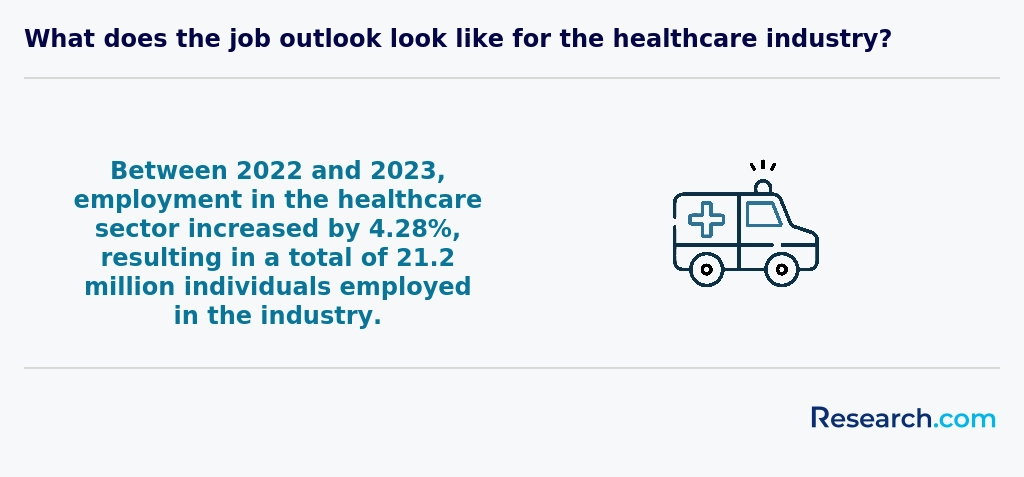
The job market for online healthcare management degree graduates in the Northeast is flourishing, offering exciting career opportunities in a region known for its dense healthcare infrastructure. Graduates from well-regarded institutions like Northeastern University and the University of Massachusetts find themselves in high demand due to the region's rapidly growing healthcare systems and aging population. Those entering this field often describe the satisfaction of managing large hospital networks or innovative telehealth services, applying their knowledge to real-world challenges that improve patient care and operational efficiency.
Understanding the job outlook for healthcare management degrees in the Northeast means recognizing the region's unique complexity-where healthcare spending and regulatory requirements are well above average. Graduates frequently secure roles overseeing budgets and compliance, with salaries ranging broadly between $90,000 and $125,000. This rewarding environment encourages continuous learning and leadership growth.
For those looking to advance further, exploring specialized paths through online dha programs is a strategic step to deepen expertise and leadership impact in this vibrant job market.
2027 Most Valuable Online Master's in Healthcare Management Degree Programs Ranking in the Northeast
Investing in your education is a significant decision that can shape your future, and the Research.com team understands the importance of making informed choices. To support prospective students seeking the best healthcare management programs in the Northeast, we have carefully developed the "2027 Most Valuable Online Master's in Healthcare Management Degree Programs Ranking in the Northeast." Our dedication to quality, credibility, and accuracy is demonstrated through rigorous research and thorough analysis.
We utilized the following reputable data sources to ensure a comprehensive evaluation of these degree programs:
By reviewing this ranking, readers gain valuable insights into the most valuable online healthcare management master's programs in the Northeast, guiding them toward well-informed educational decisions. For additional information on how this ranking was created, please visit our Research.com methodology page.
# 1 position
University of Massachusetts Lowell
Master of Health Information Management: Health Service Management Option


# 5 position
Hofstra University
Master of Strategic Business Management and Strategic Healthcare Management




# 10 position
St. Joseph's University, Brooklyn Campus
Master of Health Administration/Health Care Management

Frequently Asked Questions About healthcare management
Online healthcare management students in the Northeast can maximize their learning by actively engaging with digital resources and regional professional networks. Many universities in the area, like those in New York and Massachusetts, offer live virtual lectures and interactive case studies, which improve comprehension and real-world application. According to the New England Journal of Medicine, collaboration in virtual study groups enhances problem-solving skills within healthcare management.
Students should also leverage internship opportunities at local hospitals and healthcare organizations, as these provide practical experience. Data from the U.S. Bureau of Labor Statistics highlights a projected 17% growth in healthcare management jobs in the Northeast by 2030, making networking vital for post-graduate success.
Emerging niches within healthcare management increasingly focus on technology integration, population health, and policy implementation. In the Northeast, growing telehealth services demand managers skilled in digital health platforms and patient data security. According to the U.S. Bureau of Labor Statistics, healthcare management jobs are expected to grow by 32% from 2020 to 2030, with significant expansion in roles involving health informatics and analytics.
Population health management is another key area, emphasizing preventive care and improved outcomes through community-based interventions. Healthcare managers with expertise in health policy and regulatory compliance are also vital, given ongoing changes in healthcare laws.
After earning an online healthcare management degree in the Northeast, students should focus on building relevant experience and professional networks to enter the job market successfully. According to the U.S. Bureau of Labor Statistics, the healthcare management sector is projected to grow 32% nationally from 2021 to 2031, with strong demand in Northeastern states like New York, Massachusetts, and Pennsylvania.
Internships and volunteer opportunities at hospitals or healthcare organizations offer practical experience that employers highly value. Joining regional professional associations such as the New England Healthcare Executives Network can provide networking opportunities and access to job listings.
Additionally, certifications like Certified Healthcare Manager (CHM) can enhance employability. Tailoring resumes to emphasize skills in healthcare regulations, data analytics, and policy familiarities, common in Northeast healthcare markets, is recommended.
Employers in the Northeast highly value healthcare management graduates who demonstrate strong leadership and communication skills. These abilities are essential for coordinating complex healthcare teams and managing patient care efficiently. According to a 2023 report by the New England Healthcare Institute, proficiency in healthcare regulations and compliance is also critical due to the region's strict state and federal policies.
Data management and familiarity with healthcare IT systems are increasingly important. The Bureau of Labor Statistics forecasts a 15% job growth for healthcare managers in the Northeast through 2030, emphasizing the role of tech-savviness.
Analytical thinking and financial acumen round out the top skills needed for success in this competitive field.
Finding internships in the Northeast for healthcare management students involves targeted research and networking. Start by exploring healthcare organizations, hospitals, and public health departments in states like New York, Massachusetts, and Pennsylvania, known for their robust healthcare sectors. The Bureau of Labor Statistics reports that healthcare management jobs in the Northeast are growing faster than the national average, increasing internship opportunities.
Utilize your school's career services and alumni networks to access exclusive internship listings. Platforms like Handshake and Indeed often list internships specifically for healthcare administration. Professional associations such as the American College of Healthcare Executives (ACHE) also offer local chapters that facilitate connections and internship postings.
Contacting organizations directly and attending virtual career fairs geared toward healthcare professionals in the Northeast can also help secure internships. Many internships offer remote or hybrid options, accommodating online degree students.
Obtaining an online healthcare management degree significantly enhances career mobility and advancement opportunities in the Northeast. The region's healthcare industry is expansive, with states like New York, Massachusetts, and Pennsylvania generating over 2 million healthcare jobs combined, according to the U.S. Bureau of Labor Statistics (BLS, 2023). Employers value candidates with formal education in management who can navigate complex healthcare systems and regulatory environments.
Graduates of accredited online programs often qualify for leadership roles such as healthcare administrators or policy analysts, which offer salaries 15-25% higher than entry-level positions. Many institutions in the Northeast also partner with local healthcare providers, facilitating networking and job placement.
Overall, online degrees provide flexible access to advanced skills, making professionals more competitive in the Northeast's dynamic healthcare job market.
Studying for a healthcare management degree in the Northeast equips students with skills essential for interdisciplinary roles across healthcare systems. Many programs emphasize collaboration between business, policy, and clinical sectors, reflecting the region's diverse healthcare landscape. For example, the Northeast hosts numerous integrated health systems requiring leaders who understand both patient care and administrative challenges.
The curriculum often includes courses in health policy, informatics, and organizational behavior, fostering communication between medical professionals, administrators, and policymakers. According to the Bureau of Labor Statistics, healthcare management jobs in the Northeast grow at an annual rate of 5%, highlighting increasing demand for interdisciplinary expertise. These programs also leverage partnerships with local hospitals and agencies, providing practical experience in real-world team environments.
Choosing between a thesis and a non-thesis healthcare management degree program in the Northeast depends on your career goals and learning preferences. Thesis programs typically focus on research, requiring students to complete an original project, which is ideal for those considering doctoral studies or research roles in healthcare administration.
Non-thesis options emphasize practical skills and coursework, better suited for professionals targeting leadership positions in hospitals, clinics, or insurance companies. According to the National Center for Education Statistics, many Northeastern universities offer both tracks online to accommodate diverse student needs.
Cost and time also vary; thesis programs often take longer due to research commitments, while non-thesis paths can be completed more quickly. Reviewing your professional objectives alongside program structure helps ensure the right fit.
Students in the Northeast seeking to study healthcare management abroad face unique challenges. Most accredited U.S. programs offer online degrees, allowing study without leaving the country. However, true overseas study often requires enrolling in international universities with recognized partnerships. Such options are limited but growing due to increased global collaborations. The Commission on Accreditation of Healthcare Management Education (CAHME) notes that only a few institutions maintain dual accreditation recognized internationally.
Many Northeastern students opt for virtual exchange programs or internships that provide international experience without full relocation. These hybrid models combine U.S.-based curricula with global healthcare management perspectives.
Overall, direct study abroad in healthcare management often involves hybrid or short-term international residencies rather than full-degree programs, reflecting current trends documented by the National Center for Education Statistics (NCES).
Part-time job opportunities that complement healthcare management degrees in the Northeast often include roles such as medical office assistants, patient services coordinators, and healthcare administration interns. These positions provide practical experience in managing healthcare operations alongside academic studies. According to the U.S. Bureau of Labor Statistics, the Northeast employs a significant portion of healthcare support workers, with an average hourly wage ranging from $15 to $22. Jobs in these areas help students develop skills in data management, patient communication, and healthcare policy application. Additionally, hospitals and outpatient facilities in states like New York and Massachusetts frequently offer flexible part-time roles suitable for students.
Online healthcare management students in the Northeast have various networking opportunities despite remote learning settings. Many regional universities hosting these programs often organize virtual career fairs and alumni networking events that connect students with healthcare leaders in states like New York, Massachusetts, and Pennsylvania.
Professional organizations such as the Northeast Healthcare Executives Network and the American College of Healthcare Executives often offer local chapters and online forums tailored to this region. These platforms provide access to mentors, job listings, and collaborative projects.
Furthermore, according to a 2023 report from the Bureau of Labor Statistics, healthcare management jobs in the Northeast grew by 5% annually, increasing connections between students and industry professionals.
Alumni networks play a vital role for students pursuing online healthcare management degrees in the Northeast. These networks connect graduates working in various sectors, such as hospitals, insurance, and public health organizations, offering valuable career insights. According to the National Association of Colleges and Employers, 85% of jobs are filled through networking, highlighting the practical benefit for students.
In the Northeast, where healthcare is a significant industry, alumni connections can lead to internships, mentorships, and job referrals. Such networks also support professional development by sharing regional industry trends and continuing education opportunities. This local focus strengthens students' career prospects in a competitive job market.
Customizing an online healthcare management degree program in the Northeast allows students to align their education with specific career goals. Many regional universities offer concentration options, such as healthcare informatics, policy, or finance, which can tailor skills toward desired roles.
Students can often choose electives and complete capstone projects focusing on local healthcare challenges in the Northeast, enhancing practical knowledge. Some programs incorporate partnerships with nearby healthcare organizations, providing virtual internships or networking opportunities. According to the Bureau of Labor Statistics, healthcare administration roles are growing by 28% nationally through 2031, highlighting the value of specialization.
Checking regional accreditation and program flexibility ensures the degree meets professional standards and fits personal timelines.
Online healthcare management students in the Northeast often face challenges related to balancing rigorous coursework with professional and personal responsibilities. Many programs demand strong time management skills due to the fast-paced nature of healthcare topics and frequent assignments.
Access to practical experiences and internships can be limited, particularly during remote learning, which affects skill development critical to healthcare management roles. According to the Northeast Alliance for Healthcare Management Education, about 40% of online students report difficulties securing relevant field placements.
Additionally, technological disparities may impact learning, as some students encounter unreliable internet connections or outdated devices, hindering participation in interactive coursework.
Furthermore, students sometimes struggle with networking opportunities, essential in a competitive healthcare market that in the Northeast grew by 7% in healthcare administration jobs since 2020 (Bureau of Labor Statistics).
Graduates with an online healthcare management degree in the Northeast can pursue several professional certifications to boost their careers. Popular options include the Certified Healthcare Manager (CHM) credential offered by the American Hospital Association, which validates leadership skills in healthcare settings. Another key certification is the Fellow of the American College of Healthcare Executives (FACHE), a prestigious title for experienced professionals seeking senior management roles.
For those interested in quality and compliance, the Certified Professional in Healthcare Quality (CPHQ) is highly regarded across the region's hospitals. According to the New England Healthcare Institute, holders of these certifications often see higher salaries and greater job security.
Writing a winning application for an online healthcare management program in the Northeast begins with clear articulation of your career goals. Admissions committees look for candidates with a strong interest in healthcare systems and leadership. Highlight relevant experience, such as work in hospitals, clinics, or healthcare nonprofits. According to the Bureau of Labor Statistics, healthcare management jobs in the Northeast are expected to grow by 15% through 2030, signaling competitive demand for qualified professionals.
Include well-crafted personal statements and letters of recommendation that emphasize your dedication and ability to succeed in a remote learning environment. Be sure to meet all deadlines and tailor each application to the specific program's focus, whether it's hospital administration, policy, or finance.
The healthcare management field is increasingly viewed through a global lens, reflecting the interconnected nature of health systems worldwide. Graduates with degrees in healthcare management, especially from institutions in the Northeast, find that their skills are applicable across diverse healthcare environments. The U.S. Bureau of Labor Statistics projects a 28% growth in healthcare management jobs nationally through 2031, with the Northeast region showing robust demand due to its dense population and extensive hospital networks.
Globally, healthcare administrators contribute to improving system efficiency, policy implementation, and patient care quality. According to the Association of University Programs in Health Administration (AUPHA), U.S. healthcare management degrees are highly respected internationally, as they emphasize evidence-based practice and leadership. This global demand encourages programs in the Northeast to integrate international health systems perspectives into their curricula, preparing students for careers that may extend beyond U.S. borders.
Gaining practical experience while pursuing an online healthcare management degree in the Northeast is achievable through various approaches. Many programs encourage internships or practicum opportunities at nearby hospitals, clinics, or healthcare organizations. These placements allow students to apply theoretical knowledge in real-world settings, enhancing skills and resumes.
Additionally, some universities partner with healthcare facilities in New York, Massachusetts, and Pennsylvania, offering students access to diverse clinical environments. According to the New England Journal of Medicine, internships improve job placement rates by up to 30% in the region.
Virtual simulations and case studies also supplement hands-on experience, especially during early coursework.
Choosing the right concentration within an online healthcare management degree in the Northeast requires understanding your career goals and the region's healthcare trends. Popular concentrations include healthcare informatics, policy, and finance, reflecting the Northeast's emphasis on innovation and regulation. The U.S. Bureau of Labor Statistics reports that healthcare management jobs in this region are growing faster than the national average, particularly in specialized fields like population health and data analytics. Researching programs accredited by the Commission on Accreditation of Healthcare Management Education (CAHME) ensures a quality education aligned with industry standards.
Consider your prior experience and desired work environment-clinical settings, administration, or policy development often require distinct skill sets. Exploring state-level healthcare regulations in Northeast states like New York, Massachusetts, and Pennsylvania can also influence your concentration choice, as local laws may impact job functions.
- Healthcare Management https://ntcc.edu/academics/programs-study/health-sciences/healthcare-management
- With a Healthcare Management Degree, Where Will I Be Qualified to Work? - Healthcare Management Degree Guide https://www.healthcare-management-degree.net/faq/with-a-healthcare-management-degree-where-will-i-be-qualified-to-work/
- Motivation letter sample for a Master in Healthcare Management - Motivation letter samples and templates https://motivationalletter.com/2017/08/30/master-in-healthcare-management/
- Challenges and Opportunities in Healthcare Management - European Society of Medicine https://esmed.org/challenges-and-opportunities-in-healthcare-management/
- 6 Tips On Networking For Medical Professionals https://aaams.net/blog/how-to-network-in-the-medical-field-nurses/
- Top 7 Career Paths with an International Health Management Degree | BSBI https://www.berlinsbi.com/blog/top-7-career-opportunities-after-an-international-health-management-degree
- Business Administration: Healthcare Management, MBA Online https://www.nec.edu/programs/business-administration-healthcare-management-concentration-m-b-a
- Niche Markets in Healthcare https://ultrariskadvisors.com/niche-markets-in-healthcare/
- 5 Concentrations for a Bachelor’s of Healthcare Administration - Healthcare Administration Degree Programs https://www.healthcare-administration-degree.net/lists/5-concentrations-for-a-bachelors-of-healthcare-administration/
- Online Healthcare Management Degrees with Financial Aid https://www.edumed.org/online-schools/healthcare-management-degrees/financial-aid/