2027 Most Affordable Online Master's in Healthcare Management Degree Programs Ranking in Massachusetts

Co-Founder and Chief Data Scientist
Choosing the right online master's program in healthcare management can feel overwhelming, especially when you want quality and affordability. This article introduces the 2027 Most Affordable Online Master's in Healthcare Management Degree Programs Ranking in Massachusetts, created by the Research.com team of data scientists.
Designed to help you make informed decisions, this ranking highlights programs that balance cost and value for Massachusetts students. Pursuing a healthcare management degree can open doors to meaningful career opportunities, personal growth, and the chance to make a positive impact in healthcare.
Explore your options with confidence and take the next step toward a rewarding future.
Key benefits of getting online healthcare management degree in Massachusetts
- Healthcare management graduates in Massachusetts typically pursue roles like medical and health services managers, earning a mean hourly wage around $52.00, reflecting strong earning potential in this growing field.
- Graduates from Massachusetts universities often find diverse career paths, including hospital administration, health consulting, and insurance management, offering rewarding opportunities to impact community health.
- Online degrees provide flexible scheduling and the ability to balance work and study, as seen with graduates from popular Massachusetts schools who advance quickly without relocating or pausing their careers.
- 2027 Most Affordable Online Master's in Healthcare Management Degree Programs Ranking in Massachusetts
- What can I expect from online healthcare management degree in Massachusetts?
- Where can I work with online healthcare management degree in Massachusetts?
What can I expect from online healthcare management degree in Massachusetts?
The average cost of an online healthcare management degree in Massachusetts typically ranges from $15,000 to $40,000, depending on the institution and program length. For example, graduates from well-known schools such as Northeastern University or the University of Massachusetts Online report manageable tuition fees relative to the quality and flexibility offered. Many students appreciate being able to tailor their studies around their jobs, treating coursework as a practical investment in their future careers.
Students often remark on the value of programs that combine Massachusetts-specific healthcare law with hands-on projects linked to local hospitals like Mass General Brigham. These real-world connections enhance learning and boost confidence in applying skills after graduation. Financial aid and employer tuition reimbursement programs are also common, helping to ease the upfront costs.
Choosing regionally accredited programs ensures your degree holds weight with local employers and supports qualification for advanced certifications. Graduates frequently share how the combination of affordable tuition, flexible scheduling, and relevant curriculum made earning their degree a rewarding and accessible experience.
Where can I work with online healthcare management degree in Massachusetts?
Graduates with an online healthcare management degree from institutions like Northeastern University or UMass Amherst find a variety of rewarding career paths throughout Massachusetts. Many begin working in hospitals such as Massachusetts General Hospital, where they manage patient services or lead quality improvement projects-roles that perfectly match their education on budgeting and compliance.
Others step into outpatient clinics and physician offices, overseeing daily operations as practice managers. One graduate shared how their degree helped them streamline appointment scheduling and improve patient flow, directly enhancing care efficiency. This hands-on impact brings professional satisfaction and visible results.
Public health organizations and government agencies also actively recruit graduates. Working with the Massachusetts Department of Public Health, for example, lets administrators shape community health initiatives, turning classroom knowledge into meaningful change.
Additionally, insurance companies and healthcare consulting firms offer dynamic positions that combine technical knowledge with strategic planning. Graduates often cite the excitement of navigating evolving healthcare laws and technologies while advising providers across the state.
Graduates from online healthcare management degree programs in Massachusetts often find rewarding salary opportunities reflecting the state's robust healthcare sector. Many graduates from institutions like the University of Massachusetts or Northeastern University report starting salaries between $70,000 and $85,000 for entry-level healthcare management roles.
With several years of experience, professionals frequently see earnings climb to the $100,000 to $130,000 range, especially when employed by major hospitals or healthcare systems in the Boston area. For instance, healthcare managers working in large hospital settings in Massachusetts typically earn a median income near $120,000, a figure supported by local industry trends and state labor reports.
Certification achievements, such as earning a CPHM or FACHE credential, reliably boost these figures, helping graduates negotiate higher salaries. Many alumni share that pursuing such certifications, combined with hands-on experience gained through internships or cooperative programs affiliated with Massachusetts colleges, positions them well for leadership roles with competitive compensation.
Beyond salary, these positions often include attractive bonus structures and retirement benefits, enhancing overall financial stability and satisfaction for career-focused graduates.
- Online healthcare management master's programs in Massachusetts typically cost between $20,000 and $40,000, with public universities usually offering more affordable options.
- The state's healthcare industry employs over 400,000 people, accounting for more than 12% of all jobs, creating strong demand for management professionals.
- Entry-level salaries for healthcare management graduates range from $65,000 to $75,000 annually, with mid-career wages often reaching $95,000 or higher.
- Many online programs in Massachusetts are accredited by CAHME, which ensures quality education and improves job prospects.
- Courses often include Massachusetts-specific healthcare laws and cover key topics like policy, finance, ethics, and informatics to prepare students for local leadership roles.
- Online program flexibility allows students to work while studying, helping them gain practical experience and advance their careers faster.
Completing an online healthcare management degree in Massachusetts typically takes about four years for full-time bachelor's students, though many choose part-time options extending this to five or six years. Graduates from popular institutions like Northeastern University and University of Massachusetts have found flexibility crucial, balancing coursework with jobs and family through asynchronous classes.
Master's degrees usually require 18 to 24 months full-time, with part-time students often taking three to four years. Many report that accelerated course loads and year-round terms at schools such as Simmons University helped them finish faster without sacrificing learning quality. Transfer credits can also reduce time, especially for professionals returning to education.
Practicum or capstone projects add valuable hands-on experience but may extend your timeline slightly. Students appreciate these real-world components as they build confidence and leadership skills essential for advancing in healthcare roles within Massachusetts.
Choosing part-time enrollment can ease financial and work-life pressures, making degree completion feel more achievable while gaining workplace experience simultaneously.
Online and on-campus healthcare management degrees in Massachusetts share the same core curriculum but differ mainly in delivery and experience. Online students from well-known institutions like UMass Amherst appreciate the flexibility to study between shifts or family time, using virtual lectures and discussion boards. Many graduates feel empowered balancing work and study without sacrificing progress toward their degree.
On the other hand, graduates from Boston University often highlight the energy of in-person classes and immediate access to campus resources like healthcare labs and career fairs. They value face-to-face networking, which feels especially important in healthcare management where teamwork and relationships drive success.
Cost is a key factor for many. Online programs typically offer lower tuition or cost savings by eliminating commuting and housing needs, which suits local Massachusetts students trying to control expenses. Meanwhile, on-campus programs may be pricier but provide structured clinical placements through local hospital partnerships, enhancing hands-on learning.
Both paths require regional accreditation from bodies like NECHE to ensure your degree is respected by Massachusetts employers. Choose the format that best fits your lifestyle and professional goals while ensuring you can access the practical experience your career demands.
The average cost of an online healthcare management degree in Massachusetts is approximately $26,292, based on median total tuition figures. Graduates from well-known public universities in the state often note that these programs strike a good balance between quality and affordability. For example, many students at institutions within the University of Massachusetts system benefit from in-state tuition rates that typically range from $600 to $900 per credit. Since most online healthcare management programs require around 30 to 40 credits, the total tuition generally falls between $18,000 and $36,000. This affordability makes these programs attractive for local students looking for a practical investment in their futures.
Students attending private colleges in Massachusetts frequently report a higher tuition cost, often ranging from $40,000 to $60,000. However, they appreciate the flexible scheduling and specialized course offerings that can enhance career advancement opportunities in the healthcare field. Many who pursue private programs find that financial aid options, scholarships, and employer tuition reimbursement programs help to offset these expenses, reducing the financial burden.
When considering affordable online healthcare management programs Massachusetts offers, it is important to factor in additional costs like books and technology fees. Researching program accreditation also ensures quality and recognition of your degree. For students eager to explore potential jobs for mba in healthcare management, investing wisely in a degree program can open valuable doors in this expanding sector.
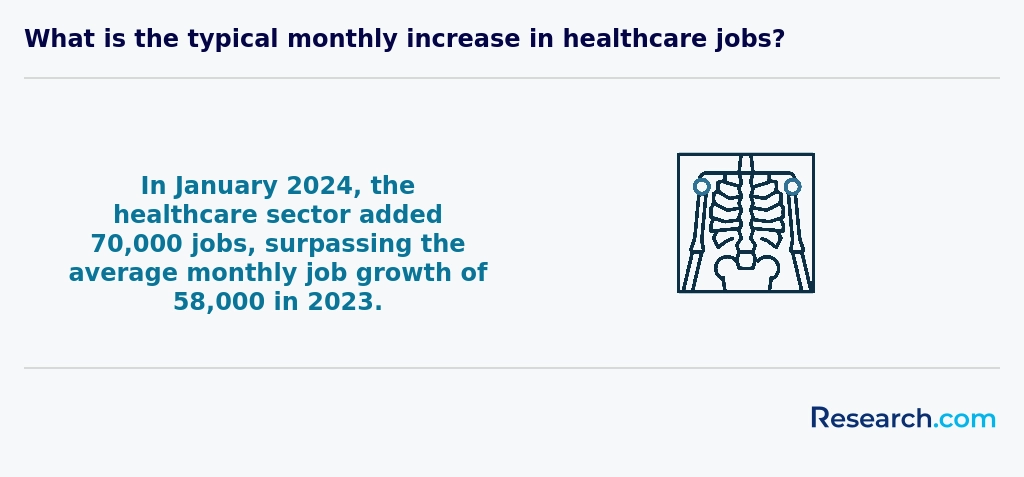
Students pursuing an online healthcare management degree in Massachusetts can access various financial aid options tailored to ease tuition expenses. Federal aid through FAFSA, including Pell Grants offering up to $7,395 annually and low-interest Direct Loans, remains the foundational support for many. Graduates from programs at well-regarded institutions like Northeastern University often describe how these federal funds significantly reduced their out-of-pocket costs, enabling focus on studies rather than finances.
State-specific scholarships and grants also play a vital role. For instance, students at UMass online programs frequently benefit from scholarships aimed at those entering healthcare management, awarded for both merit and financial need. These funds reflect Massachusetts' dedication to growing its healthcare workforce.
Many Massachusetts colleges further offer institutional grants and employer tuition reimbursement programs, especially valuable for working professionals. Graduates report success leveraging employer-sponsored tuition assistance alongside the Massachusetts Workforce Training Fund, which supports employee education and training in healthcare roles.
Veterans utilizing the GI Bill often combine these federal benefits with institutional aid, making their educational journey more affordable. Actively researching and applying early for these resources can transform the financial experience of studying healthcare management online in Massachusetts.
To enroll in an online healthcare management degree program in Massachusetts, most students need a bachelor's degree, preferably in healthcare, business, or management. However, graduates with different backgrounds have successfully gained admission by showcasing relevant work experience, such as internships or roles in local hospitals or health insurance firms around Boston or Worcester. These experiences give practical insight that admission committees value highly.
Applicants should be ready to submit official transcripts reflecting at least a 3.0 GPA, though competitive programs at prominent Massachusetts colleges may expect higher. One graduate from a well-known state university recalled that maintaining strong grades was key to standing out.
Many programs don't require GRE scores anymore, which eases the process, but it's wise to check individual school policies, especially for universities around Cambridge known for rigorous standards.
International students typically provide TOEFL or IELTS scores to prove English proficiency, ensuring smooth participation in virtual class discussions. Lastly, strong letters of recommendation and a clear statement of purpose help demonstrate your passion and career goals in healthcare management.
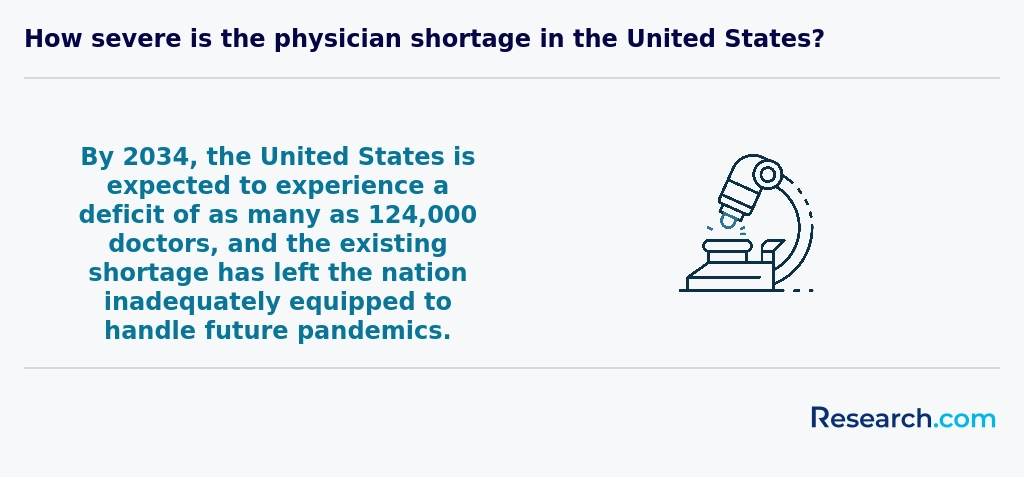
Online healthcare management degree programs in Massachusetts typically include core courses such as healthcare administration, health policy and law, and healthcare finance. Graduates from popular institutions in the state often share how these classes helped them understand the daily operations of hospitals and insurance companies, enabling them to navigate real-world challenges confidently.
Students also take courses in data analytics and informatics, which are vital for managing healthcare technologies like electronic health records and ensuring data privacy. Alumni recall how mastery of these tools made them valuable team members in hospitals adapting to digital transformation.
Leadership and organizational behavior courses prepare students to lead diverse medical teams effectively. Graduates often mention that learning strategic planning and ethical decision-making boosted their confidence to handle complex personnel situations in busy Massachusetts healthcare settings.
Many programs in Massachusetts offer electives like public health or healthcare quality improvement, allowing students to tailor their studies to specific career aspirations. This flexibility has been praised by learners who appreciate being able to focus on areas that fit their professional goals.
Online healthcare management degrees in Massachusetts offer a range of valuable specializations that match the state's dynamic healthcare environment. Graduates from well-known colleges appreciate focusing on healthcare informatics, which combines data management with improving patient care-an essential skill due to Massachusetts' strong biotech industry. Others find health policy and administration especially rewarding, gaining expertise in local healthcare laws and regulations shaped by the state's pioneering reforms.
Many students choose financial management in healthcare to master budgeting and reimbursement strategies vital for hospital sustainability in the financially complex Massachusetts market. Those passionate about quality care often specialize in healthcare quality and patient safety, preparing for leadership roles in the state's renowned hospitals. Another popular pathway is long-term care management, reflecting the growing demand for skilled administrators in senior care facilities.
Exploring these options at top Massachusetts universities helps students align training with real-world responsibilities. For practical advice on advancing quickly, many turn to accelerated online mba programs in healthcare management to fast-track their careers.
To choose the best online healthcare management degree in Massachusetts, start by verifying the program's accreditation, particularly regional accreditation and CAHME recognition, which ensure quality education respected by local employers. Graduates from popular institutions like Northeastern or UMass Boston often recall how this boosted their confidence during job interviews within the Massachusetts healthcare system. Look closely at curriculum flexibility, emphasizing courses in healthcare policy, finance, and data analytics that reflect the unique dynamics of Massachusetts' health sector.
Cost is another key factor. Many students appreciate programs offering financial aid or in-state tuition discounts, which are common in Massachusetts schools, helping manage expenses in an otherwise high-cost state. Consider programs that incorporate practical experiences, such as virtual internships at leading organizations like Massachusetts General Hospital, which graduates praise for real-world learning. For affordable online healthcare management degrees Massachusetts residents should explore options carefully, and resources like affordable online mba programs healthcare management can guide toward budget-friendly quality choices.

Graduates with an online healthcare management degree in Massachusetts have a variety of rewarding career paths available. Many find roles as healthcare administrators managing day-to-day operations at local hospitals or nursing homes, leveraging skills taught at renowned institutions like Northeastern University or Boston University. Others pursue positions as practice managers, coordinating clinical logistics to ensure patient care runs smoothly in busy urban clinics.
Health information management is another critical path, where graduates maintain and secure patient data systems, essential in Massachusetts' tech-forward healthcare sector. Consultants are also in demand, helping providers optimize care quality and financial performance. Policy analysts use insights gained from online programs to advise on state healthcare regulations. Graduates often share that the practical leadership training they received online helped them confidently manage community health projects or healthcare IT initiatives.
Those exploring easiest online mha programs appreciate how these options open diverse doors, highlighting strong online healthcare management job opportunities Massachusetts offers for career advancement and financial stability.
The job market for healthcare management jobs in Massachusetts is strong and expanding, driven by the state's advanced healthcare sector and innovative medical facilities. Graduates with an online healthcare management degree career Massachusetts can expect numerous opportunities in hospitals, insurance companies, and healthcare systems, especially around urban centers like Boston and Worcester. Many graduates from well-known Massachusetts colleges report smooth transitions into roles such as hospital administration and health information management, thanks to the specialized knowledge gained in finance, policy, and informatics.
Salary prospects are notably favorable, with average wages for healthcare managers around $115,000 annually, outpacing the national average. This positive outlook encourages students to consider affordable, flexible programs offered by Massachusetts institutions. Many students find these online healthcare management programs accessible and practical while balancing work.
For those interested in advancing their careers further, exploring options like an online mba healthcare administration can provide a strong competitive edge in this thriving job market.
2027 Most Affordable Online Master's in Healthcare Management Degree Programs Ranking in Massachusetts
Investing in your education is a significant decision that can shape your career, and the Research.com team recognizes the importance of making well-informed choices. To support prospective students interested in healthcare management, we have carefully developed the "2027 Most Affordable Online Master's in Healthcare Management Degree Programs Ranking in Massachusetts." Our dedication to quality, credibility, and accuracy is reflected in the thorough research and analysis behind this ranking.
We utilized the following reputable data sources to ensure a comprehensive evaluation of programs:
By reviewing this ranking, readers will gain valuable insights to identify affordable, high-quality online master's options in Massachusetts, empowering them to make confident decisions about their educational investments. For more information on how this ranking was crafted, please visit our Research.com methodology page.
# 1 position
University of Massachusetts Lowell
Master of Health Information Management: Health Service Management Option


Frequently Asked Questions About healthcare management
Students pursuing online healthcare management degrees in Massachusetts can maximize their learning by actively engaging with course materials and participating in virtual discussions. Massachusetts hosts a competitive healthcare sector, with over 350,000 healthcare jobs as of 2023, highlighting the importance of practical knowledge (MassHire). Using local healthcare data to contextualize lessons can deepen understanding.
Networking with Massachusetts-based healthcare professionals through online platforms or local events can provide valuable insights and career connections. Additionally, taking advantage of internship opportunities offered by Massachusetts hospitals and organizations can enhance practical skills.
Finally, leveraging Massachusetts' strong academic resources, including online libraries and alumni groups, supports ongoing professional development.
Emerging niches within healthcare management reflect shifts in technology, policy, and patient care demands. One growing area is health informatics, which combines data analysis with management to improve care delivery. Massachusetts, a leader in healthcare innovation, has seen increased demand for professionals skilled in electronic health records and data security, supported by the state's emphasis on digital healthcare transformation.
Another key niche is population health management, focusing on improving health outcomes for specific groups by analyzing patterns and implementing targeted interventions. This aligns with Massachusetts' community health initiatives.
Additionally, healthcare compliance and risk management are expanding due to evolving regulations and increased concerns over patient privacy.
Preparing for the job market after completing an online healthcare management degree in Massachusetts involves strategic steps. Graduates should focus on gaining relevant certifications such as Certified Professional in Healthcare Quality (CPHQ) and Certified Healthcare Manager (CHM) to increase their competitiveness. Networking within Massachusetts' healthcare industry, which employs over 150,000 healthcare administrators according to the Massachusetts Executive Office of Labor and Workforce Development, is essential.
Practical experience through internships or fellowships enhances job prospects, especially in Boston's robust healthcare sector. Additionally, staying informed on state healthcare regulations and trends helps graduates adapt quickly to employer needs.
Employers in Massachusetts prioritize several key skills when hiring graduates of healthcare management degree programs. Strong leadership and communication abilities are essential for managing diverse healthcare teams and ensuring effective patient care coordination. Analytical skills and proficiency with healthcare information systems are also highly valued, given the increasing reliance on data-driven decision-making.
Knowledge of healthcare laws and regulations specific to Massachusetts is crucial, as the state has unique compliance requirements. Additionally, graduates must demonstrate financial management capabilities to oversee budgets and optimize resource allocation. According to Mass.gov reports, these competencies align closely with job market demands for healthcare administrators across the state.
Finding internships in Massachusetts for healthcare management students involves leveraging multiple local resources. Start by exploring partnerships between online degree programs and healthcare facilities, as many universities coordinate internships directly. Additionally, Massachusetts Health & Hospital Association offers listings of internship opportunities at member organizations.
The state is home to numerous healthcare providers, including renowned systems like Partners HealthCare and Boston Medical Center, which often offer structured internships. Use career services platforms such as Handshake or Indeed, filtering for healthcare management roles within Massachusetts.
Networking through professional groups like the Massachusetts Chapter of the American College of Healthcare Executives can also provide leads. Finally, monitor state health department websites for public health internship openings, which supplement administrative experience.
Obtaining an online healthcare management degree in Massachusetts can significantly enhance career mobility and advancement within the state's growing healthcare sector. Massachusetts is home to one of the highest concentrations of healthcare employers, including renowned hospitals and medical research centers. According to the Massachusetts Executive Office of Labor and Workforce Development, healthcare management roles are projected to grow by nearly 13% between 2022 and 2032.
Graduates with a healthcare management degree gain critical skills in administration, policy, and finance, which employers highly value. Online programs also offer flexibility, allowing working professionals to upskill without disrupting their current jobs.
These degrees often help candidates qualify for leadership positions, such as healthcare administrators or department managers, roles that typically command salaries above the state average. Furthermore, Massachusetts requires certain management roles to hold relevant academic credentials, making these degrees important for career progression.
Studying for a healthcare management degree in Massachusetts equips students with skills essential for interdisciplinary collaboration. Programs typically include courses in health policy, finance, informatics, and ethics, allowing graduates to understand multiple facets of healthcare delivery.
Massachusetts hosts numerous healthcare providers and research institutions, offering students access to diverse case studies and practical insights. According to the Massachusetts Department of Public Health, the state employs over 350,000 healthcare workers, highlighting the importance of teamwork across clinical and administrative roles.
The curriculum emphasizes communication and leadership strategies tailored to complex healthcare environments. This prepares students to work effectively with medical professionals, IT experts, and policymakers, fostering integrated solutions for patient care and organizational improvement.
When choosing between a thesis and a non-thesis online healthcare management degree in Massachusetts, consider your career goals and learning preferences. Thesis programs require original research, ideal for students aiming for academic, research, or policy roles. Non-thesis options typically focus on practical skills, appealing to professionals seeking leadership positions in healthcare organizations. According to the Massachusetts Department of Higher Education, many online programs offer flexible scheduling to accommodate working adults.
Students should also evaluate faculty expertise and support for thesis guidance. Additionally, non-thesis programs might include capstone projects or internships, providing applied experience favored by employers.
Costs and time commitment vary; thesis programs often take longer to complete due to research demands.
Students in Massachusetts seeking to study healthcare management abroad have limited direct options, as most international programs require physical attendance and local residency. However, many universities offer online healthcare management degrees with global curricula, allowing Massachusetts residents to gain international perspectives without leaving the state. These programs often include case studies and policies from multiple countries, enriching understanding of global healthcare systems. According to the Massachusetts Department of Higher Education, over 60% of graduate students pursue flexible online formats, reflecting this trend toward remote international education. Advising prospective students to research accreditation and program content is essential before enrolling in abroad-focused programs.
Part-time job opportunities in Massachusetts that complement healthcare management degree education often focus on gaining practical experience in healthcare settings. Common roles include medical office assistants, patient service coordinators, and administrative support staff in hospitals or clinics. These jobs help students develop skills in healthcare operations and patient relations.
Massachusetts, known for its extensive healthcare sector with over 379,000 healthcare jobs as of 2023 (Massachusetts Executive Office of Labor and Workforce Development), offers ample positions that align with healthcare management studies. Additionally, roles in health insurance companies or community health organizations provide valuable insight into care coordination and policy management.
Such part-time work not only enhances resumes but also builds professional networks in a competitive market, positioning students advantageously for post-graduation employment.
Online healthcare management students in Massachusetts benefit from access to a robust network of professional organizations and events. The Massachusetts Health & Hospital Association regularly hosts virtual and in-person conferences, enabling students to engage with healthcare leaders. Additionally, many universities offer dedicated alumni groups and career services connecting online students with internships and job placements.
Students can join national organizations like the American College of Healthcare Executives (ACHE), which has a strong local Massachusetts chapter. These networks provide mentorship, workshops, and regional meetups that enhance professional connections.
According to the Massachusetts Department of Public Health, the state employs over 200,000 healthcare professionals, creating a solid foundation for networking opportunities.
Alumni networks play a crucial role for students pursuing online healthcare management degrees in Massachusetts. These networks provide valuable connections to healthcare industry professionals across the state's robust medical and administrative sectors. Massachusetts hosts over 50 hospitals and numerous healthcare organizations, offering ample career opportunities accessible through alumni referrals.
Students benefit from mentorship programs led by experienced graduates, who share industry insights and career advice tailored to Massachusetts' healthcare landscape. Networking events and online forums allow students to interact with alumni working in key positions in Boston and nearby regions.
According to the Massachusetts Department of Higher Education, over 70% of healthcare management graduates find jobs through alumni recommendations, demonstrating the networks' impact on employment.
Customizing an online healthcare management degree program in Massachusetts allows students to align their education with specific career goals. Many programs offer elective courses that focus on areas such as policy, data analytics, or healthcare finance, enabling learners to build expertise relevant to their desired roles. Some schools also provide capstone projects or internships with Massachusetts healthcare facilities, offering practical experience within the state's healthcare system.
Additionally, students can often choose between concentrations like population health or healthcare informatics. This flexibility helps graduates meet the growing demand in Massachusetts, where healthcare administration jobs are projected to increase by 15% through 2030, according to the U.S. Bureau of Labor Statistics.
Online healthcare management students in Massachusetts often face challenges related to balancing rigorous coursework with professional and personal responsibilities. Many students are working professionals, making time management a critical issue. According to the Massachusetts Department of Higher Education, nearly 60% of graduate students juggle jobs while studying, which can slow degree progress.
Another challenge is gaining practical experience. Massachusetts' healthcare industry strongly values hands-on training, yet online programs may provide limited in-person clinical opportunities compared to traditional formats.
Additionally, navigating financial aid options can be complex. While Massachusetts offers some state-specific grants and scholarships, students must carefully research eligibility criteria, as funding availability varies widely by program.
Graduates with an online healthcare management degree in Massachusetts have various professional certification options to enhance their careers. One popular certification is the Certified Healthcare Executive (CHE) offered by the American College of Healthcare Executives (ACHE), valued across the state's healthcare organizations for leadership roles.
Another key credential is the Certified Professional in Healthcare Quality (CPHQ), which focuses on healthcare quality management, a critical area given Massachusetts' emphasis on patient safety and care improvement, according to the Massachusetts Health Quality Partners.
Additionally, students may pursue the Project Management Professional (PMP) certification, which applies broadly in healthcare administration for managing complex projects in hospitals and clinics.
These certifications often require candidates to have relevant work experience and continuing education, aligning well with degree programs offering flexible scheduling for working professionals.
To write a winning application for an online healthcare management program in Massachusetts, start by thoroughly researching each school's specific requirements and values. Tailor your personal statement to highlight relevant experiences in healthcare or management, emphasizing leadership skills and your motivation to improve healthcare systems.
Including clear career goals that align with Massachusetts' growing healthcare industry strengthens your application. The state employs over 280,000 healthcare managers (Bureau of Labor Statistics, 2023), showing strong demand for qualified leaders.
Submit transcripts that demonstrate strong academic performance, especially in business or health sciences. Secure professional recommendations that attest to your work ethic and potential.
A career in healthcare management offers diverse global opportunities as the demand for skilled leaders grows worldwide. In the United States, including Massachusetts, healthcare is one of the fastest-growing sectors, and professionals with management expertise are increasingly valued. According to the U.S. Bureau of Labor Statistics, healthcare management jobs are projected to grow 32% from 2021 to 2031, much faster than average.
Globally, healthcare systems face complexity and resource challenges, which increase the need for effective managers. A degree in healthcare management equips students with skills that are transferable across countries, especially in leadership, policy, and technology adoption.
Massachusetts, known for its advanced healthcare sector and numerous hospitals, offers a strong local network and opportunities for graduates to connect with global healthcare trends and innovations.
Gaining practical experience while studying for an online healthcare management degree in Massachusetts is essential to bridge theory and real-world application. Many programs encourage internships or practicum placements with local healthcare providers, insurance companies, or public health organizations across the state. These opportunities allow students to develop hands-on skills in administration, policy implementation, and compliance management.
Massachusetts is home to numerous renowned healthcare institutions such as Massachusetts General Hospital and Boston Medical Center, providing diverse settings for experiential learning. Additionally, virtual simulations and case studies are often integrated into coursework to enhance decision-making skills without geographic constraints.
The state's Department of Public Health also offers resources that students can explore to understand regulatory frameworks. Combining internships with these resources can significantly improve a graduate's job prospects in Massachusetts's competitive healthcare market.
Choosing the right concentration within an online healthcare management degree in Massachusetts requires understanding both your career goals and the state's healthcare landscape. Common concentrations include healthcare informatics, policy, and administration. Massachusetts, with its advanced healthcare system and numerous hospitals, demands expertise in managing complex health services efficiently.
Research local job market trends through sources like the Massachusetts Division of Health Care Finance and Policy, which provides data on emerging fields and workforce needs. Concentrations in healthcare informatics are growing, driven by the state's emphasis on digital health records and telemedicine.
Additionally, consider programs that offer connections to regional healthcare networks for practical experience. Accreditation and faculty expertise are also important factors to ensure quality education.
- 2027 Most Affordable Online Master's in Healthcare Management Degree Programs Ranking in New York
- 2027 Most Affordable Online Master's in Healthcare Management Degree Programs Ranking in Pennsylvania
- 2027 Most Affordable Online Master's in Healthcare Management Degree Programs Ranking in Maryland
- 2027 Most Affordable Online Master's in Healthcare Management Degree Programs Ranking in Virginia
- 2027 Most Affordable Online Master's in Healthcare Management Degree Programs Ranking in Ohio
- 2027 Most Affordable Online Master's in Healthcare Management Degree Programs Ranking in North Carolina
- 2027 Most Affordable Online Master's in Healthcare Management Degree Programs Ranking in Indiana
- 2027 Most Affordable Online Master's in Healthcare Management Degree Programs Ranking in Michigan
- 2027 Most Affordable Online Master's in Healthcare Management Degree Programs Ranking in Illinois
- 2027 Most Affordable Online Master's in Healthcare Management Degree Programs Ranking in Florida
- Healthcare Management, Administration & Policy Degree Programs https://www.healthcaremanagement.org/degree/
- 10 Skills Employers Are Looking for in Healthcare Management Jobs https://www.aiuniv.edu/blog/10-top-skills-for-healthcare-management-jobs
- Online MHA Programs Ranked by Affordability (2025) https://www.mhaonline.com/blog/affordable-online-mha-programs-ranked
- Future Students https://www.aupha.org/resourcecenter/futurestudents
- Business Management: Healthcare Practice Associate ... https://necc.edu/academics/credit-programs/health/business-management-healthcare-practice/
- Certificate in Health Administration https://www.umassglobal.edu/academic-programs/certificate-health-administration
- Niche Markets in Healthcare: How to Find & Target https://nechayadvisors.com/blog/niche-markets-in-healthcare
- Healthcare Management Online https://www.elms.edu/academics/online-ce/healthcare-management-online/
- Healthcare Administration Degrees in Massachusetts https://www.healthadministrationdegrees.com/states/massachusetts/
- How to Get a Job in Healthcare Management https://sha.edu.in/how-to-get-a-job-in-healthcare-management/