2027 Most Affordable Online Master's in Healthcare Management Degree Programs Ranking in Illinois

Co-Founder and Chief Data Scientist
Looking to advance your career in healthcare? Pursuing a master's degree in healthcare management can open doors to leadership roles and greater opportunities in Illinois' growing healthcare industry.
This article features the 2027 Most Affordable Online Master's in Healthcare Management Degree Programs Ranking in Illinois, created by the Research.com team of data scientists. It offers a clear, data-driven guide to help you find quality programs that fit your budget and lifestyle.
Discover programs designed for working professionals and make an informed choice that supports your goals and future success.
Key benefits of getting online healthcare management degree in Illinois
- Healthcare management graduates in Illinois can expect competitive salaries, with administrative services managers earning a median annual wage of about $104,000 nationally, reflecting strong income potential in this field.
- Potential career paths include hospital administration, health services management, and healthcare consulting, illustrated by successful graduates from the University of Illinois who find diverse and rewarding roles in local healthcare systems.
- Online healthcare management degrees from Illinois institutions offer flexibility and convenience, allowing students to balance work and study efficiently, as demonstrated by graduates from DeVry University thriving while advancing their education remotely.
- 2027 Most Affordable Online Master's in Healthcare Management Degree Programs Ranking in Illinois
- What can I expect from online healthcare management degree in Illinois?
- Where can I work with online healthcare management degree in Illinois?
What can I expect from online healthcare management degree in Illinois?
The average cost of an online healthcare management degree in Illinois typically ranges from $15,000 to $30,000 for the entire program. Graduates from well-known institutions like DePaul University and the University of Illinois report that although tuition can vary, many find value in this investment thanks to flexible payment options and employer tuition assistance. For instance, one recent graduate shared how balancing part-time work and study was manageable without incurring significant debt, thanks to reduced living expenses from the online format.
Many programs require 30 to 40 credit hours, which helps students plan their budgets accurately. Financial aid opportunities, including state grants and scholarships specific to Illinois residents, often help offset costs further. Students appreciate how saving on commuting and relocating makes the degree more affordable and realistic, especially for working professionals aiming to advance without disrupting their income flow.
Accreditation by CAHME ensures these degrees hold strong value in the Illinois healthcare job market, making the cost a worthwhile step toward leadership roles in hospitals and clinics statewide.
Where can I work with online healthcare management degree in Illinois?
Graduates from online healthcare management programs at institutions like the University of Illinois Chicago often find rewarding careers in hospital administration, where they manage operations, finance, and human resources. These roles involve working with large healthcare systems such as Northwestern Memorial HealthCare or Advocate Aurora Health, ensuring smooth compliance with regulations and enhancing patient care.
Many graduates also transition to outpatient clinics or specialty care centers, coordinating staff schedules, budgeting, and improving service quality. For example, alumni have shared how managing an urgent care facility's daily workflow boosted their confidence and leadership skills.
Others pursue positions in long-term care facilities where overseeing regulatory compliance and coordinating with medical teams and families are key. The practical knowledge gained from Illinois-based programs helps graduates excel in these environments.
Positions in health insurance and consulting firms are another common path. Here, grads analyze healthcare trends and create policies to cut costs and improve outcomes, often inspired by projects completed during their studies.
With Illinois's strong healthcare industry and a 14% projected job growth, an online degree from a reputable college opens doors to diverse, fulfilling career opportunities close to home.
Graduates with an online healthcare management degree in Illinois commonly start with salaries between $65,000 and $75,000 annually. Those earning this range typically occupy entry-level roles at hospitals or healthcare organizations around Chicago or Springfield. For example, graduates from well-regarded Illinois universities quickly leverage their degree to secure these positions, appreciating a solid salary foundation as they build experience.
Experienced professionals in metropolitan areas such as Chicago can see salaries climb to between $95,000 and $115,000, especially when working in large hospital systems or insurance firms. These earnings reflect the high demand for healthcare managers who can navigate complex regulations and improve operational efficiency.
Advancing certification-like obtaining the Certified Medical Manager credential-can push salaries beyond $100,000. Executive roles, such as healthcare directors or chief operations officers, often surpass $130,000, rewarding leadership and strategic skills developed through practical experience alongside the degree.
Many graduates share stories of starting in smaller facilities near Peoria and Aurora with steady pay, then advancing to leadership roles that bring both increased responsibility and financial rewards. This progression highlights the practical value of an online degree tailored to Illinois' healthcare industry needs.
- Online healthcare management degrees in Illinois are available fully online or in hybrid formats through accredited institutions, with no need to relocate.
- Total tuition for public universities ranges from $12,000 to $20,000, while private institutions generally charge between $25,000 and $35,000.
- Median annual wages for healthcare managers in Illinois are about $107,000, with entry-level salaries starting between $65,000 and $75,000.
- Employment growth in healthcare management in Illinois is faster than the national average due to a large healthcare sector including hospitals and public health organizations.
- Curricula often cover healthcare finance, organizational behavior, health informatics, and regulatory compliance, preparing graduates for management roles.
- Financial aid and state grants are available to support online students pursuing healthcare management degrees in Illinois.
Completing an online healthcare management degree in Illinois typically takes between 18 months and 3 years, depending on how you arrange your studies. For example, graduates from well-known universities like the University of Illinois or DePaul University often choose full-time study paths lasting about 2 years. However, many appreciate the flexibility of accelerated programs that let them finish in as little as 18 months, especially when balancing work and personal commitments.
Part-time options are also common, allowing busy professionals to stretch the timeline to around 3 years. Graduates often share how managing their schedules around a practicum or capstone project-core parts of many Illinois programs-helped them gain practical experience without overwhelming their daily routines.
Keep in mind that depending on your previous experience or healthcare qualifications, you might qualify for credit transfers that speed up your progress. Schools like Northwestern University offer such options, making your pathway smoother and motivating you as you see tangible progress toward your degree.
Choosing between online and on-campus healthcare management degrees in Illinois hinges largely on how you envision balancing life, work, and study. Online programs, such as those offered by public universities in Illinois, grant the freedom to attend classes anytime, which helps working professionals manage jobs and family without relocating. One graduate mentioned appreciating this flexibility, allowing completion of coursework between shifts while still gaining a respected CAHME-accredited degree.
Conversely, on-campus programs at schools like the University of Illinois at Chicago immerse students in face-to-face interaction, fostering connections within the local healthcare community. Graduates highlight valuable networking opportunities and access to internships with Chicago hospitals, enhancing real-world experience. The structured schedule can motivate those who thrive with direct guidance and campus resources.
Tuition differences are nuanced; while online options may lower commuting and housing costs, public Illinois universities tend to keep resident tuition affordable across formats. Both paths emphasize core topics like healthcare policy and ethics, but internships may demand local involvement or virtual coordination depending on the program.
The average cost of an online healthcare management degree in Illinois typically centers around $21,339 for the entire program. Public universities in Illinois, such as the University of Illinois at Chicago, often offer more affordable options, with tuition ranging from approximately $20,000 to $25,000 for in-state residents. Recent graduates from these programs frequently share how the manageable costs, combined with the flexibility of online learning, made pursuing their degrees feasible without overwhelming financial stress. By contrast, private universities can charge closer to $40,000, which might be a heavier investment but sometimes comes with expanded networking opportunities.
When planning for expenses, remember to account for additional fees like technology charges, textbooks, and other materials, which can add a few hundred to a couple thousand dollars. Many students find relief through structured payment plans or financial aid options that these programs often provide. Being proactive by contacting admissions offices can reveal updated figures and flexible financing options, perfect for those seeking affordable online healthcare management programs Illinois 2027.
Aside from tuition, graduates emphasize the value of exploring employer tuition reimbursement programs and scholarships tailored for healthcare management students in Illinois. These financial supports significantly ease the cost burden and enhance accessibility, making it easier to focus on studies and career growth. For those weighing the investment, the strong job market and average salary in healthcare management validate the cost. To better understand career outcomes, look into mba in healthcare management career options which can further illuminate the potential return on your educational investment.
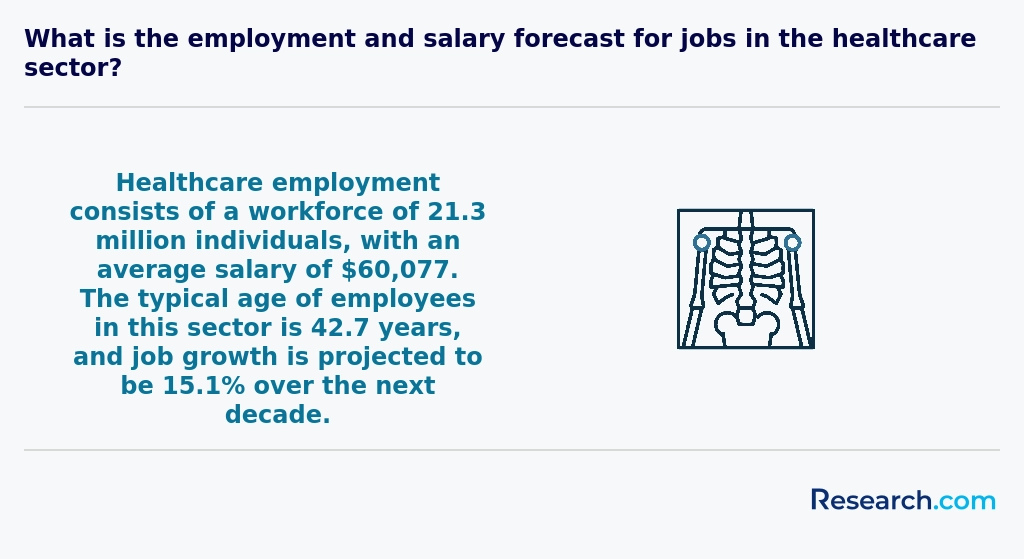
Start by completing the FAFSA to unlock federal financial aid like loans, grants, and work-study opportunities. Graduates from Illinois programs, such as those at DePaul University or the University of Illinois Chicago, often mention how Pell Grants helped ease their tuition costs despite being less common for graduate healthcare management students.
Next, explore state aid through the Illinois Student Assistance Commission (ISAC). While the Illinois MAP Grant mainly supports undergraduates, many Illinois healthcare management students find ISAC scholarships and grants that supplement their funding, making tuition more manageable.
Don't overlook institutional scholarships and assistantships offered by schools like Rush University or Loyola University Chicago, where some students have secured partial tuition waivers or research roles that pay while they learn. Such awards typically reward merit or financial need.
Lastly, consider employer tuition reimbursement programs, especially if you work in Illinois healthcare facilities. Many graduates report their hospital or clinic helped cover costs, motivated by strong local industry growth projected at 17% through 2032, making this an optimistic path to funding your education.
To enroll in an online healthcare management degree in Illinois, you'll first need a bachelor's degree from an accredited institution, typically verified by regional accreditation like the Higher Learning Commission. Many successful graduates from Illinois State University and University of Illinois Urbana-Champaign shared that having a healthcare or business background helped, but entering with a different degree was possible if you show strong interest and aptitude in healthcare management.
Official transcripts and a minimum GPA-usually around 3.0-are required. For example, students at DePaul University found that meeting this GPA benchmark unlocked program eligibility, even without perfect standardized test scores. Some programs still ask for GRE results, but many well-regarded Illinois colleges waive this for professionals with relevant work experience.
Speaking of experience, practical healthcare work is often preferred or required. Whether you've managed hospital departments or worked in a clinic, this hands-on knowledge enriches your learning and is highly valued by programs like Loyola University Chicago's.
Finally, being comfortable with online technology is essential. Reliable internet and basic technical skills make participating in virtual sessions and submitting assignments smooth and stress-free, a key factor many Illinois students appreciate.

Online healthcare management degrees in Illinois usually include courses that give you a clear, actionable understanding of the state's healthcare system. Graduates from institutions like the University of Illinois Online mention how Healthcare Systems and Policy helped them grasp Illinois-specific regulations and the complex roles of public and private sectors.
Financial skills are essential, so you'll encounter Healthcare Financial Management, where budgeting and cost control are taught using real Illinois healthcare spending scenarios. Many students at DePaul University's program find this course invaluable for managing hospital finances.
Expect to take Healthcare Quality and Performance Improvement, focusing on patient care enhancements and compliance with Illinois' rising regulatory standards. This makes your skillset directly relevant to local healthcare providers.
Leadership courses prepare you to work within multidisciplinary teams, a daily reality in Illinois hospitals. Many graduates note how Health Informatics classes positioned them well for managing electronic health records efficiently across Illinois healthcare systems.
Finally, programs often include practical projects set in Illinois healthcare settings, ensuring you apply what you've learned in ways that feel tangible and immediately useful.
When choosing an online healthcare management degree in Illinois, understanding your specialization options is crucial. Common tracks include Healthcare Informatics, where graduates learn to manage health data systems; Health Policy and Administration, focusing on laws and regulations; and Health Services Management, which covers operational skills for hospitals and clinics. These options reflect the industry's diverse demands, helping you tailor your career path effectively. Illinois students often share how these specializations prepare them for the state's large healthcare sector, a major employer in the region.
Many Illinois-based universities offering online programs emphasize specializations like Healthcare Quality and Patient Safety or Population Health Management. These focus on real-life scenarios such as reducing medical errors or improving community health outcomes. Graduates from these programs often express confidence entering roles with practical skills, aligning their studies with evolving healthcare challenges.
For those considering advanced study, exploring a phd in health management can deepen expertise and increase leadership opportunities. Choosing the right specialization in Illinois primes you for success in a competitive and rewarding healthcare landscape.
Start by verifying that the online program in Illinois holds proper accreditation, ideally from CAHME or other agencies recognized by the U.S. Department of Education. This makes a significant difference for graduates who want their credits accepted by employers or when pursuing further education. Many graduates from large public universities in Illinois report feeling confident knowing their degree meets national standards.
Next, ensure the curriculum aligns with your career goals by checking if the program offers relevant healthcare management topics and specializations. For example, students focused on health information systems at Illinois schools find their coursework directly applicable to current job roles. When searching for the best online healthcare management programs Illinois offers, factoring in specialization can boost your job readiness.
Cost is another key factor. Illinois universities typically offer tuition ranging within national averages but often provide financial aid or employer reimbursement plans to make degrees more affordable. Graduates praise the savings achieved through these options, helping them avoid excessive debt while earning an affordable healthcare management degree Illinois professionals value.
Consider your schedule: many programs blend asynchronous and synchronous classes. Working professionals often appreciate the flexibility this provides. Typical online master's degrees in Illinois take about two years, but accelerated tracks can ease your path to completing the degree sooner. Picking a format that fits your lifestyle leads to a smoother learning experience.
Finally, check post-graduate employment stats and alumni networks. Healthcare management salaries in Illinois reach a median of $104,000 per year, making it important to pick a program with strong career support tailored to this competitive market. Graduates emphasize how connections through their school's alumni network helped them find one of the highest salary jobs in healthcare administration.
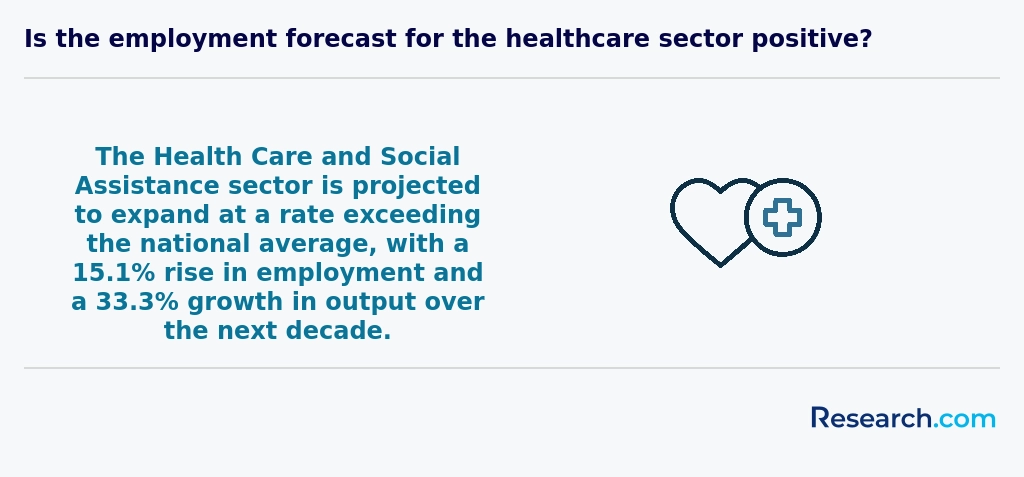
Graduates holding an online healthcare management degree in Illinois often find themselves well-positioned for several practical career paths linked to the state's growing healthcare industry. Many secure roles as healthcare administrators managing hospital operations or nursing home facilities, typically earning an average of $108,000 annually. Other common positions filled by graduates include health services managers overseeing specific departments and clinical managers focused on nursing or rehabilitative services. These roles demand skills often taught at popular Illinois institutions like the University of Illinois or DePaul University, where flexible online programs align with local job demands.
Healthcare management career opportunities Illinois also extend to healthcare consultants advising on compliance and technology, health information managers skilled in electronic records, and policy analysts supporting state public health programs. Graduates report feeling confident and optimistic about these paths as they blend strategic leadership with real-world impact on patient care.
Those interested in further exploring program options may find valuable information through online master's degree programs in healthcare administration, which highlight affordable and accessible education matching Illinois' job market.
Graduates holding an online healthcare management degree in Illinois find a favorable job market driven by the state's substantial healthcare infrastructure, including more than 500 hospitals. Those who completed programs at well-regarded Illinois institutions often share how their education combined theory with real-world administrative skills, easing their transition into demanding roles. The Illinois healthcare management job outlook is promising, with employment of medical and health services managers expected to grow 12% through 2032 due to increased demand from population growth and evolving healthcare regulations.
For practical career advancement, many online healthcare management jobs Illinois graduates secure are in hospitals, insurance companies, or public health organizations across the Chicago metropolitan area, benefiting from competitive salaries ranging from $65,000 at entry level to over $130,000 for experienced managers. Students emphasize that understanding the roles of a healthcare administrator-covered in their coursework-was crucial for successfully navigating job requirements and excelling in leadership positions.
2027 Most Affordable Online Master's in Healthcare Management Degree Programs Ranking in Illinois
Investing in your education is a significant decision that can impact your career and personal growth, and the Research.com team fully recognizes the importance of making well-informed choices. To support prospective students interested in healthcare management, we have carefully developed the "2027 Most Affordable Online Master's in Healthcare Management Degree Programs Ranking in Illinois." Our dedication to quality, credibility, and accuracy is demonstrated through rigorous research and analysis.
We utilized the following reputable data sources to ensure a comprehensive evaluation of programs:
Readers can benefit from this ranking by gaining clear insights into affordable, high-quality online programs tailored to their needs in Illinois. For more information on the ranking methodology, please visit our Research.com methodology page.
# 1 position
Southern Illinois University-Edwardsville
Master of Business Administration- Healthcare Administration


Frequently Asked Questions About healthcare management
Online healthcare management degree students in Illinois can maximize their learning by actively engaging with course materials and participating in virtual discussions. Illinois hosts a growing healthcare industry, employing over 500,000 people, making local networking essential. Students should attend online events hosted by Illinois-based healthcare organizations to build professional connections. Utilizing campus resources, such as career services and library databases provided by universities, enriches the academic experience.
Complementing studies with internships at Illinois healthcare facilities offers practical insights. According to the Illinois Department of Employment Security, healthcare management jobs are expected to grow by 11% by 2030. Students should also consider joining relevant student organizations and seeking mentorship opportunities to enhance leadership skills.
Emerging niches within the healthcare management field reflect the evolving needs of Illinois' healthcare system. One key area is health informatics, where professionals analyze data to improve patient outcomes and operational efficiency. According to the Illinois Department of Healthcare and Family Services, demand for experts in electronic health records is rising rapidly.
Another growth sector involves population health management, focusing on preventive care and chronic disease management tailored to Illinois' diverse communities. Telehealth administration is also expanding, accelerated by the COVID-19 pandemic and supported by state initiatives to enhance remote care access.
Additionally, healthcare compliance and data security roles have grown, driven by stricter regulations. These specialized areas offer promising career paths for students pursuing online healthcare management degrees in Illinois.
After completing an online healthcare management degree in Illinois, students should focus on building a strong professional network. Joining local chapters of industry organizations like the Illinois Health Care Association can provide valuable connections. Practical experience is crucial; internships or part-time roles in hospitals and clinics help apply academic knowledge.
Certification can improve job prospects. Credentials such as Certified Professional in Healthcare Quality (CPHQ) or Fellow of the American College of Healthcare Executives (FACHE) are recognized nationwide.
According to the Illinois Department of Employment Security, healthcare management roles in Illinois are projected to grow by 15% through 2030, signaling promising opportunities.
Employers hiring graduates with healthcare management degrees in Illinois prioritize strong leadership and communication skills. According to the Illinois Hospital Association, 85% of healthcare organizations emphasize the importance of effective team management and interpersonal abilities.
Analytical skills are also critical. Employers seek candidates who can interpret healthcare data to improve operational efficiency and patient outcomes, reflecting the increasing reliance on data-driven decision-making in Illinois' healthcare sector.
Financial acumen is another key skill. Understanding budgeting and financial management is essential, as many healthcare managers oversee large budgets in hospitals or clinics across Illinois.
Knowledge of healthcare laws and regulations in Illinois is required to ensure compliance and ethical operation.
Finding internships in Illinois for healthcare management students involves a strategic approach to connect with local healthcare organizations and industry leaders. Start by exploring partnerships between online degree programs and Illinois hospitals, clinics, and public health agencies, which often provide structured internship opportunities.
The Illinois Healthcare Council and the Illinois Hospital Association are valuable resources for internship listings and networking events in the state. Additionally, check job portals such as Handshake, which many universities use, and statewide career services platforms like Illinois JobLink.
Internship positions in Illinois healthcare management typically focus on administration, policy implementation, and quality improvement, providing hands-on experience in one of the nation's top healthcare employment markets.
An online healthcare management degree in Illinois significantly enhances career mobility and advancement opportunities within the state's growing healthcare sector. According to the Illinois Department of Employment Security, healthcare occupations are expected to grow by 19% from 2022 to 2032, faster than the average for all jobs. Graduates with specialized management training are well-positioned to move into leadership roles, such as healthcare administrators or clinical managers.
Online programs offer flexibility for working professionals to gain critical skills like healthcare policy, finance, and data analytics, which employers in Illinois increasingly prioritize. Credentialing through a regionally accredited institution aligned with the Commission on Accreditation of Healthcare Management Education (CAHME) can further boost employability.
Additionally, salary data from the U.S. Bureau of Labor Statistics shows that healthcare managers in Illinois earn a median annual wage above $110,000, with advancement to senior roles often requiring a master's level degree. This underscores the value of an online healthcare management degree in facilitating upward career trajectories.
Studying for a healthcare management degree in Illinois equips students with skills to navigate interdisciplinary roles effectively. Illinois programs emphasize collaboration among healthcare professionals, administrators, and policymakers, reflecting the state's diverse health ecosystems. Coursework often integrates public health, business management, and information technology, preparing graduates to lead teams that include nurses, physicians, and IT specialists.
Illinois' healthcare sector employs over 1.4 million people, making interdisciplinary communication vital for efficient service delivery (Illinois Department of Employment Security, 2023). Many universities partner with local hospitals and clinics, offering real-world experience in cross-functional settings.
When choosing between a thesis and a non-thesis healthcare management degree program in Illinois, consider your career goals and learning preferences. Thesis programs emphasize research and developing analytical skills, ideal for students interested in pursuing doctoral studies or research roles. Non-thesis programs focus more on practical skills and coursework, which suits professionals aiming to advance in healthcare administration or policy without a research emphasis.
Illinois institutions often offer both options, with thesis tracks requiring additional time to complete a research project. According to the Illinois Board of Higher Education, healthcare management roles in the state are growing by 11% annually, making practical skills valuable.
Also, review faculty expertise and available resources, as thesis programs demand close faculty mentorship. Your decision should align with your professional ambitions and preferred learning style.
Students based in Illinois who are interested in studying healthcare management abroad often explore online programs offered by international universities. Many recognized institutions in countries like the United Kingdom, Canada, and Australia provide online master's degrees that comply with US educational standards. These programs typically offer flexible schedules, making them accessible to Illinois residents balancing work and study.
While direct enrollment in foreign physical campuses may require visas and travel, online options eliminate those barriers. Additionally, students should verify that credits are transferable and that the program is accredited to ensure recognition in Illinois healthcare sectors.
The Illinois Board of Higher Education provides guidelines on evaluating foreign credentials, which is essential for career advancement within the state's healthcare industry. Illinois's healthcare management field is growing rapidly, with a projected employment increase of 15% by 2030, according to the U.S. Bureau of Labor Statistics.
Part-time job opportunities in Illinois that complement an online healthcare management degree are abundant, especially in healthcare hubs like Chicago. Positions such as administrative assistants in hospitals, data entry clerks, and medical billing specialists provide valuable hands-on experience with healthcare systems and operations. According to the Illinois Department of Employment Security, healthcare support roles are expected to grow by 15% through 2028, reflecting strong demand.
Internships or part-time roles in public health departments or insurance companies enable students to develop management and regulatory knowledge crucial for the field. These positions help build skills in patient coordination, compliance, and data management, aligning with coursework in healthcare policy and finance. Additionally, working in nonprofit healthcare organizations can offer leadership exposure and networking opportunities within Illinois' healthcare network.
Online healthcare management students in Illinois have access to various networking opportunities that can enhance their careers. Many universities offer virtual events, webinars, and discussion forums where students connect with peers, faculty, and industry professionals. The Illinois Health and Hospital Association (IHA) hosts conferences and workshops that are open to students, providing chances to meet healthcare leaders statewide.
Additionally, online students can join specialized groups such as the American College of Healthcare Executives (ACHE), which has an active Illinois chapter. ACHE offers mentoring programs and local networking events tailored to healthcare management professionals.
According to the Illinois Department of Employment Security, healthcare administration jobs grew 10% from 2018 to 2023, increasing demand for well-connected professionals.
Alumni networks for online healthcare management degree students in Illinois offer key advantages beyond academics. These networks connect current students with graduates working in Illinois hospitals, clinics, and health organizations.
They provide valuable mentoring, career advice, and job leads within a state ranked among the top 15 in healthcare employment by the U.S. Bureau of Labor Statistics (2023). Engaging with alumni can open doors to positions in Chicago's extensive healthcare market or growing rural health sectors.
Moreover, alumni networks foster professional development through workshops, webinars, and conferences, often featuring Illinois-based healthcare leaders. This ongoing connection supports students in navigating licensure, certifications, and the evolving healthcare regulations specific to Illinois.
Customizing an online healthcare management degree program in Illinois often begins with selecting relevant electives that align with your career goals. Many Illinois institutions offer courses in healthcare policy, informatics, finance, or leadership to help tailor your learning experience. Additionally, some programs allow students to choose concentrations or specializations that focus on areas like long-term care administration or population health management.
The flexibility of online formats enables working professionals to balance study with their jobs, while internships or capstone projects provide practical experience. According to the Illinois Department of Employment Security, healthcare management roles are expected to grow faster than average, making targeted skills valuable.
Online healthcare management students in Illinois often face challenges related to balancing coursework with professional and personal responsibilities. Many students are working adults who must juggle jobs in a state with over 350 hospitals, according to the Illinois Health and Hospital Association.
Another common challenge is gaining practical experience. Illinois requires healthcare managers to understand complex state regulations, which can be difficult to master without in-person internships or networking opportunities. Furthermore, variability in online program quality may affect students' preparation for leadership roles in healthcare facilities.
Technical issues and limited access to reliable internet also pose difficulties, especially in rural parts of Illinois, where broadband access remains uneven as reported by the FCC. These factors can hinder timely participation in classes and assignments.
Graduates with an online healthcare management degree in Illinois can pursue several professional certifications to enhance their careers. One popular certification is the Certified Professional in Healthcare Management (CPHM), which validates skills in healthcare administration. Another key credential is the Fellow of the American College of Healthcare Executives (FACHE), recognized nationwide for executives. The Certified Healthcare Administrative Professional (cHAP) is also valuable for those focusing on healthcare office management.
Obtaining such certifications often requires passing an exam and meeting experience requirements. These credentials improve job prospects and demonstrate expertise in the competitive Illinois healthcare sector, which employs over 380,000 workers according to the Illinois Department of Employment Security.
To write a winning application for an online healthcare management program in Illinois, start by clearly demonstrating your understanding of the healthcare industry's challenges and trends in the state. Highlight relevant experience, such as roles in hospitals or clinics, and connect them to management skills. Illinois healthcare employers value leadership and data-driven decision-making, so emphasize these qualities.
Include specific examples of your problem-solving abilities and any familiarity with Illinois healthcare regulations. Strong recommendations from professionals in healthcare or education add credibility. Finally, maintain clear, concise writing and ensure all application materials meet submission guidelines.
Sources like the Illinois Department of Public Health provide useful data on regional healthcare needs that can strengthen your personal statement.
The demand for healthcare management professionals is growing globally, reflecting the increasing complexity of health systems. In the US, including Illinois, healthcare is a rapidly expanding industry with an expected 32% job growth for medical and health services managers from 2020 to 2030, according to the U.S. Bureau of Labor Statistics.
Internationally, skills in healthcare management are sought after to improve health system efficiency and patient outcomes. This global need encourages students in Illinois to pursue online degrees that cover diverse healthcare policies and management strategies.
Understanding global healthcare trends can enhance a graduate's ability to navigate cross-cultural challenges in healthcare settings, an advantage in Illinois's diverse population and healthcare market. Illinois ranks among the top states for healthcare employment, making global knowledge highly relevant locally.
Gaining practical experience while studying for an online healthcare management degree in Illinois is crucial for career readiness. Many programs encourage students to complete internships or practicum placements at local hospitals, clinics, or healthcare organizations. Illinois hosts several prominent health systems, like Northwestern Medicine and Advocate Aurora Health, offering opportunities for hands-on experience.
Students can also participate in virtual simulations, case studies, and project-based learning integrated into their coursework. According to the Illinois Board of Higher Education, combining online study with practical exposure improves job placement rates by up to 20% in healthcare roles.
Connecting with professional networks, such as the Illinois Health Care Association, can provide mentorship and additional experience options.
Choosing the right concentration within an online healthcare management degree in Illinois depends on your career goals and interests. Popular concentrations include health informatics, policy analysis, and hospital administration. Each focuses on different skills, from managing patient data systems to overseeing healthcare facilities.
Illinois healthcare employment is projected to grow by 14% through 2030 according to the U.S. Bureau of Labor Statistics, highlighting demand in varied specializations. Researching local job markets can help align your concentration with regional needs.
Consider programs accredited by CAHME, as this ensures quality education tailored to healthcare management standards. Also, review curriculum details to confirm coursework fits your professional aspirations.
- 2027 Most Affordable Online Master's in Healthcare Management Degree Programs Ranking in Missouri
- 2027 Most Affordable Online Master's in Healthcare Management Degree Programs Ranking in Michigan
- 2027 Most Affordable Online Master's in Healthcare Management Degree Programs Ranking in Minnesota
- 2027 Most Affordable Online Master's in Healthcare Management Degree Programs Ranking in Ohio
- 2027 Most Affordable Online Master's in Healthcare Management Degree Programs Ranking in Pennsylvania
- 2027 Most Affordable Online Master's in Healthcare Management Degree Programs Ranking in North Carolina
- 2027 Most Affordable Online Master's in Healthcare Management Degree Programs Ranking in Florida
- 2027 Most Affordable Online Master's in Healthcare Management Degree Programs Ranking in New York
- 2027 Most Affordable Online Master's in Healthcare Management Degree Programs Ranking in Colorado
- 2027 Most Affordable Online Master's in Healthcare Management Degree Programs Ranking in Texas
- Full time Healthcare Management jobs in Europe https://jobs.healthcare-management.uk/jobs/europe/full-time/
- Master’s in Healthcare Management Degrees in Illinois - A - I - Healthcare Management Degree Guide https://www.healthcare-management-degree.net/in/illinois-a-i/
- Online Bachelor of Science in Health Care Management | Illinois College https://www.ic.edu/healthcare-mgmt/online
- The Biggest Challenges Healthcare Managers Face Today - Oxford Training Centre https://oxfordcentre.uk/resources/healthcare-management/the-biggest-challenges-healthcare-managers-face-today/
- Networking https://www.whcm.org/networking/
- Health Care Manager Cover Letter Examples - Templates & Writing Tips https://www.resume-now.com/cover-letter/examples/business-operations/healthcare-management-manager
- Healthcare Management vs. Healthcare Administration | University of Phoenix https://www.phoenix.edu/articles/healthcare/healthcare-management-vs-healthcare-administration.html
- 3 Degrees of Healthcare Management: MSHCM vs. MBA vs. MHA https://www.michiganstateuniversityonline.com/resources/healthcare-management/degrees-in-healthcare-management-mba-vs-mha-mshcm/
- Where to study health management - EHMA https://ehma.org/where-to-study-health-management/
- Master of Healthcare Administration (M.H.A.) Major in Healthcare Administration (Non-thesis Option) https://mycatalog.txstate.edu/graduate/health-professions/administration/mha/