2027 Fastest Online Master's in Healthcare Management Degree Programs Ranking in the West

Co-Founder and Chief Data Scientist
Choosing the right healthcare management degree can shape your future career, especially if you want to advance quickly. This article introduces the 2027 Fastest Online Master's in Healthcare Management Degree Programs Ranking in the West, developed by the Research.com team of data scientists.
By exploring this ranking, you'll gain insight into top programs that combine speed and quality, helping you make an informed decision.
Investing in a healthcare management degree offers rewarding opportunities to lead and innovate in a growing field. This guide is here to support your journey.
Key benefits of getting online healthcare management degree in the West
- Healthcare management graduates in the West can expect salaries averaging around $70,000 to $100,000 annually, with some roles in hospital administration reaching higher pay ranges, offering strong financial stability.
- Graduates from popular Western universities often pursue diverse roles such as health services managers, clinical managers, or healthcare consultants, showcasing a variety of rewarding career paths.
- Online healthcare management degrees provide flexible scheduling and allow students to balance work and study, as seen with graduates from leading universities, making education more accessible and convenient.
- 2027 Fastest Online Master's in Healthcare Management Degree Programs Ranking in the West
- What can I expect from online healthcare management degree in the West?
- Where can I work with online healthcare management degree in the West?
What can I expect from online healthcare management degree in the West?
The average cost of an online healthcare management degree in the Western U.S. varies, but many public universities offer competitive tuition especially for in-state residents, often ranging between $15,000 and $35,000 for the entire program. Graduates from institutions like those in California or Washington report feeling the investment was worthwhile given the strong support for employer tuition assistance and available scholarships, which helped to ease the financial burden.
Students frequently share how balancing work and study became manageable thanks to online class schedules, which often combine live virtual sessions with recorded lectures. This flexibility allows working professionals to continue earning while advancing their education without uprooting their lives.
Especially for programs accredited by CAHME in the West, the tuition cost reflects a quality curriculum focused on practical skills in healthcare economics, policy, and leadership. Graduates describe completing internships or capstone projects locally, reinforcing their learning and creating valuable community connections without added travel expenses.
Where can I work with online healthcare management degree in the West?
With an online healthcare management degree from respected Western schools like the University of Washington or California State University, graduates often land roles in hospitals, outpatient centers, and long-term care facilities across major cities such as Seattle and Los Angeles. Many find themselves managing hospital operations, ensuring compliance, and overseeing budgets in environments similar to Providence Health & Services or Kaiser Permanente. This hands-on work brings a sense of accomplishment as graduates apply their leadership training directly to improve patient care.
Others step into roles at health insurance firms or public health departments, especially within California's large network of government health agencies. These positions often involve managing programs or implementing health policies that genuinely impact diverse communities.
Healthcare consulting is another frequent path. Graduates collaborating with consulting firms support hospitals in boosting efficiency and adapting to new technologies. The growing telehealth sector also opens doors for those capable of managing digital healthcare services, a rapidly expanding area for professionals in the West.
Finally, graduates seeking community-focused careers might find fulfilling opportunities in rural health clinics or Native American health services, coordinating care where it's needed most. These roles are meaningful for those motivated by making a local difference.
Graduates with an online healthcare management degree in the Western U.S. can expect starting salaries typically ranging from $65,000 to $80,000 annually, reflecting early-career roles after completing programs at universities like the University of Washington or San Diego State University. Many find that hands-on experience during their studies helps them move quickly into higher-paying positions.
As graduates gain experience managing larger hospitals or health systems in metro areas such as Los Angeles or Seattle, salaries often exceed $110,000, with top healthcare executives earning above $150,000. For example, a graduate working in a major California hospital network might negotiate a 10-20% salary increase compared to the national average, reflecting regional demands and cost of living.
Success in these roles frequently depends on combining the degree with certifications or specialized knowledge. Graduates who develop skills in healthcare informatics or policy often secure higher wages, especially in hubs like Silicon Valley or Portland where biotech and insurance firms compete for talent.
- Online healthcare management degrees typically take about two years of full-time study, with part-time options available to extend this timeline.
- Tuition in the Western United States ranges from $25,000 to $60,000, with public universities usually offering lower costs for in-state students.
- The healthcare management job market in the region is expected to grow by nearly 15% over the next decade, driven by increased demand and an aging population.
- Entry-level salaries average between $65,000 and $75,000 annually, while mid-career professionals can earn between $90,000 and $120,000.
- Programs accredited by the Commission on Accreditation of Healthcare Management Education (CAHME) are available and can improve job prospects.
- Flexible scheduling options help working professionals balance their studies with career and family commitments.
Most students pursuing an online healthcare management degree in the Western US find that completion time depends largely on their enrollment status and program type. For example, graduates from the University of Washington who attend full-time usually finish their bachelor's in about four years, but many appreciate the option to take courses part-time, extending their studies to six years or more to balance work and life.
Master's degrees at institutions like the University of Southern California usually take 18 to 24 months full-time. Several graduates share how part-time schedules stretched this to three or four years, allowing them to maintain careers while advancing education.
Accelerated master's programs make a big difference for those with prior credits or experience. These pathways can shrink time to completion to as little as 12 to 18 months by applying transfer credits or taking intensive courses.
Understanding your pace and program flexibility is key. Look for schools in California or Washington offering summer classes and accelerated terms to help finish faster while managing other commitments.
Choosing between online and on-campus healthcare management degrees in the West hinges largely on your lifestyle and learning preferences. Graduates from Western universities often highlight that online programs offer unmatched schedule flexibility, allowing them to balance work and family while earning their degree without daily commutes. For example, students attending schools like Arizona State University appreciate how the online format lets them study after work or on weekends, making it easier to stay on track.
On the other hand, graduates from institutions such as the University of Washington mention the value of face-to-face interaction on campus. Regular access to faculty and peers fosters deeper networking opportunities, which can be crucial in healthcare administration careers. This traditional setting often suits those who thrive on routine and in-person collaboration.
Cost-wise, both formats have similar tuition-typically $15,000 to $30,000 per year-but online students save on housing and transportation. Those who have experienced both emphasize the practicality of online programs for reducing overall expenses while maintaining curriculum quality aligned with CAHME standards.
The average online healthcare management degree cost in the West usually centers around $23,000, with some variation depending on whether you're considered an in-state or out-of-state student. Public universities such as the University of Washington or California State University offer online master's programs priced between $20,000 and $35,000, making them attractive options for residents aiming to balance quality and affordability. Graduates often share how the manageable tuition allowed them to focus on coursework and gain relevant experience without excessive financial strain.
For those considering private universities, total cost ranges are higher, frequently climbing to $40,000 or above. These institutions justify the premium with smaller class sizes, specialized faculty, and enhanced support services that graduates praise for helping maintain motivation and practical readiness. When planning your budget, factor in additional fees for technology and materials, common in many programs. This detailed consideration ensures you are prepared beyond tuition alone.
Many students find it helpful to explore financial aid early, as employer tuition assistance and federal aid can significantly offset expenses. Depending on your schedule, programs that include live sessions may add value by connecting you directly with faculty and peers, while more asynchronous formats offer easier pacing. For those curious about specific course structures, you can learn more at what courses do you take in a healthcare administration program. Applying a focused approach to cost planning based on total cost of online healthcare management master's programs West ensures a clear path forward without surprises.
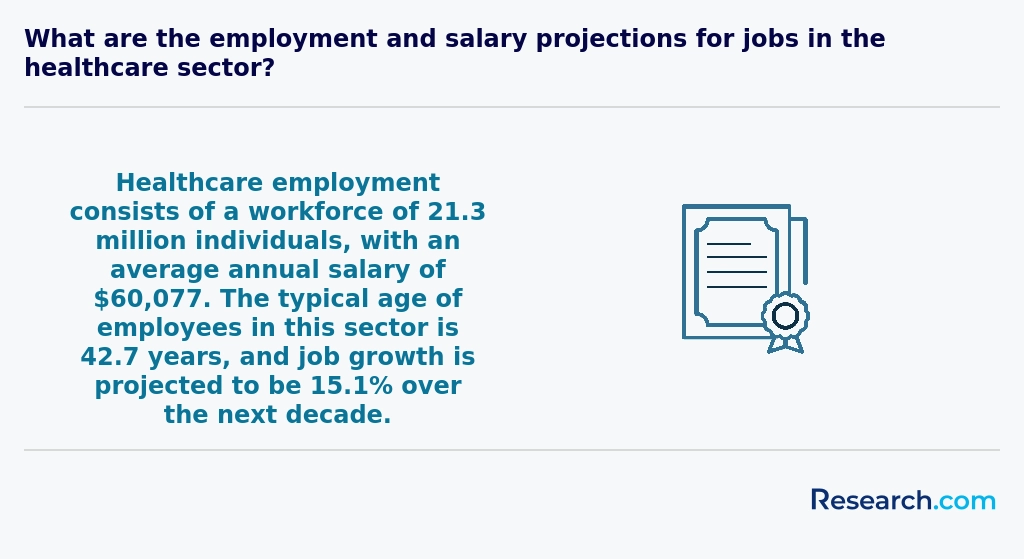
When pursuing an online healthcare management degree in the West, start by applying for federal aid through the FAFSA. Graduates from well-known programs at universities like the University of Southern California or the University of Washington often emphasize how Direct Unsubsidized Loans with fixed 6.54% interest helped them manage costs effectively. Don't overlook Pell Grants if you're enrolled in certificate or non-degree studies, as they can sometimes apply.
Next, check state-specific grants. Californians benefit from the Cal Grant, while residents of Washington lean on the State Need Grant-both providing several thousand dollars in free money, eliminating the stress of repayment. Oregon and Nevada also have similar programs worth exploring.
Many students at online healthcare management programs at schools such as Arizona State University report merit scholarships based on academic and professional achievements, which can dramatically reduce tuition fees. For working professionals, employer tuition assistance programs are essential-some have covered up to full tuition, enabling smoother career advancements.
Lastly, don't forget professional organizations like the American College of Healthcare Executives that reward commitment and leadership with scholarships, making education more affordable and motivating.
When applying for an online healthcare management degree program in the Western United States, the most critical prerequisite is holding a bachelor's degree from an accredited institution. It often doesn't matter if your degree is in healthcare, business, or another field, as long as you're ready to take foundational courses if needed. For example, graduates from well-known Western universities frequently recall how brushing up on health sciences or business basics before starting helped them feel confident once classes began.
Maintaining a minimum GPA around 3.0 is a common requirement, though some programs accept strong professional experience as a counterbalance. Many students juggling work and studies in places like California or Washington have found that highlighting their healthcare management roles helped compensate for GPA hiccups.
Relevant work experience-typically one to two years-is preferred but not mandatory at every institution. Some graduates share that entering straight from undergrad into top Western programs was possible because of their academic record and commitment. Additionally, testing requirements such as GRE scores have become more flexible, depending on the school.
For non-native English speakers, demonstrating proficiency through TOEFL or IELTS is essential, ensuring smooth communication in online classes offered by institutions across the Western region.
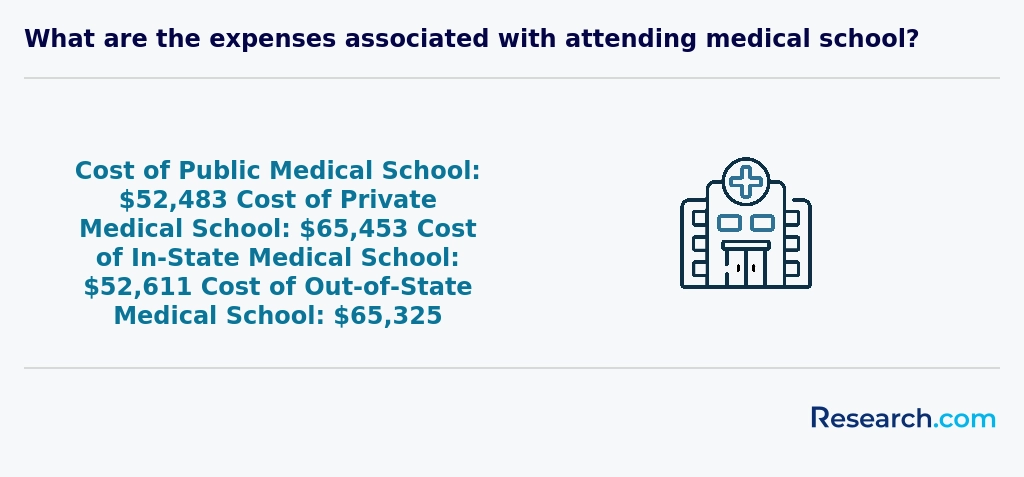
When pursuing an online healthcare management degree in the West, expect a practical mix of courses that prepare you to handle real-world challenges. Graduates from well-known Western universities often highlight how courses like Healthcare Management and Leadership equip them to lead teams effectively, balancing ethical considerations with day-to-day operations.
Core classes typically include Healthcare Finance and Economics, where students learn to manage budgets and financial planning-skills essential for running a healthcare facility. Healthcare Law and Ethics courses help clarify complex regulations they'll face, while Health Information Systems provide experience managing electronic health records, vital for modern healthcare organizations.
Many students appreciate Quality Improvement and Patient Safety classes, which teach strategies to enhance care outcomes-a daily responsibility in any healthcare role. Strategic Planning in Healthcare also receives positive feedback, as it prepares students to develop long-term organizational goals, a skill graduates use eagerly in hospitals and clinics throughout the Western states.
Regional programs often incorporate public health and policy coursework, giving students insight into government regulations like the Affordable Care Act that directly affect healthcare delivery in the West.
Online healthcare management specializations West students commonly encounter include healthcare informatics, health policy and administration, and healthcare finance. Graduates from well-regarded Western colleges often appreciate how the informatics track equips them to improve patient outcomes by managing electronic health records and data analysis, critical skills in California or Washington hospitals. One graduate described feeling empowered to implement technology solutions that directly enhanced care quality.
Focusing on health policy and administration prepares students to navigate regulatory frameworks and public health challenges prevalent in Western states, which frequently lead progressive healthcare reforms. Learners find this specialization practical for roles that demand strategic compliance and collaboration, reflecting the region's policy-driven healthcare environment.
Healthcare finance specialization emphasizes budgeting and reimbursement processes essential to managing costs in high-tech Western institutions. Many students remark on the confidence gained to handle financial operations effectively, a skill highly valued in this competitive market. Some even pursue certificates alongside their degrees for added expertise.
For those seeking flexible options, programs like the fastest online executive mha offer accelerated paths tailored to working professionals aiming to quickly advance in these focus areas. Choosing a specialization aligned with regional healthcare trends ensures graduates remain competitive and relevant in the evolving Western US healthcare landscape.
Start by verifying program accreditation; many successful healthcare management graduates from universities in California and Oregon emphasize the importance of attending CAHME-accredited programs to ensure quality and employer recognition. Next, evaluate the curriculum carefully-look for courses that address current industry demands, like healthcare informatics and financial management, often tailored to healthcare trends in Western states. Consider programs offering hands-on opportunities such as capstone projects or internships with local healthcare organizations; these practical experiences significantly boosted the confidence and job readiness of alumni from Washington-based colleges.
Cost plays a major role when choosing affordable healthcare management master's degrees Western US offers. Graduates often recommend comparing tuition fees alongside available scholarships and employer tuition reimbursement options to make the investment manageable. Flexibility is key: many working professionals thrive in accelerated programs lasting 12 to 24 months with asynchronous classes that fit busy schedules.
Finally, strong career support can make a difference-graduates who used job placement services and tapped into alumni networks found themselves better positioned in the competitive Western healthcare job market. For insight into what jobs can you get with business management mba, explore resources highlighting Western industry growth to align your degree with career goals.

Graduates of online healthcare management programs in the West find diverse career options that match their skills and ambitions. Many pursue leadership roles such as healthcare administrators or hospital CEOs, managing day-to-day operations at hospitals or clinics in cities like Seattle and Los Angeles. Others step into practice management, overseeing personnel and budgets in outpatient facilities. These roles offer both stability and growth potential in a rapidly expanding industry, making them practical choices for those looking to advance quickly.
Specialized paths in health informatics attract graduates interested in handling electronic health records and analyzing data to improve care quality. Programs at well-known Western institutions prepare students for this tech-forward niche, which is crucial as healthcare digitization expands. Consulting also appeals to graduates who want to advise multiple organizations on improving efficiency and compliance, offering flexible work environments and competitive pay.
Public health management is a growing field in the Western states, where professionals develop community health programs and policy initiatives to tackle ongoing challenges. Graduates from regional schools often share how their degrees empowered them to lead impactful projects in this vital sector. For those mindful of expenses, researching the cheapest online healthcare administration program is a smart step toward balancing cost with career potential in the West.
By targeting relevant sectors and leveraging the right programs, students interested in online healthcare management careers West can find rewarding paths tailored to the dynamic healthcare landscape.
The job market for graduates with an online healthcare management degree in the West is robust, driven by rapid growth in healthcare administration roles. Graduates from universities in California and Washington often find opportunities in hospitals, outpatient centers, and nursing facilities. These professionals benefit from the region's concentration of healthcare systems and technology hubs, which value skills in digital health management and telehealth. Practical experience through internships, even remote ones offered by top Western programs, greatly enhances employability.
Healthcare management career opportunities West are further strengthened by competitive salaries, with California managers frequently earning above $120,000 annually. Graduates report that balancing work while studying online helped them gain real-world insights directly applicable to roles in innovative healthcare environments. To understand earning potential, some explore resources such as salary with mba in healthcare administration, which confirms strong ROI linked to health administration degrees.
2027 Fastest Online Master's in Healthcare Management Degree Programs Ranking in the West
Investing in your education is a significant decision that can shape your future, and the Research.com team understands the importance of making informed choices. To assist prospective students in the western United States, we have meticulously crafted the "2027 Fastest Online Master's in Healthcare Management Degree Programs Ranking in the West." Our commitment to quality, credibility, and accuracy is reflected in the extensive research and analysis conducted to compile this ranking.
We utilized the following reputable data sources to ensure a comprehensive evaluation of healthcare management programs:
By exploring this ranking, readers will gain valuable insights into the fastest online master's programs in healthcare management in the western region, empowering them to make well-informed decisions about their educational pathways. For more details on our methodology, please visit our Research.com methodology page.


# 3 position
Western Governors University
Master of Healthcare Management


# 5 position
Colorado Christian University
MBA - Healthcare Administration

Frequently Asked Questions About healthcare management
Students pursuing online healthcare management degrees in the Western US can enhance their learning by actively engaging with their coursework and instructor feedback. Many accredited universities in the West offer flexible programs, allowing students to balance studies and work effectively. According to the Bureau of Labor Statistics, healthcare management jobs are growing faster than the average, with a 32% increase projected by 2030, emphasizing the value of practical knowledge.
Utilizing virtual networking opportunities and joining regional healthcare organizations can build valuable professional connections. Additionally, completing internships or practicums with local healthcare providers improves real-world skills. Staying updated on Western state-specific healthcare regulations and policies also benefits students in preparing for leadership roles.
The healthcare management field is rapidly evolving, with several emerging niches gaining prominence in the Western United States. One key area is health informatics, where professionals manage data systems that improve patient outcomes and streamline hospital operations. The U.S. Bureau of Labor Statistics projects a 28% growth in health informatics jobs through 2031, reflecting strong demand.
Another significant niche involves population health management, focusing on strategies to improve community health while controlling costs. This approach is gaining traction as insurers and providers in states like California and Washington adopt value-based care models.
Behavioral health administration is also expanding, responding to rising mental health concerns amplified by recent social challenges. Administrators in this niche coordinate care across multidisciplinary teams, improving service access.
These growing specialties emphasize technology, data analytics, and integrated care-making them attractive options for online healthcare management students in the West.
Graduates with online healthcare management degrees in the West should begin job market preparation early. Building a strong professional network through LinkedIn and relevant healthcare associations can greatly enhance opportunities. According to the U.S. Bureau of Labor Statistics, employment for medical and health services managers is expected to grow 28% from 2021 to 2031, notably faster than the average for all occupations.
Internships and practicums-even virtual ones-offer valuable experience. Many Western states emphasize familiarity with state healthcare regulations, so graduates should study local laws and certifications.
Developing skills in data analytics and healthcare technology is also crucial, as digital health tools become standard. Job seekers should tailor resumes to highlight leadership and compliance abilities, improving their competitiveness.
Employers in the Western US highly value healthcare management graduates who demonstrate strong leadership and communication skills. According to the Bureau of Labor Statistics, effective team coordination and the ability to manage interdisciplinary groups are essential in this region's healthcare organizations.
Analytical skills are also crucial as managers need to interpret healthcare data to improve patient outcomes and reduce costs. Familiarity with healthcare regulations specific to California, Washington, and Oregon is increasingly demanded.
Adaptability to digital health technologies is another key skill. The growing use of telehealth and electronic health records requires graduates to be proficient in relevant software.
Ultimately, graduates combining these skills align well with employers' needs in the competitive healthcare markets of the West.
Finding internships in the Western US relevant to healthcare management degrees involves several strategic steps. Many universities partner with local hospitals, clinics, and healthcare organizations to provide internship opportunities that offer hands-on experience. According to the California Employment Development Department, the healthcare sector is expected to grow by 15% between 2022 and 2032, increasing internship availability.
Students should utilize university career centers and professional networks such as the American College of Healthcare Executives (ACHE) Western Region chapter. Online platforms like Handshake and LinkedIn also list regional internships. Networking at local healthcare events can further improve chances of securing positions that build practical skills.
Obtaining an online healthcare management degree significantly enhances career mobility and advancement opportunities in the Western United States. The healthcare industry in this region is rapidly growing, with a projected 16% increase in management positions from 2020 to 2030 according to the U.S. Bureau of Labor Statistics. This degree equips professionals with essential skills in administration, policy, and finance, preparing them to lead healthcare organizations effectively.
Graduates often move into leadership roles such as healthcare administrators, clinical managers, or health services managers. Employers increasingly prefer candidates with formal education in management combined with practical experience.
Online programs offer flexibility, allowing working professionals to upskill without disrupting their careers. This flexible learning mode can accelerate promotions and salary growth within existing organizations, especially in states like California, Washington, and Oregon, which host many healthcare facilities.
According to the National Center for Education Statistics, enrollment in online healthcare management programs in the West has grown by over 25% in recent years, reflecting demand and recognition of these credentials in the job market.
Studying for a healthcare management degree in the West equips students with skills that cross multiple disciplines. Programs often combine courses in business, public health, and information technology, reflecting the complexity of healthcare systems. According to the Western Association of Schools and Colleges, many accredited programs emphasize teamwork and leadership within diverse organizational settings.
Students learn to navigate regulatory environments, financial management, and healthcare policies, fostering collaboration with clinical, administrative, and IT professionals. This interdisciplinary approach addresses challenges specific to Western healthcare markets, where innovation and policy shifts are frequent.
Graduates are thus prepared for roles requiring coordination across departments, essential for hospitals, clinics, and public health agencies seeking integrated solutions.
When choosing between a thesis and a non-thesis online healthcare management degree in the West, consider your career goals and learning preferences. Thesis programs typically require original research and a formal paper, ideal for students interested in advancing to doctoral studies or research positions.
Non-thesis programs often emphasize practical skills and coursework, fitting professionals aiming to enter leadership roles directly. According to the Western Association of Schools and Colleges, about 40% of master's programs in healthcare management offer a non-thesis option, reflecting demand for applied learning.
The choice also affects program length; non-thesis paths can be completed faster, benefiting working professionals. Examine individual program requirements carefully to align them with your ambitions and schedule.
Students in the Western United States seeking online healthcare management degrees have diverse options through accredited U.S. institutions offering flexible programs. Many universities in California, Oregon, and Washington provide fully online master's degrees tailored to working professionals. According to the U.S. Bureau of Labor Statistics, healthcare management jobs in the West are expected to grow by 18% through 2031, indicating strong career prospects.
Online programs often focus on administration, policy, and finance specific to U.S. healthcare systems, giving regional relevance. Schools like the University of Southern California and Oregon State University are recognized for accelerated online tracks. Tuition costs vary but can range from $15,000 to $40,000 total, depending on residency and program length.
Part-time job opportunities that complement an online healthcare management degree in the Western US often include administrative roles within hospitals, clinics, and outpatient care centers. Positions such as medical office assistant or healthcare administrative aide provide practical experience managing patient records and understanding healthcare operations.
Additionally, roles in health information technology, such as part-time data entry or electronic health record (EHR) support, are valuable. According to the US Bureau of Labor Statistics, demand for healthcare support occupations is expected to grow by 16% through 2030, especially in Western states like California and Washington.
Internships or technician roles in public health agencies also offer critical insights into healthcare policy and management. These opportunities allow students to apply theoretical knowledge while working flexible hours compatible with their studies.
Online healthcare management students in the Western US have access to a variety of valuable networking opportunities. Many accredited programs offer virtual events, webinars, and discussion forums that connect students with faculty, alumni, and industry professionals. Schools such as the University of Southern California and Oregon Health & Science University provide exclusive online networking platforms designed specifically for healthcare management students.
Regional healthcare associations like the Healthcare Financial Management Association (HFMA) have chapters throughout the West, offering virtual and in-person meetings. These events help students build professional connections and stay updated with industry trends. According to a 2023 report by the Western Academic Consortium, over 70% of online students find networking through these channels enhances job placement prospects.
Alumni networks offer significant advantages to students pursuing online healthcare management degrees in the Western United States. Through these networks, students gain access to a broad community of professionals working in healthcare organizations, insurance companies, and public health agencies. This connectivity can lead to valuable mentorship opportunities, internships, and job referrals.
In a region where healthcare management jobs are expected to grow by 18% through 2030, according to the U.S. Bureau of Labor Statistics, engaging with alumni can provide a competitive edge in the job market. Additionally, alumni often share insights about industry trends and best practices specific to Western healthcare systems.
These networks also support lifelong learning by offering webinars and events tailored to ongoing professional development.
Customizing an online healthcare management degree in the Western US allows students to align their education with specific career goals. Many programs offer elective courses in areas like health informatics, policy, finance, or leadership, enabling students to build skills relevant to their interests. According to the Western Interstate Commission for Higher Education, about 65% of online healthcare programs in the region provide tailored tracks.
Additionally, students can pursue certificates alongside their degrees, gaining specialized knowledge without extra years of study. Internships and capstone projects often let learners apply theory directly to real-world healthcare settings in states such as California or Oregon.
This flexibility helps prepare professionals for roles in hospital administration, public health departments, or healthcare consulting across the West.
Online healthcare management students in the Western US often face unique challenges related to balancing professional responsibilities with academic demands. According to the National Center for Education Statistics, about 45% of online graduate students report difficulties managing work, family, and school simultaneously.
Additionally, limited access to local healthcare facilities for practical experience can hinder skill development. Many programs attempt to bridge this gap with virtual simulations or internships, yet students still find real-world exposure essential.
Technical issues also pose barriers; broadband internet access varies widely in rural Western areas, complicating participation in live classes. These factors combined make time management and securing hands-on experience the primary hurdles in pursuing online healthcare management degrees in this region.
Graduates with an online healthcare management degree in the West can pursue several key professional certifications to enhance their career prospects. Popular certifications include the Certified Professional in Healthcare Quality (CPHQ) and the Certified Healthcare Manager (CHM), both recognized nationally. The American College of Healthcare Executives (ACHE) offers the Fellow of the American College of Healthcare Executives (FACHE) credential, widely respected in Western states.
According to the California Healthcare Institute, professionals with these certifications often see salary increases of 10-15%. These credentials validate skills in healthcare administration, compliance, and quality improvement, crucial for leadership roles.
Certifications typically require a combination of education, experience, and passing an exam, making a healthcare management degree a practical first step.
Applying to an online healthcare management program in the West requires clear demonstration of your commitment and relevant experience. Admissions committees often prioritize candidates with a background in healthcare, business, or related fields. Highlight your professional achievements, leadership skills, and understanding of healthcare systems in your personal statement.
Strong letters of recommendation from employers or academic mentors who can attest to your management potential are crucial. According to AACSB, programs in the Western US value applicants who show adaptability to evolving healthcare technology and policy.
Additionally, ensure your resume is up to date with quantifiable results and certifications, such as in healthcare compliance or data management.
Meeting all technical requirements for online learning and submitting transcripts from accredited institutions within the US system is essential for a competitive application.
Healthcare management is a growing field with increasing global importance, especially in Western countries. In the United States, the Bureau of Labor Statistics projects that healthcare manager jobs will grow 28% from 2021 to 2031, much faster than average job growth. This reflects broader international trends emphasizing efficient healthcare delivery and administration.
Western healthcare systems focus on leadership skills, financial management, and data analytics in management roles. Countries like the US, Canada, and parts of Europe value degrees that blend practical healthcare knowledge with business acumen. Online programs offer flexibility for professionals balancing work and education.
Globally, healthcare management careers often require adapting to evolving technology and policy changes. As healthcare spending in the US exceeds 18% of GDP (CMS 2023), effective management is critical to controlling costs while improving patient outcomes.
Gaining practical experience while studying an online healthcare management degree in the West is essential to enhance job readiness. Many programs include internships or practicum opportunities with local hospitals, clinics, or healthcare organizations. These partnerships allow students to apply coursework in real-world settings.
Additionally, students can seek remote or part-time roles in healthcare administration to build hands-on skills. According to the Western Association of Schools and Colleges, about 70% of accredited programs encourage experiential learning.
Virtual simulations and case studies are also increasingly used to mimic healthcare challenges, offering valuable exposure. Engaging with professional networks or local health departments provides further chances to gain relevant experience during the degree.
Choosing the right concentration within an online healthcare management degree program in the West requires careful consideration of your career goals and the regional job market. Popular concentrations include health informatics, healthcare policy, and hospital administration. According to the California Employment Development Department, healthcare administration roles in the West are projected to grow by 15% through 2028, especially in large urban centers like Los Angeles and Seattle.
It's important to review program curricula to ensure they align with industry demands. For example, concentrations emphasizing data analytics and policy have seen increased relevance due to technological advancements and evolving healthcare regulations. Reach out to program advisors to discuss your professional background and goals for tailored guidance.
- What Are the Prerequisites for a Degree in Healthcare Management? - Healthcare Management Degree Guide https://www.healthcare-management-degree.net/faq/what-are-the-prerequisites-for-a-degree-in-healthcare-management/
- 6 Tips On Networking For Medical Professionals https://aaams.net/blog/how-to-network-in-the-medical-field-nurses/
- Top Health Care Management / Health Studies Courses abroad from 152 Universities https://www.hotcoursesabroad.com/india/training-degrees/international/health-care-management-health-studies-courses/cgory/pa.-4/sin/ct/programs.html
- Study Healthcare Management Abroad: The Course Every Indian Student Overlooks https://www.karangupta.com/blog/study-healthcare-management-abroad
- Top Options for Healthcare Career Advancement https://www.baypath.edu/news/bay-path-university-blogs/post/top-options-for-healthcare-career-advancement/
- Niche Markets in Healthcare https://ultrariskadvisors.com/niche-markets-in-healthcare/
- Niche Markets in Healthcare: How to Find & Target https://nechayadvisors.com/blog/niche-markets-in-healthcare
- Healthcare management skills students need for global careers https://gbs.edu.mt/blog/healthcare-management-skills-students-need-for-global-careers/
- Strategies for Career Growth in Healthcare Management Courses https://www.mywestford.com/blog/the-simplest-ways-to-make-the-best-of-healthcare-management-courses/
- Motivation letter sample for a Master in Healthcare Management - Motivation letter samples and templates https://motivationalletter.com/2017/08/30/master-in-healthcare-management/