2027 Easiest Online Healthcare Management Degree Programs Ranking in the South

Co-Founder and Chief Data Scientist
Choosing the right healthcare management degree program can feel overwhelming, especially with so many options available in the South. This article introduces the 2027 Easiest Online Healthcare Management Degree Programs Ranking in the South, carefully crafted by the Research.com team of data scientists to guide you through the best choices.
By exploring this ranking, you'll discover programs that fit your lifestyle and goals, making your educational journey smoother. Pursuing a healthcare management degree opens doors to rewarding careers that positively impact communities.
Take this step with confidence toward a brighter future.
Key benefits of getting online healthcare management degree in the South
- Healthcare management degree graduates in the South can expect competitive salaries, with many roles in healthcare administration averaging around $70,000 per year, offering strong financial stability.
- Graduates often find diverse career paths in hospital management, health services coordination, and policy planning, as seen with alumni from popular Southern universities like the University of Alabama.
- Completing a healthcare management degree online provides flexibility and convenience, allowing working professionals in the South to balance education with personal commitments while advancing their careers effectively.
- 2027 Easiest Online Healthcare Management Degree Programs Ranking in the South
- What can I expect from online healthcare management degree in the South?
- Where can I work with online healthcare management degree in the South?
What can I expect from online healthcare management degree in the South?
The average cost of an online healthcare management degree in the South typically ranges between $10,000 and $25,000 for bachelor's programs, with master's degrees costing slightly more depending on the institution. For example, graduates from popular universities in Texas and Florida often report that tuition and fees are manageable, especially when employer tuition assistance or scholarships are applied. Many Southern universities design their pricing structures to accommodate working professionals balancing jobs and family, offering flexible payment plans and accelerated courses.
Students often find that these programs provide excellent value by combining affordability with quality education accredited by the Southern Association of Colleges and Schools Commission on Colleges (SACSCOC). This ensures that graduates emerge ready to take on leadership roles in healthcare facilities. One graduate from a well-known Georgia college shared how financial aid and credit for prior experience made completing their degree feel accessible and rewarding, despite initial budget concerns.
Exploring all available financial aid options and choosing programs with strong regional healthcare ties can maximize the return on investment and ease financial stress throughout the degree journey.
Where can I work with online healthcare management degree in the South?
Graduates with an online healthcare management degree in the South frequently secure roles in hospitals, outpatient care centers, nursing homes, and physician offices. Many find rewarding positions as healthcare administrators or medical and health services managers, overseeing daily operations, managing budgets, and ensuring compliance with regulations. For instance, graduates from well-known Southern programs at universities like the University of Florida or Texas A&M often highlight how hands-on projects prepared them to confidently handle these responsibilities from day one.
Healthcare management professionals also thrive in insurance companies, public health organizations, and government agencies, especially given the expanding Medicaid programs in states such as Georgia and North Carolina. Alumni often share how local internship connections helped them land roles supporting complex healthcare systems while making a tangible community impact.
Additionally, educational institutions and nonprofit organizations offer opportunities focused on healthcare policy, quality assurance, and community health programs. Many Southern graduates express satisfaction working in these environments, propelled by practical training gained through their online courses. Embracing these career paths brings both personal fulfillment and the chance to improve regional healthcare outcomes.
Graduates with an online healthcare management degree in the South can expect to earn between $70,000 and $110,000 annually, depending on their role, experience, and location. For example, those who studied at well-known Southern institutions often find themselves starting as assistant administrators with salaries around $50,000 to $65,000. As they gain experience in hospitals or health systems in cities like Atlanta or Dallas, many advance to director-level positions earning over $120,000.
Graduates frequently share that their programs helped them secure roles within large healthcare facilities in Texas or Florida, where median salaries often exceed $105,000, surpassing the national average. Those specializing in healthcare IT or financial management report salary boosts of 10% to 15%, reflecting the growing demand for tech-savvy professionals in this region.
While rural areas may offer slightly lower pay, graduates appreciate the cost-of-living advantages and stability. With dedication and the right credentials, Southern graduates find rewarding career paths and financial growth through their healthcare management degrees.
- Tuition for online healthcare management degrees in the South ranges from $12,000 to $30,000, with public universities often offering lower costs for in-state students.
- Entry-level salaries for graduates start between $50,000 and $65,000 annually, rising to $80,000-$110,000 with experience.
- Healthcare management jobs in the South are projected to grow between 15% and 20% over the next decade, faster than average for all occupations.
- Many online programs are accredited by the Commission on Accreditation of Healthcare Management Education (CAHME), ensuring recognized quality education.
- Programs offer flexibility and online platforms that help working professionals balance studies with other commitments.
Completing an online healthcare management degree in the South typically takes about two years for an associate degree and around four years for a bachelor's degree when studying full-time. Many students at well-known Southern institutions balancing work and family appreciate the flexibility of part-time study, which can extend degree completion to five or six years. Graduates often highlight how accelerated bachelor's programs, which some colleges offer in as little as three years, helped them fast-track their careers while managing busy schedules.
Master's degrees usually require one to two years for full-time students and up to four years for part-timers. For example, graduates from respected Southern universities share that self-paced and competency-based formats allowed them to focus on mastering healthcare skills efficiently without compromising personal commitments.
Factors such as transfer credits and a student's ability to handle flexible course loads significantly affect completion time. Many find that leveraging prior coursework and choosing programs offering personalized pacing creates a rewarding and manageable experience.
Accreditation assures you a program meets nationally recognized benchmarks for curriculum, faculty and student outcomes. Selecting an accredited degree enhances credit transfer, eligibility for federal financial aid and employer confidence.
When evaluating online healthcare management degrees in the South, look for:
- Regional accreditation from bodies like SACSCOC or HLC
- Programmatic accreditation by CAHME (Commission on Accreditation of Healthcare Management Education)
- State authorization to legally enroll residents in your state
Choosing an accredited program helps you stay competitive and ensures your education is widely recognized. For related online options, consider our healthcare administration online degree.
Online healthcare management degrees in Southern universities like those in Texas, Florida, and Georgia offer flexibility that fits busy lifestyles. Graduates often share how studying remotely allowed them to balance work, family, and education without relocating. They accessed engaging video lectures and joined virtual group projects, which kept them connected despite distance.
In contrast, on-campus programs attract students who value face-to-face interaction and hands-on experience. For example, learners at prominent Southern colleges benefit from networking events, direct access to career services, and internships at local hospitals. This immersive environment fosters collaboration and builds stronger community ties.
Cost-wise, online options sometimes reduce expenses by eliminating commuting and housing fees. Some graduates reported these savings made their degrees more affordable overall, even after accounting for technology fees. Both formats require similar coursework and generally take two to four years, allowing students to choose based on what fits their personal and professional needs best.
Choosing an accredited program ensures your degree is recognized by employers, eligible for federal aid, and qualifies you for professional certifications.
- Regional accreditation (e.g., SACSCOC, HLC) verifies overall institutional quality
- CAHME accreditation confirms specialized standards for healthcare management curricula
- CHEA recognition indicates the accreditor meets rigorous quality benchmarks
Always verify accreditation on the U.S. Department of Education’s database or a program’s official website before applying. Prospective students can also explore our guide to the best healthcare administration online degree programs for accredited entry-level pathways.
The average online healthcare management degree cost in the South typically centers around $33,750 in total tuition, with in-state students paying closer to $22,260 and out-of-state learners around $34,599. Graduates from popular Southern universities often share how these costs, while significant, felt like a worthwhile investment given the flexible online formats and career growth opportunities they experienced. For example, students enrolled at well-known public institutions in Texas or Georgia appreciated the balance between affordability and quality, especially when combining tuition with financial aid options.
Many Southern colleges offering healthcare management degrees maintain competitive pricing structures, appealing to local students who qualify for in-state tuition rates. This factor can dramatically reduce the total tuition fees for healthcare management degrees Southern US residents face. Beyond tuition, graduates consistently mention budgeting for additional fees-ranging from $300 to $1,200 annually-for course materials and technology, which the online format helps offset by eliminating commuting and campus facility costs.
To manage expenses effectively, prospective students should explore scholarships, grants, and employer tuition reimbursement programs, which many Southern institutions support. Online learners frequently recommend researching these resources early in the enrollment process to maximize aid and minimize out-of-pocket payments. For those seeking accelerated options, there are programs worth considering that streamline completion and potentially lower overall expenses. A valuable resource for this is the shortest healthcare administration online degree guide, which highlights some of the best pathways available.
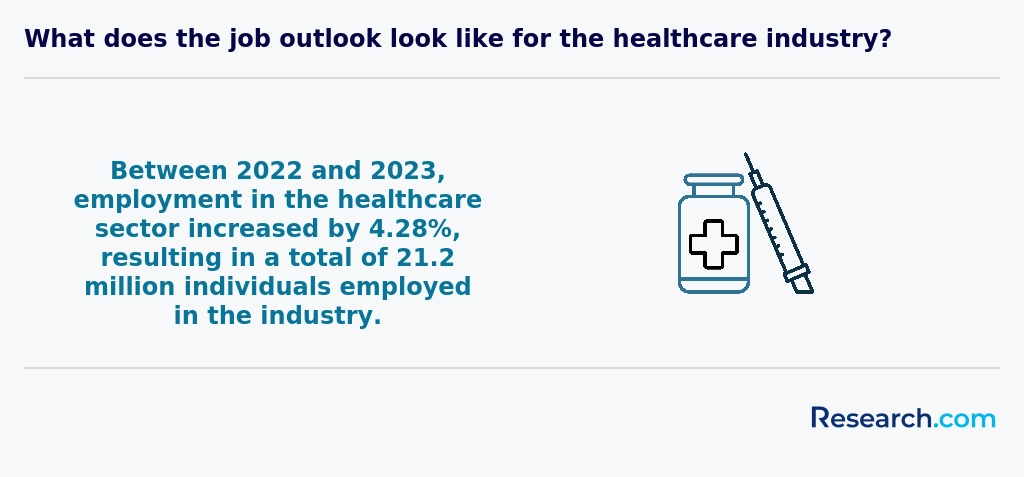
Accreditation ensures an online healthcare management degree meets rigorous academic standards and industry expectations.
- Regional accreditation (e.g., SACSCOC, HLC) confirms institutional credibility.
- CAHME accreditation validates program-specific excellence in healthcare management.
- State board approvals and licensing guarantee recognition for leadership roles.
Review accredited programs, including top-ranked healthcare administration online degree options, to make a confident investment in your future.
Many online healthcare management students in the South find federal aid essential in managing tuition costs. Completing the FAFSA opens doors to Pell Grants, which can cover up to $7,395 annually for undergraduates with financial need. Federal Direct Loans offer manageable repayment plans with lower interest rates than private loans, and graduate students can access unsubsidized loans independent of financial need.
State-specific scholarships provide significant relief. For instance, Texas residents attending online programs at recognized institutions benefit from the Texas Educational Opportunity Grant, while Georgia's HOPE Scholarship supports students who meet program criteria. Graduates from Southern universities like the University of Alabama or the University of Florida often praise these aids for reducing their financial burden.
Private scholarships from organizations such as the American College of Healthcare Executives also stand out. Many healthcare employers in the region offer tuition reimbursement, making it easier for working professionals to earn degrees. Students report that connecting with financial aid offices uncovers exclusive institutional scholarships tied to merit and program affiliation, which further lighten costs.
Choosing an accredited program protects your investment and ensures eligibility for federal aid and certifications. Key accreditation markers to verify:
- Regional accreditation (e.g., SACSCOC, HLC) confirms overall institutional excellence.
- CAHME (Commission on Accreditation of Healthcare Management Education) validates graduate-level healthcare management curricula.
- State authorization or reciprocity ensures online credits transfer smoothly and programs comply with state regulations.
For rigorous standards paired with online flexibility, explore our healthcare administration online degree.
To enroll in an online healthcare management degree program in the South, you must typically hold a high school diploma or equivalent for associate degrees, while bachelor's degrees require prior accredited high school certification. Graduate programs demand a completed bachelor's degree, often with a minimum GPA of around 2.5 to 3.0. Graduates from universities like the University of Alabama highlight how meeting these academic standards smoothly paved their way into competitive online programs.
Beyond academics, relevant healthcare work experience is crucial, especially for master's degrees. Many Southern institutions prefer candidates with practical exposure, such as positions in hospitals or clinics, ranging from six months to multiple years. Graduates often emphasize how previous roles in healthcare settings enriched their learning and boosted confidence.
Technical proficiency is also essential. Reliable internet and familiarity with platforms like Canvas or Blackboard are mandatory since coursework and communication rely heavily on digital tools. Graduates recall how mastering these systems early helped them stay organized and reduce stress throughout their studies.
Some programs may ask for standardized test scores, but many Southern colleges use test-optional policies or waive GRE requirements if you have relevant experience or strong undergraduate results.

Accreditation and licensing ensure your online healthcare management degree meets rigorous standards, protects your investment, and qualifies you for key career opportunities.
When evaluating programs, confirm accreditation by bodies such as:
- Commission on Accreditation of Healthcare Management Education (CAHME)
- Accreditation Council for Business Schools and Programs (ACBSP)
- Southern Association of Colleges and Schools Commission on Colleges (SACSCOC)
Proper accreditation:
- Validates curriculum quality and faculty expertise
- Enables credit transfers and meets employer expectations
- Provides eligibility for federal financial aid and licensure exams
Choosing an accredited path helps you stand out in a competitive market. For a trusted list of accredited programs, see our healthcare administration online degree guide.
Online healthcare management programs in the South typically include courses that combine business acumen with healthcare industry knowledge, essential for leadership roles in hospitals and clinics. Graduates from prominent Southern universities often highlight how courses like Healthcare Systems and Policy clarified the complexity of regional healthcare regulations and delivery models, preparing them for real-world challenges.
Key classes such as Health Informatics teach practical skills managing electronic health records and data, which students find invaluable when working in busy medical settings. Healthcare Finance and Accounting courses enable graduates to confidently handle budgeting and reimbursement issues typical in southern hospitals. Others praise Healthcare Law and Ethics for grounding them in the specific legal and ethical issues faced daily in healthcare management.
Students also appreciate Organizational Behavior and Leadership, which strengthens team management and decision-making abilities through case studies reflective of Southern healthcare environments. Strategic Planning and Marketing courses help develop skills to address growth and patient engagement challenges unique to healthcare organizations in this region.
Many programs emphasize public health topics like rural healthcare and disparities, addressing issues that graduates encounter firsthand in Southern communities. This practical curriculum design makes the demanding field of healthcare management accessible and relevant for Southern students pursuing online degrees.
Online healthcare management specializations in the South typically include healthcare informatics, health services administration, public health management, and healthcare policy and ethics. Graduates from popular Southern universities often highlight the practical benefits of specializing in healthcare informatics, where managing electronic health records and data analytics improves patient care and regulatory compliance. For those drawn to operational leadership, health services administration prepares students to lead hospitals and clinics, enhancing skills in budgeting and staff management, essential in regions like Texas and Florida experiencing healthcare facility growth.
Other students find public health management rewarding, focusing on community health program design to tackle chronic illness rates common in the South. Additionally, healthcare policy and ethics specialization equips learners to navigate complex regulatory environments, a critical skill for leadership roles in local healthcare organizations. Many Southern online healthcare degree specialization options also include emerging fields like patient safety and healthcare marketing, helping graduates respond effectively to evolving industry challenges.
Exploring the prerequisites for healthcare administration can guide prospective students in selecting the specialization that best fits their career goals and regional healthcare demands.
To choose the best online healthcare management degree in the South, start by verifying program accreditation from recognized agencies like CAHME. Graduates from universities known for strong healthcare programs often report greater confidence and better job placement due to rigorous standards. Look for curricula tailored to southern healthcare issues, such as rural healthcare specializations, which many students find relevant and rewarding in their careers.
Cost matters-affordable healthcare management degrees in the South typically range from $15,000 to $40,000 for a bachelor's degree, but many schools offer in-state tuition discounts and financial aid, helping students manage expenses while advancing their careers. Flexibility is key for working professionals; select programs offering asynchronous courses and multiple start dates that fit your schedule.
Finally, explore career outcomes posted by southern colleges, where graduates report median starting salaries between $55,000 and $75,000. Reflecting on personal experiences shared by alumni, you'll see how programs at popular southern institutions help students achieve these successes. For those beginning their journey, consider exploring online associates in healthcare administration as a practical stepping stone within the field.
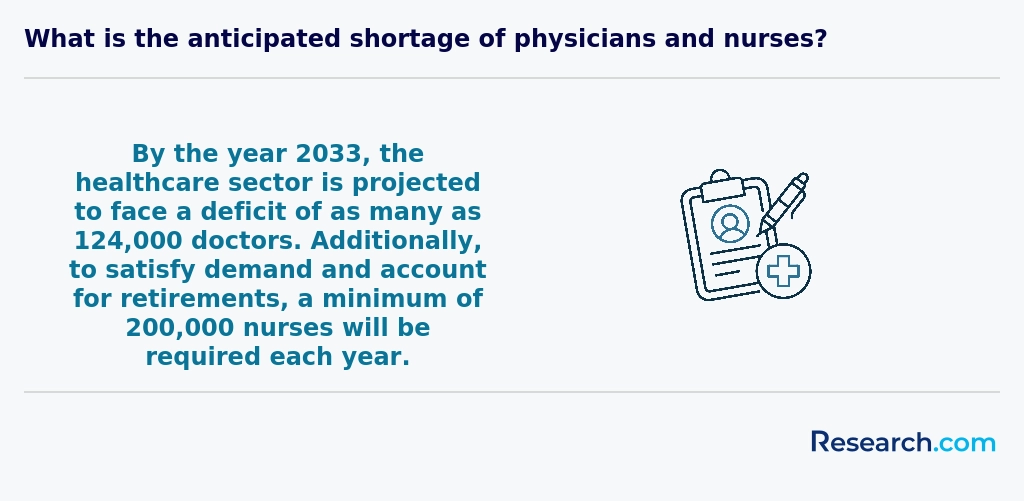
Graduates pursuing healthcare management careers in the South can access various practical roles across diverse settings. Many find rewarding positions as healthcare administrators or clinical managers in major hospitals throughout Texas and Florida, where managing staff, budgeting, and regulatory compliance are daily priorities. These roles offer hands-on leadership experience, crucial for professional growth in Southern healthcare markets. Others leverage their skills in health information management or as medical practice managers, working to optimize patient data systems and streamline office operations.
Opportunities in health insurance companies and nonprofit organizations also attract graduates who want to impact policy implementation or community health initiatives. Those interested in expanding their expertise often attend well-regarded Southern universities that offer flexible online masters programs for healthcare administration, blending convenience with solid career preparation. Graduates from these programs describe the balance of real-world application and academic knowledge as empowering for navigating Southern states' healthcare landscapes and job markets.
For students seeking online healthcare degree job opportunities Southern states, it's beneficial to focus on institutions providing strong local industry connections, supporting a smoother transition to employment and positive career outcomes.
The online healthcare management job outlook in the South is promising, particularly for graduates of popular universities and colleges such as those in Texas and Florida. These graduates often find roles in expanding hospitals and outpatient care centers across Southern metro areas. The region's growing healthcare infrastructure and increasing demand for skilled administrators open up numerous career paths, with many graduates sharing how their online degree allowed them to balance work and study effectively.
Healthcare management careers growth southern states is fueled by regulatory changes and initiatives promoting telehealth in rural communities. Many graduates highlight how practical knowledge gained in their programs supports their success in navigating insurance complexities and improving healthcare access. Additionally, those pursuing online degrees appreciate the affordability and flexibility compared to traditional education, reducing costs related to commuting and housing.
Students can deepen their understanding of what does healthcare administrator do to enhance their job readiness and position themselves competitively. Embracing this dynamic field in the South allows graduates to contribute meaningfully while benefiting from competitive salaries adjusted for the region's cost of living.
2027 Easiest Online Healthcare Management Degree Programs Ranking in the South
Investing in your education is a significant decision that can shape your career and future, and the Research.com team recognizes the importance of providing reliable guidance. To support prospective students interested in healthcare management, we have carefully developed the "2027 Easiest Online Healthcare Management Degree Programs Ranking in the South." Our dedication to quality, credibility, and accuracy is demonstrated through rigorous research and analysis.
We utilized the following reputable data sources to ensure a comprehensive evaluation of online healthcare management programs:
By exploring this ranking, readers will access insightful information that simplifies the decision-making process and identifies programs that best fit their needs. For a deeper understanding of our ranking criteria and process, please visit our Research.com methodology page.

# 2 position
University of Maryland Global Campus
Master of Health Information Management and Technology

# 3 position
University of Maryland Global Campus
Bachelor of Health Services Management





# 17 position
Tyler Junior College
Healthcare Technology and Medical Systems, Bachelor of Applied Technology


Frequently Asked Questions About healthcare management
Students pursuing online healthcare management degrees in the South can enhance their learning by actively engaging with coursework and applying real-world scenarios related to the region's unique healthcare challenges. The Southern US faces distinct issues such as higher rates of chronic diseases and rural healthcare access, making region-specific case studies valuable.
Utilizing local healthcare data and resources from organizations like the Southern Rural Health Association can deepen understanding. Additionally, networking with local healthcare professionals through virtual internships or professional groups provides practical insights and job opportunities.
Consistent communication with instructors and participation in online discussions also improves comprehension and retention.
The healthcare management field is evolving rapidly, especially in the South, where demand is growing for specialized skills. Emerging niches include telehealth administration, which has expanded by over 50% since 2020 due to technology adoption and rural healthcare needs, according to the Southern Governors' Association. Another key area is data analytics, helping organizations optimize patient care and reduce costs. Healthcare compliance and quality assurance also remain vital, given stricter federal regulations. Additionally, population health management is gaining focus as providers aim to improve outcomes for diverse Southern communities. These niches offer promising career paths for students pursuing online healthcare management degrees.
Graduates with an online healthcare management degree in the South should start preparing for the job market early. Building a strong professional network through platforms like LinkedIn and regional healthcare associations can improve job prospects. Gaining experience via internships or volunteer roles in hospitals or clinics enhances practical skills and resumes.
Familiarity with Southern healthcare regulations and organizations is vital. States like Texas and Florida, with growing healthcare sectors, offer numerous entry-level management roles, reflecting a projected 18% job growth nationwide through 2030, according to the U.S. Bureau of Labor Statistics.
Certifications such as Certified Healthcare Administrative Professional (cHAP) add credibility and can increase earning potential.
Continuing education and staying updated on healthcare technologies help graduates remain competitive in this evolving field.
Employers in the South seek healthcare management graduates who combine strong leadership with problem-solving skills to handle the region's diverse healthcare systems. Communication is essential, as professionals often interact with patients, providers, and insurers. Knowledge of healthcare laws and regulations specific to Southern states, including Medicaid policies, is highly valued.
Data from the Southern Regional Education Board shows that about 70% of healthcare management roles require familiarity with healthcare technology platforms. Analytical skills are also critical to improve efficiency and reduce costs. Additionally, cultural competence is important due to the South's varied populations and healthcare challenges unique to rural and urban settings.
Finding internships in the South relevant to a healthcare management degree begins with targeting healthcare providers and organizations in the region. Southern states like Texas, Florida, and Georgia boast large healthcare systems such as HCA Healthcare, Tenet Healthcare, and Emory Healthcare, which often offer internship programs. According to the Southern Governors' Association, healthcare jobs in the South are projected to grow by 18% through 2030, increasing internship opportunities.
Students should use university career centers, local hospital networks, and healthcare associations like the Healthcare Financial Management Association (HFMA) chapters in the South. Online platforms such as Handshake and Indeed also list internships specifically by state.
Networking at regional healthcare conferences and contacting alumni from online degree programs in southern universities can provide valuable leads. Early application and being flexible with locations improves chances in this competitive field.
Obtaining an online healthcare management degree significantly enhances career mobility in the Southern United States. The region's growing healthcare industry demands skilled leaders who understand complex healthcare systems and policies. According to the U.S. Bureau of Labor Statistics, healthcare management jobs in Southern states are projected to grow by nearly 18% from 2022 to 2032, faster than the national average.
Online degrees provide flexible access to education for working professionals, allowing them to upskill without relocating. This flexibility is especially beneficial in the South, where healthcare facilities range from urban hospitals to rural clinics requiring adaptable leadership.
Graduates with an online healthcare management degree often qualify for higher-level positions such as healthcare administrator or practice manager, helping them advance faster in competitive Southern job markets.
In addition, many Southern employers recognize accreditation from regional bodies, making online degrees from accredited institutions well-regarded for promotions and salary increases.
Studying for a healthcare management degree in the South equips students with skills crucial for interdisciplinary roles in healthcare settings. Programs emphasize leadership, communication, and collaboration across diverse teams, including clinicians, administrators, and policy makers. According to the Southern Regional Education Board, many Southern institutions integrate coursework in health informatics, finance, and patient care coordination, reflecting real-world demands.
Students engage with case studies and projects involving multiple healthcare disciplines, preparing them to manage complex environments. The South's healthcare industry growth-projected at 15% increase by 2030 per the U.S. Bureau of Labor Statistics-drives demand for versatile managers able to navigate both clinical and administrative challenges.
Choosing between a thesis and a non-thesis healthcare management degree in the South depends largely on your career goals and learning style. Thesis programs typically require original research, appealing to students interested in academic or research careers. Non-thesis options focus more on practical skills and coursework, ideal for those aiming directly for healthcare administration roles.
Many Southern universities offer both tracks online, reflecting the region's growing healthcare industry, which employs over 1.5 million people in states like Texas and Florida (Bureau of Labor Statistics, 2023). Consider your time availability, as thesis tracks often demand more commitment. Also, check if potential employers in your intended area value research experience or hands-on skills more.
Students in the South interested in studying healthcare management abroad face limited options within the U.S. system, as most international healthcare management programs require on-campus attendance. However, some Southern universities offer partnerships with foreign institutions, enabling students to complete portions of their degree overseas through exchange or study-abroad programs combined with online coursework. These opportunities are usually available for master's level students and focus on global health systems, policy, and administration.
According to the Southern Regional Education Board, about 12% of Southern universities facilitate international study options for healthcare-related degrees, providing international exposure while maintaining U.S. accreditation.
Students should also consider programs accredited by the Commission on Accreditation of Healthcare Management Education (CAHME) that offer international study trips or virtual collaboration projects with global healthcare organizations.
Part-time job opportunities in the South that align well with healthcare management degrees include roles such as medical administrative assistant, patient services coordinator, and health information technician. According to the U.S. Bureau of Labor Statistics, healthcare support occupations in Southern states are projected to grow by approximately 17% from 2022 to 2032, reflecting increasing demand.
These positions provide practical experience with healthcare systems, billing, and patient interactions, complementing academic knowledge. Additionally, many hospitals and clinics in Southern metro areas like Atlanta, Dallas, and Charlotte offer flexible schedules for part-time workers, aiding students balancing study and work.
Experience in such roles can enhance leadership, communication, and organizational skills vital for healthcare management careers.
Online healthcare management students in the South benefit from several networking opportunities tailored to their region. Many Southern universities foster virtual events, webinars, and workshops, connecting students with healthcare professionals and alumni. Organizations like the American College of Healthcare Executives (ACHE) have active chapters in states such as Texas, Florida, and Georgia, offering valuable networking events and mentorship programs.
Regional conferences focused on healthcare innovation and management attract students and professionals alike, providing ways to build contacts. Additionally, Southern states have a growing healthcare industry, with 2023 data from the Bureau of Labor Statistics showing a 12% employment growth projected for healthcare managers, enhancing local networking potential.
Alumni networks provide valuable support for online healthcare management degree students in the South. These connections often offer mentorship opportunities, allowing students to learn from experienced professionals familiar with regional healthcare challenges. According to the Southern Regional Education Board, strong alumni engagement can improve job placement rates by up to 20% in southern universities.
Networking through alumni groups also enhances students' access to local healthcare organizations, crucial for internships and employment. Many Southern healthcare systems prefer hiring graduates familiar with area-specific regulations and demographics, giving connected students a competitive advantage.
Furthermore, alumni can share insights on evolving healthcare policies in the South, helping students stay informed in a fast-changing industry.
Online healthcare management degree programs in the South offer various ways to tailor your education to meet specific career goals. Many Southern universities allow students to select concentrations such as healthcare informatics, finance, or policy. This specialization helps focus your skills on areas with strong regional demand. For example, healthcare administration roles are expanding in states like Texas and Florida, which report growth rates above the national average, according to the U.S. Bureau of Labor Statistics (2023).
Additionally, flexible electives, internships, and capstone projects help students gain practical experience relevant to local healthcare systems. Some programs also partner with Southern healthcare organizations, enabling networking and mentorship opportunities that align with your career path.
Online healthcare management students in the South often face challenges related to balancing study with work and family commitments. According to the National Center for Education Statistics, many Southern states report higher than average employment rates among adult learners, making time management critical. Additionally, inconsistent internet access in rural areas remains a barrier for some students, affecting their ability to participate fully in online courses.
Students also encounter variability in state licensing and certification requirements, which can complicate career planning after graduation. Furthermore, the rapid changes in healthcare regulations require students to stay continually updated, adding to the academic demands. These factors combine to shape a unique learning environment for Southern students pursuing healthcare management degrees online.
Professionals with an online healthcare management degree in the South can pursue several respected certifications to enhance their careers. Popular options include the Certified Healthcare Manager (CHM) and the Fellow of the American College of Healthcare Executives (FACHE). These certifications demonstrate expertise in healthcare leadership and administration.
Additionally, the Certified Professional in Healthcare Quality (CPHQ) offers a pathway for those focused on quality improvement. Many Southern states, such as Texas and Florida, emphasize these credentials to meet growing healthcare demands, supported by the U.S. Bureau of Labor Statistics projections.
Holding these certifications can improve job prospects and salary potential in regional healthcare facilities.
Writing a winning application for an online healthcare management program in the South requires clear focus and preparation. Start by thoroughly researching each program's curriculum and faculty to tailor your personal statement. Highlight relevant professional experience or volunteer work in healthcare settings, emphasizing leadership and problem-solving skills.
Many Southern universities such as the University of Alabama and UNC system value applicants with a clear career goal and understanding of regional healthcare challenges. According to the Southern Regional Education Board, healthcare management jobs in the South are projected to grow 19% by 2030, underscoring the field's demand.
Strong letters of recommendation from supervisors or professors who know your work ethics are vital. Finally, ensure all academic transcripts and test scores meet institution requirements and proofread your application carefully for clarity and professionalism.
Healthcare management careers offer promising opportunities both in the U.S. and globally. According to the U.S. Bureau of Labor Statistics, healthcare management jobs are projected to grow 28% from 2021 to 2031, largely due to an aging population and increased demand for health services. In the South, states like Texas and Florida show particularly strong growth in healthcare administration roles.
Internationally, healthcare management skills are valued as health systems around the world face similar challenges, such as cost control and quality improvement. Many online programs in the South emphasize global health trends alongside U.S. standards, preparing students for diverse career paths. This approach positions graduates to work not just nationally but also in global health organizations or multinational healthcare companies.
Gaining practical experience while studying for an online healthcare management degree in the South is essential for strengthening career prospects. Many programs encourage students to engage in internships or externships with local hospitals, clinics, or public health organizations. The Southern US has a growing healthcare sector, with states like Texas and Florida employing tens of thousands in healthcare management roles according to the Bureau of Labor Statistics.
Students can often arrange part-time or remote internships that fit their schedules. Additionally, virtual simulation platforms provide hands-on management scenarios remotely, supplementing real-world learning. Networking through regional healthcare associations also creates opportunities for mentorship and job shadowing, which enhances practical knowledge.
Choosing the right concentration within an online healthcare management degree in the South requires assessing your career goals and regional healthcare needs. Popular specializations include health informatics, hospital administration, and public health management. According to the U.S. Bureau of Labor Statistics, healthcare management jobs in Southern states are growing faster than the national average, with some areas like Texas and Florida leading the expansion.
Consider concentrations that align with in-demand skills such as data analytics or healthcare policy. Research regional employers and industry trends to ensure your specialization matches local job opportunities. Accreditation and faculty expertise in your chosen concentration also matter for quality education and future career prospects.
- Top Healthcare Management Conferences for Students https://www.asiapacific.edu/blog/mba/top-healthcare-management-conferences-students/
- 2025 Most Affordable Healthcare Administration Degrees Online https://www.onlineu.com/most-affordable-colleges/healthcare-administration-degrees
- Challenges and Opportunities in Healthcare Management - European Society of Medicine https://esmed.org/challenges-and-opportunities-in-healthcare-management/
- Niche Markets in Healthcare https://ultrariskadvisors.com/niche-markets-in-healthcare/
- Health Management Careers https://www.ache.org/Career-Resources/Start-Your-Career/Health-Management-Careers
- 5 Concentrations for a Bachelor’s of Healthcare Administration - Healthcare Administration Degree Programs https://www.healthcare-administration-degree.net/lists/5-concentrations-for-a-bachelors-of-healthcare-administration/
- Can I Work From Home with a Healthcare Management Degree? - Healthcare Management Degree Guide https://www.healthcare-management-degree.net/faq/can-i-work-from-home-with-a-healthcare-management-degree/
- Networking https://www.whcm.org/networking/
- Pursue Your BSHCM in Richmond VA at South U https://www.southuniversity.edu/richmond/healthcare-management-bs
- What are the essential skills needed for health care management | UNF https://www.unfc.ca/blog/healthcare-management-skills