2027 Most Popular Fine Arts Degree Programs Ranking in Vermont

Co-Founder and Chief Data Scientist
Choosing the right fine arts degree program in Vermont can shape your creative future. Our article presents the 2027 Most Popular Fine Arts Degree Programs Ranking in Vermont, developed by Research.com's team of data scientists. This ranking helps you make an informed decision based on thorough data analysis.
Exploring this guide will open doors to opportunities that align with your artistic passions and career goals. A fine arts degree not only nurtures creativity but also builds valuable skills that can lead to fulfilling work.
Discover programs that inspire growth and set you on a path to success.
Key benefits of getting fine arts degree in Vermont
- Salary for fine arts degree graduates: Graduates can expect rewarding salaries such as $64,700 annually for Graphic Artists, $71,420 for Illustrators, and up to $109,630 for Animators, reflecting the strong market demand in Vermont and beyond.
- Career paths: Many Vermont fine arts alumni from schools like the University of Vermont pursue diverse roles including animation, graphic design, and illustration, giving them creative freedom and fulfilling career options.
- Online degree benefits: Online fine arts graduates from Vermont institutions enjoy flexible schedules and lower costs while still gaining valuable skills, making it easier to balance work and study or explore new creative avenues.
- 2027 Most Popular Fine Arts Degree Programs Ranking in Vermont
- What can I expect from fine arts degree in Vermont?
- Where can I work with fine arts degree in Vermont?
What can I expect from fine arts degree in Vermont?
When considering the cost of pursuing a fine arts degree here in Vermont, you'll find that tuition varies significantly based on the type of institution you choose. For example, many graduates from the University of Vermont note that in-state tuition runs around $19,000 per year. This can be a relief compared to private schools, which sometimes charge notably higher fees but often provide unique, intimate learning environments and specialized resources.
Financial aid and scholarships tailored specifically to fine arts students are commonly available, helping to ease the financial burden. Graduates often share how these opportunities allowed them to focus fully on their creative growth without worrying about the price tag. At schools like the Vermont College of Fine Arts, students benefit from small class sizes and close mentorship, making every dollar invested feel worthwhile.
Ultimately, your experience will combine rigorous art training and vibrant community support, where the cost reflects not just tuition but the invaluable connections and professional opportunities that Vermont's arts ecosystem provides.
Where can I work with fine arts degree in Vermont?
With a fine arts degree from Vermont, you unlock doors to vibrant and diverse career paths right here in your community. Many graduates find fulfilling roles in education, becoming art teachers in local K-12 schools or joining faculty at colleges like the University of Vermont and Castleton University. These positions let you inspire the next generation while applying your creative skills daily.
Others dive into the world of galleries and museums, taking on roles such as curators or exhibit coordinators at renowned institutions like the Fleming Museum of Art or Shelburne Museum. Imagine guiding visitors through art collections you helped organize, blending art history with hands-on creativity.
Fine arts skills also translate to booming fields like graphic design, digital media, and photography, especially in vibrant hubs like Burlington. Graduates often find opportunities in these creative industries, where imagination meets commerce.
Many graduates embrace entrepreneurship, thriving as freelancers or participating in Vermont's rich arts fairs and community workshops. Supported by Vermont Arts Council grants, being an independent artist here is both a viable and rewarding path, filled with freedom and connection to your artistic community.
Graduates from fine arts programs in Vermont often find promising earning potential by leveraging their skills in varied creative careers. For instance, recent fine arts graduates from institutions like the University of Vermont report starting roles as graphic designers earning around $64,700 annually, which provides a solid foundation for building a career in the state's artistic communities.
Many also explore opportunities as illustrators, with average annual wages near $71,420, offering both creative freedom and financial stability. Those who pursue animation-though less common locally-can access even higher salaries, averaging about $109,630 nationwide, reflecting a lucrative pathway if complemented by digital artistry skills.
Art therapists represent another rewarding avenue, earning around $75,660 per year, blending creativity with meaningful community impact. Graduates who transition into education roles, such as art teachers, often see salaries near $70,740, combining passion with steady income, especially within Vermont's supportive school systems.
Drawing from alumni experiences in Vermont's fine arts programs shows that success often emerges through a flexible approach-combining freelancing, teaching workshops, or working in creative industries across Burlington or Montpelier. Embracing these diverse income streams can turn your artistic passion into a rewarding livelihood.
- In-state tuition for fine arts programs in Vermont's public colleges typically ranges from $12,000 to $20,000 per year, while private institutions may charge up to $40,000 annually.
- Entry-level salaries for fine arts graduates in Vermont average around $35,000 per year, increasing to $50,000 to $55,000 within ten years.
- Common careers for fine arts graduates include visual artists, illustrators, art instructors, curators, and multimedia designers.
- Educational programs in Vermont often offer internships and residencies to provide hands-on experience and build professional networks.
- Financial aid and scholarships specific to fine arts are available through Vermont colleges and local art organizations to help offset costs.
Completing a fine arts degree in Vermont typically takes about four years of full-time study, much like the national standard. Many graduates from well-known institutions such as the University of Vermont and Champlain College often share how this timeframe allows them to deeply engage with both studio practice and academic theory. Imagine spending your days creating in vibrant studios, then discussing art history and techniques in inspiring classrooms-that blend shapes a well-rounded artist.
Some students find their journey slightly different. For example, those pursuing a Bachelor of Fine Arts (BFA) might experience a more intensive studio schedule compared to a Bachelor of Arts (BA), but most still finish within four years. Others balance part-time study or work alongside school, extending their timeline a bit, which many embrace positively to grow both creatively and personally.
Transfer credits from community colleges often speed up completion, letting students dive into advanced work sooner. Vermont's fine arts programs reward dedication with practical, engaging paths that fit many lifestyles without rushing the creative process.
When evaluating Fine Arts degree programs in Vermont, it’s helpful to see how they stack up against offerings in other states in terms of cost, curriculum breadth, and career outcomes. Vermont schools often boast intimate studio settings and close faculty mentorship, but if budget constraints are a top concern, you might explore more affordable alternatives. For example, our Cheapest Fine Arts Degree Programs Ranking in New Orleans, LA highlights institutions where tuition and living expenses tend to be lower than the national average. Beyond cost, compare the diversity of specializations: Vermont colleges excel in traditional media and interdisciplinary residencies, while programs elsewhere may offer expanded digital art labs or partnership-driven internships. Review alumni placement rates-Vermont graduates often find work in local galleries and regional arts organizations, whereas larger metropolitan programs may facilitate connections with national agencies and studios. Finally, consider job market growth projections and tuition inflation trends across states; balancing these factors ensures you choose a program that aligns with both your creative aspirations and long-term financial goals.
Choosing between an online and on-campus fine arts degree in Vermont means weighing how you want to experience your creative journey. On-campus programs at places like the University of Vermont offer an immersive environment where you can touch the texture of your materials, get immediate feedback in shared studios, and connect face-to-face with faculty and peers. Graduates often recall late nights collaborating in workshops and showcasing their work in community galleries, feeling the vibrant energy of Vermont's art scene firsthand.
In contrast, online programs provide flexibility that fits busy schedules and remote living situations. Many students pursuing digital arts or art theory appreciate the ability to attend classes from home, submitting assignments through interactive platforms. While they may miss the tactile studio experience, they gain the freedom to balance work and study, which recent online graduates value deeply as they manage career and family responsibilities without geographic limits.
Ultimately, whether you thrive in hands-on studio settings at Norwich University or embrace the adaptable pace of online study, Vermont's fine arts education can support your creative passions in ways that suit your life and ambitions.
Embarking on a Fine Arts journey in Vermont means more than just attending classes-it’s about shaping your creative future through deliberate steps toward success. By engaging in internships, building a strong portfolio, and actively participating in campus and local arts communities, you can set yourself up for a rewarding career. Start by seeking out industry internships and networking events; many Vermont programs partner with local galleries and creative agencies, providing firsthand experience that can be pivotal for future job opportunities. Additionally, consider joining student-led art collectives or attending workshops hosted by acclaimed art professionals to increase exposure and gain diverse perspectives. Don't forget to explore resources such as the most affordable fine arts schools in vermont to find programs that balance quality education with accessible tuition. Remember, proactive engagement, consistent practice, and strategic career planning are essential to stand out in competitive creative fields and achieve long-term success in the arts.
Understanding the average cost of fine arts degree in Vermont is essential for anyone passionate about pursuing art in this beautiful state. Graduates from institutions like the University of Vermont and Vermont College of Fine Arts often reflect on the significant investment their education required-typically around $51,450 for in-state students, which covers tuition, fees, and living expenses. This figure highlights the reality many face but also the valuable experiences gained through specialized training and community connection within these programs.
For those attending private schools such as the Vermont College of Fine Arts, the costs tend to be higher but come with advantages like smaller class sizes and focused mentorship. Many graduates emphasize how this intensive guidance helped them grow creatively and professionally, making the financial commitment worthwhile. These insights align with the Vermont fine arts degree tuition and fees, where private tuition premiums are common but balanced by the quality and resources available.
Practical advice from recent fine arts graduates encourages prospective students to explore financial aid options early and to budget realistically for additional expenses like art supplies and housing. Vermont offers opportunities and supports that can improve affordability. To find a range of options tailored to your goals, you can review the most affordable fine arts schools in vermont, helping you make a firm decision based on investment and passion.

Accreditation is a critical factor when evaluating Fine Arts degree programs in Vermont, as it ensures that the institution meets rigorous academic and professional standards. Most reputable Vermont colleges hold regional accreditation from the New England Commission of Higher Education (NECHE), which guarantees that credits transfer seamlessly between schools and that graduates remain eligible for federal financial aid. Additionally, specialized accreditation from the National Association of Schools of Art and Design (NASAD) further validates the quality of studio facilities, curriculum depth, and faculty expertise. When reviewing program accreditation, prospective students should confirm:
- Institutional accreditation (e.g., NECHE) for overall academic quality.
- Programmatic accreditation (e.g., NASAD) to assess fine arts-specific resources.
- State licensure approval if you plan to pursue art education or therapy in Vermont. For those considering advanced study beyond Vermont’s borders or online options, it’s wise to explore accredited graduate pathways. Our guide on low cost mfa online degree programs highlights reputable institutions that combine affordability with recognized accreditation, ensuring your Master of Fine Arts holds value whether you continue your career in Vermont or elsewhere. By choosing an accredited program, you safeguard your investment, access quality instruction, and enhance your professional credibility in the competitive arts landscape.
If you're pursuing a fine arts degree in Vermont, know that a variety of financial aid options can lighten your path. Many graduates have shared how completing the Free Application for Federal Student Aid (FAFSA) opened doors to Pell Grants-need-based awards that don't require repayment-making a real difference in managing tuition at schools like the University of Vermont or Vermont College of Fine Arts.
On top of federal help, Vermont's own Grant Program offers support to residents enrolled in local colleges. This means whether you're painting in a studio or performing on stage, you can find assistance specifically designed for Vermont students like you.
Merit and talent matter too. Numerous students have thrived thanks to scholarships tied to artistic achievement offered directly by these institutions. Imagine being recognized for your creativity and having that fuel both your craft and your confidence!
Additionally, private scholarships from arts organizations provide exciting opportunities nationwide. And don't overlook work-study programs that allow you to earn income while building experience relevant to your art.
When choosing a Fine Arts degree program, learning about the campus culture and community can be just as important as the curriculum. Vermont schools not only offer dynamic classroom experiences but also provide vibrant artistic communities that extend beyond lectures. Students have opportunities to engage in collaborative projects, attend exclusive gallery exhibitions, and participate in local arts festivals that enrich both their creative skills and personal growth. Interactive student clubs, campus art societies, and hands-on workshops help foster a nurturing environment where budding artists can share ideas and gain real-world feedback. In addition, many institutions feature state-of-the-art studios and mentoring programs that bridge academic learning with industry trends. For example, prospective students can explore comprehensive campus experiences, including visits to the most affordable fine arts schools in vermont, to better understand the balance between academic rigour and creative freedom. This holistic approach not only enhances your artistic journey but also builds lifelong connections within Vermont’s supportive arts community.
To enroll in a fine arts degree program in Vermont, you'll first need to demonstrate your commitment through a high school diploma or GED. Many Vermont colleges like the University of Vermont or Champlain College expect students to maintain a GPA around 2.5 to 3.0, reflecting steady academic effort. Graduates often share how reaching this benchmark helped them stay motivated and confident during their application.
One of the most exciting but challenging steps is preparing your art portfolio. Imagine showcasing your unique creativity through drawings, sculptures, or digital pieces to admissions committees-it's your chance to tell your artistic story beyond grades. Students who've passed through these programs highlight how their portfolios became a source of pride and self-discovery.
Standardized tests like the SAT are sometimes optional, but submitting strong scores can boost your chances, especially if your academic record needs a little extra shine. Many colleges also value personal statements or interviews where you can express your artistic passion and future goals, giving you a chance to connect on a personal level.
If you're transferring or coming from out of state, be ready to provide transcripts and any previous art coursework. Some programs may require foundational art classes first, ensuring every student builds a solid artistic base before tackling advanced projects. This structure has helped many graduates grow confidently into their creative potential in Vermont's supportive arts community.

Vermont’s Fine Arts programs not only deliver rigorous academic training but also boast a vibrant campus life that fuels creative inspiration. Students enjoy engaging extracurricular activities such as gallery exhibits, workshops, and art clubs that help forge lasting connections with peers and industry professionals. Many campuses host regular art fairs and community events, creating unique opportunities for networking and professional growth. For example, students at institutions featured among the most affordable fine arts schools in vermont often collaborate on community projects and live art installations that enhance their portfolios and cultivate a real-world understanding of art’s impact. Additionally, mentorship programs and one-on-one interactions with experienced faculty provide personalized guidance that enriches both the academic and social aspects of student life. Whether it’s late-night studio sessions, informal critiques, or campus-wide art challenges, the supportive atmosphere found in Vermont’s art schools creates a transformative environment where creativity blossoms and lifelong connections are made.
In Vermont, fine arts degrees offer a rich blend of courses that spark both your technical skills and creative spirit. At institutions like the University of Vermont or Marlboro College, you'll dive into hands-on studio classes such as drawing and painting, where you explore charcoal, oil, and watercolor techniques. Imagine shaping clay or carving wood in sculpture courses that challenge your spatial creativity, just as many graduates recall doing to refine their three-dimensional expression.
Alongside practical work, you'll study art history, tracing the stories behind famous movements and artists, which breathes deeper meaning into your creations. Digital media and design classes expose you to graphic design and animation, skills that are increasingly valuable in today's art world.
Photography and printmaking courses equip you with tools to capture and produce art in diverse forms, often supported by portfolio workshops and lively critiques. Many students also appreciate the interdisciplinary opportunities, combining theater or creative writing, which broadens their artistic perspective and fuels fresh ideas.
If you're exploring a fine arts degree specializations Vermont offers, you'll find a range of exciting paths to channel your creativity. Students at institutions like the University of Vermont immerse themselves in fundamentals such as Painting and Drawing, mastering the techniques that bring personal visions to life on canvas. Graduates often share how working hands-on in Sculpture classes, crafting pieces from clay or metal, deeply enriches their practice and confidence. Photography and Graphic Design specializations appeal to those drawn to storytelling through visual media, combining artistry with modern digital skills.
At Vermont College of Fine Arts, many embrace advanced programs that dive into Printmaking and Art History, blending practical and academic perspectives. Alumni frequently talk about how engaging with Vermont's vibrant arts culture amplifies their passion and networks. Considering your interests carefully among Vermont fine arts major options can help tailor your education to your future goals. For those mindful of costs, it's worth looking into low cost mfa online degree programs as a smart way to advance.
Choosing the best fine arts degree in Vermont starts with pinpointing a program that matches your unique artistic vision and career goals. Many graduates from popular Vermont institutions reflect on how programs focused on studio art or interdisciplinary forms fueled their creativity and professional growth. When exploring fine arts degree programs Vermont offers, consider how each school's curriculum and faculty resonate with your aspirations-whether it's painting, graphic design, or photography, the right environment shapes your journey profoundly.
Accreditation by regional bodies like NECHE ensures quality education and smooth credit transfers, so prioritize accredited colleges to secure your academic future. Many Vermont fine arts students recall balancing tuition costs around $18,000 annually at public schools, plus extra fees for studio materials. For those budgeting creatively, exploring financial aid and scholarships is essential to lighten the load.
Connecting with Vermont's vibrant arts scene through local galleries and the Vermont Arts Council opens doors to internships and exhibitions, enriching your experience beyond the classroom. If you want insights on affordability elsewhere, check out the Cheapest Fine Arts Degree Programs Ranking in New Orleans, LA for ideas.
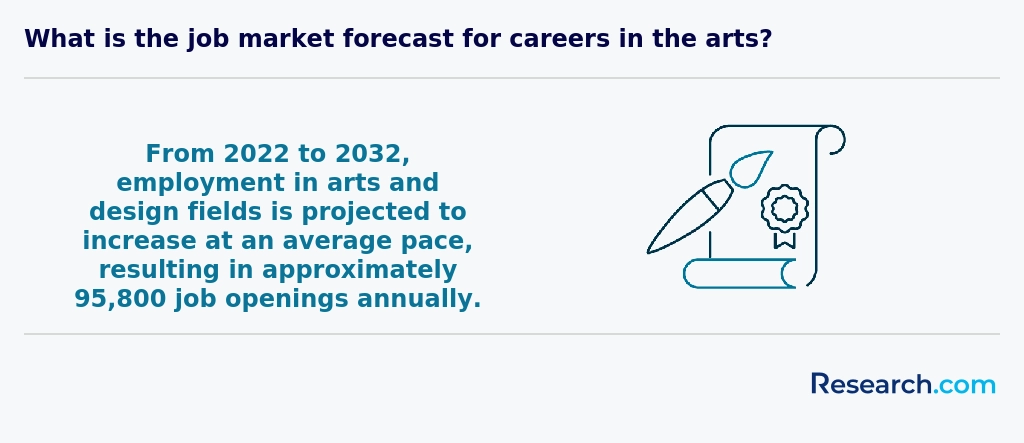
Graduates with a fine arts degree in Vermont discover a range of fulfilling career paths that tap into the state's vibrant creative ecosystem. Whether you envision yourself as a professional artist or a museum curator, opportunities await within Vermont's supportive arts community. Many graduates from the University of Vermont and Vermont Academy of Arts find success as graphic designers, illustrators, or art educators, blending their passion with practical skills.
Vermont's unique creative culture extends to freelance careers, where artists thrive by connecting with local galleries and cultural centers. Freelancing here requires more than talent-it demands networking within this close-knit community and solid marketing savvy. Some fine arts graduates also step into arts administration or nonprofit management roles, helping to shape the future of Vermont's cultural institutions.
If you're interested in broadening your study options, consider exploring fast online bachelor degree programs for working adults that can fit your busy lifestyle. These flexible paths empower you to advance in Vermont's flourishing creative industry while balancing real-world commitments.
With Vermont fine arts degree job opportunities growing, your studies can lead to rewarding roles in education, curation, design, and beyond, fueled by local grants and arts initiatives encouraging entrepreneurship and innovation.
The job market for fine arts degree holders in Vermont presents both challenges and unique opportunities. Graduates from well-known institutions like the University of Vermont often find themselves balancing part-time work, freelance projects, and teaching roles to build sustainable careers. Many tap into Vermont's vibrant arts community, finding rewarding positions in local galleries, museums, and artisan craft businesses. Students finishing their degrees here often value how the state's tight-knit arts scene helps them develop personal connections essential to success.
Understanding the job outlook for fine arts graduates in Vermont means recognizing that full-time salaried roles are fewer compared to big cities. Many artists support themselves through graphic design, illustration, or arts education, especially in K-12 schools or community colleges. The tourism industry also creates opportunities for entrepreneurs and freelancers willing to promote local culture and craft. Balancing passion with practical income often demands resilience but offers creative freedom.
When weighing financial aspects, students should compare tuition costs and potential earnings carefully. Vermont's public universities offer fine arts programs with in-state tuition between $10,500 and $18,000, while private schools can exceed $40,000 per year. Starting salaries tend to be $35,000-$40,000, lower than the national median, emphasizing the importance of planning ahead. Many graduates combine multiple income streams successfully. For those considering broader academic goals, exploring easiest doctorate programs might be a strategic move to expand career options.
2027 Most Popular Fine Arts Degree Programs Ranking in Vermont
Investing in your education is a significant decision that can shape your future, and the Research.com team understands the importance of making informed choices. To assist prospective students in Vermont, we have meticulously crafted the "2027 Most Popular Fine Arts Degree Programs Ranking in Vermont." Our commitment to quality, credibility, and accuracy is reflected in the extensive research and analysis conducted to compile this ranking.
We utilized the following reputable data sources to ensure a comprehensive evaluation of fine arts programs:
By exploring this ranking, readers will gain valuable insights into the most popular fine arts degree programs available in Vermont, helping them make informed decisions about their educational paths. For more details on our methodology, please visit our Research.com methodology page.


Frequently Asked Questions About fine arts
Fine arts degree students in Vermont can maximize their learning by engaging actively with the vibrant local arts community. Vermont is home to numerous galleries, theaters, and public art spaces that offer opportunities for internships and collaboration, enriching practical skills beyond the classroom.
Additionally, students should take advantage of Vermont's smaller class sizes at institutions like the University of Vermont and Castleton University, which promote personalized instruction and mentorship. According to the National Center for Education Statistics, smaller class sizes correlate with better learning outcomes for arts students.
Participating in statewide events such as the Vermont Fine Arts Festival can also expose students to diverse artistic perspectives and networking opportunities. Combining academic work with hands-on experiences is essential for success in fine arts careers.
Emerging niches within the fine arts field in Vermont reflect broader national trends, with growing interest in digital and interdisciplinary art forms. Areas such as digital animation, virtual reality (VR) art, and interactive media are increasingly popular among students. According to the National Endowment for the Arts, programs integrating technology with traditional fine arts are expanding, offering new creative possibilities.
Vermont's fine arts programs often emphasize sustainable practices and community engagement, responding to local cultural values. This focus supports niches like environmental art and socially engaged art, which blend creative expression with activism.
Additionally, art therapy is gaining recognition as a specialized discipline, connecting psychology and fine arts to address wellness.
After completing a fine arts degree in Vermont, preparing for the job market involves building a strong portfolio that showcases your skills and creativity. Employers and galleries often prioritize practical work examples, so continuous creation and refinement are essential.
Networking plays a key role, too. Vermont hosts numerous art fairs and exhibitions, such as the Burlington Fine Art Festival, offering opportunities to connect with local artists and potential employers. Additionally, internships and apprenticeships in art studios or museums can provide valuable hands-on experience.
Understanding the business side of art, including marketing and grant writing, is important since many fine artists in Vermont work as freelancers or run their own studios. Utilizing resources from Vermont Arts Council can also guide job-seeking strategies specific to the state. According to the National Endowment for the Arts, artists nationally have a median income close to $50,000, indicating the importance of diverse income streams.
Employers seeking fine arts degree graduates in Vermont prioritize both creative and practical skills. Strong artistic ability combined with proficiency in digital tools such as Adobe Creative Suite is highly valued. According to the National Endowment for the Arts, over 60% of Vermont's arts employers expect graduates to have experience in digital media integration.
Communication and collaboration skills are essential, as many roles require working with clients or cross-disciplinary teams. Additionally, graduates who demonstrate adaptability and project management capabilities tend to be more competitive in the Vermont job market.
A focus on portfolio development, critical thinking, and an understanding of Vermont's unique cultural context also enhance employability in the region's vibrant arts community.
Finding internships in Vermont relevant to a fine arts degree involves a strategic approach focused on local galleries, museums, and art organizations. Students are encouraged to explore opportunities at institutions such as the Fleming Museum of Art at the University of Vermont and the Vermont Arts Council, which frequently offer internships suited to fine arts majors.
Networking through regional art events and exhibitions can also lead to internship connections. According to the National Endowment for the Arts, Vermont's vibrant arts scene supports many nonprofit organizations offering project-based internships.
Additionally, students should check career services at Vermont colleges like Champlain College or Middlebury College, which often maintain lists of internships specifically for creative fields.
A fine arts degree in Vermont offers graduates unique career mobility by emphasizing creative skills valued in various sectors such as education, design, and media. According to the Vermont Department of Labor, jobs in arts-related fields are projected to grow moderately, with an estimated 5% increase by 2030.
Professionals with fine arts backgrounds often advance into specialized roles like graphic design, art education, or gallery management. The hands-on experience and portfolio development provided by Vermont's institutions increase employability in a competitive job market.
Networking through local art communities and events also supports career growth, linking graduates with opportunities across the state's vibrant cultural scene.
Studying for a fine arts degree in Vermont offers students a unique interdisciplinary approach valued by employers across multiple industries. Vermont's universities emphasize collaboration between fine arts and fields such as technology, environmental studies, and business. This integration helps graduates develop critical skills in visual communication, creative problem-solving, and project management.
According to the National Association of Schools of Art and Design, many Vermont programs incorporate cross-departmental projects that expose students to diverse methodologies. For example, the Art Department at the University of Vermont actively partners with other faculties, fostering skill sets transferable to roles in marketing, design, and digital media.
This practical focus makes Vermont-trained artists adaptable in today's evolving job market, where interdisciplinary skills enhance career prospects.
Choosing between a thesis and a non-thesis fine arts degree program in Vermont depends primarily on your academic and professional goals. Thesis programs typically require students to complete an extensive research or creative project, demonstrating deep investigation and critical thinking. These are ideal if you aim to pursue further graduate study or a career in academia.
Non-thesis programs focus more on practical skills and coursework, often including internships or portfolio development. They suit students targeting immediate employment in the arts sector. According to the National Center for Education Statistics, Vermont offers several fine arts programs with both options available, accommodating diverse career paths.
Consider your learning style, time commitment, and career plans before deciding which route aligns best with your objectives.
Students based in Vermont who wish to study fine arts abroad have several pathways through their home institutions. Many Vermont colleges offering fine arts degrees, such as the University of Vermont and Champlain College, participate in established study abroad programs. These programs often include partnerships with respected international art schools in countries like Italy, France, and Spain, allowing students to immerse themselves in diverse artistic traditions.
According to the Institute of International Education (IIE), approximately 10% of U.S. fine arts students engage in study abroad experiences, which can enrich their creative skills and cultural understanding. Vermont students can also explore summer workshops and exchange programs that are tailored to fine arts disciplines, making international study more accessible within typical degree timelines.
Additionally, organizations like the National Arts Council support grants for U.S. students pursuing art education overseas, which Vermont students may apply for. Careful planning with academic advisors ensures that credits earned abroad align with degree requirements, helping maintain steady progress toward graduation.
Part-time jobs that complement a fine arts degree in Vermont often align with creative and cultural sectors. Art instructors or teaching assistants at local community centers or art schools provide hands-on experience, helping students refine their skills while earning. Vermont's numerous galleries and museums, including the Fleming Museum of Art, frequently offer roles such as gallery attendants or curatorial assistants, blending practical exposure with networking opportunities.
Additionally, freelance work in graphic design, illustration, and digital art is common. According to the U.S. Bureau of Labor Statistics, Vermont's demand for artists and designers is projected to grow modestly by 3% through 2030. This allows students to build portfolios while supporting themselves. Fine arts students may also find relevant jobs in event planning for local art festivals or helping produce public art projects, important sectors in Vermont's vibrant arts community.
Fine arts students in Vermont benefit from various networking opportunities that help build professional connections. Many colleges, such as the University of Vermont and Champlain College, offer student art exhibitions and events where students can interact with local artists and art professionals. The Vermont Arts Council hosts workshops, grants, and artist meet-ups that invite fine arts students to engage with broader creative communities across the state.
Additionally, Vermont's active gallery scene and annual festivals like the Burlington Open Studio Tour provide students with chances to showcase their work and connect with potential collaborators and patrons. These opportunities foster valuable industry contacts early in students' careers.
Alumni networks offer significant advantages for fine arts degree students in Vermont. These networks connect current students with graduates who have professional experience in artistic fields such as visual arts, theater, and design. Through these connections, students gain access to mentorship, internships, and job opportunities that are often not publicly advertised.
In Vermont, institutions like the University of Vermont and the Vermont College of Fine Arts maintain active alumni associations. These organizations regularly host events and workshops, fostering collaborations and professional growth.
According to the National Association of Colleges and Employers, 85% of students find jobs through networking, highlighting the practical benefits of engaging with alumni for fine arts students in Vermont.
Fine arts degree programs in Vermont offer students flexibility to tailor their studies according to individual career goals. Many colleges provide options to choose concentrations such as painting, sculpture, digital media, or graphic design. Students can also select elective courses that align with their interests, like art history or museum studies.
Internships and community art projects are commonly encouraged, helping students gain practical experience. Vermont's vibrant arts scene supports opportunities for collaboration with local artists and organizations. According to the National Center for Education Statistics, personalization in degree paths enhances career readiness for fine arts graduates nationwide.
Additionally, students may combine fine arts with business or technology courses to prepare for diverse career paths, including arts administration or multimedia production.
Fine arts students in Vermont often face financial challenges due to the high cost of tuition combined with limited state funding for arts programs. According to the National Center for Education Statistics, arts departments typically receive less institutional support compared to STEM fields, impacting resources available for studios and equipment.
Another difficulty is gaining exposure and career opportunities in a state with a smaller arts market. Vermont's population and arts infrastructure are limited compared to larger states, which can affect internships and job placements for graduates.
Additionally, students may struggle with balancing rigorous studio work and academic requirements, as fine arts curricula are intensive and time-consuming. This workload can be stressful, requiring effective time management.
With a fine arts degree in Vermont, graduates can pursue several professional certifications to enhance their career prospects. One prominent option is obtaining a teaching license from the Vermont Agency of Education, which allows fine arts graduates to teach visual arts in K-12 public schools. This certification typically requires completing additional pedagogy coursework and passing the Praxis exams.
Additionally, many artists in Vermont seek certification in arts administration or gallery management through organizations like the National Arts Administrator Certification program, which can support careers beyond studio work.
Other certifications include those in digital design and multimedia from specialized institutions, helping fine arts graduates expand into the creative technology field.
Applying to a fine arts program in Vermont requires careful preparation to stand out in a competitive field. Start by researching schools such as the University of Vermont or the Vermont College of Fine Arts, which are known for their fine arts offerings. A strong portfolio showcasing your best work is essential; it should demonstrate both technical skill and your unique artistic voice. Most programs also require a statement of purpose-write clearly about your goals and how the program fits your career plans.
Vermont's fine arts programs often emphasize community engagement and interdisciplinary study, so highlight any related experiences. Additionally, maintain a solid academic record, as GPA and letters of recommendation remain important. According to the National Center for Education Statistics, fine arts enrollment in Vermont has grown slightly, increasing competition. Early application and adherence to all submission guidelines will improve your chances significantly.
Globally, a fine arts career is seen as both challenging and rewarding, with varying opportunities depending on cultural and economic contexts. In the United States, including Vermont, fine arts graduates benefit from diverse career paths such as gallery work, design, and education. According to the National Endowment for the Arts, jobs in the arts grew by 5% from 2017 to 2021, reflecting steady demand. Vermont specifically supports arts through institutions like the Vermont Arts Council, which helps artists connect globally while emphasizing local engagement. This combination of local support and international appreciation shapes a positive outlook for fine arts professionals.
Students pursuing a fine arts degree in Vermont can gain practical experience through internships offered by local galleries, theaters, and community arts organizations. Many colleges encourage participation in campus art exhibits and cooperative projects, providing hands-on opportunities to develop portfolios.
The Vermont Arts Council is a valuable resource, offering internship listings and grants that support student engagement in real-world art settings. Additionally, Vermont's strong local arts community allows students to collaborate with practicing artists and participate in workshops and artist residencies.
Some institutions also include apprenticeship programs and service-learning projects as part of their curriculum, integrating practical experience with academic studies.
Choosing the right concentration within a fine arts degree program in Vermont involves understanding your personal interests and career goals. Most Vermont institutions offer concentrations such as painting, sculpture, graphic design, and photography. According to the National Center for Education Statistics, over 60% of fine arts students nationwide select a visual arts track, reflecting strong demand.
Research Vermont colleges' specific course offerings and faculty expertise. Consider practical factors like available studios, gallery connections, and internship opportunities, which can enhance real-world experience.
Finally, review employment trends in Vermont's creative industries. The Vermont Department of Labor reports consistent growth in arts-related jobs, particularly in digital media and contemporary art fields.
- 2027 Most Popular Fine Arts Degree Programs Ranking in New Hampshire
- 2027 Most Popular Fine Arts Degree Programs Ranking in New York
- 2027 Most Popular Fine Arts Degree Programs Ranking in Rhode Island
- 2027 Most Popular Fine Arts Degree Programs Ranking in Maine
- 2027 Most Popular Fine Arts Degree Programs Ranking in New Jersey
- 2027 Most Popular Fine Arts Degree Programs Ranking in Virginia
- 2027 Most Popular Fine Arts Degree Programs Ranking in Ohio
- 2027 Most Popular Fine Arts Degree Programs Ranking in Kentucky
- 2027 Most Popular Fine Arts Degree Programs Ranking in South Carolina
- 2027 Most Popular Fine Arts Degree Programs Ranking in Indiana
- Pursuing a Career in the Fine Art World | Alchemy Global Talent Solutions https://www.alchemygts.com/blogs/pursuing-a-career-in-the-fine-art-world
- Learning Art : Online Or on Site? - Academy of Fine Art https://academy-of-fine-art.com/en/blog/drawing-and-painting-learning-art-online-or-on-site/
- Study Fine Arts Abroad – Top Universities & Careers https://thearchinternational.com/fine-arts/
- Art & Design Programs - Community College of Vermont https://ccv.edu/academics/areas-of-study/art-design/
- Why I chose to study Fine Art https://www.falmouth.ac.uk/student-voice/why-i-chose-to-study-fine-art
- Is a thesis always mandatory in a master's degree program? - EFMU: The Euler-Franeker Memorial University and Institute https://euler.euclid.int/is-a-thesis-always-mandatory-in-masters-degree-program/
- Complete guide to studying Fine Arts - TAI Arts https://taiarts.com/en/blog/guide-to-studying-fine-arts/
- BA Hons Fine Art Enrolment Form https://www.oca.ac.uk/courses/ba-fine-art/
- FAQ MA/MSc (Thesis/Non-thesis) Applicants – Graduate School https://lee.yasar.edu.tr/en/faq-ma-msc-with-without-thesis-candidates/
- Networking for Artists: Unlocking Opportunities in the Art World - Ceri Hand https://cerihand.com/networking-for-artists/