2027 Fastest Online Master's in Fine Arts Degree Programs Ranking in the USA

Co-Founder and Chief Data Scientist
Exploring fine arts through an advanced degree can open doors to creative careers and personal growth. For students eager to advance quickly, choosing the right program is key.
This article features the 2027 Fastest Online Master's in Fine Arts Degree Programs Ranking in the USA, developed by the Research.com team of data scientists. It is designed to help you make an informed decision on programs that balance speed and quality.
Discover options that fit your lifestyle and goals while gaining valuable insights into accelerated learning paths.
Key benefits of getting online fine arts degree in America
- Graduates with a fine arts degree can enjoy competitive salaries, such as Art Directors earning around $125,920 annually and Museum Curators making about $70,870 per year, providing strong financial opportunities.
- Career paths for fine arts graduates are diverse, ranging from graphic design and museum curation to art history and academia, allowing you to pursue roles that match your passion and skills.
- Online fine arts degrees offer flexible learning schedules and lower costs, enabling students to balance education with life or work commitments effectively, as experienced by many graduates from accredited universities.
- 2027 Fastest Online Master's in Fine Arts Degree Programs Ranking in the USA
- What can I expect from online fine arts degree in America?
- Where can I work with online fine arts degree in America?
What can I expect from online fine arts degree in America?
The average annual tuition for online fine arts degrees in America generally hovers around $19,000, according to recent data. Graduates from popular universities such as the Savannah College of Art and Design or the Maryland Institute College of Art have found that this investment balances well with the flexibility and convenience of remote learning. Many appreciate saving on commuting and housing costs, which can otherwise significantly increase the total expense of pursuing a degree on campus.
Students often share how this cost allows them to access comprehensive programs that combine core art history and studio courses with specialized electives like digital media or animation. The ability to submit digital portfolios and receive detailed video critiques enables meaningful hands-on experiences, even from home. Those attending part-time or opting for accelerated tracks find themselves managing both coursework and personal commitments more easily, justifying the tuition as an investment toward stronger career prospects in growing fields like graphic design and digital arts.
Where can I work with online fine arts degree in America?
Graduates from online fine arts programs at schools like the Savannah College of Art and Design or the Academy of Art University find diverse career paths across America's creative landscape. Many start as visual artists, graphic designers, or illustrators, often landing freelance or remote jobs in vibrant hubs such as New York or Los Angeles. These roles allow for flexibility and creative control, which students appreciate when balancing work and life.
Others leverage their degrees to enter education, teaching art in K-12 schools or developing engaging curricula, especially in states with clear licensure pathways. Graduates often mention the rewarding experience of inspiring young minds, whether through public school programs or community workshops.
Positions in museums and cultural institutions also attract graduates who enjoy curating exhibitions or conserving artwork. Popular programs often highlight internships in these settings, helping students build useful connections.
Emerging fields like digital art and multimedia design offer dynamic opportunities, with recent graduates working on animation or interactive media projects. This reflects a promising future for tech-savvy artists ready to innovate in a growing digital marketplace.
Graduates with an online fine arts degree in America can expect earning potential that varies widely depending on their career choices and experience. For example, many who pursue careers as graphic designers, a common path from schools like the Savannah College of Art and Design, earn a mean annual wage around $64,700. Those advancing to senior graphic designer roles often see salaries increase with experience and portfolio strength.
Positions such as art directors, which graduates from institutions like the Rhode Island School of Design have attained, report significantly higher wages, with mean annual earnings near $125,920. This reflects the benefit of combining creativity with leadership skills in larger companies or agencies.
Other common roles include museum curators and art historians, with annual salaries averaging $70,870 and $76,120 respectively. Graduates who pursue academia or leadership in museums benefit from these stable incomes, demonstrating the value of an online degree supplemented by active networking and practical experience.
Postsecondary art instructors, often teaching at community colleges or universities, enjoy a rewarding salary with a mean annual wage of $100,840, proving that an online fine arts degree can open doors to educational careers with strong financial prospects.
- Online fine arts degrees are available at undergraduate and graduate levels with tracks in studio arts, digital media, and art history.
- Tuition ranges from $7,000 to $25,000 per year for public universities depending on residency, while private institutions may charge over $30,000 annually.
- Additional costs include technology fees, art supplies, and software needed for courses.
- The median annual wage for fine artists was about $50,550 in 2022, with entry-level salaries around $35,000 to $40,000.
- Job growth for fine artists is expected to be 4% from 2022 to 2032, slower than average but steady for niche fields.
- Graduates often work in graphic design, art therapy, and art education, with roles in cultural institutions, media, and freelance work.
Completing an online fine arts degree in America typically takes about four years for full-time bachelor's students, mirroring the traditional campus experience at schools like the Savannah College of Art and Design or the School of the Art Institute of Chicago. Many graduates find that enrolling full-time helps them stay motivated and finish on schedule, balancing projects and critiques with a clear timeline.
Part-time students, such as working professionals or parents, often take six years or more, enjoying the flexibility to study at their own pace without sacrificing personal commitments. Graduate programs, like the Master of Fine Arts offered by UCLA or the Maryland Institute College of Art, usually require two to three years full-time, but online options allow some to spread coursework over four years, easing the workload.
Students who transfer credits or take accelerated courses can shorten their timeline, making it easier to stay financially and emotionally invested. Real-life graduates frequently recommend planning your course load carefully and leveraging summer sessions to graduate sooner while managing a creative, fulfilling journey.
Ensuring an online Master’s in Fine Arts program meets rigorous quality standards starts with accreditation. Look for regional accreditation (such as Middle States, NEASC, or WASC) and programmatic approval by the National Association of Schools of Art and Design (NASAD). These endorsements guarantee that curricula, faculty credentials, and student outcomes are regularly reviewed and benchmarked against national best practices. Beyond accreditation, faculty expertise plays a pivotal role in shaping your creative journey. The best programs employ instructors who hold terminal degrees in their fields, maintain active exhibition schedules, and collaborate with galleries, publishers, or production studios. Ask whether faculty members publish research, curate exhibitions, or serve as professional mentors-these activities enhance classroom discussion and provide networking opportunities. Strong programs also feature low student-to-faculty ratios to ensure personalized feedback on studio work and thesis projects. Dedicated career services and alumni networks further reinforce the program’s value, offering internships, portfolio reviews, and job placement assistance. For example, some Fine Arts departments partner with local museums or digital studios to provide hands-on residencies, bridging academic study with real-world practice. If you’re exploring complementary design fields, you may also find our comprehensive guide to online design degrees useful-check out our ranking of the best interior design bachelor degree online programs to compare accreditation standards and faculty portfolios across creative disciplines.
On-campus fine arts programs at institutions like the Rhode Island School of Design offer direct access to studios, workshops, and faceto-face mentorship, which many graduates say makes mastering tactile skills more intuitive. You'll find yourself immersed in exhibitions and spontaneous peer critiques that spark creativity and build lasting connections. In contrast, online fine arts degrees from well-known schools such as Savannah College of Art and Design emphasize flexible schedules and virtual collaboration tools, enabling you to balance art with work or family commitments. Graduates appreciate the freedom to study asynchronously while still engaging in curated virtual critiques and submitting digital portfolios.
Cost savings are another key difference. Online students often avoid commuting and housing expenses, which can add thousands yearly, though you might need to budget for some specialized materials or software independently. Ensuring any program you choose is NASAD-accredited guarantees your degree meets national quality standards, whether online or in person. Many online programs even offer optional residencies to provide hands-on experience and networking opportunities, helping you bridge the gap between virtual and traditional learning environments.
Online Fine Arts programs go beyond coursework by offering robust support services designed to help you thrive academically and professionally. From dedicated academic advisors who guide you through course selection and degree requirements, to 24/7 technical support ensuring seamless access to virtual studios and digital resources, you never feel alone on your creative journey. Career counselors work closely with students to develop customized portfolios, refine résumés, and practice interview skills. Virtual workshops and one-on-one sessions prepare you to present your work to galleries, studios, and potential employers. Additionally, many programs partner with art organizations and industry leaders to host guest lectures, internship placements, and live portfolio reviews that open doors to real-world opportunities. Mentorship is another cornerstone of student success. Each online cohort is paired with a faculty mentor-often a seasoned artist or industry professional-who provides personalized feedback on projects and career pathways. This mentorship extends beyond graduation, with alumni networks offering ongoing connections, job leads, and collaborative platforms where graduates share emerging trends and commission opportunities. For students on a tighter budget, universities often highlight cost-saving alternatives through curated lists. For instance, you can compare high-quality yet affordable options in the Cheapest Online Master's in Fine Arts Degree Programs Ranking in the South to find programs that balance excellence with financial responsibility. By integrating these comprehensive support services into their online curriculum, top-ranked Fine Arts programs ensure that every student has the guidance, resources, and industry connections needed to successfully launch or elevate their artistic careers.
The average cost of an online fine arts degree in America typically ranges around $15,630 for in-state students and approximately $26,208 for out-of-state learners, with a median total cost near $24,192 depending on the institution. These figures reflect tuition and fees but can vary based on whether the school is public or private. Graduates from well-known universities offering online fine arts programs often share how careful budgeting for additional expenses such as art supplies, software licenses, and technology fees helped them manage costs effectively.
Understanding the average cost of online fine arts degree USA helps students plan realistically, especially since tuition often depends on credit hours needed to complete a program. For instance, many Master of Fine Arts (MFA) programs require between 30 to 60 credit hours, directly affecting tuition bills. Schools popular for their fine arts offerings often provide financial aid and scholarships, which graduates recommend exploring thoroughly to ease financial burdens while pursuing their passion.
Many students find value in researching and comparing tuition rates at respected institutions, like those featured in the top fine arts colleges, to find programs aligned both with their budget and artistic goals. Tuition assistance from employers or creative grants may also supplement expenses, making the investment in an online fine arts degree more achievable and rewarding.
When budgeting for tuition and fees for online MFA programs 2027, factoring in all related expenses and potential financial support channels ensures a smoother educational journey, allowing students to focus on honing their craft and building dynamic portfolios essential for future success.
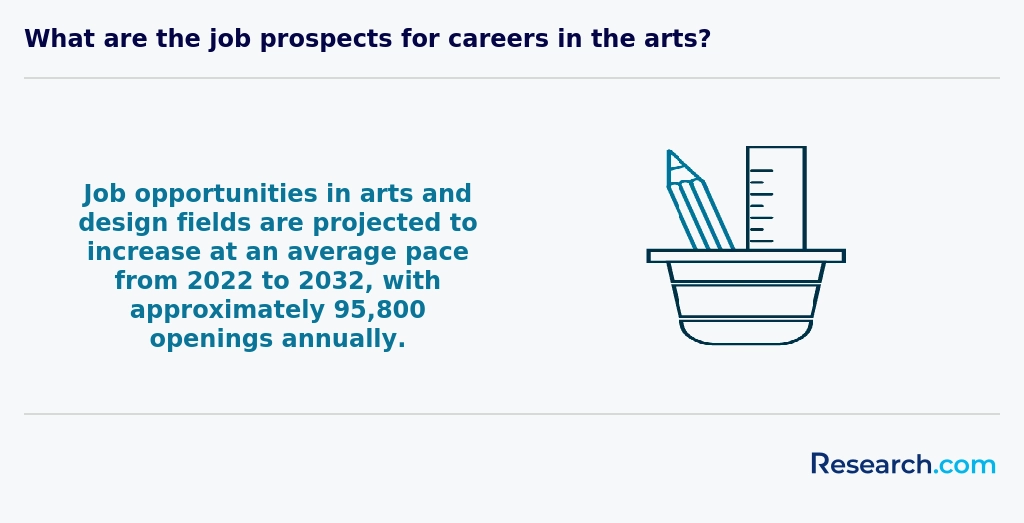
As the Fine Arts landscape continues to evolve, online degree programs are not only keeping pace with current artistic practices but are also preparing graduates for the future of creative industries. Today’s fine arts students are learning to integrate traditional techniques with emerging technologies-ranging from digital animation and virtual galleries to augmented reality installations-to create innovative work that resonates in a rapidly changing market. This forward-thinking approach ensures that graduates are well-equipped to meet new industry demands while fostering creativity and adaptability. In addition to technical proficiency, successful fine arts professionals now need to stay informed about global art trends, sustainability practices, and the expanding digital marketplace. By understanding these emerging trends, students can better position themselves in roles that require both a strong artistic foundation and an awareness of technological advancements. For instance, as more organizations embrace digital content, the demand for professionals who can merge fine arts with digital strategy is on the rise. Furthermore, institutions are increasingly partnering with industry leaders and cultural organizations to provide hands-on projects and networking opportunities-helping students build dynamic portfolios and robust professional networks. If you’re looking for additional insights into how accredited programs are adapting to these changes, you might explore our detailed rankings of the top fine arts colleges, which offer exemplary curricula that reflect these industry shifts. Staying abreast of these developments not only enhances your learning experience but also opens doors to diverse career opportunities. As the online fine arts degree continues to evolve, so will the innovative career paths available to its graduates-making now a perfect time to invest in an education that bridges tradition with the future.
Online fine arts students in America often find federal aid through FAFSA invaluable, especially when attending accredited institutions like the Rhode Island School of Design or the School of the Art Institute of Chicago. Graduate students typically access Direct Unsubsidized Loans and Grad PLUS Loans, which offer manageable interest rates and flexible repayment options, easing financial pressure.
Scholarships remain a vital resource. Graduates recall securing awards from bodies like the College Art Association, which boosted their confidence and reduced debt. These scholarships recognize both merit and need, making them accessible to talented students nationwide.
State grants and tuition waivers can further lighten the load for in-state enrollees, with programs varying significantly by location. Prospective students at places like California Institute of the Arts recommend early research into state-specific aid to maximize opportunities.
Competitive assistantships and fellowships at research universities provide a dual benefit: stipends plus hands-on experience in teaching or research, enhancing resumes while supporting finances. Working fine arts professionals frequently supplement income with employer tuition assistance, making part-time studies more feasible, while private loans are a last resort after all other funding is pursued.
Your portfolio is the heart of your application, offering a tangible display of your creative journey and technical prowess. Whether you’re an aspiring painter, illustrator, or digital artist, a well-curated portfolio not only illustrates your skills but also tells your unique artistic story. Begin by selecting a diverse range of your best works that demonstrate both technical proficiency and creative experimentation. Focus on quality over quantity-aim for a cohesive presentation that highlights your growth, versatility, and personal style. Pay close attention to presentation details such as high-resolution images, clear project titles, and brief descriptions that explain your inspiration, process, and the techniques used. Integrate both traditional and digital pieces if applicable, and consider including projects that reflect the latest trends or innovative approaches in Fine Arts. Seeking feedback is crucial: consider sharing your work with professors, mentors, or peers well-versed in the field, and be open to incorporating constructive critiques to refine your portfolio further. In addition, aligning your portfolio with the specific requirements of your target programs can give you a competitive edge. Research the expectations of your prospective schools-in fact, visiting resources like the top fine arts colleges ranking can provide valuable insights into what is currently trending among leading institutions. This research will help you tailor your submission to meet their standards and showcase your fit within their academic community. By dedicating time and effort to build a powerful portfolio, you set a strong foundation for a successful application. It becomes more than just a collection of art; it's a narrative of your artistic evolution that can help admissions committees envision the impact you will make in the art world.
To enroll in an online fine arts degree program in America, students must first have a high school diploma or its equivalent for undergraduate studies. Graduates of renowned art colleges often recall how meeting this initial academic requirement unlocked paths to creative exploration. Those pursuing graduate degrees typically need a relevant bachelor's degree, which serves as a foundation for more advanced techniques and concepts.
A crucial prerequisite across programs is submitting a well-curated portfolio. This collection of digital artworks-whether drawings, sculptures, or photographs-illustrates your artistic style and skill. Many students from top public universities found that investing time in perfecting their portfolios really made a difference during admissions.
Letters of recommendation from art instructors or mentors familiar with your creative potential further strengthen your application. For international students, demonstrating English proficiency via TOEFL or IELTS is essential to confidently engage in classes and critiques. While standardized test scores like the SAT are less commonly required today, some programs might still request them or creative skill assessments to evaluate readiness and passion.
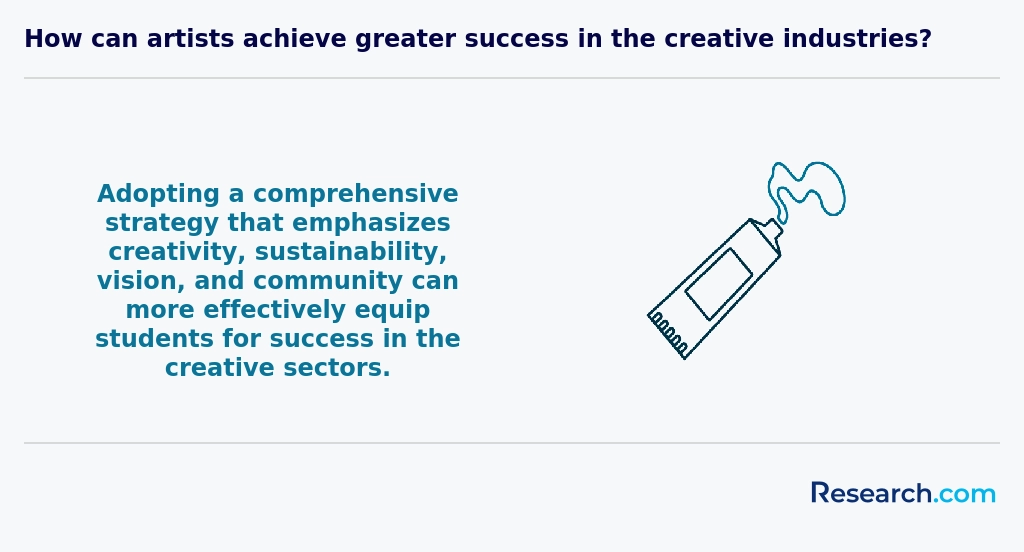
As technology continues to evolve, the landscape of online Fine Arts education is rapidly transforming, opening up exciting new possibilities for both students and institutions. Emerging trends include the integration of virtual reality (VR) and augmented reality (AR) tools that simulate studio environments, allowing students to interact with digital galleries and immersive art installations from anywhere. Additionally, advancements in digital collaboration platforms enable seamless peer-to-peer critiques and faculty consultations, enhancing the learning experience beyond traditional video lectures. Institutions are increasingly incorporating adaptive learning technologies and AI-driven feedback systems that offer personalized course recommendations and real-time skill assessments, further elevating the quality of online education. These innovations not only improve accessibility but also ensure that students are better prepared for future industry challenges and opportunities. For those interested in exploring the best resources and outperforming their competition, be sure to check out the top fine arts colleges to see how these trends are being embraced by leading institutions. As online programs continue to evolve, staying informed about these advancements will be key to maximizing your educational investment and career potential.
Online fine arts degrees in America typically include a mix of foundational and specialized courses designed to build both skill and artistic insight. Graduates from well-known institutions often recall starting with core classes such as Drawing, Painting, Sculpture, and Digital Art, which helped them gain essential techniques. For example, students at colleges with strong online programs found that courses like Digital Media and Graphic Design provided practical skills directly applicable to creative careers in multimedia and advertising.
Many programs also integrate Art History and Criticism to deepen understanding of cultural contexts, a favorite among students who wanted to connect their work to broader artistic movements. Advanced courses offer paths in areas like Printmaking, Ceramics, Animation, or even Curatorial Studies, broadening career options beyond studio practice. A Capstone Project or Thesis often brings this together, helping students create an impressive portfolio that reflects their growth.
Students pursuing online fine arts specializations in the USA often choose from tracks like studio art, digital media and design, art education, and creative writing. Graduates from prominent programs at American universities share how studio art helped them master painting and sculpture techniques through guided virtual critiques, boosting confidence for gallery exhibitions. Those interested in new media thrive in digital media and design, learning animation and multimedia skills relevant to careers in gaming and advertising-fields expected to grow, according to BLS projections. Art education specializations prepare candidates for licensure with a blend of theory and practical teaching skills, equipping graduates to inspire creativity in K-12 classrooms nationwide. Creative writing programs focus on workshops and publishing strategies, empowering writers to develop their voice professionally. For students balancing work and study, online formats offer flexibility and affordability compared to traditional campuses. To explore interdisciplinary options, consider pairing your fine arts degree with an interior design bachelor degree online for broader career opportunities.
When choosing the best online fine arts degree in America, start by verifying regional accreditation to ensure your credits and degree are widely recognized. Graduates from well-known universities report feeling more confident when their institution's quality is evident to employers and peers. Evaluate programs that balance practical skills like studio art and digital media with strong theoretical foundations, as former students from prominent colleges often highlight faculty expertise as a key factor in their success.
Consider cost carefully-tuition varies widely between programs, with private art schools often charging more than $30,000 annually versus $10,000-$20,000 for in-state public university rates. Many find affordable online master's in fine arts America options through scholarships or financial aid. For example, you can explore the Cheapest Online Master's in Fine Arts Degree Programs Ranking in the South to pinpoint budget-friendly choices.
Program length and flexibility are essential; select a course that fits your schedule and career goals. Alumni often praise flexible online formats allowing them to juggle work or family while advancing their studies. Finally, prioritize schools with strong career support and alumni networks, as these connections help graduates enter competitive fields like animation or gallery management with greater ease.
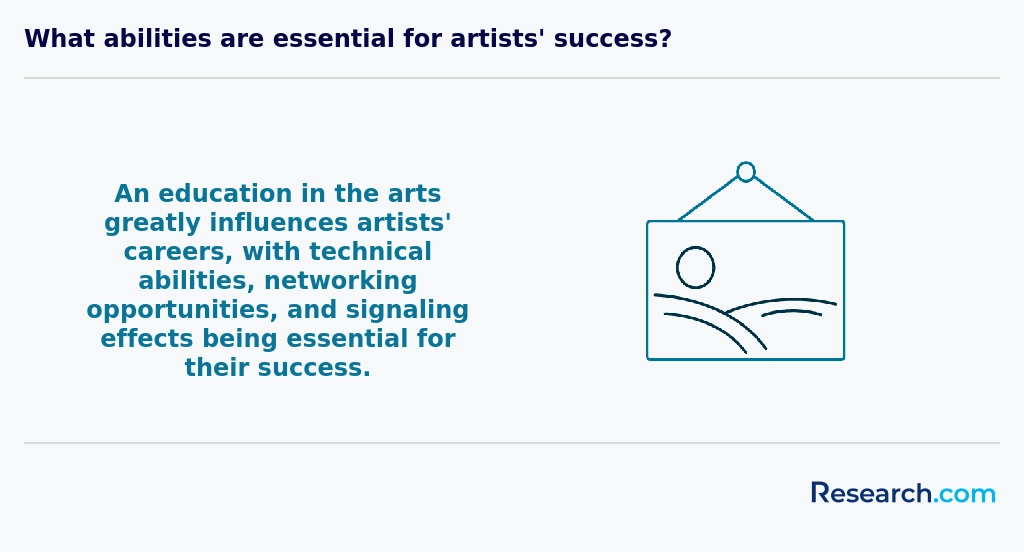
Graduates with an online fine arts degree in America have numerous career paths to consider. Many become professional artists, showcasing their work through galleries or online platforms while often teaching workshops to supplement income. Graphic design is another strong option, where graduates use their creative skills in branding and digital media; universities like the Savannah College of Art and Design prepare students for such roles, offering hands-on projects that mirror industry demands. For those interested in education, art teaching positions at public schools or universities remain in demand, especially with proper certifications. Graduates also find opportunities in entertainment and media, working as animators or set designers by combining artistic talent with technical skills like animation software. Commercial art roles in advertising and marketing are common, leveraging both creativity and strategic thinking. Exploring accelerated bachelors degree online options can help students begin these careers more quickly. This variety ensures online fine arts career opportunities in the USA suit many ambitions.
Top-paying arts jobs for online MFA graduates in America often include specialized roles such as multimedia artists and art directors in established firms or creative startups, where the ability to innovate and adapt is highly valued. Graduates from institutions known for their fine arts programs report feelings of accomplishment and excitement as they engage in careers that blend passion with practical skills.
The job market for online fine arts degrees in America offers a range of career opportunities with steady growth projected in fields such as graphic design, multimedia arts, and animation. Graduates from well-known programs at popular colleges often find that their ability to build strong digital portfolios during their online studies significantly boosts their employability.
Many graduates work freelance or as independent contractors, leveraging skills learned remotely to adapt in dynamic creative industries. Those pursuing career opportunities with online fine arts master's in America frequently report satisfaction with flexible schedules and the practical experience gained through internships or networking. For example, graduates from established institutions appreciate how remote learning models allow them to focus on portfolio development while balancing work or personal commitments.
Salary potential varies widely by location and specialty, but metropolitan areas tend to offer higher wages. For applicants weighing costs and benefits of online study, considering programs at an open enrollment university can ease admission stress and accelerate career entry in this competitive landscape.
2027 Fastest Online Master's in Fine Arts Degree Programs Ranking in the USA
Investing in your education is a significant decision that can greatly impact your future, and the Research.com team recognizes the importance of making well-informed choices. To support prospective students interested in fine arts, we have carefully developed the "2027 Fastest Online Master's in Fine Arts Degree Programs Ranking in the USA." Our dedication to quality, credibility, and accuracy is demonstrated through thorough research and detailed analysis.
We utilized the following reputable data sources to ensure a comprehensive evaluation of online fine arts master's programs:
By consulting this ranking, readers will gain valuable insights into the fastest and most efficient online fine arts programs, enabling them to make confident and informed decisions about their educational journeys. For a detailed explanation of our research process, please visit our Research.com methodology page.

# 2 position
Full Sail University
Master of Media Design





Frequently Asked Questions About fine arts
Online fine arts degree students in America can maximize their learning by actively engaging with course materials and virtual studio sessions, which are essential for developing practical skills. Many institutions, such as those accredited by the National Association of Schools of Art and Design (NASAD), incorporate interactive critiques to mirror traditional classroom feedback.
Networking within online communities and attending virtual art exhibitions also enhances exposure to diverse perspectives. According to the National Center for Education Statistics, fine arts enrollments in online programs have grown steadily, emphasizing the importance of self-discipline and time management for success.
Students should also seek supplemental workshops or internships to gain hands-on experience beyond the screen.
The fine arts field in America is expanding beyond traditional disciplines. Emerging niches include digital arts, which incorporate animation, virtual reality, and interactive media. According to the National Endowment for the Arts, digital design jobs are expected to grow by 10% through 2031.
Another niche gaining traction is socially engaged art, where artists collaborate with communities to address social issues. This trend reflects a broader cultural shift towards activism through creative expression.
Additionally, environmental art focusing on sustainability is becoming popular in academic programs, responding to growing ecological concerns nationwide.
These emerging areas provide new opportunities for students pursuing online fine arts degrees.
Preparing for the job market after earning an online fine arts degree in America requires strategic planning. Graduates should build a professional portfolio showcasing their best work, which is crucial for attracting employers or clients. Networking plays a key role; joining organizations like the College Art Association can provide valuable connections. According to the U.S. Bureau of Labor Statistics, art-related jobs are expected to grow by 3% from 2021 to 2031, highlighting the importance of specialized skills and ongoing learning.
Internships or freelance experiences help develop practical abilities and industry insight. Additionally, mastering digital tools and social media marketing can improve visibility in a competitive market.
Employers in the United States increasingly seek fine arts graduates who combine creative talent with practical skills. Critical thinking and problem-solving abilities are highly valued, as these allow artists to develop original concepts and adapt to diverse projects. According to the National Endowment for the Arts (NEA), strong communication skills are essential for collaborating with clients and teams effectively.
Technical proficiency in digital tools like Adobe Creative Suite, 3D modeling, and animation software is also important, reflecting industry trends. Additionally, time management and self-motivation rank among the top skills, especially for graduates working independently or remotely.
Finally, a professional portfolio demonstrating versatility and a clear artistic vision strongly influences hiring decisions in fine arts fields.
Finding internships relevant to a fine arts degree in America involves a strategic approach. Start by exploring university career centers, which often compile opportunities tailored to art students. Many online fine arts programs partner with galleries, museums, and design firms to offer remote or local internships.
Additionally, websites like the National Endowment for the Arts and professional associations such as the College Art Association provide listings of internships in the arts sector. According to the Bureau of Labor Statistics, internships can improve employment chances by over 50% for arts graduates.
Networking through social media platforms like LinkedIn and attending virtual art exhibitions or workshops can lead to contacts who offer internships. Finally, applying early and tailoring your portfolio to each opportunity increases your chances of securing a position.
Online fine arts degrees have become a significant factor in career mobility in the United States. According to the National Center for Education Statistics, enrollment in online programs continues to grow, reflecting increased acceptance by employers. Graduates with an online fine arts degree can access diverse career paths, including graphic design, illustration, and multimedia arts, with the Bureau of Labor Statistics projecting 4% job growth in related fields through 2031.
These degrees often offer flexibility, enabling working professionals to advance their skills without pausing their careers. Employers increasingly recognize accredited online degrees, which enhances promotion prospects and salary potential for graduates.
Studying for a fine arts degree in America offers students essential skills that support interdisciplinary work. Many programs integrate coursework in digital media, design, and art history alongside traditional studio practices. This blend equips students to collaborate in fields like graphic design, advertising, and technology.
According to the National Endowment for the Arts, about 45% of fine arts graduates pursue careers requiring interdisciplinary knowledge. Online degrees often include project-based learning, encouraging critical thinking and adaptability across mediums.
American fine arts education also emphasizes communication skills, enabling graduates to translate artistic concepts effectively in diverse professional settings.
Choosing between a thesis and a non-thesis fine arts degree in America depends on your career goals and learning preferences. Thesis programs generally require a substantial research or creative project, ideal for students interested in deep academic work or pursuing a PhD later. According to the National Center for Education Statistics, about 60% of graduate fine arts students in the US select thesis options for this reason.
Non-thesis programs often emphasize coursework and practical skills over research. This path suits professionals aiming to enhance their skills quickly and enter or advance in the art industry. It typically requires fewer credit hours and can be completed faster.
Consider your professional objectives and time availability. Schools accredited by the National Association of Schools of Art and Design often specify which option fits varied career paths better.
American students seeking online fine arts degrees with an international emphasis have several pathways to study abroad while remaining enrolled at U.S. institutions. Many accredited American universities offer exchange programs or partnerships with foreign art schools, allowing students to spend semesters overseas without interrupting their online studies. According to the National Center for Education Statistics, about 10% of U.S. art students participate in study abroad programs, enhancing global perspectives in their work.
Additionally, some programs incorporate virtual collaborations with international artists and institutions, reflecting the growing trend toward globalization in fine arts education. This hybrid model helps students experience diverse artistic traditions without relocating permanently.
Part-time jobs that complement fine arts degrees in America often involve hands-on creative work. Many students find roles as art assistants, helping studio artists or galleries manage projects. Such roles provide practical experience directly related to their studies.
Other opportunities include teaching art in community centers or tutoring peers, which enhances communication skills. According to the U.S. Bureau of Labor Statistics, art-related jobs requiring associate or bachelor's degrees often allow flexible hours for students.
Graphic design internships or freelance projects also align well with fine arts education, enabling students to build portfolios while earning money. These experiences support both technical and professional growth in the competitive art market.
Online fine arts students in America have increasing access to networking opportunities despite the virtual format. Many programs offer virtual events such as guest lectures, portfolio reviews, and workshops, which help students connect with industry professionals and peers. According to the National Endowment for the Arts, about 68% of fine arts students use online platforms to showcase their work and collaborate.
Students often join specialized online communities, including social media groups and alumni networks, providing ongoing professional contacts. Some universities partner with galleries and art organizations to create internships and project collaborations, enhancing real-world opportunities.
Participation in national conferences or competitions is encouraged, helping students build a strong professional network while studying remotely.
Alumni networks offer vital support to online fine arts degree students in America. These networks connect current students with graduates who have real-world experience in the arts industry. Through mentorship, alumni can provide guidance on portfolios, career choices, and navigating the competitive creative job market.
Networking events and online communities foster valuable professional relationships, often leading to job opportunities and collaborations. According to the National Endowment for the Arts, 63% of artists find work through personal networks, highlighting the importance of these connections.
Further, alumni networks often share resources such as workshops, internships, and exhibitions exclusive to members. This access can help online students build resumes and gain visibility in a field heavily reliant on reputation and connections.
Customizing an online fine arts degree in America allows students to align their education with specific career goals. Many accredited programs offer various specializations such as graphic design, digital media, or traditional studio arts, enabling tailored skill development. Students can often select elective courses that focus on their interests, from art history to creative writing, enhancing their professional portfolio.
Internships and virtual studio experiences are increasingly integrated, providing practical, career-relevant training. According to the National Center for Education Statistics, approximately 30% of fine arts master's programs in the US include customizable tracks to meet diverse creative industries' needs. This flexibility supports career advancement in fields like animation, museum curation, or art therapy.
Online fine arts students in America commonly face challenges related to limited hands-on interaction. Fine arts education relies heavily on studio work, critique sessions, and physical materials, which are difficult to replicate virtually. According to the National Endowment for the Arts, 68% of students in fine arts programs emphasize the importance of in-person collaboration.
Technical issues also pose problems, as specialized software and high-quality tools are often necessary but may be costly or hard to access remotely. Additionally, students sometimes struggle to build professional networks online, which are crucial in creative fields.
Time management and self-motivation remain essential, with some students reporting difficulties balancing artistic practice and coursework without direct supervision (Education Data Initiative, 2023).
Graduates with an online fine arts degree can pursue various professional certifications to enhance their career opportunities. While specific certifications depend on the chosen specialty, common options include the Certified Graphic Designer credential from the Graphic Artists Guild or the National Association for Photoshop Professionals (NAPP) certification for digital artists. For teaching careers, obtaining state licensure or certification in art education is essential. Additionally, fine arts graduates interested in museum work or archiving might seek certification from the American Alliance of Museums (CAM). According to the National Endowment for the Arts, 42% of artists pursue additional credentials to improve job prospects.
To write a winning application for an online fine arts program in America, begin by carefully researching the school's requirements and tailoring your materials accordingly. Most programs ask for a portfolio showcasing your best creative work; ensure it reflects a range of skills and demonstrates your artistic voice. According to the National Endowment for the Arts, well-curated portfolios significantly increase admission chances.
Additionally, write a clear personal statement explaining your goals and why the online format suits your needs. Letters of recommendation from art professionals or instructors can strengthen your application.
Finally, maintain a polished resume highlighting relevant experience, exhibitions, or awards. Attention to detail and authenticity remain key in competitive fields.
Globally, a fine arts career is viewed through diverse cultural and economic lenses, but in the United States, it remains a dynamic field with growing opportunities. According to the National Endowment for the Arts, over 2 million Americans were employed in arts-related occupations in 2022. This reflects a significant contribution to the creative economy, valued at $877 billion.
Internationally, fine arts professionals often engage in cross-cultural collaborations, broadening career paths beyond traditional roles. The U.S. education system emphasizes versatility, encouraging artists to integrate digital skills and contemporary media. This prepares graduates to compete globally and adapt to evolving art markets.
U.S.-based online fine arts degrees enable students to access a broad network of galleries, residencies, and exhibitions worldwide. The increasing demand for multimedia art forms also expands global job prospects for fine arts graduates from American universities.
Gaining practical experience while studying for an online fine arts degree in America is essential for building a strong portfolio and industry connections. Many programs incorporate virtual studios, critiques, and collaborative projects to simulate hands-on learning. Additionally, students can seek internships or apprenticeships at galleries, museums, or creative agencies, often available through university career services or online platforms.
Participation in local art communities and exhibitions also enhances practical skills. According to the National Endowment for the Arts, nearly 30% of fine arts graduates in the U.S. engage in internships during their studies to improve employment prospects post-graduation.
Choosing the right concentration within an online fine arts degree in America involves considering your personal interests and career goals. Common concentrations include painting, sculpture, digital media, and photography. According to the National Center for Education Statistics, nearly 30% of fine arts graduates pursue digital arts due to its growing demand.
Research the curriculum to ensure it aligns with your desired skills and artistic style. Accreditation by bodies like the National Association of Schools of Art and Design (NASAD) guarantees program quality. Also, review faculty expertise and available resources for online students.
Consider how each concentration fits future job opportunities, such as gallery work, multimedia design, or education.
- BA Hons Fine Art Enrolment Form https://www.oca.ac.uk/courses/ba-fine-art/
- Standards & Guidelines » CAA Guidelines https://www.collegeart.org/standards-and-guidelines/guidelines/mfa
- Balancing online study with work and life https://www.falmouth.ac.uk/student-voice/balancing-online-study-work-and-life
- Create a Niche Market for Your Art in a Sea of Artists https://lorimcnee.com/create-a-niche-market-for-your-art-in-a-sea-of-artists/
- fine art teaching and its challenges in the 21st century post ... https://www.sgojahds.com/index.php/SGOJAHDS/article/viewFile/296/320
- Careers in Fine Art https://www.artcenter.edu/academics/undergraduate-degrees/fine-art/careers-in-fine-art.html
- Application writing tips for individual artists https://www.affta.ab.ca/funding/help-and-resources/resources-individual-artists/application-writing-tips-individual-artists
- Certificate of Fine Arts | CFA Programs - New York Academy of Art https://nyaa.edu/continuing-studies/certificate-of-fine-arts/
- How to Pursue a BFA in the US: Admissions & Career Insights https://theredpen.in/blog/pursuing-a-bachelor-of-fine-arts-in-the-us-everything-you-need-to-know/
- Internships https://www.mfa.org/working-at-the-mfa/internships