
2027 Best Online Bachelor's in Fine Arts Degree Programs Ranking in the West

Co-Founder and Chief Data Scientist
Choosing the right online bachelor's in fine arts program can feel overwhelming, especially in the West where opportunities abound. This article introduces the 2027 Best Online Bachelor's in Fine Arts Degree Programs Ranking in the West, crafted by Research.com's team of skilled data scientists.
Our goal is to help you confidently explore the top programs that fit your goals and lifestyle. Earning a fine arts degree opens doors to creativity, personal growth, and rewarding careers. Read on to discover valuable insights and make an informed decision about your artistic future.
Key benefits of getting online fine arts degree in the West
- Salary for fine arts degree graduates: Graduates often earn competitive salaries, such as animators averaging $109,630 and illustrators around $71,420 annually, showcasing strong earning potential in creative careers.
- Career paths: Graduates from universities like UCLA pursue diverse roles including graphic artists, art therapists, and animators, enjoying rewarding opportunities across multiple industries.
- Benefits of online degrees: Earning a fine arts degree online from schools such as the Academy of Art University offers flexible schedules and access to cutting-edge digital tools, enabling students to balance life while developing their creativity effectively.
- 2027 Best Online Bachelor's in Fine Arts Degree Programs Ranking in the West
- What can I expect from online fine arts degree in the West?
- Where can I work with online fine arts degree in the West?
What can I expect from online fine arts degree in the West?
The average cost of an online fine arts degree in the Western United States varies widely, but many students find it more affordable than traditional on-campus options. For instance, graduates from well-known universities in California or Washington often report paying between $15,000 and $30,000 total for a full Bachelor of Fine Arts or Bachelor of Arts program online. Some schools offer in-state tuition rates to online students regardless of their residence, which can significantly reduce expenses.
Many students appreciate how accessible these programs become because of this pricing flexibility. One graduate shared that attending a university in Oregon online allowed them to save thousands compared to an on-campus experience, enabling them to focus more on creative growth than financial stress.
Scholarships from regional art councils or nonprofits are additional resources that can further offset costs. Budgeting for supplies and digital tools is essential, but the overall financial commitment is increasingly manageable, giving aspiring artists confidence as they pursue their degrees.
Where can I work with online fine arts degree in the West?
Graduates with online fine arts degrees in the Western U.S. often find themselves working in diverse creative fields. Many start as professional artists or designers, leveraging opportunities in California, Washington, Oregon, and Colorado. For example, graduates from well-known institutions like the California Institute of the Arts frequently secure freelance or full-time roles in galleries, art studios, or design firms. The sheer size of California's creative workforce-over 45,000 artists and designers-means you're entering a busy marketplace full of potential.
Others choose education, especially those who pursued programs with an emphasis on teaching. Graduates from universities such as the University of Washington have successfully obtained teaching certificates and now inspire K-12 students through public and private schools or community art programs. This pathway offers rewarding roles and solid job stability.
Entertainment and media are thriving fields too, with cities like Los Angeles and Seattle offering roles as set designers, animators, and art directors. Many fine arts graduates combine their art skills with digital expertise to get hired in these competitive markets.
Finally, nonprofit organizations offer fulfilling careers in arts administration and community outreach. Graduates from regional colleges often find joy managing exhibits or coordinating events, connecting with local arts communities. The 5% regional job growth confirms steady demand across these sectors, making an online fine arts degree from a Western school a practical and exciting choice.
Graduates with an online fine arts degree in the Western U.S. often find earnings vary based on their chosen career. For instance, graphic designers typically earn around $64,700 annually, a solid figure especially in tech-heavy cities like Seattle or San Francisco. Art illustrators can expect slightly higher averages near $71,420, reflecting demand in creative media and publishing industries. Some graduates choose to specialize further, like animators, who make an impressive $109,630 yearly, often working remotely for entertainment firms in California.
Many former students from well-known West Coast colleges leverage these salaries to build sustainable careers, emphasizing the importance of professional networking and continuous skill upgrades online. Art therapists earn about $75,660, blending creativity with healthcare, an appealing path for graduates seeking stability. Focusing on thriving industries and regional demand can help you maximize your income potential.
The key is selecting a path aligned with your skills and interests while tapping into local market opportunities in places like Los Angeles or Portland. This pragmatic approach ensures your online fine arts degree opens doors to rewarding financial outcomes and personal fulfillment.
- Many accredited universities in the Western US offer fully online Bachelor of Fine Arts (BFA) degrees, allowing students to study without relocating.
- Annual tuition at public universities ranges from $8,000 to $15,000 for in-state students, while private institutions charge between $25,000 and $45,000.
- Online programs can reduce costs by saving money on housing and commuting.
- Entry-level salaries for fine arts graduates average $40,000 to $45,000 per year, with experienced artists often earning over $60,000 annually.
- Growing job fields include graphic design, multimedia art, and user experience design, driven by increasing demand for digital content.
- Regional accreditation and programs offering virtual studios, portfolio help, and career services are important factors when choosing a program.
Completing an online fine arts degree in the Western US typically takes about four years for full-time students, mirroring the timeline at popular universities in California, Oregon, and Washington. Graduates often describe this timeframe as manageable when they maintain a steady course load, balancing studio art, art history, and digital media classes.
Part-time students or working professionals frequently extend their studies to five or six years, fitting coursework around jobs or family commitments. For example, some students at well-known West Coast schools find enrolling in summer sessions helpful to speed up their progress without burnout.
Many students appreciate the flexibility of these programs, which blend theoretical lessons with practical studio work accessible online. This setup lets learners develop skills incrementally while managing life's demands. Planning your schedule thoughtfully, like choosing a mix of general education and specialized courses each term, makes on-time graduation achievable.
Graduates from the West often share that consistent pacing, combined with utilizing campus resources virtually, builds confidence and keeps motivation high throughout the degree journey.
Choosing between online and on-campus fine arts degrees in the Western US means weighing hands-on experience against flexibility. On-campus programs at schools like the California College of the Arts give students immediate access to studios, print labs, and gallery exhibitions. Graduates often recall the energy of live critiques and the chance to collaborate in person, which accelerated their technical skills in painting or ceramics.
Online degrees, popular at institutions such as the University of Washington, rely on digital platforms for lectures and critique sessions. Graduates appreciate how this format allowed them to balance work or family while saving thousands on commuting and housing. However, they had to invest in their own materials and find local studio space to practice hands-on techniques.
Networking differs as well: on-campus students enjoy spontaneous workshops and events, whereas online students build connections through virtual forums. Some Western schools offer hybrid models, mixing remote learning with occasional on-campus intensives, addressing many practical concerns for fine arts students.
The average cost of an online fine arts degree in the West is around $58,800 in total expenses for online fine arts programs western US. This median figure reflects a blend of public in-state tuition, which is typically the most affordable option, and the higher prices of private or out-of-state schools. Graduates from universities such as California State University often share how managing costs while accessing quality programs helped them feel confident about their investment in art education. Meanwhile, students attending private institutions in cities like San Francisco encounter higher tuition but often benefit from specialized resources and networking opportunities.
For many, budgeting includes more than just tuition. Art supplies, specialized software, and technology fees all contribute to costs but are essential for a practical learning experience. Graduates commonly advise new students to plan early for these expenses and to explore financial aid options. Scholarships and grants tailored to fine arts majors can significantly offset total expenses, making the degree more accessible. Furthermore, choosing a public university for in-state tuition often lowers yearly costs to between $10,000 and $15,000, a strong option for budget-conscious students.
Students looking for the easiest way to get a bachelor's degree in fine arts might also consider how online formats at Western schools balance cost and convenience. This approach allows them to maintain personal commitments while investing in a creative career. Thoughtful planning around tuition and related expenses helps make pursuing an online fine arts degree in the West a fulfilling and financially sound decision.
When pursuing an online fine arts degree in the West, students typically begin by applying for federal aid through the FAFSA. Graduates from universities like the University of Washington report that securing Pell Grants-offering up to $7,395 yearly-greatly eased their financial stress. This aid requires no repayment and can cover a substantial portion of tuition.
Next, explore state grants tailored for residents. For example, students enrolled in California's online art programs have shared how the Cal Grant, which provides up to $12,570 annually, allowed them to focus more on developing their portfolios instead of worrying about costs.
Institutional scholarships are another key resource. At schools like Oregon State University, students have accessed awards between $1,000 and $5,000 based on artistic merit or GPA, helping reduce out-of-pocket expenses effectively.
Finally, don't overlook private scholarships from arts organizations such as the Western Federation of Artists. These funds are competitive but rewarding, often fueling students' creative journeys.
To enroll in an online fine arts degree program in the West, start by securing a high school diploma or GED-this basic requirement forms the foundation. Graduates from popular schools like the California College of the Arts often recall that maintaining a GPA close to 2.5 or higher helped meet admission standards smoothly. Alongside your transcript, prepare a compelling portfolio showcasing your creativity; this is crucial since programs at places like the University of Washington emphasize artistic skills over standardized tests.
If you're an international student, plan to submit English proficiency proof, typically TOEFL or IELTS scores. Domestic students generally skip this step, easing the process. Letters of recommendation from art instructors or professionals can boost your application, reflecting your dedication and real-world readiness. Some graduates mention that these recommendations made their applications stand out.
While SAT or ACT scores are usually optional, always verify each school's requirements. Don't forget to ensure you have reliable technology-a computer equipped to handle art software and a strong internet connection-as these practical tools are essential for success in an online format.

When pursuing an online fine arts degree in the Western US, expect a curriculum designed to build both foundational skills and specialized expertise. Graduates from well-known institutions like those in California or Washington often recall starting with core courses such as drawing, painting, and sculpture. These courses focus on hands-on techniques and observation skills, essential for developing artistic confidence.
Alongside studio work, online students commonly engage with art history and theory classes. These enrich your understanding by connecting your work to broader cultural contexts and artistic movements, a vital perspective emphasized in Western schools.
Many students appreciate the option to specialize through courses in graphic design, photography, animation, or digital arts. For instance, graduates highlight how classes in Adobe Creative Suite and 3D modeling directly translated to real-world projects and job readiness, especially in digital-heavy markets like Los Angeles and Seattle.
Collaborative projects and portfolio development are standard, preparing you for career steps with practical experience. This structured mix suits the varied backgrounds of Western online students aiming for creative, adaptable careers.
Students pursuing an online fine arts degree in the West often encounter a variety of specializations tailored to their interests and career goals. Typical options include Studio Art, where you hone skills in painting, drawing, and sculpture using virtual critiques and digital tools, replicating the hands-on experience found at colleges like the University of Washington. Graduates frequently express satisfaction with how this specialization balances creativity with technique.
Graphic Design is another popular concentration that covers branding, typography, and digital illustration-skills that recent graduates from schools like California State University, Long Beach, have successfully applied in media-driven careers. Photography programs focus on both artistic vision and technical proficiency, including digital editing, which appeals to those wanting a flexible yet robust learning environment in Western US institutions.
Other common choices include Art History, emphasizing cultural contexts and critical analysis, ideal for students aiming for curation or academia. Animation and Digital Arts explore 2D/3D animation and interactive design, preparing learners for cutting-edge roles in new media. Exploring such fine arts bachelor's concentration options Western US students appreciate can be critical to aligning your studies with industry demands.
Considering your options carefully is key. Some students find consulting resources like easiest masters degrees helpful to gauge program demands and outcomes as they navigate their educational path.
Start by confirming the program's accreditation, ideally by NASAD, to ensure your credits transfer smoothly and federal aid is available. Graduates from well-known West Coast art colleges often highlight how this foundation helped them secure internships and funding.
Next, examine the curriculum for a balanced mix of studio courses and art theory, reflecting what students at popular universities in the West experience. This combination prepares you for real-world creative challenges while grounding your practice in historical and critical contexts.
Consider the delivery method-whether it's fully asynchronous for flexibility or includes live sessions for real-time feedback. Many graduates appreciate programs offering robust student support, including mentorship and virtual exhibitions, which enrich the online learning experience.
Look at cost carefully; many affordable online fine arts bachelor's degrees West region students find are less expensive than attending on-campus programs but watch for extra fees on materials and tech. For some, finding the easiest degree to get that fits their lifestyle has been key to managing costs while advancing their skills.
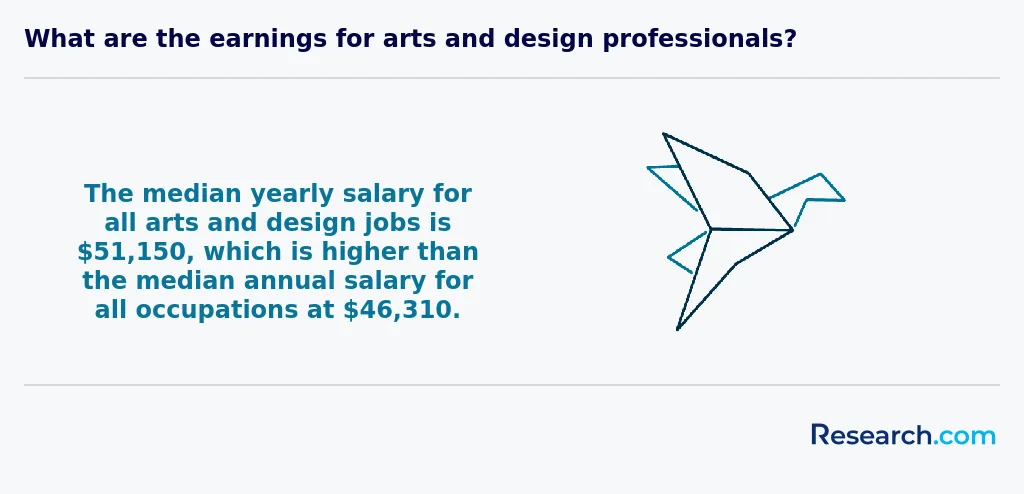
Graduates with an online fine arts degree in the West find diverse and practical career opportunities. Many start as graphic designers for regional advertising firms or entertainment companies in California, combining creativity with market demand. Others advance to roles like art director, where they manage visual projects and earn competitive salaries typical for the Western region. Illustrator positions are popular among graduates who prefer freelance flexibility, especially in vibrant arts communities tied to universities like those in Oregon or Washington.
Animator and multimedia artist roles are growing rapidly in the West's tech hubs, reflecting how West region online fine arts degree jobs often intersect with digital media fields. Some fine arts graduates at institutions known for online programs successfully launch independent careers as fine artists, showcasing their work in local galleries or online.
Those seeking stability may consider education or museum technician roles, which often require additional certification but offer rewarding community engagement. For students weighing educational investments, exploring the easiest phd to get can provide valuable guidance on advanced learning paths supporting these careers.
The job market for those holding an online fine arts degree in the West is competitive but promising. Graduates from well-known West Coast schools often leverage their flexibility and digital portfolios to secure roles in thriving creative sectors like graphic design, multimedia art, and digital animation. For example, graduates from universities in California or Oregon have found success by combining fine arts skills with technology, opening doors in industries like entertainment and digital media.
Despite steady demand, the region's job market for online fine arts degree job prospects West requires practical strategies. Graduates typically start by building strong portfolios and networking aggressively, sometimes taking contract or freelance work to gain experience. Tuition costs ranging from $15,000 to $45,000 allow many to graduate with less debt and enter the workforce faster than traditional paths.
To broaden opportunities, students should consider programs with accelerated options, such as those highlighted in the fastest associates degree rankings, which can reduce time to employment. Success stories often involve graduates who focus on market-relevant software and remote collaboration skills valued by West Coast employers.
2027 Best Online Bachelor's in Fine Arts Degree Programs Ranking in the West
Investing in your education is a significant decision that can shape your future, and the Research.com team understands the importance of making informed choices. To assist prospective students in selecting the best online Bachelor's in Fine Arts programs in the West, we have meticulously developed the "2027 Best Online Bachelor's in Fine Arts Degree Programs Ranking in the West." Our dedication to quality, credibility, and accuracy is demonstrated through rigorous research and analysis.
We utilized the following reputable data sources to ensure a comprehensive evaluation of Fine Arts programs:
By exploring this ranking, readers will gain valuable insights into top-quality programs, enabling them to make confident, informed decisions about their educational future. For more details on our approach, please visit our Research.com methodology page.
# 1 position
Western Governors University
Bachelor of User Experience Design


# 3 position
Academy of Art University
Bachelor of Visual Development

Frequently Asked Questions About fine arts
Online fine arts degree students in the Western US can maximize their learning by actively engaging in virtual studios and critique sessions. Research from the National Endowment for the Arts highlights that collaborative feedback enhances skill development. Utilizing digital portfolios to document progress and share work with peers and instructors is essential. Students should also take advantage of regional art resources, such as museums and galleries in California, Oregon, and Washington, often offering virtual tours and workshops. Balancing self-discipline with scheduled practice helps maintain steady progress. Additionally, seeking internships and local art community involvement complements online learning with practical experience.
The fine arts field is rapidly evolving, especially within online degree programs in the Western US. Emerging niches include digital media arts, focusing on skills like animation, graphic design, and interactive media. According to the National Endowment for the Arts, digital arts employment in the West grew by 12% over five years, reflecting industry demand.
Another growing area is art therapy, blending psychology and creative practice to support mental health. The California Association of Marriage and Family Therapists notes increasing interest in art therapy certifications linked to fine arts degrees.
Environmental art and sustainable design also attract attention, as artists respond to climate change through eco-conscious projects. Universities in the West increasingly incorporate these themes in curricula to meet regional workforce trends.
Graduates with online fine arts degrees in the Western US should focus on building a strong professional portfolio. According to the National Endowment for the Arts, showcasing diverse and original work is vital for standing out in competitive job markets. Networking is another key step; attending virtual and local art events in cities like Los Angeles and Seattle can connect graduates with galleries and potential employers.
Internships and freelance projects provide practical experience and enhance résumés, with the US Bureau of Labor Statistics noting that 14% of fine arts jobs expect some vocational training. Developing skills in digital media tools also increases job prospects, given the rise of multimedia art forms. Finally, keeping updated on local art grants and funding opportunities helps sustain a career in fine arts post-graduation.
Employers in the Western U.S. highly value creativity and technical proficiency in graduates of fine arts programs. According to the National Endowment for the Arts, candidates must demonstrate strong skills in digital tools such as Adobe Creative Suite and 3D modeling software, reflecting growing industry demands.
Collaboration and communication are also crucial, as many artistic projects require teamwork and client interaction. The U.S. Bureau of Labor Statistics notes that fine arts roles emphasize adaptability in diverse environments, especially in dynamic markets like California and Washington.
Additionally, portfolio development and critical thinking rank high, showcasing a graduate's ability to conceptualize and execute original ideas effectively, which employers in the creative sector consistently seek.
Finding internships in the Western United States related to fine arts degrees requires strategic research and networking. Many universities offer career services that connect online fine arts students with local galleries, museums, and design firms for internship opportunities. According to the National Endowment for the Arts, California and Washington host numerous arts organizations, increasing chances for placement.
Students should also explore regional arts councils, such as the California Arts Council or the Oregon Arts Commission, which often post internship openings. Utilizing platforms like Handshake and professional networks like LinkedIn tailored to creatives can further enhance job prospects.
Contacting faculty advisors for recommendations is another effective approach, as they often have industry connections. Internships typically provide practical experience needed to boost portfolios and resumes in the competitive Western arts market.
An online fine arts degree can significantly impact career mobility and advancement opportunities in the Western United States. According to the National Endowment for the Arts, many creative jobs in this region require formal education that includes technical skills and a professional portfolio, both of which online programs effectively provide.
Employers in the creative industries increasingly recognize accredited online degrees, allowing graduates to compete for roles in design, media, and gallery management. A 2023 report by the Bureau of Labor Statistics shows employment in arts-related occupations is projected to grow 5% through 2031 in the Western states, highlighting expanding opportunities.
Online degrees also offer flexibility for working professionals, enabling them to upskill or shift careers without interrupting their income sources, which enhances professional advancement.
Studying for a fine arts degree in the Western US often emphasizes interdisciplinary skills, blending traditional artistic techniques with technology, communications, and business. Many programs incorporate coursework in digital media, design thinking, and entrepreneurship, preparing students for diverse career paths beyond conventional art roles.
According to the National Endowment for the Arts, Western institutions frequently collaborate with tech and media sectors, enabling students to gain hands-on experience with emerging tools. This approach nourishes creativity in multiple contexts, such as advertising, animation, and interactive media.
Graduates are thus equipped to adapt to evolving job markets, making them valuable in interdisciplinary fields that intersect art with science, technology, and marketing.
When choosing between a thesis and a non-thesis fine arts degree program online in the Western US, consider your career goals. Thesis programs typically require original research or a final project, preparing students for advanced study or academic careers. According to the National Center for Education Statistics, around 35% of fine arts graduates pursue careers in education or research, where a thesis is advantageous.
Non-thesis programs focus more on practical skills and coursework, appealing to students eager to enter the creative workforce quickly. These often provide flexibility and may suit professionals balancing work and study.
Accreditation and faculty expertise can also influence your decision, so review each program's curriculum closely.
Students based in the Western United States interested in studying fine arts abroad have several options through accredited online programs offered by U.S. institutions. Many universities provide fully online Bachelor of Fine Arts (BFA) degrees, allowing students to earn credentials recognized nationwide while exploring global art perspectives.
Notable institutions such as the University of Arizona and California State University offer online fine arts programs, emphasizing flexibility and cultural awareness. According to the National Center for Education Statistics, nearly 30% of fine arts undergraduates in the West utilize online courses to balance studies with professional commitments.
These programs often include virtual studio work, digital portfolio creation, and international art history, providing a comprehensive experience comparable to on-campus study.
Part-time jobs in the West that complement a fine arts degree often involve roles related to creative industries. Positions such as gallery assistant, art tutor, or freelance illustrator provide practical experience alongside academic study. According to the National Endowment for the Arts, the Western states have a growing number of galleries and art spaces, which increases demand for part-time staff.
Additionally, many art students find opportunities as social media content creators for local artists or museums, blending digital skills with artistic knowledge. Working in art supply stores also offers hands-on industry exposure. These roles help build professional networks while supporting financial needs during studies.
Online fine arts students in the Western United States benefit from various networking opportunities despite the remote format. Many universities offer virtual art exhibitions, allowing students to showcase work to regional artists, gallery owners, and potential collaborators. According to the National Endowment for the Arts, California and Washington lead in creative sector employment, facilitating strong artistic communities accessible through online platforms.
Students can also join regional art organizations such as the California Arts Council or Oregon Arts Commission, which host online workshops, critique groups, and networking events. Additionally, social media groups and virtual studios provide spaces to connect with peers and mentors.
Alumni networks for online fine arts degree programs in the Western United States offer vital benefits to students and graduates. These networks provide access to professional connections that can lead to internships, exhibitions, and job opportunities within the competitive arts industry. According to the National Endowment for the Arts, alumni support increases employment rates for fine arts graduates by nearly 15% compared to those without such connections.
Members often share resources, including workshops and critiques, which help develop artistic skills and portfolios. Strong alumni presence in cultural hubs like Los Angeles and San Francisco also fosters collaboration and exposure. This community support complements formal education, enhancing career prospects in creative fields.
Customizing an online fine arts degree in the Western US allows students to tailor their studies toward specific career goals, such as graphic design, painting, or art education. Many programs offer elective courses and specialized tracks that focus on emerging fields like digital media or art therapy. According to the Western Interstate Commission for Higher Education (WICHE), nearly 60% of Western institutions provide flexible curricula to serve diverse professional interests.
Students can often choose portfolio development projects that align with their artistic ambitions. Internships and mentorships are also frequently available online to build practical experience.
Accredited programs ensure that coursework meets industry standards, helping graduates enter competitive job markets in cities like Los Angeles and Seattle, which have growing creative sectors.
Online fine arts students in the Western United States face several challenges unique to their field. One significant difficulty is accessing hands-on studio equipment and materials, which are vital for practical skill development. According to the National Endowment for the Arts, 42% of online arts students report limited access to specialized tools.
Another common issue is the lack of in-person critique and collaboration opportunities, which are essential for artistic growth. Students often struggle with building a creative community remotely.
Additionally, maintaining motivation and managing time can be harder in an online setting, especially when balancing work or family obligations.
Technical challenges such as unreliable internet or software compatibility also affect many students enrolled in Western online fine arts programs.
With an online fine arts degree, graduates in the West can pursue various professional certifications to enhance their careers. While the fine arts field generally emphasizes portfolios over formal credentials, options such as becoming a Certified Visual Arts Professional through organizations like the National Art Education Association (NAEA) exist.
Additionally, teaching licensure is a common path. Many western states require certification for educators in art subjects, which involves completing state-specific teaching credentials. Online fine arts graduates may also seek credentials in digital design or art therapy, although these often require supplementary coursework or graduate study.
According to the Western States Arts Federation, certified art educators earn about 10% more on average than non-certified peers. This highlights the value of professional certification for job prospects and salary growth in the western US arts market.
To write a winning application for an online fine arts program in the West, start by crafting a clear, concise personal statement. Highlight your artistic journey, goals, and why online learning suits your needs. Many Western universities value originality and commitment to the arts, so showcase your unique perspective.
A strong portfolio is critical; Western institutions typically require 10-15 examples of your best work. Follow specific submission guidelines carefully-formats and subjects may vary. According to the National Center for Education Statistics, portfolios significantly impact admissions decisions in arts programs.
Additionally, provide academic transcripts showing consistent performance, especially in related subjects. Letters of recommendation from art instructors or professionals add credibility. Lastly, detail any relevant experience like exhibitions or workshops to strengthen your profile.
Fine arts careers in the West attract growing attention due to expanding opportunities in digital media, galleries, and public art sectors. According to the National Endowment for the Arts, over 2.5 million Americans worked in arts and related fields in 2022, with steady growth expected. Globally, Western fine arts programs emphasize creative skills alongside business and digital literacy, preparing graduates for diverse roles.
Many US institutions offer online fine arts degrees, making education accessible nationwide. These programs often highlight portfolio development and multimedia expertise, aligning with current industry demands. Employment in the arts sector in the US is projected to increase by 7% through 2031, reflecting positive global interest.
Such trends illustrate how fine arts careers extend beyond traditional studio work, involving collaboration across international platforms and markets.
Gaining practical experience while pursuing an online fine arts degree in the West is essential for developing skills and expanding your portfolio. Many programs encourage students to participate in virtual workshops and critiques, allowing regular feedback from faculty and peers.
Students can also seek internships with local galleries, museums, or art studios. According to the National Endowment for the Arts, nearly 70% of arts internships in Western states offer remote options, making them accessible to online learners.
Additionally, joining regional art organizations or online artist communities provides opportunities to showcase work and network with professionals.
Choosing the right concentration in an online fine arts degree program in the West involves aligning your interests with career goals. Popular concentrations include studio art, digital media, and art education, each preparing students for distinct roles. According to the National Center for Education Statistics (NCES), over 35% of fine arts degrees in western states focus on digital arts, reflecting regional industry demand.
Investigation of faculty expertise and resources at prospective schools helps identify programs that emphasize your preferred medium. Consider also local art markets; for example, California and Washington have strong digital arts and animation sectors.
Review degree outcomes and alumni employment rates to gauge concentration effectiveness in securing jobs in the competitive Western arts industry.
- 2025 Most Affordable Online Colleges for Art Degrees https://www.onlineu.com/most-affordable-colleges/art-design-degrees
- Alumni network - ESMA https://www.esma-artistique.com/en/outreach/alumni-network/
- Standards & Guidelines » CAA Guidelines https://www.collegeart.org/standards-and-guidelines/guidelines/mfa
- Complete guide to studying Fine Arts - TAI Arts https://taiarts.com/en/blog/guide-to-studying-fine-arts/
- Degrees & Diplomas | College of Arts, Conservation and Design https://www.westdean.ac.uk/degrees-and-diplomas/courses
- Careers in Fine Art https://www.artcenter.edu/academics/undergraduate-degrees/fine-art/careers-in-fine-art.html
- 404 – Seite nicht gefunden https://www.gostudent.org/en-gb/blog/what-jobs-can-you-get-with-a-fine-arts-degree
- Fine Arts Course Duration: Complete Guide to Eligibility, Fees, & Career Scope - AAFT https://aaft.com/blog/fine-art/fine-arts-course-duration-complete-guide-to-eligibility-fees-career-scope/
- Download Our App Now https://www.nifafinearts.com/online-classes
- MFA Statement of Purpose: The Artist Statement + Academic Goals Hybrid https://gradpilot.com/news/mfa-statement-of-purpose-artist-statement-guide





