2027 Fastest Online Exercise Science Degree Programs Ranking in Texas

Co-Founder and Chief Data Scientist
Choosing the right exercise science degree can shape your future in health and fitness. For Texas students eager to advance their careers, finding a fast and reliable online program is essential.
This article introduces the 2027 Fastest Online Exercise Science Degree Programs Ranking in Texas, developed by the Research.com team of data scientists. It's designed to help you make an informed choice by highlighting top programs that combine quality with speed.
Explore options that fit your goals and lifestyle, making your journey toward an exercise science degree both rewarding and efficient.
Key benefits of getting online exercise science degree in Texas
- Exercise science graduates in Texas often pursue careers like fitness trainers or physical therapy aides, where the average hourly wage ranges around $17 to $21, reflecting solid earning potential while making a positive impact on others' health.
- Graduates from popular Texas universities, such as the University of Texas at Austin, find diverse opportunities in sports training, wellness coaching, and rehabilitation, giving you a flexible career path to follow your passion.
- Online degrees from institutions like Texas Tech University offer the convenience to balance study with life commitments, helping you gain valuable skills and certifications without interrupting your daily routine.
- 2027 Fastest Online Exercise Science Degree Programs Ranking in Texas
- What can I expect from online exercise science degree in Texas?
- Where can I work with online exercise science degree in Texas?
What can I expect from online exercise science degree in Texas?
When considering an online exercise science degree in Texas, it's important to know the average cost to plan your education journey confidently. Typically, tuition for these programs starts around $8,000 per year for in-state students. Many graduates from popular Texas universities appreciate how affordable these programs are, especially compared to on-campus options, which makes pursuing your passion for health and fitness far more accessible without relocating from Houston, Dallas, or smaller towns.
One inspiring aspect is how these programs balance cost with quality. For example, students often benefit from financial aid, scholarships, or payment plans that help ease the burden. Graduates recall how this financial flexibility allowed them to focus more on mastering courses like biomechanics and exercise physiology, rather than worrying about tuition bills. Real-world internship opportunities combined with virtual labs also make the investment worthwhile, providing practical skills alongside theoretical knowledge.
Where can I work with online exercise science degree in Texas?
Graduates from online exercise science programs at Texas universities like Texas A&M or the University of Texas often find themselves stepping into vibrant careers that make a real difference. Many begin in fitness centers, working as personal trainers or wellness coaches, where they use their knowledge to create customized exercise plans helping clients achieve life-changing health goals.
Others find rewarding roles in rehabilitation clinics, supporting patients recovering from injuries or surgeries by guiding them through scientifically backed movement therapies. Imagine assisting someone regain mobility after a knee surgery-that role is both challenging and deeply fulfilling.
Colleges and community programs also employ graduates to lead health education or contribute to important research, shaping wellness initiatives across Texas. Athletic departments at high schools and universities often welcome exercise science graduates as athletic trainers or performance coaches, where they get to motivate athletes toward peak performance while preventing injuries.
Public health agencies and corporate wellness programs value these professionals too, as they design programs that reduce chronic disease risks and promote healthier workplaces. For many Texas graduates, an online degree opens a path to these impactful opportunities without sacrificing their current lifestyle.
Graduates holding an online exercise science degree in Texas often see salaries reflecting their chosen paths and experience. For instance, many fitness trainers and instructors-common first roles after earning a degree-earn around $44,000 annually in Texas. This figure, while slightly below the national median, provides a solid starting point for those passionate about health and wellness careers.
Those who pursued their studies at respected institutions like Texas A&M or the University of Texas report that earning certifications such as ACSM can significantly boost earnings and job opportunities. Athletic trainers in Texas, another career route frequently taken by these graduates, earn closer to $53,000 yearly, benefiting from specialized training and education commonly integrated into Texas programs.
With experience, salaries improve notably. Graduates sharing their stories often emphasize how mid-level roles-achieved by gaining hands-on experience or extra credentials-can bring salaries over $60,000. In vibrant cities like Dallas and Houston, where demand is higher, these numbers tend to rise, reminding you that your degree can open doors to rewarding roles both professionally and financially.
- Online exercise science degrees in Texas offer flexibility with fully online or hybrid options and require local practical experiences.
- The average total cost for an exercise science bachelor's degree online in Texas ranges from $20,000 to $35,000 for in-state students.
- Starting salaries for exercise science graduates in Texas typically range from $45,000 to $50,000 per year, rising to $60,000 to $75,000 with experience and certifications.
- The job market for exercise physiologists in Texas is expected to grow by about 15% over the next decade, outpacing the national average.
- Certifications like the Certified Exercise Physiologist (CEP) can improve job prospects, though licensing requirements vary by role.
- Many programs include internships or clinical placements with local providers to meet practical training requirements.
Completing an online exercise science degree in Texas usually takes around four years if you follow a full-time schedule, much like many graduates from popular institutions such as Texas Tech University or the University of North Texas have experienced. These programs commonly require about 120 to 130 credit hours, providing a solid foundation in both theory and applied skills.
What's encouraging is the flexibility Texas offers. Many students juggling work or family start part-time, extending their studies to five years or more. Others take advantage of accelerated options, finishing in as few as three years by taking extra courses each semester. For example, graduates have shared how this flexibility helped them balance demanding jobs while progressing steadily toward their degree.
Practical experience remains crucial, and Texas online programs often partner with local gyms or clinics, allowing you to complete hands-on internships near home without disrupting your schedule. This adaptability can boost your confidence and motivation, making the journey uniquely rewarding for every student.
Choosing between online and on-campus exercise science degrees in Texas boils down to how you want to engage with your education. Graduates from the University of Texas at Austin often emphasize the value of hands-on labs and in-person mentorship, which deeply enrich their understanding of human movement and physiology. On-campus programs immerse you in a structured routine with direct access to cutting-edge fitness facilities - perfect if you thrive in an interactive, social environment.
Conversely, students who pursue online programs from institutions like Texas A&M highlight the flexibility to balance work, family, and study. They appreciate completing internships at local gyms or clinics near their homes, bringing practical experience into real-world settings on their own terms. While virtual, these programs demand self-discipline but open doors to networking beyond Texas, expanding your professional circle.
Both paths in Texas ultimately lead to respected certifications such as the CEP or ACSM credentials. Reflect on your learning style and life priorities to choose the path that fuels your passion and fits your lifestyle.
The average cost of an online exercise science degree in Texas varies widely, but students often find it more affordable than they anticipate, especially when attending public universities. On average, Texas residents pursuing this degree online spend around $20,700 in total tuition, a figure that reflects significantly lower rates compared to out-of-state or private school attendees. Graduates from well-known Texas universities, such as the University of Texas or Texas A&M, frequently share how accessing affordable online programs allowed them to balance work, family, and study without overwhelming debt.
For many, these programs offer a practical pathway to a rewarding career in health and fitness industries, with costs that remain reasonable throughout the four years. However, it's important to remember that tuition is just one piece of the puzzle. Additional expenses such as textbooks, technology, and occasional practical labs can add to the overall investment, so budgeting carefully helps keep financial stress at bay.
Students searching for affordable online exercise science programs in Texas often discover that considering residency status substantially impacts their cost savings. For instance, out-of-state students may face median total tuition costs near $52,400, highlighting the value of establishing residency or choosing a public institution. Also, private institutions tend to have much higher rates, sometimes exceeding $67,800, but they may offer accelerated options or specialized resources for a faster or more personalized educational experience.
Exploring options thoroughly is key, especially if you want to find the right balance between cost, flexibility, and program quality. Resources like the cheapest online exercise science programs can be invaluable tools for prospective students determined to make informed decisions that support their goals and passions.
Students pursuing an online exercise science degree in Texas often find financial aid a powerful ally in easing tuition costs. Graduates from universities like Texas A&M and the University of Texas at Austin frequently share how crucial federal aid, accessed through FAFSA, made their education affordable. For instance, Pell Grants can provide up to $7,395 annually, offering significant relief for those with financial need.
State-specific programs such as the Texas Tuition Equalization Grant (TEG) and Texas Public Educational Grant (TPEG) further support students attending private and public institutions. Many Texas colleges complement these with scholarships tied to academic achievement or dedication to health sciences, motivating students to excel.
Additionally, graduates often recommend exploring national scholarships from organizations like the American College of Sports Medicine (ACSM) or tapping into employer tuition assistance if working in fitness or wellness. These resources transform the dream of earning an online exercise science degree in Texas into an inspiring and achievable journey.
To successfully enroll in an online exercise science degree program in Texas, you'll need to meet several clear prerequisites that set the stage for your academic journey. Most Texas schools expect you to have completed high school or earned a GED, laying a solid foundation for college-level work. Graduates from universities like the University of Texas at Austin or Texas Tech University often reflect on how important it was to have strong backgrounds in biology, chemistry, and math before diving into their coursework.
Many programs require official transcripts showing you've completed courses such as general biology with lab, human anatomy and physiology, introductory chemistry, and basic statistics or mathematics. Some schools may also request SAT or ACT scores, though a growing number have made these optional to increase access for motivated students.
Additionally, prepare to showcase your passion through letters of recommendation or personal statements. These steps not only demonstrate your readiness but also help convey your enthusiasm for advancing health and fitness within Texas's dynamic exercise science community.
When you enroll in an online exercise science degree program in Texas, you'll dive into courses that build a powerful foundation for understanding the human body in motion. Graduates from well-known institutions like the University of Texas and Texas Tech often share how courses such as Human Anatomy and Physiology gave them a clear picture of how muscles, bones, and organs connect to enable every movement.
Exercise Physiology is another key course, teaching you how the body adapts to exercise - imagine learning why your heart races during a workout and how recovery works. Students often find Kinesiology fascinating because it breaks down the mechanics behind simple actions like walking or throwing a ball, turning everyday motions into scientific puzzles.
Nutrition for Health and Performance opens your eyes to fueling the body right, which many graduates say made a real difference in their own energy and recovery. Add in the practical skills from Exercise Testing and Prescription, and you're prepared to design personalized fitness plans for diverse clients.
When exploring an online exercise science degree specializations Texas students often find pathways that align closely with their passions and career ambitions. Many graduates from popular institutions like the University of Texas and Texas A&M choose clinical exercise physiology, where they learn to design rehabilitation programs for patients recovering from chronic conditions-a truly rewarding way to make a difference in healthcare settings.
Others are drawn to sports performance and coaching, a specialization that prepares them to boost athletes' abilities using biomechanics and nutrition science. This track is ideal for those motivated by dynamic environments like school sports teams or private fitness facilities. Another fulfilling option is health and wellness promotion, where students gain skills to lead community health initiatives or corporate wellness programs, inspired by growing trends statewide.
Some students dive into kinesiology and biomechanics, focusing on human movement and injury prevention. This knowledge opens doors to fields like physical therapy or ergonomics. If you want to explore more about what to do with kinesiology degree, it's an exciting route that many Texas online exercise science program options include to enhance your expertise.
When choosing the best online exercise science degree Texas offers, prioritize programs with solid regional accreditation, such as those recognized by SACSCOC. Graduates from popular universities in Texas often praise curricula aligned with CAAHEP standards, which integrate practical courses like anatomy and biomechanics-key for real-world success. An affordable exercise science program in Texas can save you thousands annually; many students benefit from comparing tuition rates and financial aid options before committing.
Flexibility matters deeply for busy learners balancing work and life. Opt for programs that offer asynchronous classes alongside occasional local labs or internships, a balance that many Texas graduates found empowering for their schedules. Connecting with schools that maintain strong ties to Texas healthcare and sports industries often provides valuable internship opportunities that can accelerate your career.
Don't overlook available technology and faculty expertise, which shape your learning experience profoundly. Many successful graduates highlight interactive platforms and approachable instructors as game changers. For a deeper understanding of career paths and salaries, check out what is the highest paying job with an exercise science degree.
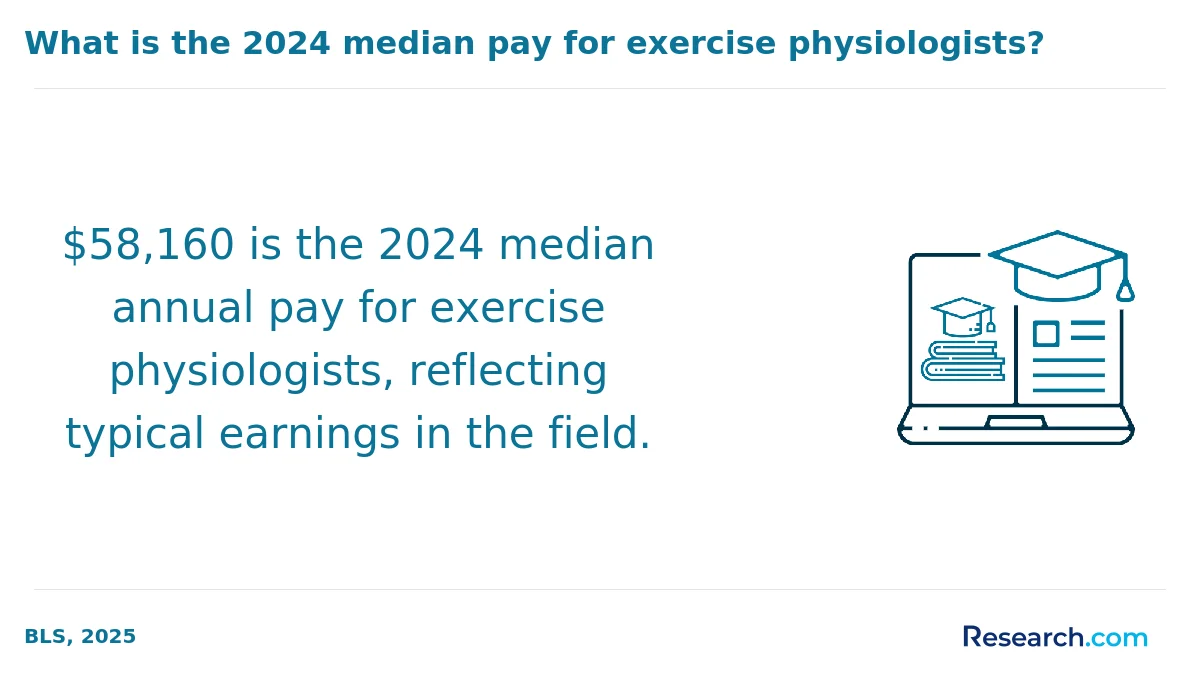
If you're pursuing an online exercise science degree in Texas, you'll discover a variety of rewarding career paths that match your passion for health and movement. Many graduates from popular Texas institutions find themselves thriving as exercise physiologists, crafting personalized fitness programs that improve heart health and physical strength. In bustling metro areas like Austin or Dallas, this role offers both fulfillment and competitive wages.
Another exciting avenue is becoming a physical therapy assistant. Texas's expanding healthcare system means strong growth and opportunities in rehabilitation fields, especially for those who supplement their degree with certifications. Graduates often share how versatile their Texas exercise science degree job opportunities are, including working as fitness trainers or instructors in gyms and community centers. The hands-on experience gained through programs available at Texas universities proves invaluable.
Some graduates pursue roles such as sports coaches or wellness coordinators, enhancing their credentials with certifications like the CSCS. Exploring what to do with a sports management degree can also widen your perspective on career options aligned with exercise science. Texas's online exercise science careers open doors that are both inspiring and practical.
The job market for graduates with an online exercise science degree in Texas is strong and growing, fueled by the state's expanding population and thriving healthcare sector. Many graduates from well-known Texas universities find rewarding roles in hospitals, rehabilitation centers, and fitness clubs in major cities like Houston and Dallas. Their hands-on experience during online programs often includes virtual internships or partnerships with local clinics, making them highly competitive candidates. This positive employment outlook encourages many students to pursue certifications alongside their degree, enhancing their career prospects.
For those exploring Texas employment opportunities for exercise science graduates, the sports and fitness culture offers diverse pathways-from personal training to working with professional sports teams or community wellness programs. Graduates frequently share how affordable tuition from institutions across Texas and the practical skills gained online have empowered them to thrive. If you wonder about career advancement, understanding what does it take to become a pe teacher can provide useful insights into credentialing that also benefits exercise science professionals.
2027 Fastest Online Exercise Science Degree Programs Ranking in Texas
Investing in your education is a significant decision that can shape your future, and the Research.com team understands the importance of making informed choices. To assist prospective students in Texas, we have meticulously crafted the "2027 Fastest Online Exercise Science Degree Programs Ranking in Texas." Our commitment to quality, credibility, and accuracy is reflected in the extensive research and analysis conducted to compile this ranking.
We utilized the following reputable data sources to ensure a comprehensive evaluation of exercise science programs:
By exploring this ranking, readers will gain valuable insights into the fastest online exercise science degree programs available in Texas, helping them make well-informed decisions about their educational paths. For more details on our methodology, please visit our Research.com methodology page.


Frequently Asked Questions About exercise science
Online exercise science degree students in Texas can maximize their learning experience by actively engaging with course materials and utilizing available resources. Many Texas institutions offer virtual labs and interactive simulations that help students apply theory to practice, critical for exercise science education. Students should also seek internships or practicums within local fitness centers or healthcare facilities to gain hands-on experience, as recommended by the Texas Higher Education Coordinating Board.
Networking through online forums and joining professional organizations, such as the Texas Association of Health, Physical Education, Recreation, and Dance (TAHPERD), can provide valuable industry insights and career opportunities. Additionally, managing time effectively and maintaining consistent communication with instructors supports academic success in online formats.
Emerging niches within the exercise science field reflect growing innovations in health and fitness tailored to diverse populations. One rapidly expanding area is wearable technology analysis, where specialists evaluate data from devices to optimize physical performance and prevent injuries. According to the Texas Workforce Commission, demand for exercise physiologists and related roles is projected to grow 14% through 2030 in Texas.
Another niche gaining attention is telehealth fitness coaching, especially relevant for remote and rural Texans. This sector uses digital platforms to deliver personalized exercise programs and monitor progress.
Additionally, exercise science professionals are increasingly focusing on geriatric fitness, addressing the needs of Texas' aging population. The Texas Department of State Health Services highlights the importance of tailored exercise for chronic disease prevention in older adults.
After completing an online exercise science degree in Texas, preparing for the job market involves several strategic steps. First, gaining relevant certifications, such as Certified Strength and Conditioning Specialist (CSCS) or American College of Sports Medicine (ACSM) credentials, can significantly boost employability. Texas employers often seek candidates with these certifications alongside academic degrees.
Networking is essential. Joining professional organizations like the Texas Chapter of the National Strength and Conditioning Association helps connect graduates with local job opportunities and internships. According to the Texas Workforce Commission, exercise science-related jobs in Texas are expected to grow by 8% through 2030, making timely job market entry critical.
Additionally, seek internships or volunteer positions during or immediately after the program to gain practical experience. Texas universities often provide career services for online students that can support resume building and interview preparation, which are vital in this competitive job market.
Employers in Texas highly value exercise science graduates who demonstrate strong knowledge of human anatomy, physiology, and biomechanics. These foundational skills enable graduates to design effective fitness and rehabilitation programs. According to the Texas Workforce Commission, communication skills rank equally high, as professionals must clearly instruct clients and collaborate with healthcare teams.
Data from the National Strength and Conditioning Association highlights that practical experience with fitness assessments and technology, such as motion analysis software, is increasingly important. Employers also seek graduates with certifications like ACSM or NASM.
Finally, critical thinking and adaptability stand out, helping graduates address diverse client needs across Texas's varied populations.
Finding internships in Texas related to an exercise science degree involves multiple strategies. Many universities with exercise science programs maintain partnerships with local health clinics, sports teams, and rehabilitation centers. These developed connections provide students with hands-on experience opportunities.
Students should also utilize resources from the Texas Department of State Health Services and the Texas Higher Education Coordinating Board, which sometimes list available internships and training related to health and fitness careers.
Professional organizations like the Texas American College of Sports Medicine offer internship listings and networking events across Texas cities.
Additionally, online platforms like Handshake, which many Texas universities subscribe to, help students find internships specific to exercise science from Dallas, Houston, Austin, and beyond.
Obtaining an online exercise science degree in Texas can significantly enhance career mobility and advancement opportunities in the state's growing health and fitness sector. Texas is home to a diverse job market for exercise science professionals, including roles in rehabilitation, wellness coaching, and sports training.
According to the Texas Workforce Commission, employment for exercise physiologists and related occupations is projected to grow by over 13% through 2030, faster than the average for all occupations. This growth can open doors for degree holders to pursue higher-level positions.
Additionally, completing an accredited online program enables working professionals to balance education with job responsibilities, facilitating career advancement without interrupting income.
Credentials gained from online degrees also meet state licensing and certification requirements, which are crucial for roles in clinical and fitness environments across Texas.
Studying for an exercise science degree in Texas equips students with knowledge across multiple disciplines such as biology, physiology, nutrition, and kinesiology. This interdisciplinary grounding allows graduates to effectively collaborate in healthcare, sports, and wellness settings. Many Texas programs emphasize hands-on learning and real-world applications, preparing students for roles like physical therapy assistants, fitness trainers, and rehabilitation specialists.
Texas online exercise science degrees often include courses in psychology and biomechanics, which are vital for understanding human movement and behavior. According to the Texas Higher Education Coordinating Board, programs typically require around 120 credit hours combining science and practical experiences.
This broad education supports careers in areas including healthcare administration, sports management, and public health, reflecting the growing demand for versatile professionals in Texas's expanding fitness and medical sectors.
Choosing between a thesis and a non-thesis exercise science degree program in Texas depends largely on your career goals. A thesis option typically involves conducting original research, which is ideal if you plan to pursue a PhD or work in research settings. Non-thesis programs focus more on coursework and practical experience, suited for those aiming for clinical, fitness, or administrative roles.
Texas institutions, such as the University of Texas at Austin, emphasize research for thesis tracks, often requiring around 6 to 9 credit hours dedicated to a research project. Non-thesis degrees usually require additional electives or internships.
According to the Texas Higher Education Coordinating Board, exercise science graduates with thesis experience have a higher chance of acceptance into competitive doctoral programs.
Students based in Texas seeking to study exercise science abroad have limited direct online options through foreign institutions due to accreditation and transfer credit concerns. Most Texas residents pursue degrees from accredited U.S. programs offering online coursework combined with international study abroad opportunities.
Popular Texas colleges like the University of Texas and Texas A&M often partner with overseas universities to provide summer or semester exchanges, allowing students to gain global experience while completing U.S.-accredited degrees.
According to the Texas Higher Education Coordinating Board, fewer than 5% of Texas students enroll in full foreign-based online exercise science programs, reflecting the challenges of international accreditation recognition in this field.
In Texas, part-time job opportunities that complement an exercise science degree include roles such as fitness trainers, wellness coaches, and rehabilitation aides. According to the Texas Workforce Commission, employment for fitness trainers and instructors is projected to grow by 19% from 2020 to 2030, reflecting increasing demand.
Positions in physical therapy clinics or sports medicine facilities can provide valuable hands-on experience. Jobs like personal trainer or group fitness instructor allow students to apply anatomy and physiology knowledge while developing client communication skills. Additionally, some students find work with community health programs or university recreation centers.
These roles not only enhance resumes but also deepen practical understanding in exercise science fields.
Online exercise science students in Texas have several networking opportunities despite the remote nature of their studies. Many Texas universities offering online programs encourage participation in local internships, clinicals, or practicum experiences to connect students with professionals in health and fitness sectors.
State and regional organizations, such as the Texas Academy of Science and the Texas Physical Therapy Association, provide virtual events, conferences, and forums for students to engage with experts. Additionally, platforms like LinkedIn offer Texas-specific groups focused on exercise science careers.
Networking through alumni networks is common, allowing students to access mentorship and job leads. These opportunities help build professional relationships essential for career growth in Texas's growing health and wellness industry.
Alumni networks provide valuable benefits for online exercise science degree students in Texas by fostering professional connections within a specialized community. These networks often include graduates working in fields like physical therapy, sports training, and wellness coaching across Texas, enhancing job prospects.
According to the Texas Higher Education Coordinating Board, strong alumni engagement can lead to increased internships and job placement opportunities, which are crucial for exercise science careers.
Networking through alumni groups helps students stay informed about industry trends, certifications, and continuing education, aiding career advancement in Texas's competitive fitness and healthcare markets.
Customizing an online exercise science degree in Texas allows students to align their studies with specific career goals. Many Texas institutions offer elective courses or concentrations in areas like kinesiology, sports performance, or wellness coaching. Selecting relevant electives helps build expertise tailored to roles in rehabilitation, fitness training, or athletic training.
Students can often choose practicum or internship options, which provide hands-on experience with local clinics or sports teams. This practical exposure supports career readiness and networking opportunities.
Advisors at Texas schools frequently assist in course planning, ensuring students meet both academic standards and professional requirements, such as preparing for certification exams in exercise physiology or personal training.
According to the Texas Higher Education Coordinating Board, personalized curriculum paths improve job placement rates in exercise science fields statewide.
Online exercise science students in Texas commonly face several challenges during their studies. One major issue is accessing adequate hands-on training, as exercise science heavily relies on practical experience. Many programs require in-person labs or internships, which can be difficult to coordinate remotely.
Another challenge is maintaining motivation and time management without the structure of a traditional classroom. Studies show that about 40% of online learners nationwide struggle with self-discipline, which can impact progress in rigorous programs like exercise science.
Technical difficulties also arise, especially in rural Texas where broadband access remains inconsistent. According to the Federal Communications Commission, nearly 20% of Texans lack reliable high-speed internet, complicating participation in virtual classes.
Finally, limited local networking opportunities may affect students' ability to connect with professionals and secure relevant job placements after graduation.
With an online exercise science degree in Texas, graduates can pursue several professional certifications to enhance their career opportunities. Popular certifications include the Certified Strength and Conditioning Specialist (CSCS) offered by the National Strength and Conditioning Association and the Certified Personal Trainer (CPT) credential from the American College of Sports Medicine.
Other options include becoming a Certified Exercise Physiologist (EP-C) through ACSM or obtaining the Certified Specialist in Sports Dietetics (CSSD) from the Academy of Nutrition and Dietetics. These certifications often require passing an exam and meeting experience requirements.
In Texas, certified professionals are in demand due to rising awareness of fitness and wellness. According to the Texas Workforce Commission, fitness trainers and instructors are expected to grow by 17% through 2030, signaling strong job prospects for those with these credentials.
To write a winning application for an online exercise science program in Texas, start by carefully reviewing each school's admission requirements. Most programs require a minimum GPA, typically around 2.5 to 3.0, and completion of relevant prerequisite courses such as biology and anatomy. Highlight your academic strengths and any related experience in health, fitness, or sports through a clear, focused personal statement. Demonstrate your motivation for pursuing exercise science by linking your goals with program offerings. Including strong letters of recommendation from educators or professionals in related fields can significantly enhance your application.
Texas universities often emphasize holistic admissions, so showcasing involvement in community fitness programs or certifications like CPR can improve your profile. According to the Texas Higher Education Coordinating Board, online program demand has increased by over 30% in recent years, making competition steeper. Proofreading your application and submitting all materials well before deadlines will show professionalism and dedication.
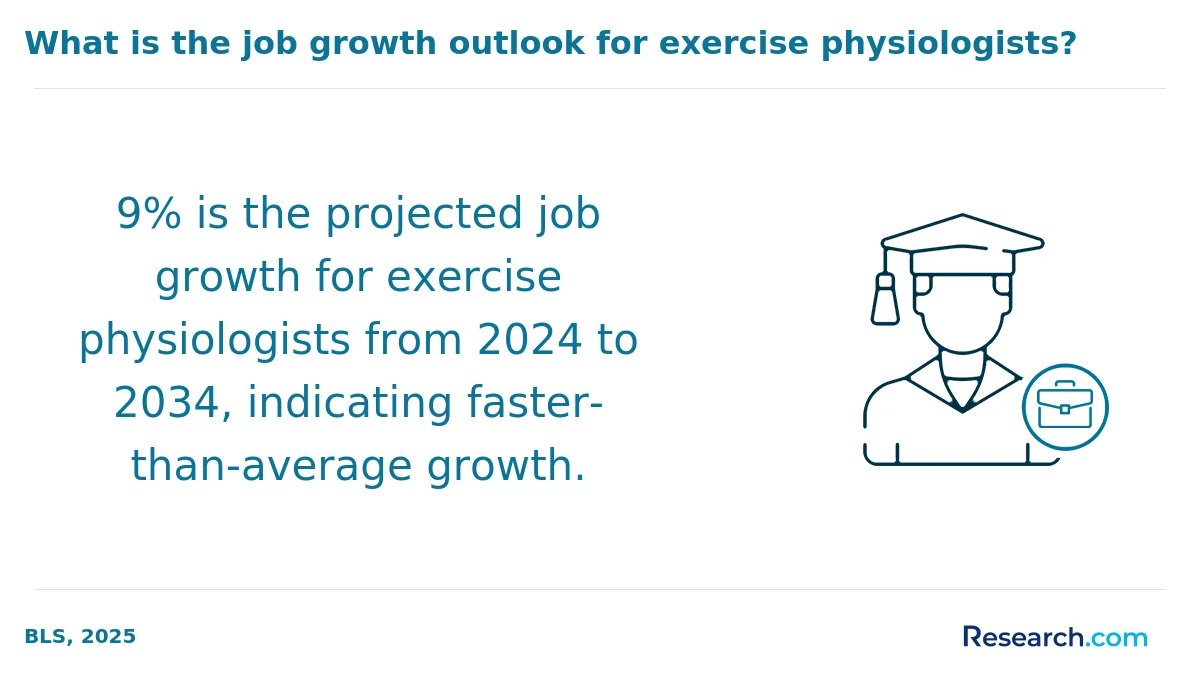
Exercise science careers offer diverse opportunities worldwide, driven by a growing demand for health and wellness professionals. In the United States, including Texas, job growth for exercise physiologists is projected at 11% from 2022 to 2032, according to the U.S. Bureau of Labor Statistics. This rate is faster than the average for all occupations, reflecting the increasing need for specialized fitness and rehabilitation experts. Globally, exercise science is expanding beyond traditional fitness roles to include areas like clinical rehabilitation and sports performance.
Texas benefits from a strong healthcare and sports industries, supporting a vibrant job market in exercise science. Institutions like the Texas A&M Health Science Center provide research and training that align with global trends emphasizing evidence-based practice.
For Texans pursuing online degrees, focus on programs that integrate international best practices and accredited curricula. This approach enhances career prospects both within Texas and internationally, as employers value graduates familiar with global standards in exercise science.
Gaining practical experience while pursuing an online exercise science degree in Texas involves engaging in internships, clinical placements, or volunteer opportunities. Many Texas universities partner with local healthcare facilities, gyms, and rehabilitation centers to provide students with hands-on training that complements online coursework.
According to the Texas Higher Education Coordinating Board, about 70% of exercise science programs in the state incorporate experiential learning components. Students can also seek certification as personal trainers or fitness specialists, which often require practical hours and improve job prospects.
Networking through Texas-based professional associations like the Texas Association of Health, Physical Education, Recreation and Dance (TAHPERD) further supports real-world experience.
Choosing the right concentration within an online exercise science degree in Texas depends on your career goals and interests. Popular concentrations include kinesiology, sports performance, rehabilitation, and wellness coaching. Texas workforce data highlights growth in physical therapy and fitness training fields, suggesting strong job prospects in those areas (Texas Workforce Commission, 2023).
Consider how each specialization aligns with certification opportunities such as ACSM or NSCA, valued by Texas employers. Additionally, research program accreditation and course flexibility, especially if balancing work and study. Checking alumni outcomes or contacting program advisors can provide insights into each concentration's strengths within Texas's job market.
- 2027 Fastest Online Exercise Science Degree Programs Ranking in Kansas
- 2027 Fastest Online Exercise Science Degree Programs Ranking in Missouri
- 2027 Fastest Online Exercise Science Degree Programs Ranking in Alabama
- 2027 Fastest Online Exercise Science Degree Programs Ranking in Florida
- 2027 Fastest Online Exercise Science Degree Programs Ranking in Kentucky
- 2027 Fastest Online Exercise Science Degree Programs Ranking in Illinois
- 2027 Fastest Online Exercise Science Degree Programs Ranking in Ohio
- 2027 Fastest Online Exercise Science Degree Programs Ranking in Pennsylvania
- 2027 Fastest Online Exercise Science Degree Programs Ranking in New York
- Exercise Science Degree Programs Lead to Rewarding Careers in Health and Fitness https://www.carrollcc.edu/articles/exercise-science-degree-programs-lead-to-rewarding-careers-in-health-and-fitness/
- Exercise Science Program Alumni | NCWU https://ncwu.edu/academics/majors-minors/exercise-science/exs-alumni/
- Exercise science: What exactly is it? https://www.scienceforsport.com/exercise-science/
- Exercise Science https://lakeland.edu/degrees/exercise-science/alumni
- Exercise Science and Kinesiology https://www.fastweb.com/directory/scholarships-for-exercise-science-and-kinesiology-majors
- Exercise Physiology Personal Statement Examples and Tutoring https://vincekotchian.com/personal-statements/exercise-physiology-personal-statements/
- Sports Science Degree Careers and Salary in Europe - StudyinEurope.eu https://www.studyineurope.eu/sports-science/sports-science-degree-careers-salary-europe/
- Sports and Exercise Science Personal Statement https://www.personalstatementservice.com/blog/examples/sports-and-exercise-science-personal-statement
- Exercise Science Degree Programs & Career Guide 2025 https://www.nutritioned.org/exercise-science-degree/
- From Student to Clinical Exercise Physiologist With a Degree in Exercise Science https://online.aurora.edu/program-resources/student-to-exercise-physiologist/